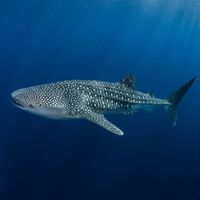
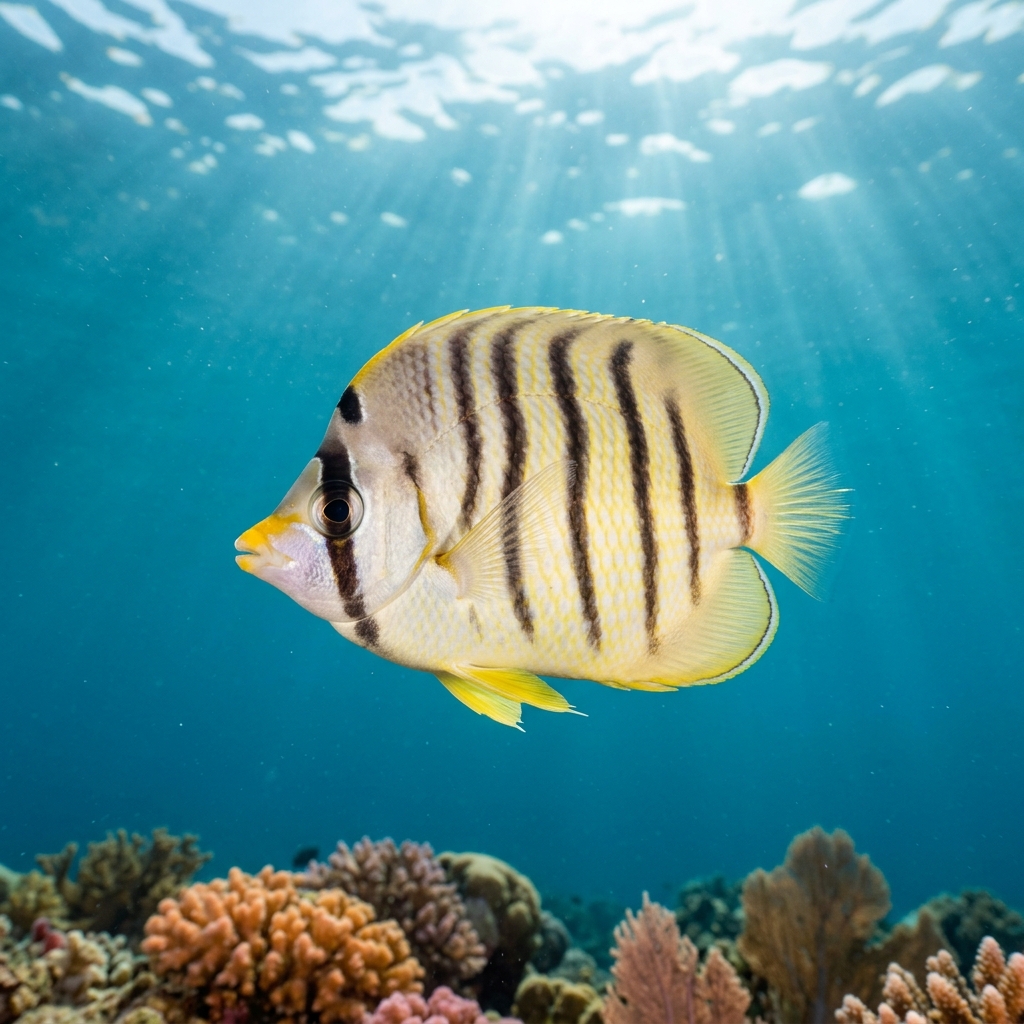
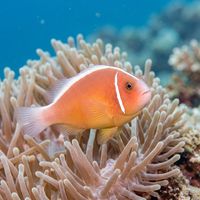
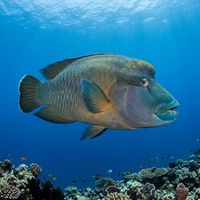
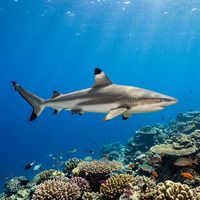
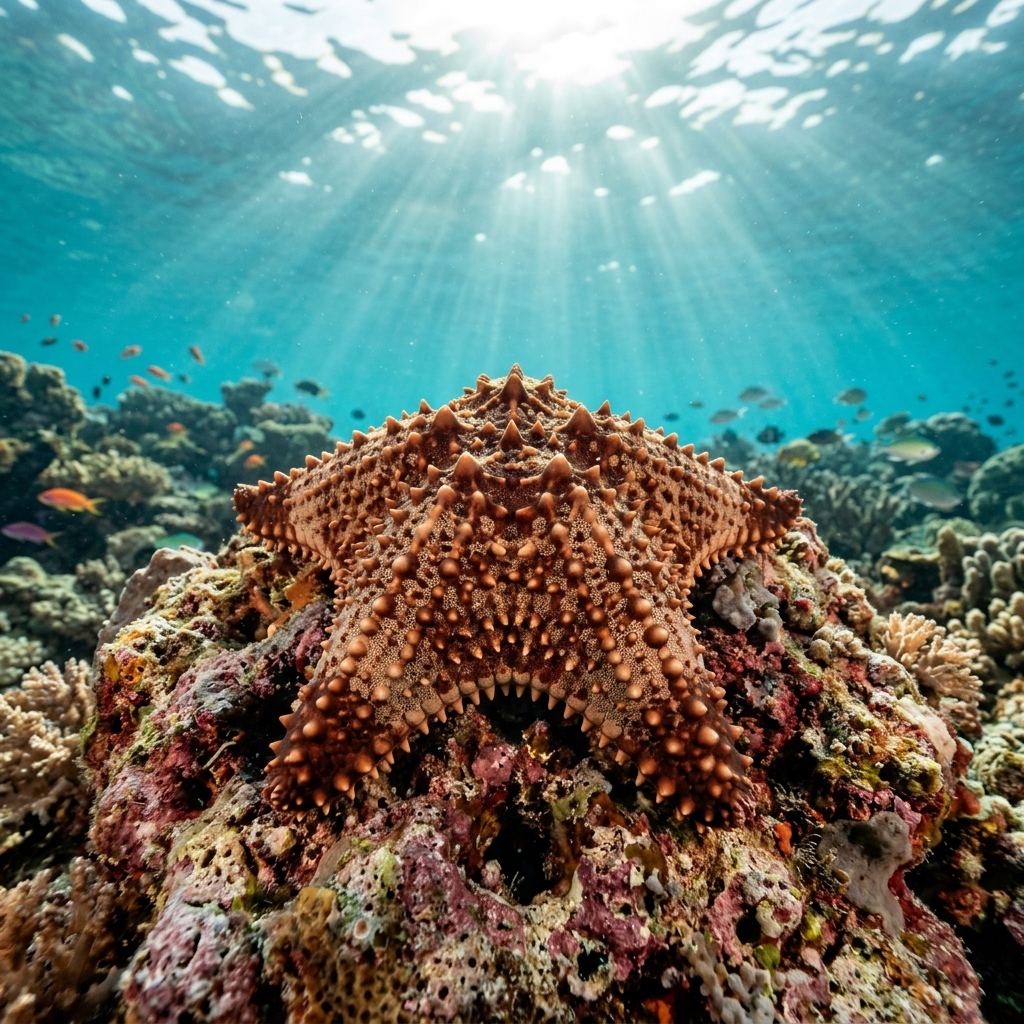
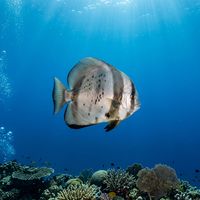
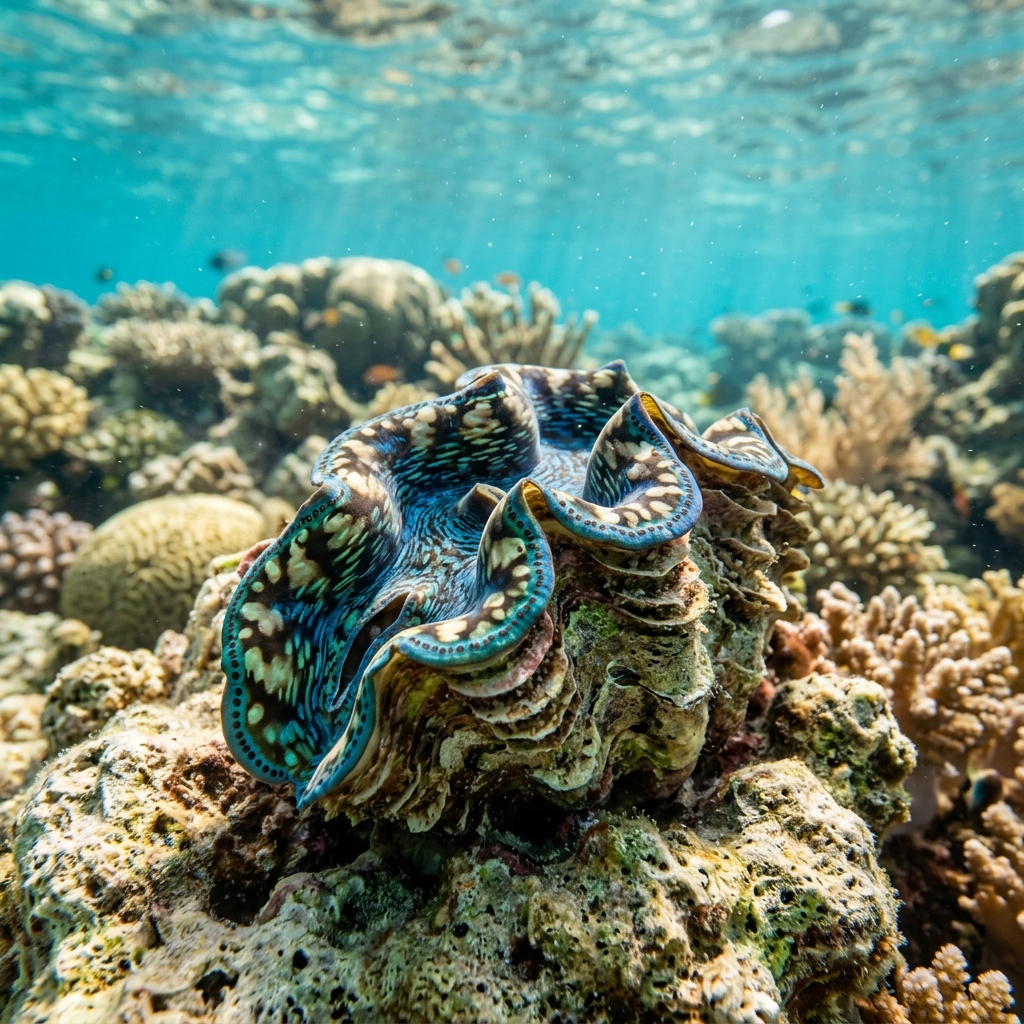
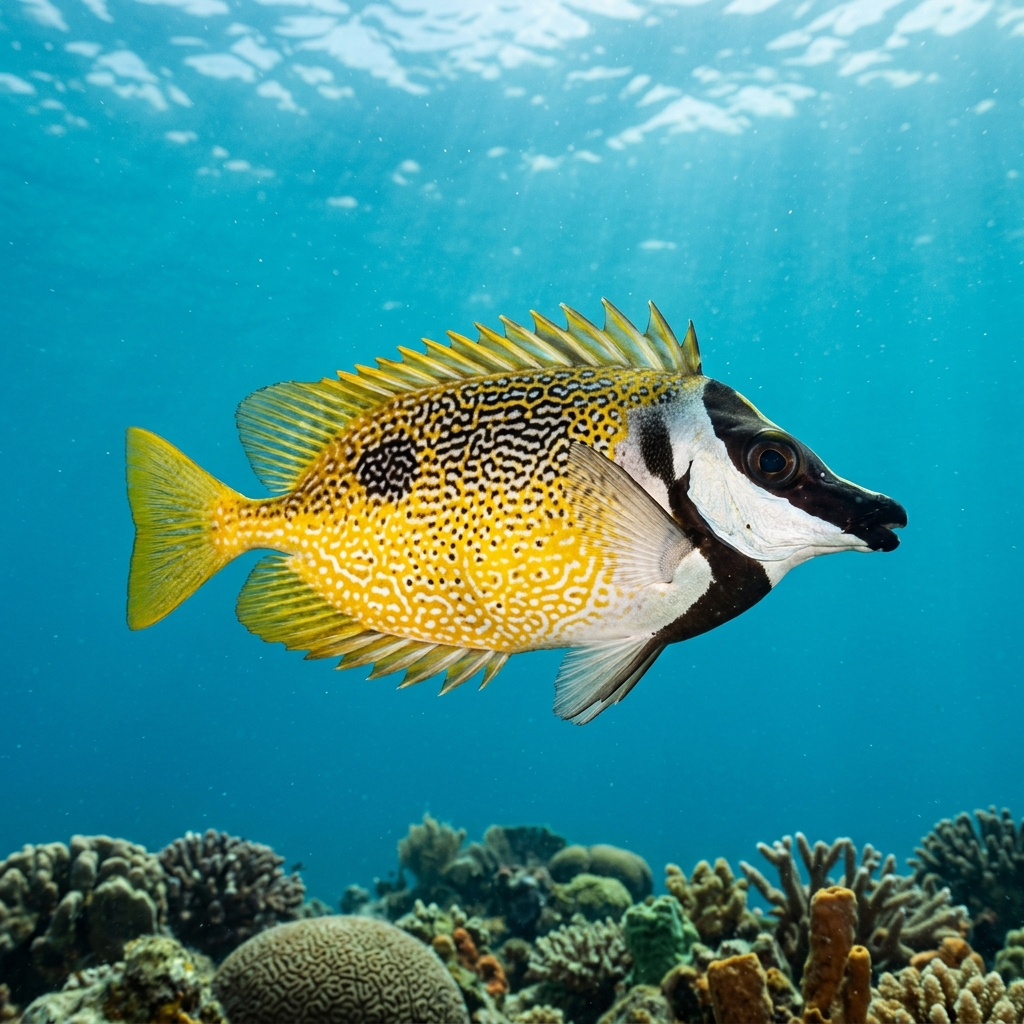
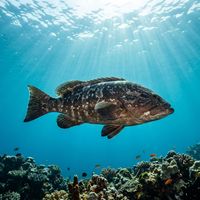
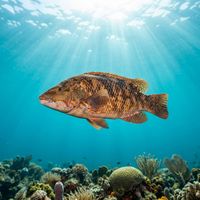
Aur and Dayang Islands offer a compact but varied mix of reef diving, submerged pinnacles and deep walls. The signature draw is the Whale Shark, observed with notable regularity across the sites. Reef life runs to Rabbitfish, Pink Skunk Clownfish, Groupers, Wrasses and Batfish as everyday companions, with Blacktip Reef Shark and Napoleon Wrasse adding occasional weight. Most diving is boat-accessed and pitched at intermediate level, though snorkellers share a handful of the shallower reefs.

Monthly water temperature across Aur & Dayang Islands's sites, from satellite sea-surface data corrected for depth. The band shows the site-to-site spread.
Water stays warm throughout the year, with a gentle peak in the mid-year months making March through October the most productive window. The northeast monsoon brings rougher conditions in the closing months of the year and into January, limiting access. Deep walls such as those at Pulau Pinang reward careful planning, while the pinnacles suit divers comfortable with open-water exposure.
4 operators
8 more sites to explore
Water temperature around Aur & Dayang Islands ranges from about 28°C in January to 30°C in April, based on satellite sea-temperature data for its dive sites.
With water around 28–30°C, a rash guard or 3mm shorty works in Aur & Dayang Islands year-round.
Fin maps 10 sites in Aur & Dayang Islands (8 scuba diving sites and 3 snorkelling spots, with some suited to both).
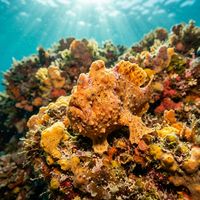
The Whale Shark is the headline species and has been observed across a large proportion of the sites, making it a real possibility on most dives during good season. Blacktip Reef Shark and Napoleon Wrasse are occasional visitors, and Barracuda and Batfish are common sightings on the reefs. Rarer finds include Bumphead Parrotfish, Ghost Pipefish and Frogfish.
The listed dive sites are predominantly rated at intermediate level, and sites like Pulau Pinang feature deep walls that require careful dive profile management. Beginners would be better served building experience before visiting. The snorkelling sites offer a gentler alternative for those not yet certified or comfortable with deeper reef diving.
All dive and snorkel sites are boat-access only, with no shore-entry sites listed for the area. Divers and snorkellers join boat-based trips to reach the reefs and pinnacles offshore. There are currently no operators listed directly for this region, so arranging access through operators on the wider East Coast is worth investigating.
The area combines submerged pinnacles, sloping reef structures and deep walls. Pinnacle II sits offshore and offers a compact reef formation at mid-range depths, while Pulau Pinang drops into a wall that descends well beyond recreational limits. This variety means the same trip can include both colourful shallow reef browsing and more demanding deeper profiles.