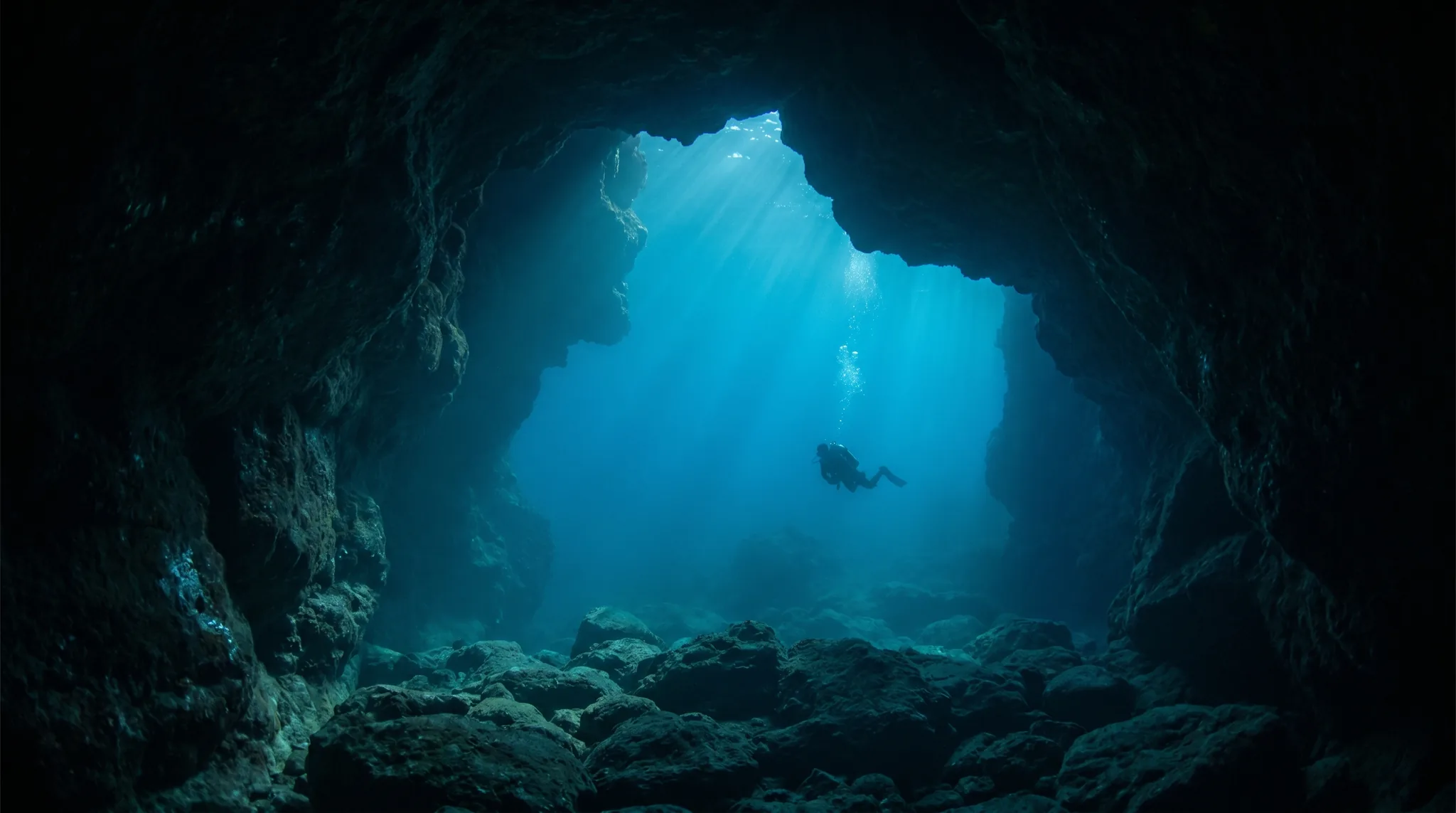
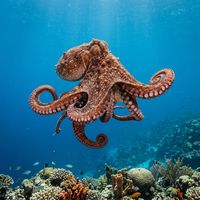
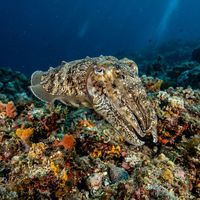
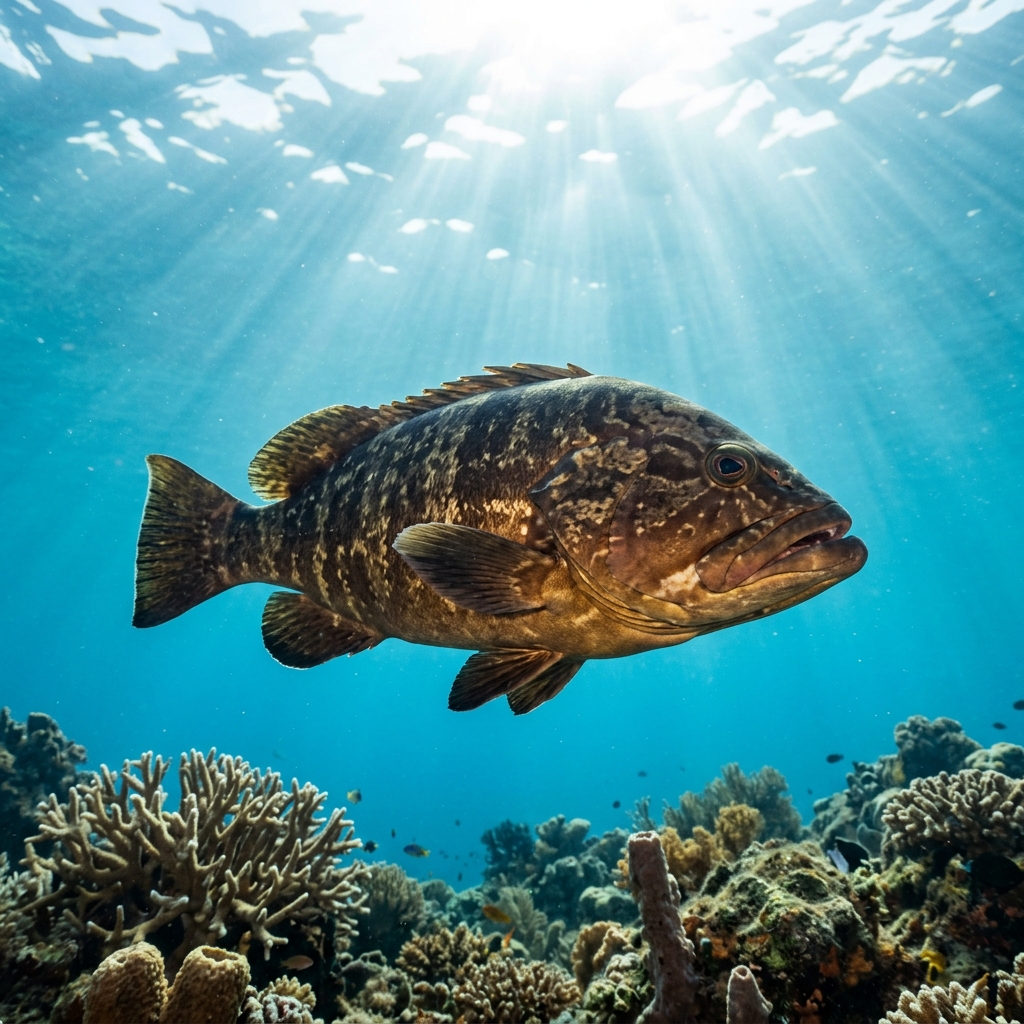
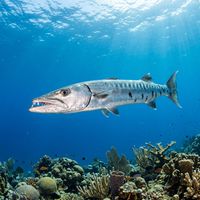
Madeira Island's diving centres on volcanic topography: reef walls, drop-offs, pinnacles, caves and wrecks spread across two coastlines. The Funchal and East Coast sub-area holds the great majority of sites, including accessible shore entries and boat dives on deep walls such as Farol and Boca da Caldeirinha. The smaller Calheta and West Coast offers a contrasting mix, including the Bowbell wreck and the shallow artificial reef at Sandy. Cephalopods define encounters here: the Common Octopus and European Common Cuttlefish appear at nearly every site, alongside the Dusky Grouper, Great Barracuda and ever-present Canary Damsel.
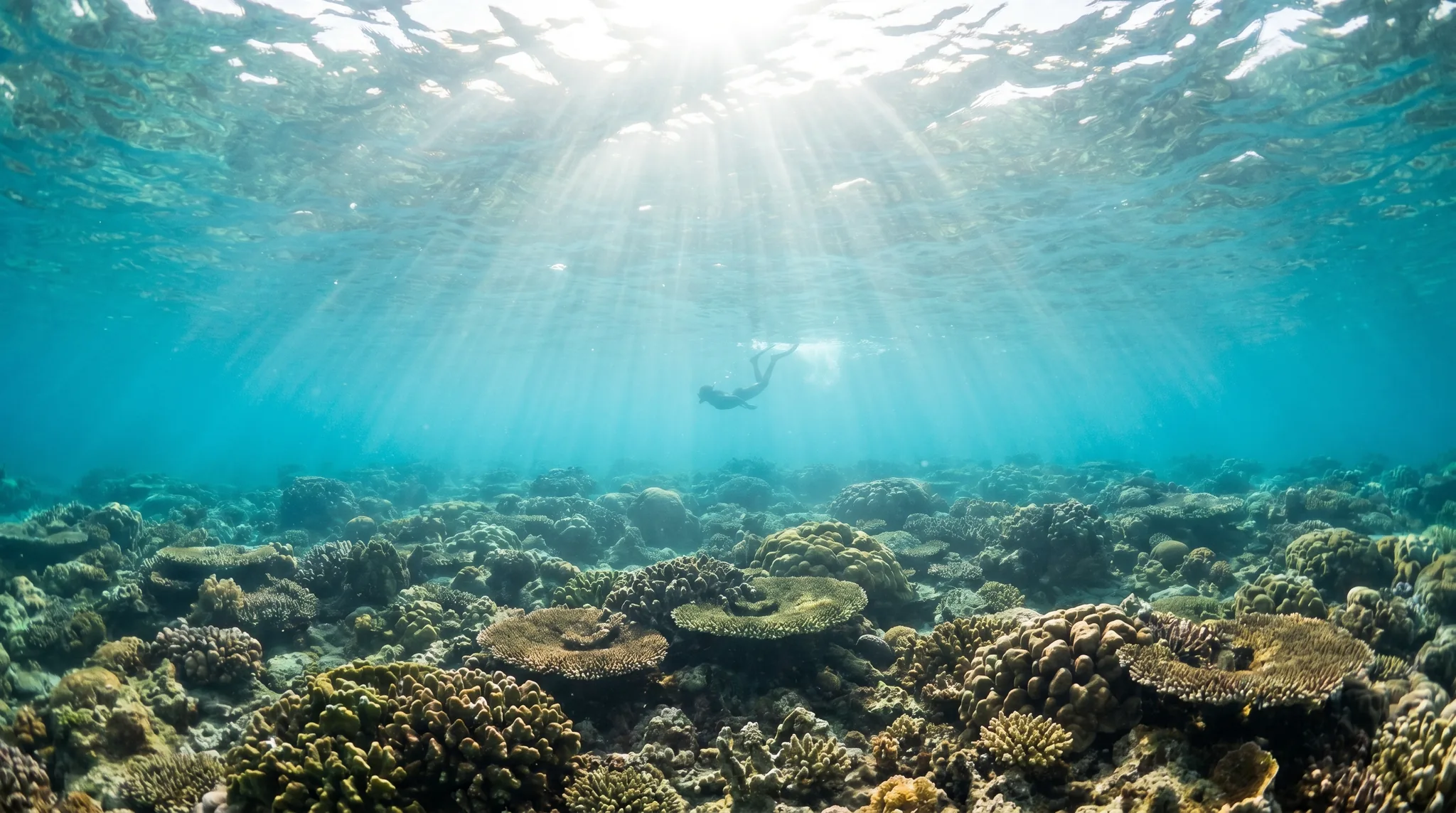
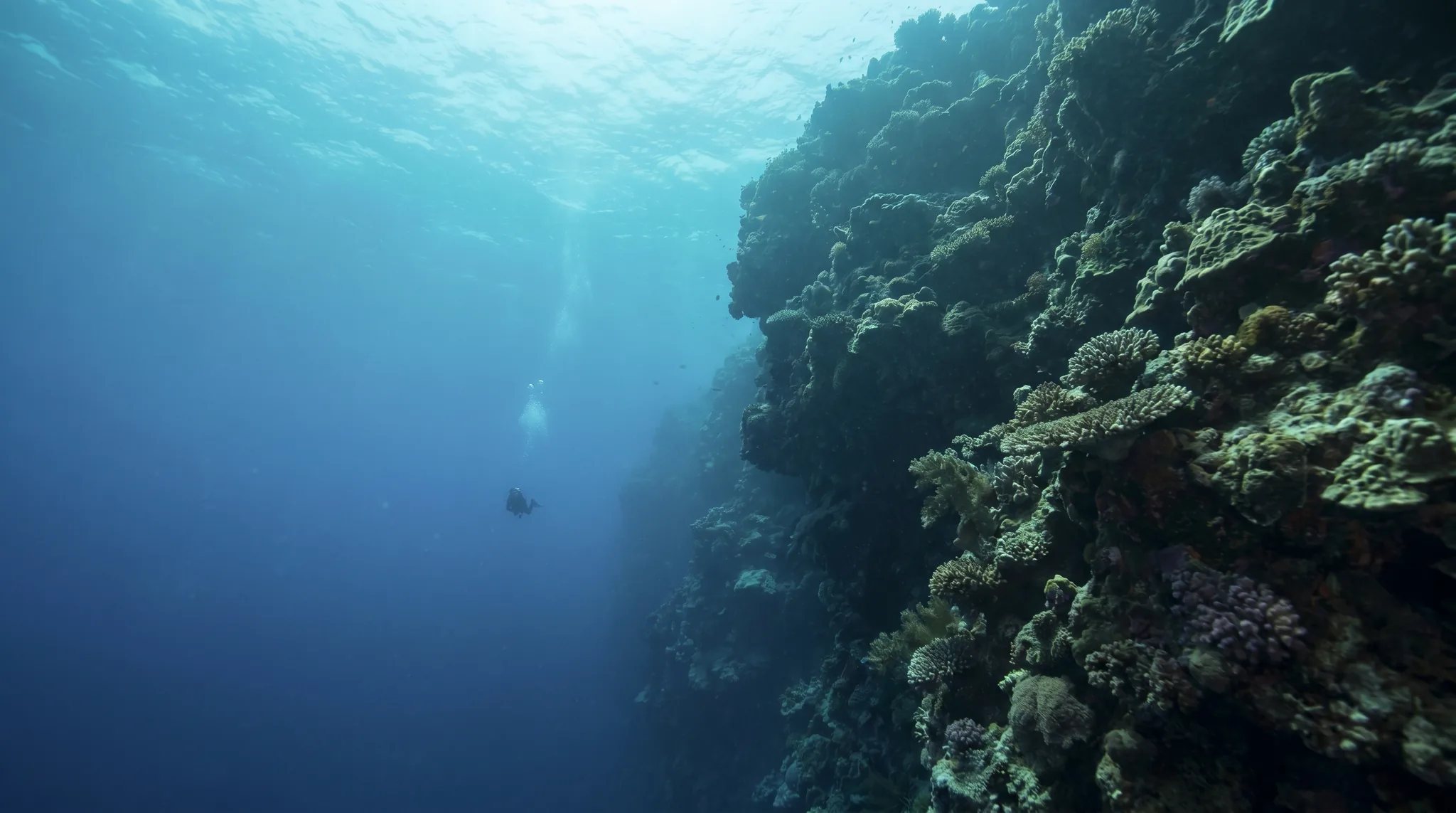
2 areas
34Volcanic walls, beginner-friendly house reefs and a wreck, all with reliable sightings of cuttlefish, octopus and barracuda.
8Atlantic wreck and reef diving on Madeira's sunniest coast, with strong visibility and pelagic encounters as the shore extends west.
Monthly water temperature across Madeira Island's sites, from satellite sea-surface data corrected for depth. The band shows the site-to-site spread.
Water temperature stays mild year-round, dipping slightly in late winter before climbing through summer to its warmest in August and September. Diving is feasible in any month, but conditions peak from late spring through autumn when calmer seas improve access to deeper boat dives on Madeira Island's exposed walls and pinnacles. Winter months see noticeably fewer divers, and some sites on the more open west coast can be affected by swell.
44 operators


Water temperature around Madeira Island ranges from about 19°C in February to 24°C in August, based on satellite sea-temperature data for its dive sites.
In the warm season (about 24°C) a 3mm full suit is comfortable in Madeira Island; in the coldest months (about 19°C) step up to a 5mm suit.
Fin maps 42 sites in Madeira Island (41 scuba diving sites and 3 snorkelling spots, with some suited to both), organised into 2 areas.
Across Madeira Island's dive sites, June, July, August, September and October are most often reported as the best months to visit.
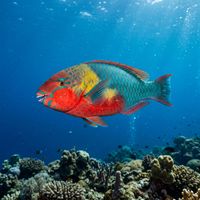
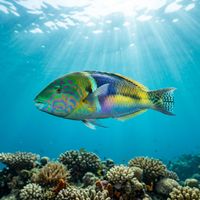
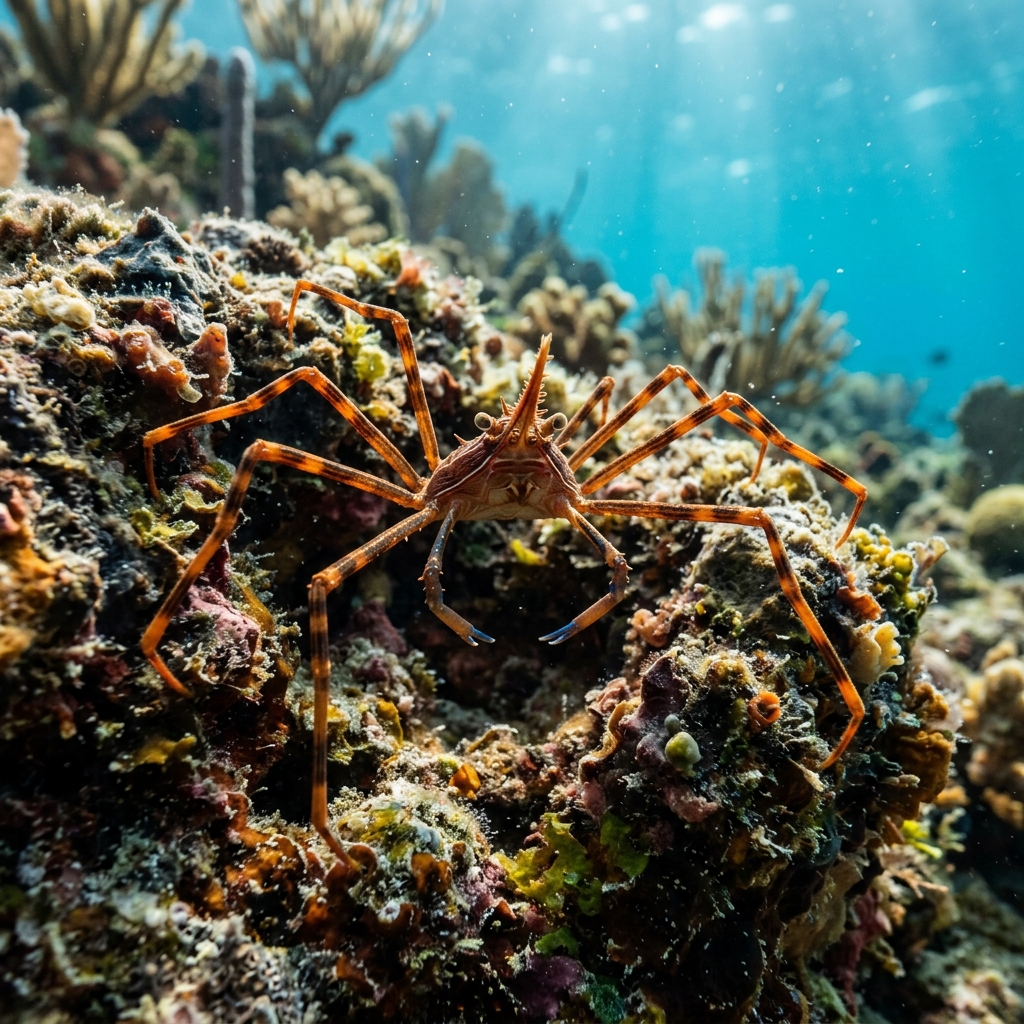
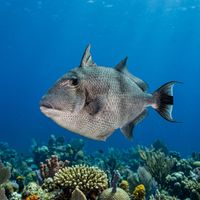
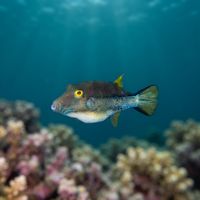
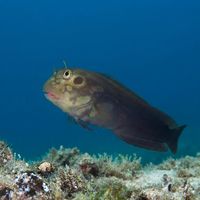
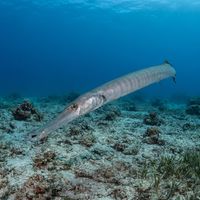
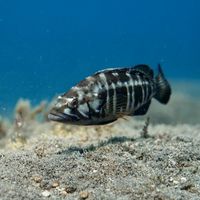
The Common Octopus and European Common Cuttlefish are observed at virtually every site on the island. The Dusky Grouper, Great Barracuda, Grey Triggerfish, Trumpetfish and European Parrotfish are consistently recorded across the site network. Crevice-dwellers such as the Black Moray, Fangtooth Moray, Conger Eel and Cleaner Shrimp reward slower, more attentive dives, and the Common Stingray is a regular find on sandy patches.
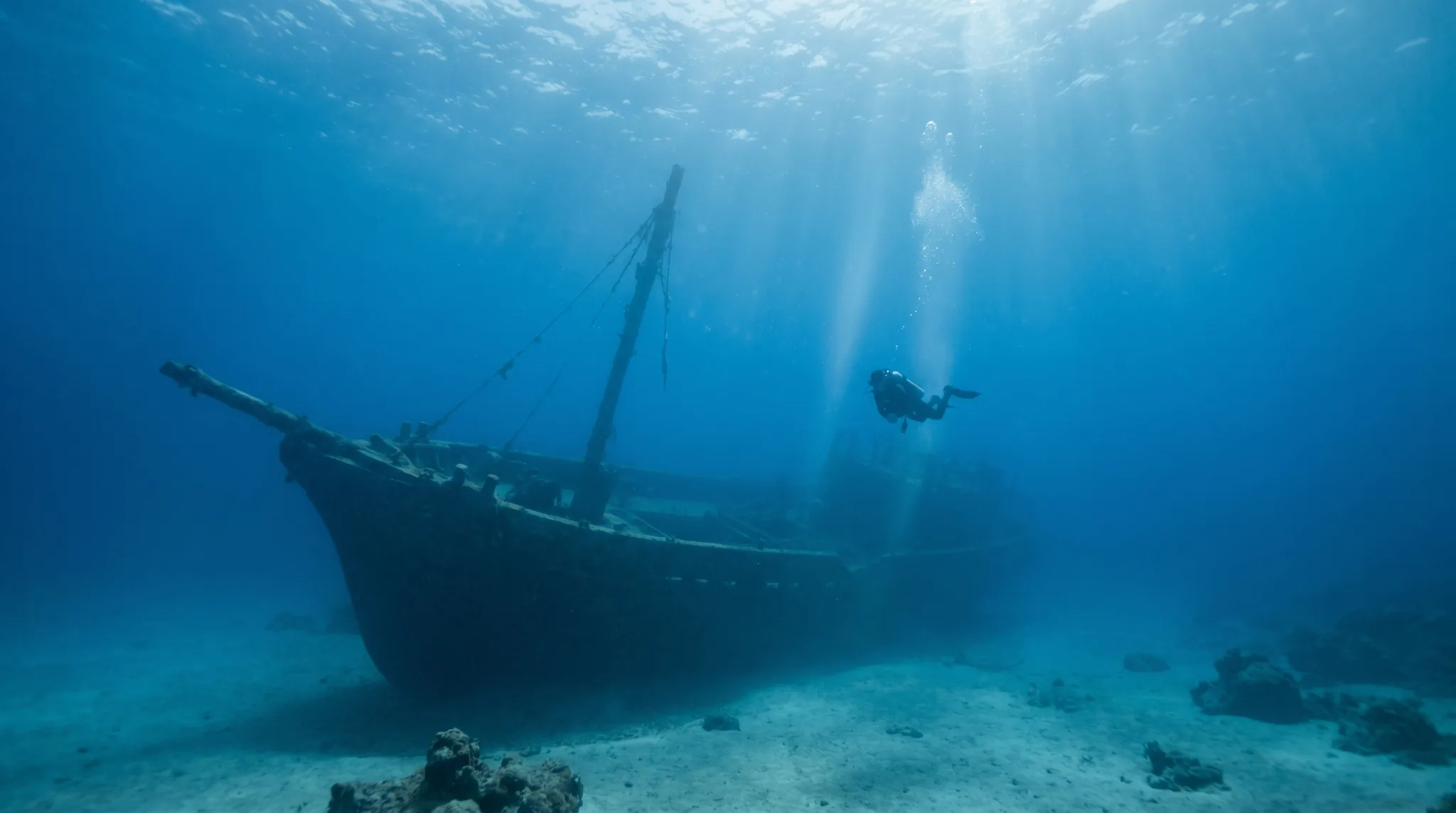
A good portion of the sites listed cater specifically to beginners, including shore-entry reefs such as VidaMar House Reef, Scorpio House Reef and Lavafinger, all of which are shallow and calm. Intermediate divers can progress to deeper walls and pinnacles like T-Reef and Farol. Advanced certification is needed for the wreck dives, particularly the Bowbell and the Pronto Wreck, which sit at greater depth.
Funchal and East Coast is by far the larger sub-area and offers the widest variety of site types, from shallow shore-entry reefs to deep boat dives on walls and caves. Calheta and West Coast is more compact but includes the Bowbell wreck, the artificial reef at Sandy, and a calmer, sheltered character at several sites. Divers based in Funchal can access both sub-areas through the many operators active on the island.
Several well-regarded sites are accessible directly from shore, including VidaMar House Reef, Scorpio House Reef and Lavafinger in the east, and Sandy on the west coast. Boat access opens up deeper walls, pinnacles and the wrecks that sit further offshore. Some sites such as Reis Magos and Arena can be reached either way, giving divers flexibility depending on conditions and operator preference.