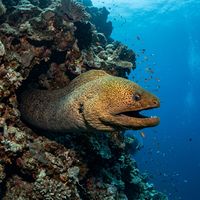
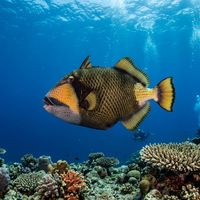
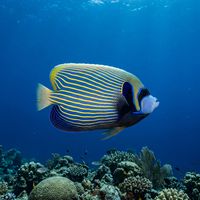
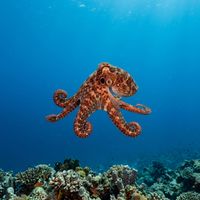
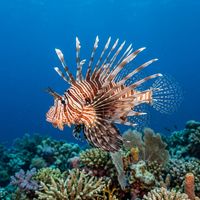
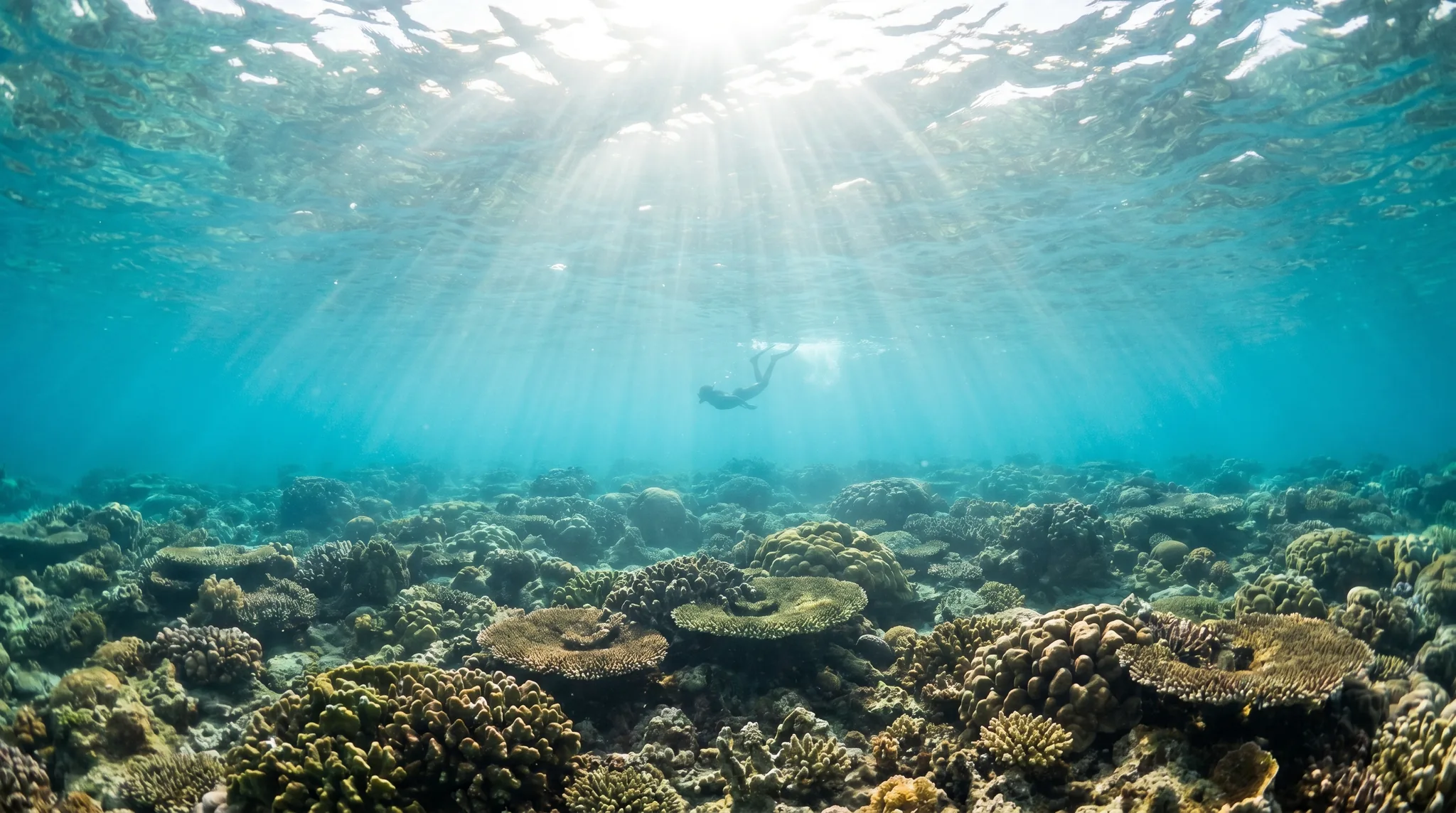
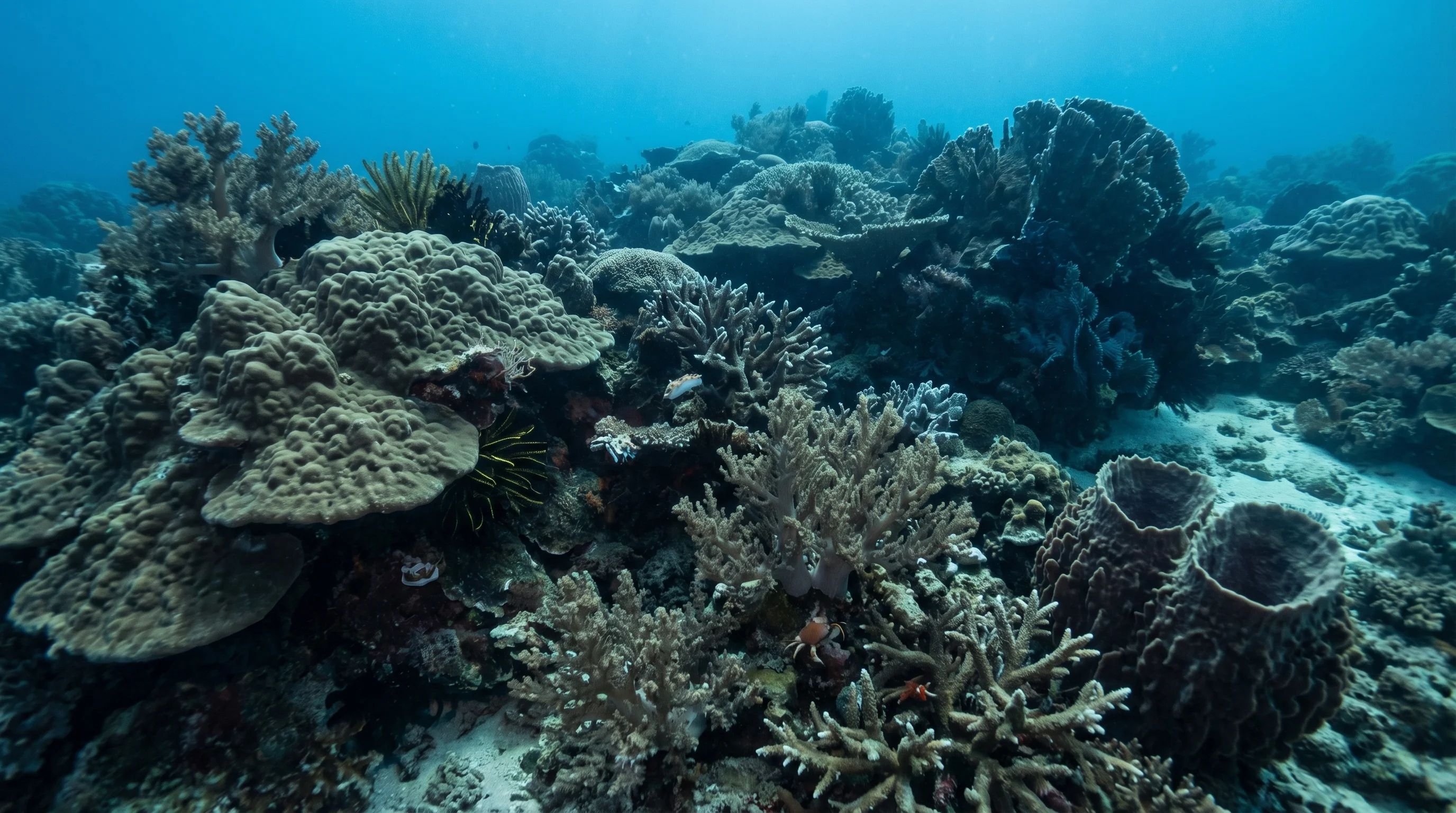
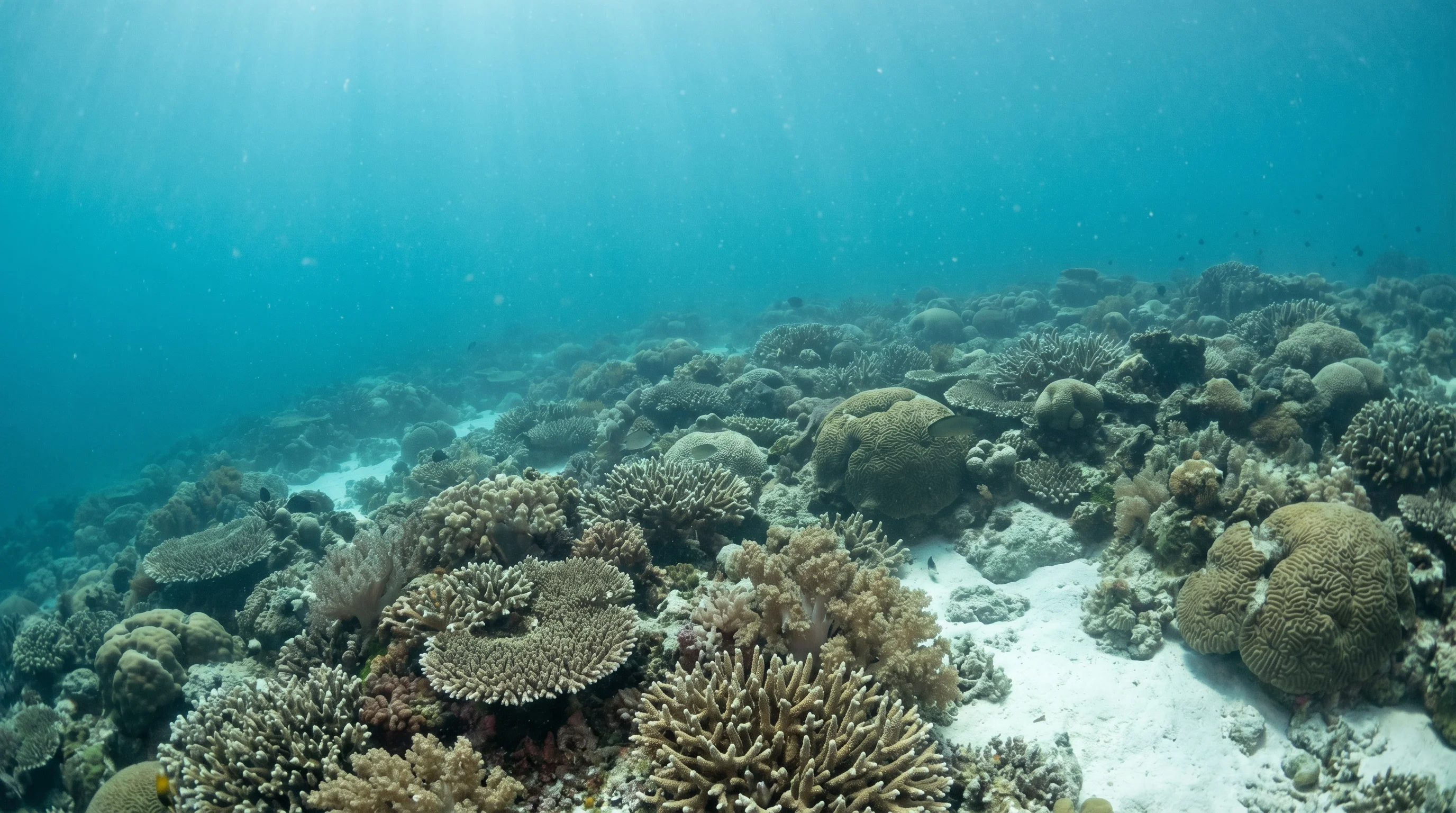
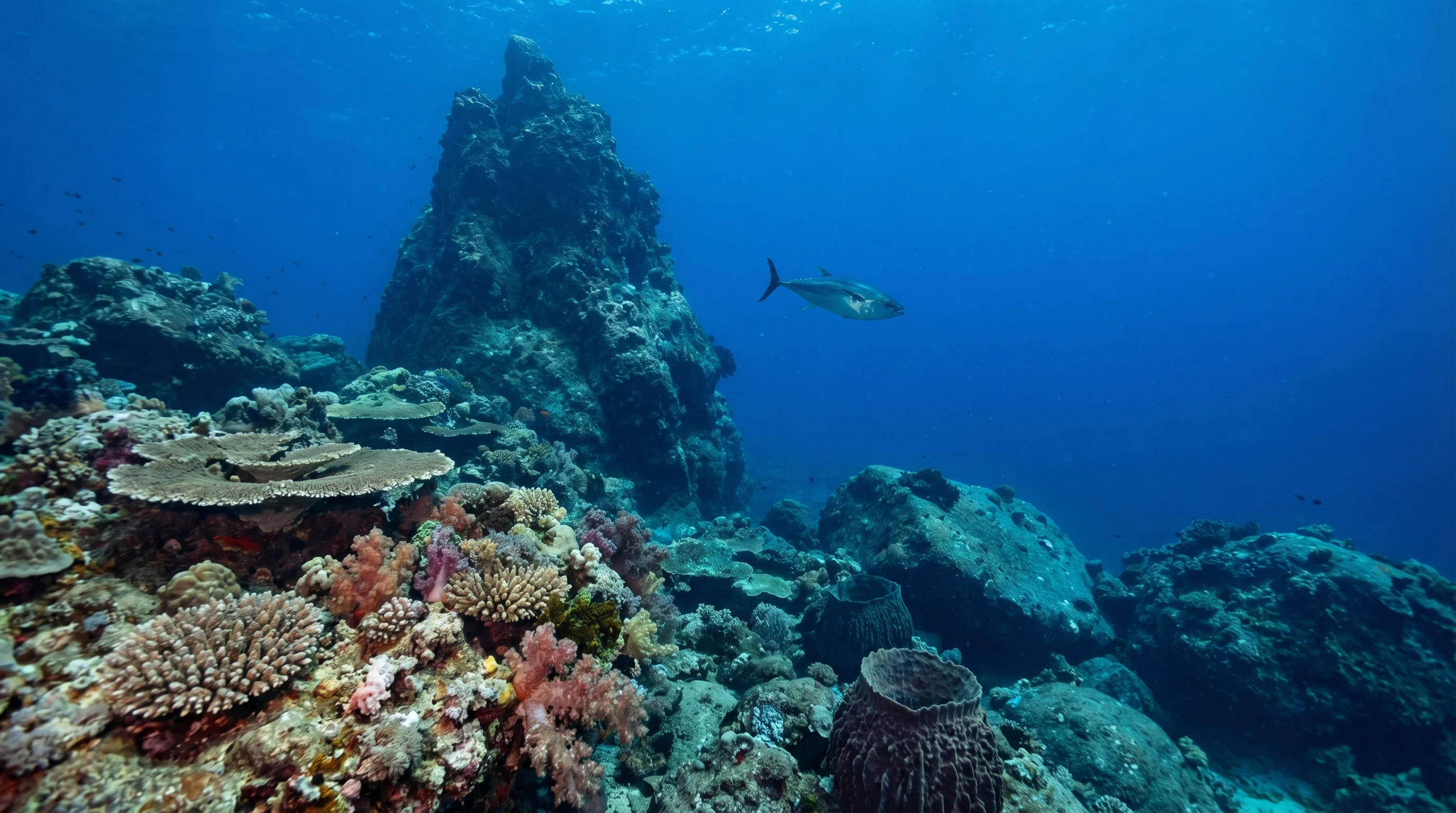
Sumatra's underwater landscape spans five distinct sub-areas, from the pinnacles and drift sites of Pulau Weh to the granite-boulder reefs of Belitung and the sheltered bays of the Mandeh Islands. The site mix runs from shallow coral slopes and pier structures accessible to beginners through to deep walls, canyons and the large intact wreck of the Sophie Rickmers for advanced divers. Water stays warm year-round, and the species list is anchored by the Giant Moray, Chromodoris Nudibranch, Titan Triggerfish and Porcupinefish, with the Emperor Angelfish, Green Sea Turtle and Queensland Grouper among the more notable sightings.
5 areas
 21
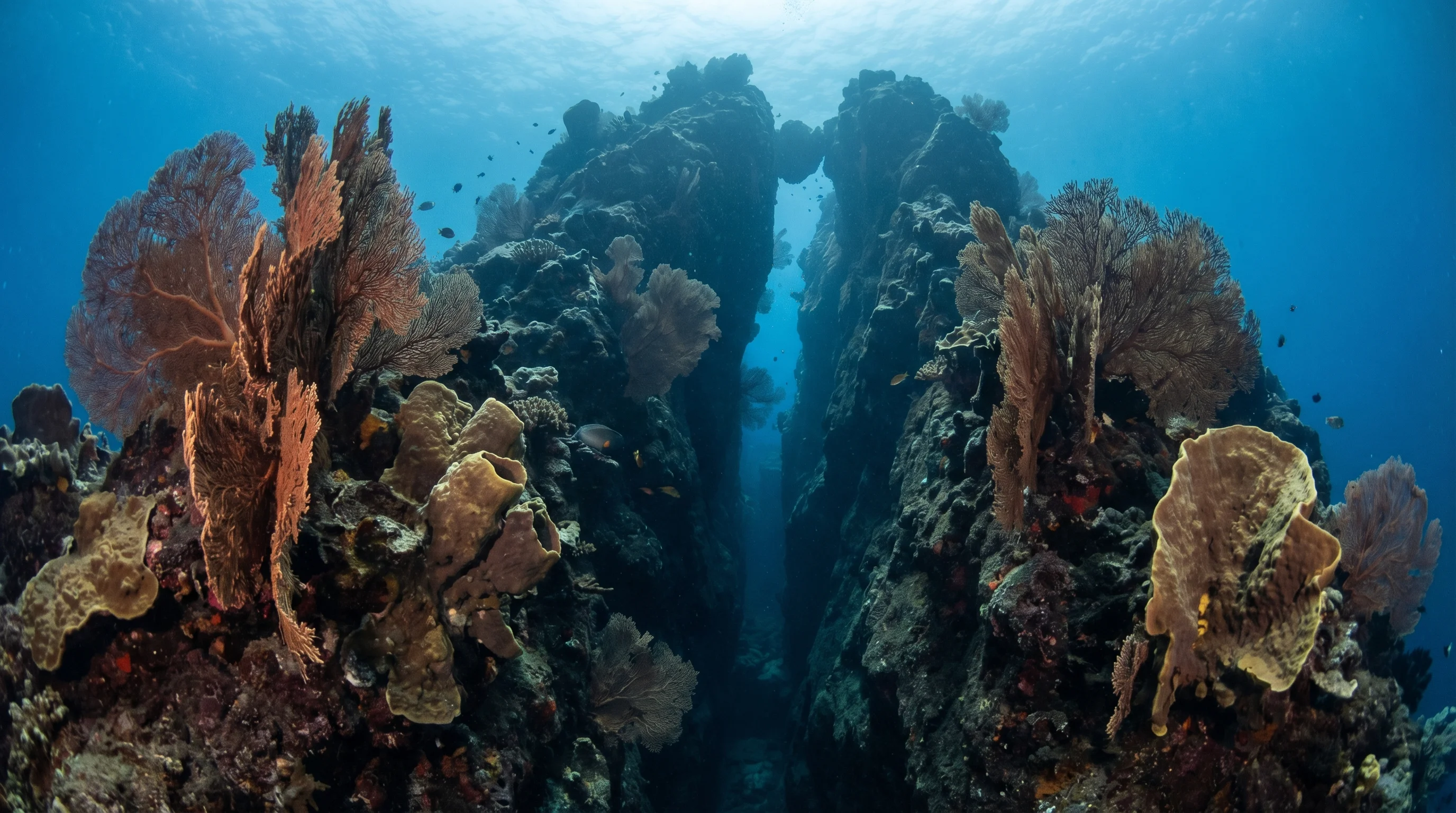
21Walls, drifts and a deep WWII wreck around Rubiah Island, with moray eels, octopus and lionfish on almost every site.
 15
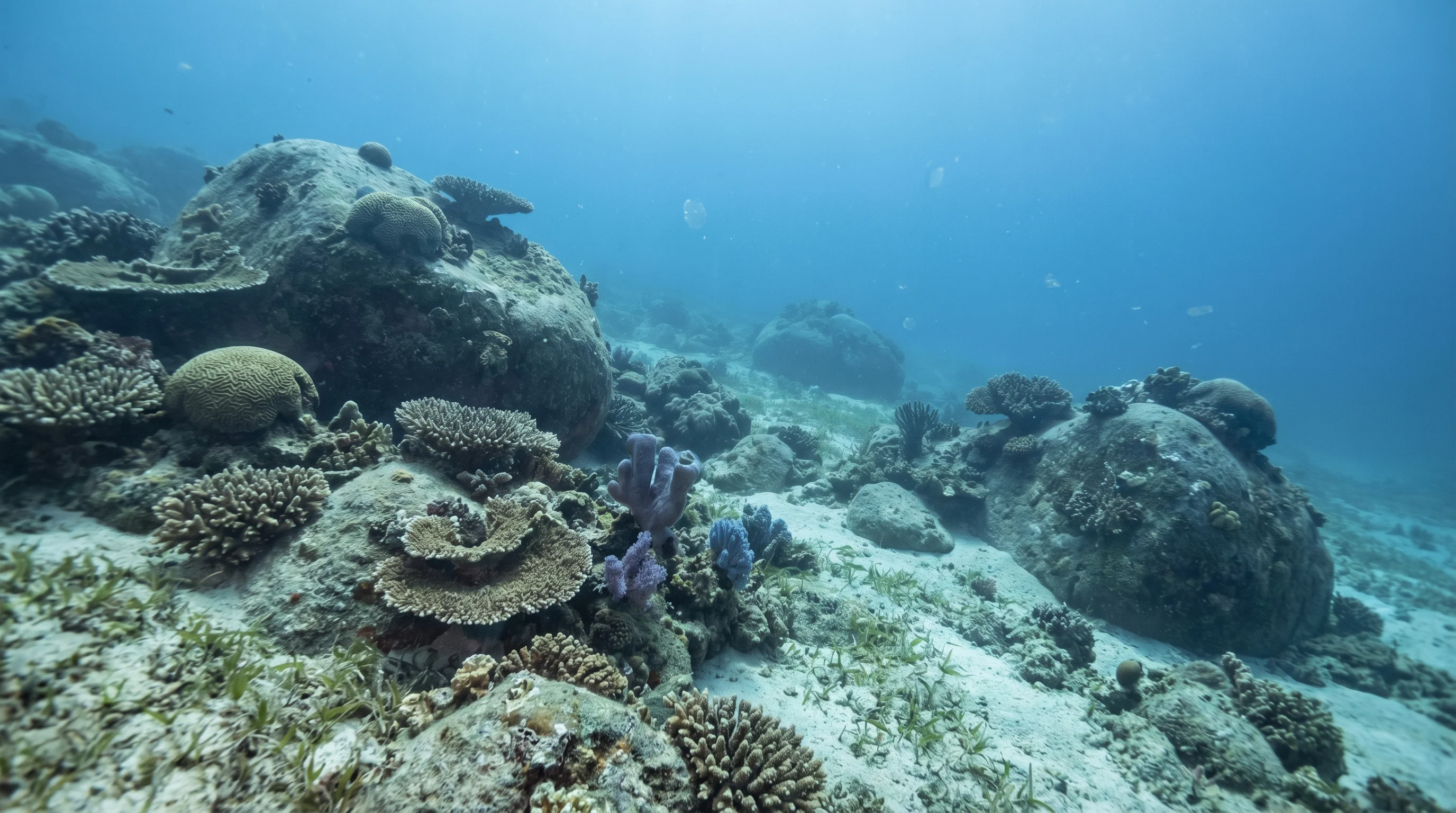
15Sloping reefs with a surprising spread of pelagic visitors, from Whale Shark to Oceanic Manta Ray, in consistently warm water.
 13
13Warm, calm reefs mixing coral slopes, pinnacles and a shore-accessible pier site, with Batfish a constant companion across the islands.
9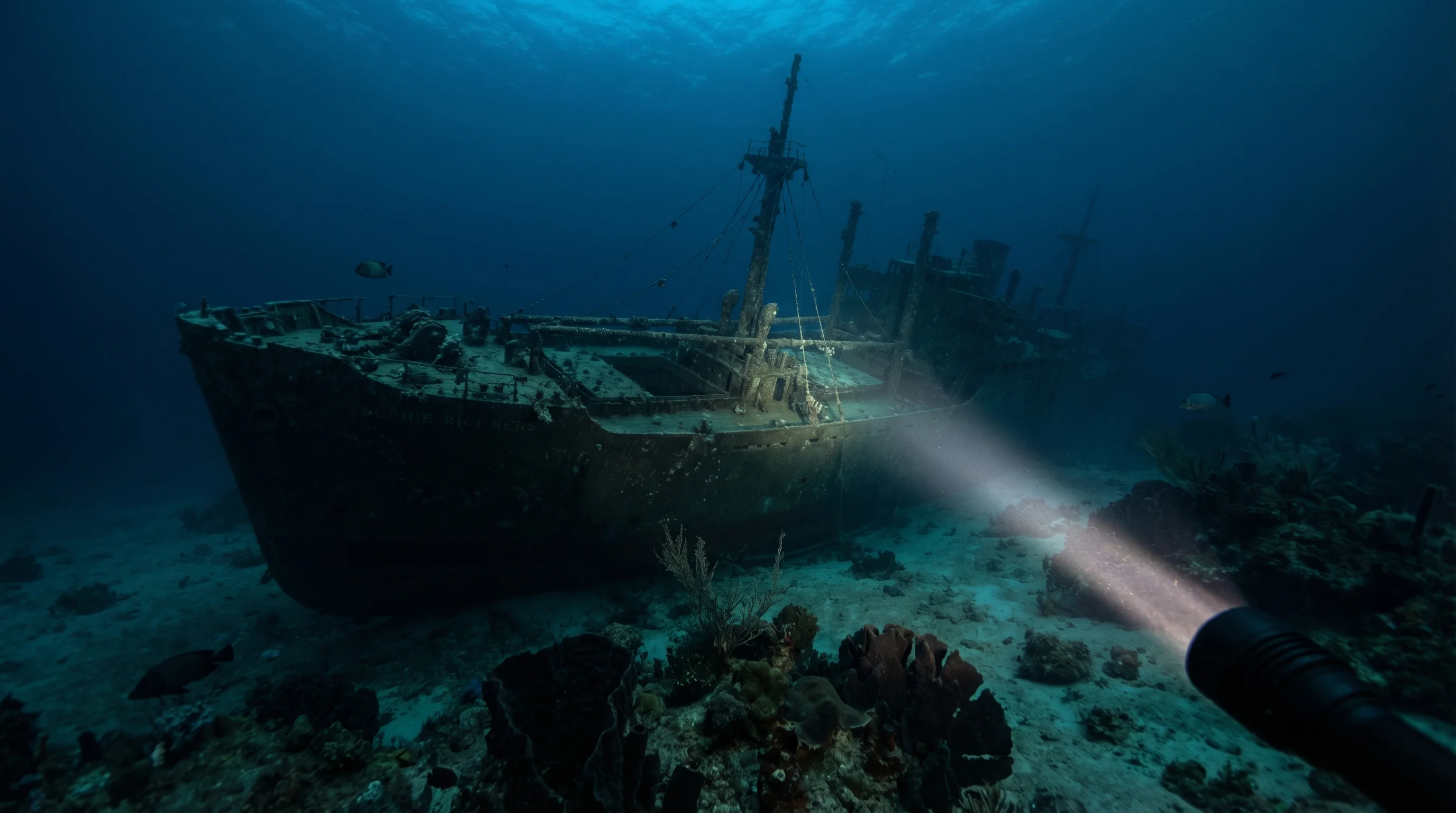
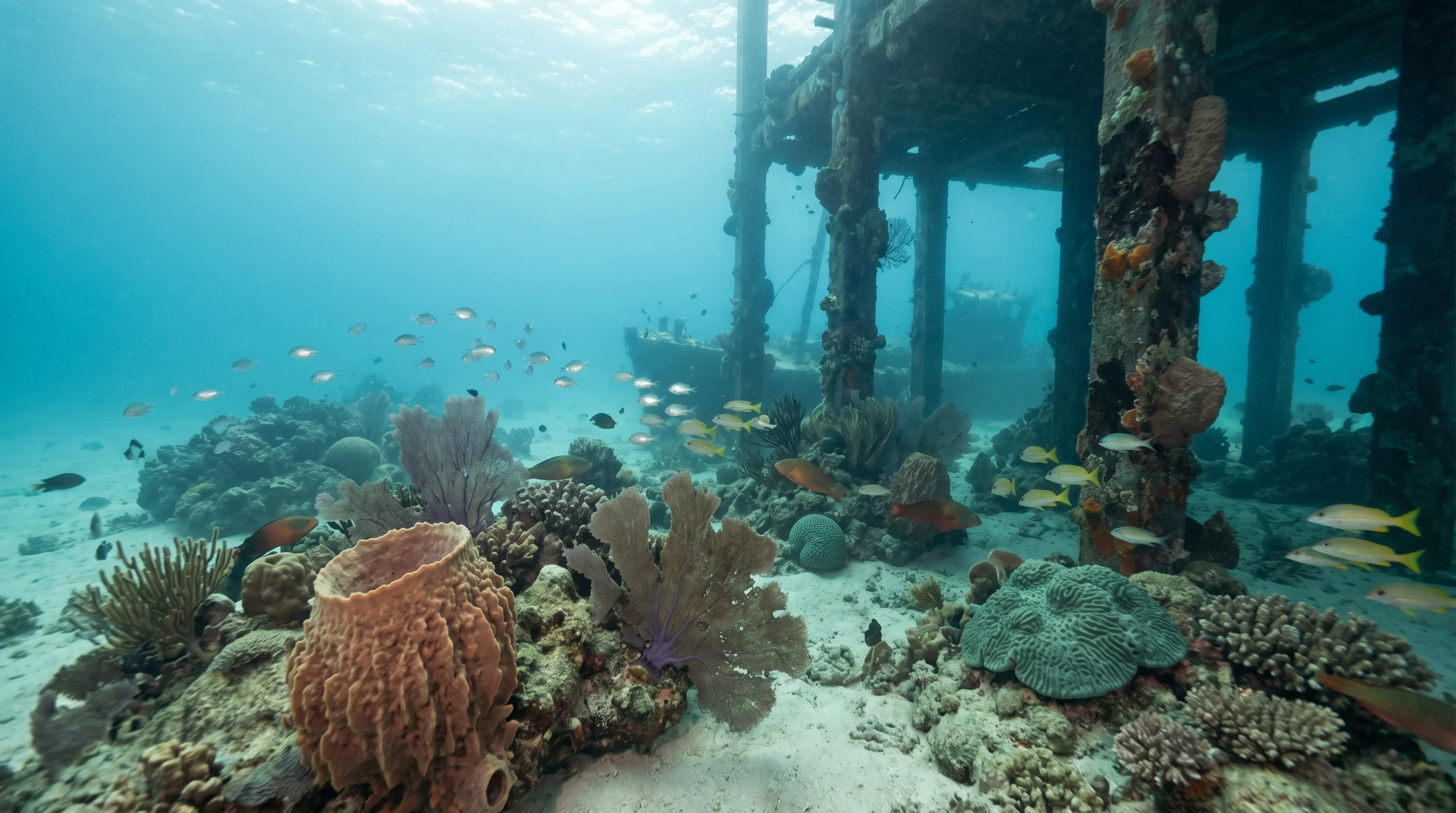
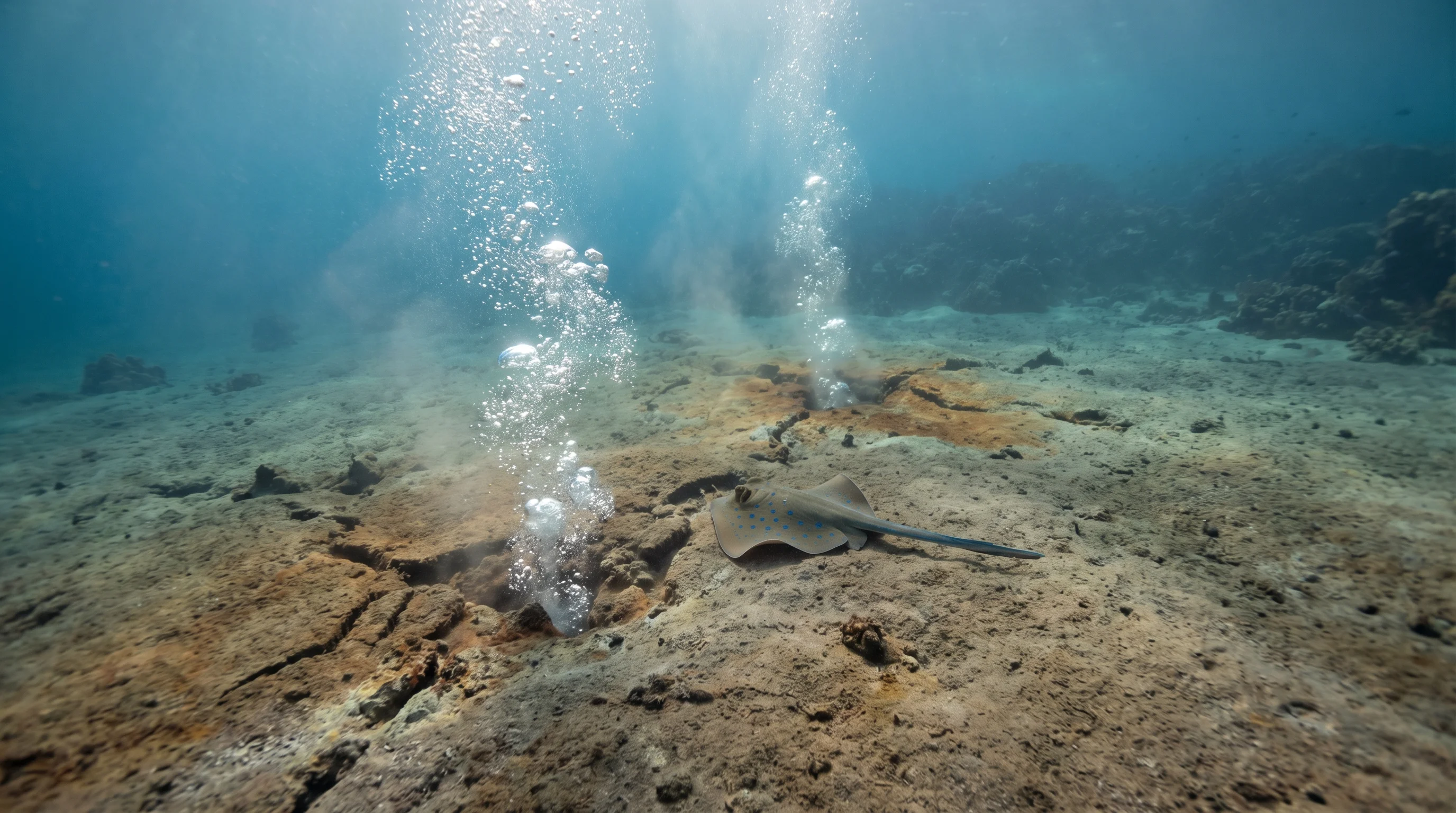
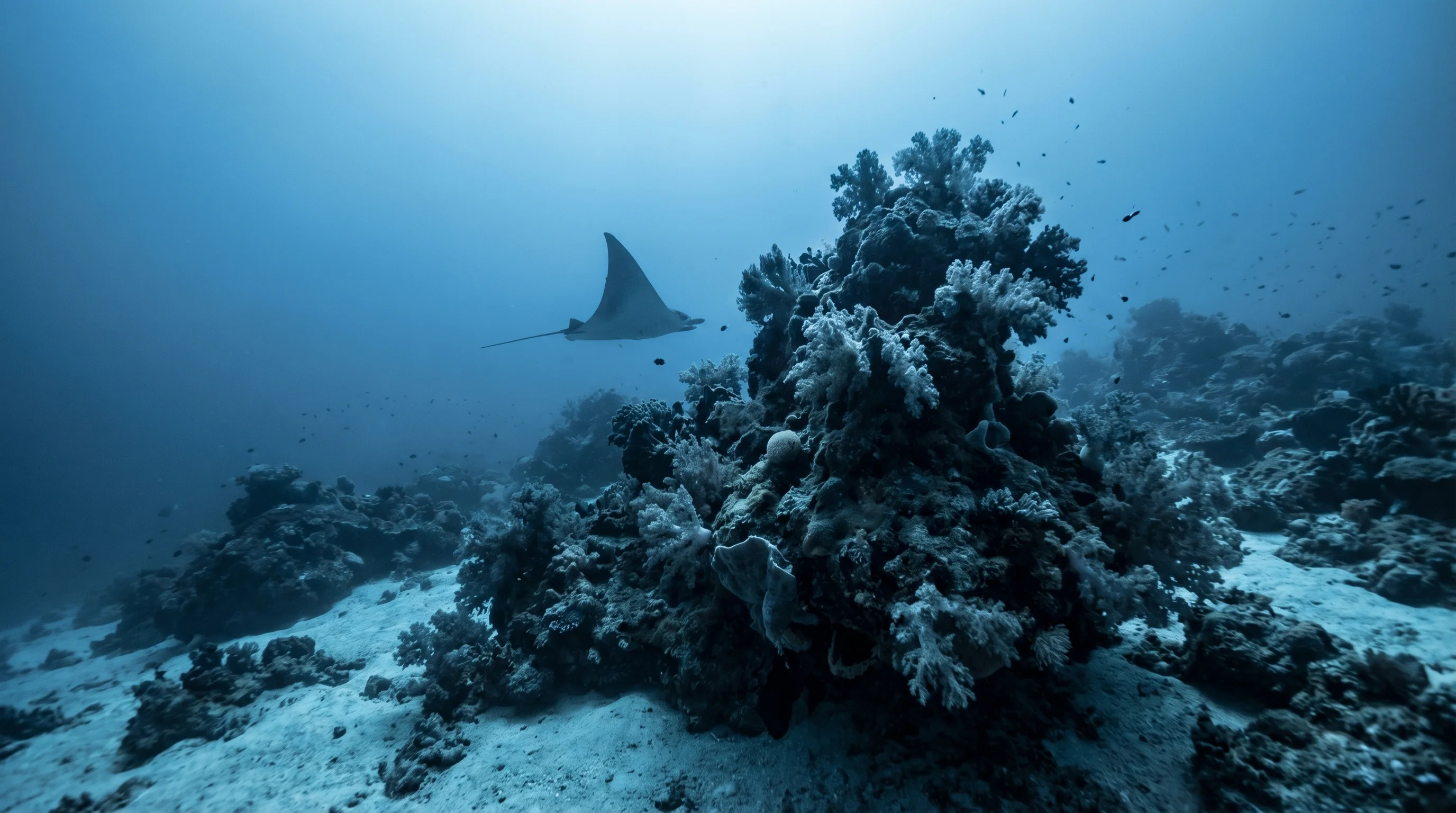
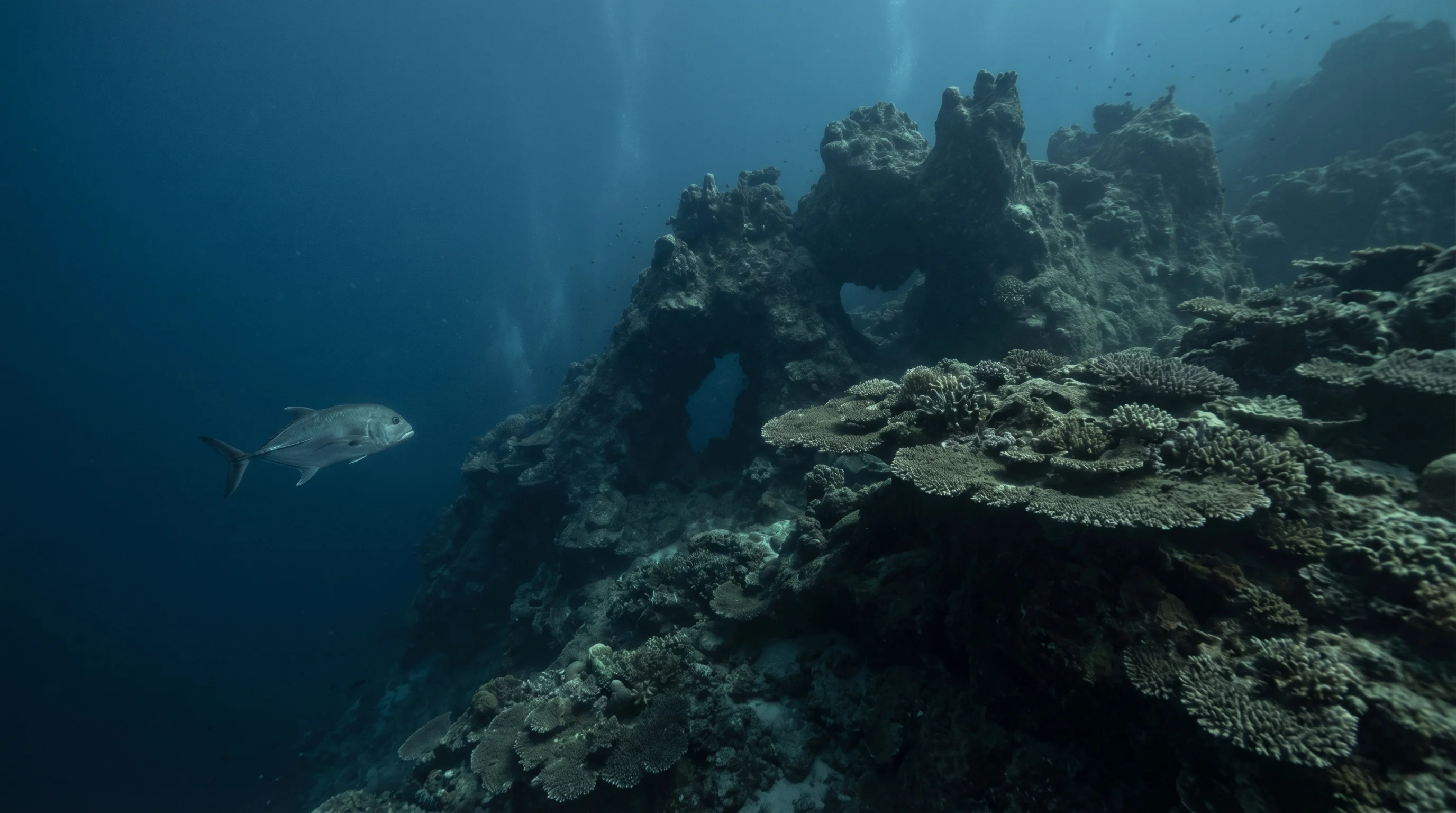
Monthly water temperature across Sumatra's sites, from satellite sea-surface data corrected for depth. The band shows the site-to-site spread.
Water temperature holds consistently warm from January through December, with conditions at their most popular from April through November based on operator activity data. Exposure varies considerably by sub-area: Pulau Weh sites such as Batee Gua and Batee Gla carry strong currents that suit experienced divers, while sheltered sites in the Mandeh Islands and around Belitung offer calmer conditions throughout much of the year.
36 operators

Accessible reef and drift diving in the South China Sea, with strong macro life and a short ferry ride from Singapore.
Water around Sumatra stays near 30°C all year, based on satellite sea-temperature data for its dive sites.
With water around 29–30°C, a rash guard or 3mm shorty works in Sumatra year-round.
Fin maps 65 sites in Sumatra (50 scuba diving sites and 26 snorkelling spots, with some suited to both), organised into 5 areas.
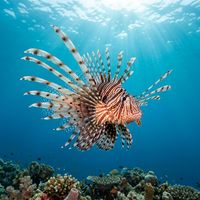
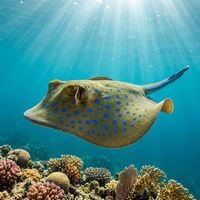
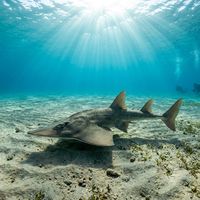
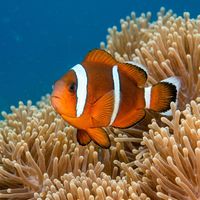
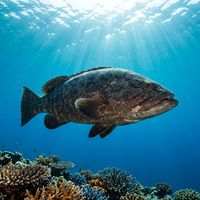
Observed species across Sumatra's sites include the Giant Moray, Chromodoris Nudibranch, Titan Triggerfish, Spotfin Lionfish, Porcupinefish and Blackspotted Pufferfish, all recorded as very common. Divers also encounter the Bluespotted Fantail Ray, Guitarfish, Day Octopus and Slipper Lobster with regularity. Signature species such as the Emperor Angelfish, Queensland Grouper and Green Sea Turtle are sighted across multiple sites, while the Yellowtail Clownfish and Moorish Idol appear consistently on shallower reefs.
Yes, a good portion of Sumatra's sites are rated for beginner or intermediate skill levels. Sites such as Cubadak Pier, Adjis Reef, Pulau Marak and Hot Springs offer calm conditions and moderate depths ideal for those earlier in their diving experience. More advanced sites, including the deep wreck of the Sophie Rickmers and current-swept pinnacles like Batee Gua, are reserved for experienced and technical divers.
Pulau Weh offers the greatest concentration of sites and the widest range of topography, from underwater canyons and pinnacles to drift dives and the deep Sophie Rickmers wreck. Belitung and Bintan tend toward shallower, calmer reef diving, while the Mandeh Islands provide sheltered sites well suited to beginners and snorkellers. Aceh Besar adds further reef and pinnacle options in the northern part of the region.
The majority of sites require a boat, which operators such as Scuba Weh, Rubiah Tirta Divers, Lumba Lumba Diving Centre and Iboih Dive Centre can arrange. A smaller number of sites, including Cubadak Pier and Hot Springs at Gapang Beach, are accessible directly from shore. Sites like Batee Meuroron and Batee Gua offer both shore and boat entry options depending on conditions and operator preference.