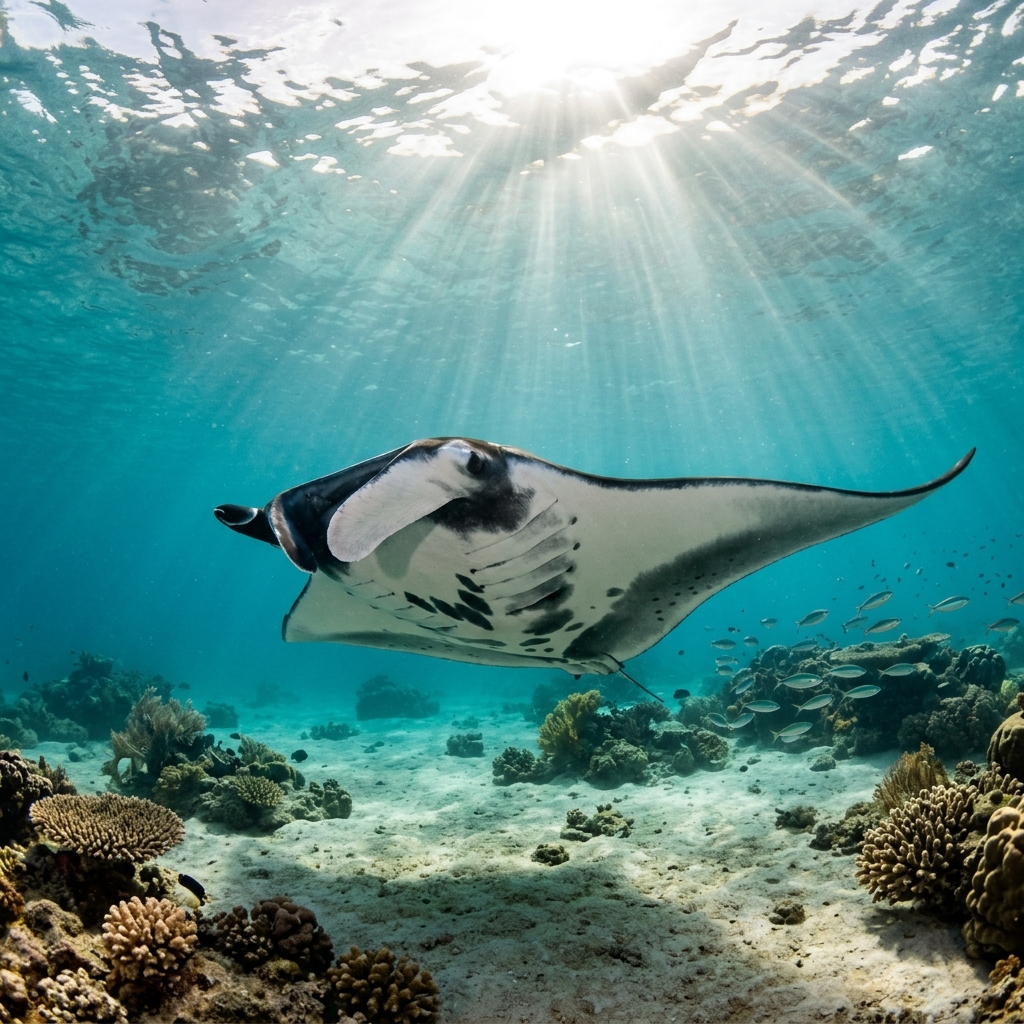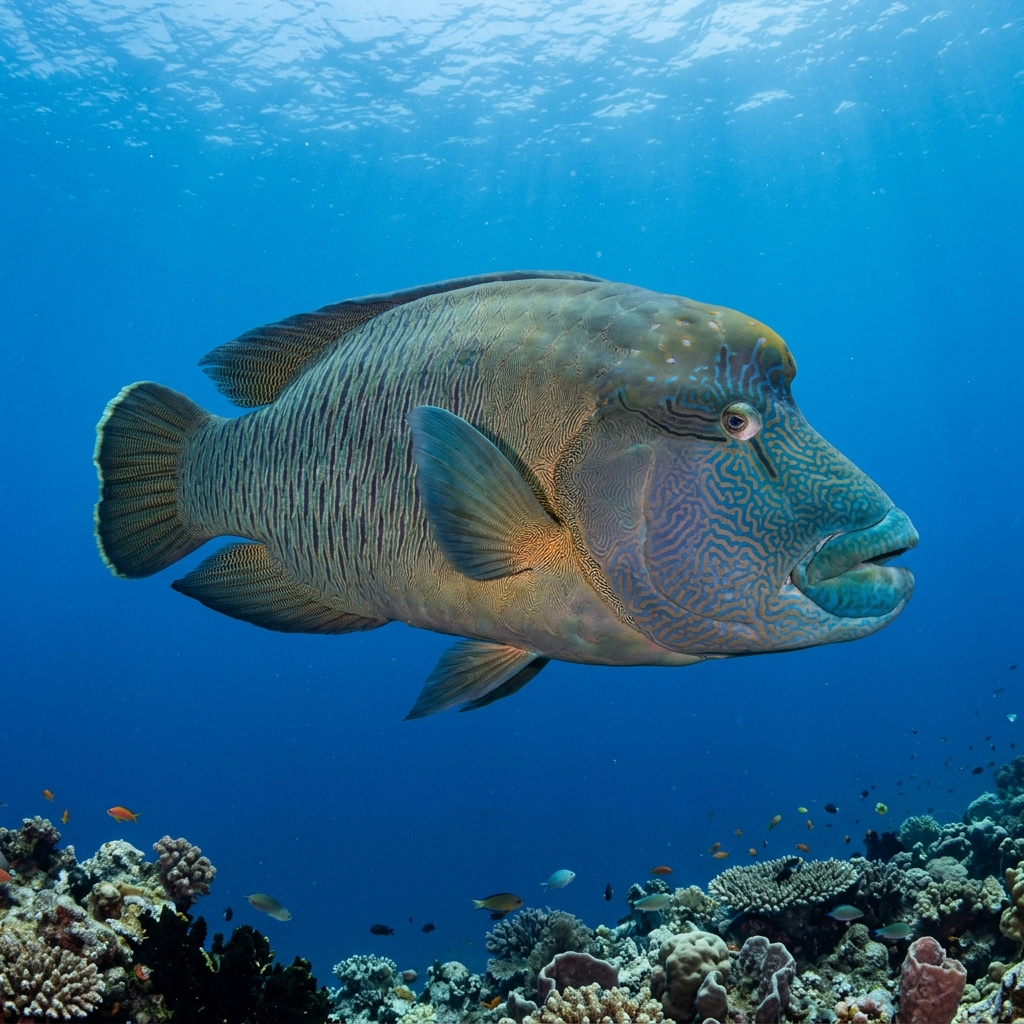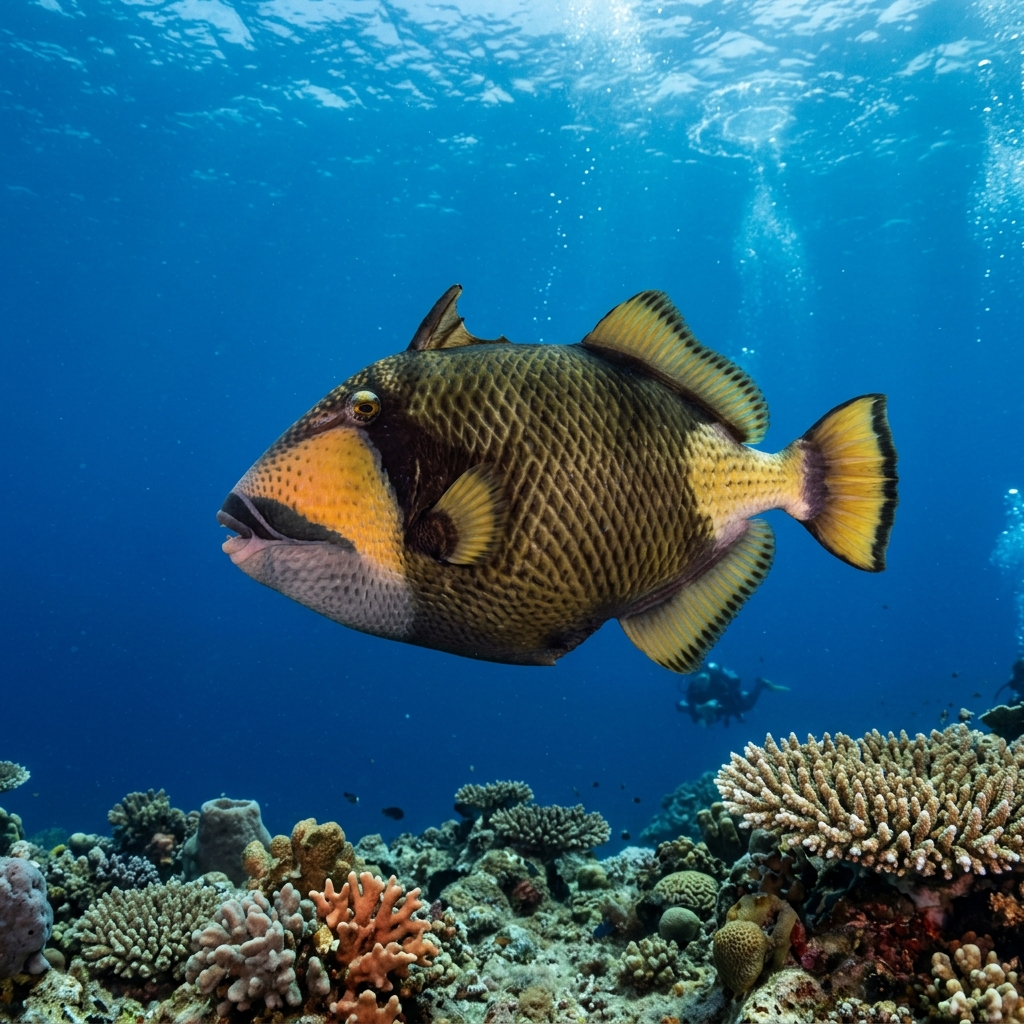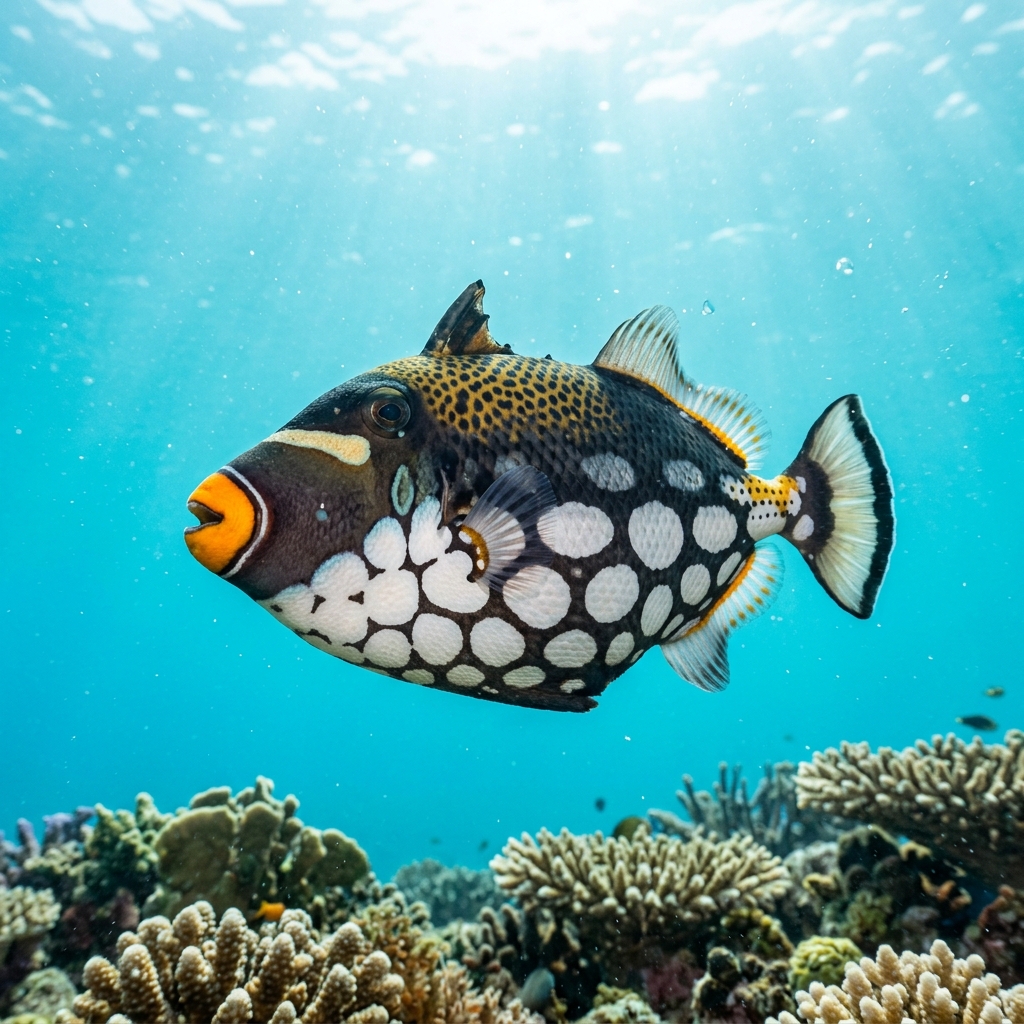
Best for beginner divers, 6-30m, shore & boat entry, mild current.
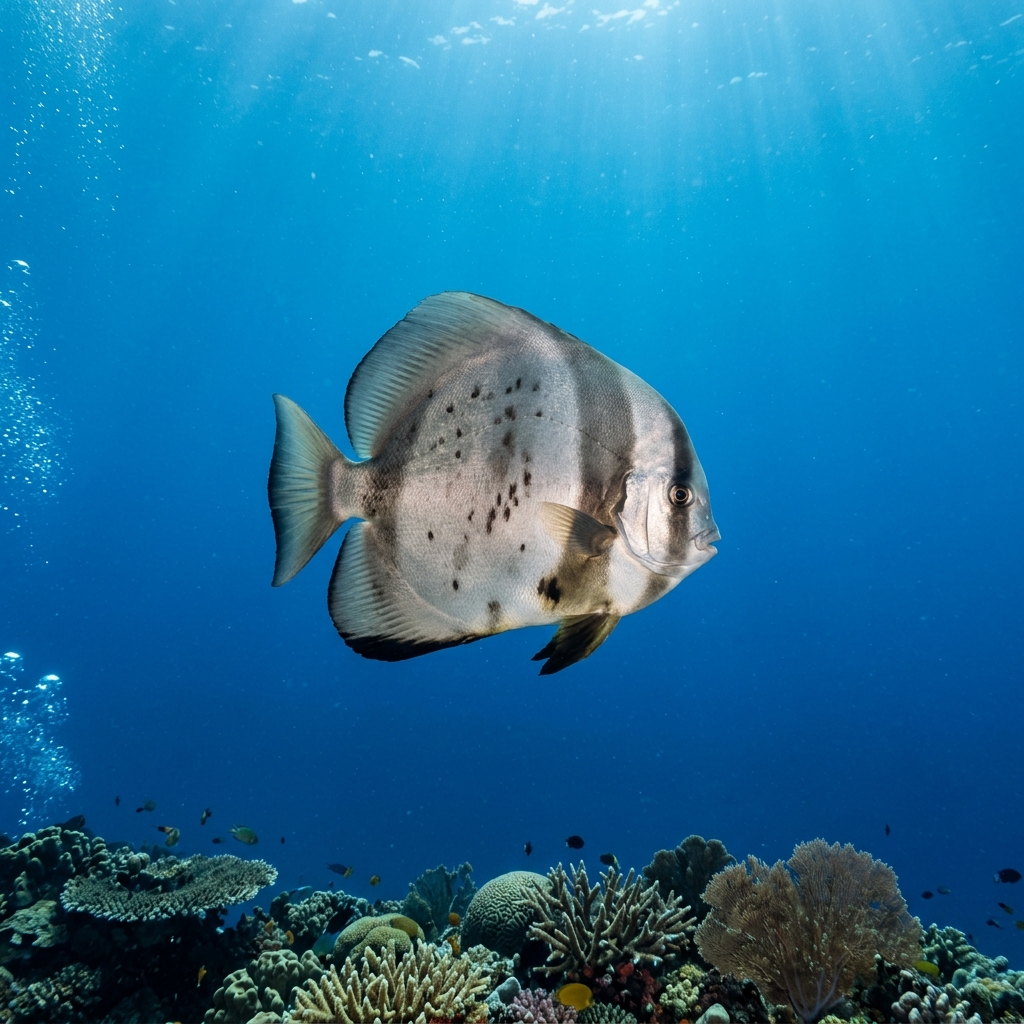
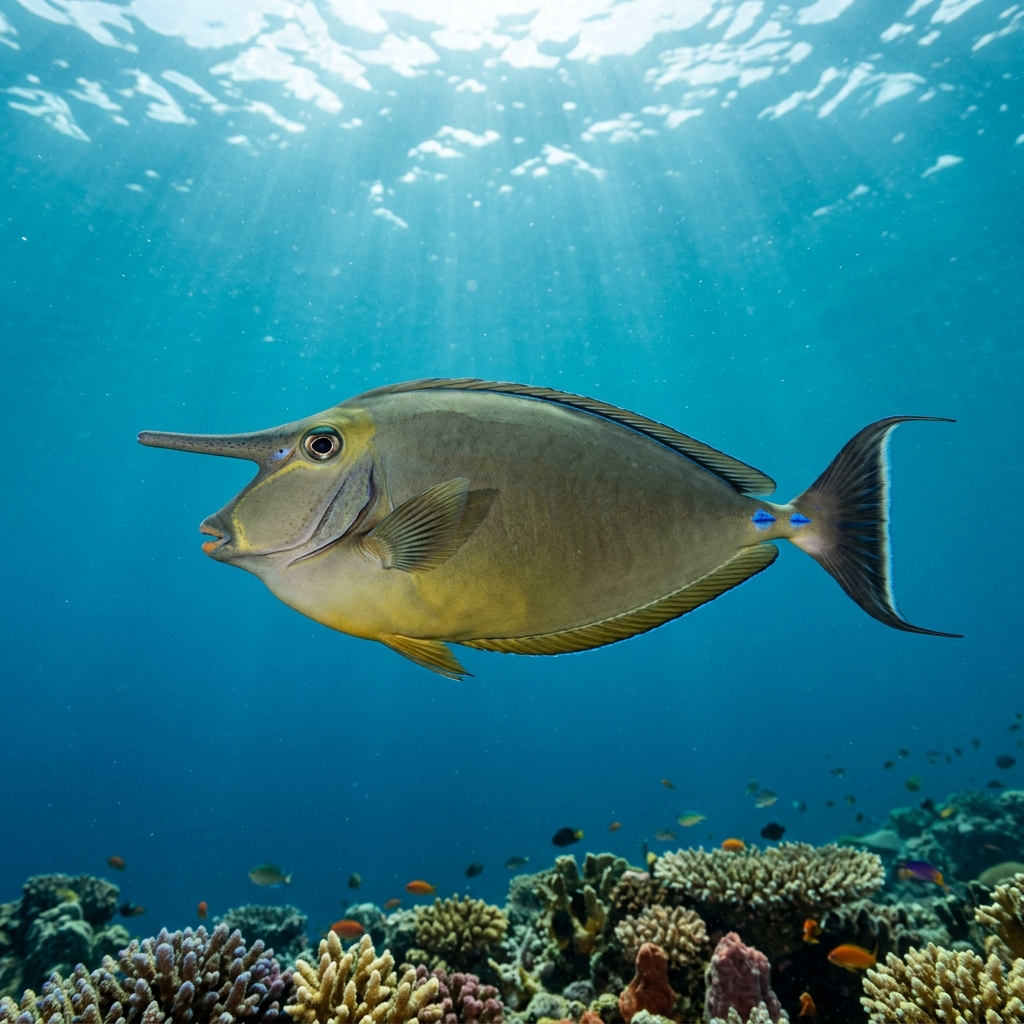
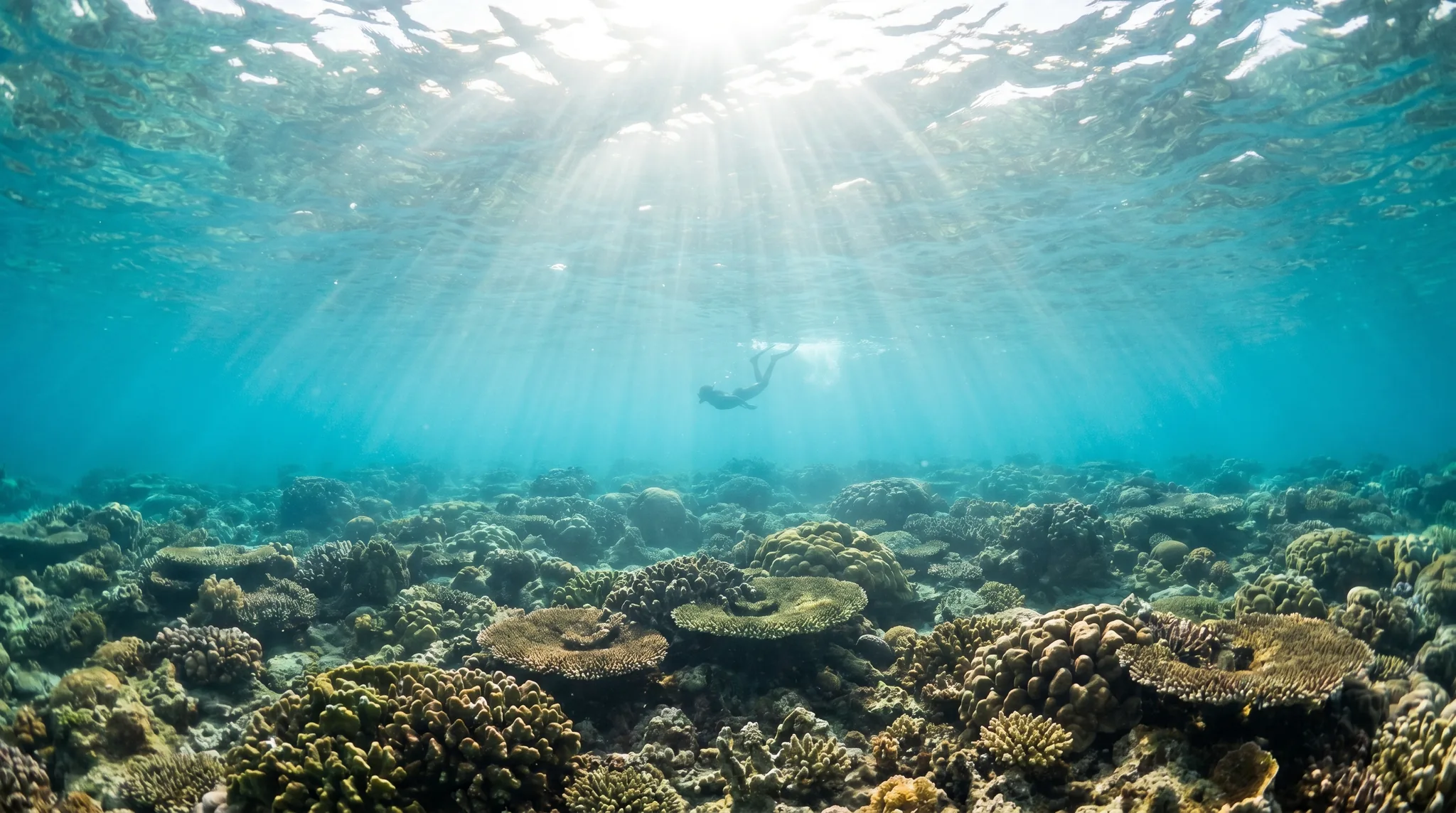
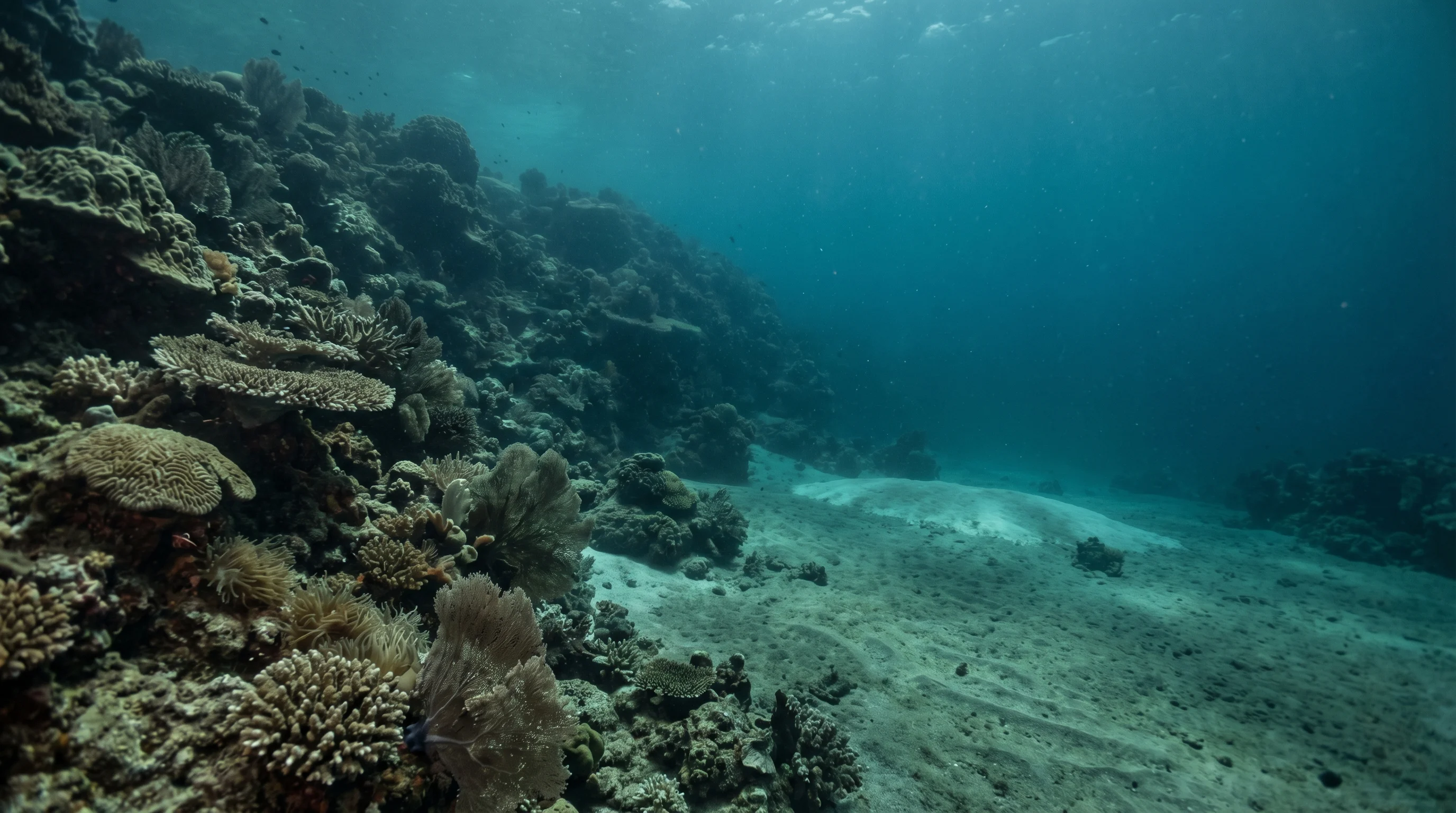
Pulau Saronde in the Togian Islands features a diverse underwater topography including reef, wall, and muck environments. The site is suitable for beginners, with depths ranging from 6 to 30 metres and an average depth of 15 metres. Divers and snorkellers can expect mild currents and visibility between 10 and 20 metres. Water temperatures remain warm throughout the year, typically between 27 and 30 degrees Celsius. Access is available via both shore and boat entries. The island provides comprehensive facilities including equipment rental, air fills, and guided tours. Night diving is permitted at this location. Please be aware of jellyfish as a potential hazard in the water.
0.93550, 122.86550
The jetty is suitable for wide-angle photography.
Located in North Gorontalo, Sulawesi. Accessible via boat.
Recorded at this site
Depth
6-30m
Visibility
10-20m
Skill Level
Beginner
Entry
Shore & Boat
Water Temp
27-30°C
Current
Mild
Typical Dive
60 min
Yes, the site is suitable for beginners, offering a range of depths and generally mild currents.
The depth ranges from 6 to 30 metres, with an average depth of 15 metres.
Yes, Pulau Saronde is suitable for both diving and snorkelling, with a shallow reef flat ideal for the latter.
Yes, entry to the water is possible from both the shore and by boat.
Divers and snorkellers should be aware of the presence of jellyfish in the water.
Diving at Pulau Saronde in Gorontalo requires the following certifications: Open Water. Always dive within your training limits.
Yes, equipment rental is available at or near Pulau Saronde in Gorontalo. Contact local dive operators for specific gear availability and prices.
A rashguard or 2mm shorty is recommended for diving at Pulau Saronde in Gorontalo. Water temperatures range from 27°C to 30°C.
Pulau Saronde in Gorontalo typically has mild currents that most divers can handle comfortably.
Visibility at Pulau Saronde in Gorontalo typically ranges from 10 metres to 20 metres. Conditions vary with weather, tides, and seasons.