
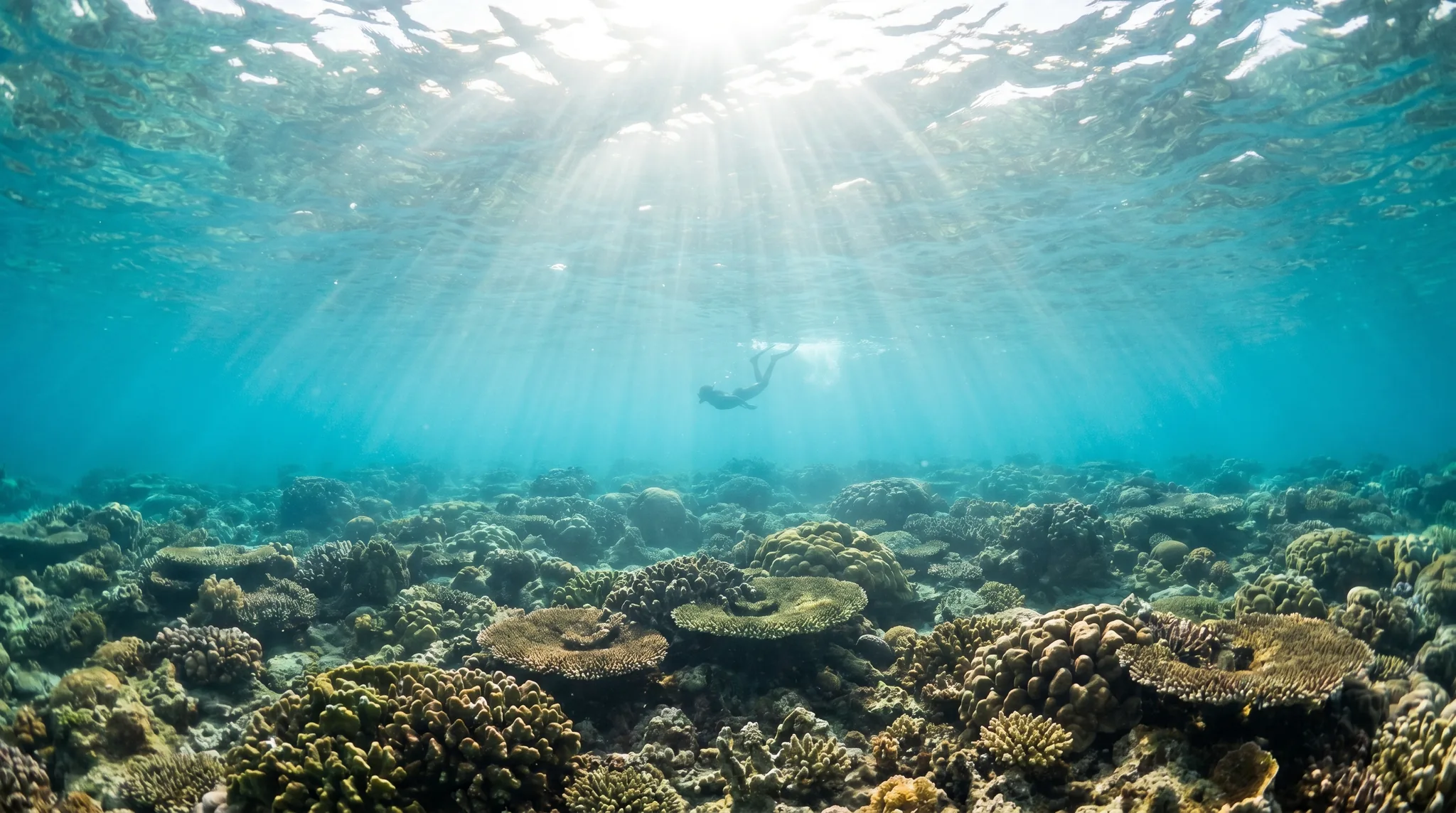
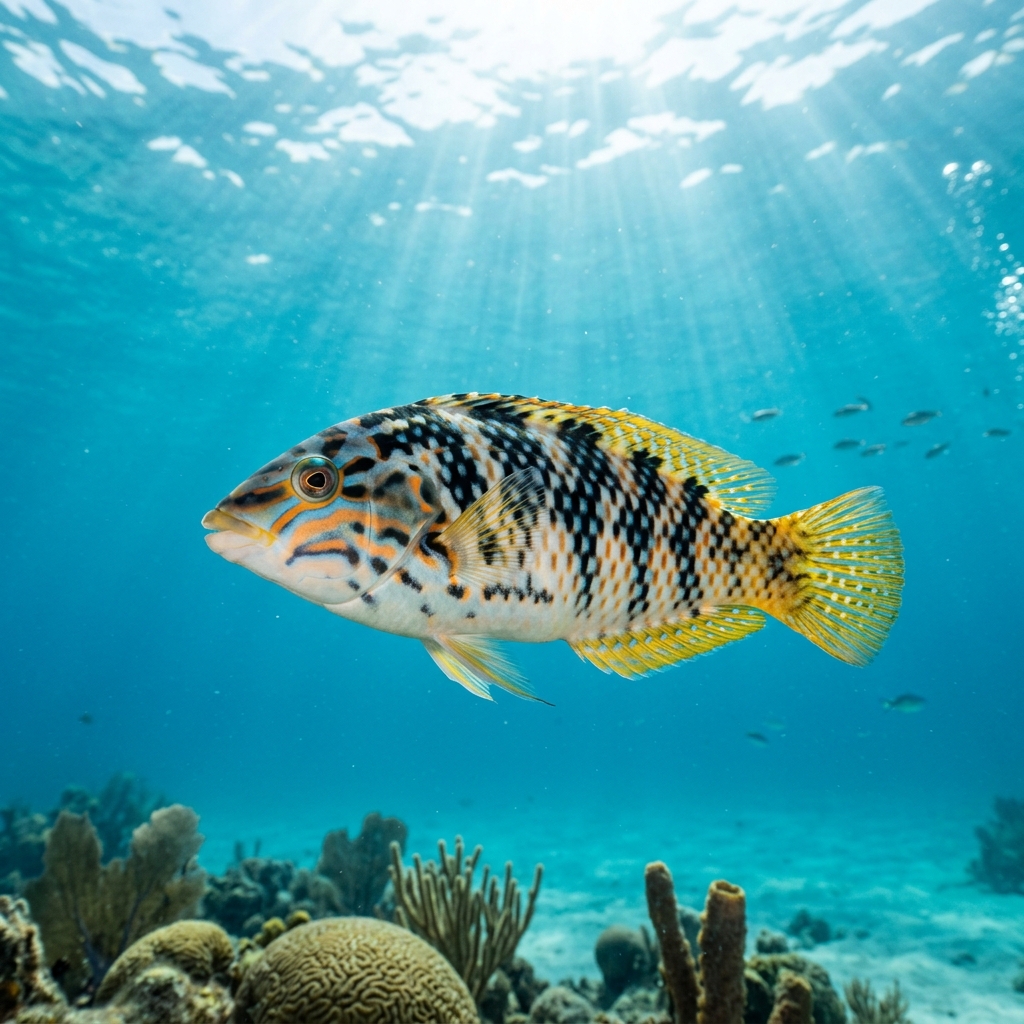
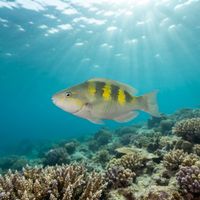
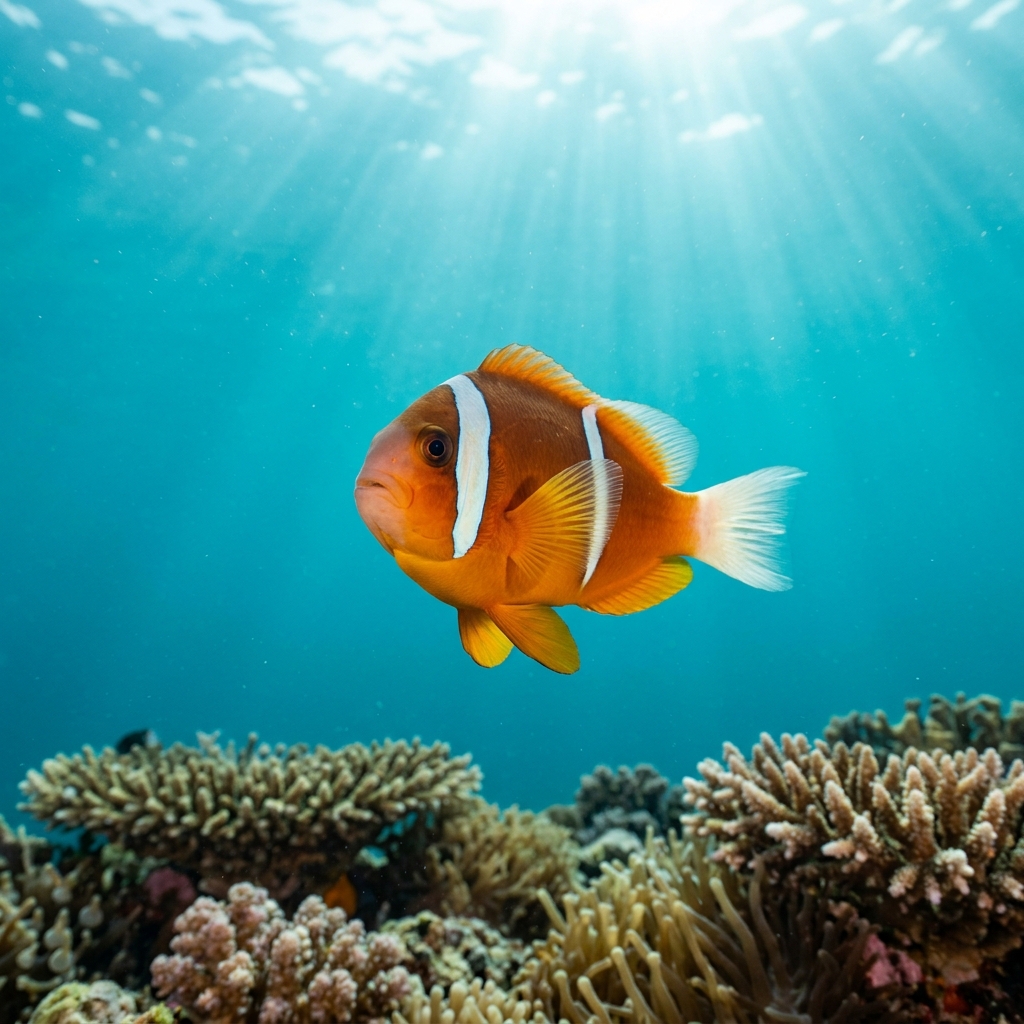
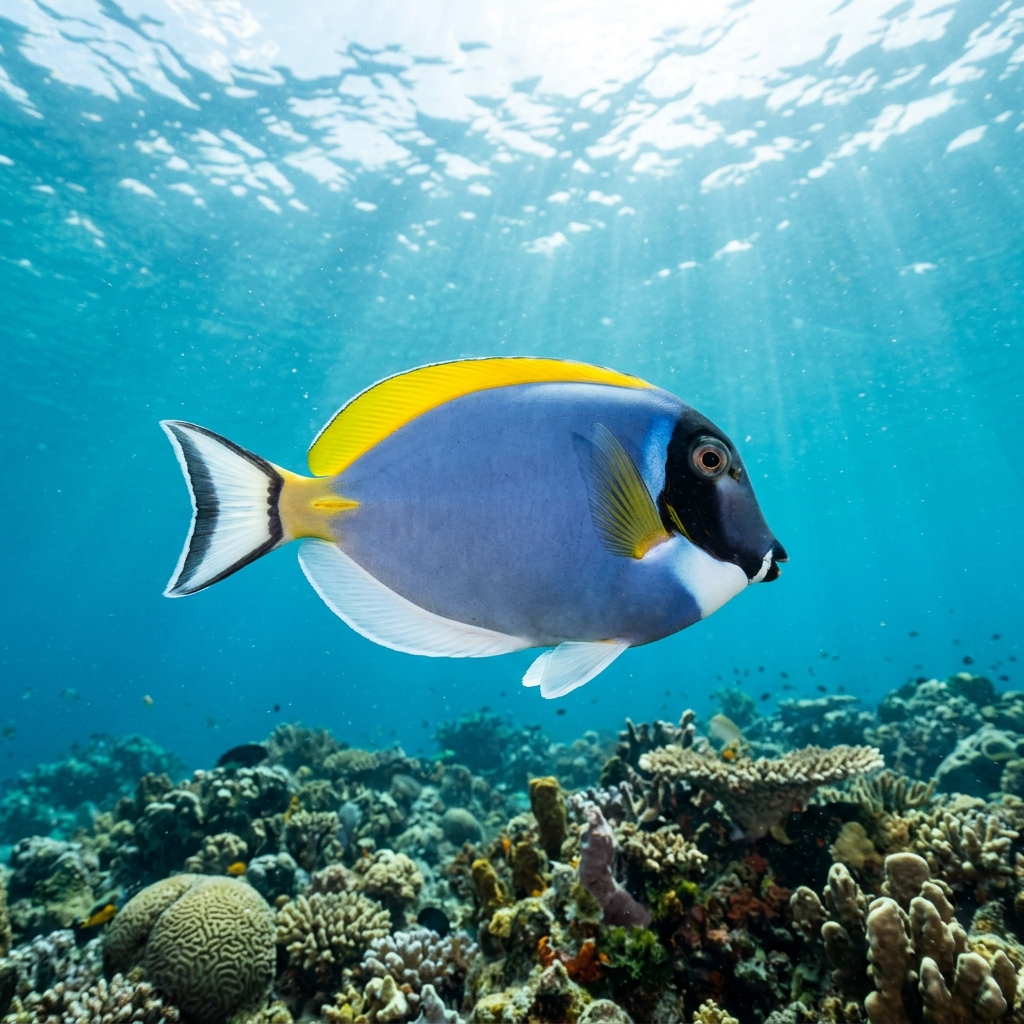
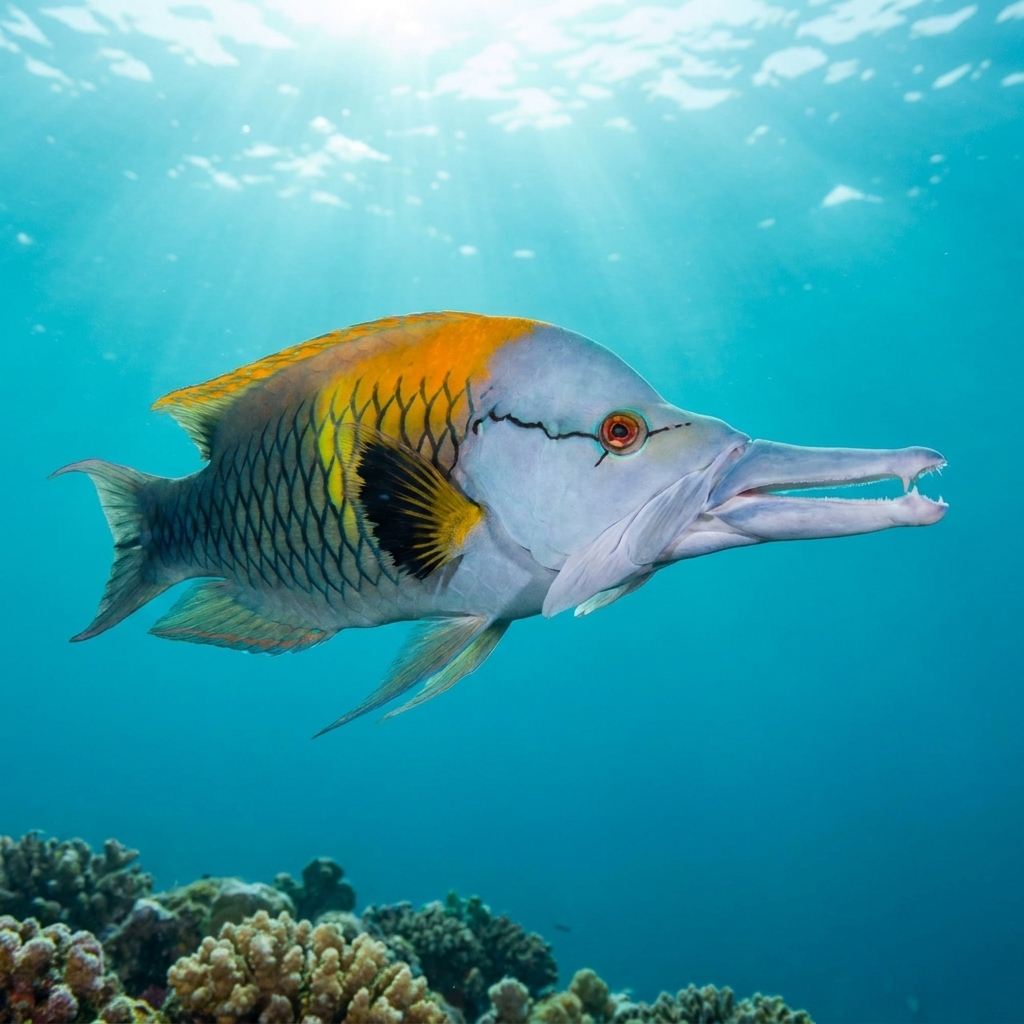
Agatti Island's dive sites are almost entirely boat-access reef dives, ranging from sheltered shallow reefs suited to beginners through to deep walls and drift sites that demand advanced experience. The most frequently sighted fish include Checkerboard Wrasse, Maldive Clownfish, Powder-blue Surgeonfish and a rich spread of butterflyfish. Grey Reef Shark make occasional appearances. Visibility is consistently excellent across the island's sites, and warm water persists year-round, dropping only slightly during the late monsoon months.
Monthly water temperature across Agatti Island's sites, from satellite sea-surface data corrected for depth. The band shows the site-to-site spread.
Water temperature stays warm throughout the year, peaking in late spring and dipping only slightly in the late monsoon period from August through October. The best diving conditions align with the dry season months, from October through to April, when seas are calmer and visibility is at its finest. From May onward the monsoon brings more challenging conditions, making those months less suitable for diving.
12 operators
1 more site to explore
Water temperature around Agatti Island ranges from about 28°C in August to 31°C in May, based on satellite sea-temperature data for its dive sites.
With water around 28–31°C, a rash guard or 3mm shorty works in Agatti Island year-round.
Fin maps 13 sites in Agatti Island (13 scuba diving sites and 3 snorkelling spots, with some suited to both).
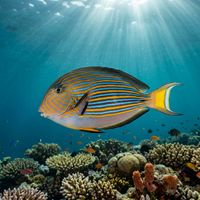
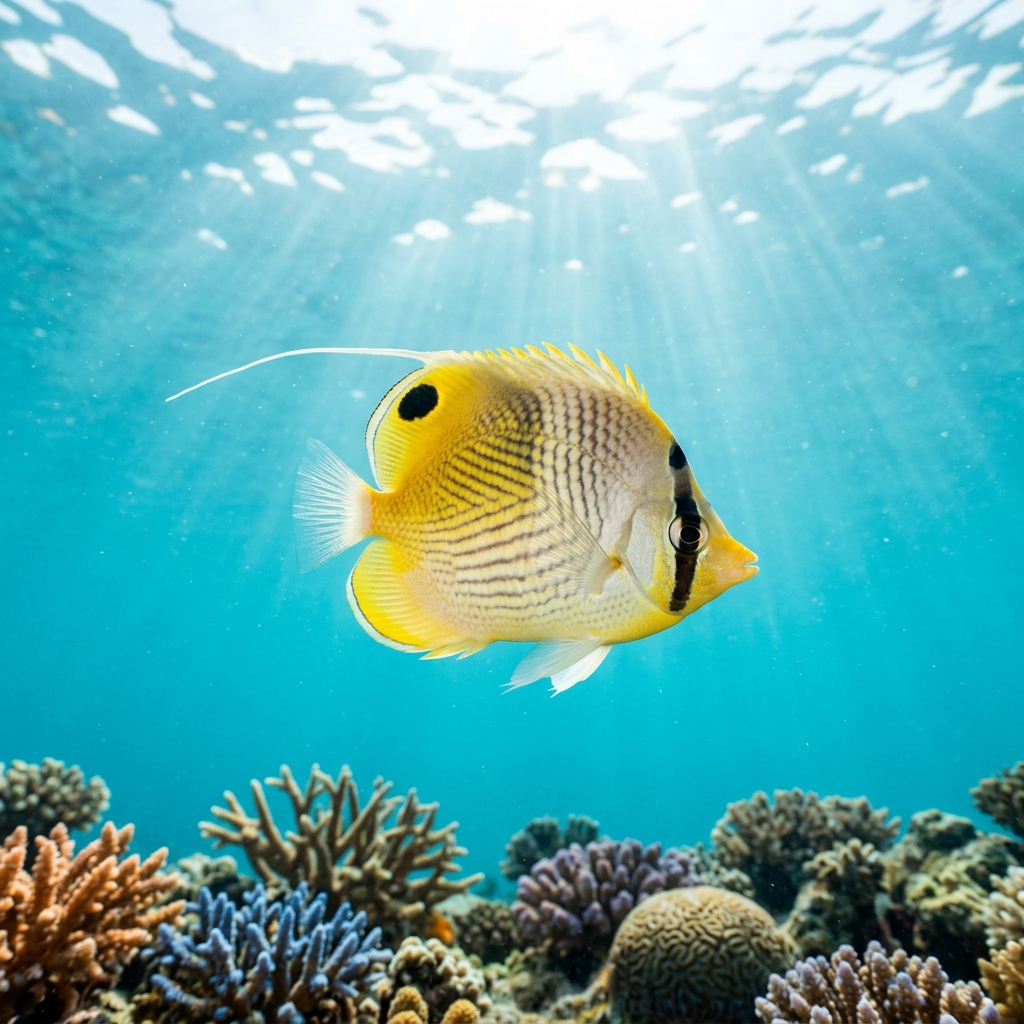
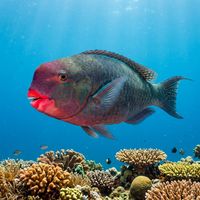
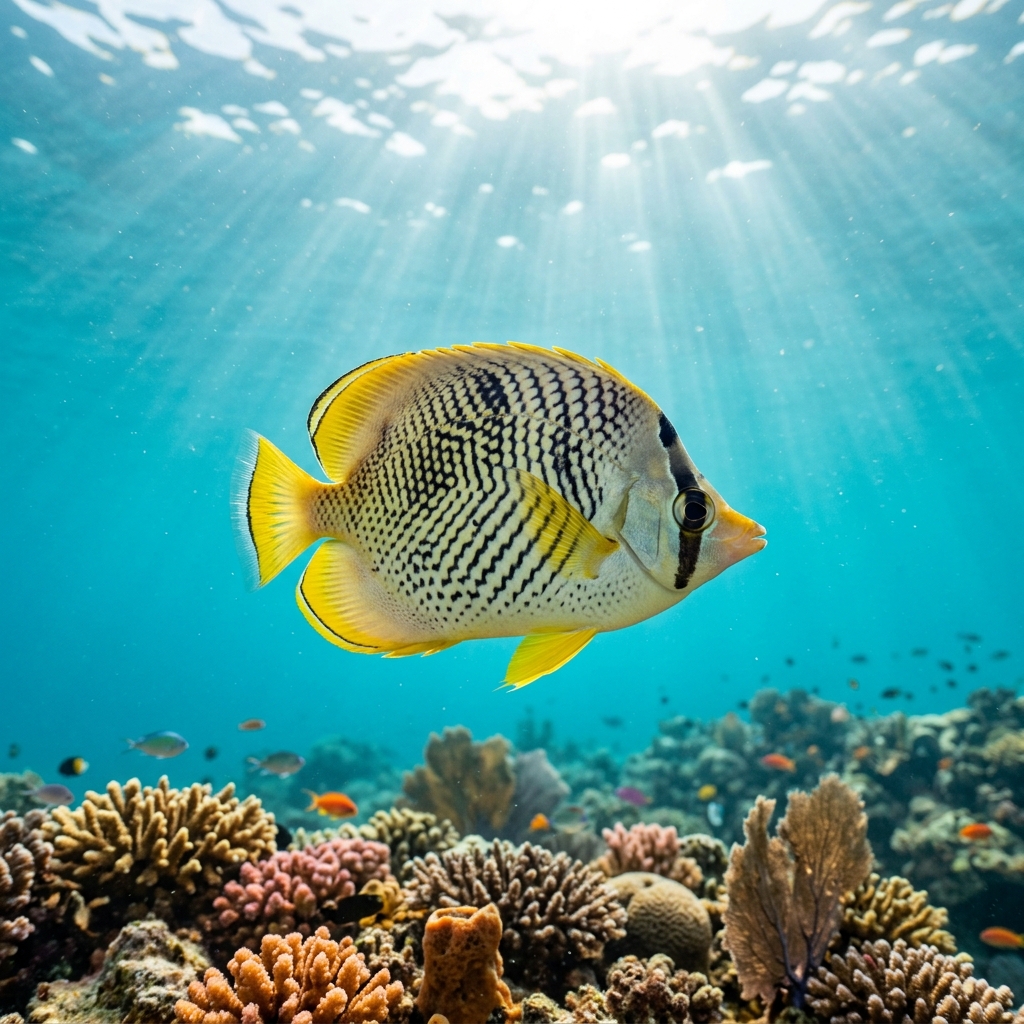
The reefs consistently produce sightings of Checkerboard Wrasse, Maldive Clownfish, Pacific Bullethead Parrotfish, Powder-blue Surgeonfish and multiple butterflyfish species including Threadfin Butterflyfish, Scrawled Butterflyfish and Raccoon Butterflyfish. Grouper and Moorish Idol are also frequently encountered. Grey Reef Shark appear occasionally at roughly half of the island's sites.
A good number of sites are rated beginner level, including Kalpitty Slope, Oval, Shallows and Eastern Jetty, all of which offer sheltered reef environments at comfortable depths. Intermediate sites such as Snapper City and Water Line add more variety, while The Drop and Neptune's Balcony are reserved for advanced divers due to their depth and wall topography.
All dive sites around Agatti Island are reached by boat. There are no shore-entry dive sites in the data. Sites vary in their distance from shore, so boat transfers are an essential part of every dive day here.
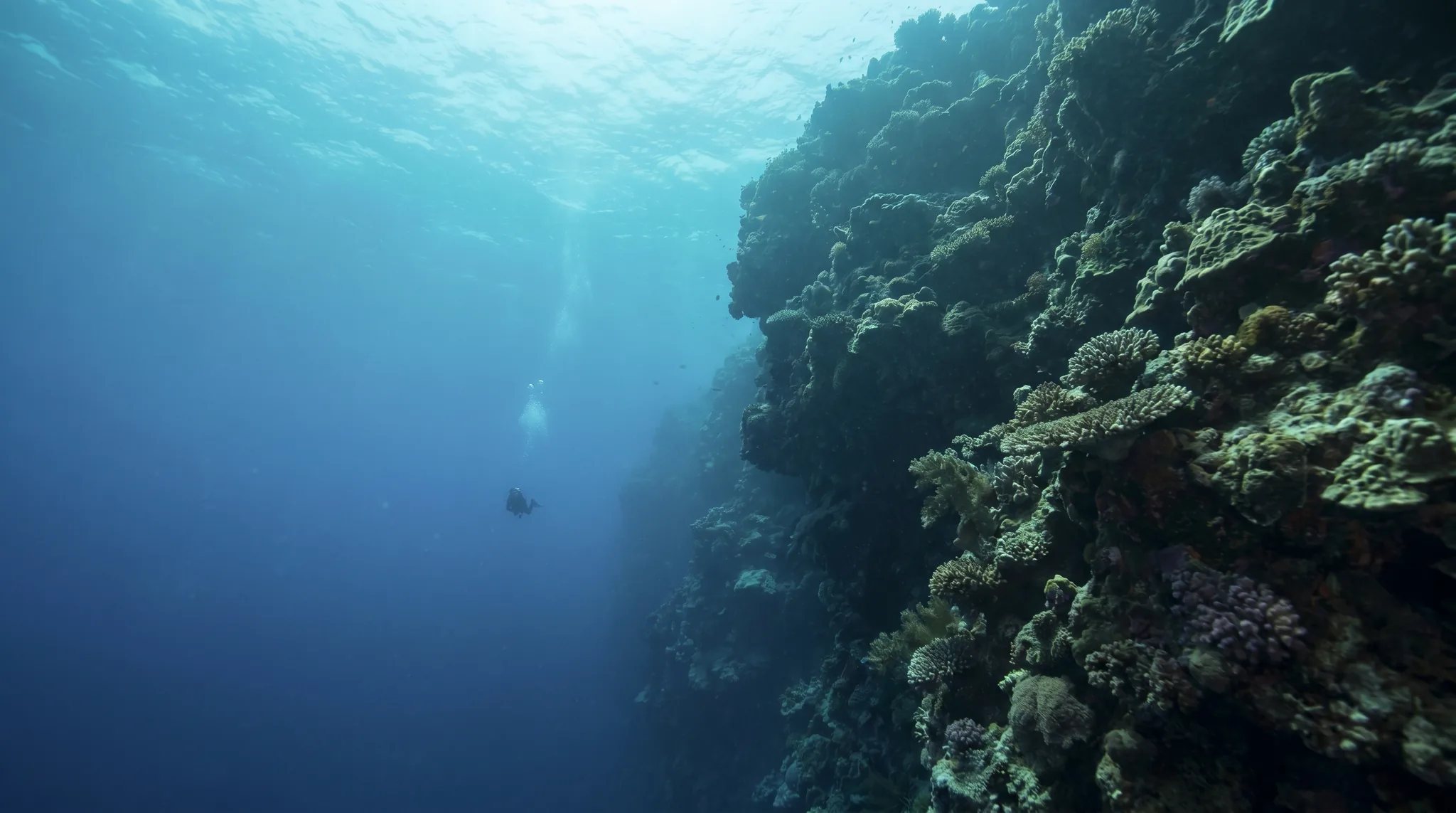
Reef diving dominates, but the island offers real variety. Sites like Agatti Edge and Neptune's Balcony combine shallow reef with descending walls, while Butterfly Valley adds drift sections to the mix. Trigger'd features reef and cave topography at depth. This range means divers can work through different site types without leaving the island.