Chaetodon meyeri
Spot Scrawled Butterflyfish on Indo-Pacific reefs from the Maldives to Seychelles. Know the scribbled black lines that set it apart from lookalikes.
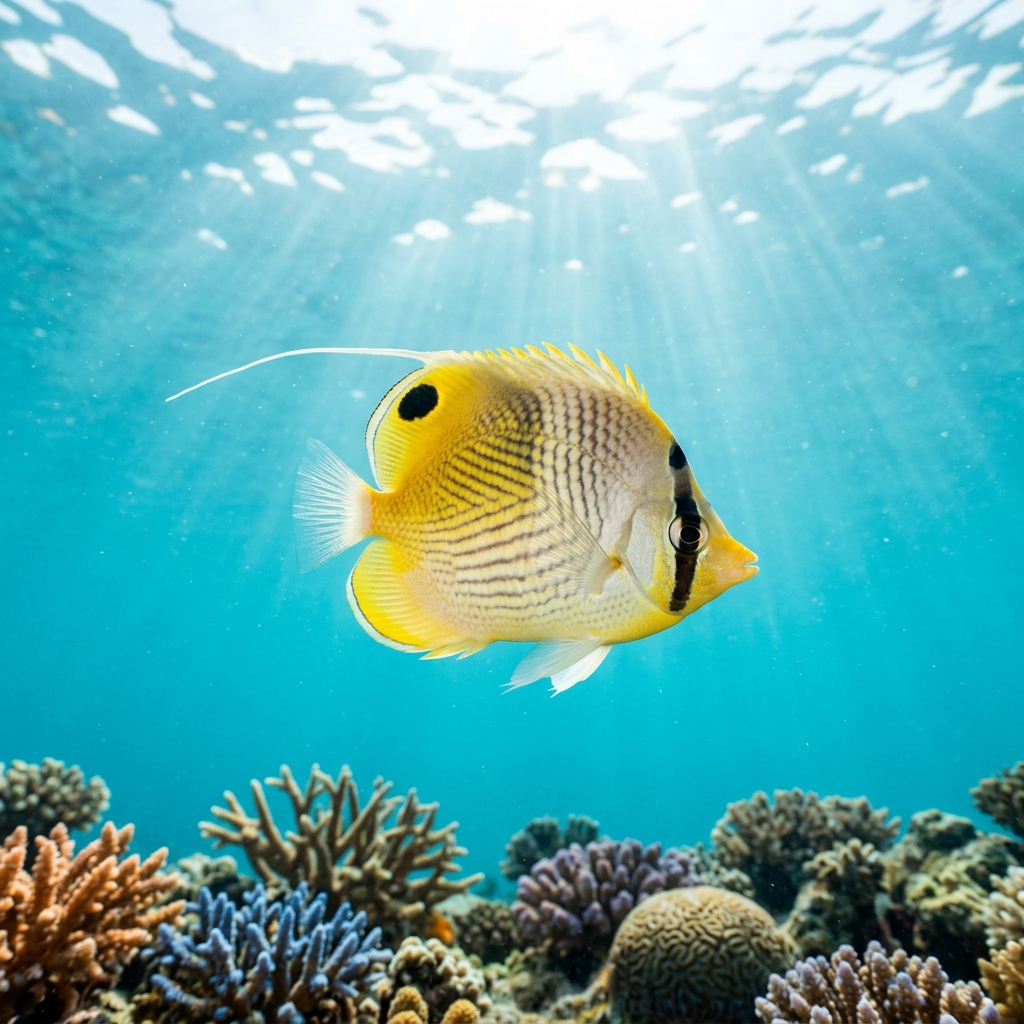
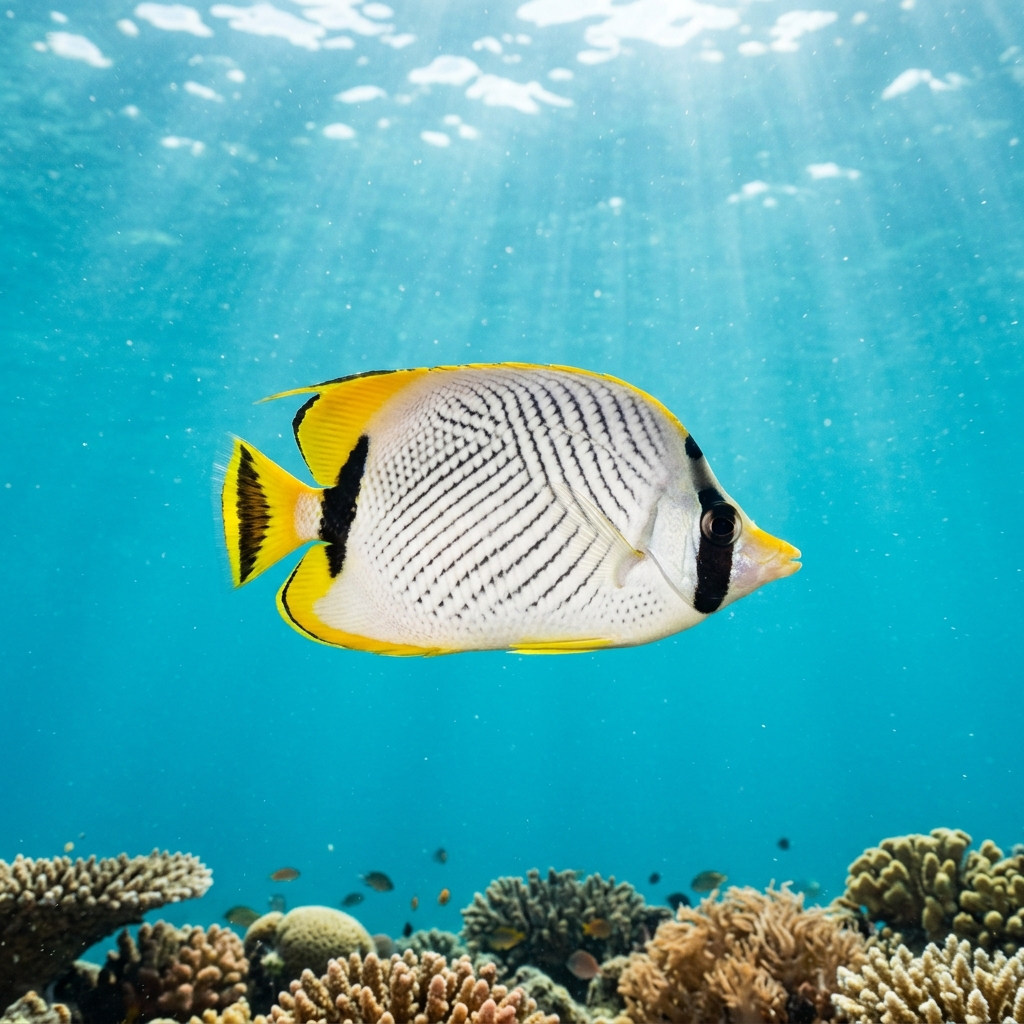
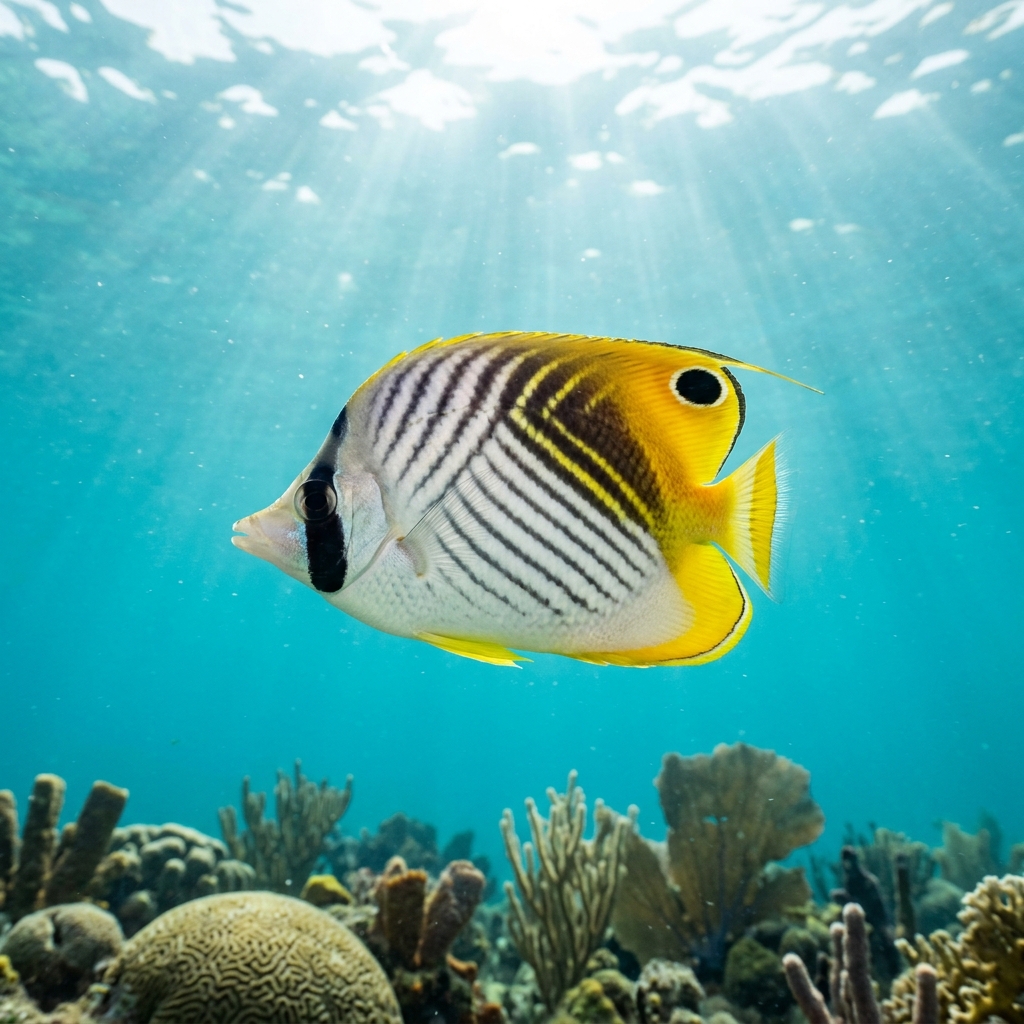
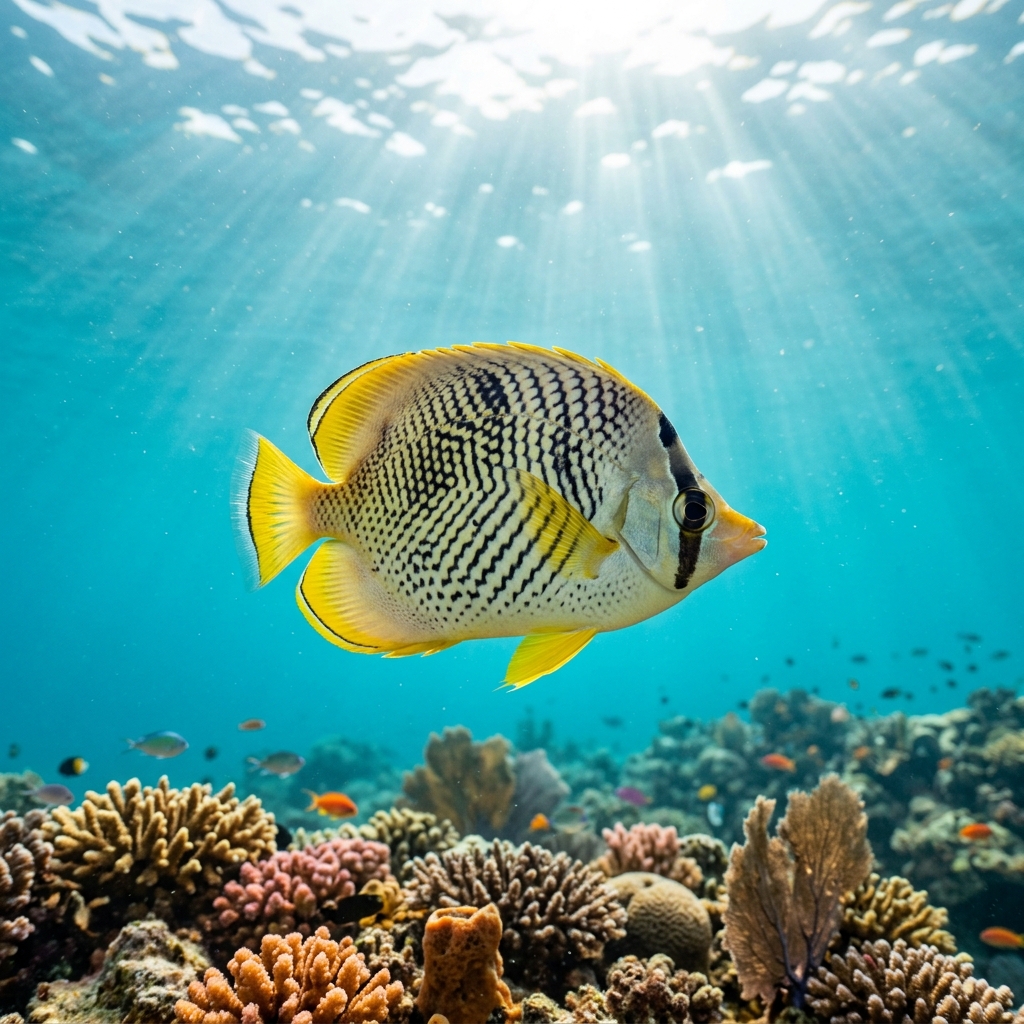
A white or pale yellow body covered in irregular, scrawled black lines that run diagonally across the flanks, giving it an almost sketched appearance no other butterflyfish quite matches. Look for a black bar through the eye and yellow on the tail and rear dorsal fin to confirm it quickly. In the water it presents the classic deep, disc-shaped butterflyfish profile, and at typical reef depths the contrast between the pale ground colour and dark scribblings is striking.
Scrawled Butterflyfish are typically seen in pairs or small groups picking at coral, which forms a core part of their diet, so look for them on healthy hard-coral slopes and reef tops rather than sandy rubble. They tend to be approachable but not bold, usually continuing to feed as a diver draws near before drifting a short distance away. Sightings happen throughout the day, though activity often peaks during mid-morning when feeding is busiest.
Like several butterflyfish that depend heavily on live coral polyps for food, Scrawled Butterflyfish are sensitive indicators of reef health; finding them on a dive is a reasonable sign that the hard coral community is in reasonable shape.
No clear seasonal peak has emerged from the data, so this species is treated as a year-round target. It sits comfortably in water between about 24 and 29 °C, which describes tropical and warm subtropical reef conditions across its range throughout the year.
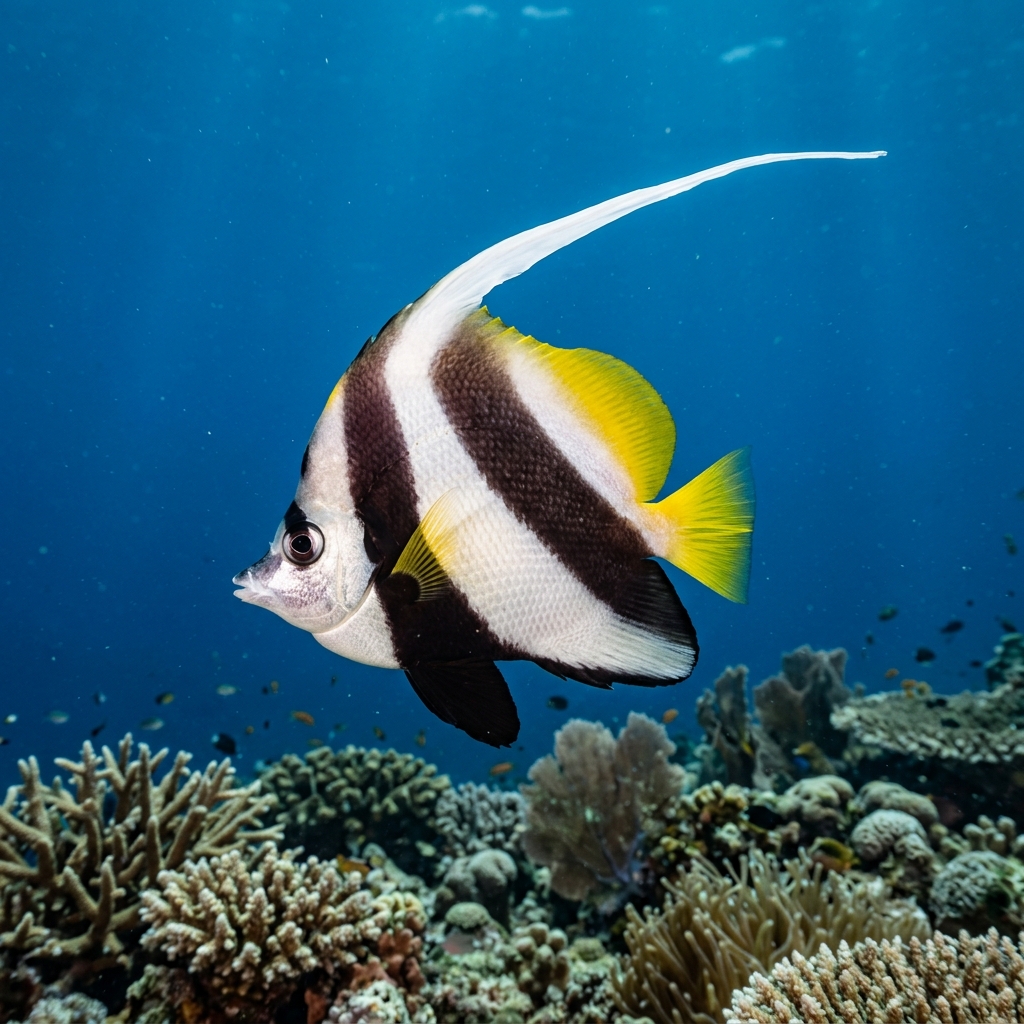
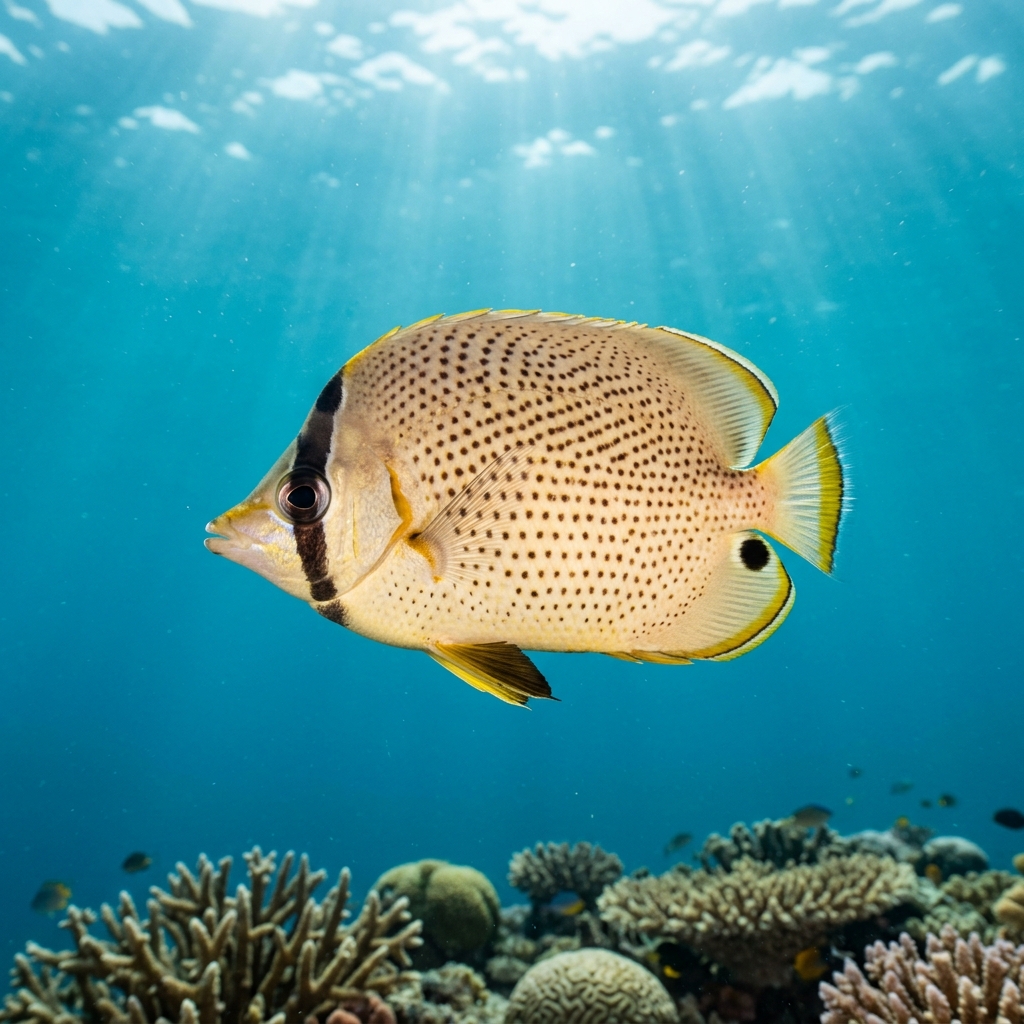
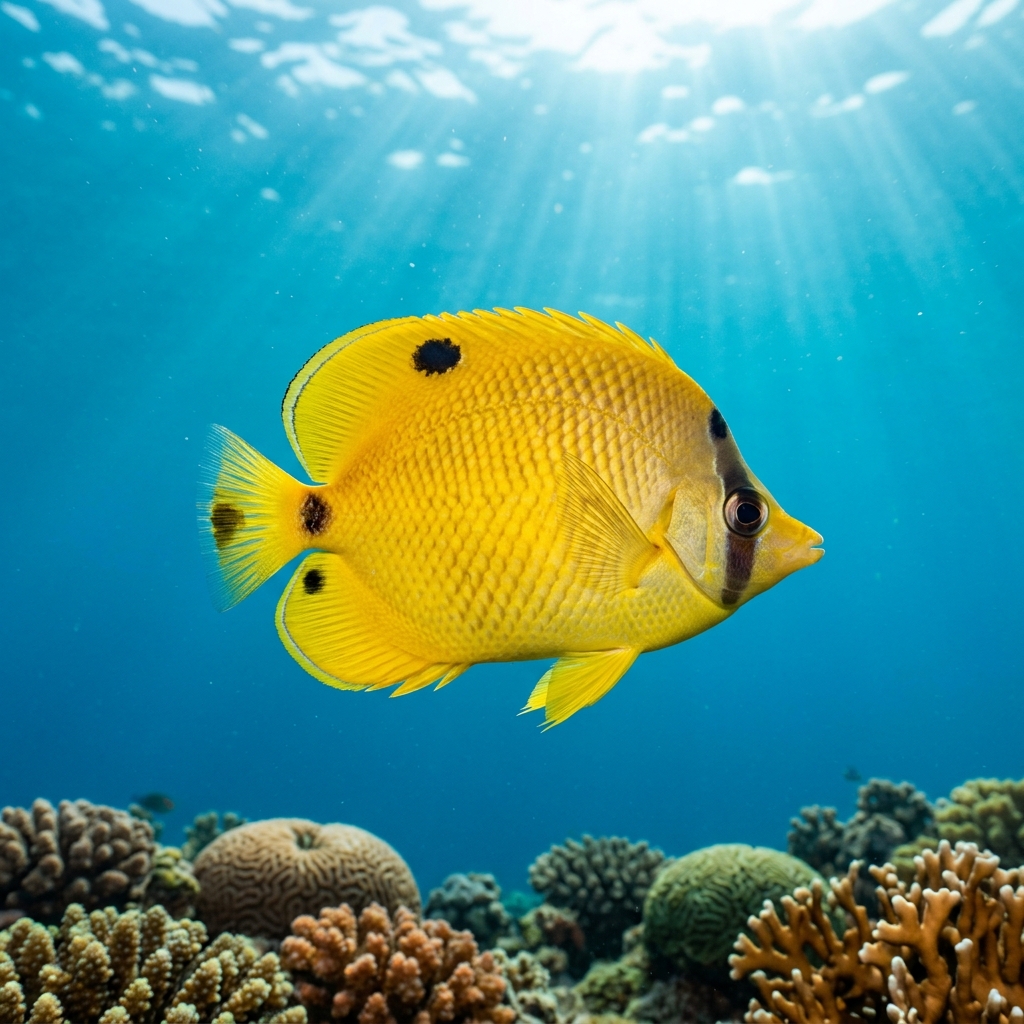
Reef neighbours a diver could mistake it for. Use the identification notes above to tell them apart.
Most commonly logged in the Maldives, particularly around the Male and Ari Atolls and the North and Central Atolls, where it accounts for the clear majority of recorded sightings. Strong populations also appear in Seychelles, especially around Praslin and La Digue, and across Indonesian waters from Bali and Lombok through to the Banda Sea. South Africa's Durban and North Coast, Reunion, and Thailand's Andaman North round out the best-documented destinations.
Mapping where Scrawled Butterflyfish is logged…
The Maldives, particularly the Male and Ari Atolls, is the single most reliable destination. Seychelles (Praslin and La Digue), Bali and the Banda Sea in Indonesia, South Africa's Durban coast, Reunion, and Thailand's Andaman North are all well-documented locations with regular sightings.
No distinct seasonal peak is known for this species, and it appears year-round across its tropical range. It favours water temperatures roughly between 24 and 29 °C, which describes permanent conditions on most Indo-Pacific reefs where it lives.
The giveaway is the network of irregular, scrawled black lines that criss-cross the pale body, unlike the cleaner chevron or spot patterns of most other butterflyfish. Add a black eye bar and yellow colouring on the tail and you have a reliable ID. The overall body shape is the typical deep, rounded disc of the butterflyfish family.
Across the sites where divers log them, Scrawled Butterflyfish are most often described as uncommon, with many sites recording them as rare. They are not a species you should expect to see on every dive, but targeted dives on healthy hard-coral reefs in the Maldives or Seychelles give you the best odds.
No. The species is currently assessed as Least Concern on the IUCN Red List. Like other coral-dependent butterflyfish it is affected by reef degradation, but there is no current evidence of population-level decline sufficient to raise its status.
Site and sighting data is aggregated from diver logs, iNaturalist and GBIF. For taxonomy and conservation status: