
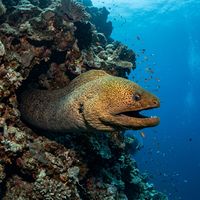
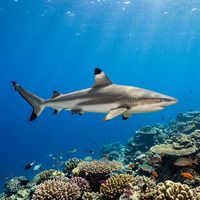
Haa Alif Atoll draws divers with a site mix dominated by drift dives, walls, caves, and submerged pinnacles, all accessed by boat. The Reef Manta Ray and Whale Shark are observed regularly, alongside the Green Sea Turtle, Blacktip Reef Shark, and Giant Moray. Most sites suit beginners and intermediate divers, though Manta Point calls for advanced skills. Water stays warm year-round, with conditions peaking from October through November.
Monthly water temperature across Haa Alif Atoll's sites, from satellite sea-surface data corrected for depth. The band shows the site-to-site spread.
Water temperature holds consistently warm across every month, making Haa Alif a year-round destination with no cold season to plan around. Conditions are at their most favoured from October through November, with reasonable diving from May onwards. Drift diving is central to the experience here, so divers should be comfortable reading currents, particularly at deeper channel sites.
4 operators
Maldives
9 more sites to explore
Water temperature around Haa Alif Atoll ranges from about 28°C in March to 30°C in May, based on satellite sea-temperature data for its dive sites.
With water around 28–30°C, a rash guard or 3mm shorty works in Haa Alif Atoll year-round.
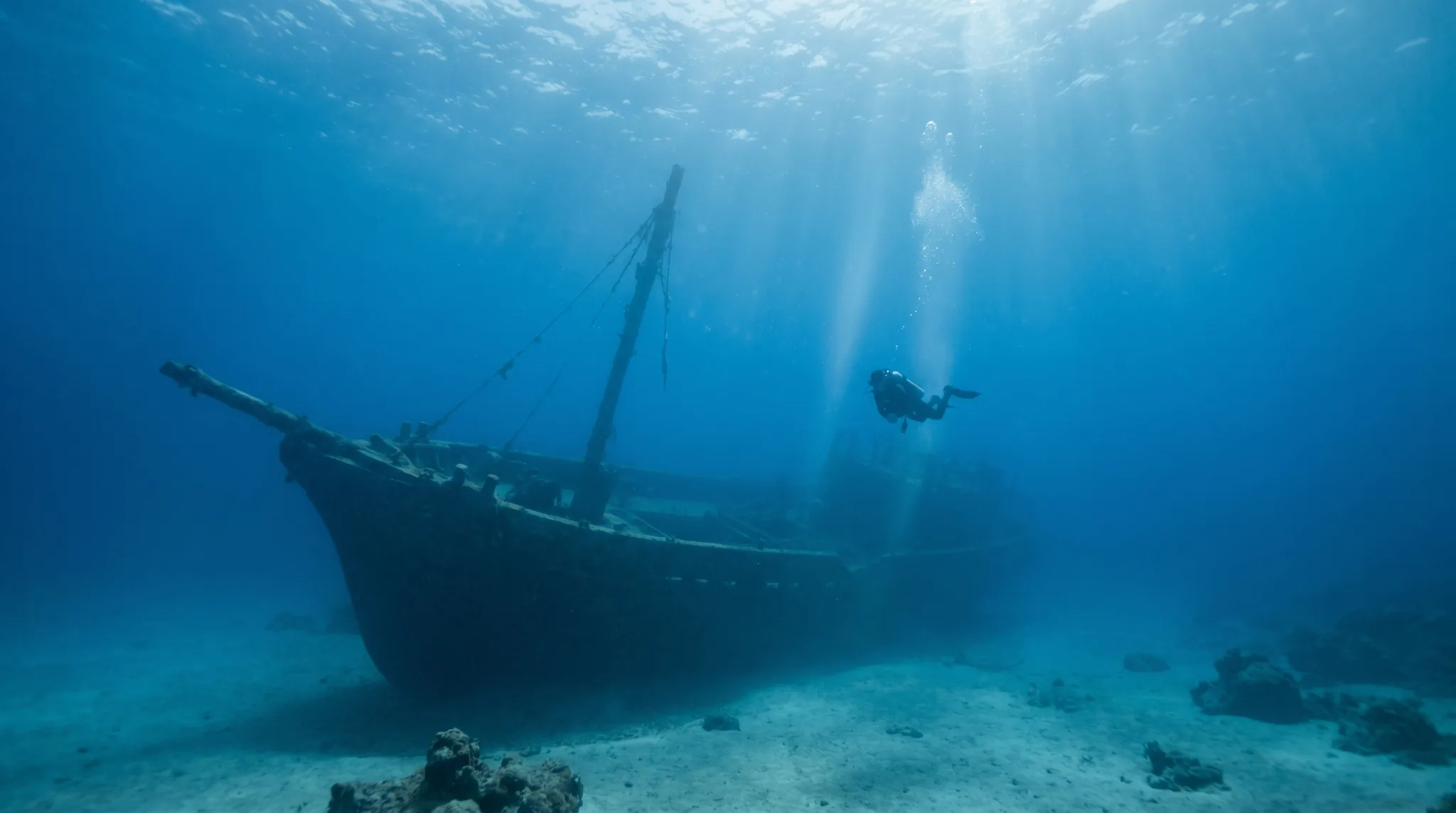
Fin maps 21 sites in Haa Alif Atoll (21 scuba diving sites and 3 snorkelling spots, with some suited to both).
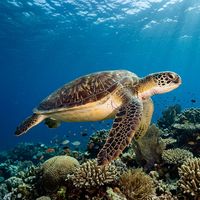
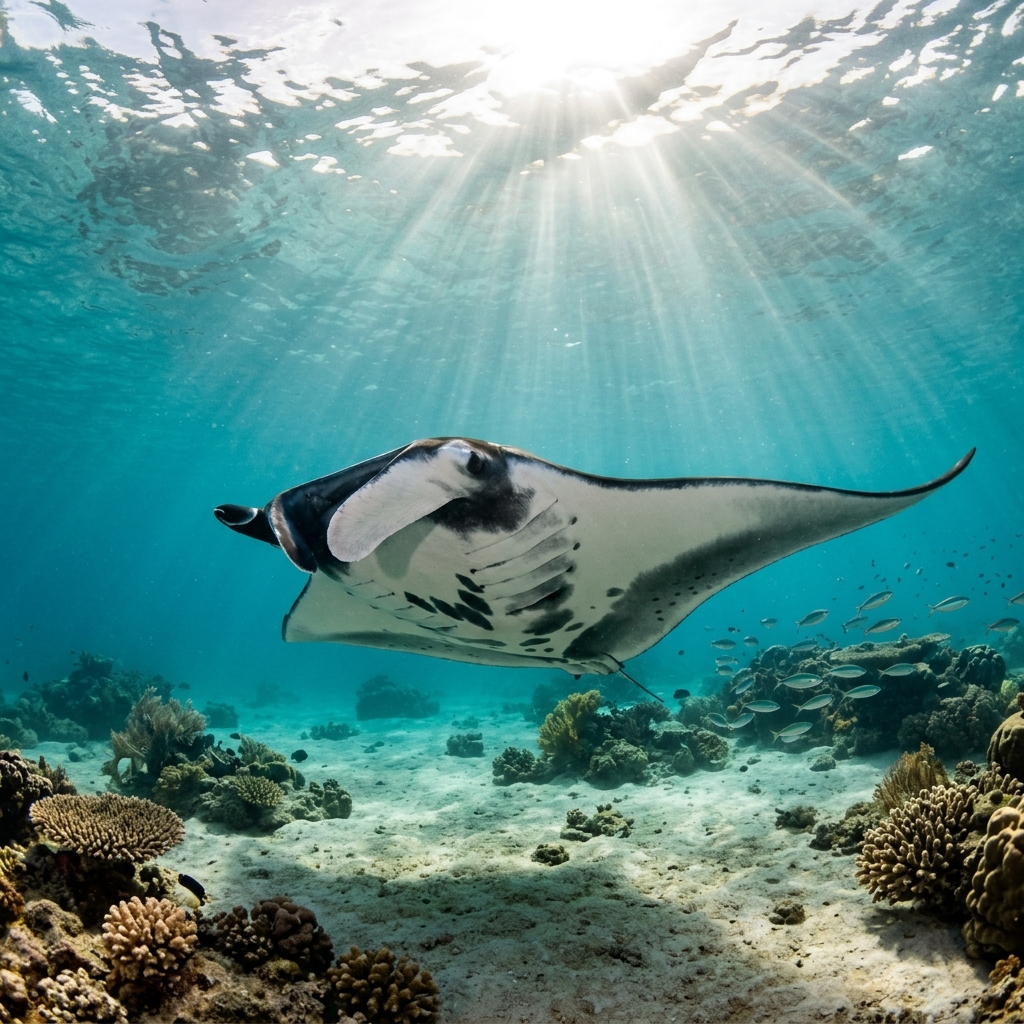
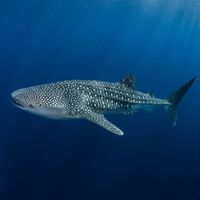
Haa Alif Atoll has strong observation records for Reef Manta Ray, Whale Shark, and Green Sea Turtle across a wide range of sites. Blacktip Reef Shark and Grey Reef Shark are also regularly sighted, and the Giant Moray is present at the great majority of sites. Less frequent but observed encounters include Napoleon Wrasse and Eagle Ray.
A good portion of the sites here are rated beginner-friendly, including Thakandhoo Corner, Filladhoo Thila, Mulidhoo Aquarium, and the shallow Filladhoo wreck. Many of these are drift dives, so beginners should be comfortable with gentle to moderate current. Intermediate sites such as Dhonakulhi Kandu and Baarah Thila offer progression for those building experience, while Manta Point is reserved for advanced divers.
Every site listed in Haa Alif Atoll is boat access only. There are no shore-entry dive sites here, which is typical for atoll diving where the reef structures and channel sites sit away from land. Divers should plan around boat-based operations for each outing.
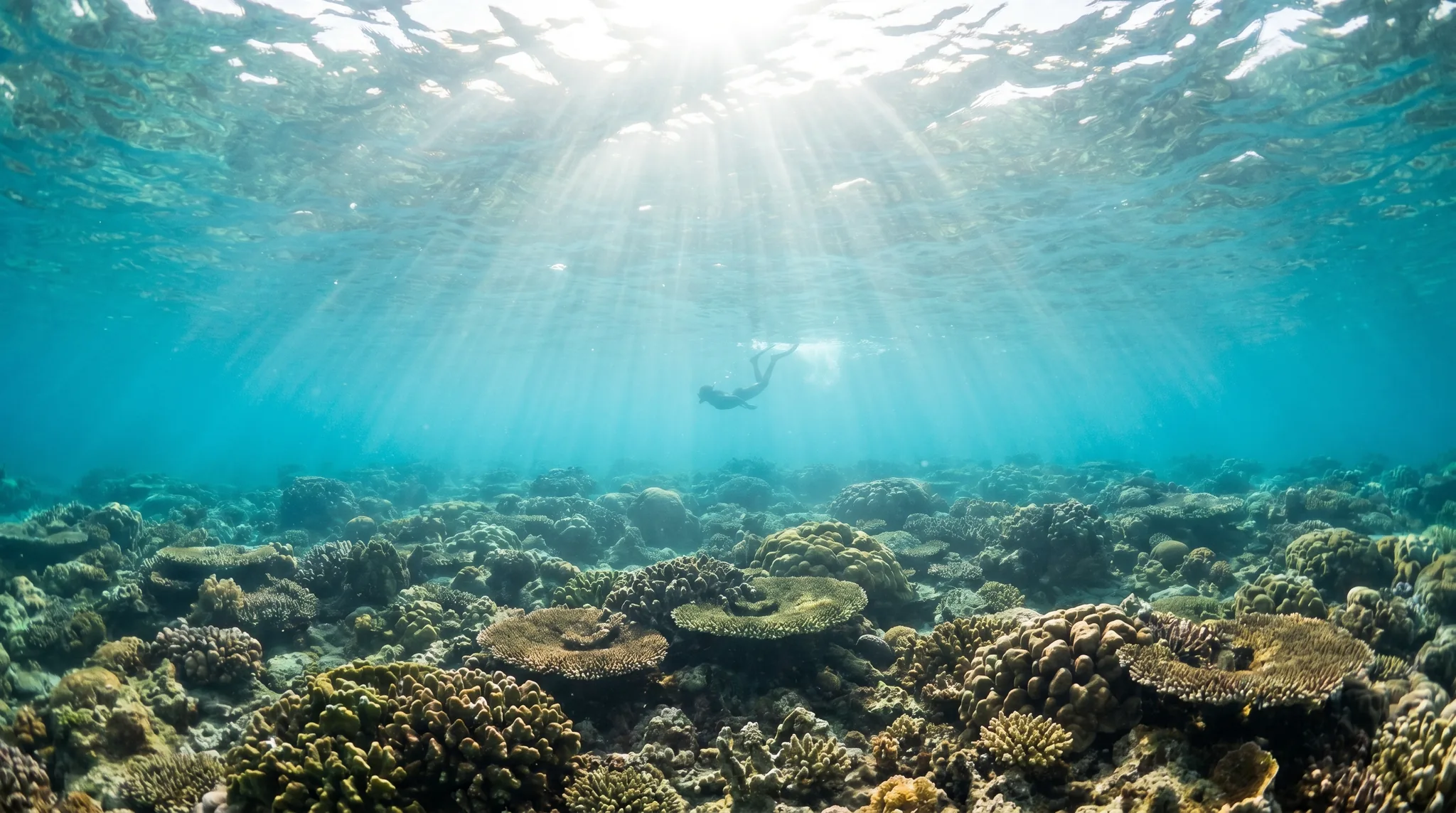
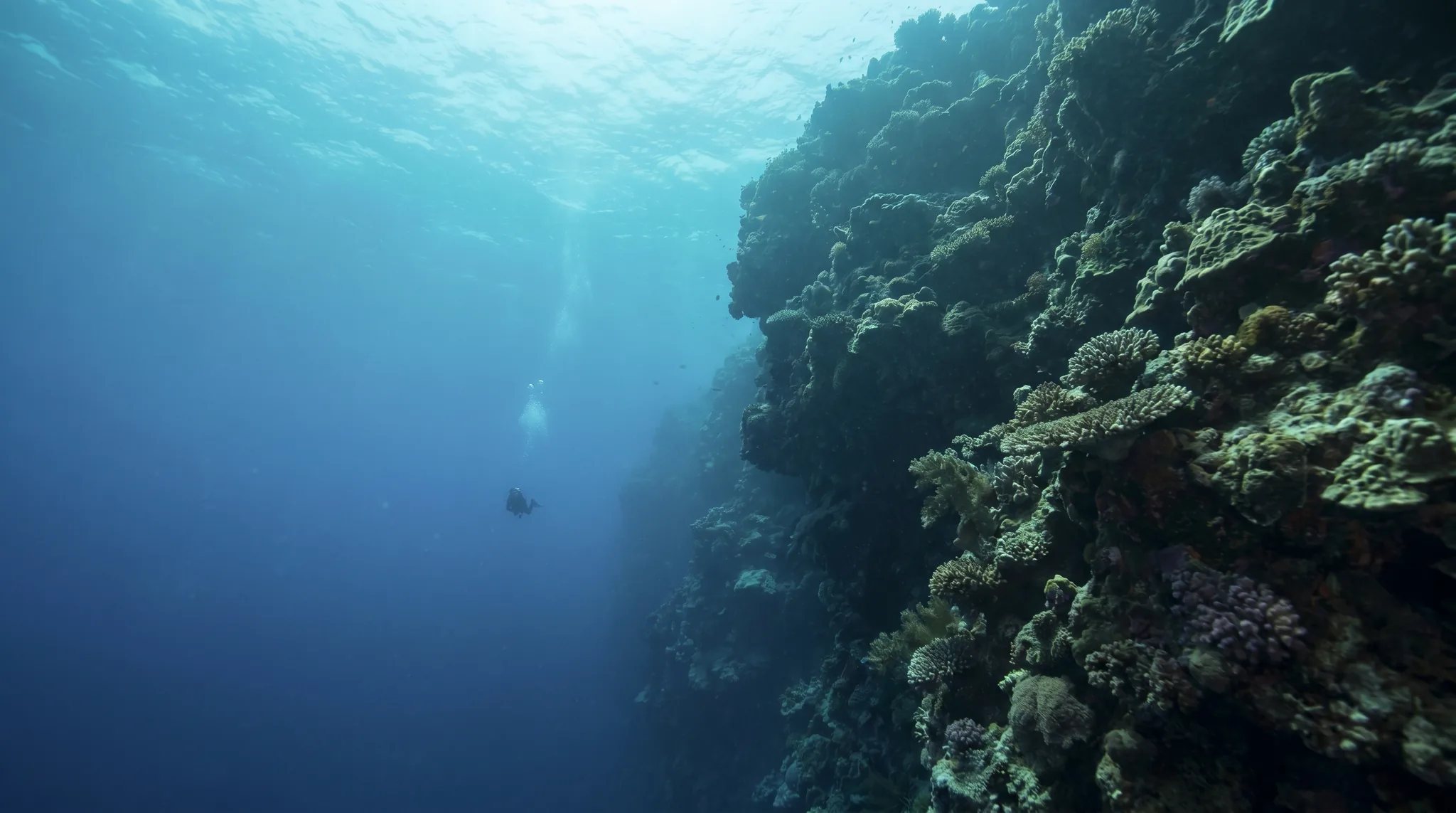
The atoll offers a varied range of underwater topography, with drift dives along channel reefs, vertical walls, cave systems, and submerged pinnacles known locally as thilas. Sites like Mathifaru Caves and Baarah Caves combine wall, reef, and cave features in a single dive, while Filladhoo Thila and Baarah Thila offer classic pinnacle dives with coral formations at depth.