

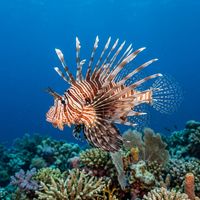
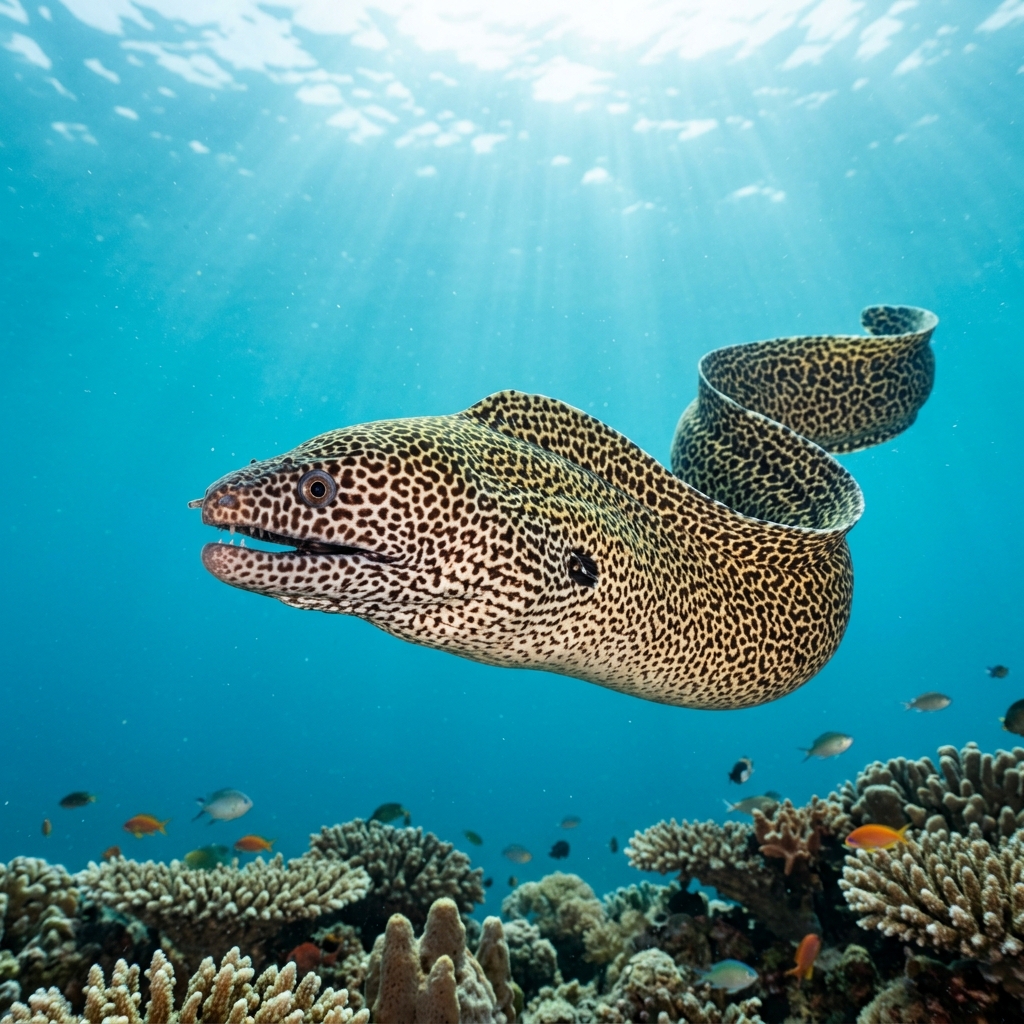
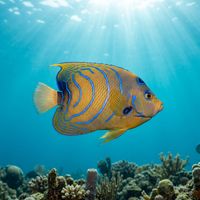
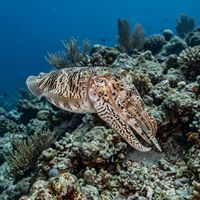
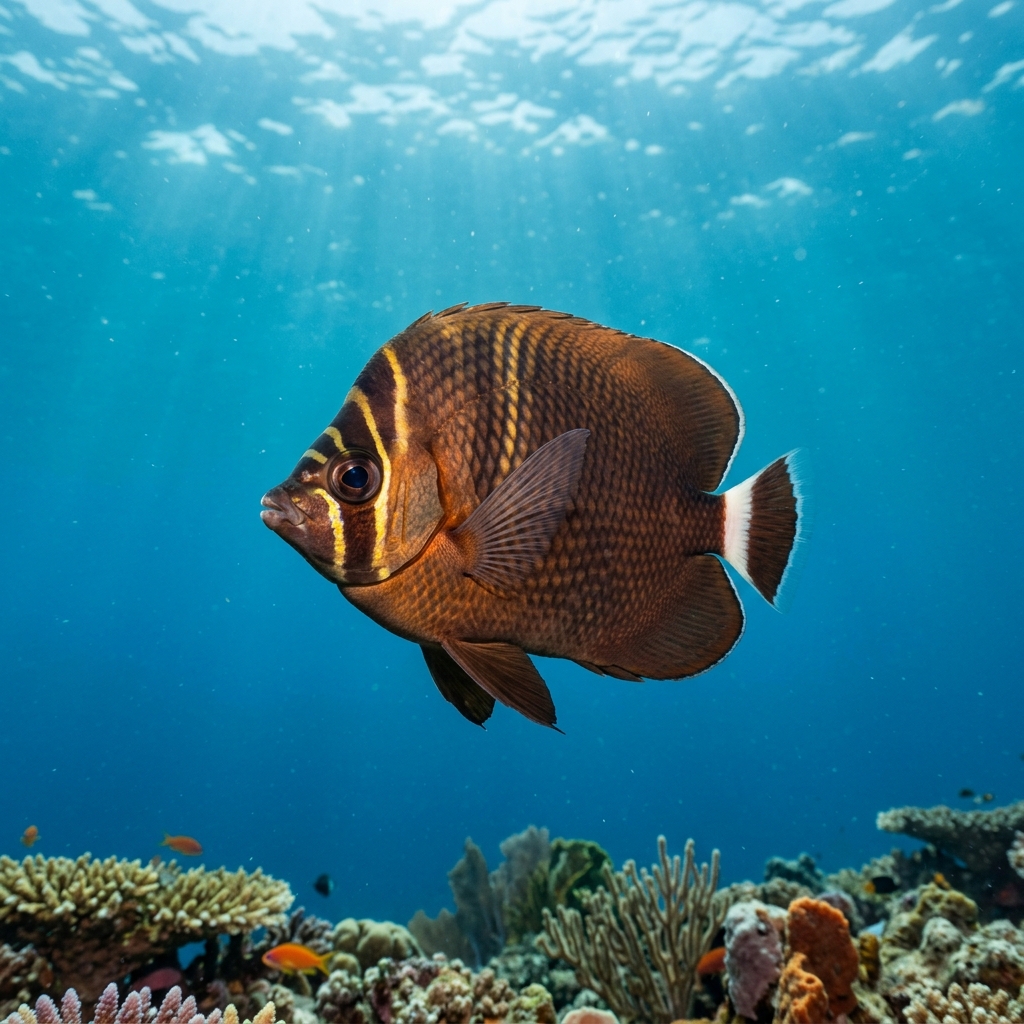
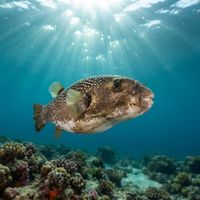
Goa's diving centres on natural reefs, artificial structures, wrecks and pinnacles, with the majority of sites reached by boat. Most sites suit beginners, though canyon dives like Turbo Tunnel and drop-offs such as Davy Jones Locker call for intermediate experience, and Sail Rock is reserved for advanced divers. The signature species here are the Indian Lionfish, Laced Moray, Blue Ringed Angelfish and Pharaoh Cuttlefish, alongside a broad supporting cast that includes the Redtooth Triggerfish, Yellowtail Angelfish, Porcupinefish and Jenkins Ray. Water stays warm year-round, with the clearest conditions running from October through February.

Monthly water temperature across Goa's sites, from satellite sea-surface data corrected for depth. The band shows the site-to-site spread.
Water temperature remains warm across the whole year, with a slight peak in the warmer months from April through June and a modest dip mid-monsoon around August and September. The best-months data points firmly toward October through February as the prime window, when conditions settle and visibility is at its most reliable. The monsoon period brings rougher seas and reduced visibility, making boat access to offshore sites more difficult.
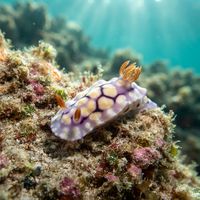
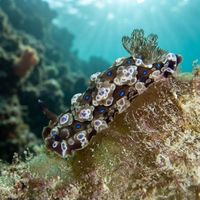
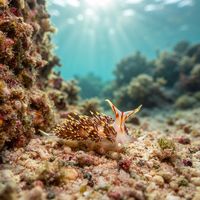
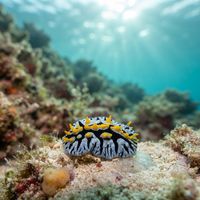
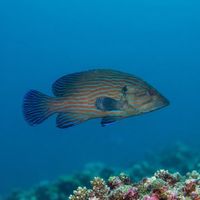
4 more sites to explore
Water temperature around Goa ranges from about 27°C in August to 30°C in April, based on satellite sea-temperature data for its dive sites.
With water around 27–30°C, a rash guard or 3mm shorty works in Goa year-round.
Fin maps 16 sites in Goa (16 scuba diving sites).
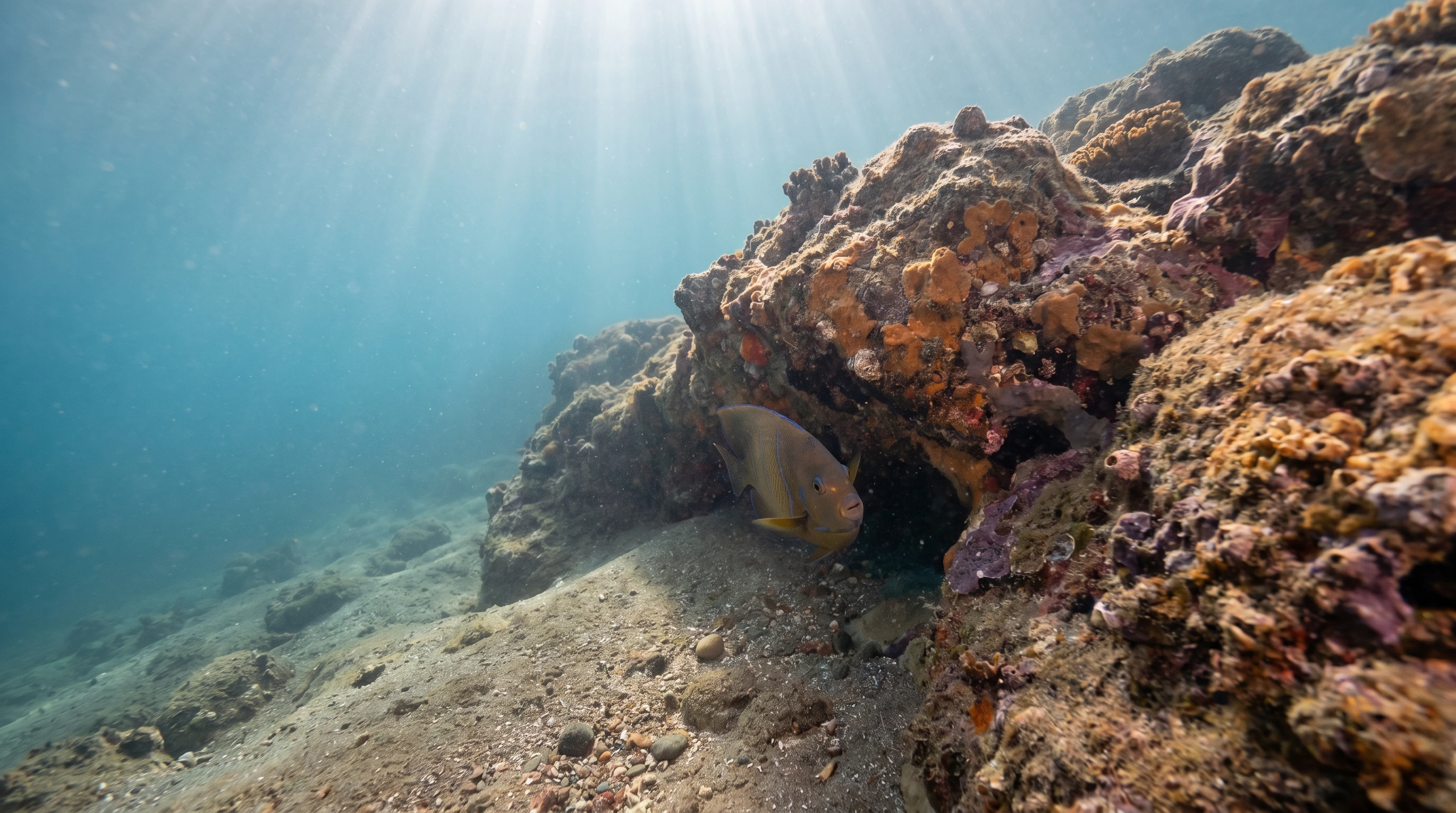
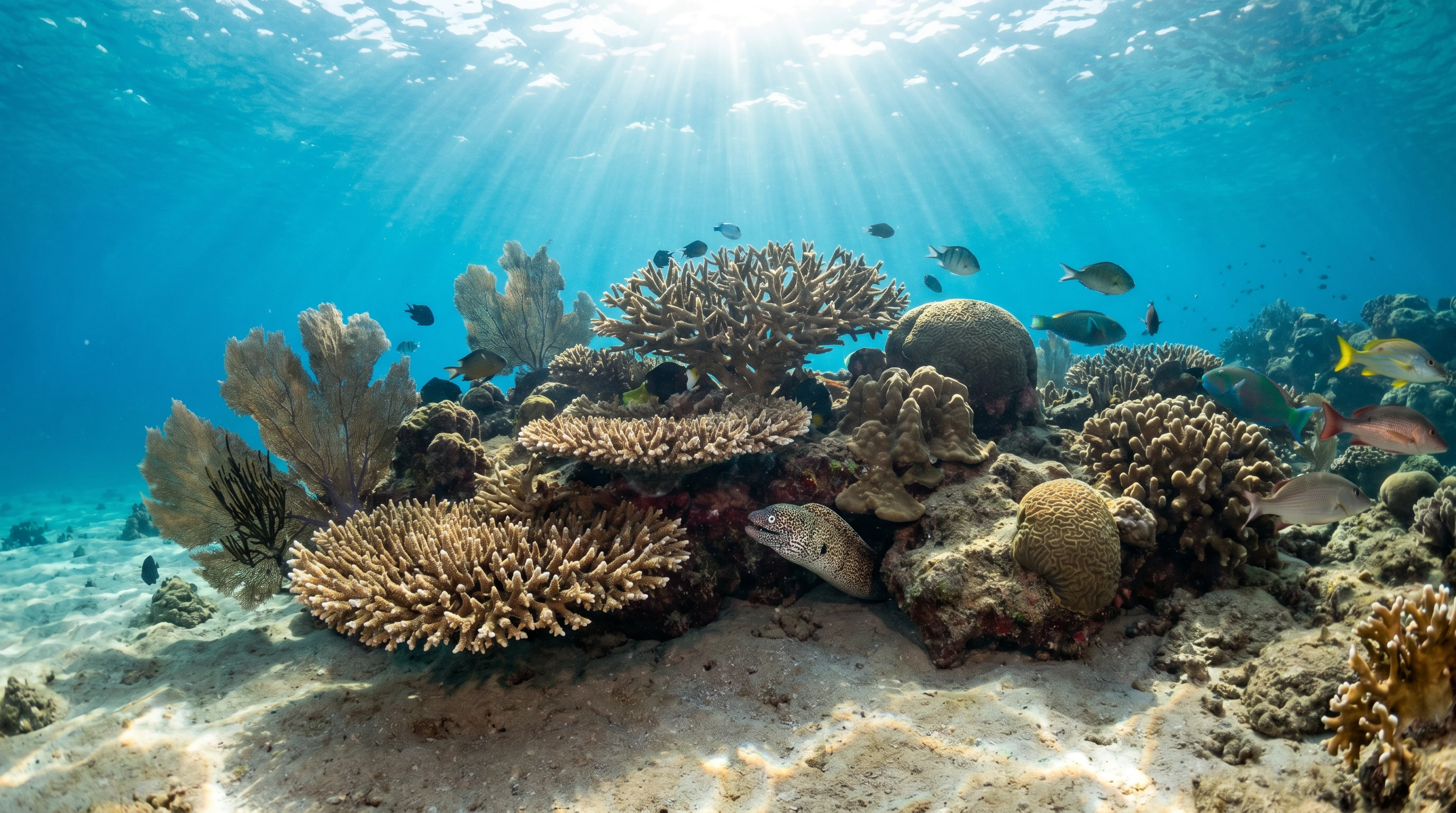
The Indian Lionfish and Laced Moray are observed across virtually all sites, making them the defining encounters here. Blue Ringed Angelfish, Pharaoh Cuttlefish, Brown Butterflyfish, Redtooth Triggerfish and Porcupinefish are also very commonly sighted. Keep an eye on sandy patches and reef edges for the Jenkins Ray, and look into crevices for the White Eyed Moray.
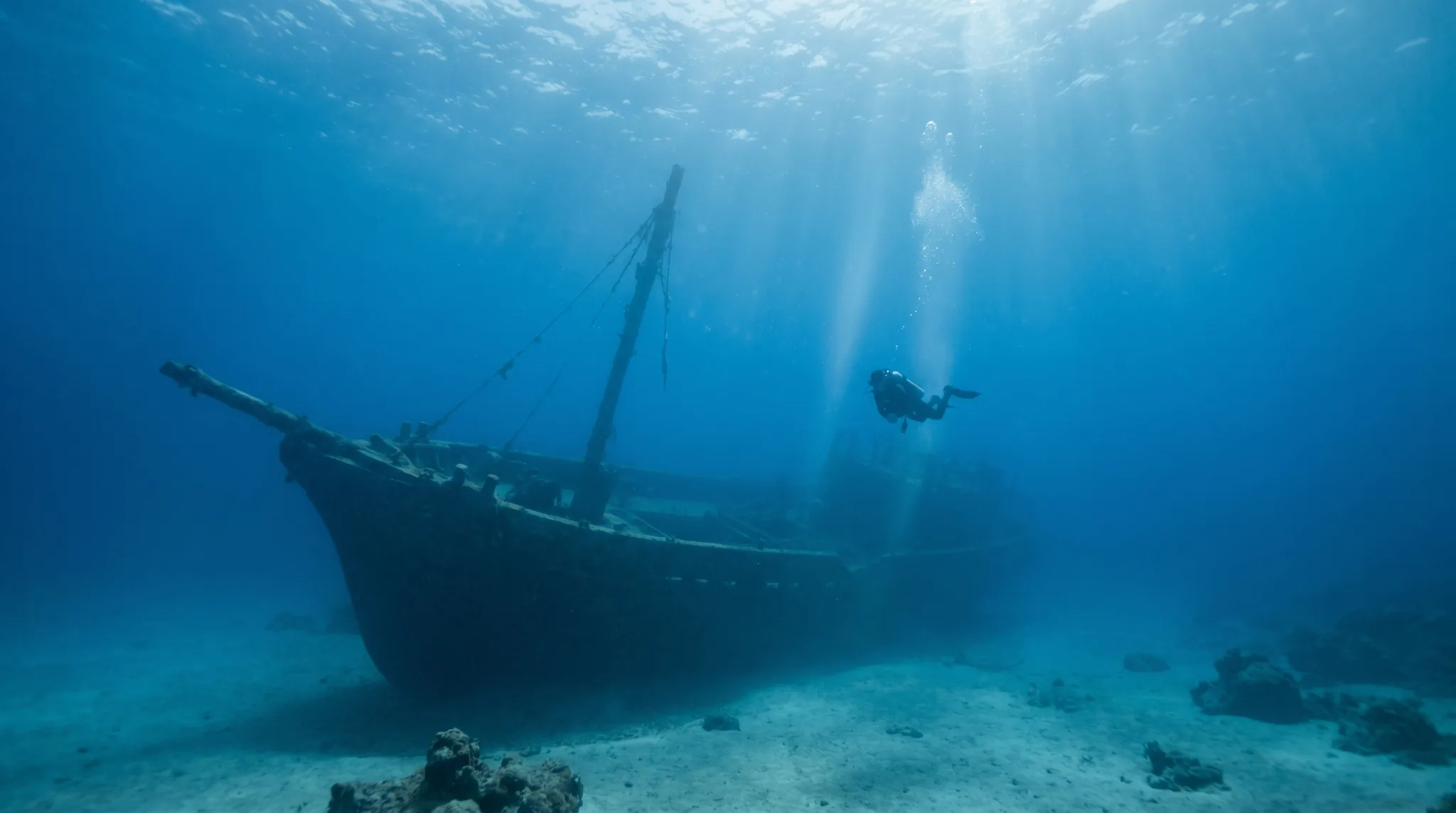
The majority of sites in Goa are rated for beginners, including reef dives like Freddy's Nook, Navy Bay and Bounty Bay, as well as the wreck at Double Boiler. Shallower sites with mild currents give new divers plenty of manageable options. Intermediate and advanced divers can progress to Turbo Tunnel, Davy Jones Locker and Sail Rock as their skills develop.
Almost all sites in Goa are reached by boat, which is the standard access method for offshore reef, wreck and pinnacle diving here. Nivati Rock Light House is an exception, listed with both shore and boat entry. There are currently no listed dive operators in the Fin database for this region, so it is worth researching local operators independently before your trip.
Goa's site mix spans natural reefs, artificial reefs, wrecks, pinnacles, drop-offs and a canyon. Sites like Shelter Cove feature coral gardens with plate and whip corals, while Davy Jones Locker combines reef, wreck and drop-off in a single dive. Lobster Avenue and Nivati Rock Light House blend natural reef with artificial structure, giving the region good variety across a relatively compact set of sites.


