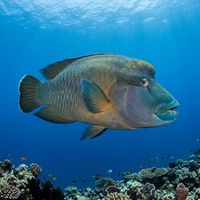
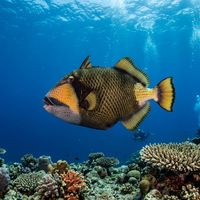
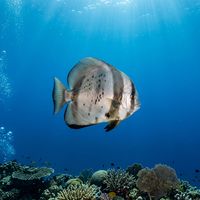
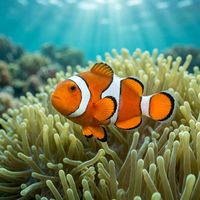
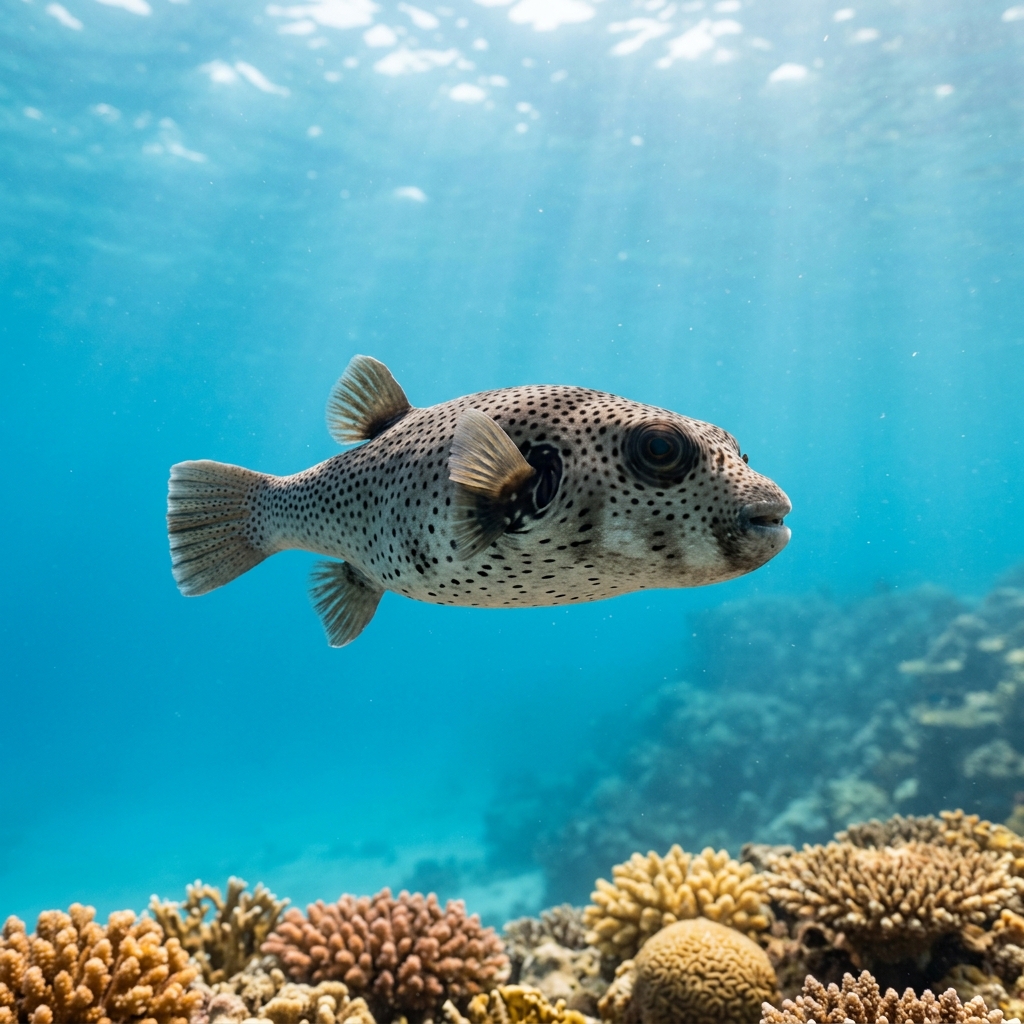
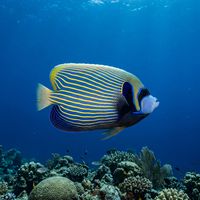
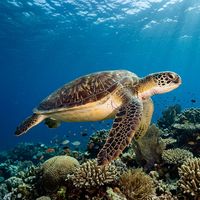
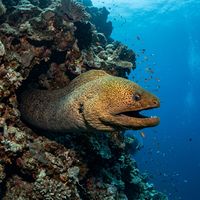
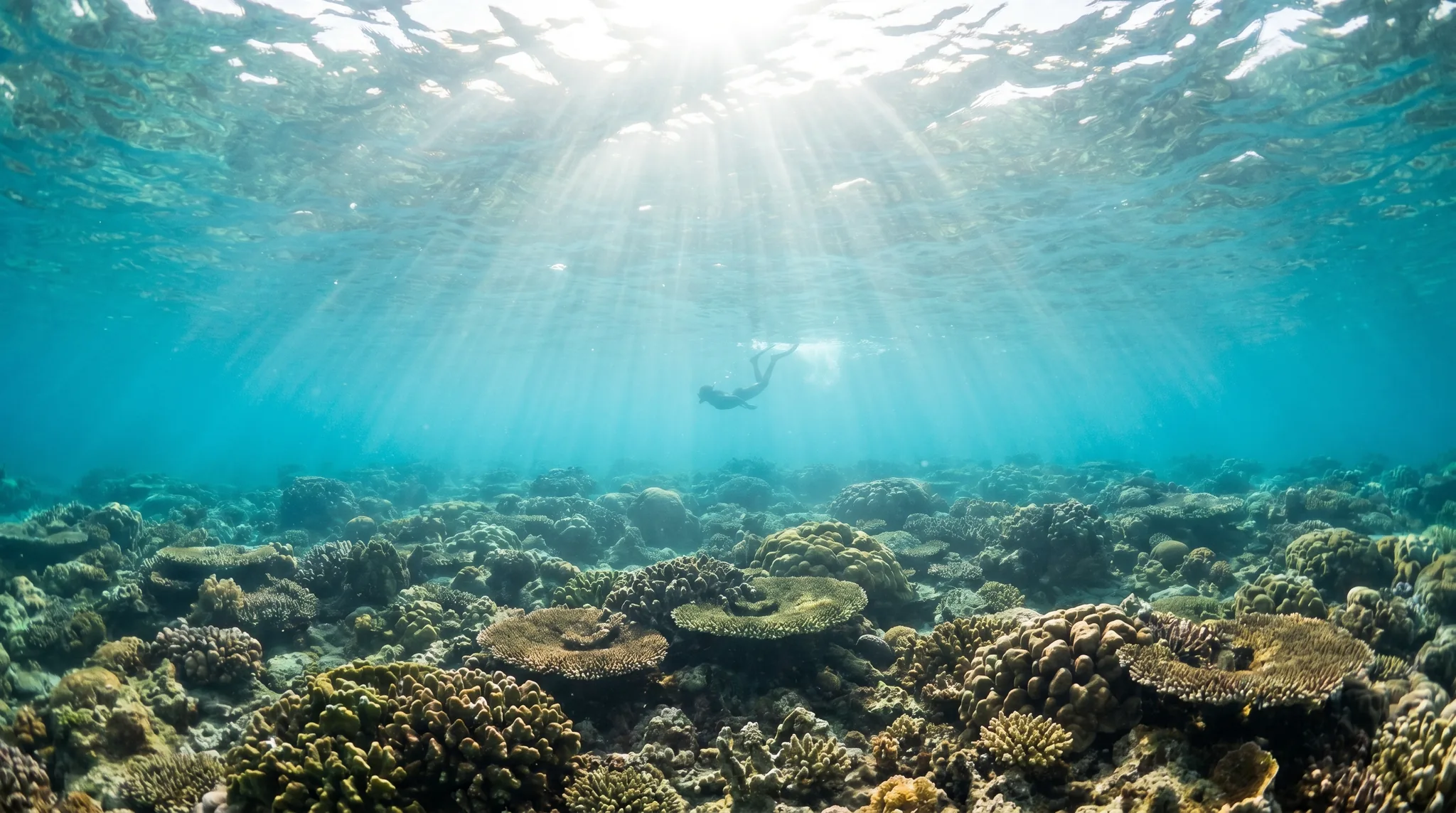
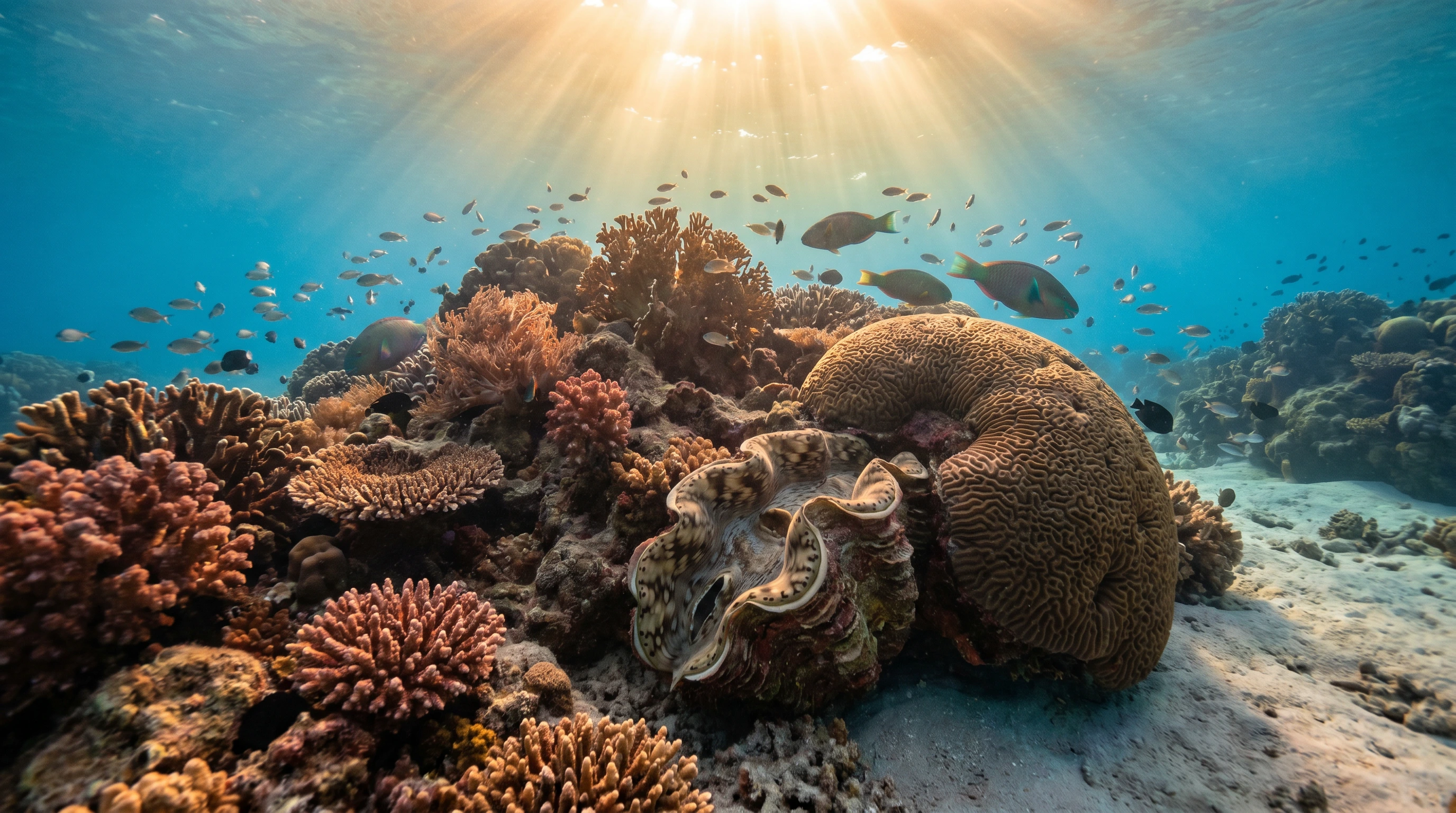
The Andaman Islands offer a varied dive landscape built around reef structures of different characters. The Port Blair Area forms the largest cluster of sites, mixing shallow artificial reefs accessible to beginners with deeper boat dives. The Minerva Ledge Area delivers drift diving over a large reef system, with advanced drop-offs at Jackson's Bar and rocky outcrops at Johnny's Gorge. Havelock Island adds a historic wreck at Inchkeith to the mix. Across the region, Common Clownfish, Blackspotted Pufferfish, Moorish Idol and Titan Triggerfish are consistently observed, while Napoleon Wrasse and Green Sea Turtle appear at many sites.
3 areas
 15
15Reef and artificial-reef diving near Port Blair, with Sea Krait, Napoleon Wrasse and clownfish observed across a range of sites for all skill levels.
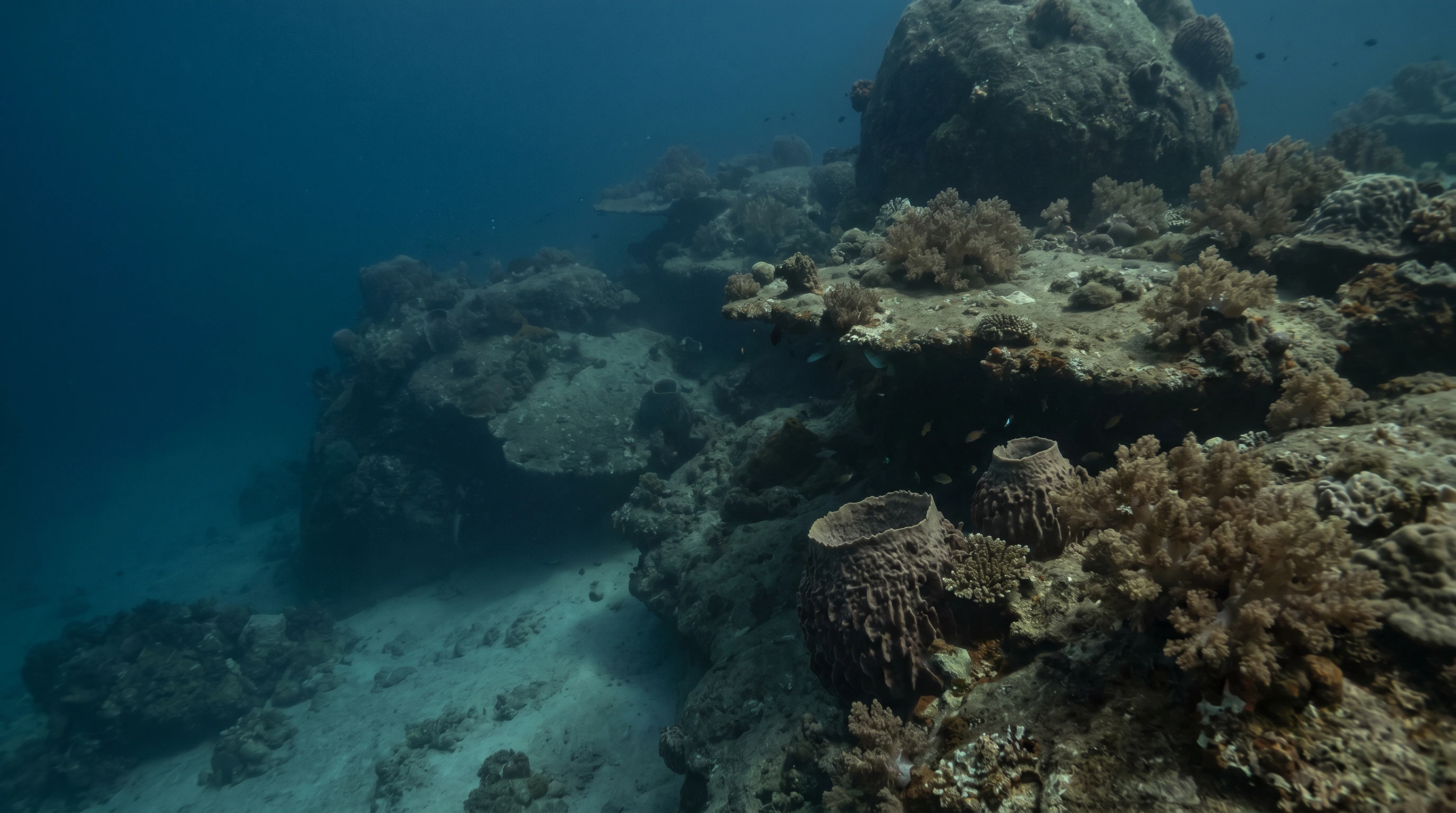 4
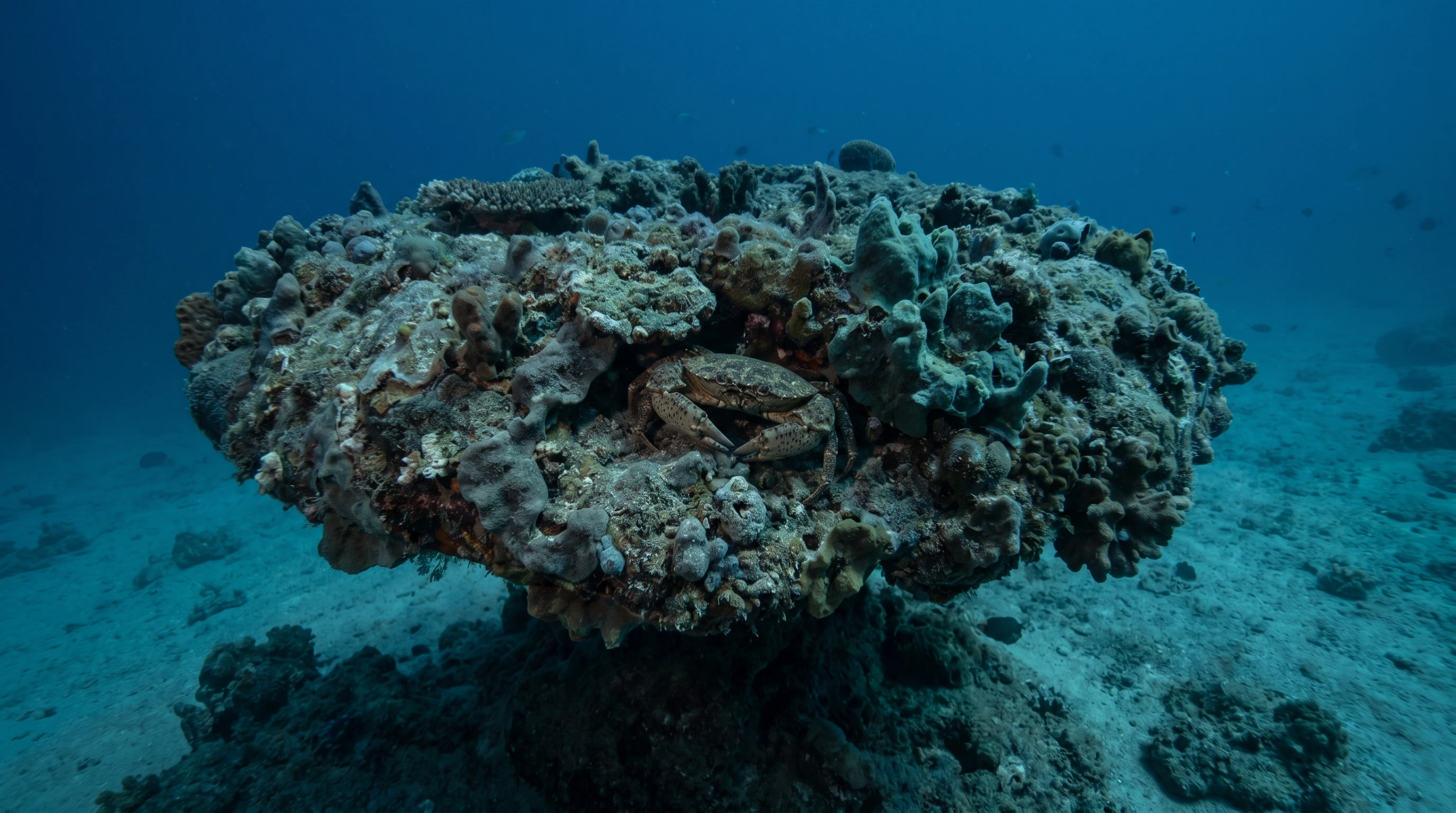
4Andaman Sea reef and drift dive system east of Havelock, suited to intermediate and advanced divers with strong currents.
 3
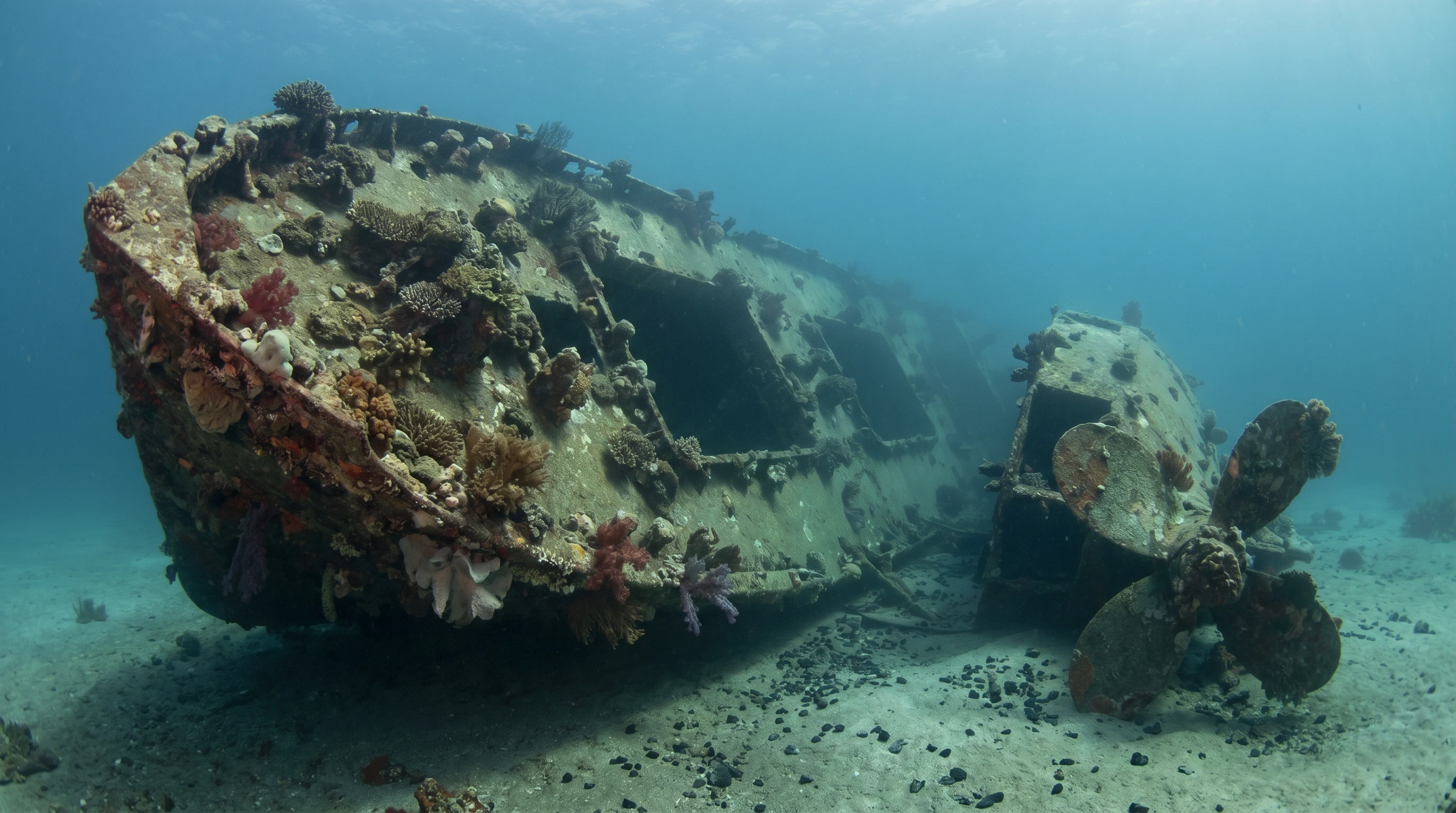
3Andaman Sea island with a historic wreck, a deep coral seamount, and shallow beginner reefs, all accessed by boat.
Monthly water temperature across Andaman Islands's sites, from satellite sea-surface data corrected for depth. The band shows the site-to-site spread.
Water temperature stays warm throughout the year, with a modest peak in the warmer months from April through June. The best-months data points clearly to two windows: around May and again around October, likely reflecting calmer sea conditions between monsoon periods. Exposed boat-access sites such as Dixon's Pinnacle and Jackson's Bar are most rewarding when conditions settle, while sheltered sites like Nemo Reef and Tribe Gate remain accessible across a broader range of conditions.
22 operators

2 more sites to explore
Water temperature around Andaman Islands ranges from about 28°C in January to 30°C in April, based on satellite sea-temperature data for its dive sites.
With water around 28–30°C, a rash guard or 3mm shorty works in Andaman Islands year-round.
Fin maps 26 sites in Andaman Islands (26 scuba diving sites and 2 snorkelling spots, with some suited to both), organised into 3 areas.
Across Andaman Islands's dive sites, May and October are most often reported as the best months to visit.
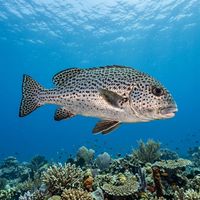
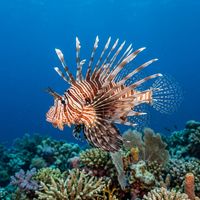
Common Clownfish are observed across nearly all sites, making them the most reliably encountered species in the region. Blackspotted Pufferfish, Moorish Idol, Orangestripe Triggerfish and Titan Triggerfish are also very commonly sighted. Divers also encounter Giant Moray, Indian Lionfish, Harlequin Sweetlips and Sea Krait across a wide range of sites, while Napoleon Wrasse and Green Sea Turtle appear at many locations.
Yes, a good portion of the sites are rated beginner level. Shore-entry options such as Nemo Reef and boat-accessible sites like Tribe Gate, Lighthouse and Aquarium all offer shallow reef diving in mild conditions. More advanced divers can progress to drift dives at Minerva Ledge or deep pinnacle dives at Dixon's Pinnacle, so the region accommodates a range of experience levels.
The Port Blair Area has the greatest number of sites, ranging from shallow artificial reefs for beginners to deeper offshore pinnacles for advanced divers. The Minerva Ledge Area is characterised by larger reef systems and drift diving, with drop-offs and rocky outcrops that suit intermediate to advanced divers. Havelock Island offers a smaller selection of sites including the Inchkeith Wreck, a cargo vessel accessible to intermediate divers.
Most sites in the Andaman Islands require boat access, but there are a couple of exceptions. Nemo Reef is a shore-entry site in the Port Blair Area, and Turtle Point offers both shore and boat entry. These sites are well suited to beginners and those preferring easier access without a longer boat journey.