
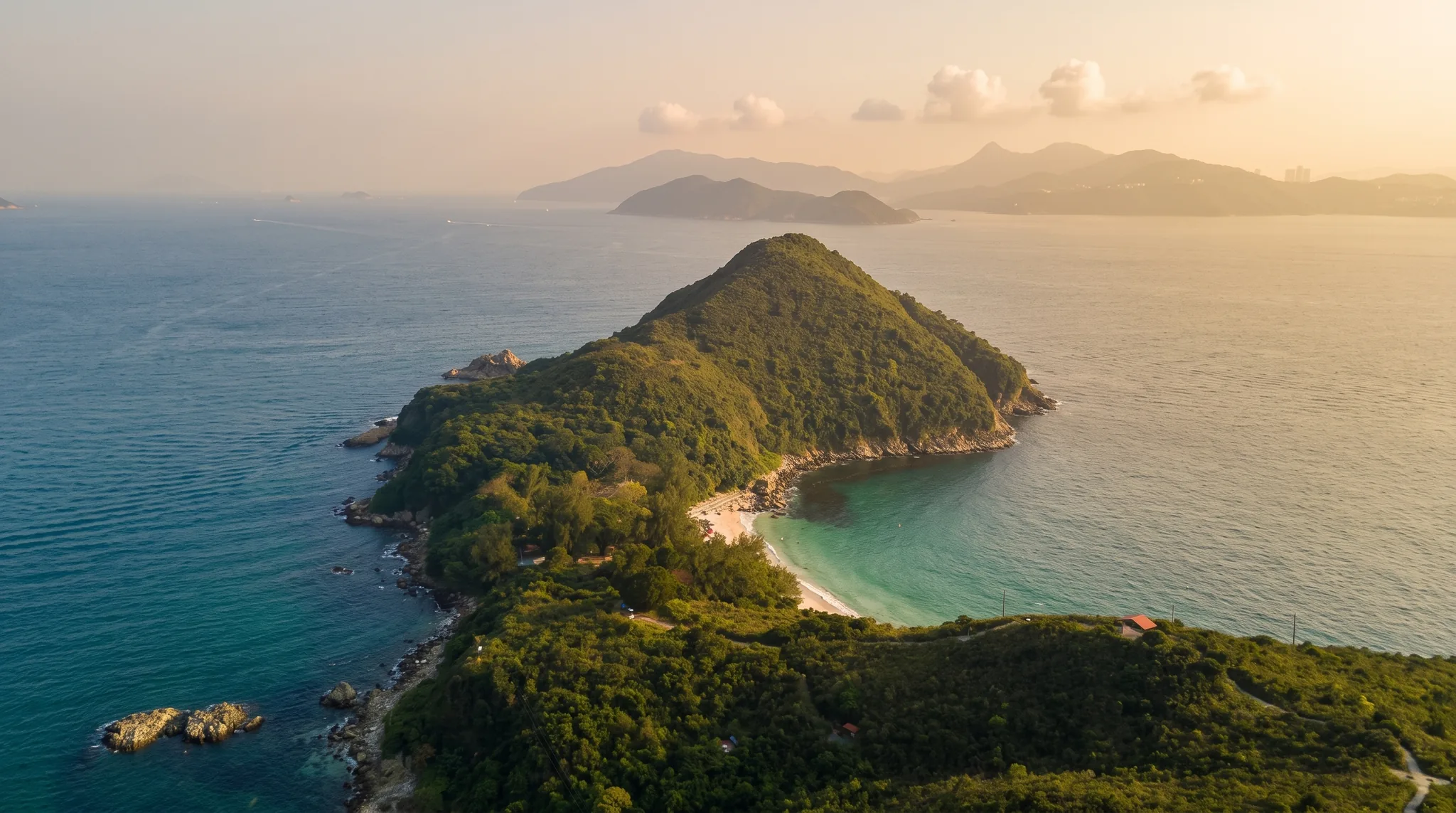
Sai Kung divides into three distinct sub-areas: Port Shelter, the Ninepin Islands, and High Island, each offering a different character. Reef diving dominates, with rocky substrates and coral formations across most sites, while the East Dam adds an artificial reef and Yin Tsz Ngam provides a shallow wreck. Nearly all sites are beginner-friendly and boat-accessed. The marine life leans heavily toward reef ambush predators and ornate small species: Scorpionfish and Stonefish sit motionless on rock, Yellowtail Clownfish are very commonly encountered, and the Zebra Lionfish and Chromodoris Nudibranch are signature finds. Visibility is moderate rather than exceptional, giving the diving an intimate, search-and-find quality.
3 areas
 7
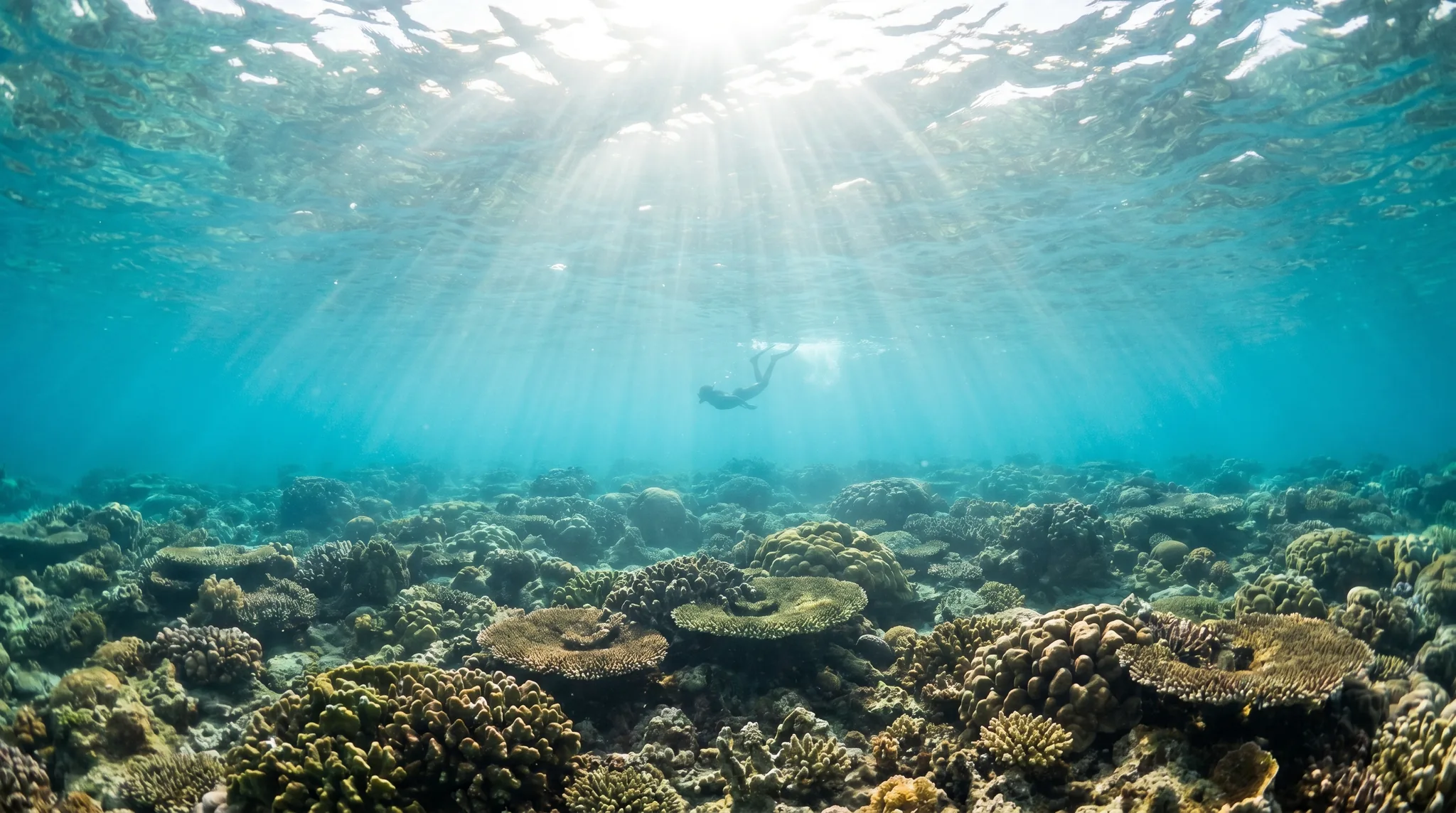
7Sheltered bay near Sai Kung popular for beginner training, with coral reefs, nudibranchs, and over three hundred fish species recorded.
5Exposed UNESCO Geopark archipelago southeast of Clear Water Bay, dived for nudibranchs, frogfish, and volcanic underwater topography.
 3
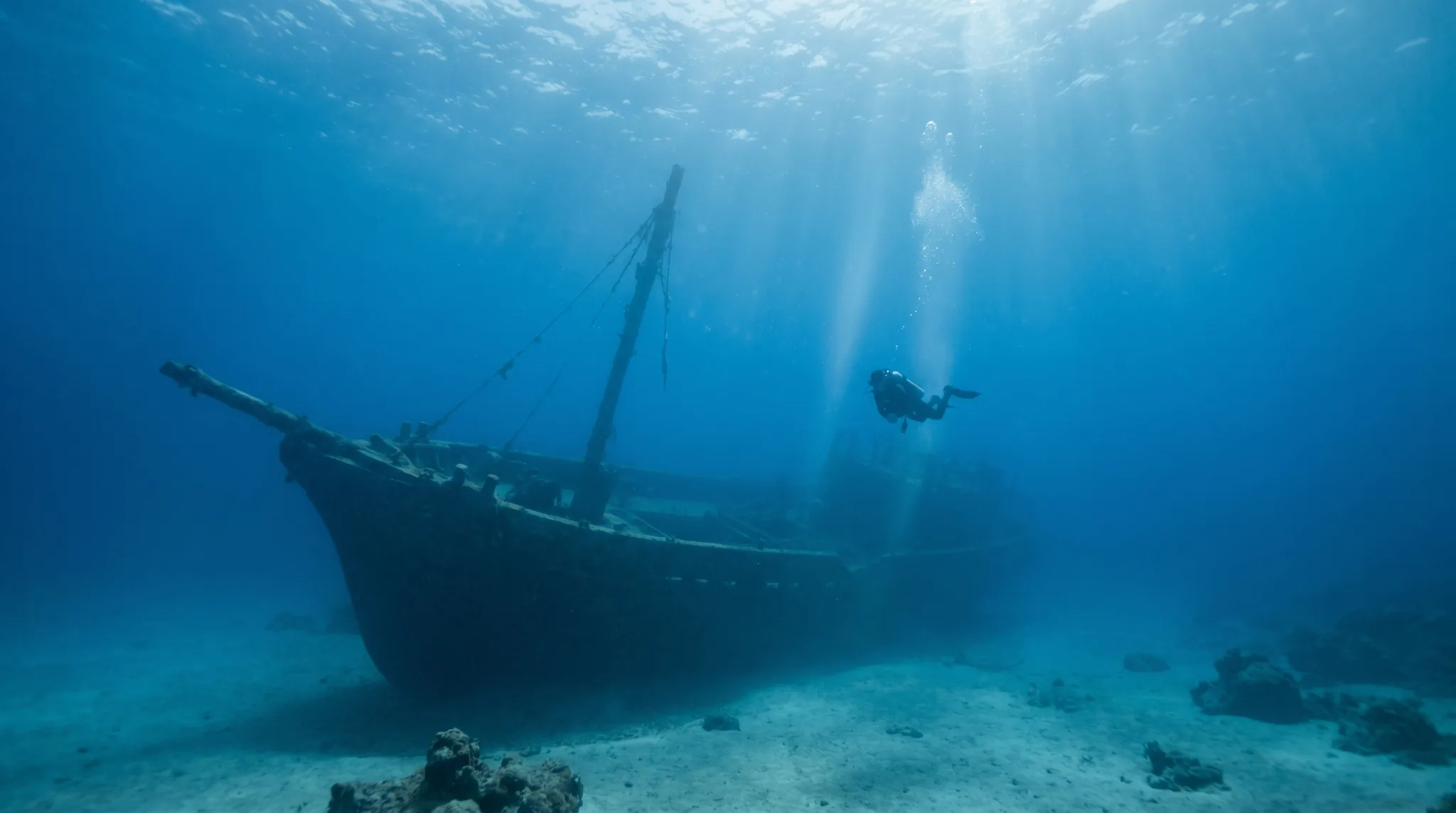
3Sai Kung UNESCO Geopark diving with a breakwater artificial reef, a shallow wreck, and beginner-friendly shore reefs within twelve metres.
Monthly water temperature across Sai Kung's sites, from satellite sea-surface data corrected for depth. The band shows the site-to-site spread.
Water temperatures follow a clear seasonal arc, climbing through spring and peaking in late summer before falling back through autumn. The cooler months from late autumn into winter bring reduced warmth but remain diveable, while spring and autumn hit a comfortable middle ground that coincides with the best-rated months. Exposure varies by sub-area: Port Shelter sites tend to be sheltered, whereas the Ninepin Islands and High Island can see stronger conditions.
28 operators

Wan Chai, Hong Kong
Water temperature around Sai Kung ranges from about 19°C in January to 29°C in September, based on satellite sea-temperature data for its dive sites.
In the warm season (about 29°C) a rash guard or 3mm shorty is comfortable in Sai Kung; in the coldest months (about 19°C) step up to a 5mm suit.
Fin maps 15 sites in Sai Kung (12 scuba diving sites and 5 snorkelling spots, with some suited to both), organised into 3 areas.
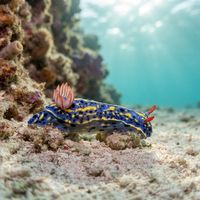
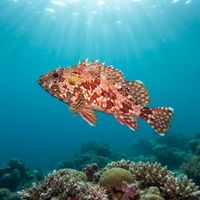
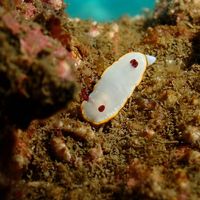
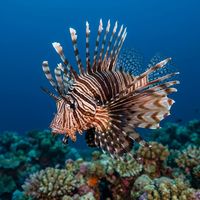
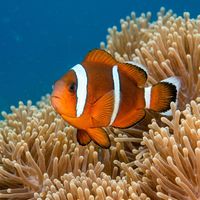
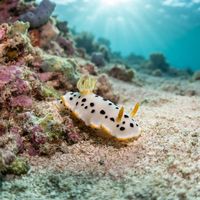
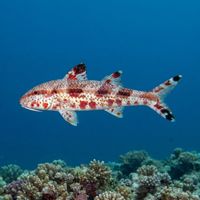
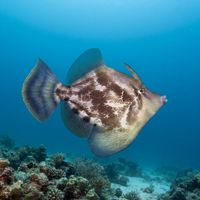
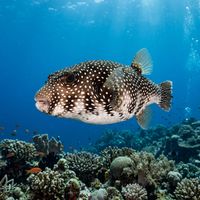
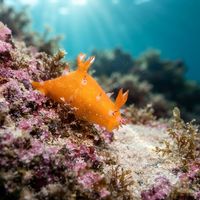
Sai Kung's reefs are well populated with Scorpionfish, Pufferfish, White-spotted Puffer, and Yellowtail Clownfish as regular encounters. Signature species include the Zebra Lionfish, Chromodoris Nudibranch, Longhorn Cowfish, and the well-camouflaged Stonefish. Patient observers may also find Black-orange Dragonet and Fingered Dragonet resting on rocky substrate, and Banded Coral Shrimp tucked into crevices.
The vast majority of sites across Sai Kung are rated for beginners, with shallow maximums and sheltered conditions at many locations. Sites like Sharp Island, East Ninepin Island, and the East Dam artificial reef are specifically well suited to those building reef-diving experience. The wreck at Yin Tsz Ngam also sits in shallow water, making it accessible early in a diver's development.
Port Shelter holds the greatest number of sites and tends to offer more sheltered conditions, making it a natural starting point. The Ninepin Islands group sits further out and features open reef terrain around island groups like East Ninepin Island and South Ninepin. High Island, with fewer sites, rounds out the area and adds further variety to the overall diving landscape.
Most sites in Sai Kung are boat-accessed, and the area is well served by operators including Diving Express, Tas Diving, Orca Blue Scuba Diving, and Ocean Sky Diving among others. Shore entry is available at a smaller number of snorkel sites, notably Little Palm Beach and Pak Shui Wun on Shelter Island, which can be reached without a boat.

