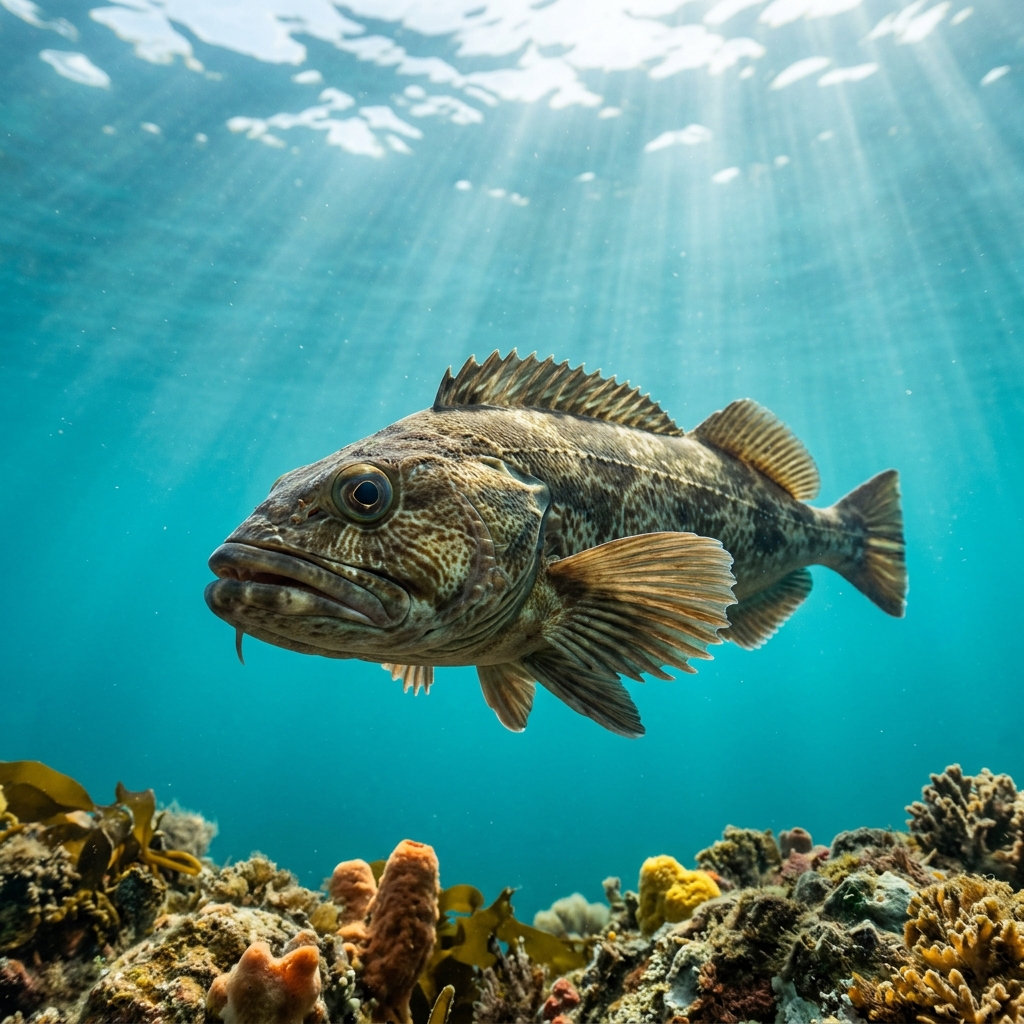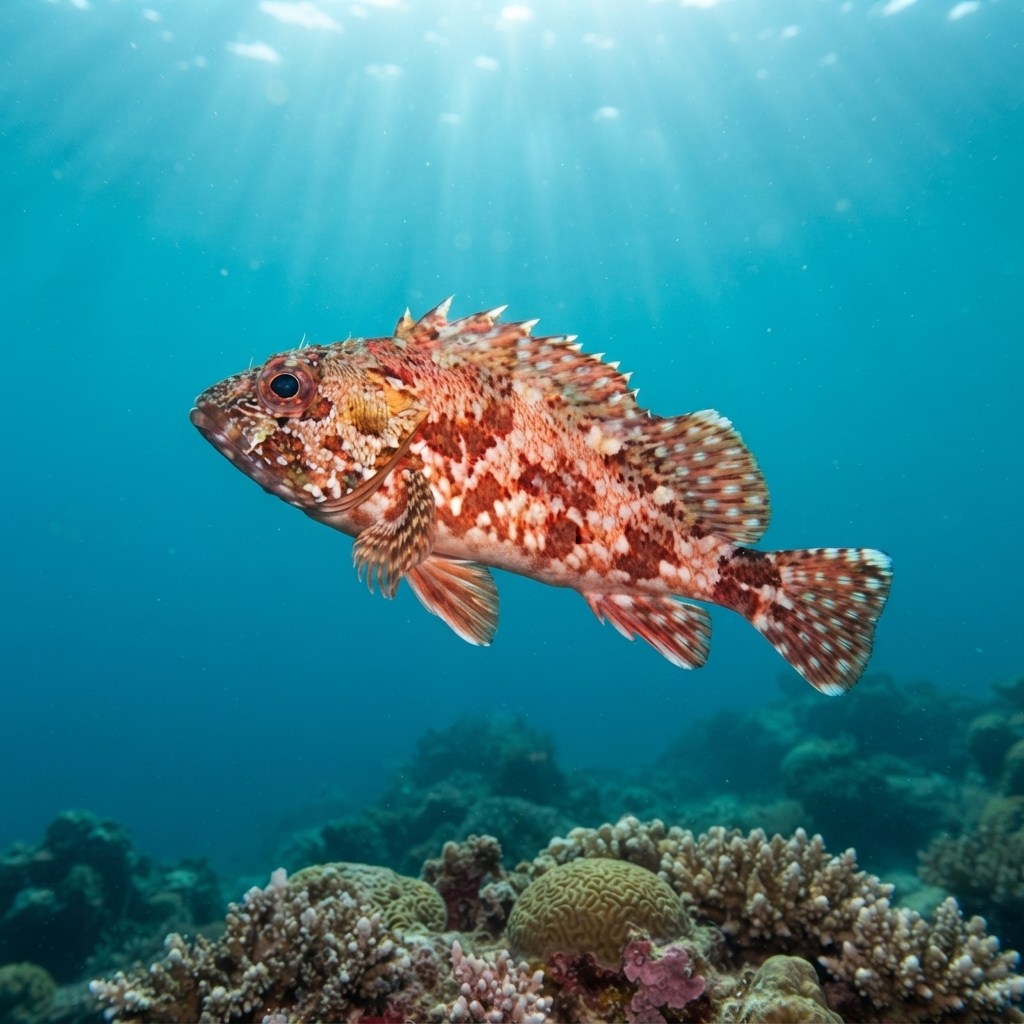
Sebastiscus marmoratus
Mottled and reef-bound, marbled rockfish turn up uncommonly on rocky reefs around Sai Kung, Hong Kong in 18 to 28C water year-round.
Safety warning
Carries venomous spines along the dorsal fin that deliver a painful sting if grabbed or knelt on. Its camouflage is the real hazard here: it blends so well into rock and rubble that the main risk is an accidental hand or fin contact while you are looking elsewhere, so keep an eye on your buoyancy and hand placement near rocky ledges.
If you're stung
Venomous spinesGeneral first-aid guidance, not a substitute for professional medical care. In an emergency, call your local emergency number.
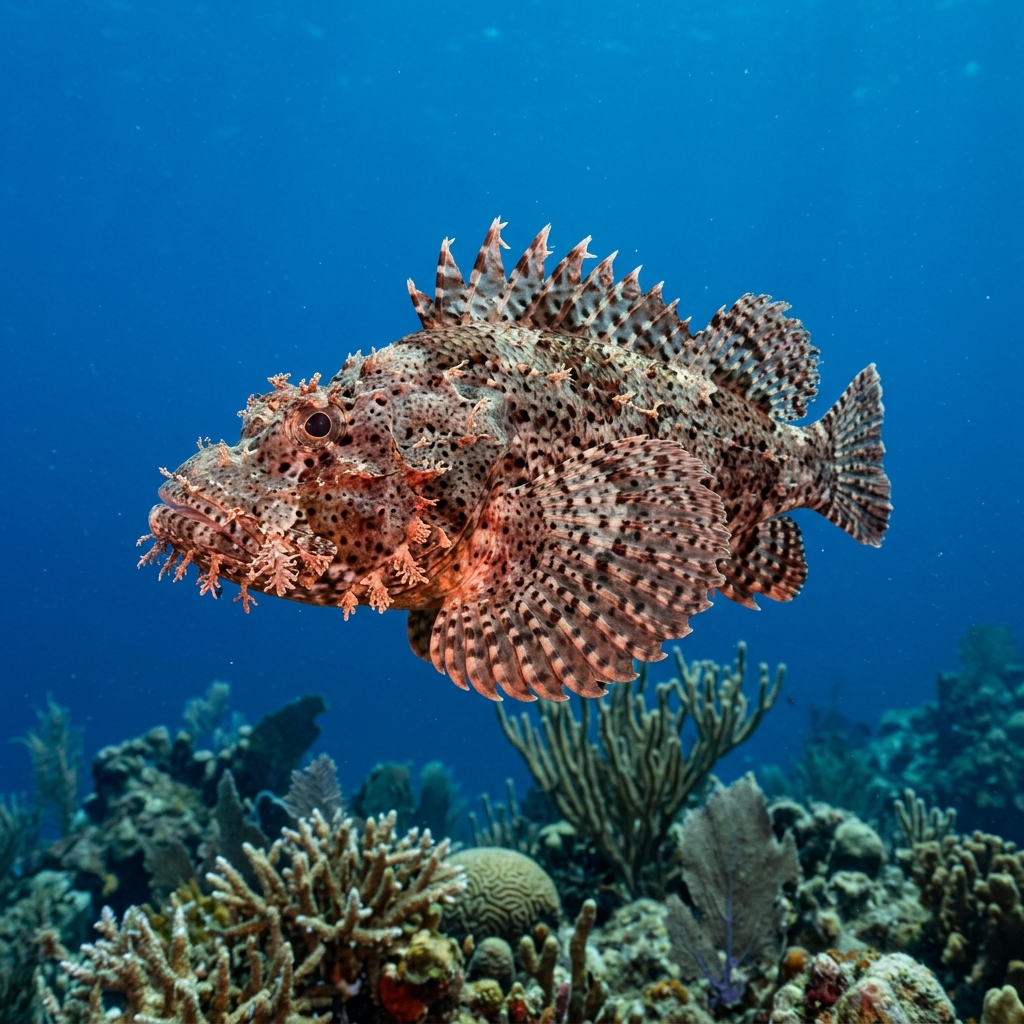
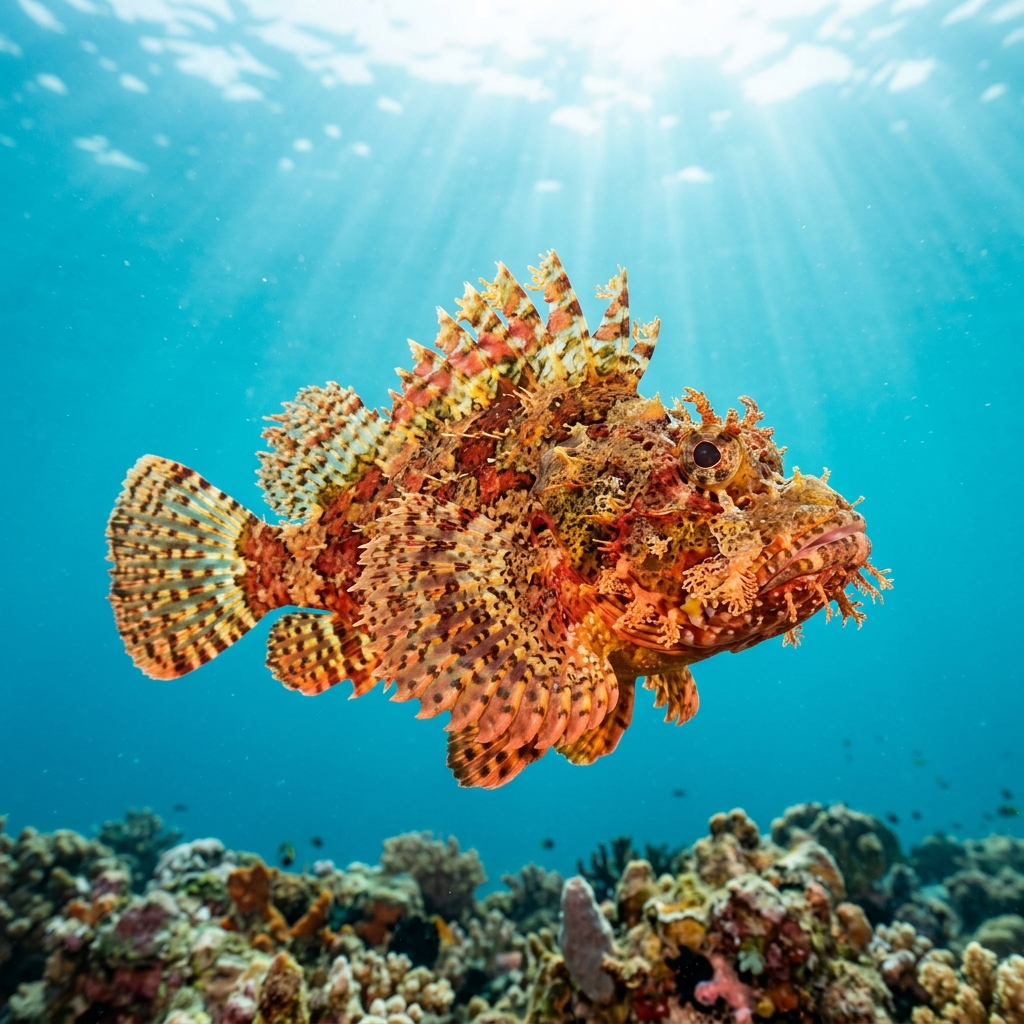
Squat, heavy-bodied fish around 25 cm with a large spiny head and a mouth that looks permanently set in a scowl. Colouring is a mottled wash of browns, reds and cream that breaks up its outline against rock and rubble, making it easy to swim straight past. Look for the fleshy skin flaps above the eyes and the way it sits motionless on a ledge or crevice rather than swimming in open water.
Expect it parked motionless on a rocky ledge or wedged into a crevice, relying on its mottled skin to disappear against the substrate rather than fleeing when divers approach. It is an ambush predator, so most sightings are of a fish sitting dead still waiting for something smaller to swim past, day or night. Because it barely moves, it is usually the diver who has to do the spotting rather than the fish reacting first.
Like other Sebastiscus rockfish, it is thought to give birth to live young rather than laying eggs, brooding fertilised eggs internally before releasing free-swimming larvae into the water column.
No clear season shows up in the data, and its comfort range of 18.2 to 28C spans cool and warm water alike, so it is a fair year-round sighting at these sites rather than a seasonal target.
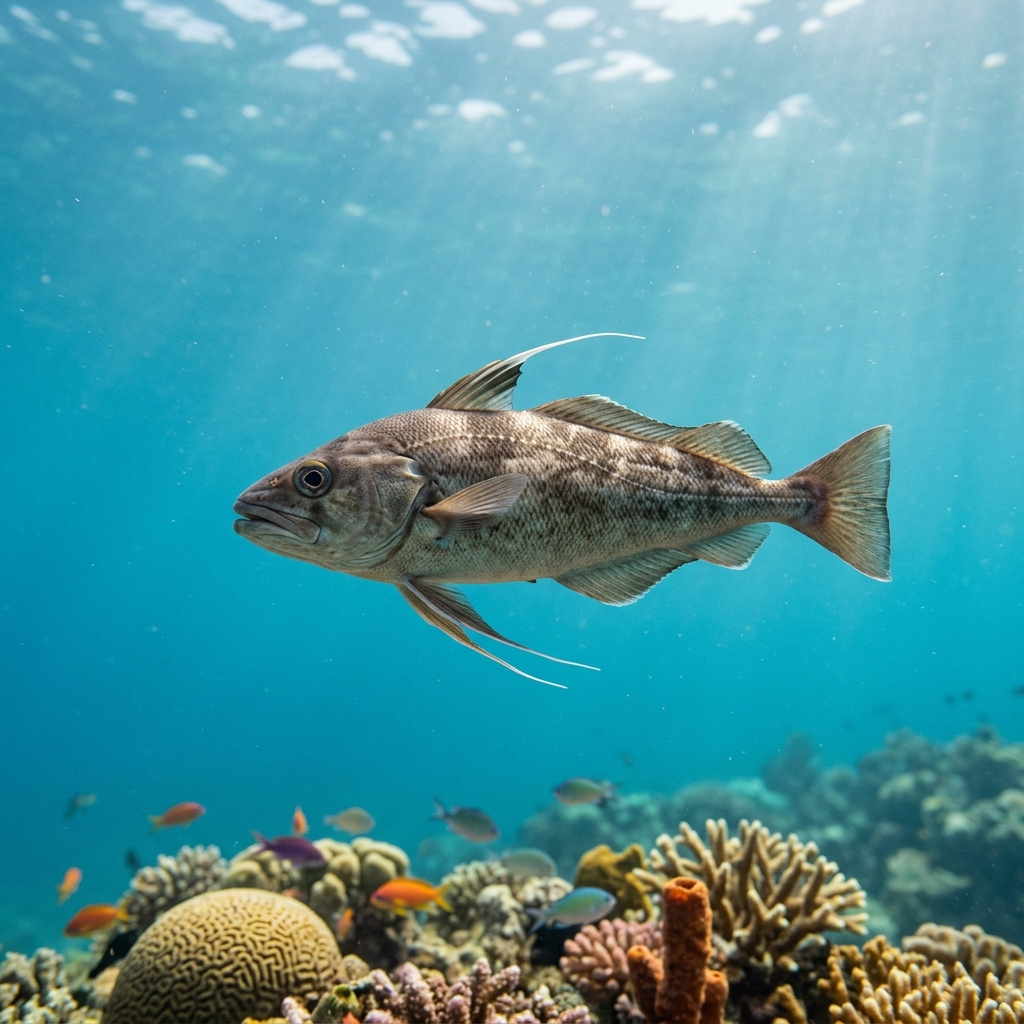
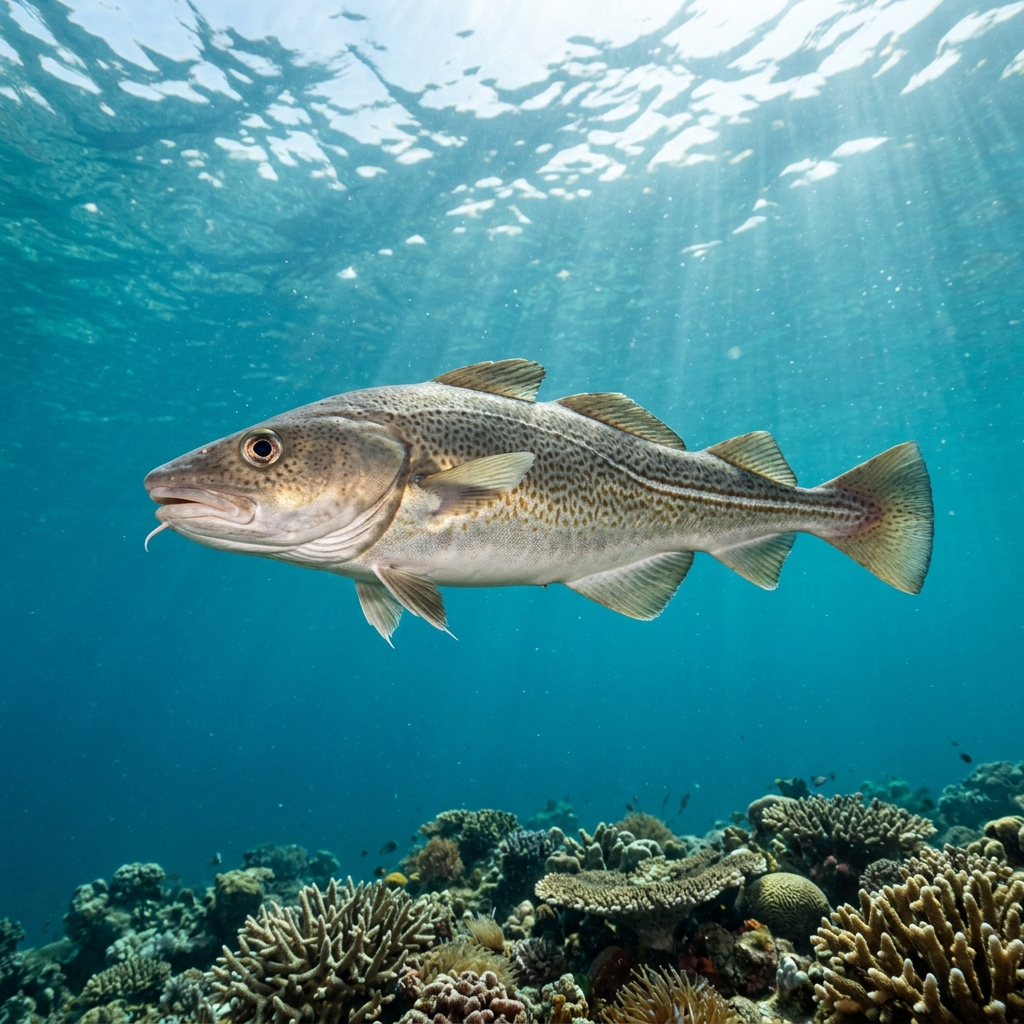
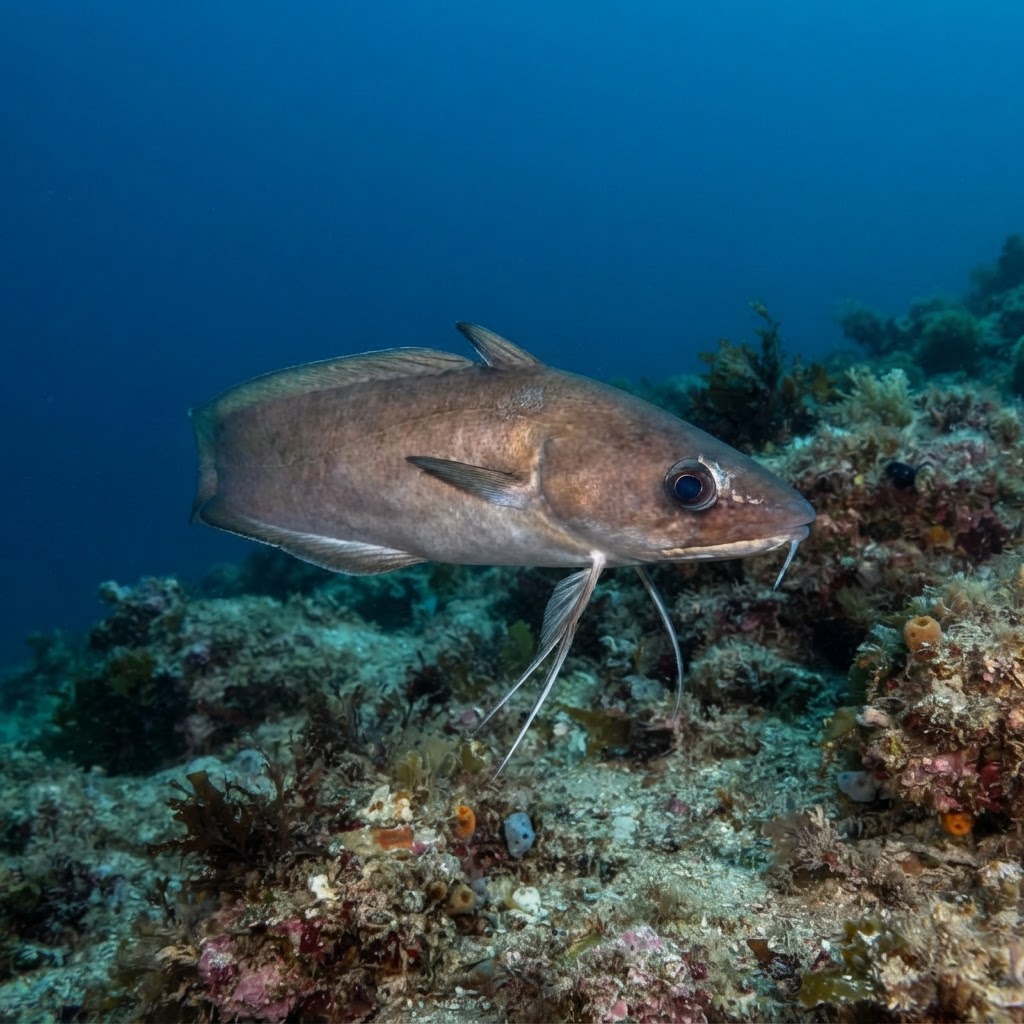
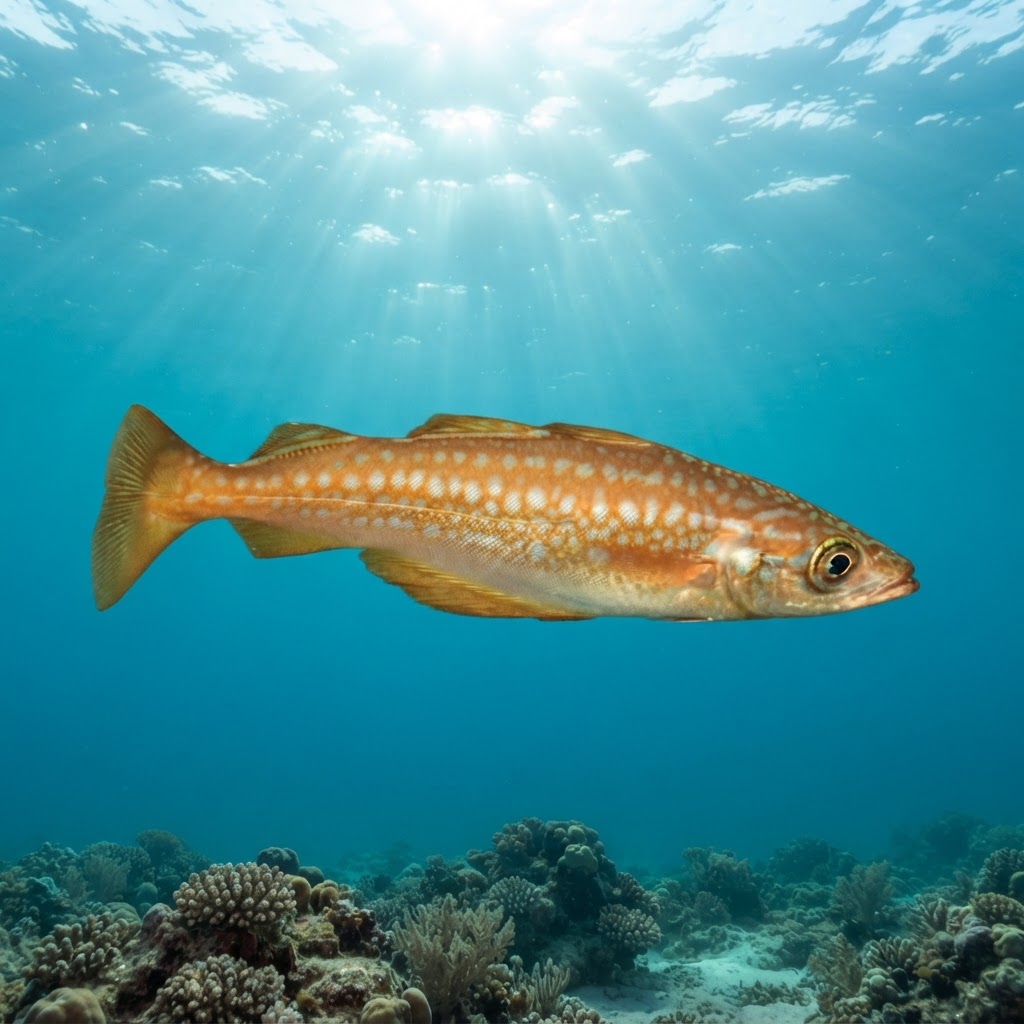
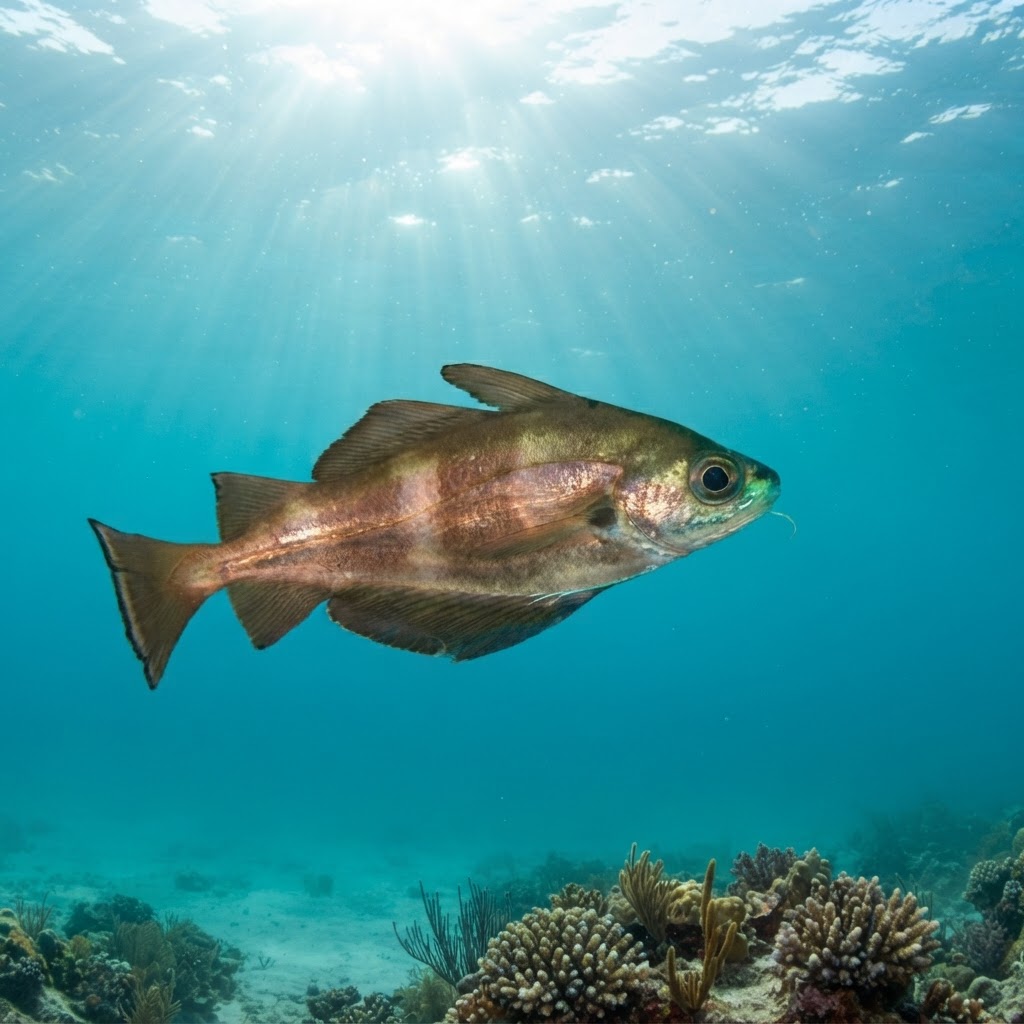
Reef neighbours a diver could mistake it for. Use the identification notes above to tell them apart.
Most reliably logged around Sai Kung in Hong Kong, which accounts for the bulk of recorded sightings, with a smaller but steady presence across Central Japan. Occasional records also come from Guangdong in China and Longdong in Taiwan, so it is worth checking rocky, temperate-leaning reef terrain across East Asia generally.
Mapping where Marbled Rockfish is logged…
Sai Kung in Hong Kong is the strongest spot for them, with additional sightings across Central Japan and single records from Guangdong in China and Longdong in Taiwan.
There is no strong seasonal pattern in the sightings, and its wide temperature tolerance of 18.2 to 28C means it can be found year-round at its known sites.
Yes, they carry venomous dorsal spines that cause a painful sting if touched. The bigger risk is accidental contact since their camouflage makes them very easy to miss on a rocky reef.
Look for a squat, heavy-bodied fish about 25 cm long with a spiny head and mottled brown, red and cream patterning that breaks up its shape. It sits still on rock ledges rather than swimming openly, with small fleshy flaps above the eyes.
They typically reach around 25 cm, a compact, thickset size that suits their ambush lifestyle among rocks and rubble.
No, they are believed to bear live young, brooding fertilised eggs internally and releasing free-swimming larvae rather than depositing eggs on the reef.
Site and sighting data is aggregated from diver logs, iNaturalist and GBIF. For taxonomy and conservation status:
Pollack
282 sites