Best for intermediate divers, 9-15m, boat entry, strong current.
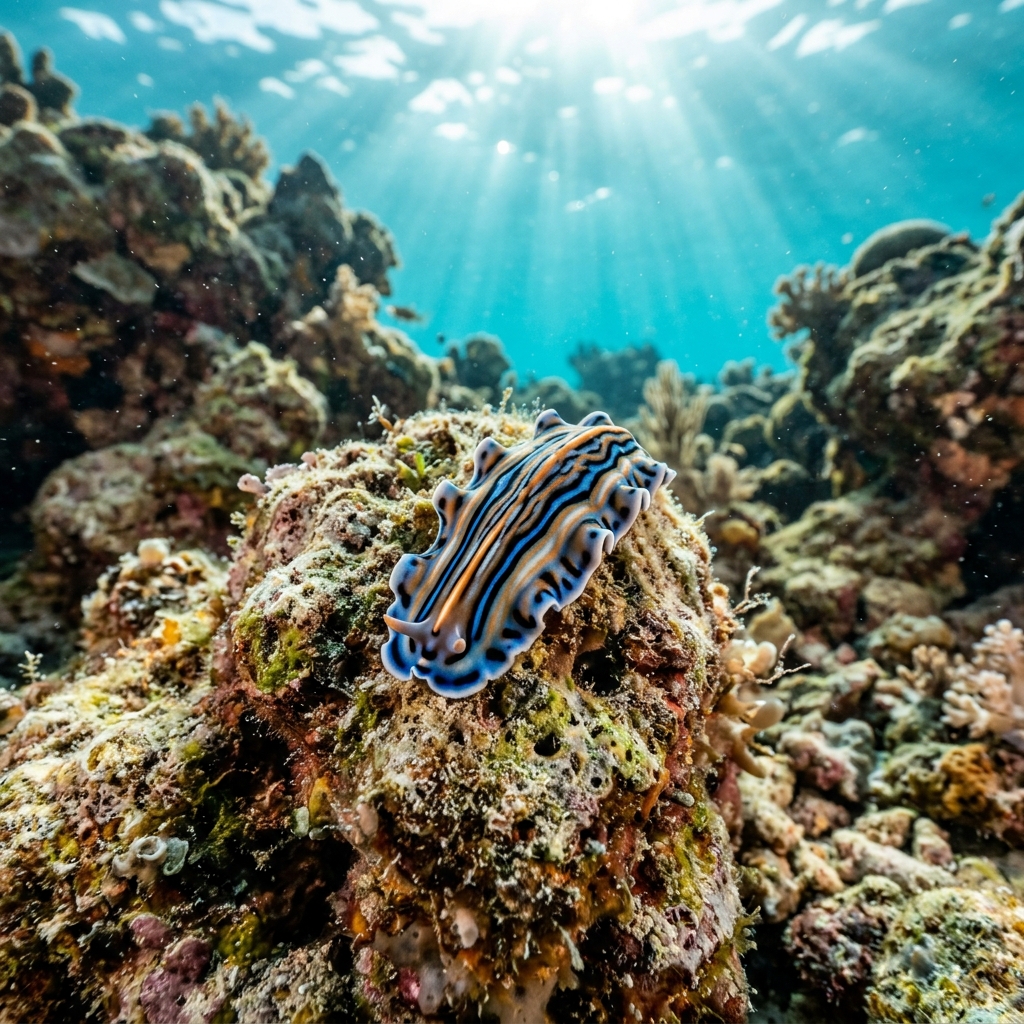
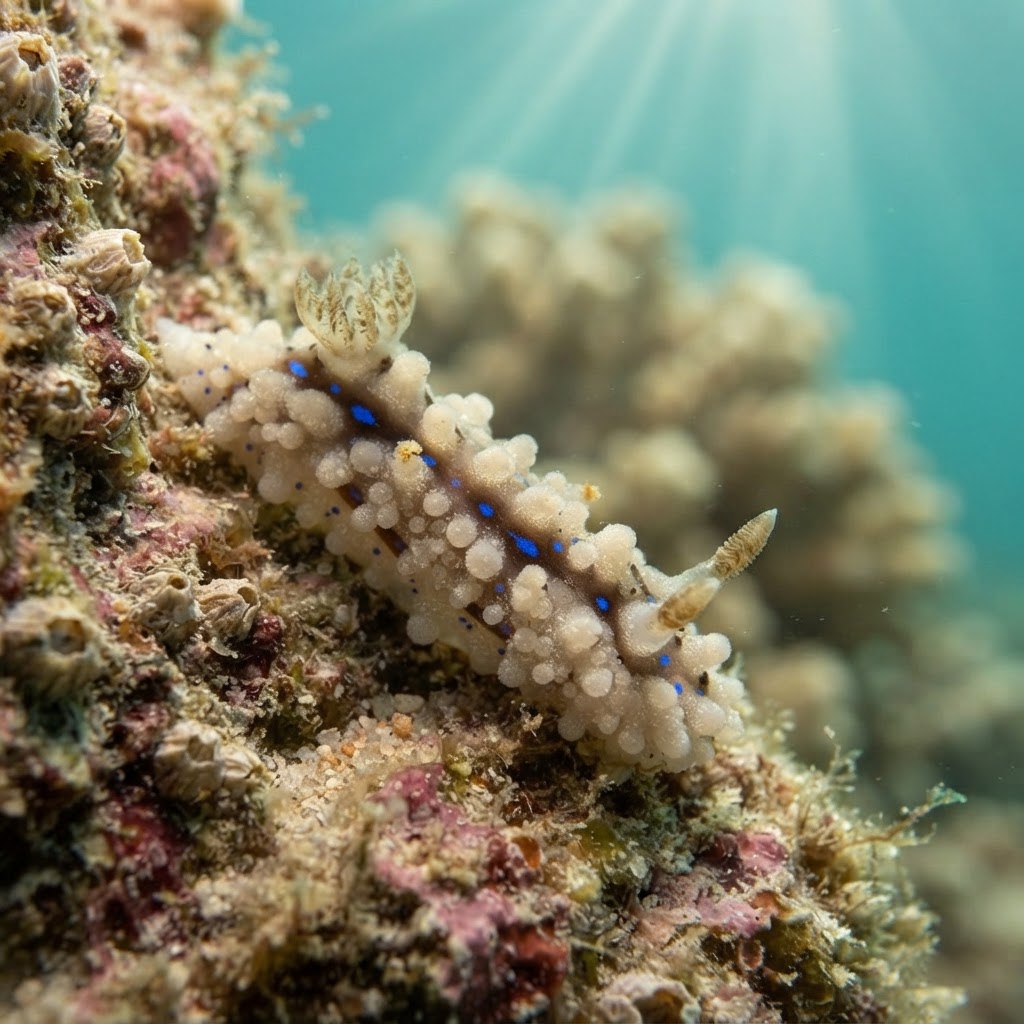
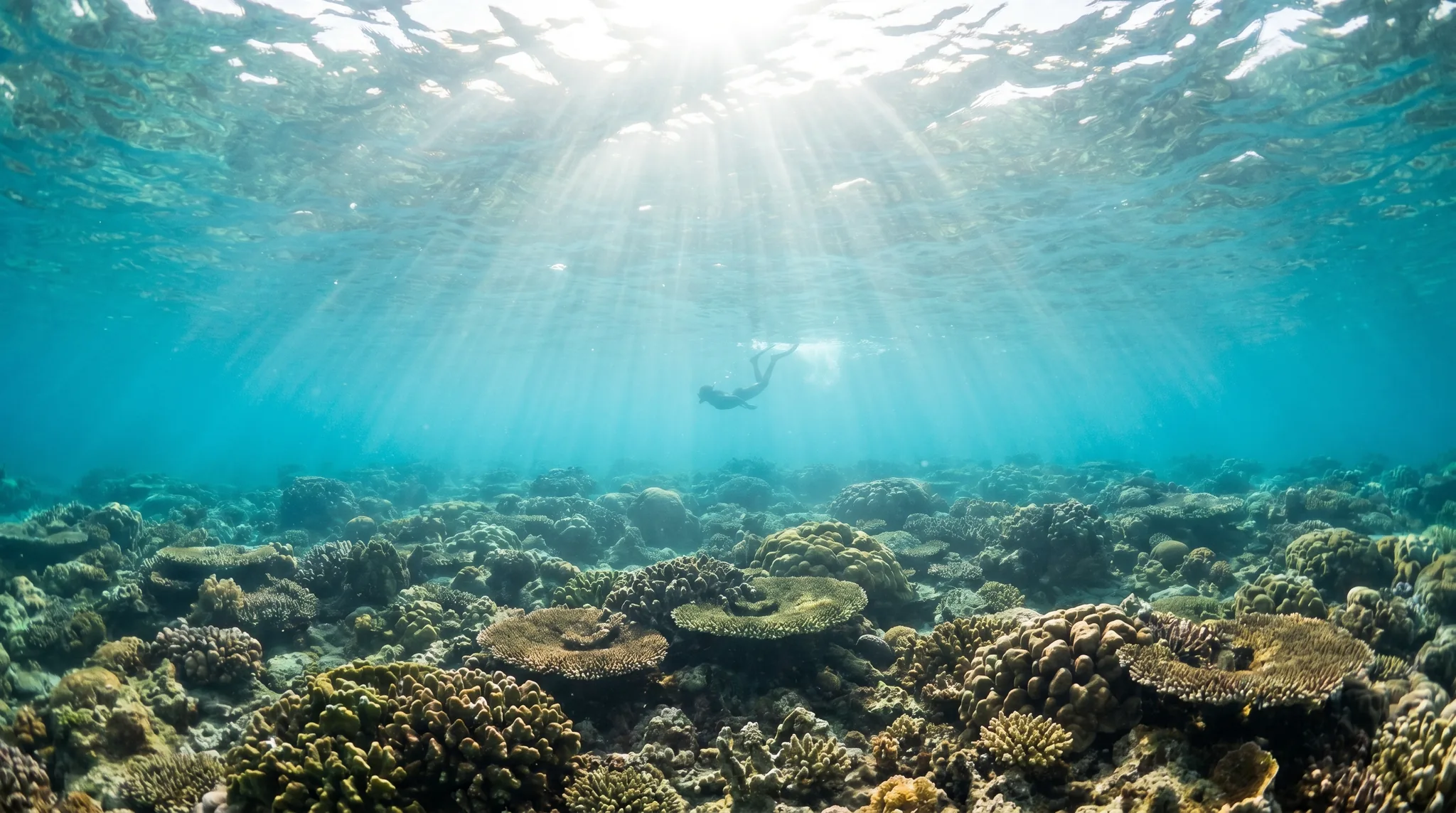
Kansas Reef is a drift dive located 1000 metres off Grand Anse Bay, Grenada. The reef structure sits at depths between 9 and 15 metres, with an average depth of 12 metres. Divers must access the site by boat. The environment is defined by strong currents, requiring intermediate skill levels to manage buoyancy and navigate the sharp coral formations. Visibility is variable, ranging from 9 to 30 metres, and water temperatures remain warm between 27 and 30 degrees Celsius. Due to the nature of the drift and the presence of sharp coral, booking a guided tour is recommended to ensure proper entry and navigation.
12.02420, -61.79550
Book a guided tour rather than diving independently here. A local guide will read the current direction and drop you at the right point so the drift works with you, not against you, and steers you clear of the sharpest sections of reef.
Access info coming soon
Recorded at this site
Depth
9-15m
Visibility
9-30m
Skill Level
Intermediate
Entry
Boat
Boat required
Water Temp
27-30°C
Current
Strong
Typical Dive
50 min
No, this site is intended for intermediate divers who are comfortable managing strong currents and maintaining buoyancy near sharp coral.
The reef depth ranges from 9 to 15 metres, with an average depth of 12 metres.
Boat access is required to reach Kansas Reef, which is located 1000 metres from the shore.
The main hazards are strong currents and sharp coral. Divers should also be prepared for variable visibility, which can reduce sightlines.
Diving at Kansas Reef in St. George's requires the following certifications: Open Water. Always dive within your training limits.
A rashguard or 2mm shorty is recommended for diving at Kansas Reef in St. George's. Water temperatures range from 27°C to 30°C.
Kansas Reef in St. George's can have strong currents. Advanced experience with drift diving and current navigation is recommended.
Visibility at Kansas Reef in St. George's typically ranges from 9 metres to 30 metres. Conditions vary with weather, tides, and seasons.