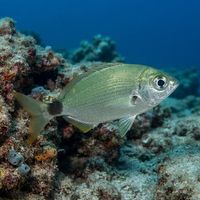
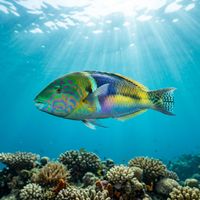
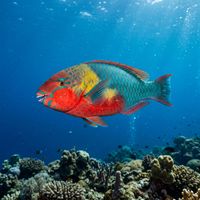
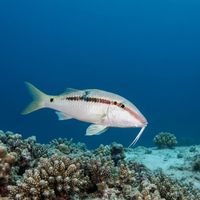
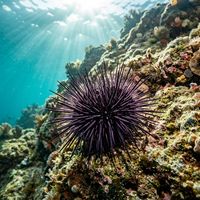
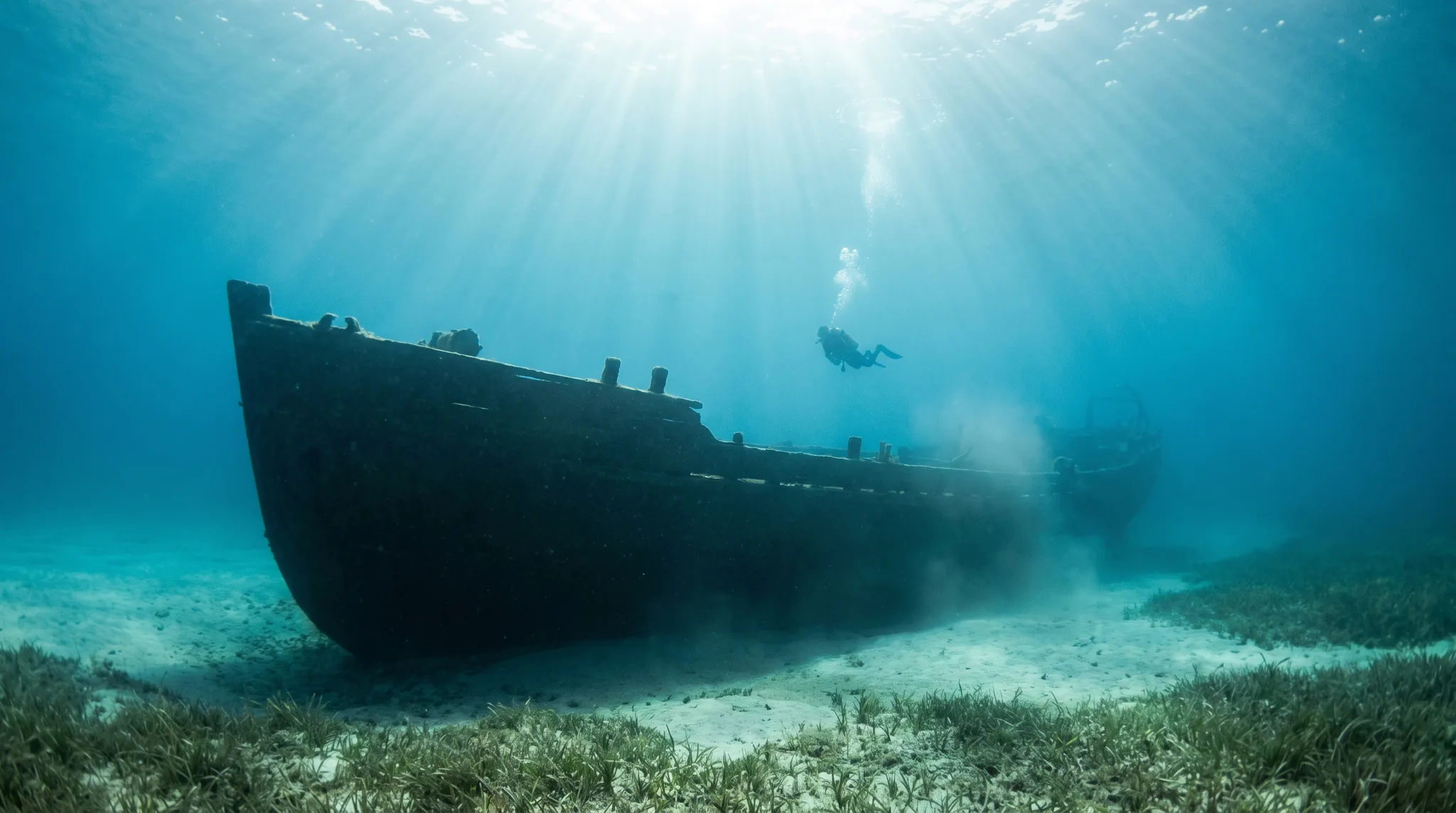
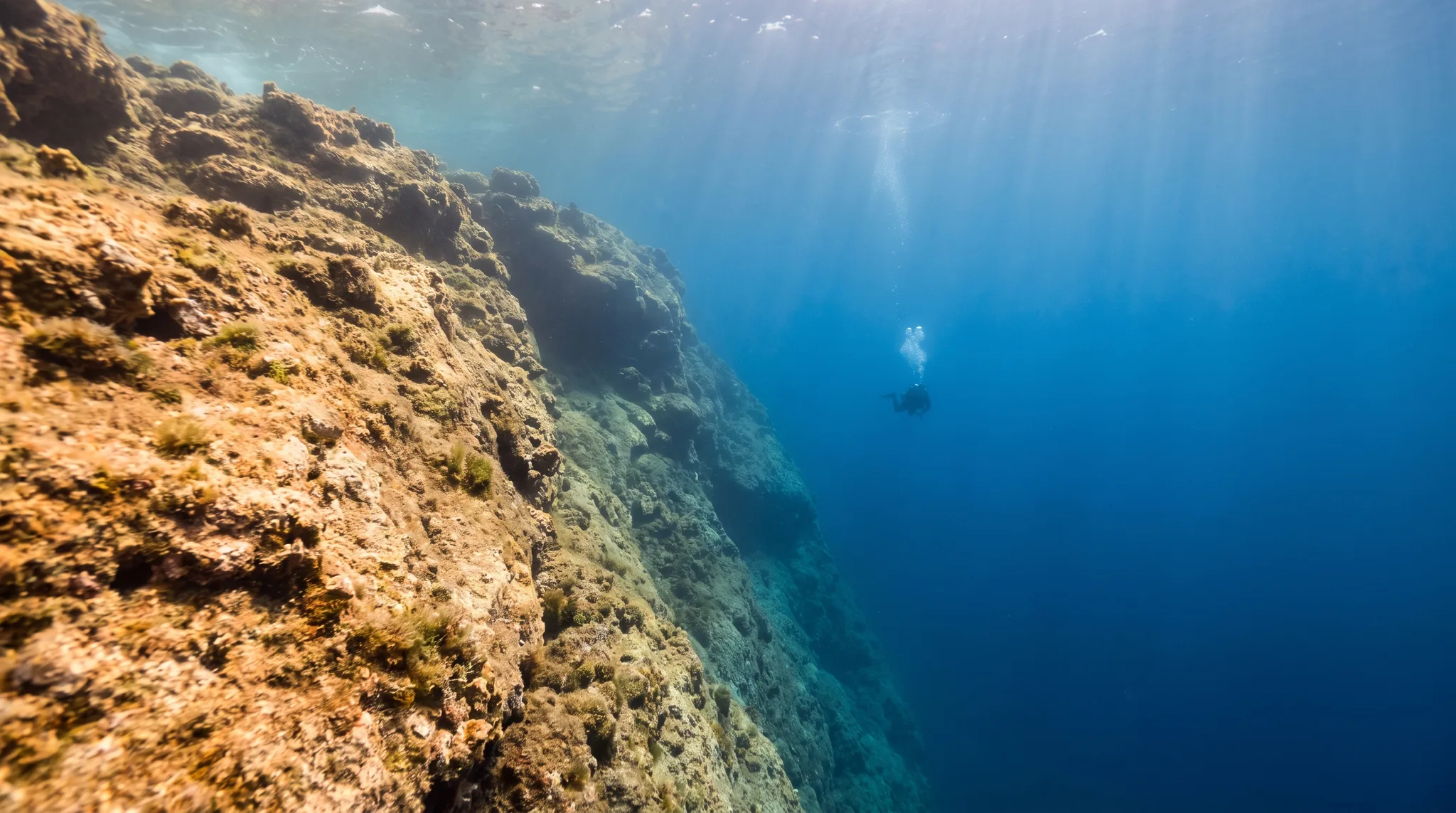
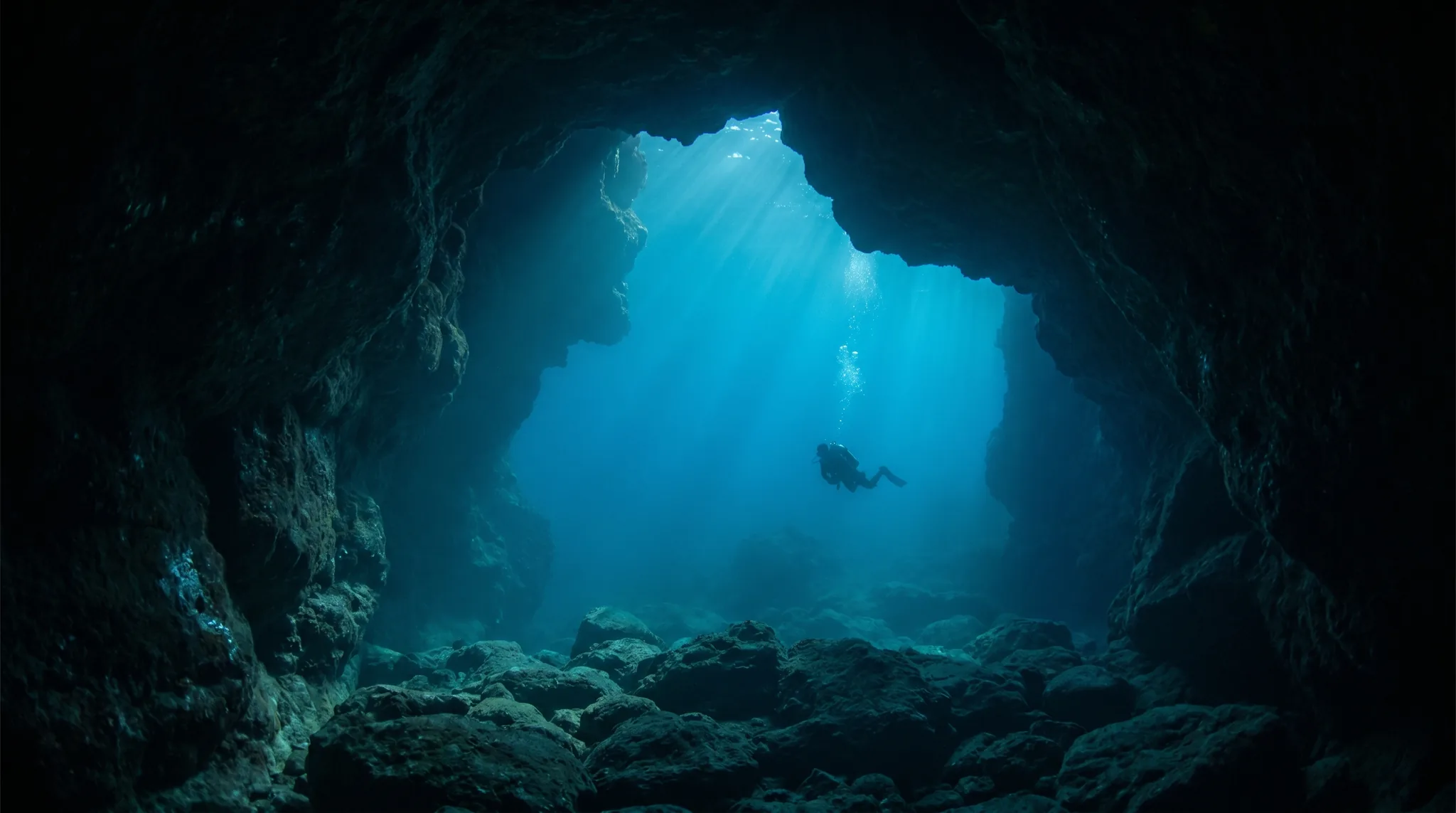
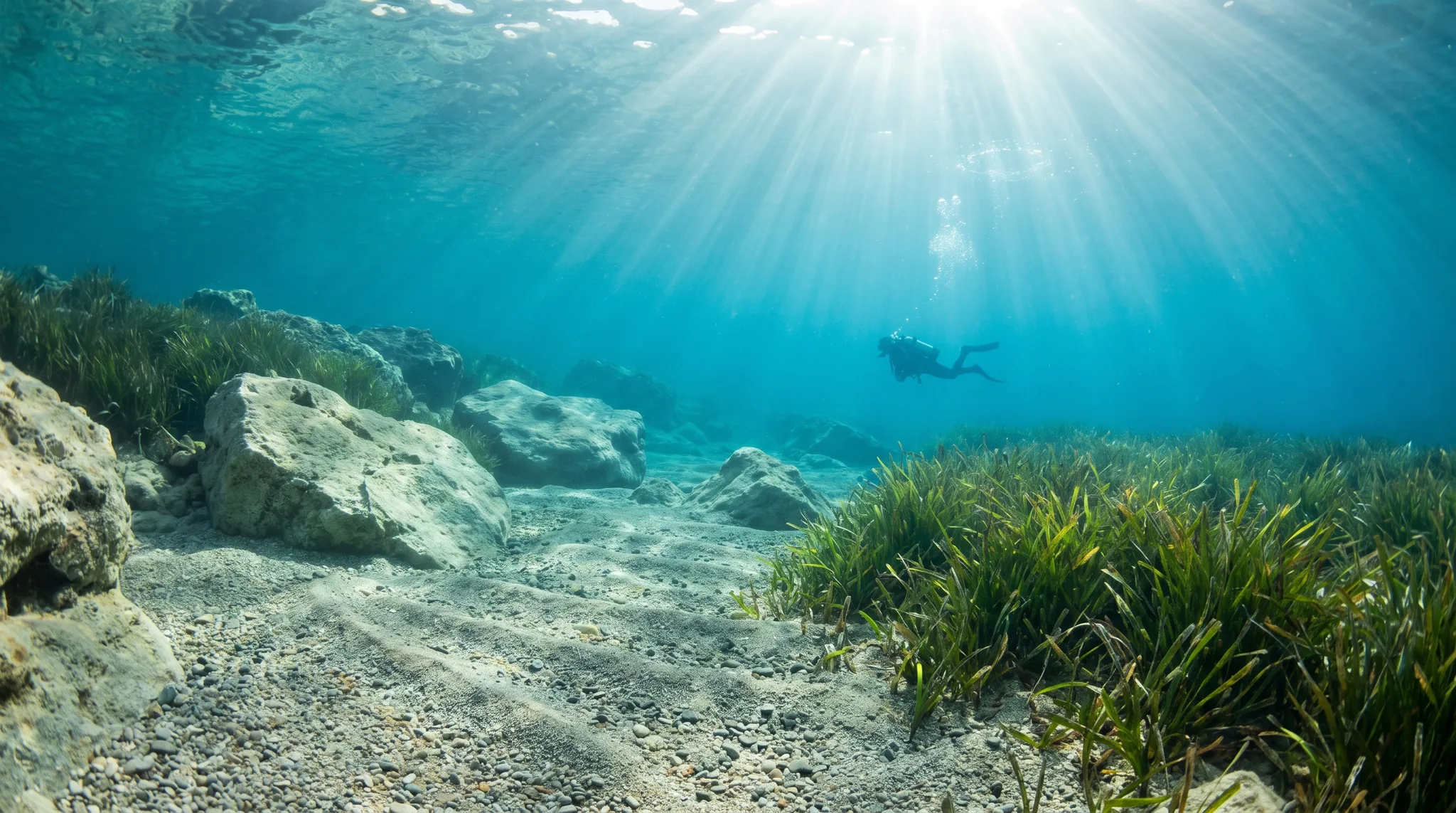
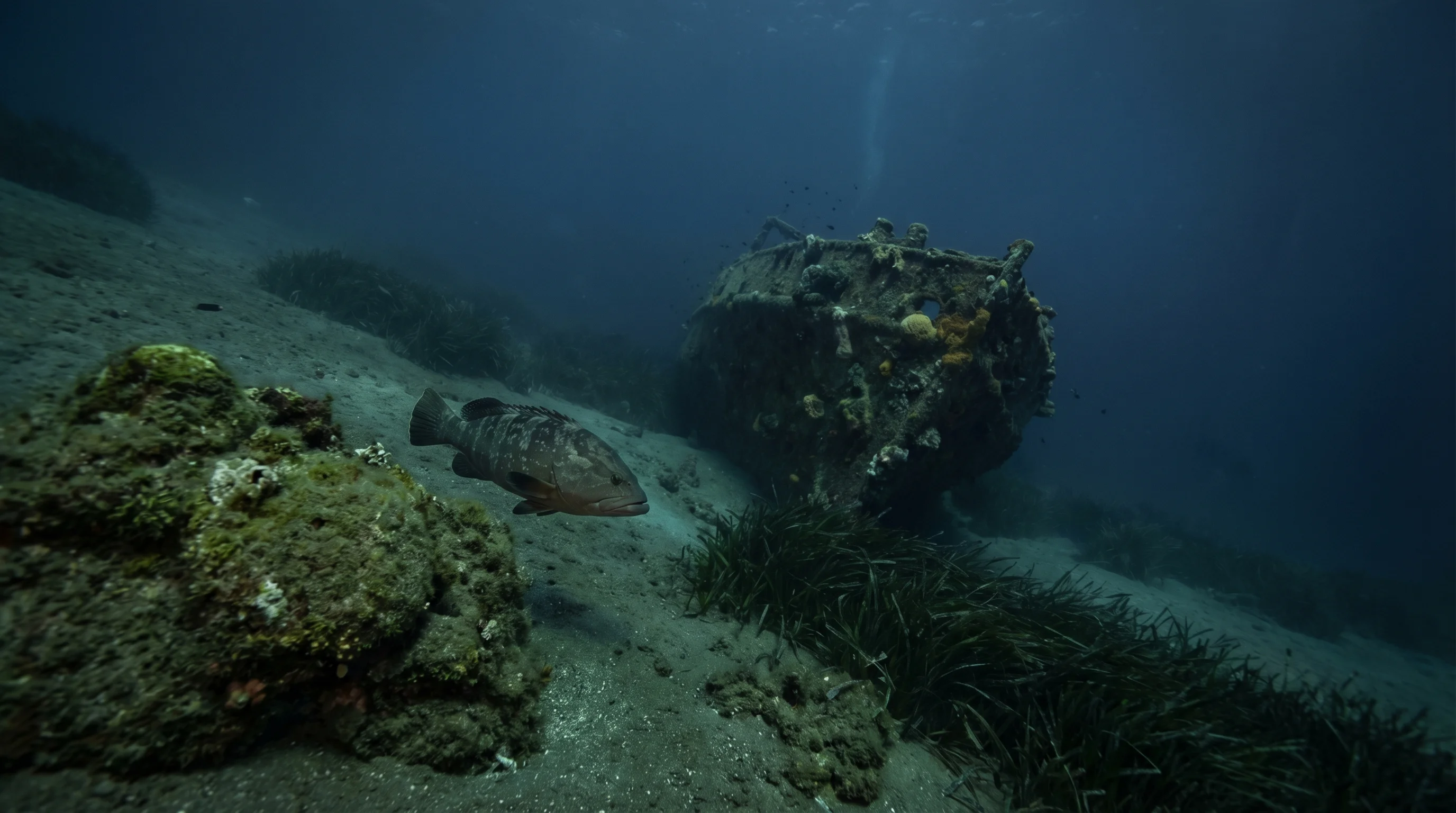
Nisyros is defined by its volcanic geology, which shapes the diving experience in ways few regions can match. Active underwater vents at sites like Volcano Bubbles create localised temperature shifts, while the Volcanic Fault and The Well trace geological fractures through wall and cavern terrain. Reefs, pinnacles, a wreck at Strongyli island, and drift diving at Cape Krikelos round out a varied site portfolio. The mix of skill levels is broad, from shallow beginner reefs to demanding deep walls, and the roster of observed species runs from the ever-present Turkish Wrasse and Rabbitfish to occasional Conger Eel and Groupers.
Monthly water temperature across Nisyros's sites, from satellite sea-surface data corrected for depth. The band shows the site-to-site spread.
Water temperature dips to its coolest in late winter and early spring, then climbs steadily through summer to peak warmth in autumn, when September through November consistently draw the most diver activity. Summer months offer the warmest conditions for longer dives, while the shoulder months of June and autumn see the highest concentration of recommended dive days. Exposure varies by site, with open-water boat dives like Cape Krikelos subject to currents that make timing important.
4 operators
5 more sites to explore
Water temperature around Nisyros ranges from about 17°C in March to 22°C in September, based on satellite sea-temperature data for its dive sites.
In the warm season (about 22°C) a 3mm full suit is comfortable in Nisyros; in the coldest months (about 17°C) step up to a 7mm or semi-dry suit.
Fin maps 17 sites in Nisyros (17 scuba diving sites and 1 snorkelling spots, with some suited to both).
Across Nisyros's dive sites, June and September are most often reported as the best months to visit.
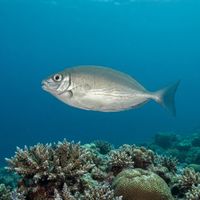
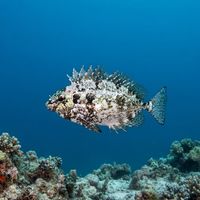
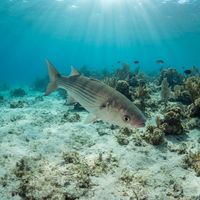
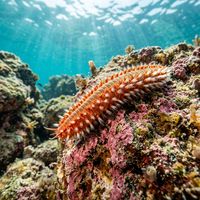
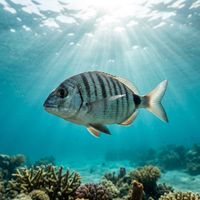
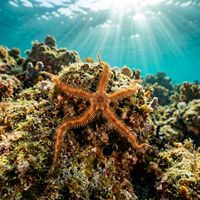
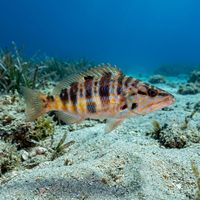
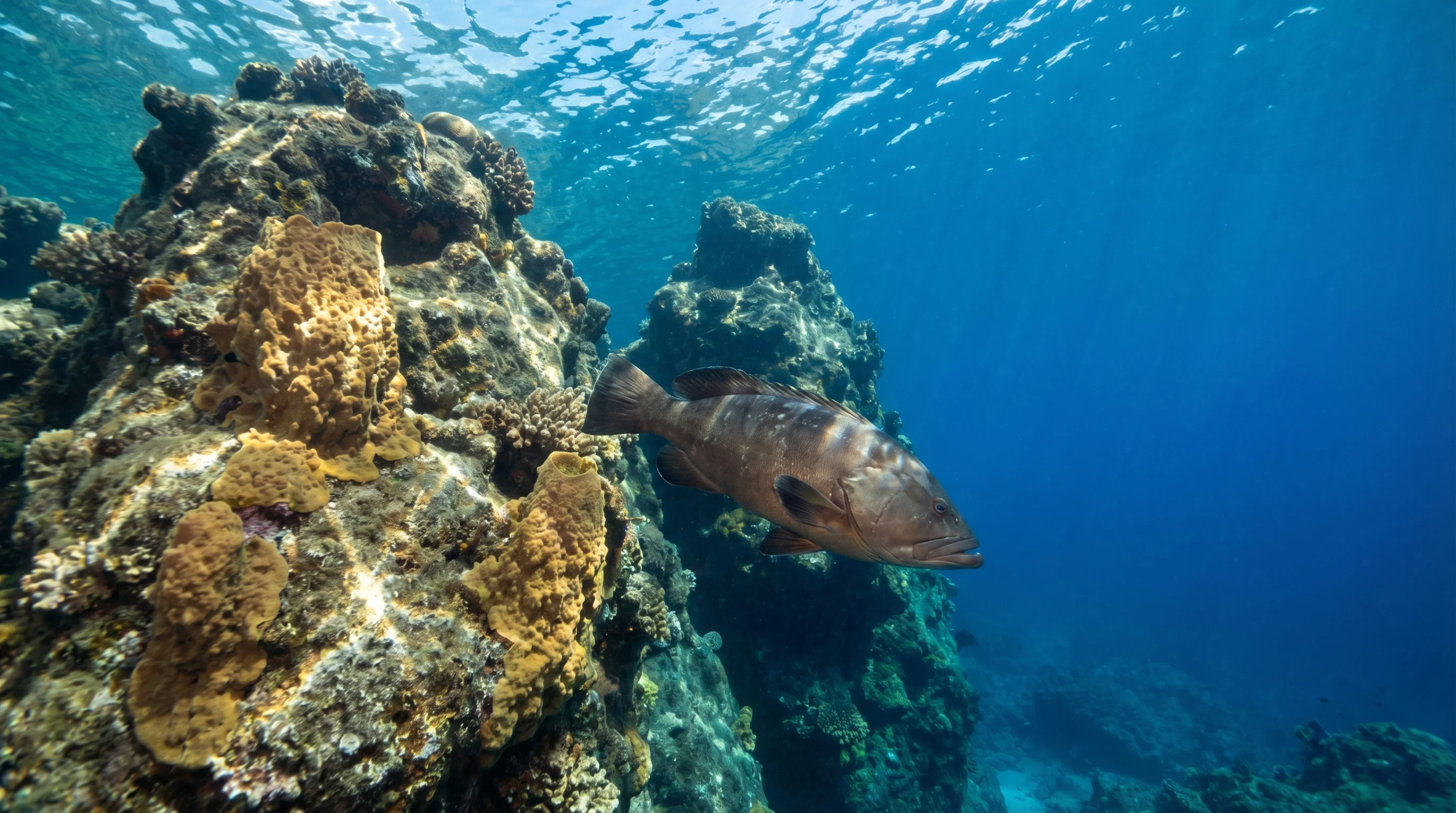
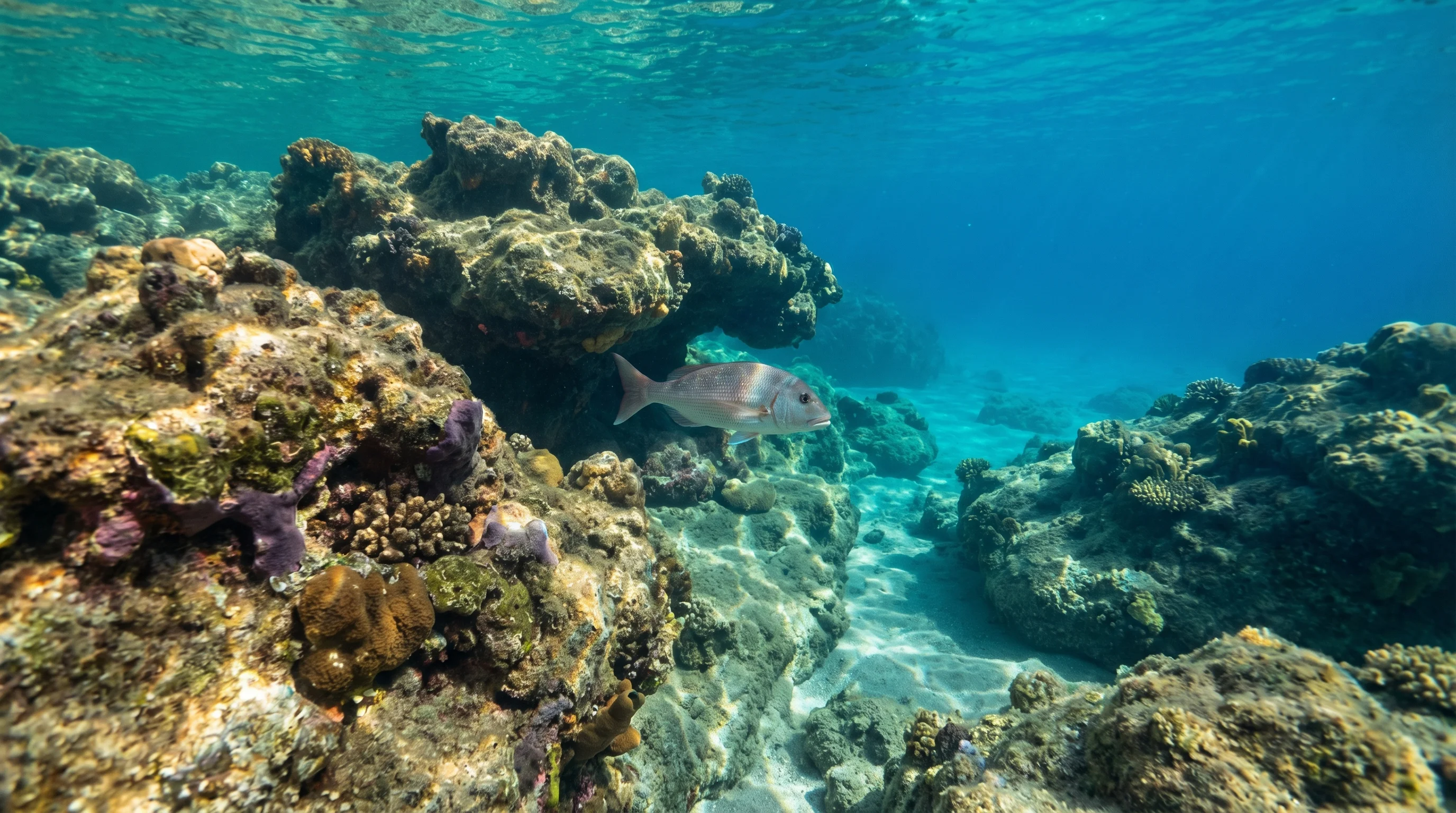
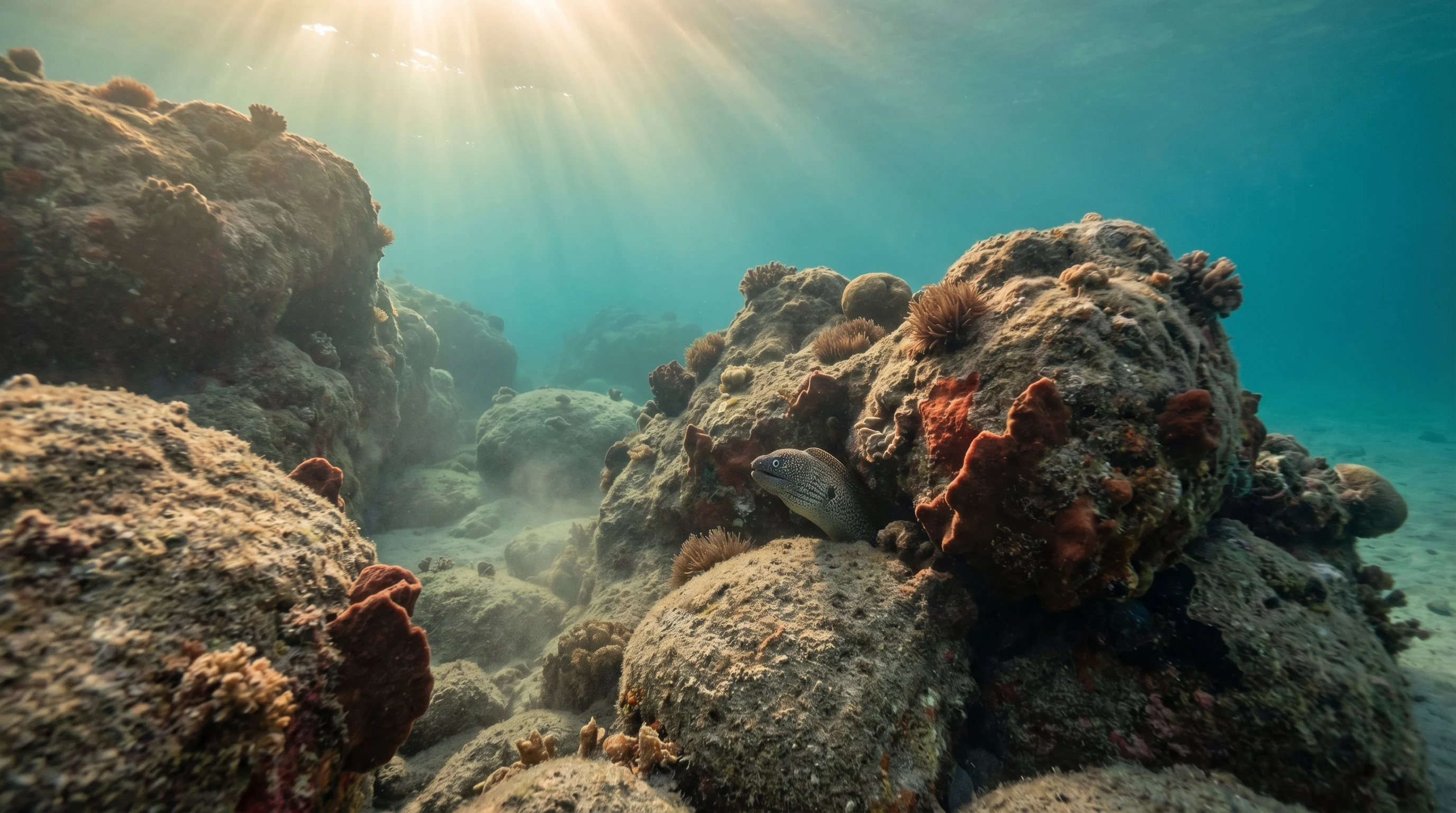
The reefs consistently host Turkish Wrasse, Rabbitfish, White Seabream, European Parrotfish, Goatfish, and Painted Comber. Brittle Star and Eleven-armed Sea Star are common on the rocky substrate, and patient divers may encounter Conger Eel, Scorpionfish, Groupers, and European Common Cuttlefish. Green Sea Turtle and Whale Shark have also been recorded, though these are rare sightings rather than reliable encounters.
A good number of the sites are rated for beginners, including shallow reef dives like Agios Savvas and Stingray Champagne, as well as the more varied Kaloutsi reef and Barracuda Reef. These sites offer gentle conditions and manageable depths. Advanced sites such as Pachia Reef, Shrimp Cave, and The Volcanic Fault require experience with deep walls and caverns and are not suitable for those new to diving.
The majority of dive sites in Nisyros are reached by boat, reflecting the offshore nature of the reefs, walls, and pinnacles. A small number of sites, including Agios Savvas and Shrimp Cave, offer shore entry as an option. Barracuda Reef and Skala can be accessed either way, giving some flexibility depending on conditions and operator logistics.
The volcanic character of Nisyros sets it apart. Sites like Volcano Bubbles feature active underwater vents that emit gases and create localised warm patches, producing an unusual sensory experience during the dive. The Volcanic Fault follows a geological crack through wall and cavern terrain, and Strongyli island combines a wreck with a steeply dropping volcanic cone. This geological activity gives the diving here a character that goes well beyond standard reef diving.