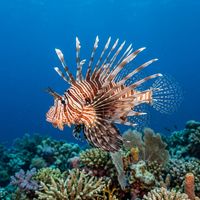
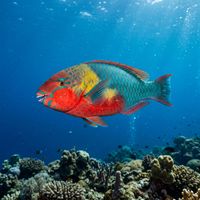
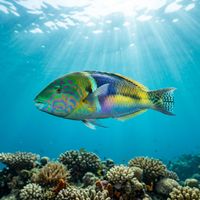
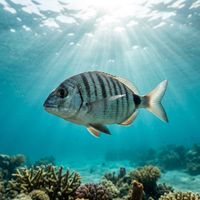
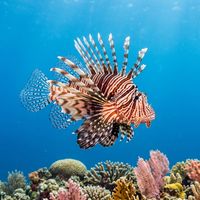
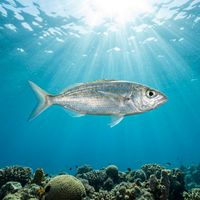
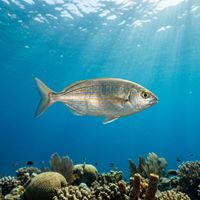
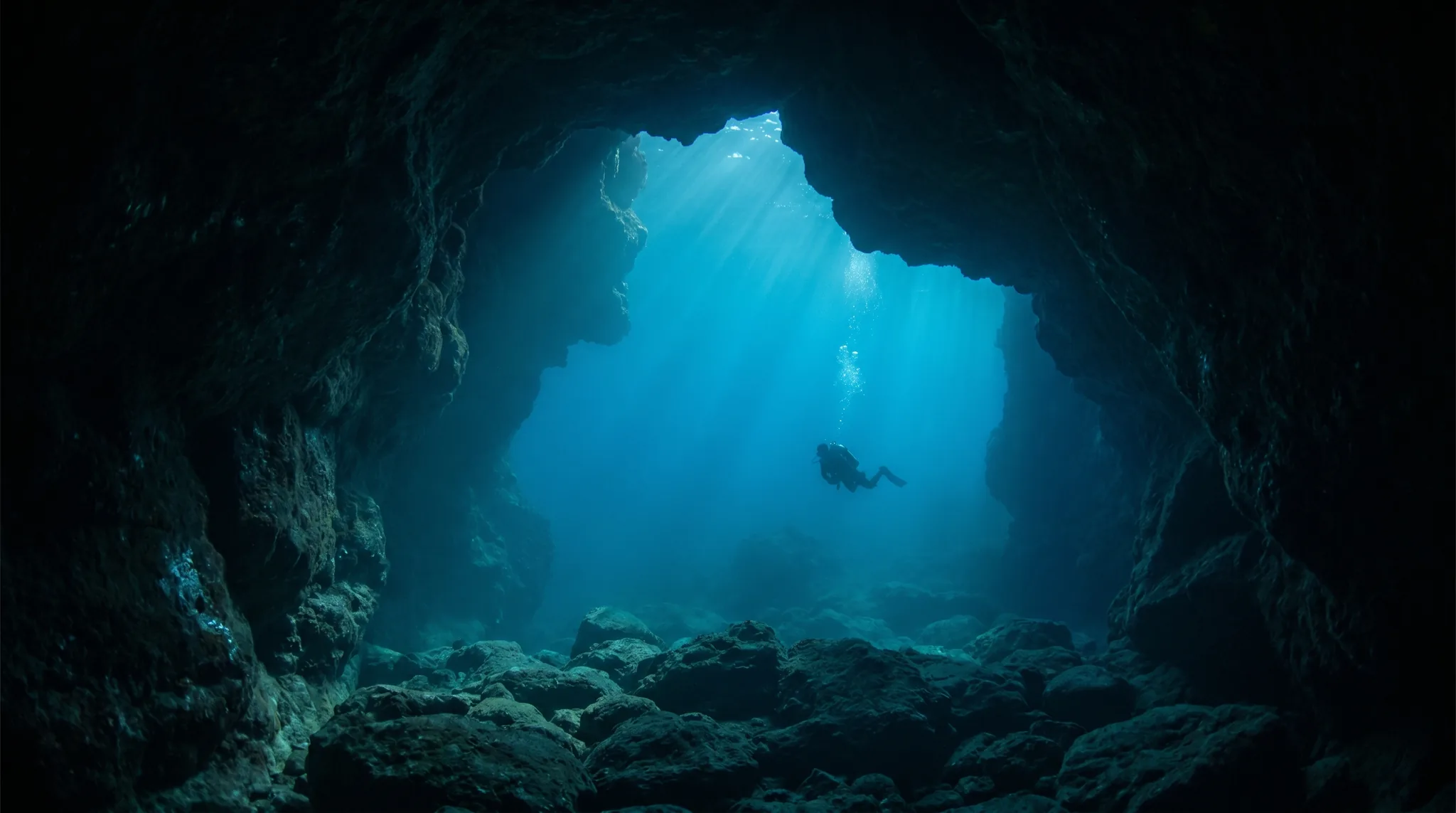
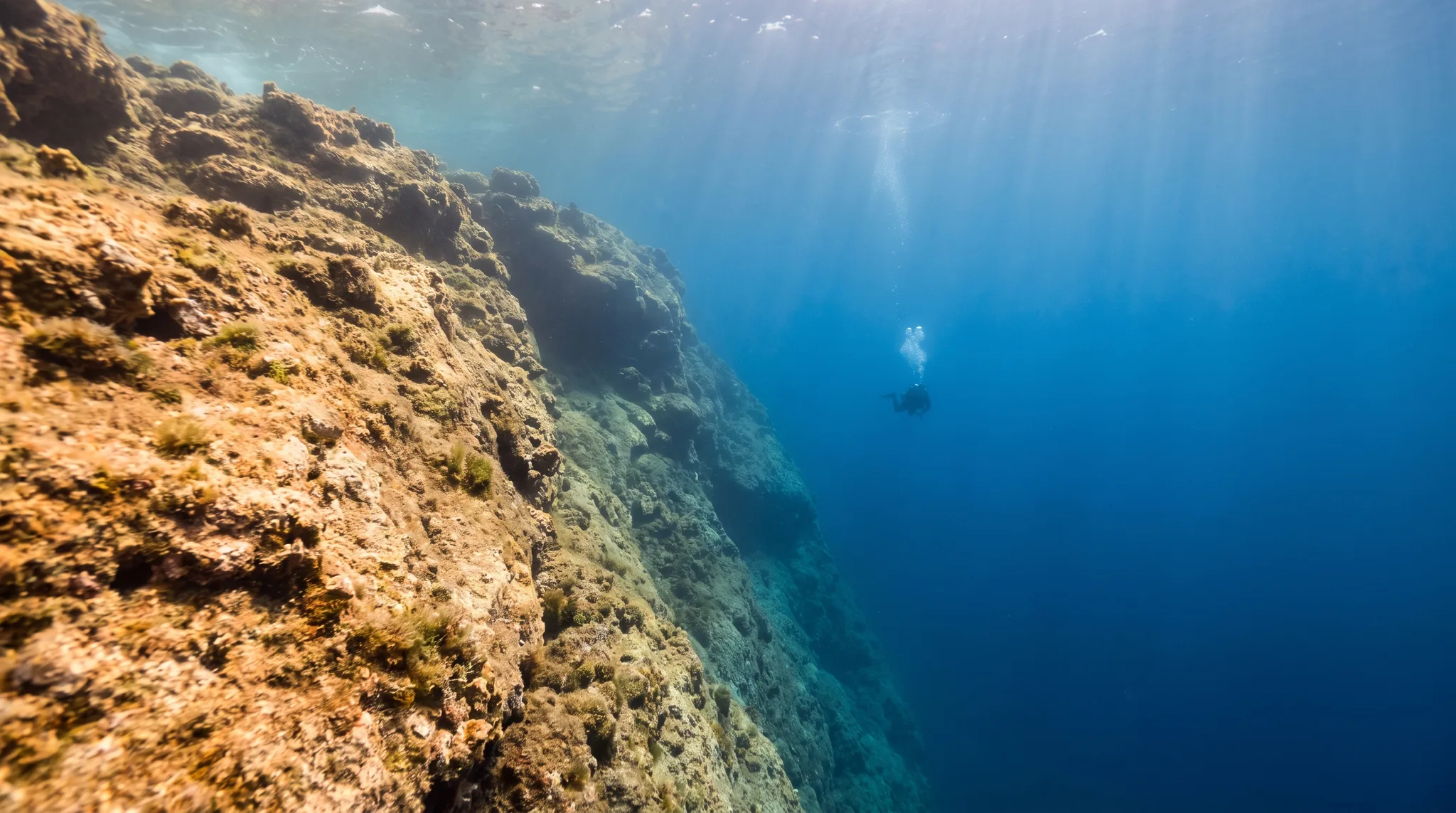
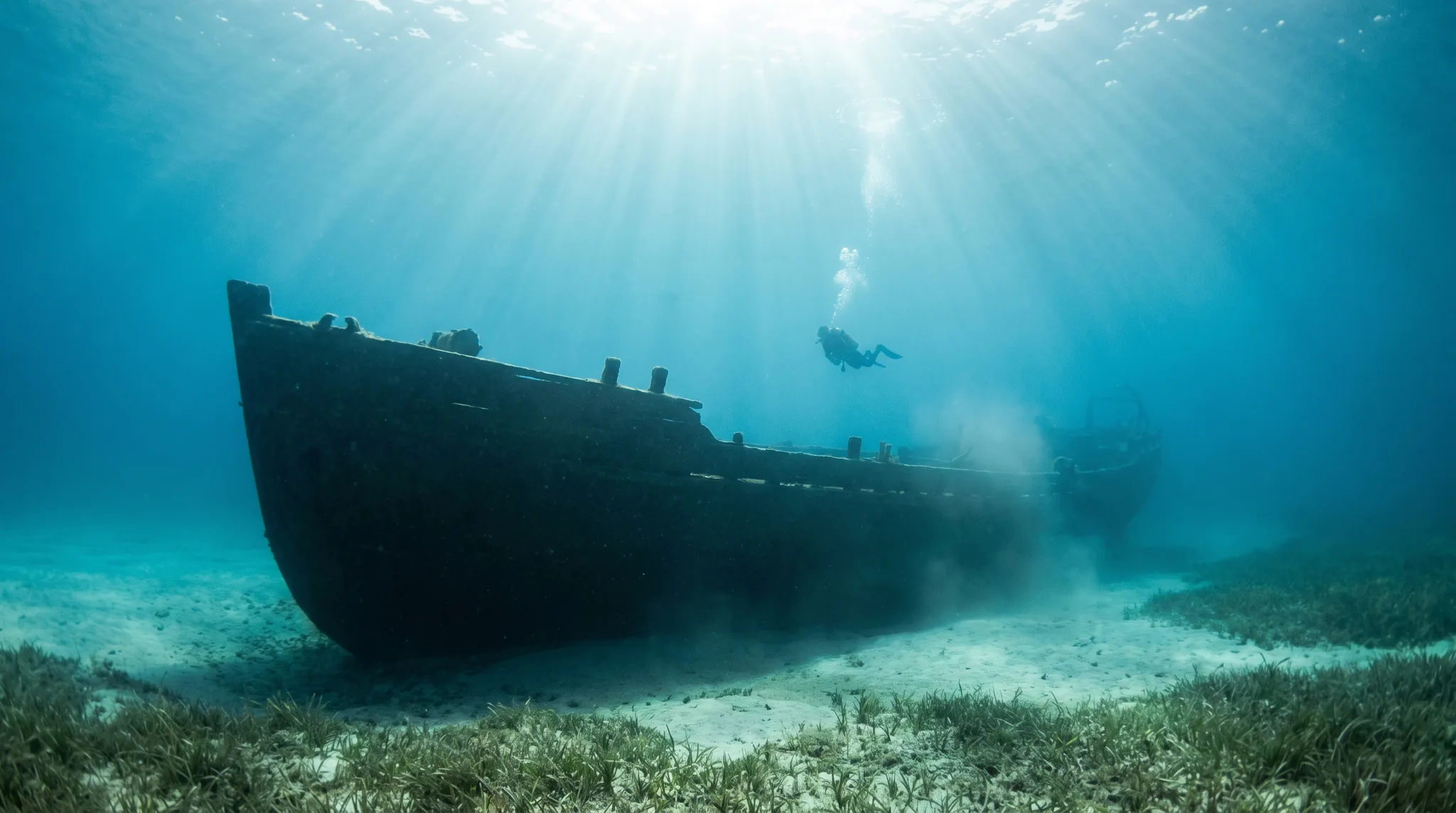
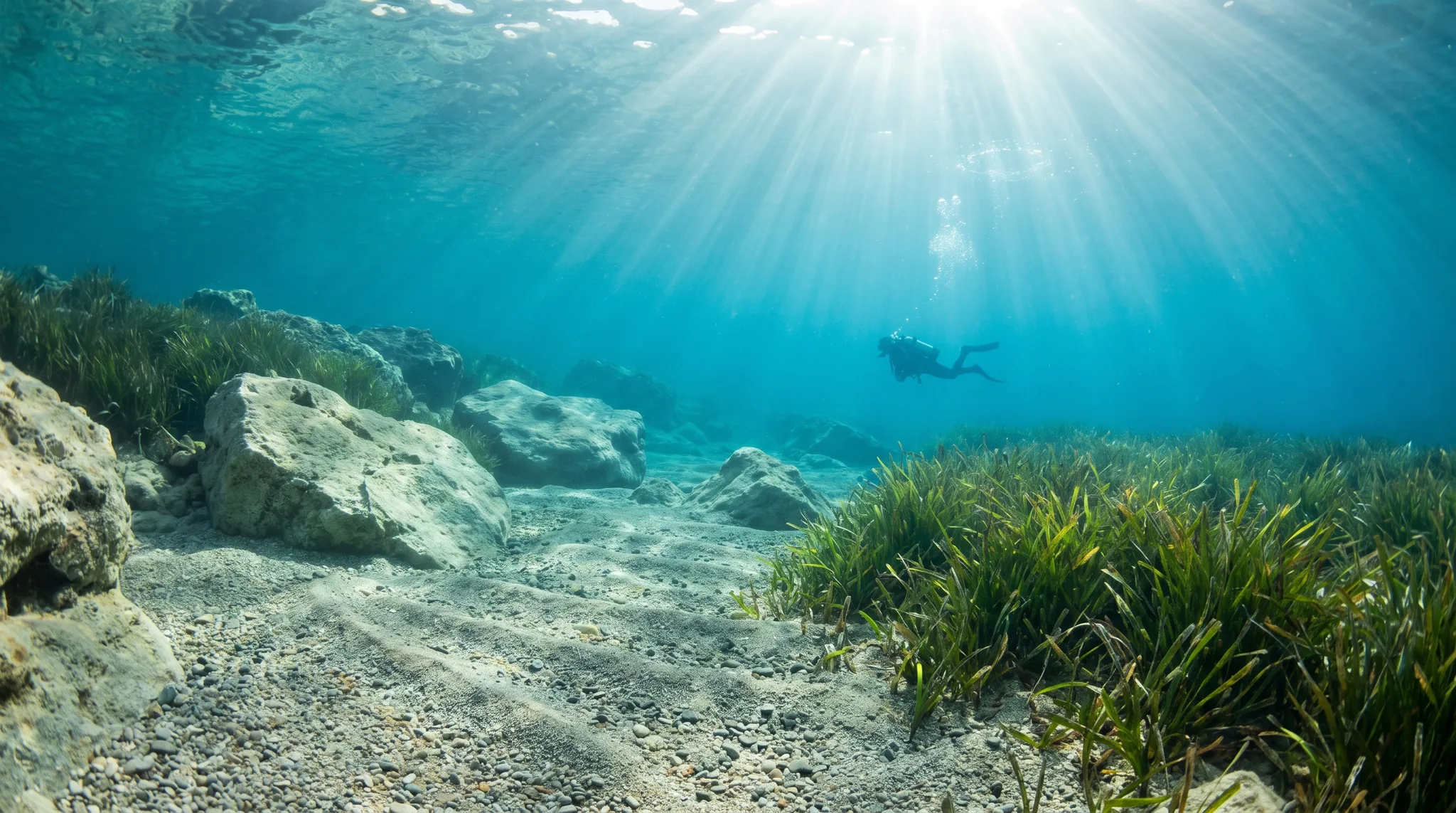
Karpathos is defined by its cave and cavern topography, with reefs, walls, arches and drop-offs rounding out a varied site menu. Shallow shore entries at sites like Amoopi sit alongside boat-access caves such as Swallow Cave and Palatia Bay, giving the island range from very shallow to truly deep. The European Parrotfish, Turkish Wrasse, Salema Porgy and Boga are observed across virtually every site, while the Indian Lionfish is the island's signature encounter. Most sites suit beginners, with a handful stepping up to intermediate level.
Monthly water temperature across Karpathos's sites, from satellite sea-surface data corrected for depth. The band shows the site-to-site spread.
Water stays warm from June through October, peaking in late summer and making those months the most comfortable for extended dives. Spring and early autumn offer a pleasing middle ground, while winter temperatures are noticeably cooler. Visibility is generous across the season, and most sites are sheltered enough for straightforward conditions.
9 more sites to explore
Water temperature around Karpathos ranges from about 17°C in February to 25°C in August, based on satellite sea-temperature data for its dive sites.
In the warm season (about 25°C) a 3mm full suit is comfortable in Karpathos; in the coldest months (about 17°C) step up to a 7mm or semi-dry suit.
Fin maps 14 sites in Karpathos (12 scuba diving sites and 7 snorkelling spots, with some suited to both).
Across Karpathos's dive sites, June, July, August and September are most often reported as the best months to visit.
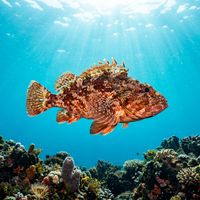
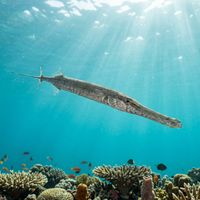
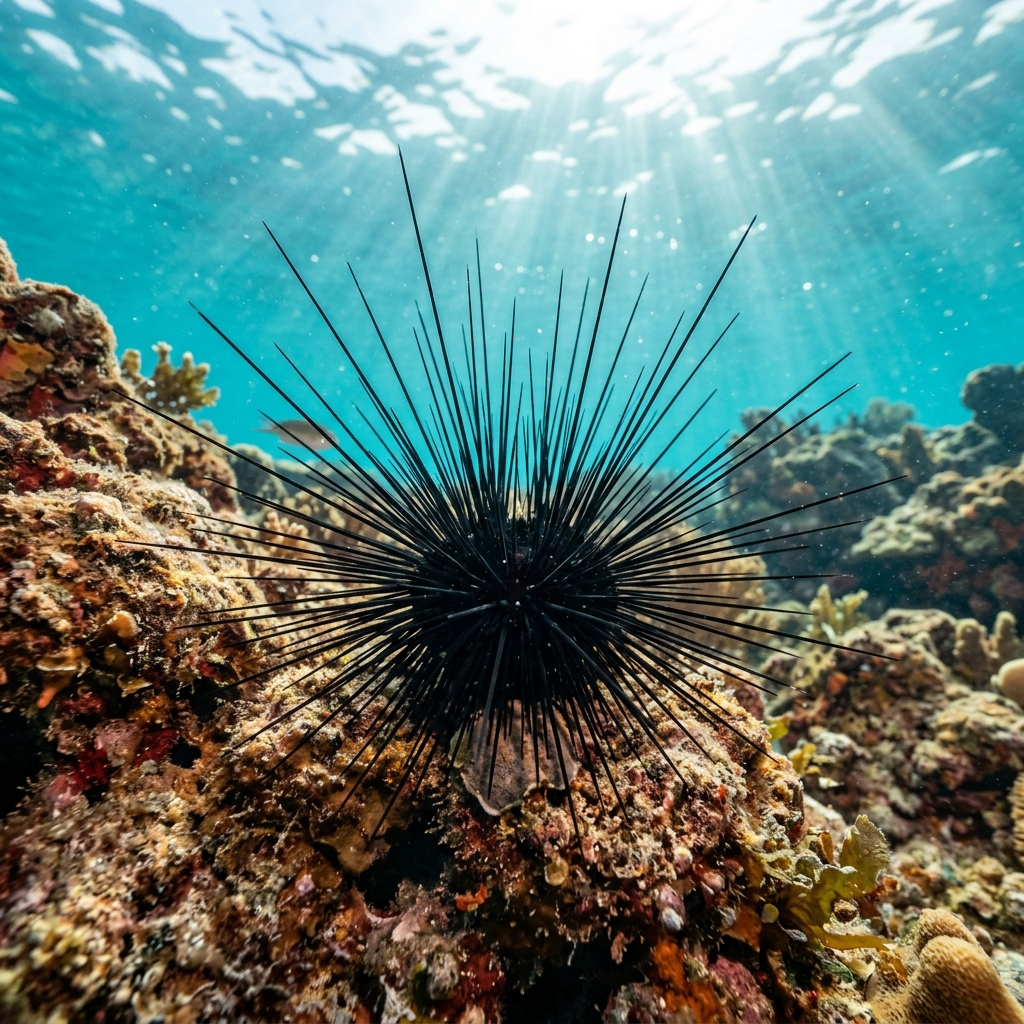
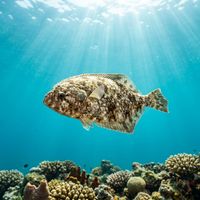
The Indian Lionfish is the signature species and is commonly observed across many sites. Alongside it, European Parrotfish, Turkish Wrasse, White Seabream and Boga appear at virtually every site. Bluespotted Cornetfish, Madeira Rockfish, Castagnole and Wide Eyed Flounder are also regularly recorded, with the occasional Rockpool Prawn tucked into reef crevices.
The majority of dive sites in Karpathos are rated for beginners, including cave sites such as Swallow Cave and Palatia Bay, as well as the shore-accessible Amoopi. Achata Arch steps up to intermediate level, offering walls and a natural arch for those with more experience. The overall mix means there is something appropriate for most skill levels.
Both options are available depending on the site. Amoopi is a shore entry, and Achata Cave can be reached from shore or by boat. Several of the most popular cave sites, including Swallow Cave and Palatia Bay, require a boat. Checking the entry type for each site before planning your day is worthwhile.
Caves and caverns are the defining feature of Karpathos diving, appearing at most of the top sites. Reefs and walls are common companions to the cave systems, and Amoopi adds canyon topography to the mix. Achata Cave stands out for combining cave, cavern, reef and drop-off in a single site, while Achata Arch centres its dive around a natural arch formation.