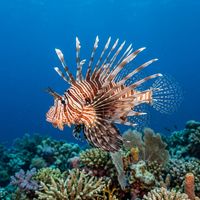
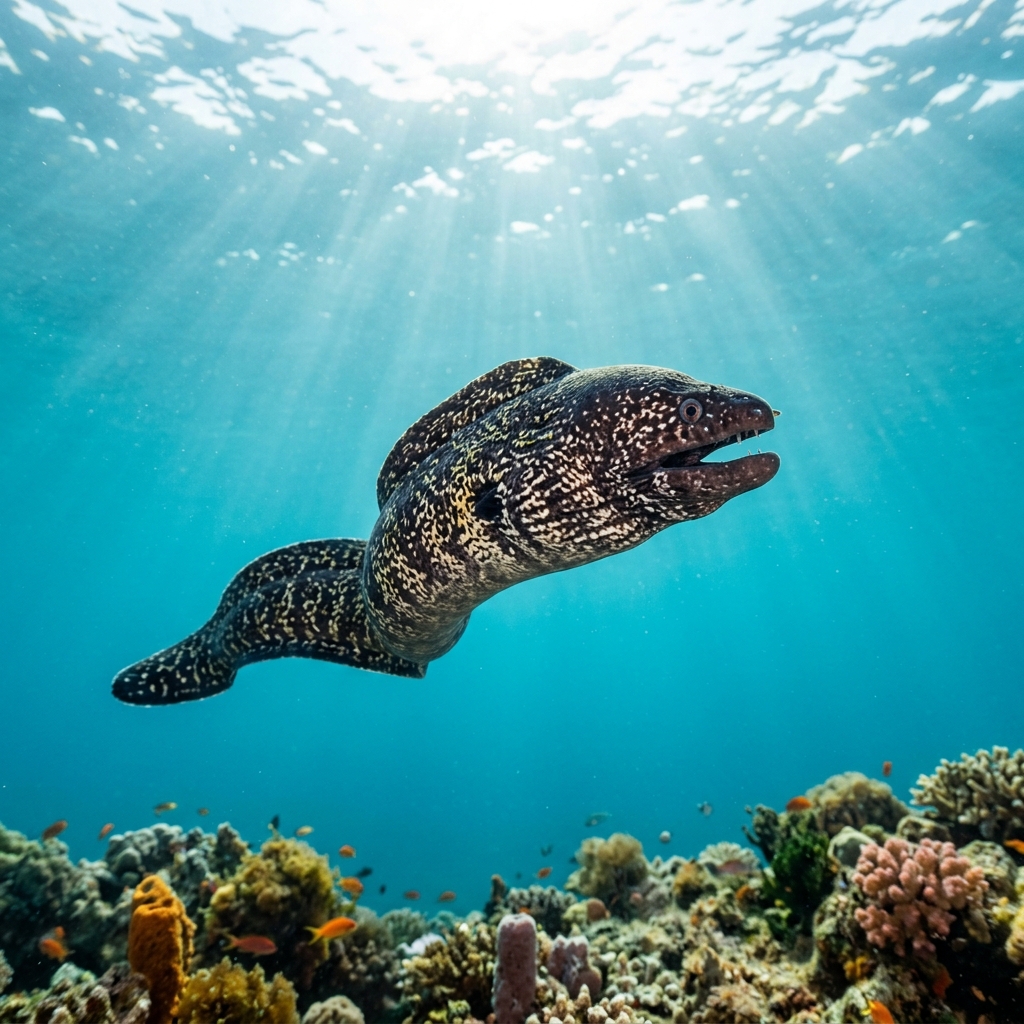
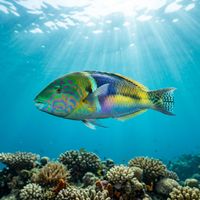
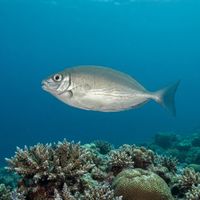
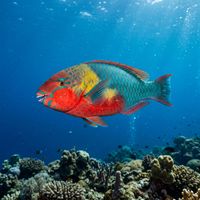
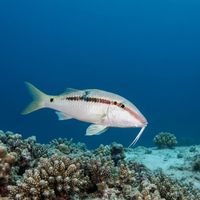
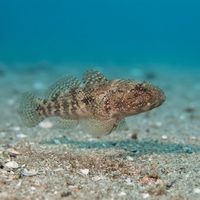
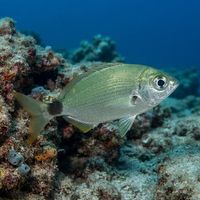
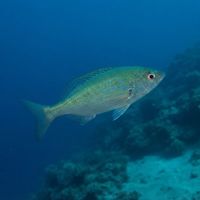
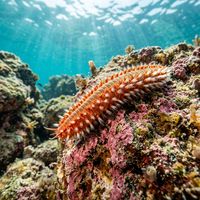
Rhodes offers a varied dive landscape ranging from shallow reef and seagrass beds to deep walls, cave systems, and at least one substantial cargo wreck. Shore entries make many sites accessible without a boat, while advanced sites such as Cleobulus Tomb and Lindos reward those comfortable with depth and current. The Turkish Wrasse, Rabbitfish, and White Seabream are reliably present, and the Mediterranean Moray and Indian Lionfish are consistent finds across the reef network. Conditions are warmest from late summer into autumn.
Monthly water temperature across Rhodes's sites, from satellite sea-surface data corrected for depth. The band shows the site-to-site spread.
Water temperatures hold steady through winter and spring before rising through summer to their warmest from August through October, making the tail end of the season particularly comfortable. The best-months data points strongly to late spring and early autumn as the prime windows, when conditions are settled and the water remains warm well into October. Exposed sites such as Lindos and Pentanissos Islet can carry current, so conditions there are more dependent on wind and sea state than temperature alone.
25 operators
Emponas, Greece
Faliraki, Greece
15 more sites to explore
Water temperature around Rhodes ranges from about 18°C in February to 24°C in August, based on satellite sea-temperature data for its dive sites.
In the warm season (about 24°C) a 3mm full suit is comfortable in Rhodes; in the coldest months (about 18°C) step up to a 5mm suit.
Fin maps 27 sites in Rhodes (26 scuba diving sites and 7 snorkelling spots, with some suited to both).
Across Rhodes's dive sites, May, June, September and October are most often reported as the best months to visit.
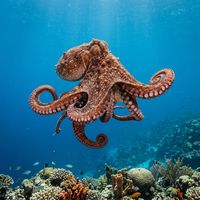
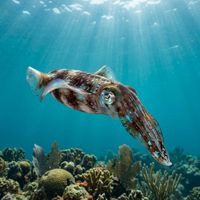
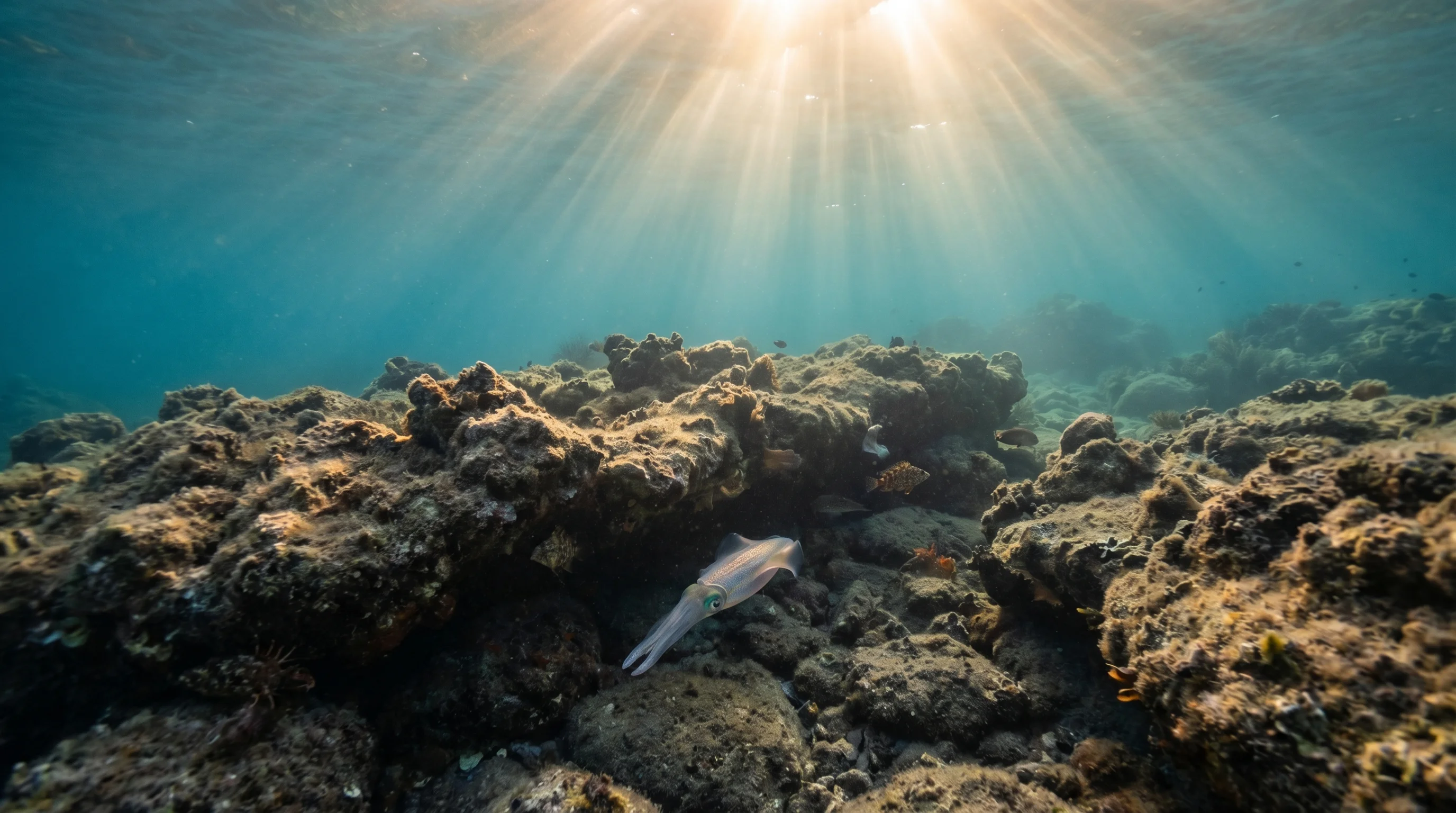
The Turkish Wrasse, Rabbitfish, White Seabream, Cardinalfish, and Castagnole are observed across a wide range of sites. The Mediterranean Moray and Indian Lionfish are among the signature species and are regularly spotted on the reefs. Patient divers also have a good chance of finding the Common Octopus and European Common Cuttlefish tucked into rocky recesses.
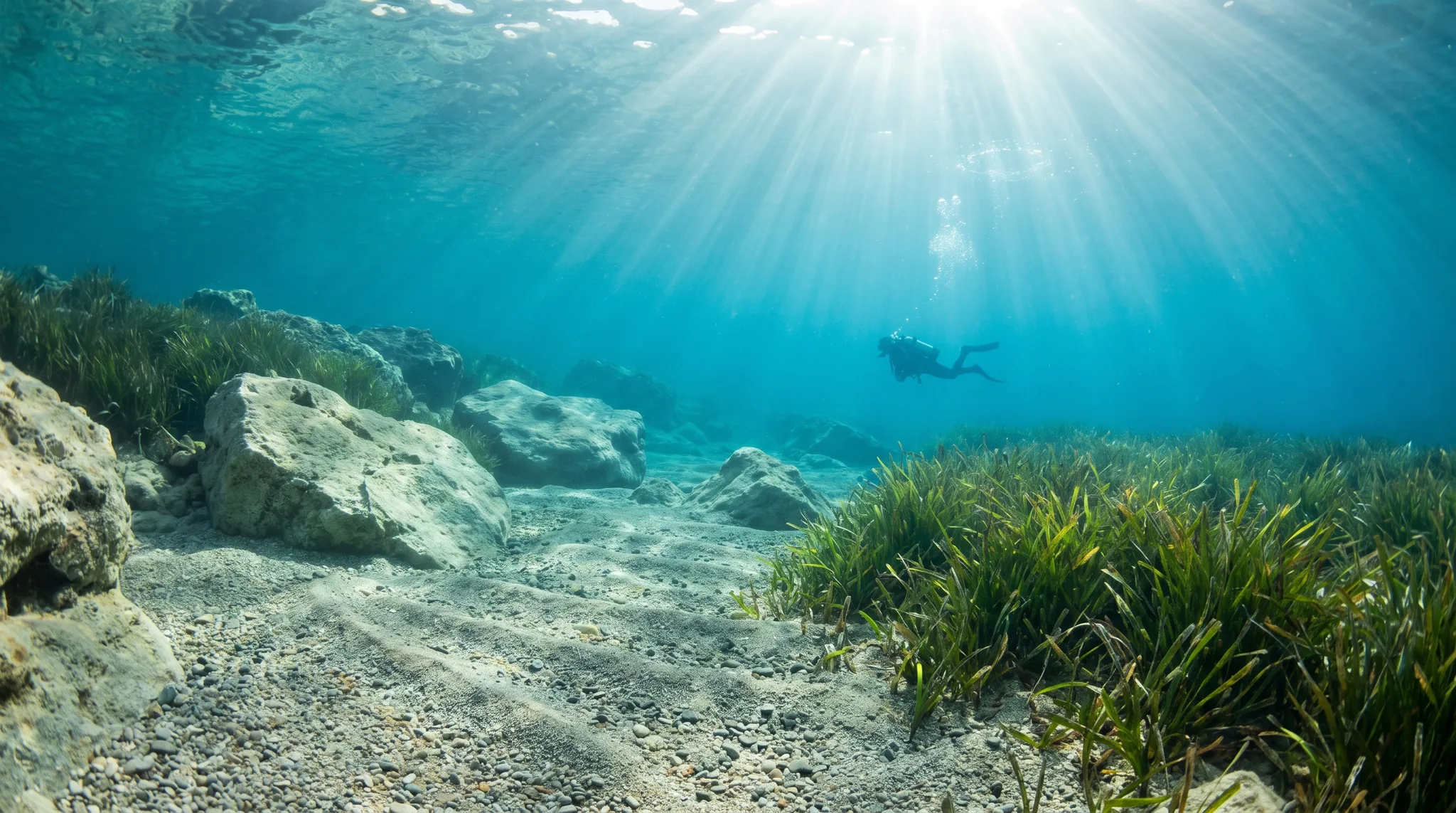
Rhodes caters well to all levels. Shore-entry sites such as Pefkos, Kolymbia, and Rhodos Kalithea Bay offer shallow, gentle conditions ideal for new divers. Intermediate divers have strong options in the Giannoula K. wreck and Ladiko Wall, while advanced divers can head to Cleobulus Tomb, Lindos, or Pentanissos Islet for deeper walls and cave systems.
A good number of Rhodes dive sites are reachable directly from the shore, including Pefkos, Ladiko Bay, Psaropoula, and Kolymbia, which is useful for those who prefer independent access. The more challenging or remote sites, such as Cleobulus Tomb, Lindos, and the Giannoula K. wreck, require a boat. Many operators, including Blue Lagoon Divers, The Waterhoppers, and Rhodes Diving Academy, run regular boat trips to these locations.
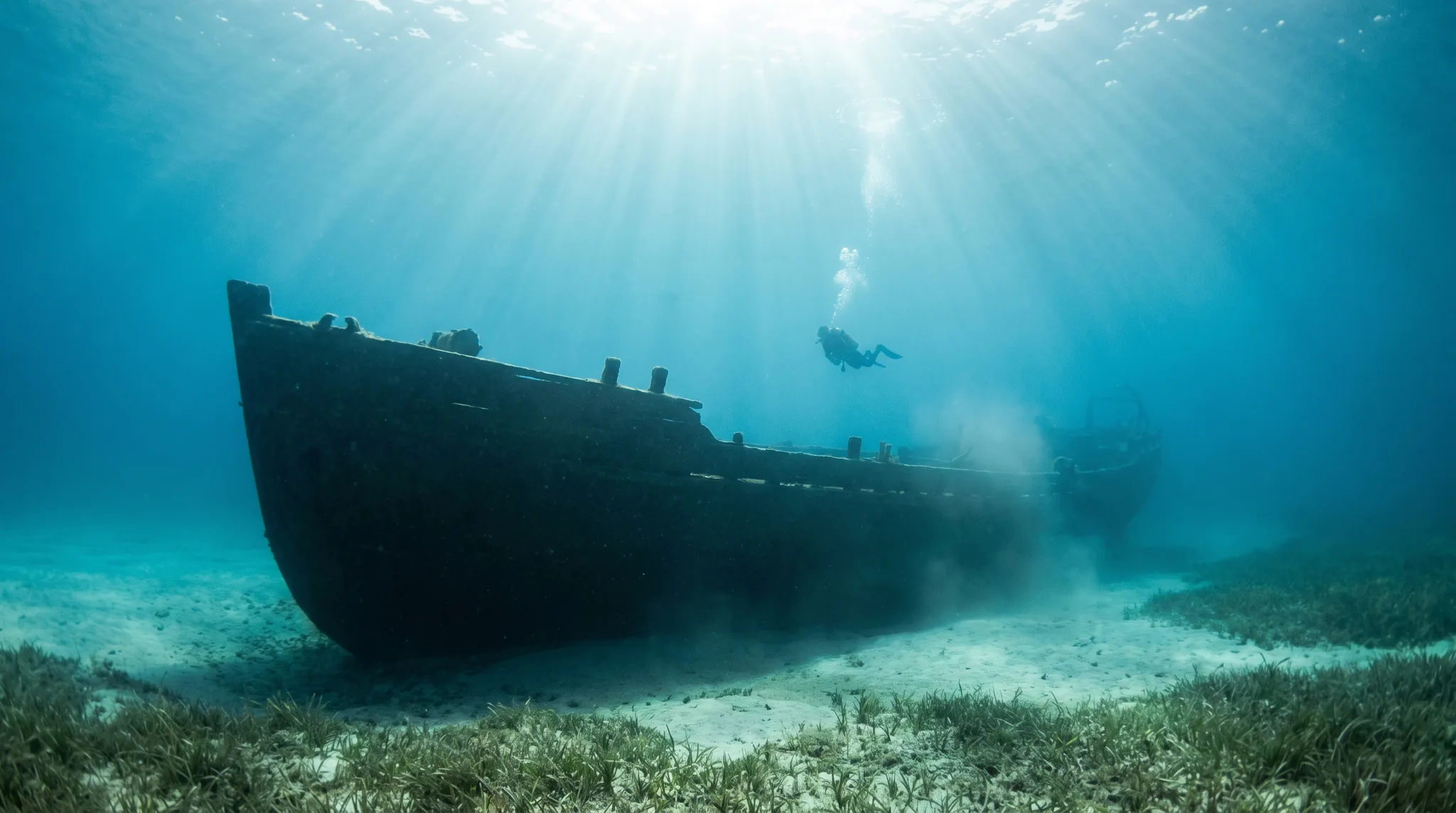
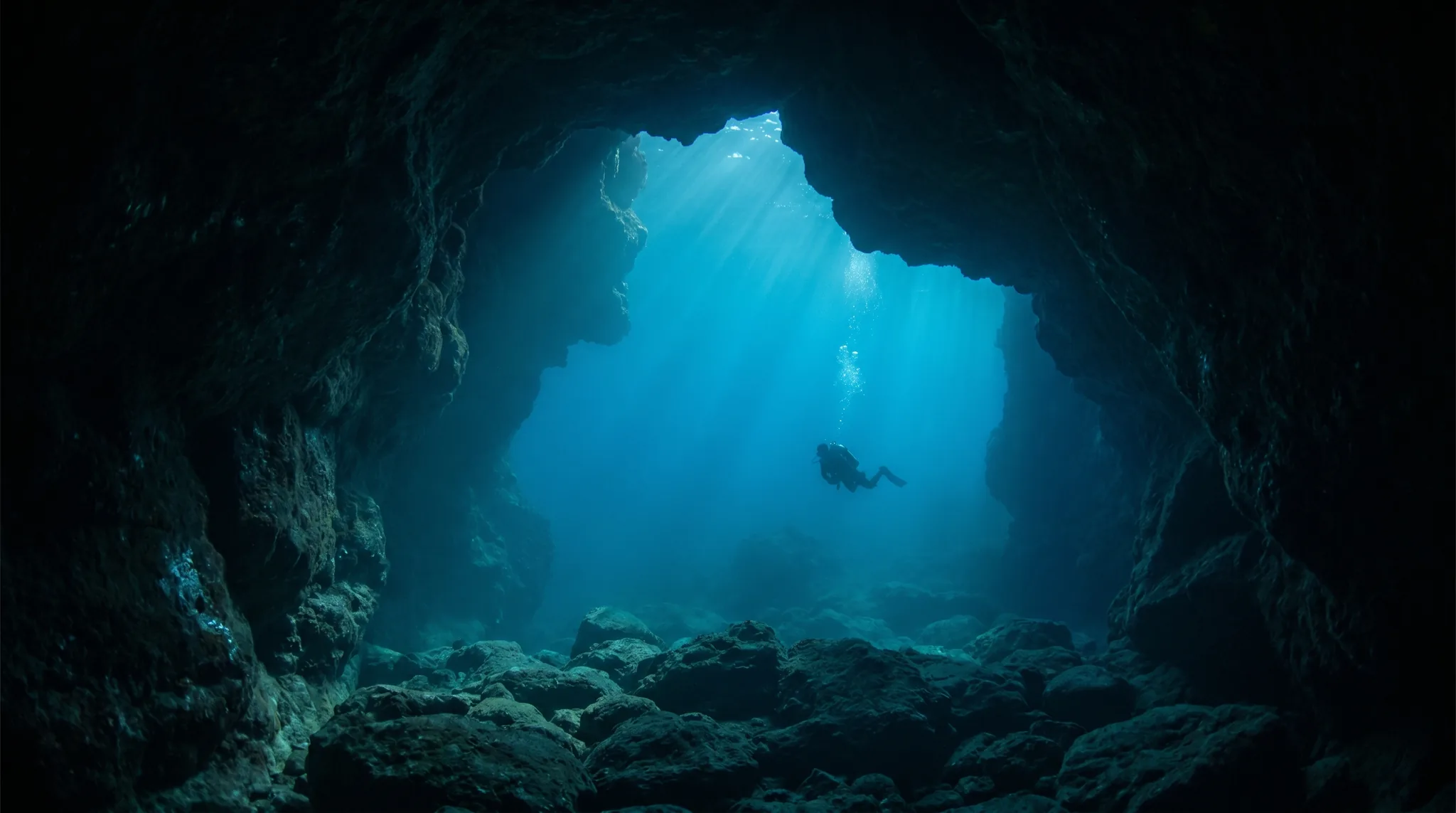
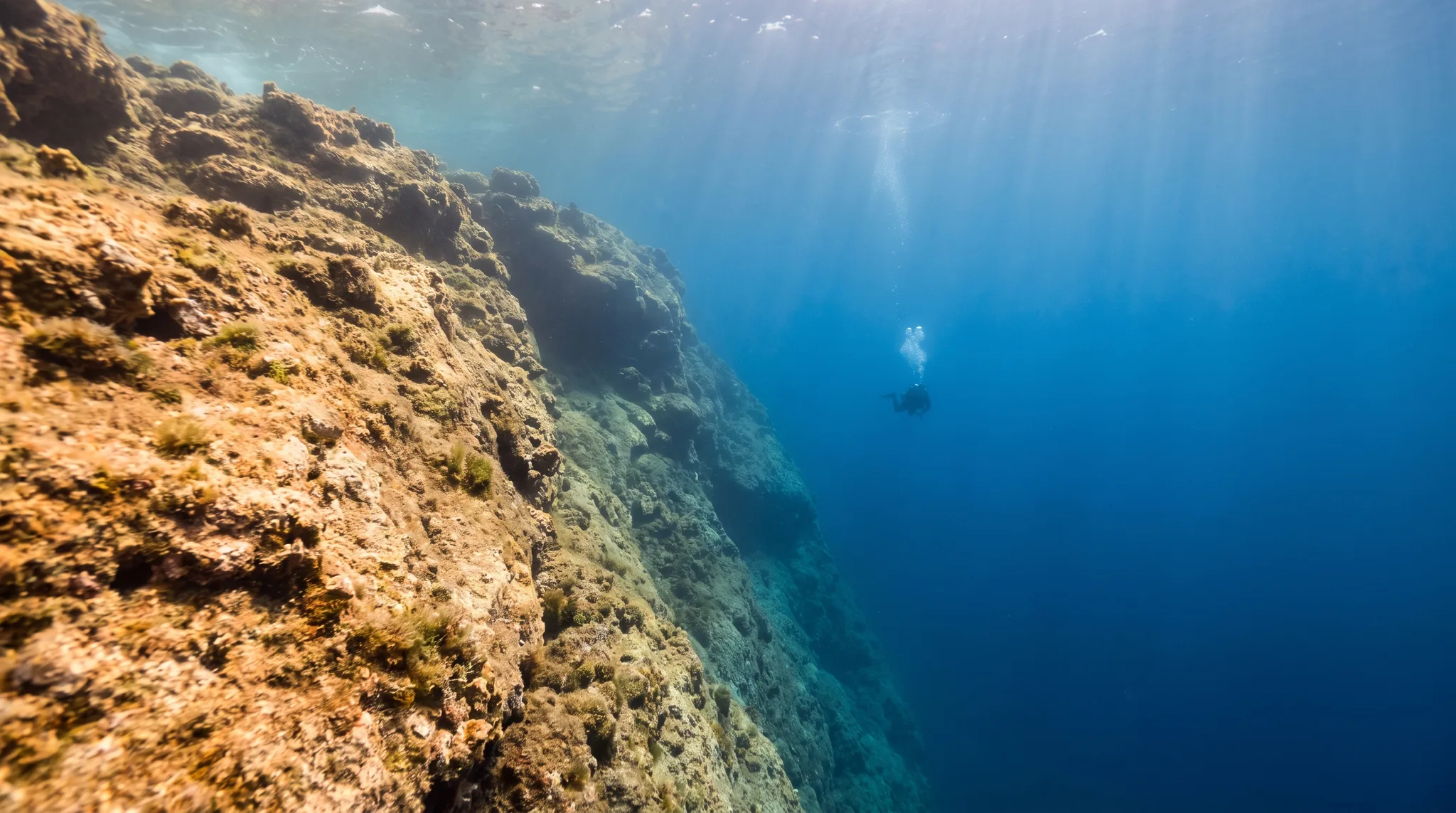
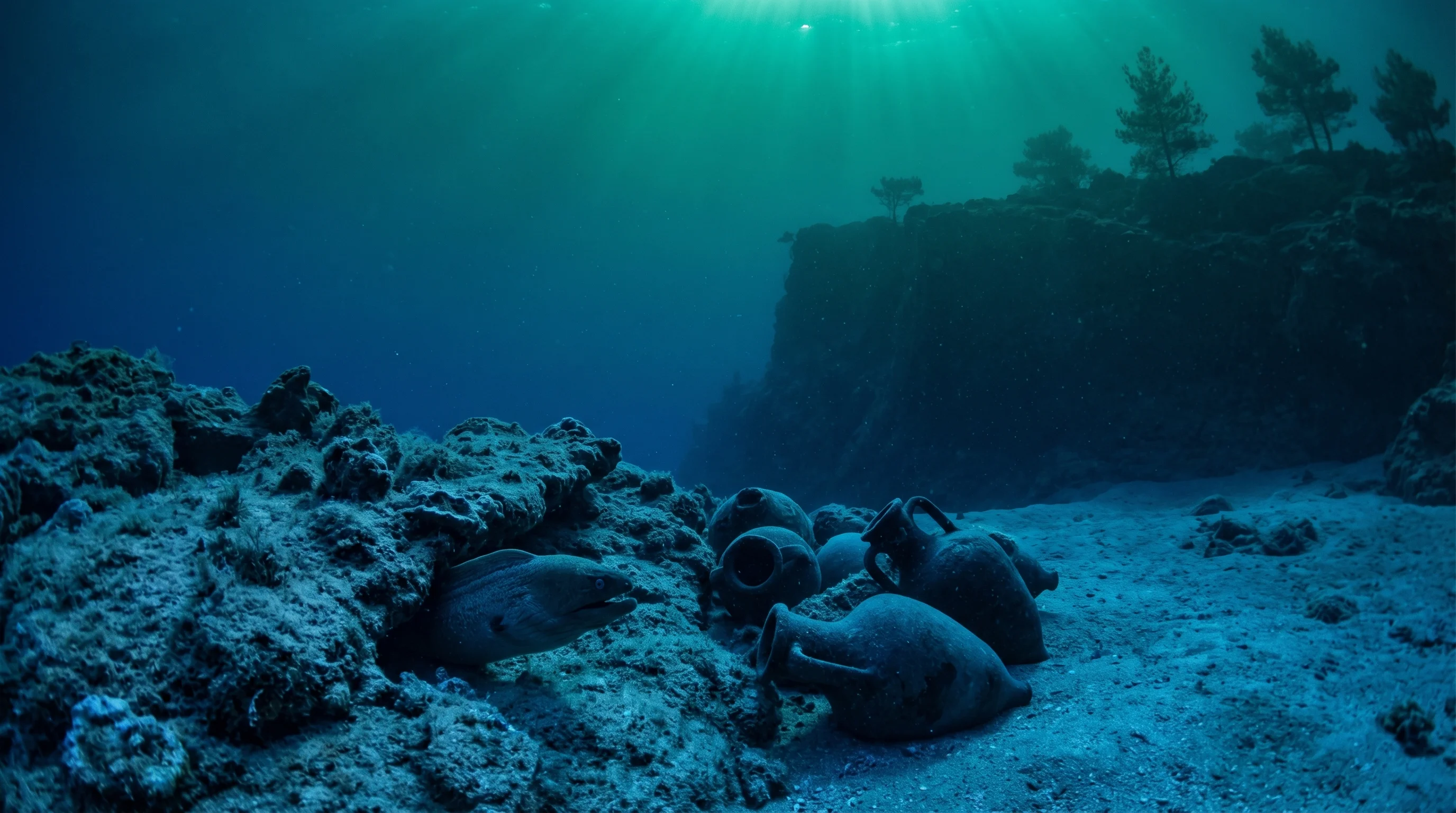
Reef diving is the backbone of Rhodes, but the island also offers a strong selection of wall dives, cave and cavern systems, and at least one notable wreck in the Giannoula K. Several sites combine multiple features: Ladiko Bay, for instance, mixes reef, wall, cave, and drop-off in a single shore dive. This variety means most diver preferences are covered within a relatively compact area.