Argyrosomus regius
Spot the meagre across the Mediterranean and Atlantic, most logged in Sardinia, Brittany and the Cyclades in cool 13-19 °C waters.
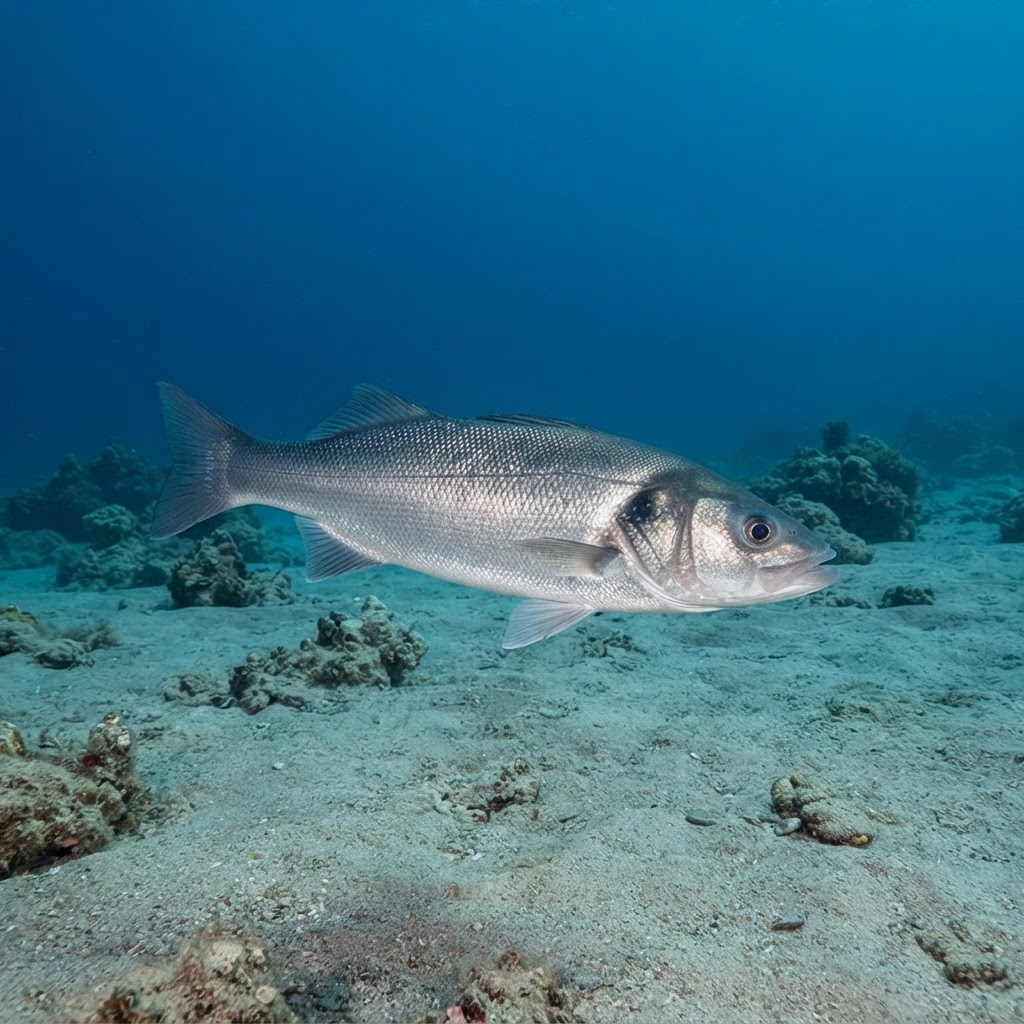
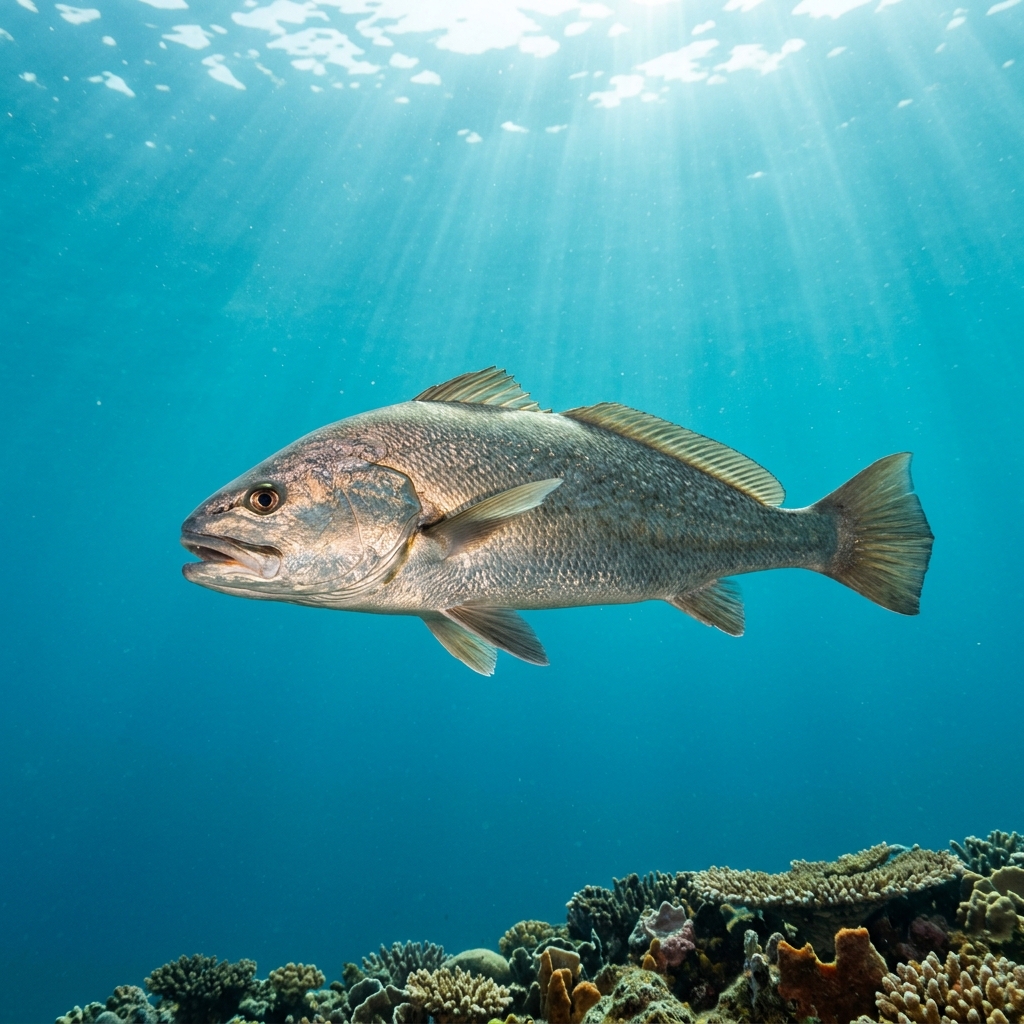
Size is the first clue: meagre routinely exceed a metre and a half in length, making them one of the largest bony fish a diver encounters on European temperate reefs. The body is elongated and silvery, shading to a brassy or bronze-gold along the flanks, with a slightly arched back and a large, slightly oblique mouth. Look for the two distinct dorsal fins and the characteristic Sciaenidae (drum and croaker family) profile: deep-chested forward, tapering cleanly to the tail.
Meagre are benthopelagic (spending time both near the seabed and in the open water column), so encounters tend to happen in mid-water or just above rocky or sandy bottoms rather than tight against the reef. They are typically slow-cruising and not particularly skittish, though their large size means a cautious approach gives you a longer look. Sightings are often solitary or in small, loose groups.
Like other members of the croaker family, meagre can produce audible sounds by vibrating their swim bladder using specialised muscles, a trait that historically led fishermen to locate them by listening at the surface during spawning aggregations.
Seasonality data is insufficient to pin down a peak period, so treat it as a year-round possibility. The observed temperature window of roughly 13 to 19 °C aligns with Mediterranean winter-to-spring conditions and cooler Atlantic waters year-round, so colder months in the Mediterranean are arguably as productive as any.
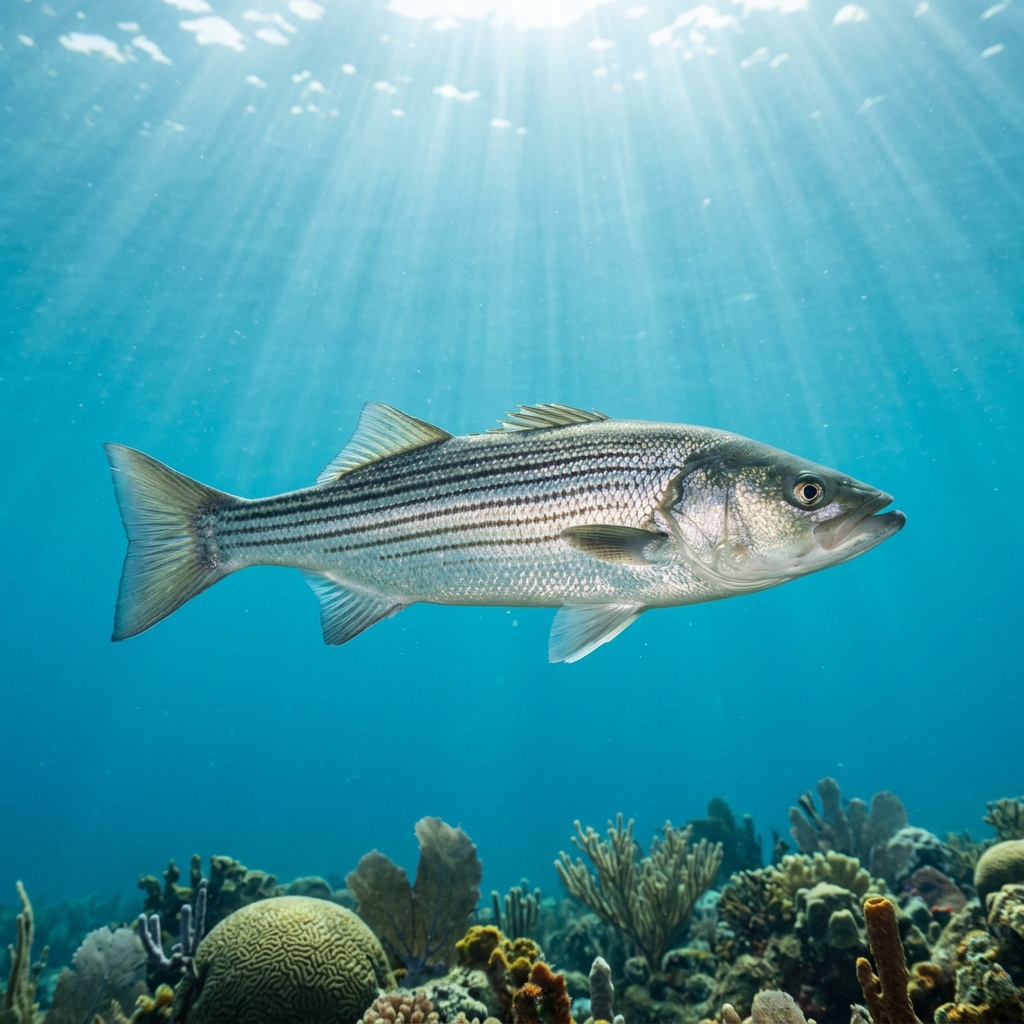
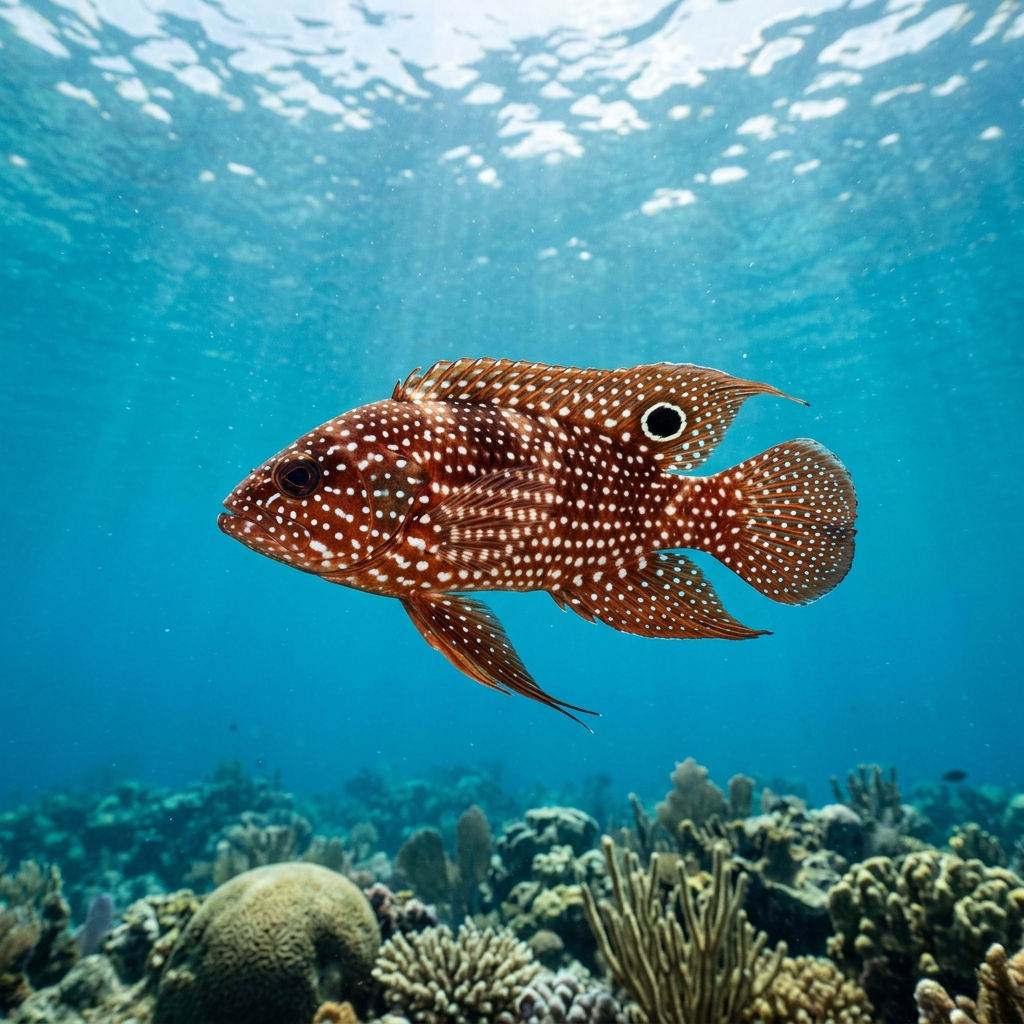
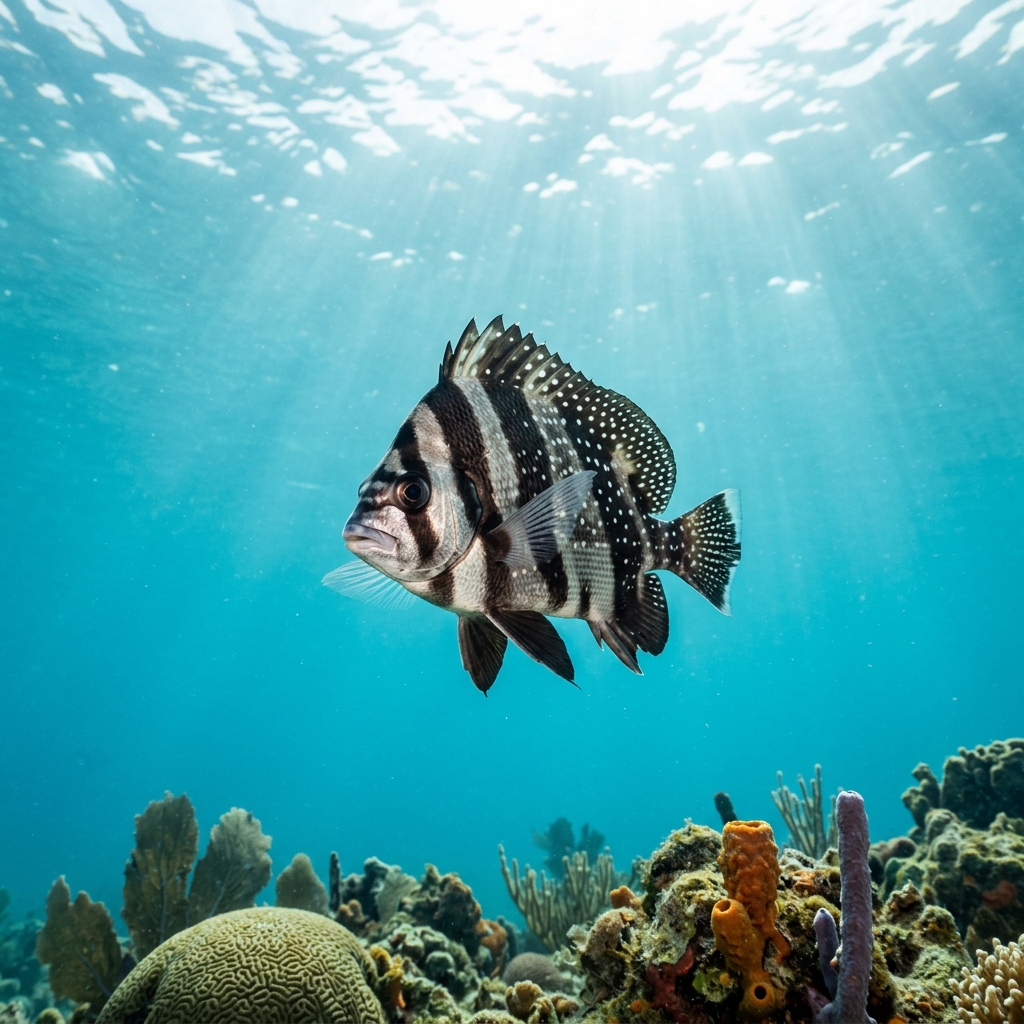
Reef neighbours a diver could mistake it for. Use the identification notes above to tell them apart.
Most records and modelled habitat cluster around the Mediterranean and the eastern Atlantic coast, with the strongest concentration across Italy (especially Sardinia and Tuscany), Greece (Attica and the Cyclades), France (Brittany, Normandy and the Atlantic Coast), Spain, and Croatia's Central Dalmatia. The Azores represent an Atlantic outpost worth checking if you're heading there. Germany also appears in the modelled range, reflecting the species' reach into cooler northern European waters.
Mapping where Meagre is logged…
Meagre are most strongly associated with the Mediterranean and eastern Atlantic. Italy (Sardinia, Tuscany, Campania), Greece (Attica, Cyclades), France (Brittany and the Atlantic Coast), Spain's Costa Blanca, and Croatia's Central Dalmatia are the top regions where habitat is suitable. The Azores also feature in the modelled range.
There isn't enough sighting data to define a single best season, so year-round is the honest answer. The species favours cool water between roughly 13 and 19 °C, which in the Mediterranean means the cooler months from autumn through spring may align well with its presence in shallower, diveable depths.
Sheer size sets meagre apart from most reef fish, adults commonly reach 1.5 metres or more. The body is silvery with a bronze or brassy sheen on the flanks, a large mouth, and a notably deep chest that tapers toward the tail. The two separate dorsal fins are a useful detail when you can get close enough to see them clearly.
Meagre are among the largest bony fish in European coastal waters, with typical adults around 1.6 metres and some individuals growing considerably larger. Their bulk is noticeable underwater and is usually the first thing divers register.
Yes, meagre are members of the croaker family (Sciaenidae) and produce low-frequency drumming sounds by rapidly contracting muscles around their swim bladder. The noise is loud enough to hear at the surface and was historically used to locate spawning groups. It's one of the few fish sounds audible to divers without equipment.
Site and sighting data is aggregated from diver logs, iNaturalist and GBIF. For taxonomy and conservation status:
Boarfish
936 sites