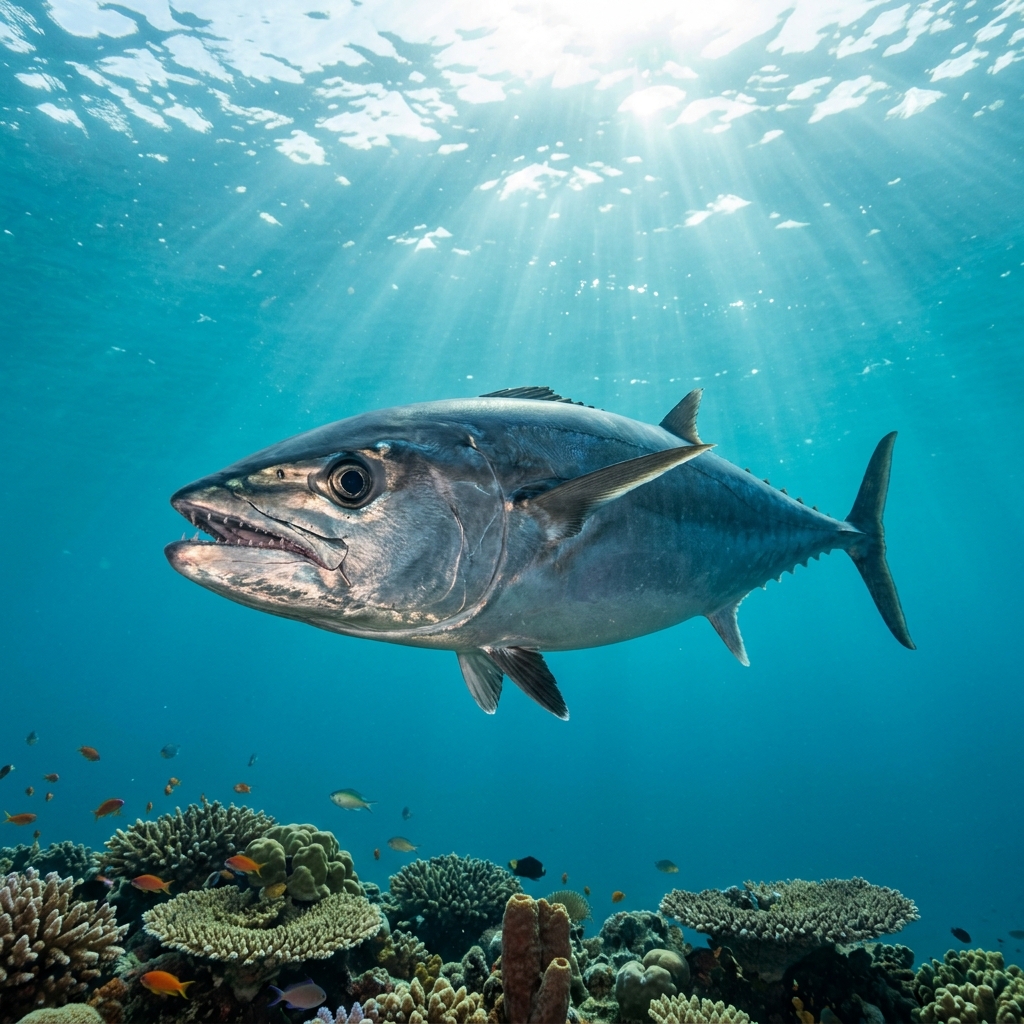
Gymnosarda unicolor
Spot dogtooth tuna in the Maldives and Philippines in waters from 21-28 °C. Learn how to identify it and when sightings peak (Aug, Dec).
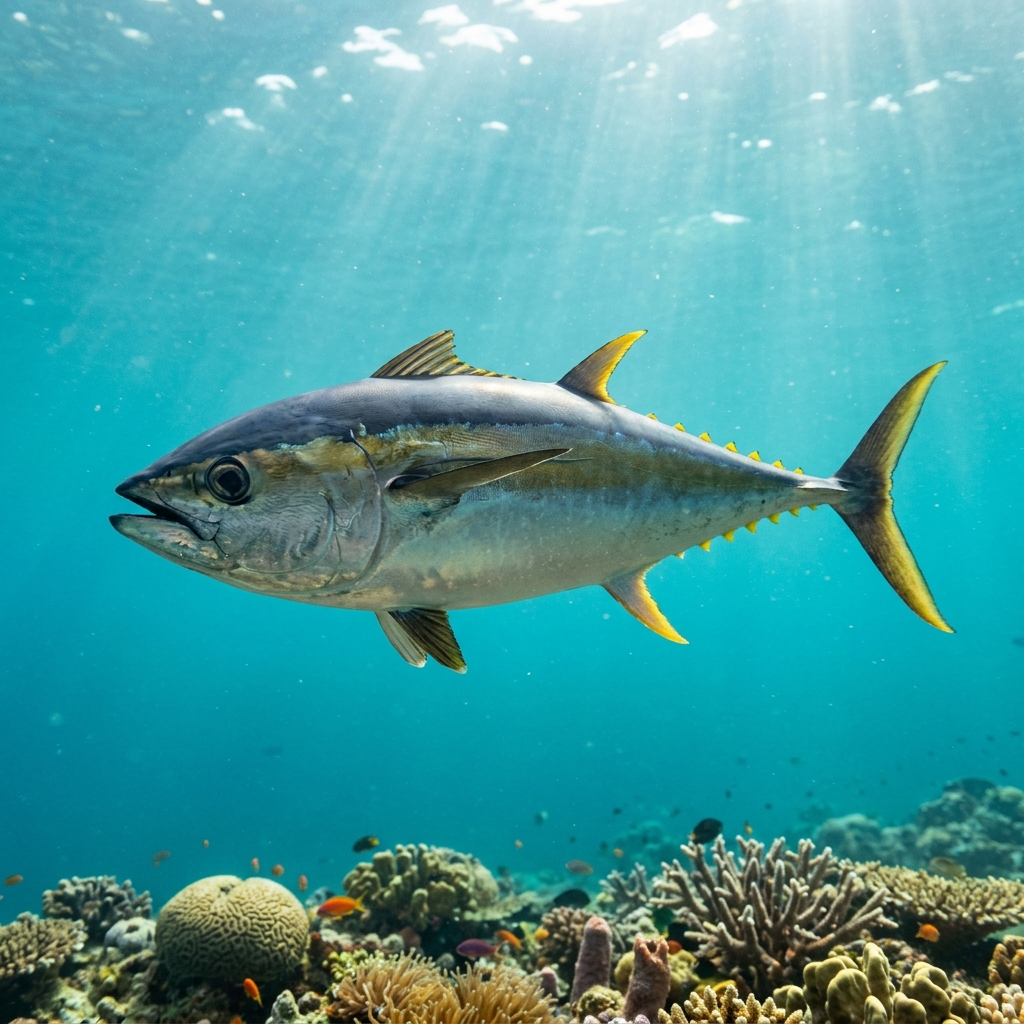
One of the largest tuna you will encounter on a reef dive, reaching close to 1.8 metres and built like a torpedo with a notably stout, deep body compared to other tunas. The body is mostly silver-white below and darker bluish-grey above, with no stripes or spots, and the fins darken towards the tips. The characteristic it is named for is hard to see in the field, but the large, conical teeth are occasionally visible when the mouth opens. When seen cruising a reef drop-off at speed, the sheer size and plain, unmarked flanks set it apart.
Dogtooth tuna are most often encountered as lone individuals or small groups cruising fast along reef walls and drop-offs, typically in open water just off the reef edge rather than over the reef flat. They are not particularly wary but move quickly and rarely linger, so sightings tend to be brief, opportunistic passes rather than extended encounters. Dive sites with strong currents (where prey fish concentrate) give the best chance of a close approach.
Despite being reef-associated, dogtooth tuna range from the surface all the way down to 250 metres, and larger individuals are more commonly encountered on deep outer-reef walls than in shallower zones.
Northern Hemisphere sightings concentrate between August and December, so that window is the best bet at sites in the Maldives, Philippines, and Japan. Southern Hemisphere and equatorial sites near the equator see it year-round in line with its preference for warm tropical water between roughly 21 and 28 °C.
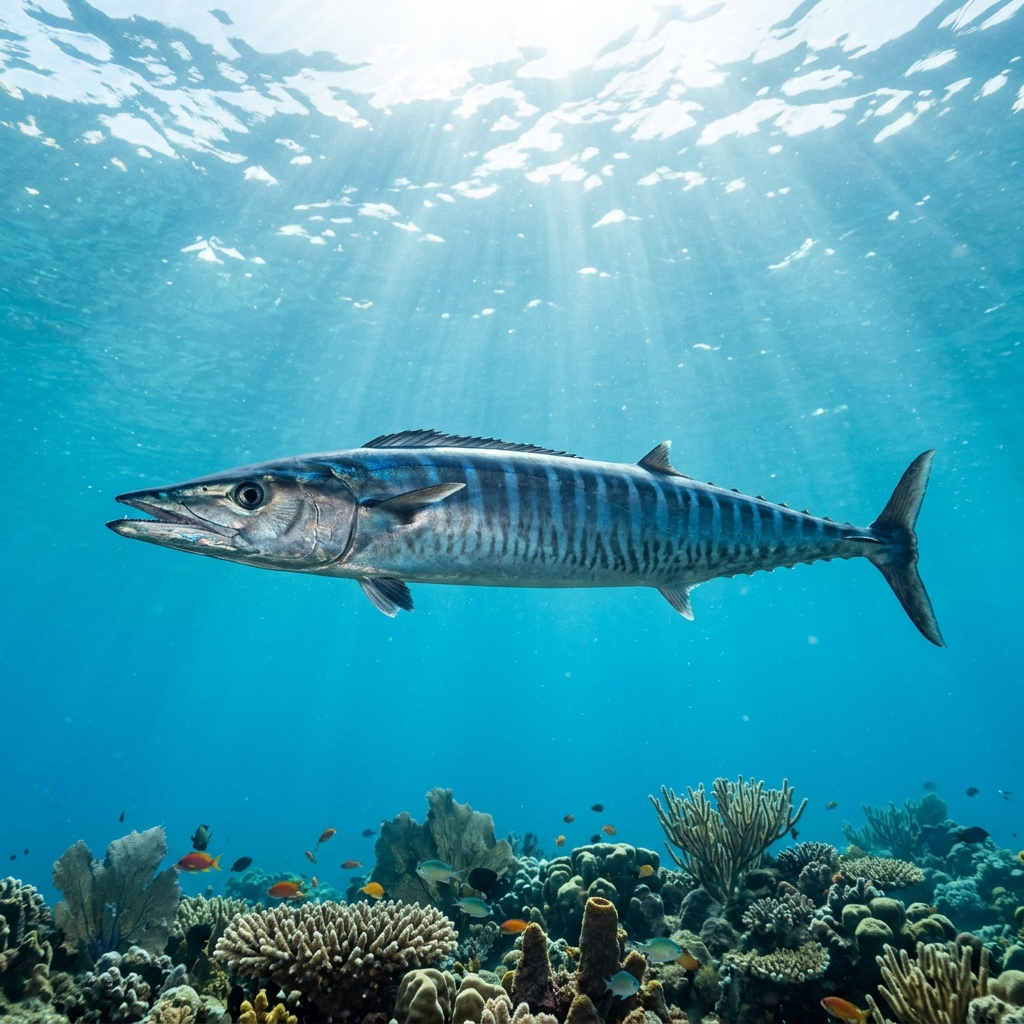
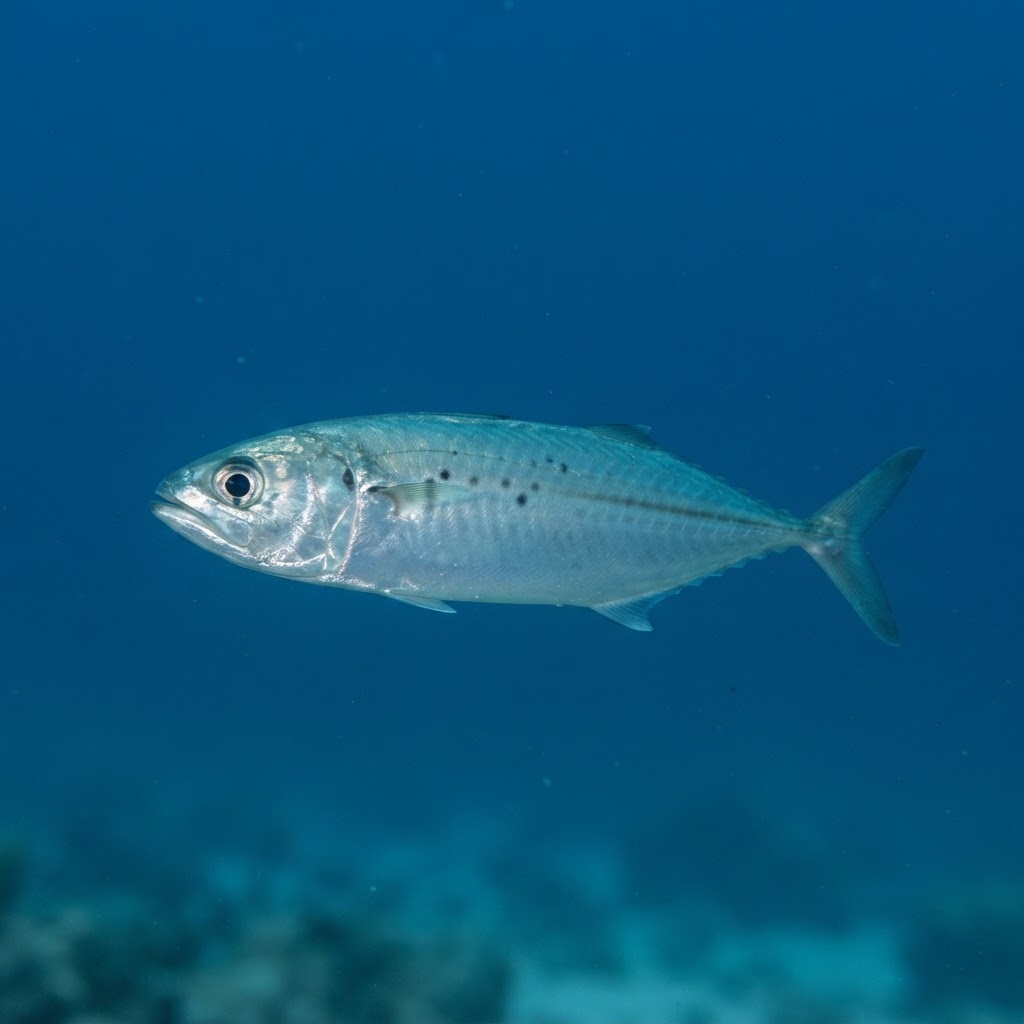
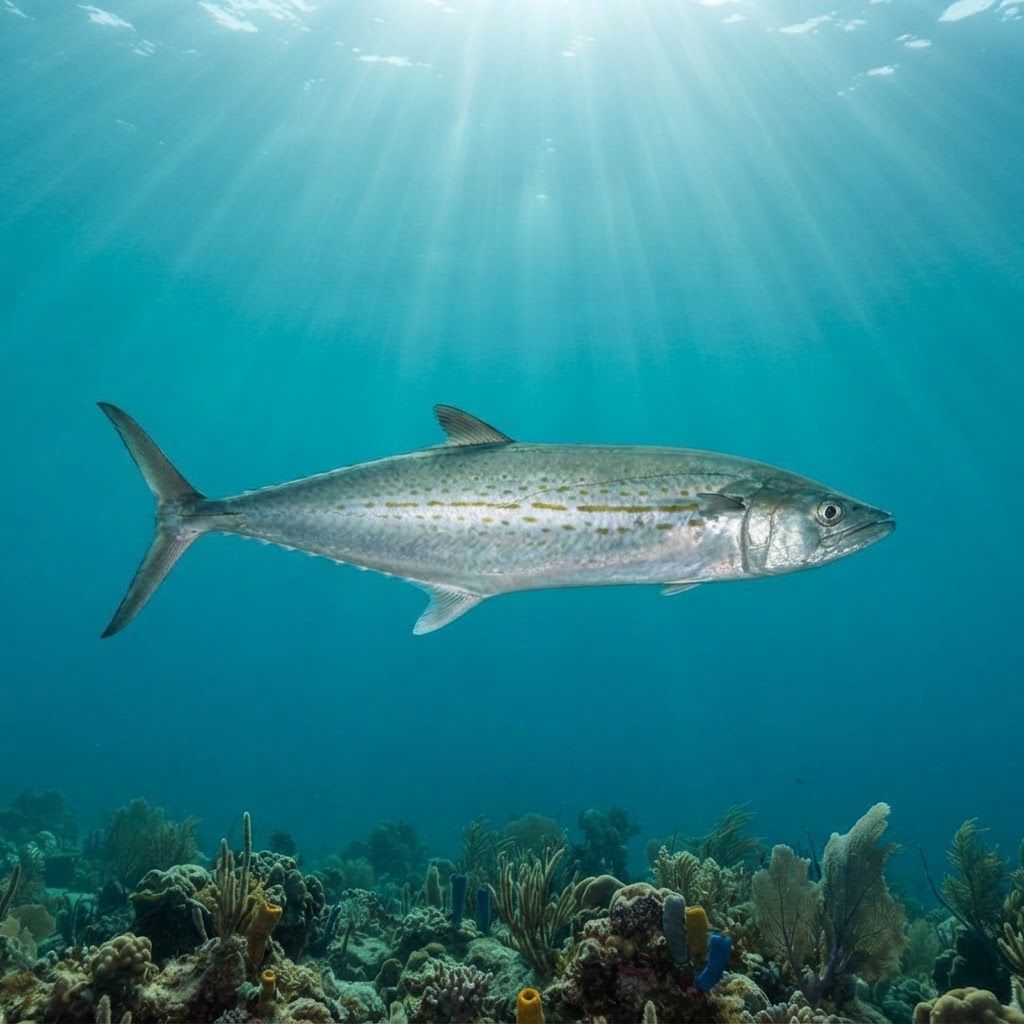
Reef neighbours a diver could mistake it for. Use the identification notes above to tell them apart.
Most commonly logged in the Maldives, where Male and Ari Atolls and Felidhoo and Mulaku account for the strongest sighting records. The Philippines (particularly Palawan and Apo Reef) and Australia (Queensland) are also reliable, with solid records from Indonesia's Nusa Tenggara and Banda Sea, Sipadan in East Sabah, and Palau's Ngemelis Islands.
Mapping where Dogtooth Tuna is logged…
The Maldives, particularly Male and Ari Atolls, leads for logged sightings. Strong populations also appear in the Philippines (Palawan and Apo Reef), Queensland in Australia, Indonesia's Banda Sea, Sipadan in Malaysia, and Palau's Ngemelis Islands.
At Northern Hemisphere sites the peak window runs from August through December based on logged sightings. In equatorial and Southern Hemisphere locations, the species' tolerance for warm water (21-28 °C) means encounters are possible year-round.
They are among the largest reef-associated tuna, reaching close to 1.8 metres in length. In the water they look noticeably heavier and deeper-bodied than most other tunas you encounter on a reef dive.
Look for a very large, plain silver-white tuna with a deep, stout body and no stripes or spots. The fins darken at the tips and the overall size, often well over a metre, separates it from most other tuna seen on reef dives. It almost always appears near a wall or drop-off rather than over shallow reef.
Sightings are typically logged as uncommon; they are a species you hope for rather than one you count on. Dive sites with pronounced walls and strong currents in the Maldives and Philippines offer the best odds, but even there encounters tend to be brief, fast passes rather than sustained sightings.
Site and sighting data is aggregated from diver logs, iNaturalist and GBIF. For taxonomy and conservation status:
Indian Mackerel
219 sites