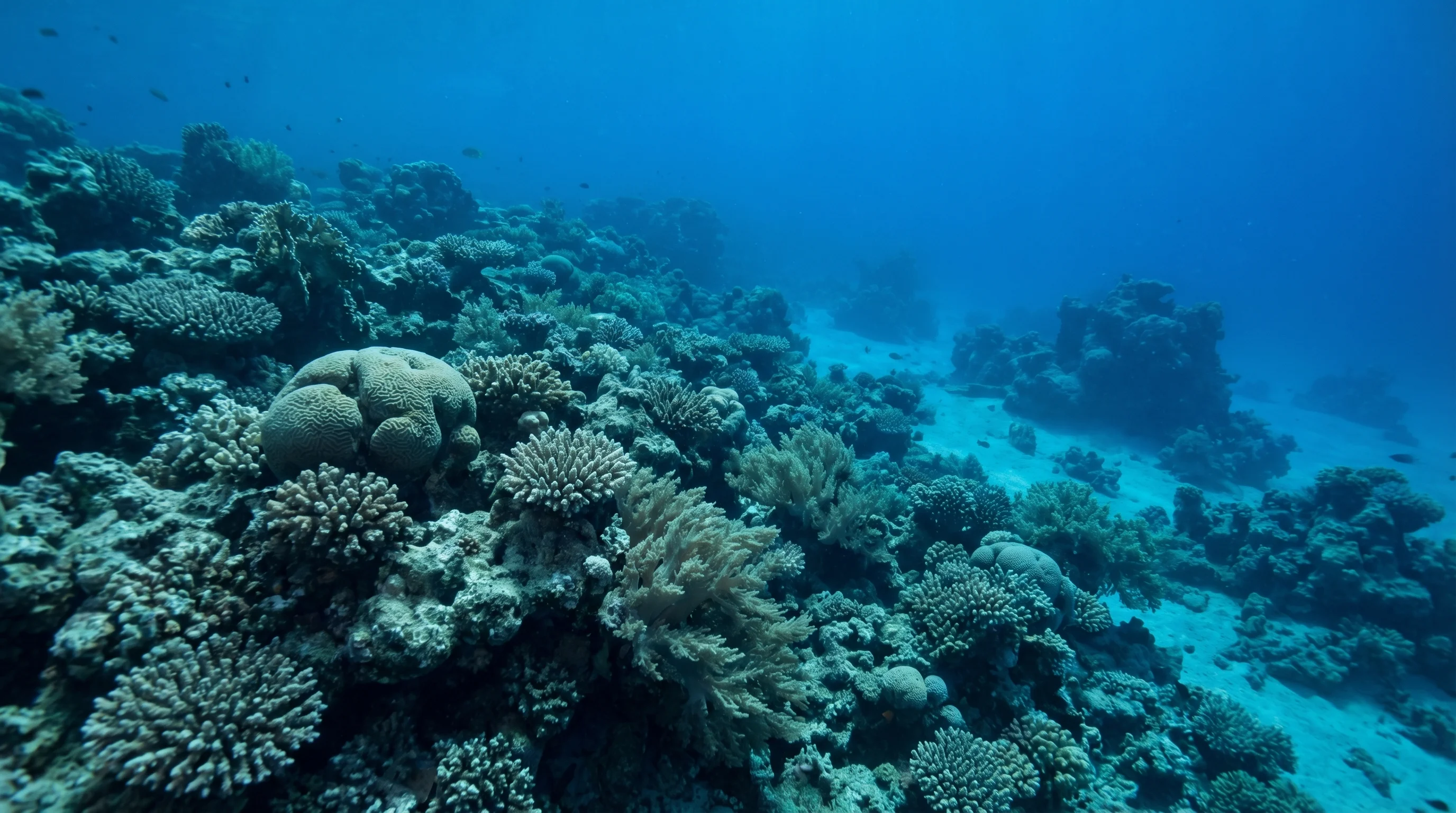
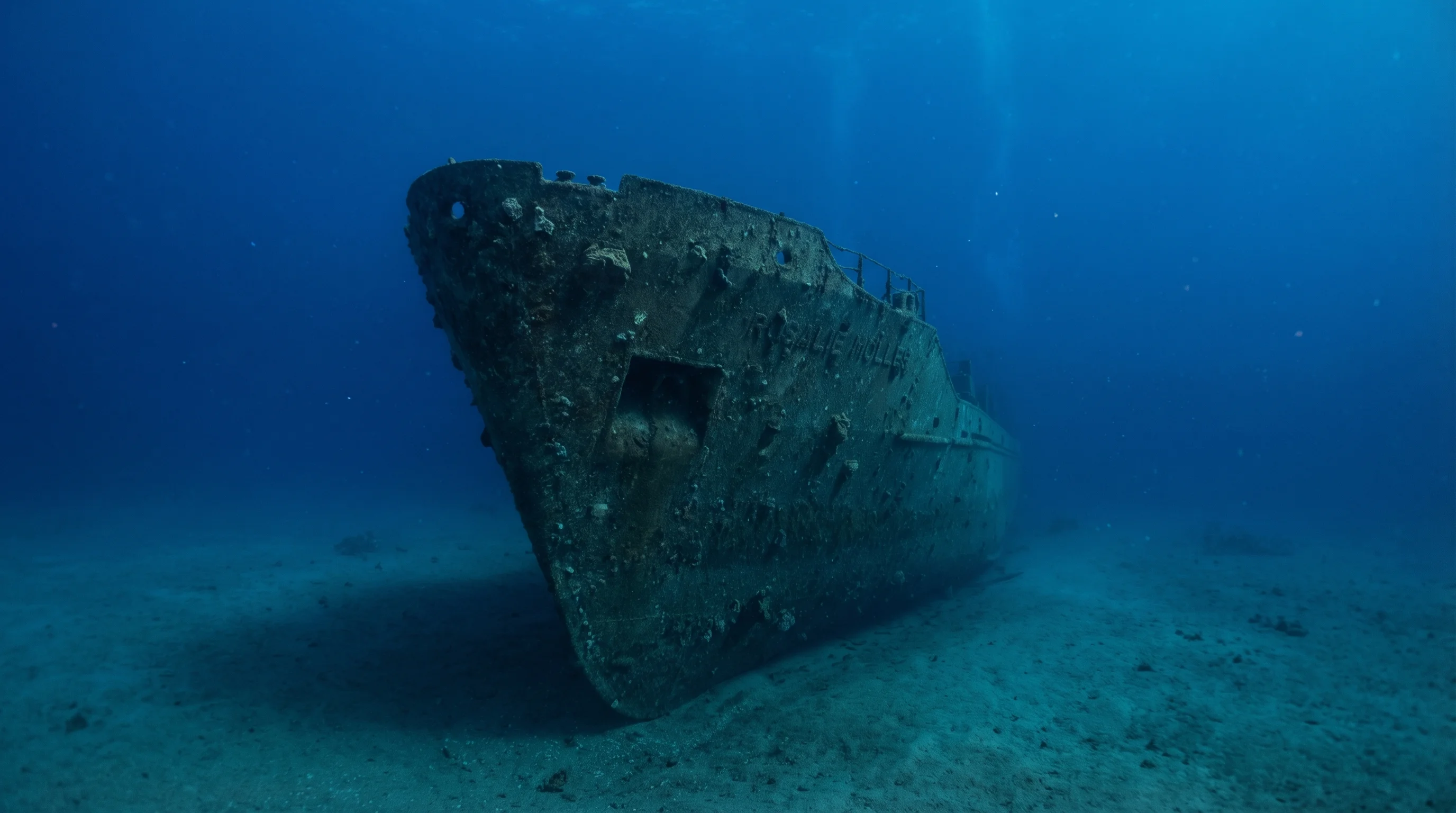
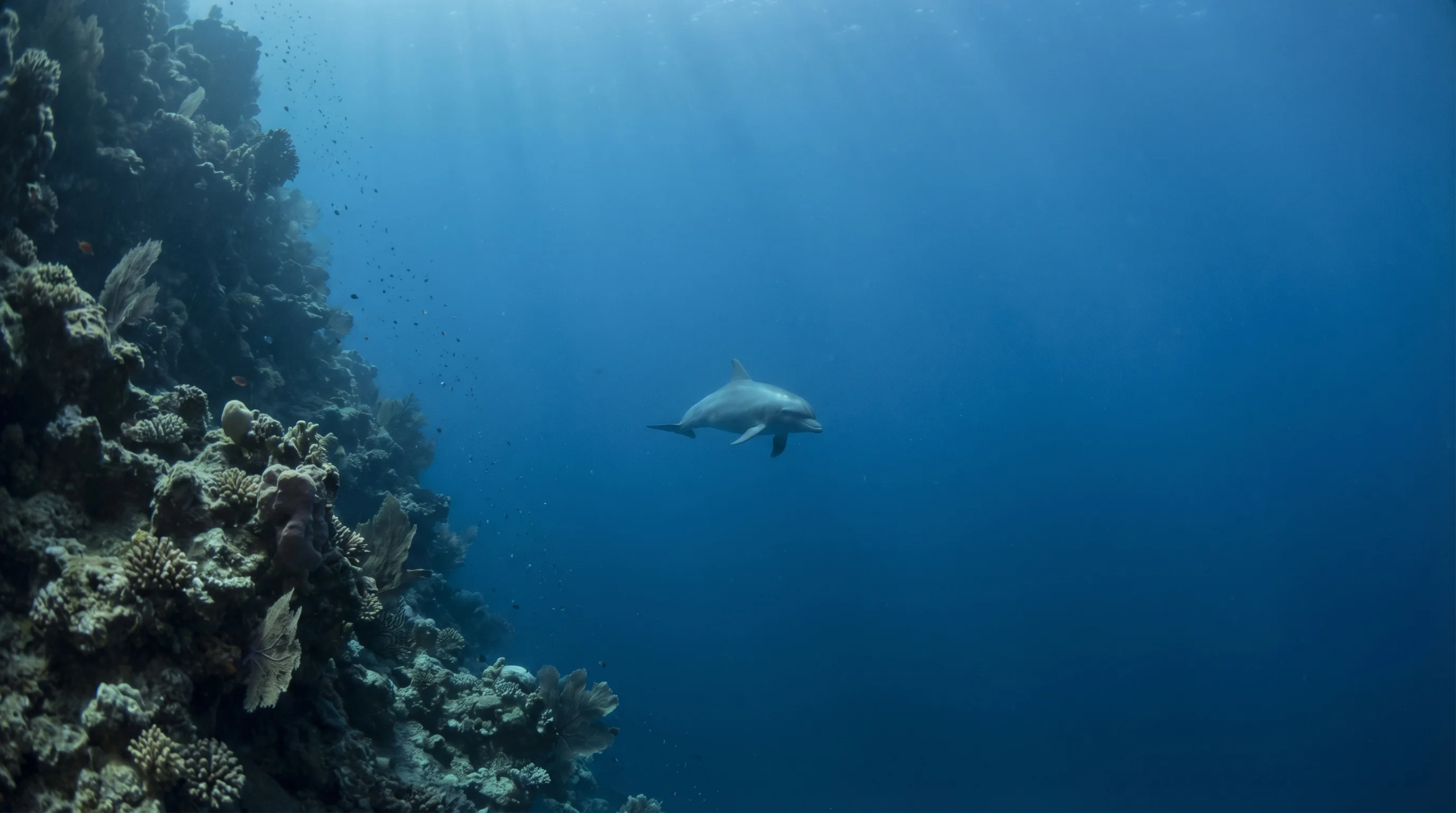
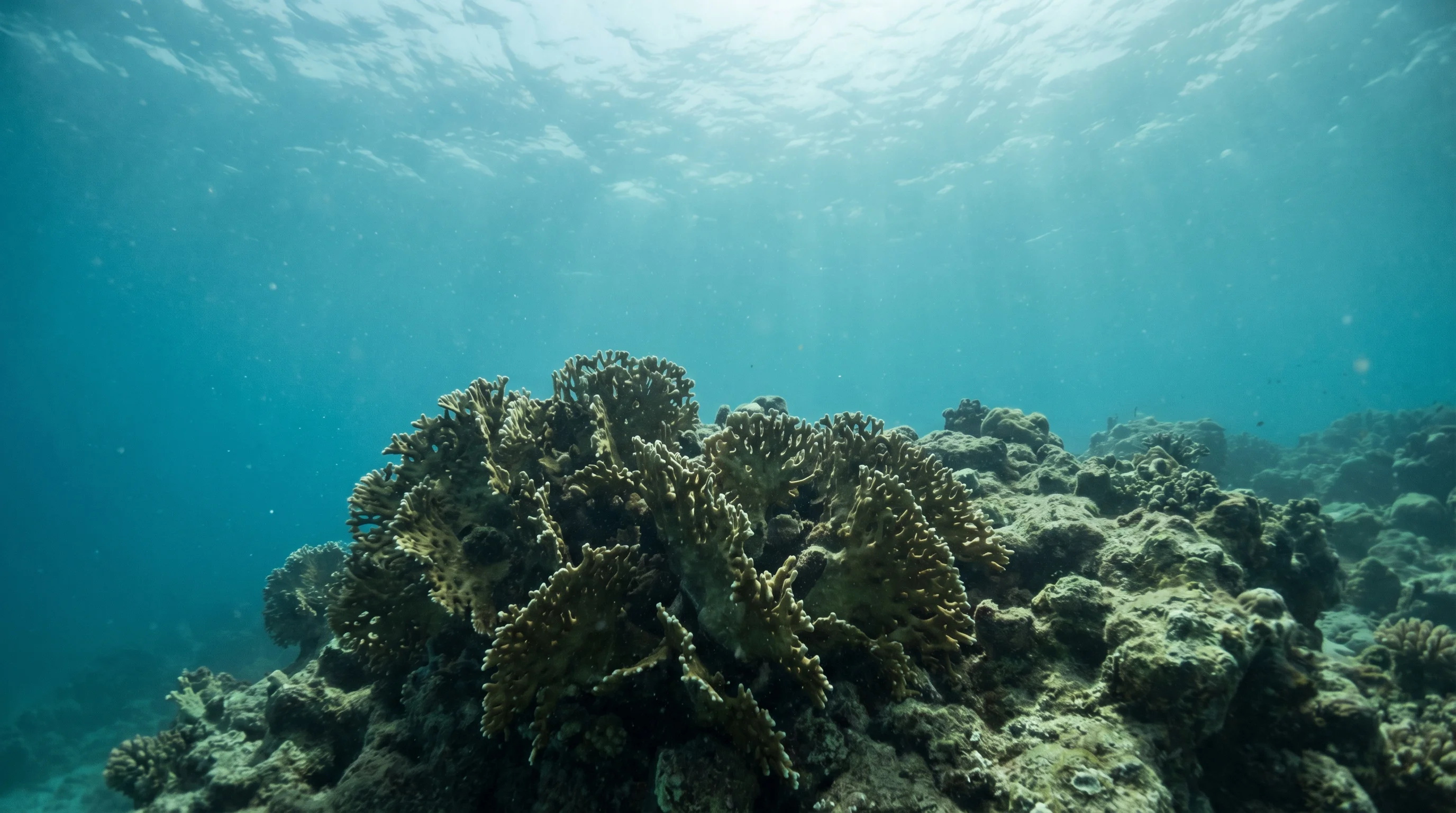
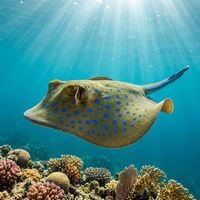
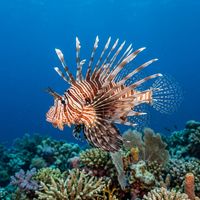
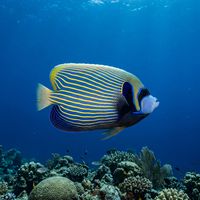
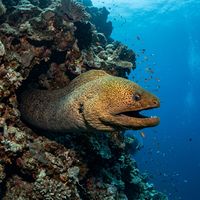
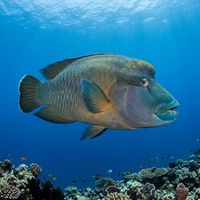
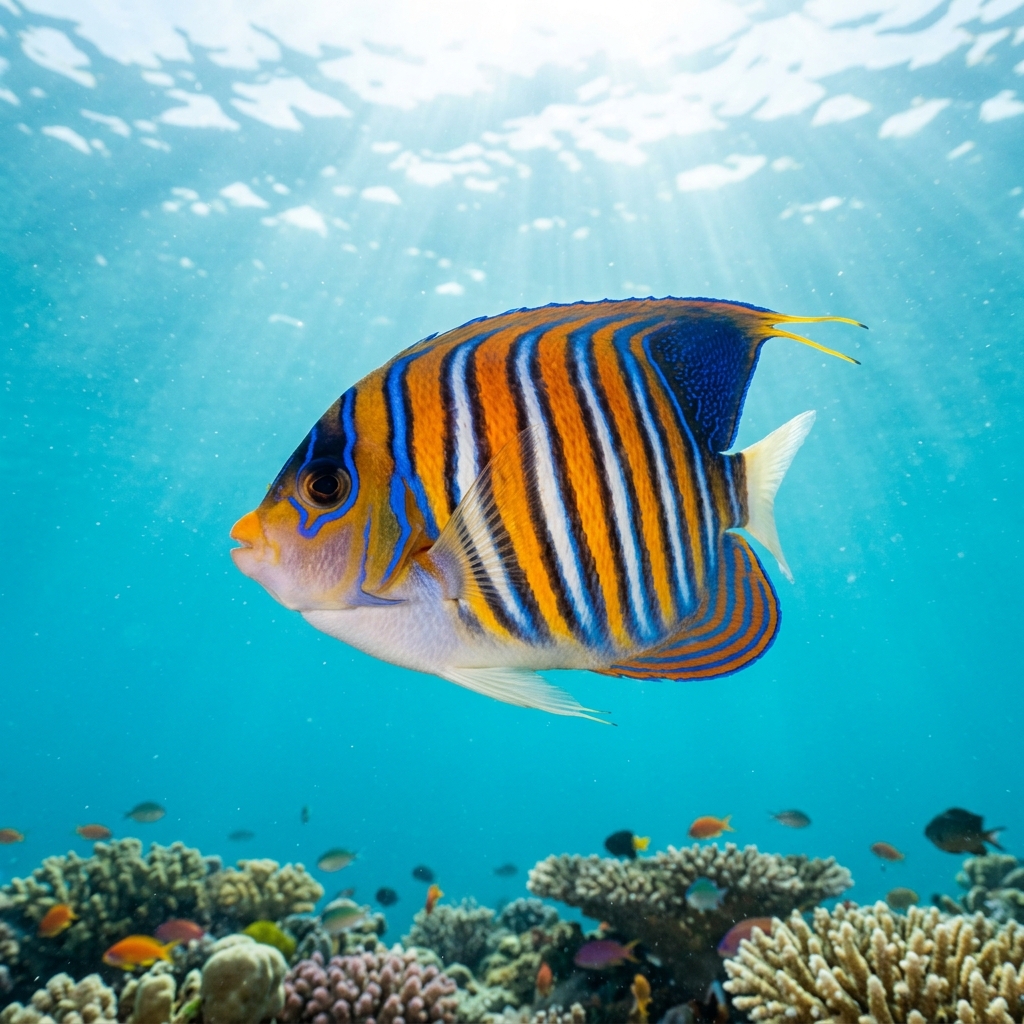
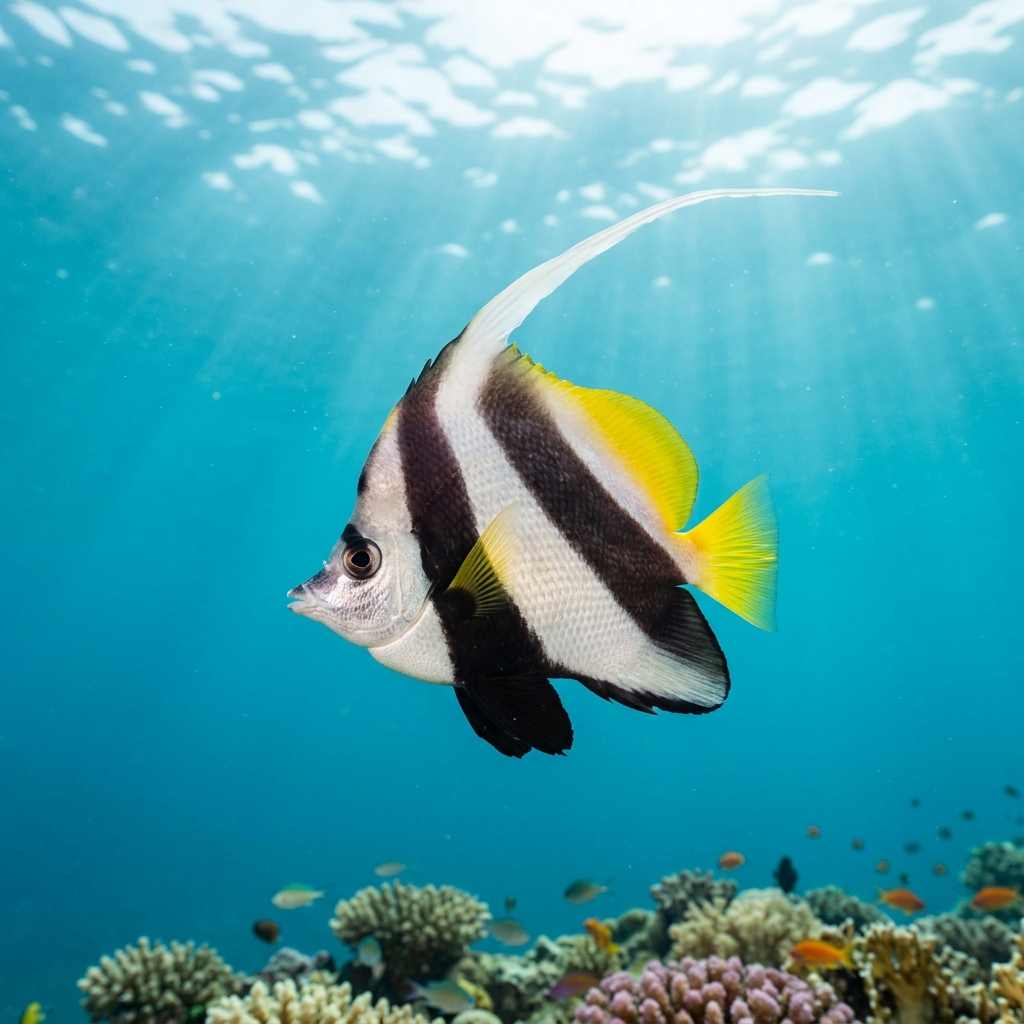
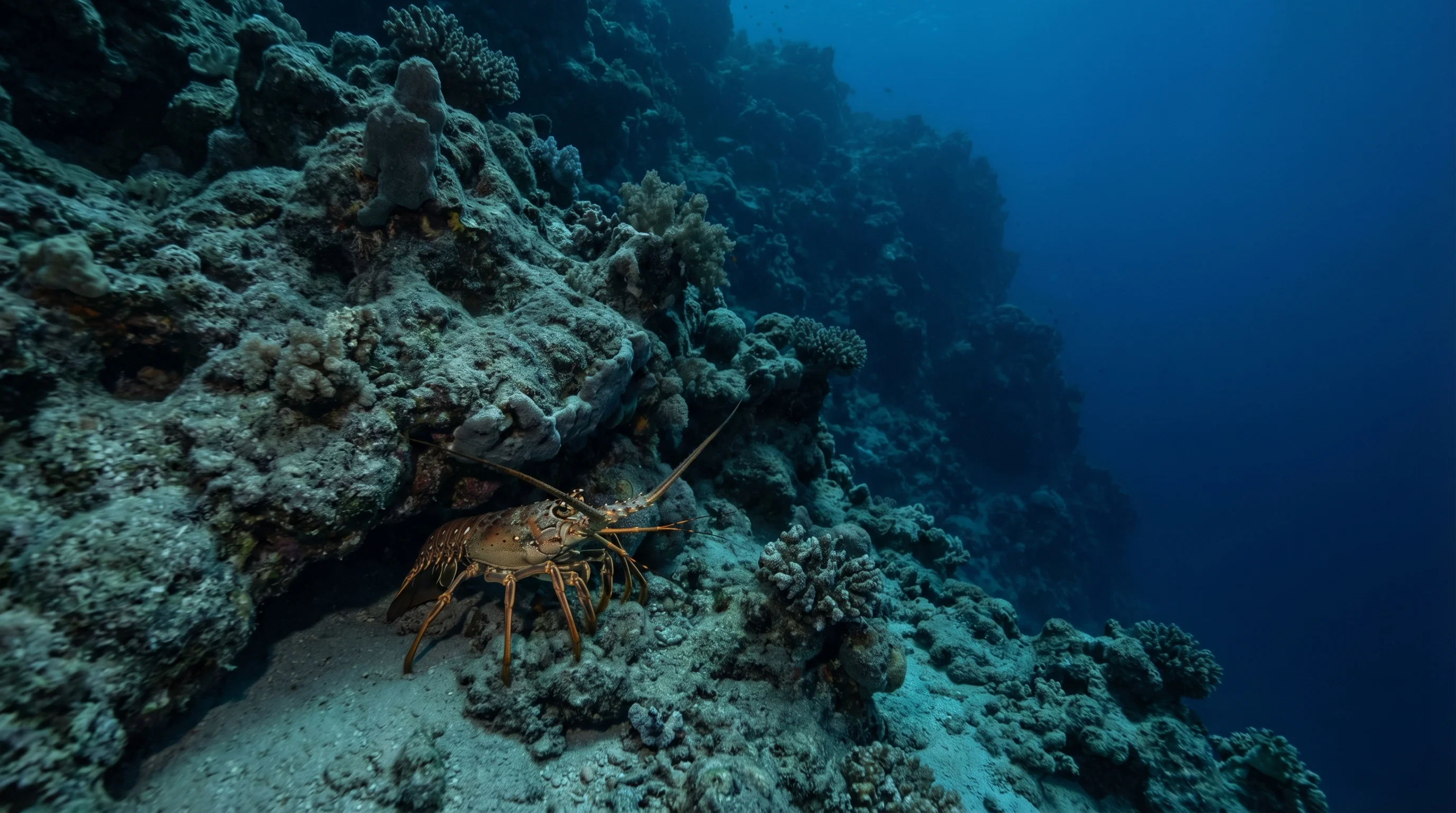
Sharm el-Sheikh divides into three distinct sub-areas: the exposed headlands and walls of Ras Mohammed, the accessible shore sites of Naama Bay and Tower, and the current-driven reefs of the Strait of Tiran. Site types range from shallow seagrass beds and artificial reefs to deep walls, pinnacles and wrecks. The Bluespotted Fantail Ray, Indian Lionfish and Red Sea Bannerfish are observed across the vast majority of sites, while Napoleon Wrasse, Emperor Angelfish and Giant Moray are consistent signature encounters. Most sites suit beginners, with boat-only drift dives adding challenge for intermediate divers.
3 areas
Monthly water temperature across Sharm el-Sheikh's sites, from satellite sea-surface data corrected for depth. The band shows the site-to-site spread.
Water stays warm throughout the year, cooling only slightly in late winter before climbing to its warmest from late summer into autumn. The histogram of diver activity points clearly to spring and autumn as the most popular windows, when conditions balance comfortable warmth with settled seas. Summer remains busy and warm, while January, February and December see notably fewer divers, suiting those who prefer quieter reefs.
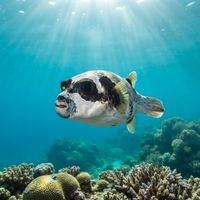
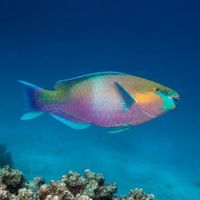
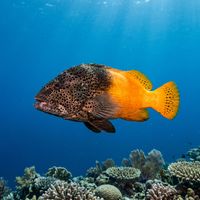
232 operators

Makadi Bay, Egypt
203 more sites to explore
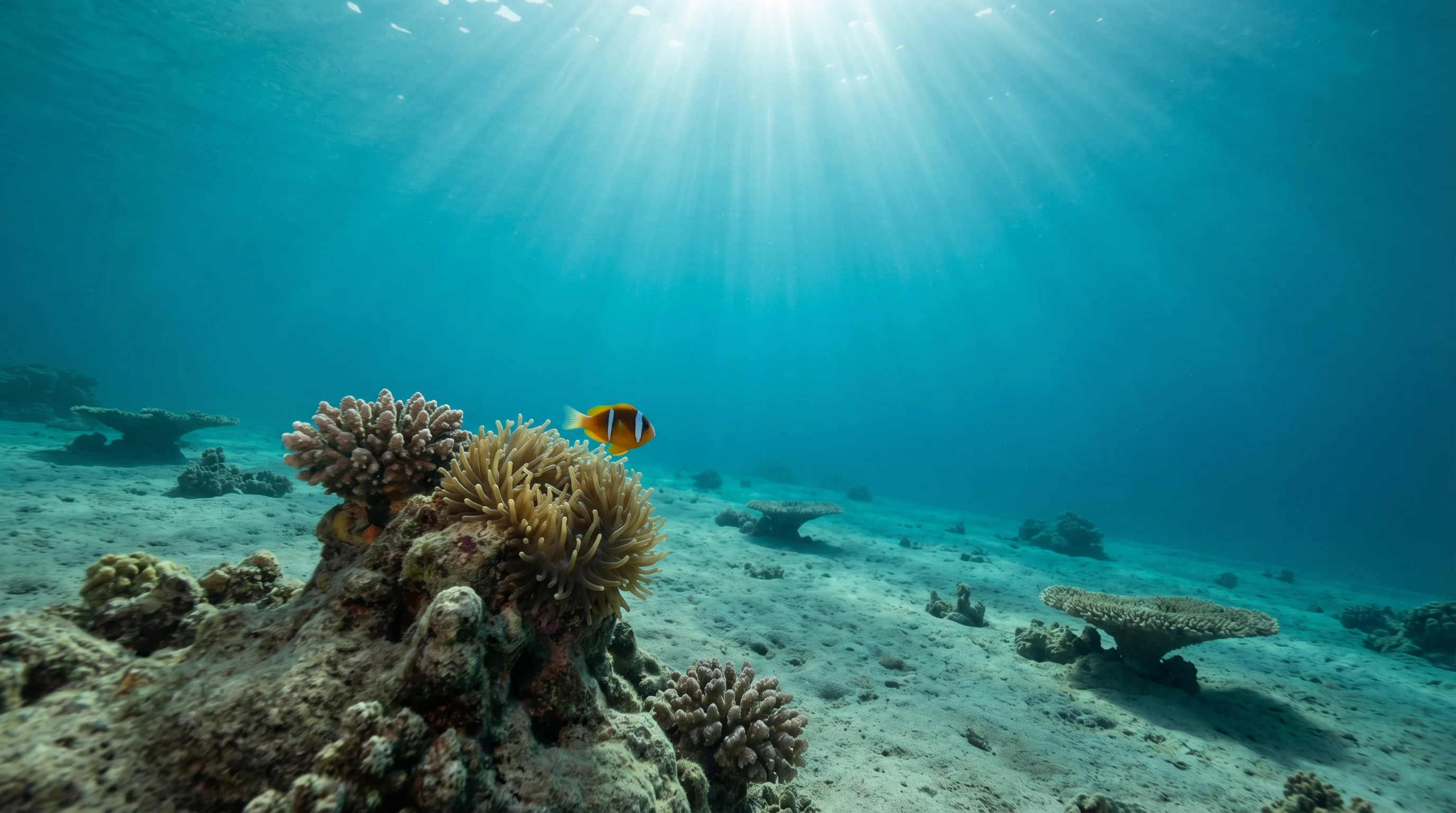
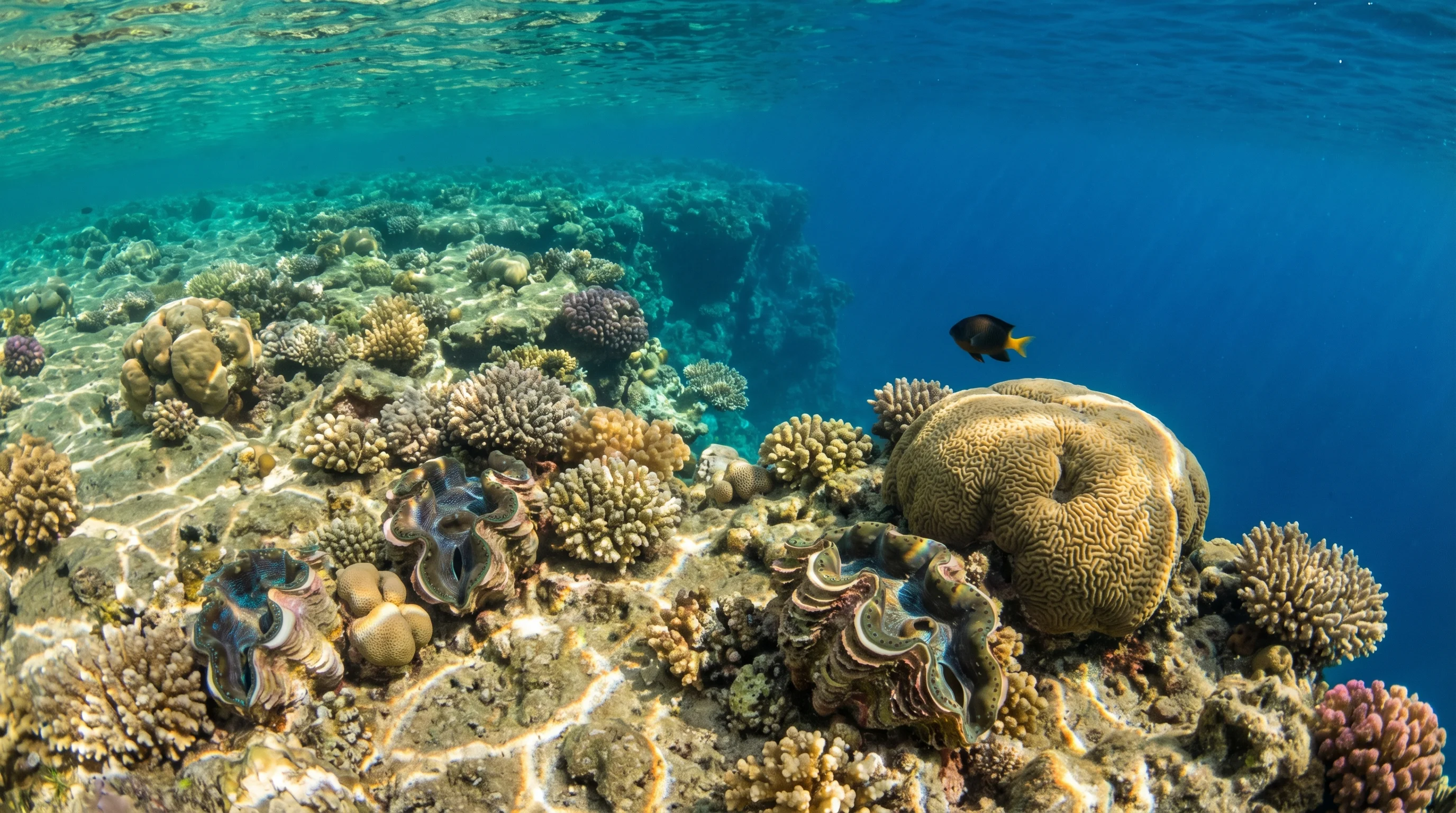
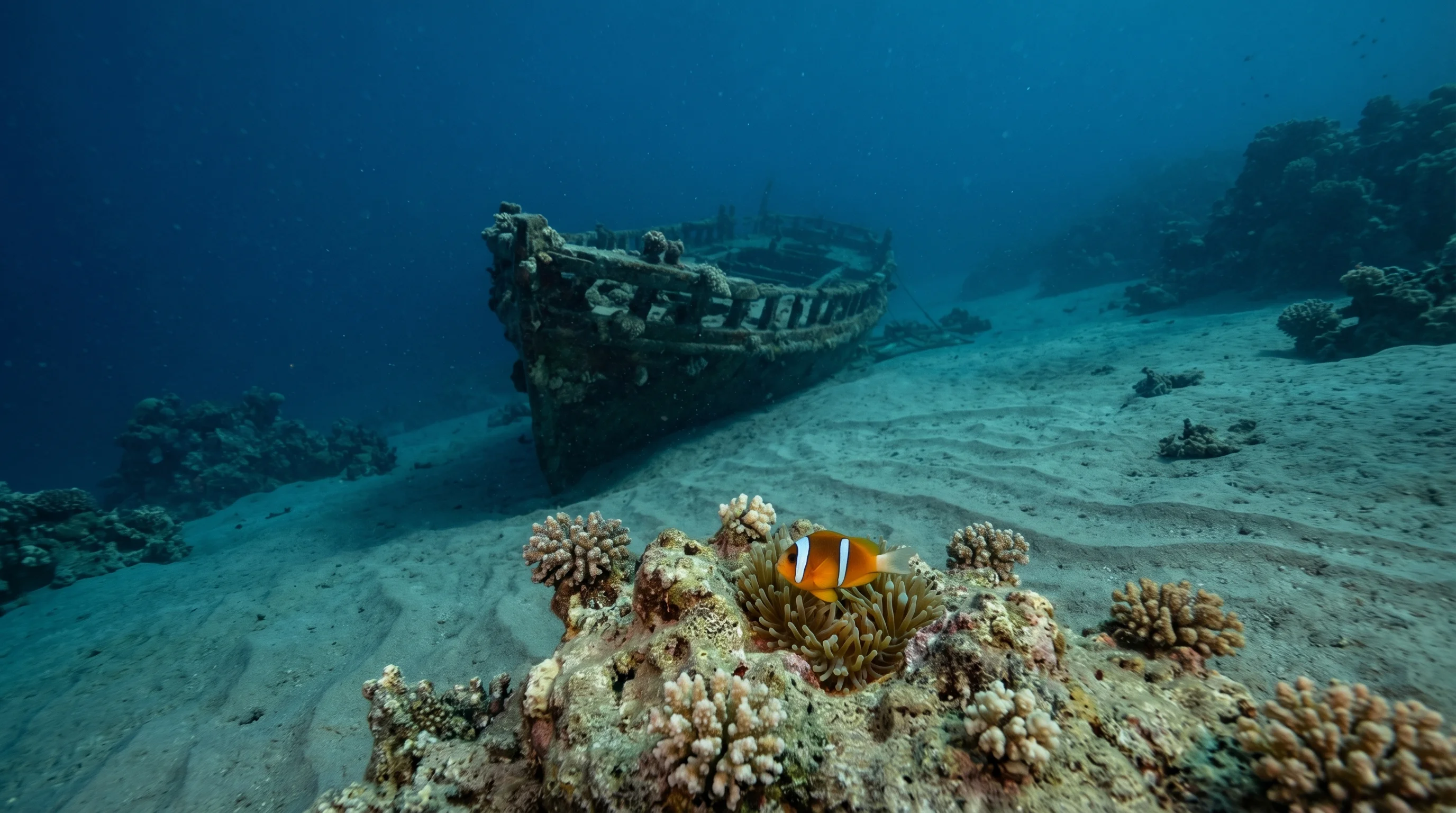
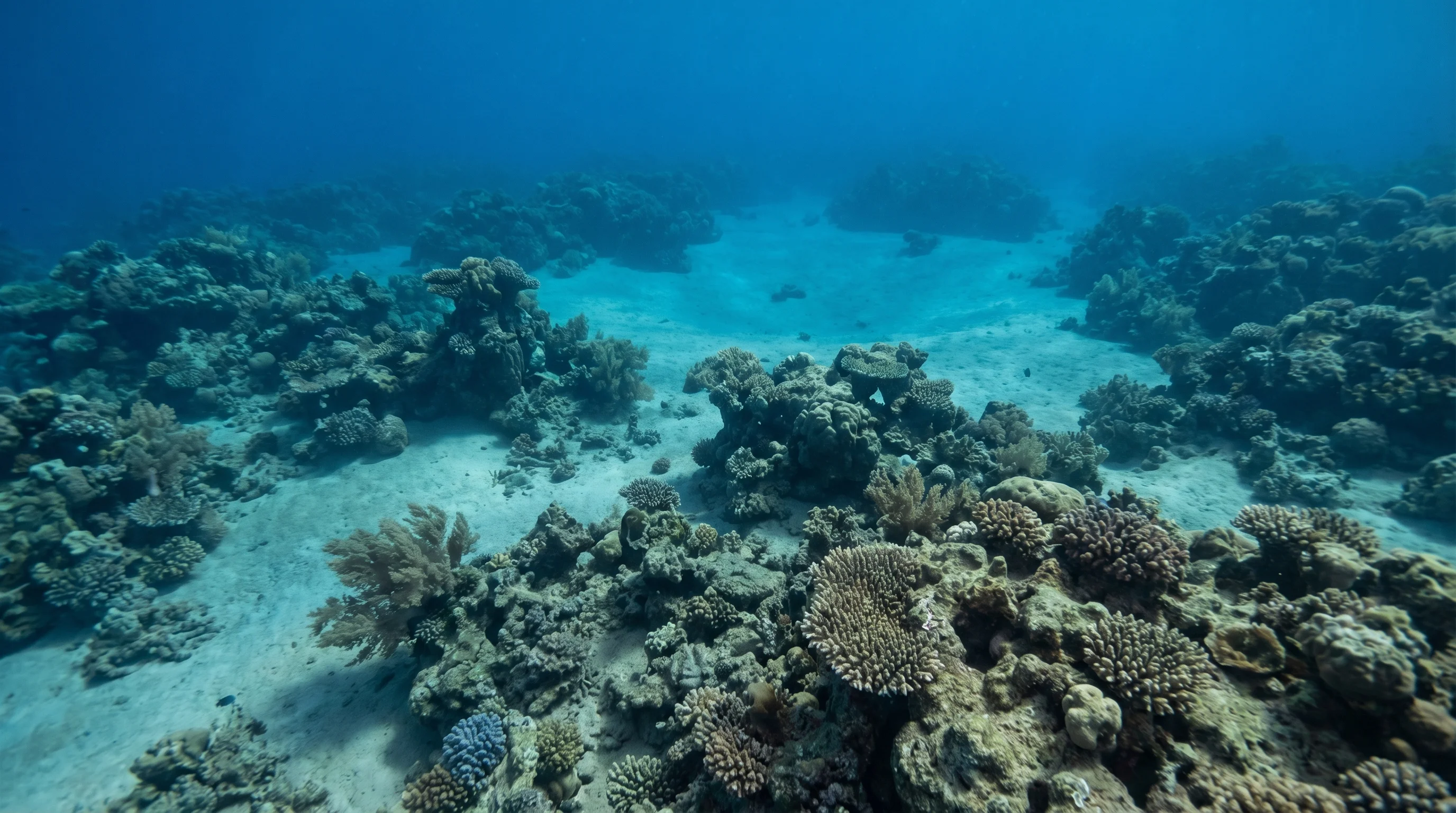
Walls, drift dives, wrecks and reef caves alongside consistently rich marine life including Giant Moray, Bluespotted Fantail Ray and Napoleon Wrasse.
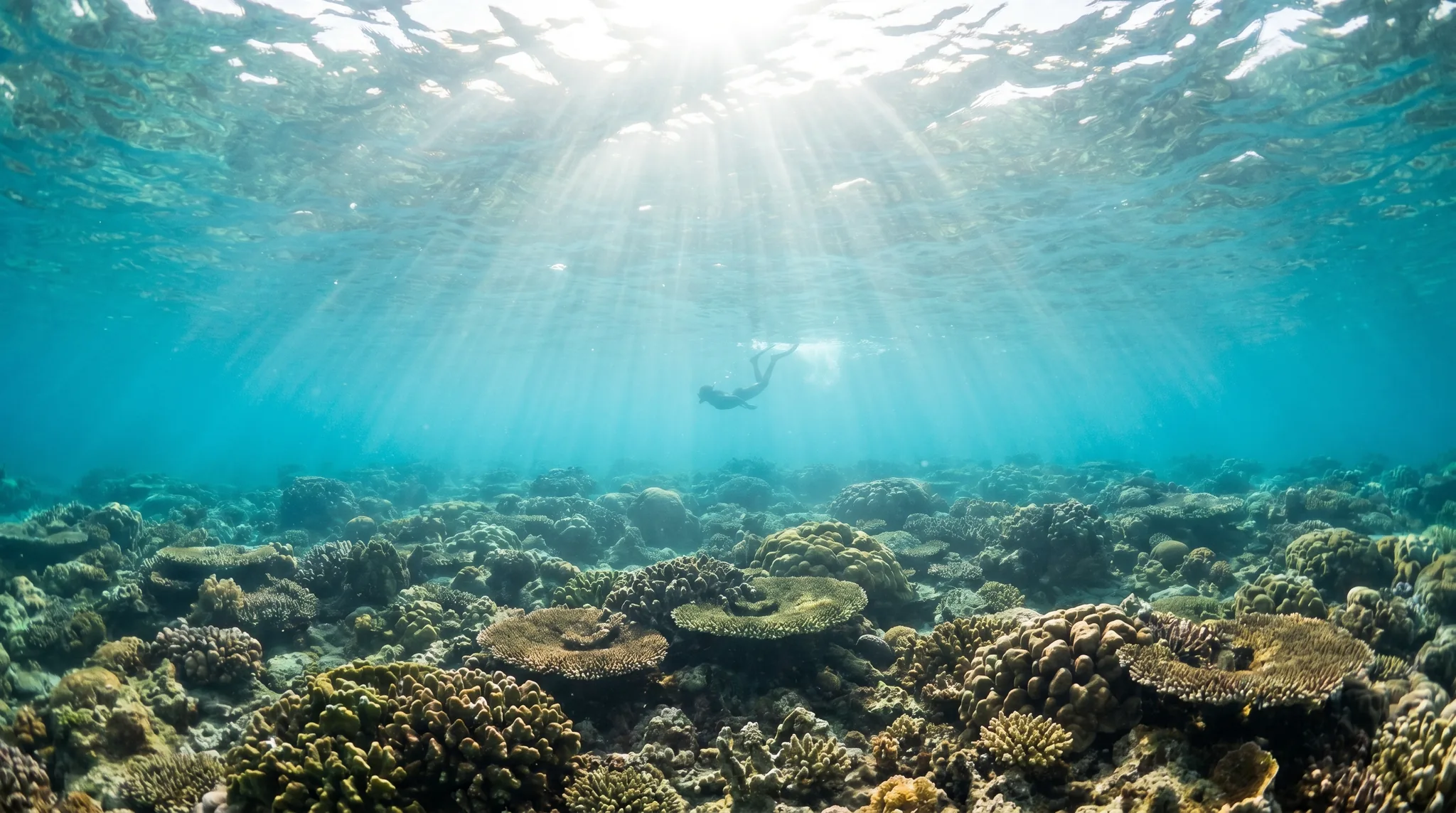
Water temperature around Sharm el-Sheikh ranges from about 22°C in March to 28°C in August, based on satellite sea-temperature data for its dive sites.
In the warm season (about 28°C) a rash guard or 3mm shorty is comfortable in Sharm el-Sheikh; in the coldest months (about 22°C) step up to a 3mm full suit.
Fin maps 215 sites in Sharm el-Sheikh (212 scuba diving sites and 42 snorkelling spots, with some suited to both), organised into 3 areas.
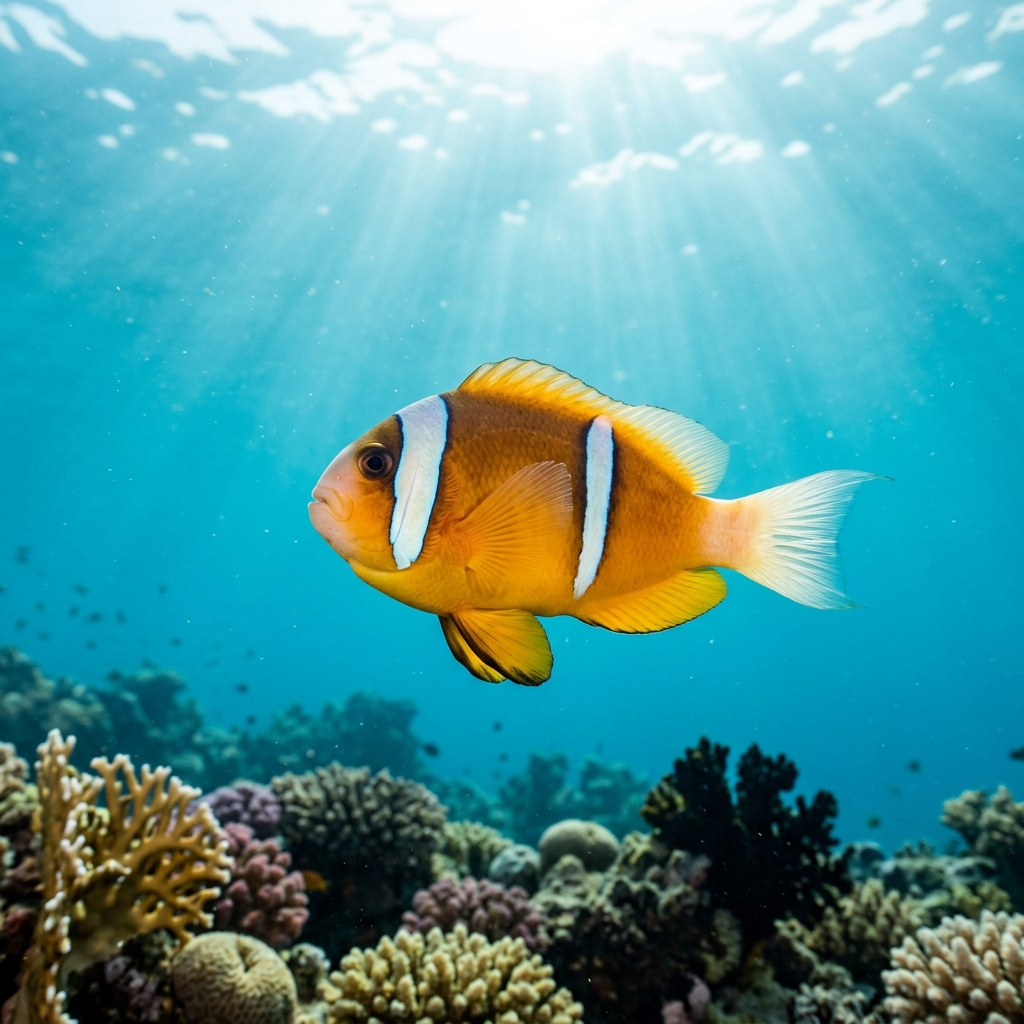
Observations across sites consistently record Bluespotted Fantail Ray, Indian Lionfish, Red Sea Bannerfish and Wrasses as very common encounters. Signature species include the Napoleon Wrasse, Emperor Angelfish, Regal Angelfish and Giant Moray. Chromodoris Nudibranch, Pacific Bullethead Parrotfish and Desjardin's Sailfin Tang round out a diverse reef community.
The majority of sites across all three sub-areas are graded for beginners, including many with direct shore entry such as Four Seasons, Kanabesh, The Temple and Garden Bay. Intermediate divers are catered for by boat-only drift sites such as The Alternatives, Ras Burg and Pinky Wall. The range of site types means divers at all levels will find suitable options.
Ras Mohammed holds the largest concentration of sites and includes boat-only locations such as Manta Point and Shag Rock, with reef, pinnacle and wreck terrain. Naama Bay and Tower offers a mix of accessible shore dives and the dramatic wall at Tower, suiting those staying close to the main strip. The Strait of Tiran is the smallest sub-area and is associated with current-exposed reef diving, better suited to those comfortable with drift conditions.
Many sites along the Sharm el-Sheikh coast are shore-accessible, including Four Seasons, Kanabesh, Faraana Reef, The Temple, Jolie Ville and Domina Coral Bay. Some sites such as Tower and Garden Bay offer both shore and boat entry. Boat-only sites are concentrated in Ras Mohammed and the Strait of Tiran, where operators such as Red Sea Tribe, H2O Divers and Eagle Divers run regular trips.