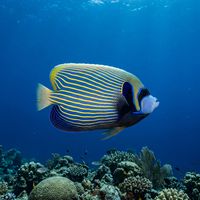
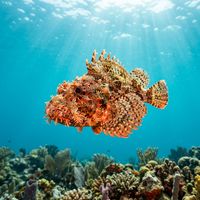
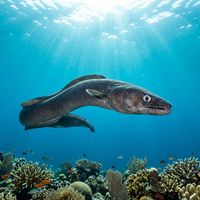
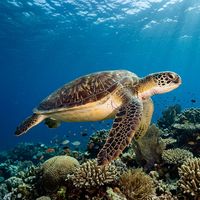
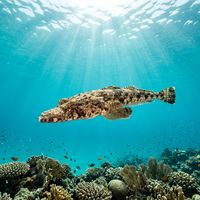
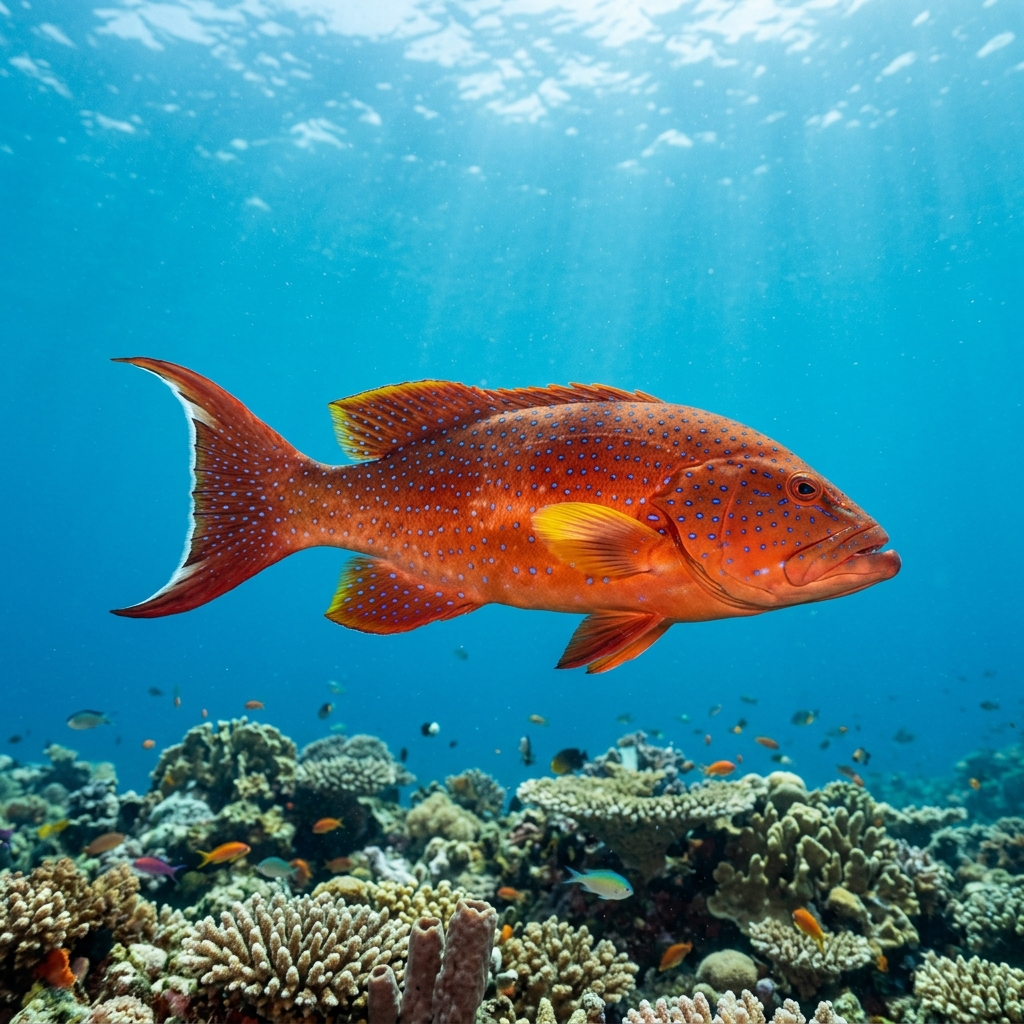
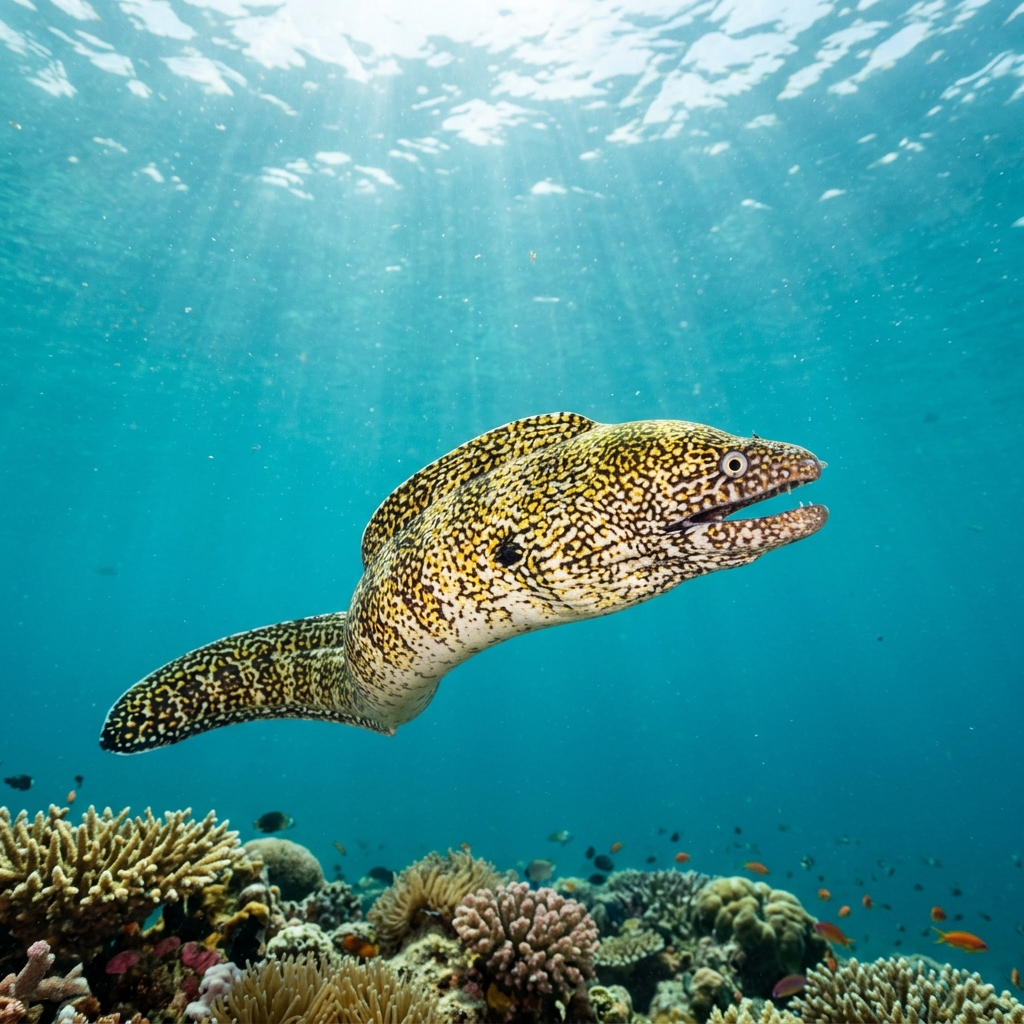
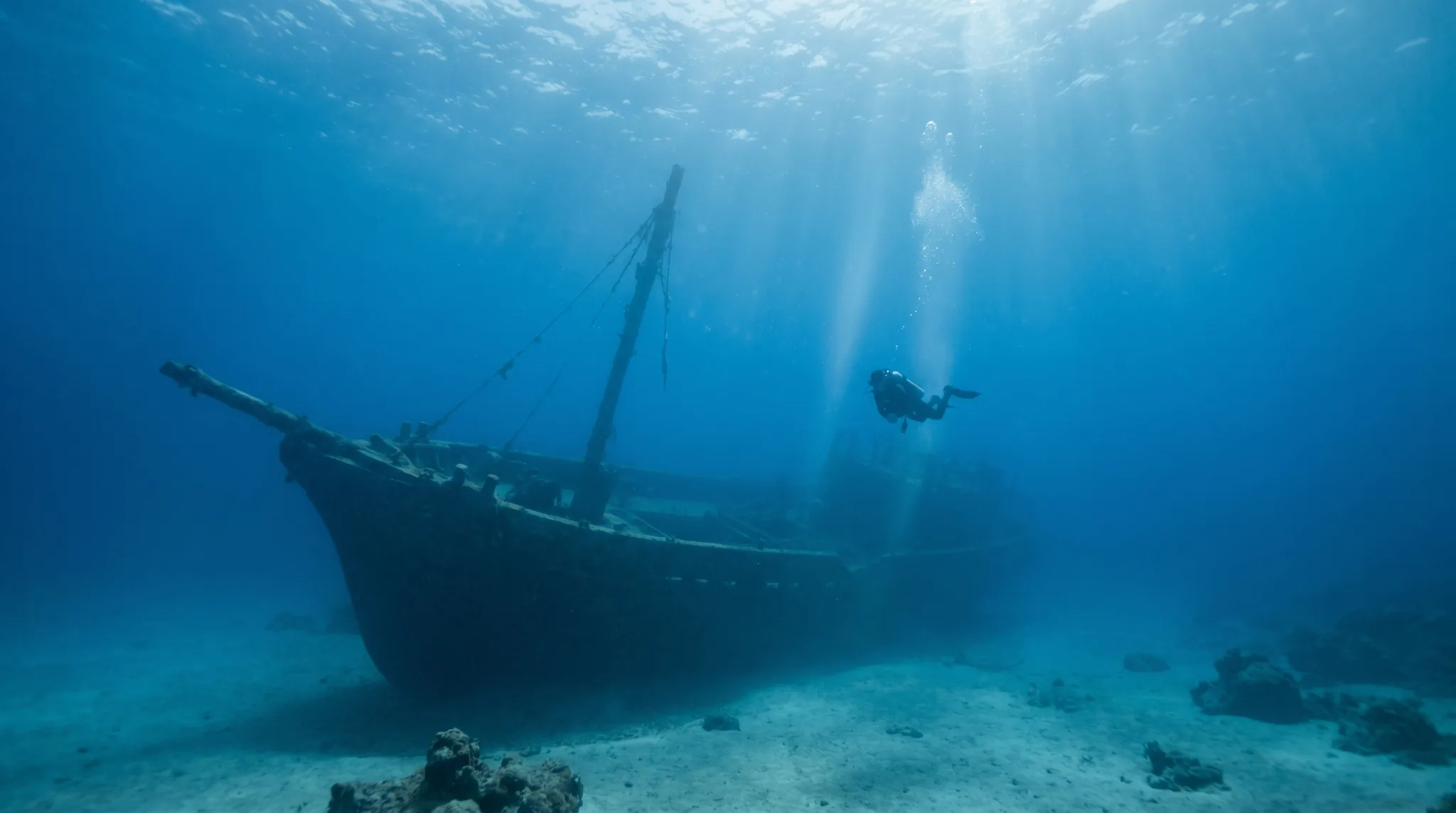
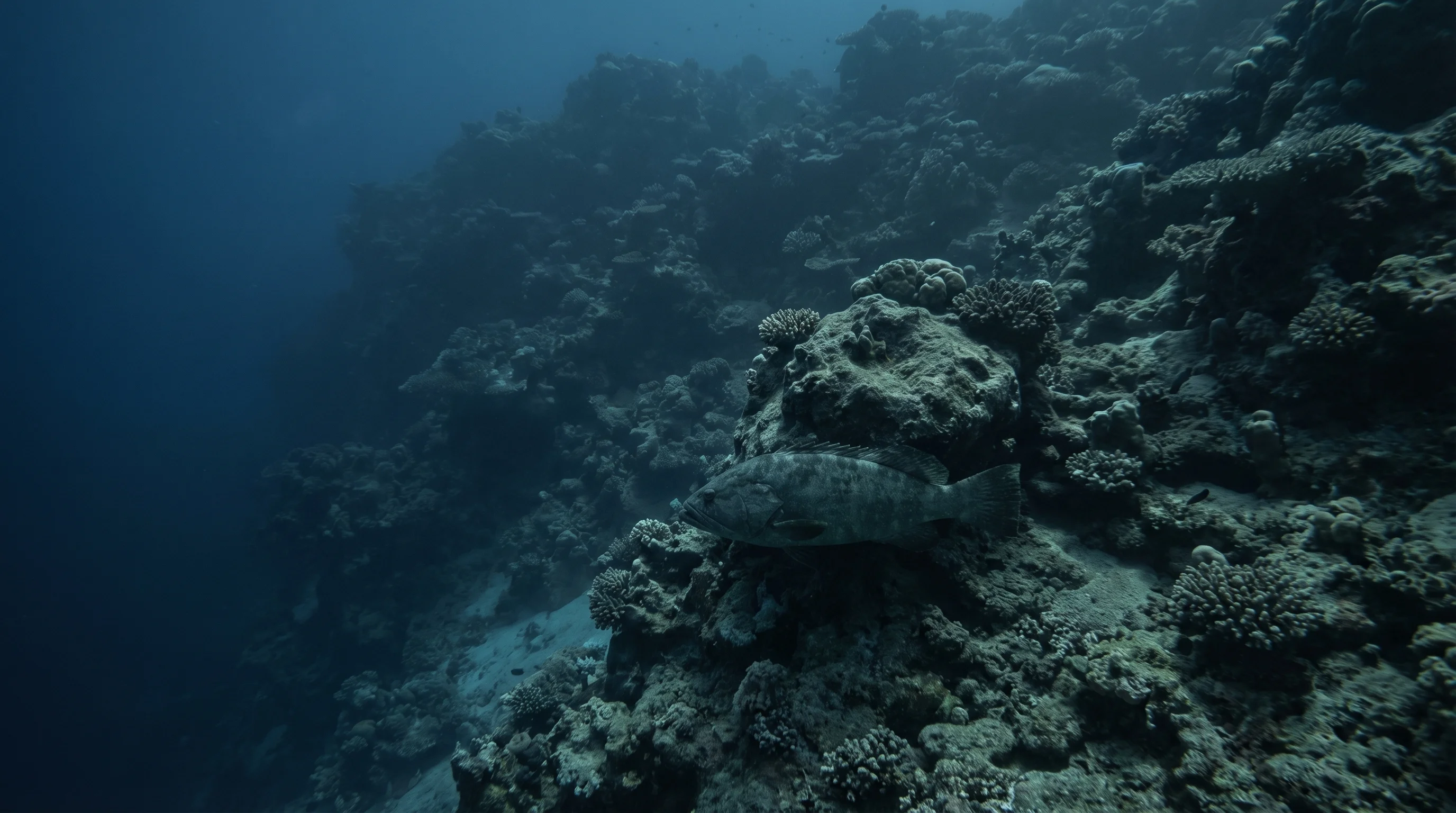
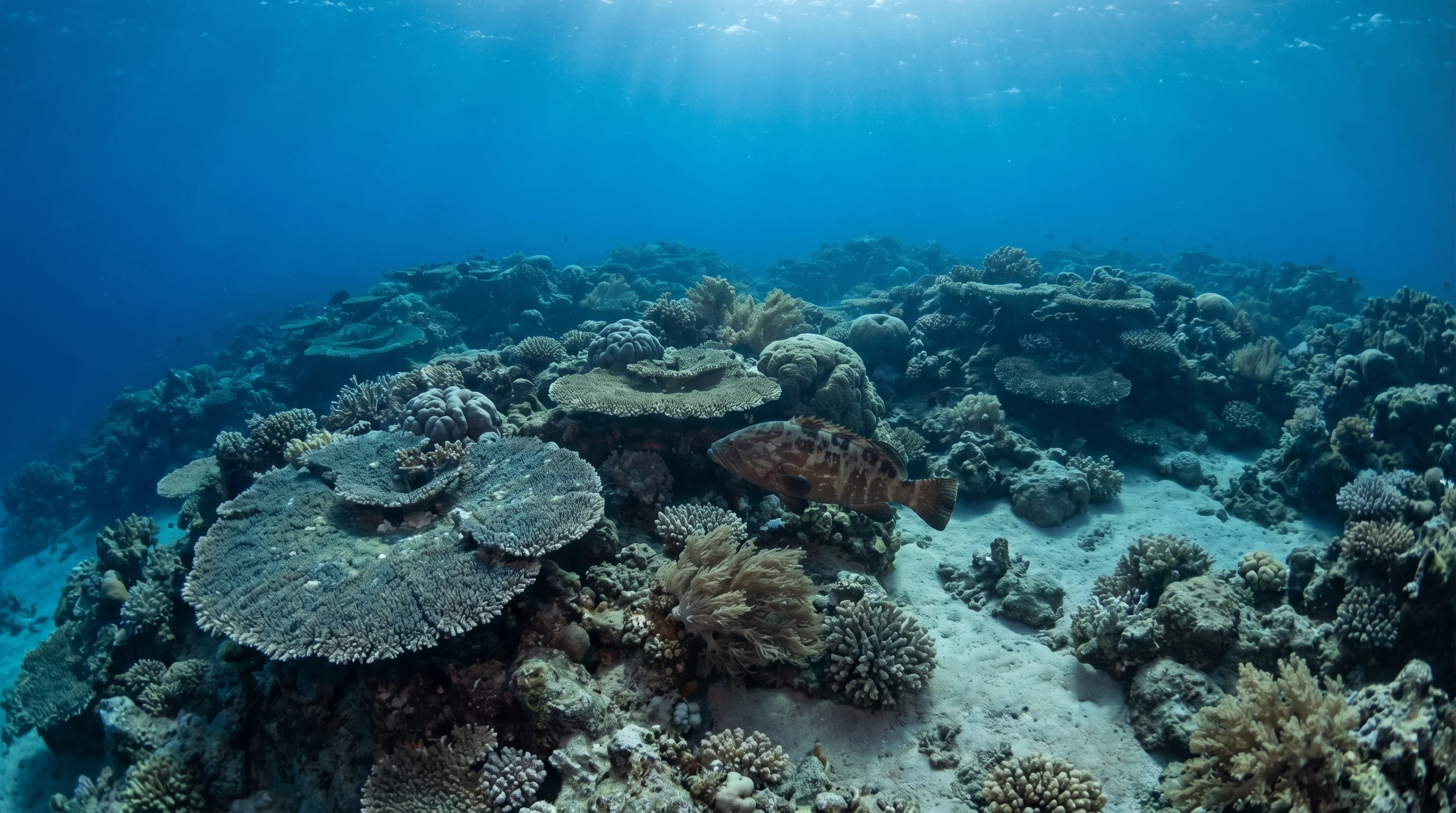
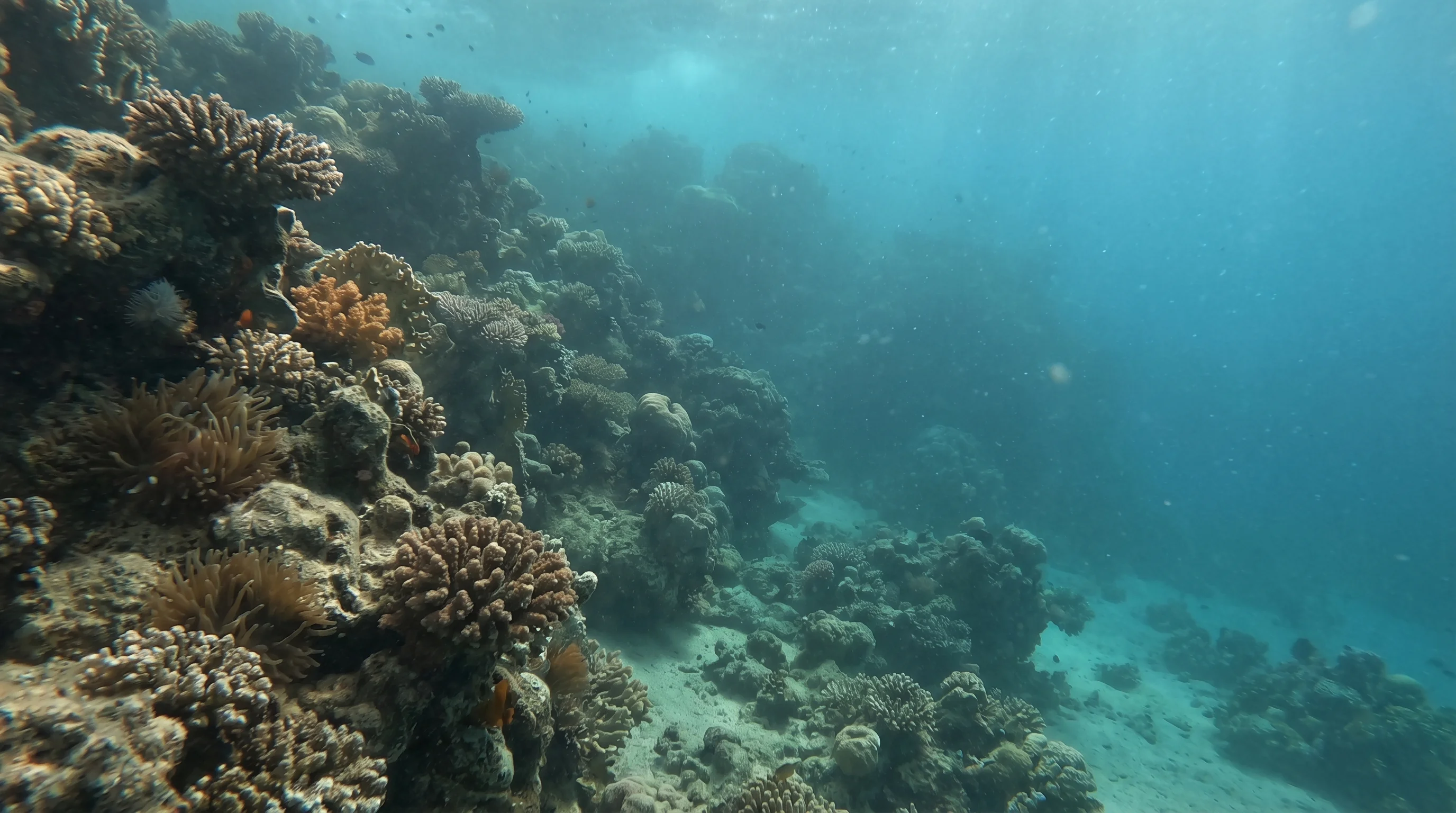
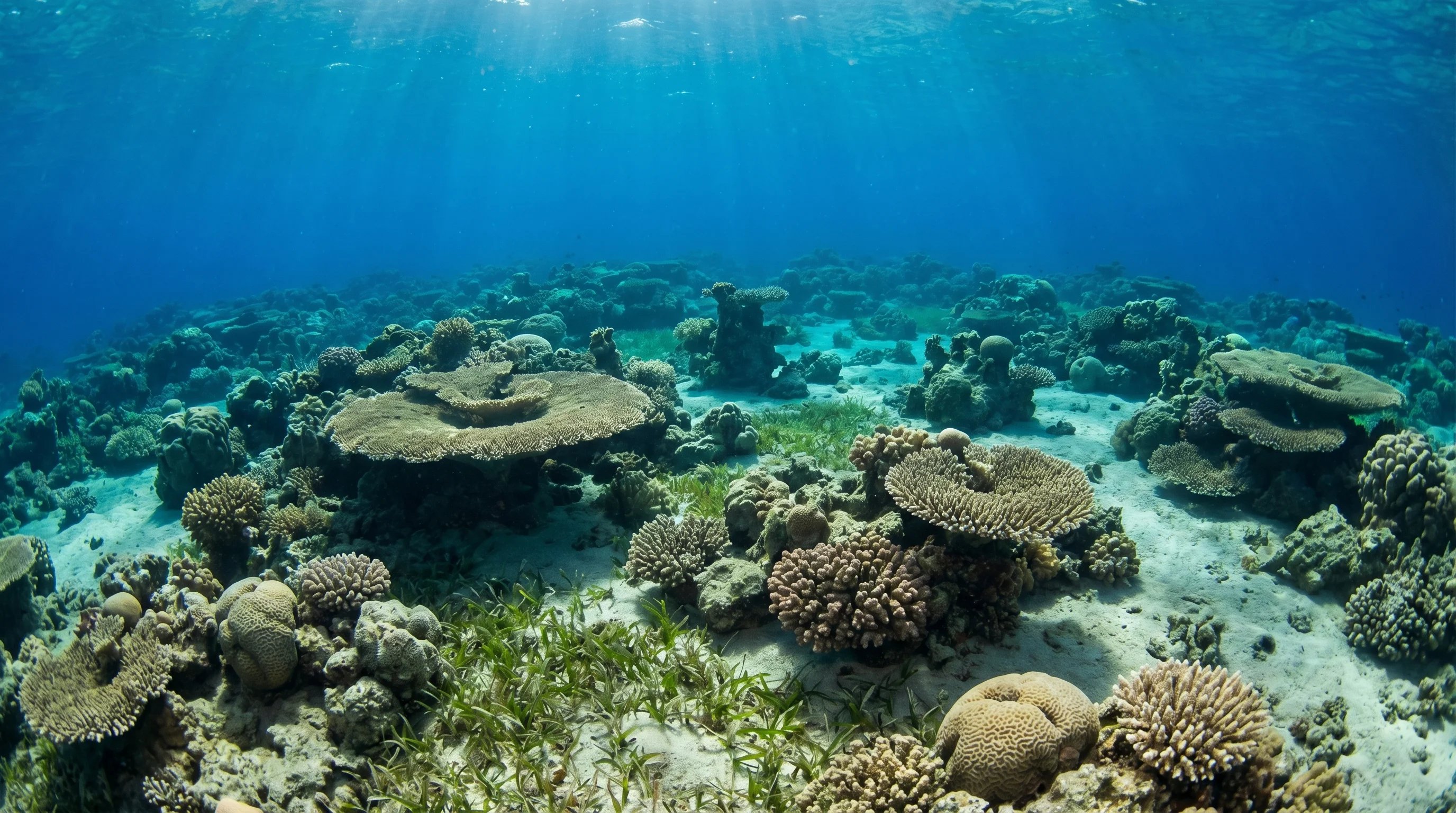
Nuweiba and Taba offer a diverse spread of reef diving across shallow pinnacles, dramatic walls and drop-offs, and open reef structures that suit all levels. Beginners find welcoming entries at shore-access sites like House Reef Taba and La Sirene housereef, while advanced divers can challenge themselves at Maxwell's Reef with its deep vertical profile. Cryptic species define much of the character here: Scorpionfish, Snake Eel, Crocodilefish and Chromodoris Nudibranch are encountered widely, with Emperor Angelfish and occasional Green Sea Turtle adding colour to the reef.
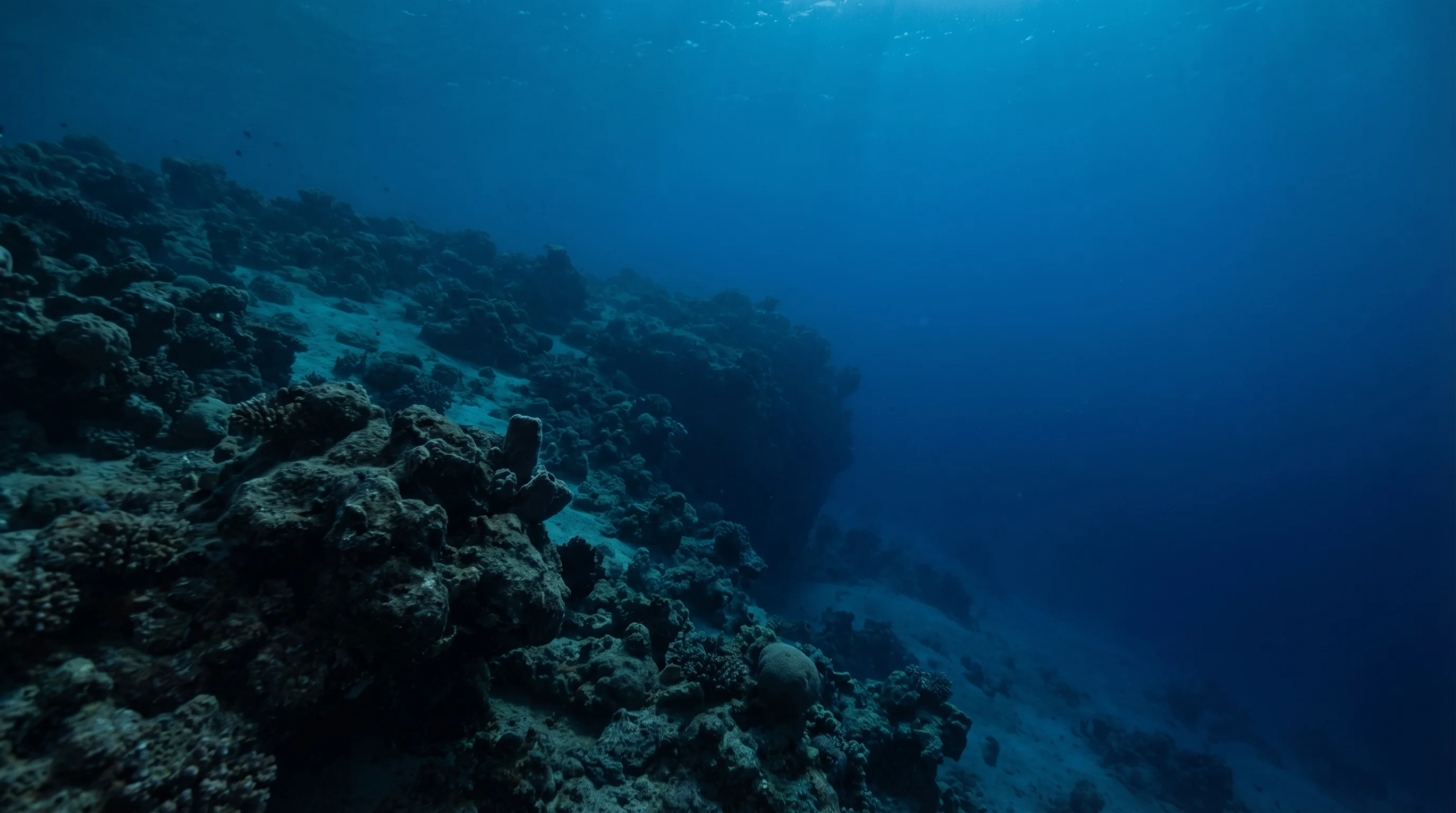
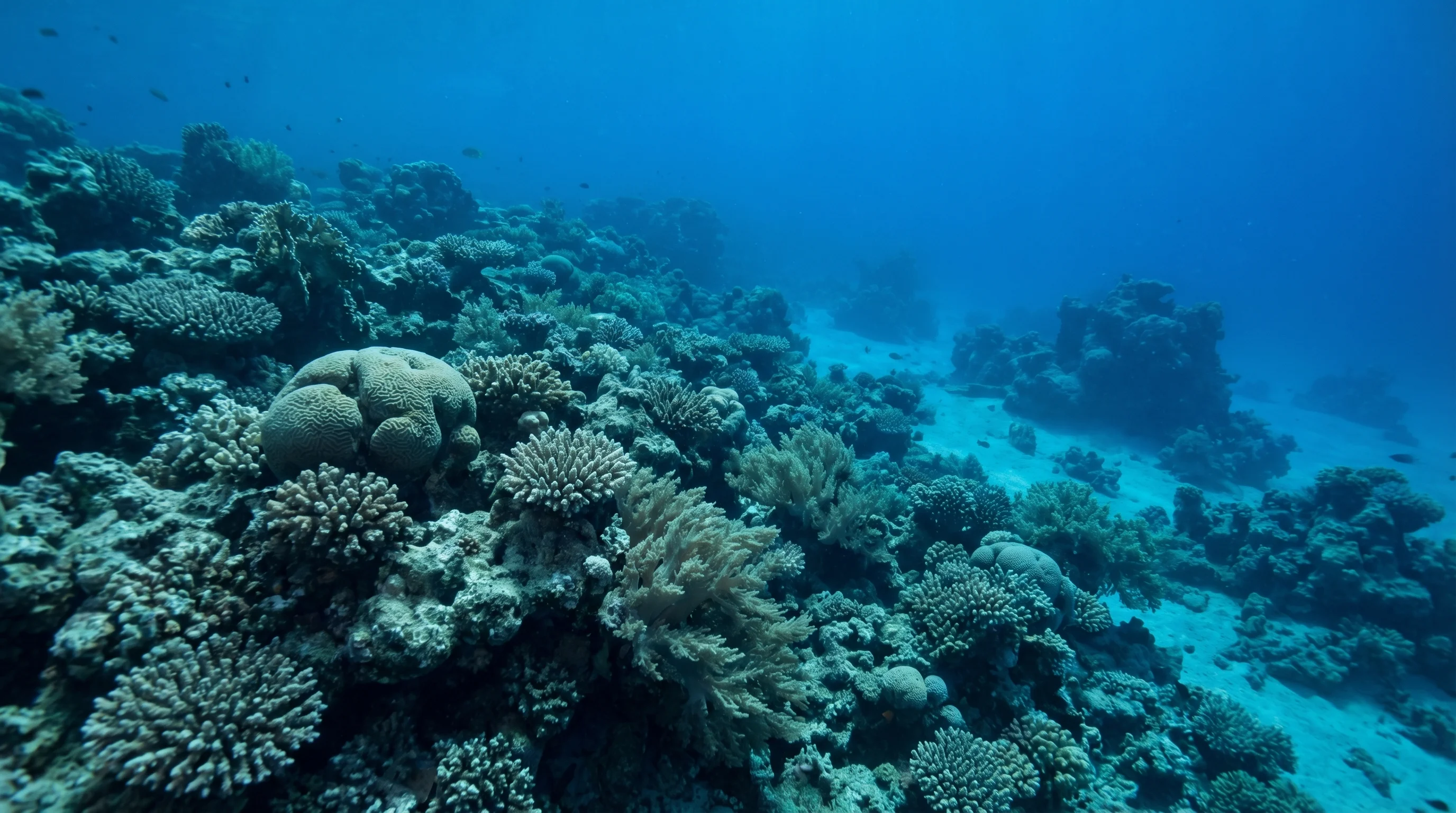
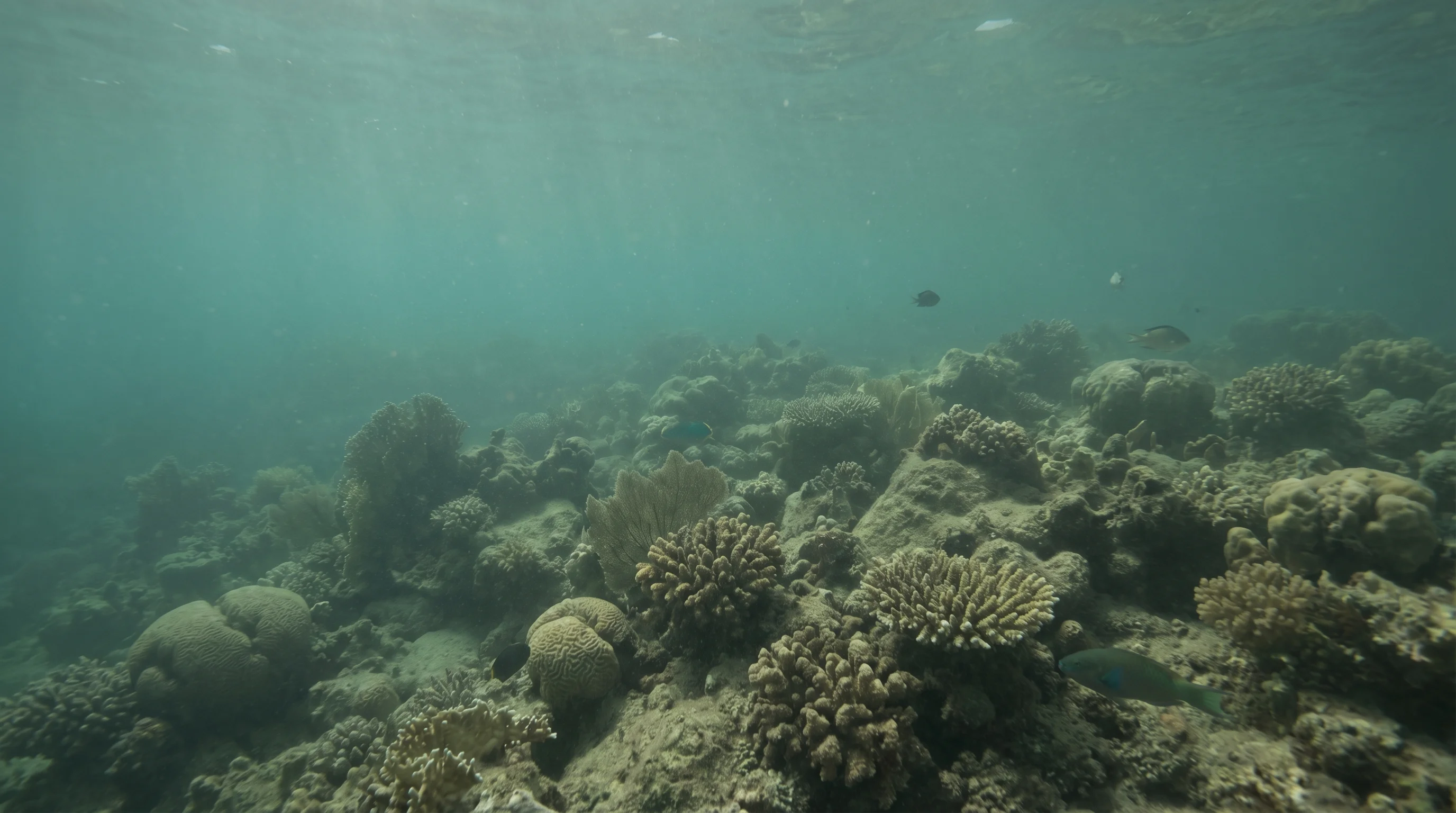

Monthly water temperature across Nuweiba & Taba's sites, from satellite sea-surface data corrected for depth. The band shows the site-to-site spread.
Water stays comfortably warm year-round, cooling slightly through winter before peaking in late summer. Diver activity peaks in spring and autumn, when conditions balance warmth with the calmer, clearer water that suits reef exploration. Summer remains viable, though some exposed boat-access sites such as Aquarium carry stronger currents that require attention.
15 operators
13 more sites to explore
Water temperature around Nuweiba & Taba ranges from about 22°C in January to 28°C in August, based on satellite sea-temperature data for its dive sites.
In the warm season (about 28°C) a rash guard or 3mm shorty is comfortable in Nuweiba & Taba; in the coldest months (about 22°C) step up to a 3mm full suit.
Fin maps 25 sites in Nuweiba & Taba (25 scuba diving sites and 1 snorkelling spots, with some suited to both).
Across Nuweiba & Taba's dive sites, April, May, September, October and November are most often reported as the best months to visit.
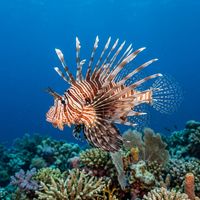
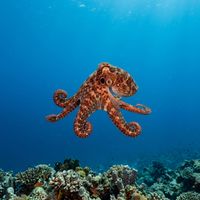
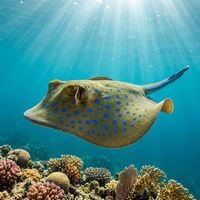
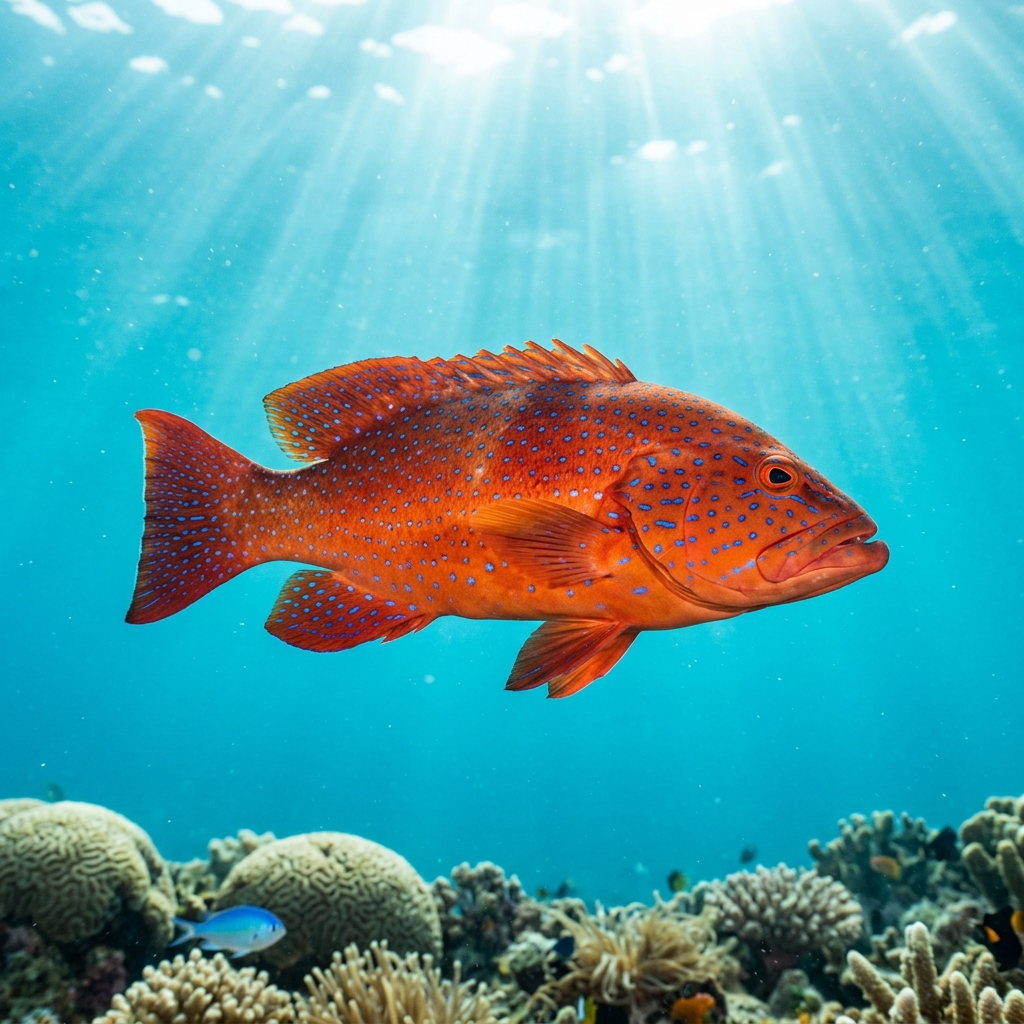
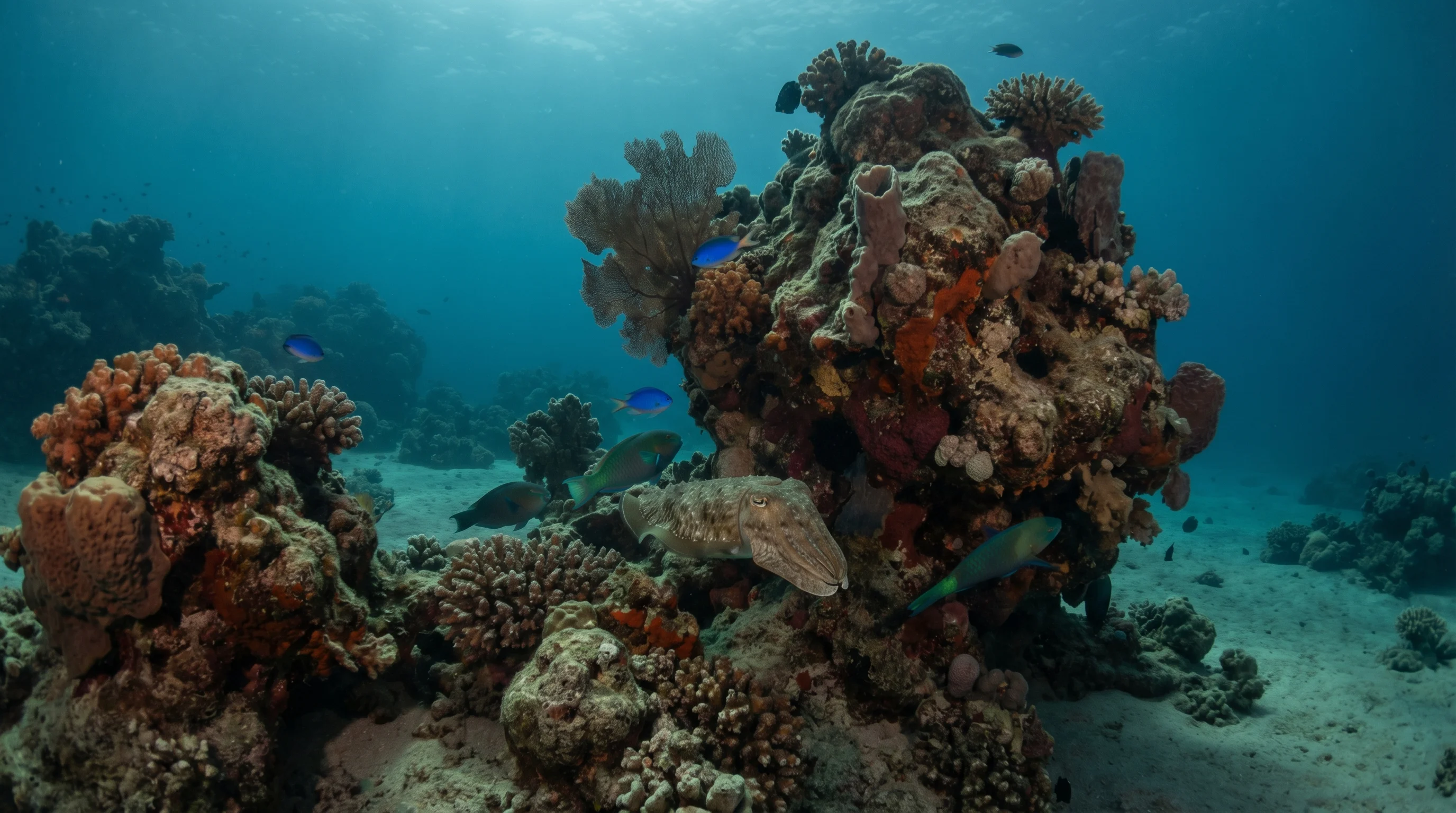
The reefs here host a rich mix of cryptic and open-water species. Scorpionfish, Snake Eel, Conger Eel and Bluespotted Cornetfish are recorded across virtually every site. Emperor Angelfish, Indian Lionfish, Day Octopus and Chromodoris Nudibranch appear regularly, while Bluespotted Fantail Ray, Starry Moray, Undulated Moray and Crocodilefish add further variety. Green Sea Turtle is seen occasionally across the reef system.
The majority of sites in the region are rated for beginners, including shore-entry options such as House Reef Taba, La Sirene housereef and Sunk Buoy. Kurkle Reef offers a consistent, shallow profile with mild currents. Beginners should be aware that a handful of sites, notably Aquarium and Maxwell's Reef, carry stronger currents and deeper profiles and are reserved for more experienced divers.
A good number of sites are reachable from shore, which suits independent and resort-based divers. La Sirene housereef, House Reef Taba and Sunk Buoy all offer direct shore entry. Many of the outlying reefs and walls, including Maxwell's Reef, Fjord and Aquarium Reef, require a boat. Some sites such as Pharao's Island Pinnacle and Angels net offer the flexibility of either entry type.
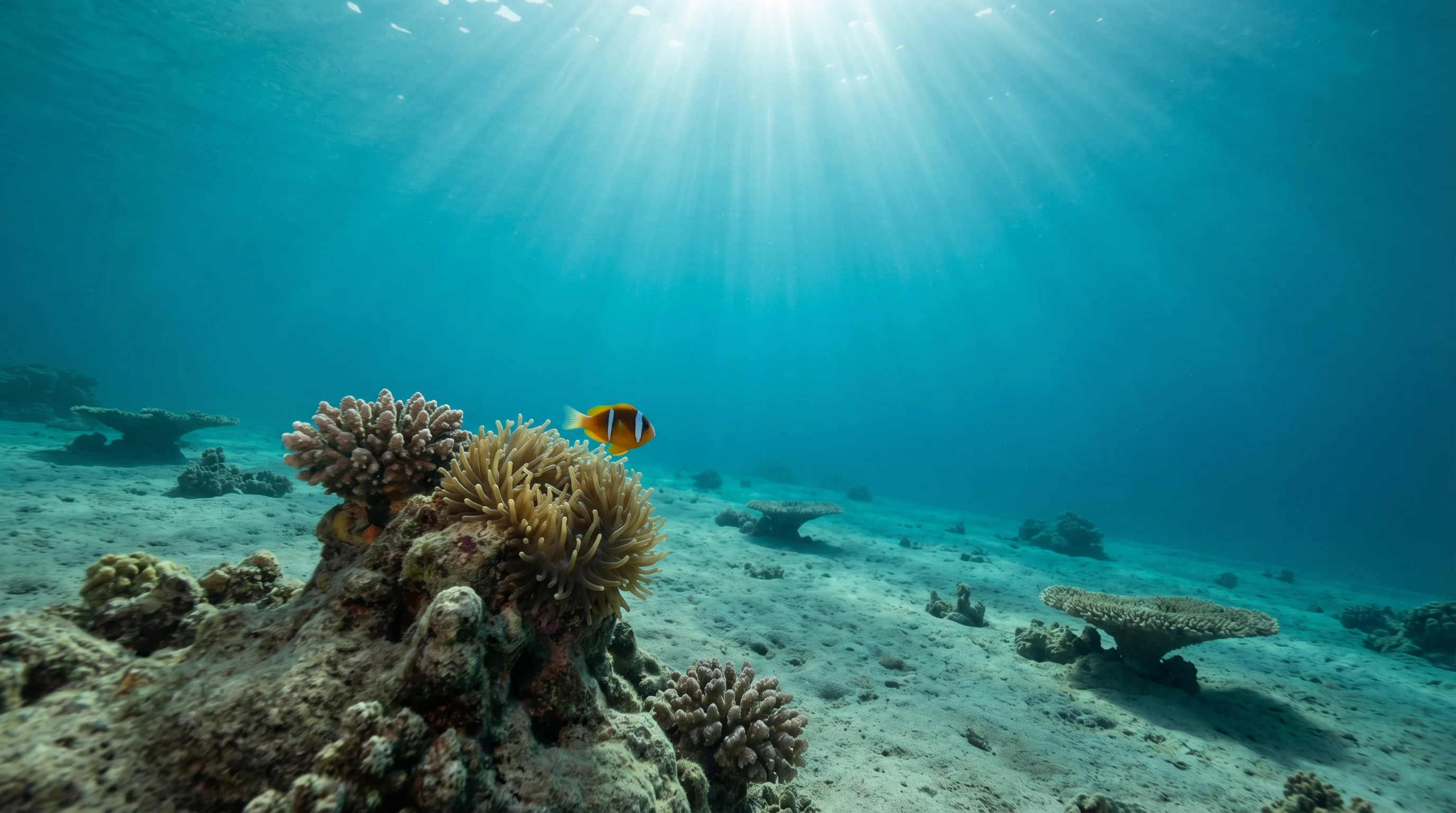
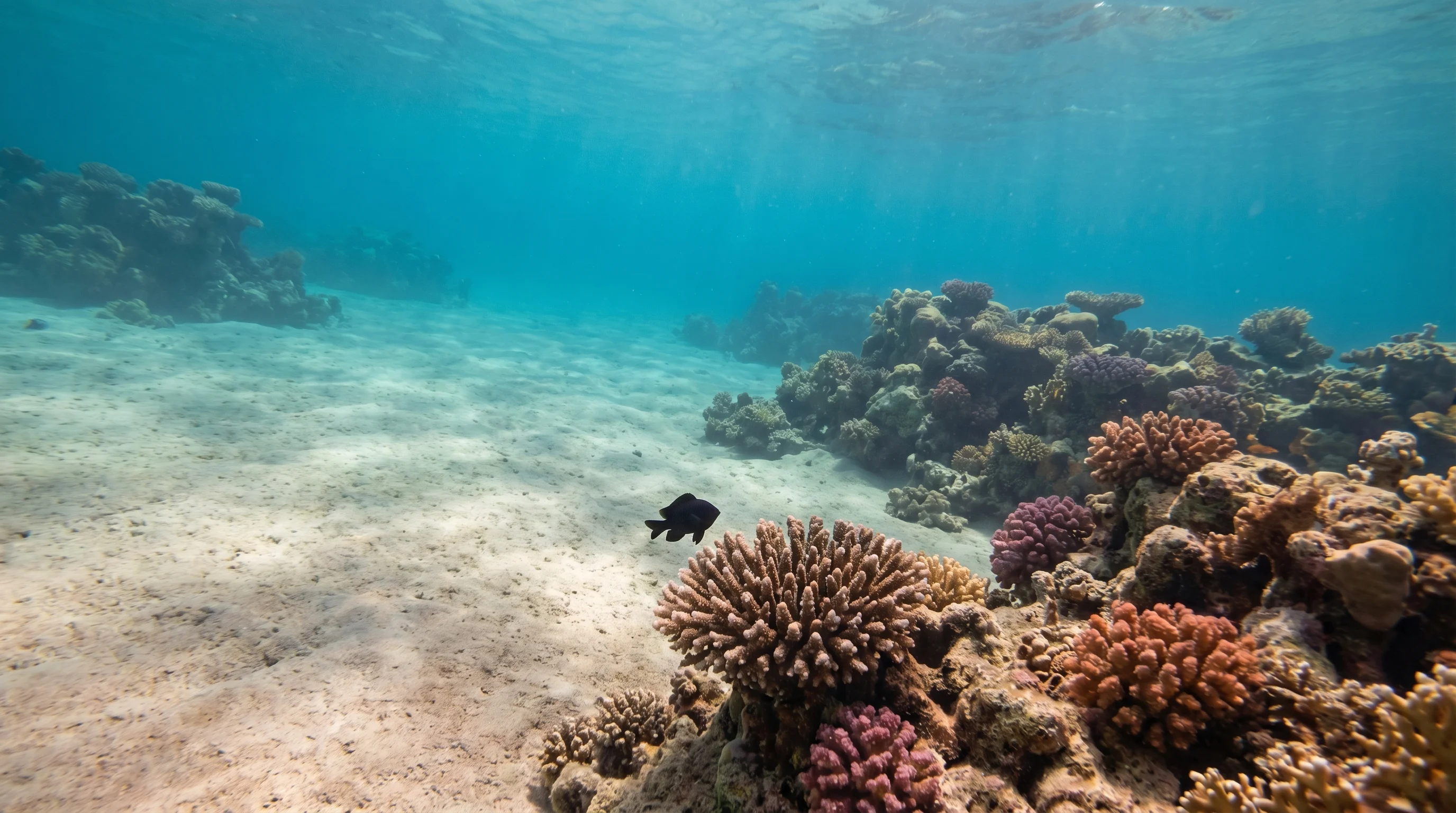
Reefs form the backbone of diving here, ranging from flat reef tops and sloping hard coral structures to walls and drop-offs. Sites like Fjord and Aquarium Reef combine wall and drop-off profiles, while Pharao's Island Pinnacle and Angels net feature central pinnacle structures rising from the seabed. La Sirene housereef also incorporates artificial reef elements alongside natural coral, broadening the range of habitats available.