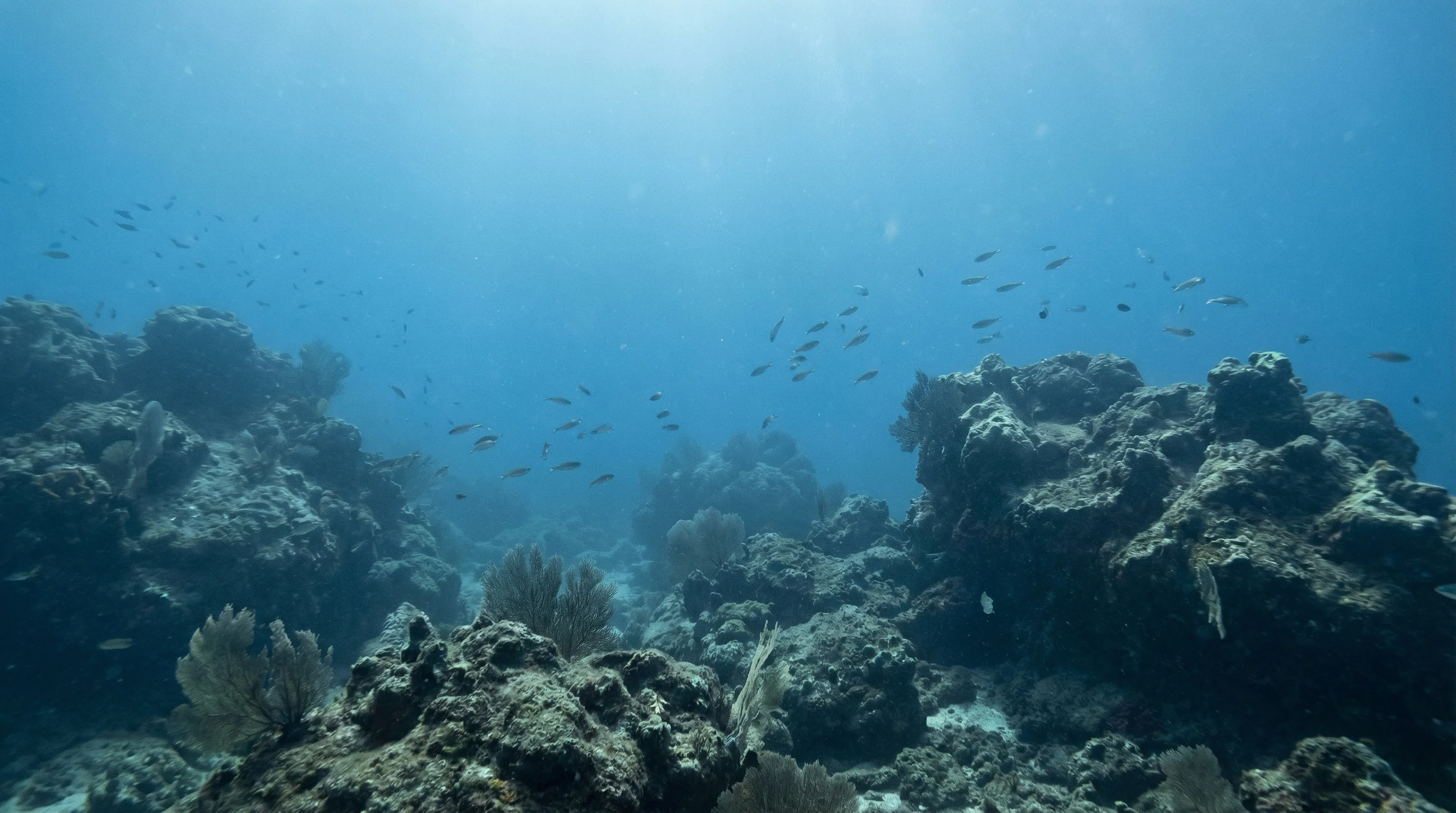
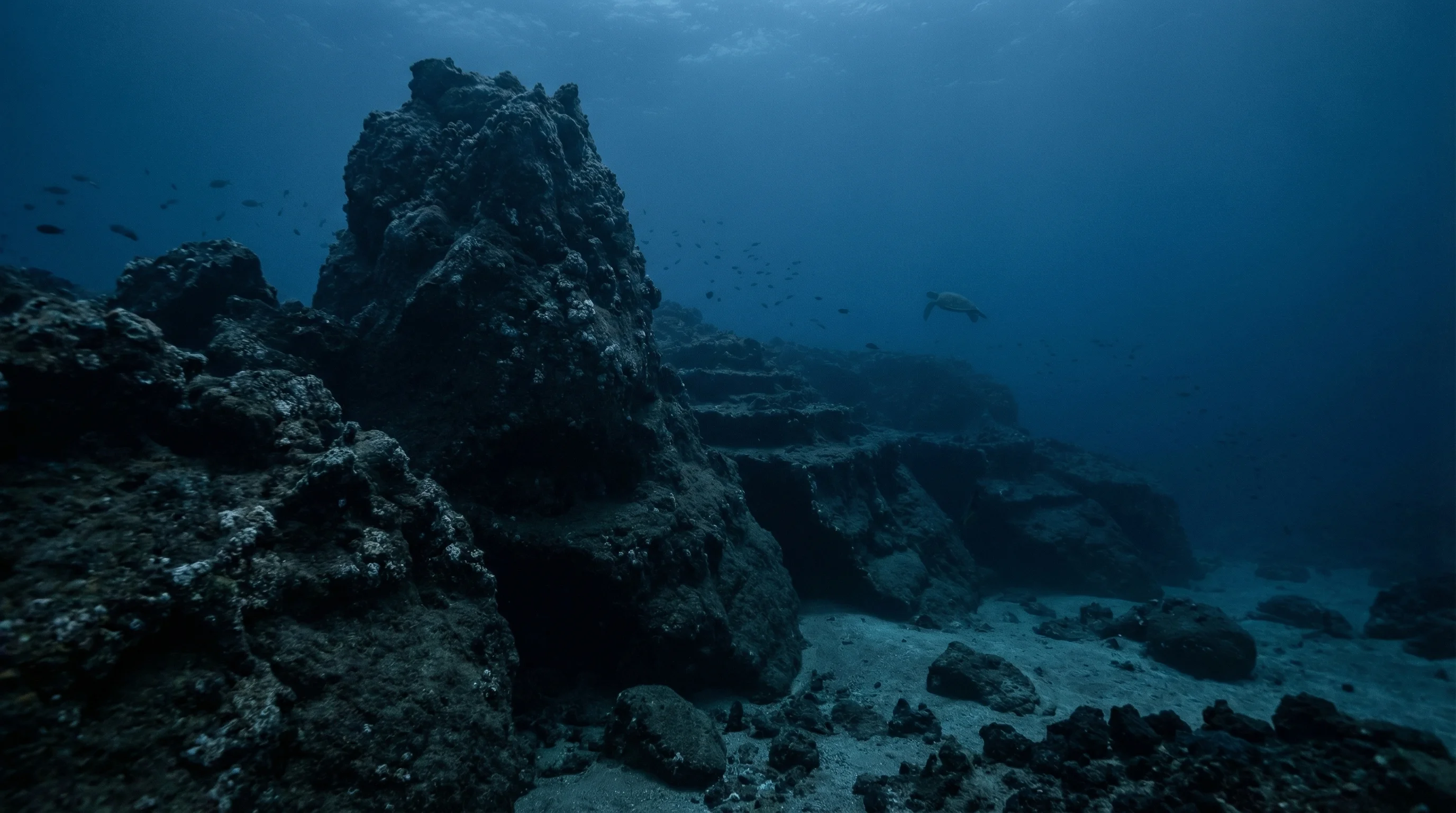
Puerto Ayora's sites range from shallow, sheltered bays to boat-access walls and caves, suiting beginners and intermediate divers alike. The California Sea Lion is present at every site, and the Spotted Eagle Ray is nearly as reliable. Reef topography dominates, with seagrass adding variety at shore entries. Warmer water arrives between January and April, when conditions are generally at their most favourable. A strong local operator scene means guided access is straightforward.
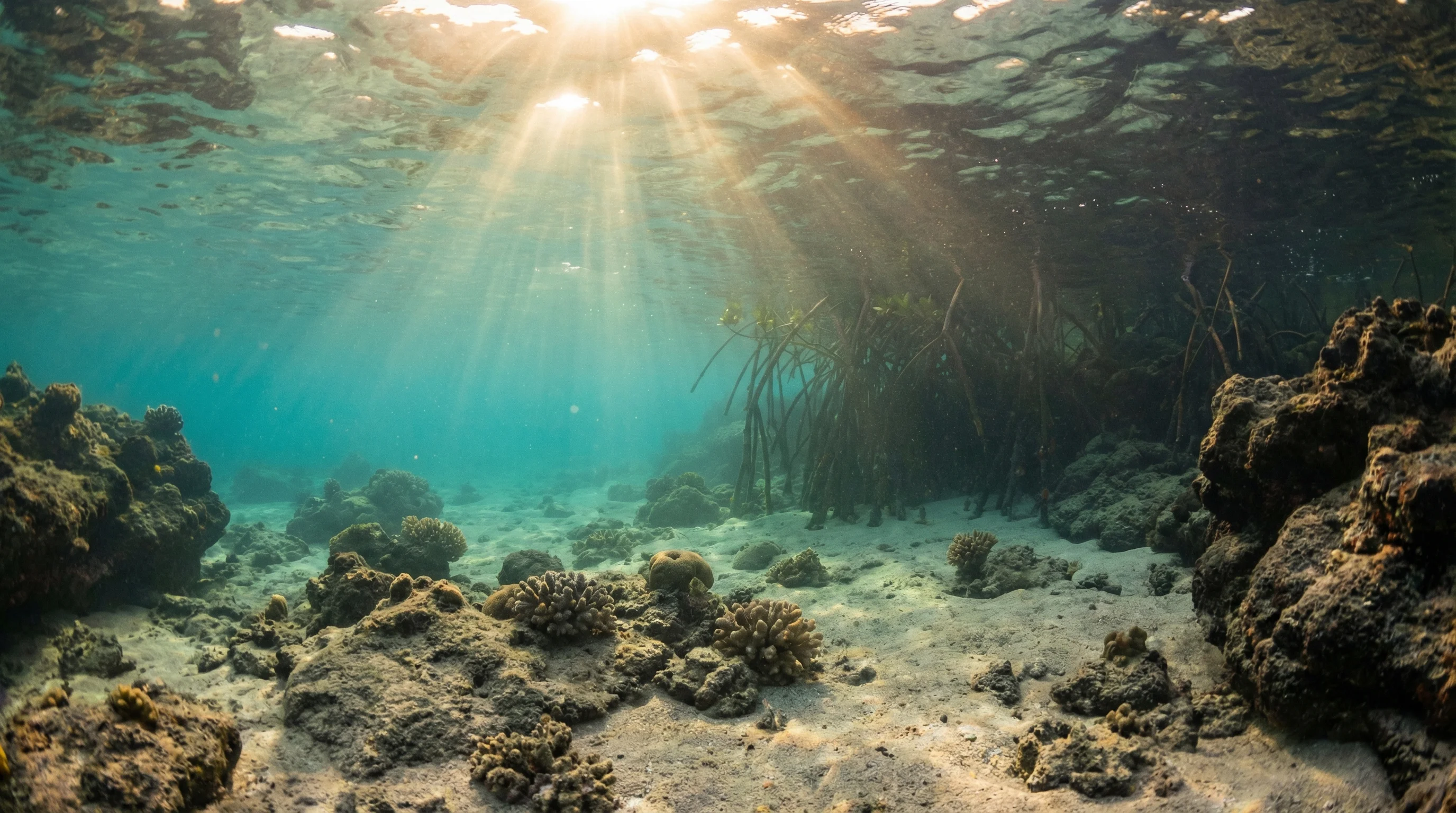

Monthly water temperature across Puerto Ayora's sites, from satellite sea-surface data corrected for depth. The band shows the site-to-site spread.
Water is warmest from January through April, making these months the most comfortable for extended dives. From mid-year through December, cooler upwelling conditions set in and visibility can vary considerably. The best-months data favours the warmer early-year period, though the sites remain diveable year-round.
18 operators

Puerto Ayora, Ecuador

8 more sites to explore
Water temperature around Puerto Ayora ranges from about 20°C in August to 24°C in February, based on satellite sea-temperature data for its dive sites.
In the warm season (about 24°C) a 3mm full suit is comfortable in Puerto Ayora; in the coldest months (about 20°C) step up to a 5mm suit.
Fin maps 11 sites in Puerto Ayora (7 scuba diving sites and 6 snorkelling spots, with some suited to both).
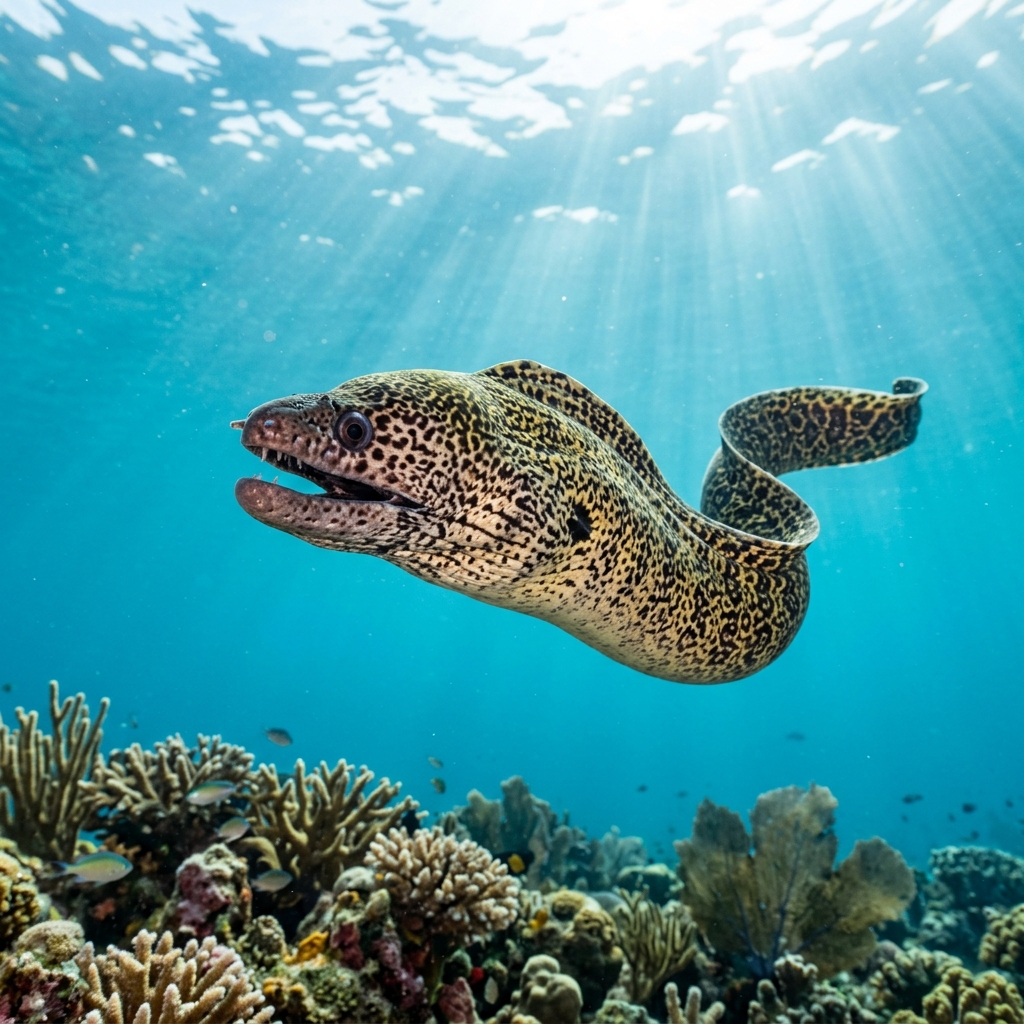
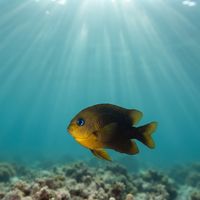
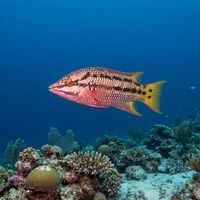
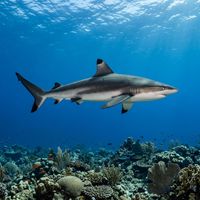
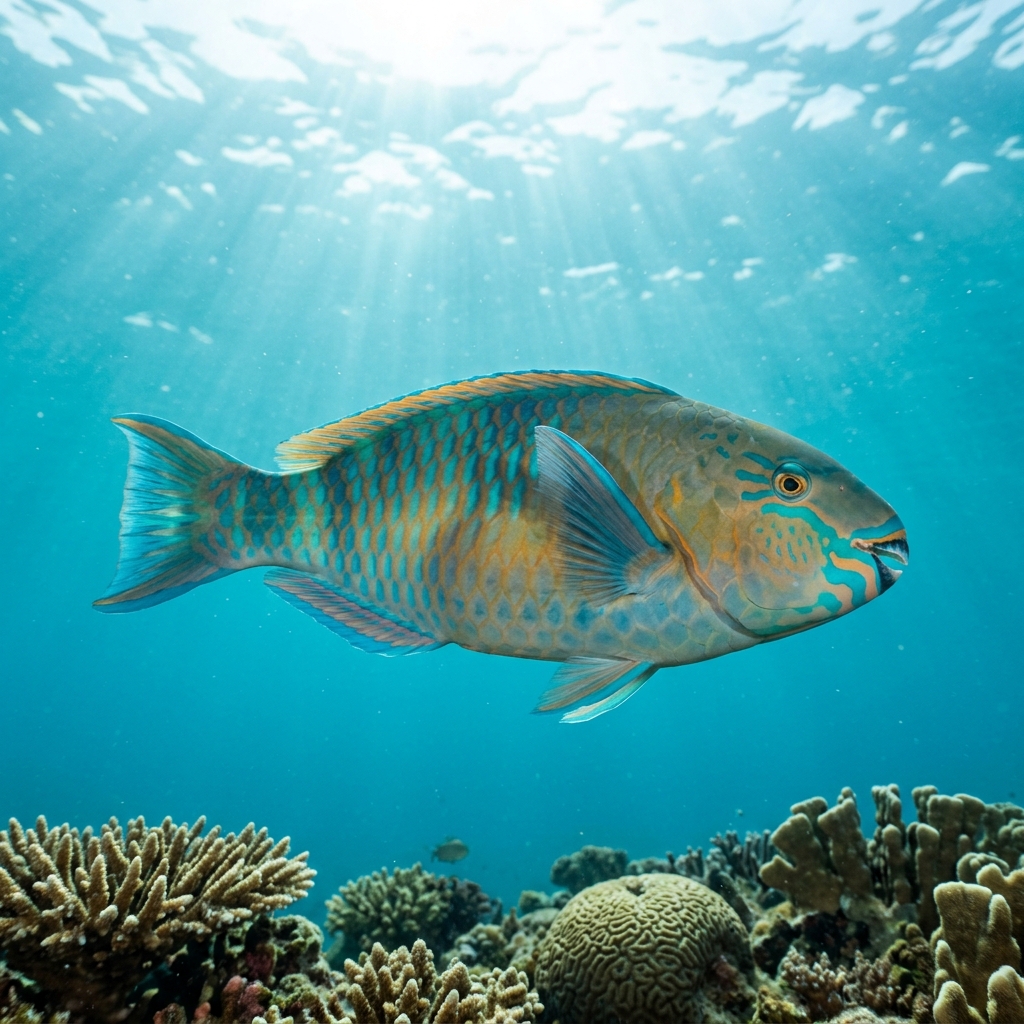
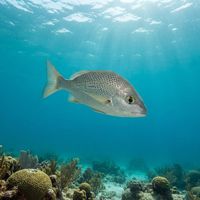
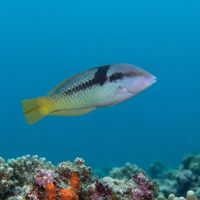
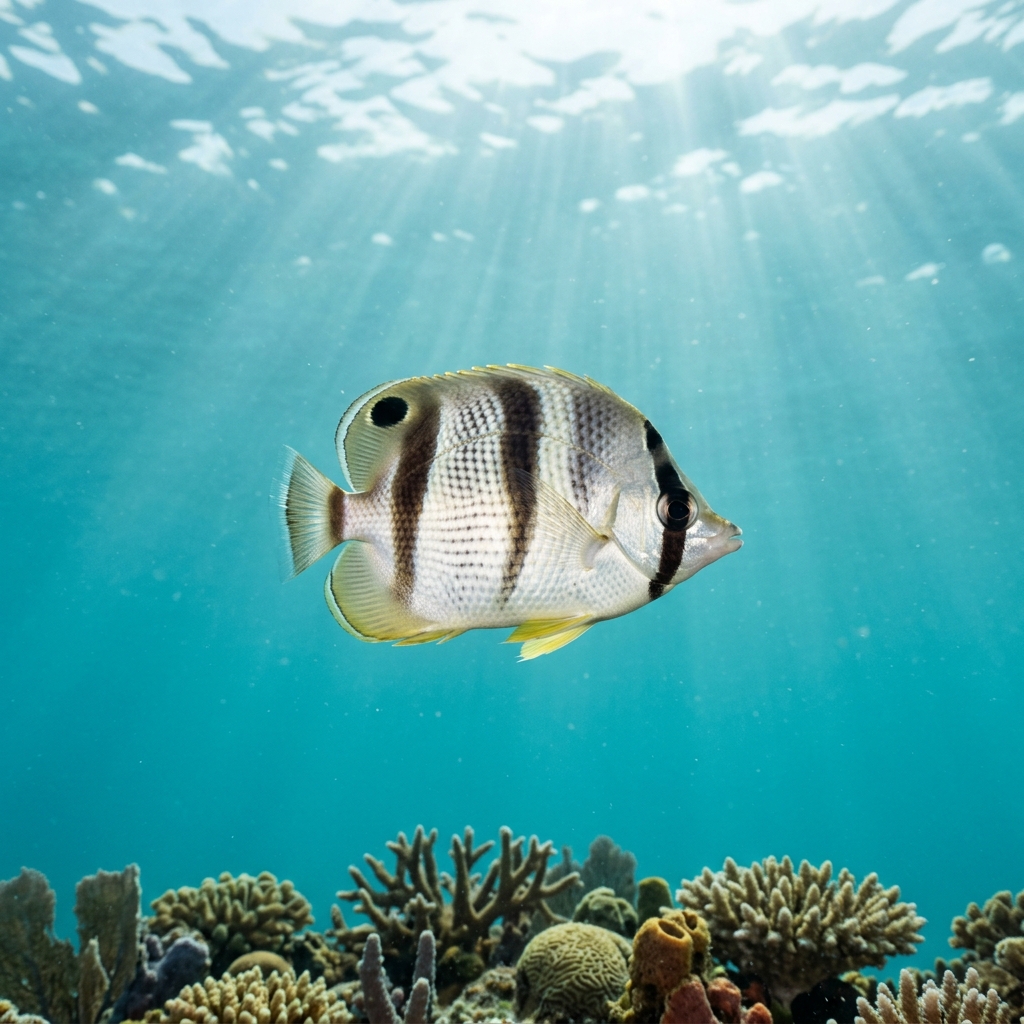
Sightings here are observation-backed and varied. The California Sea Lion and Spotted Eagle Ray are recorded at nearly every site, while Whitetip Reef Shark and Common Blacktip Shark are reliably common. The reefs also hold Jewel Moray, Honeycomb Moray, Whiptail Stingray, and a wide range of reef fish including the Blue-barred Parrotfish and Mexican Hogfish.
Several sites, including Playa de la Estación and Caamaño Islet, are rated for beginner skill levels. Barranco, with its wall and cave topography, is pitched at intermediate divers. The mix means less experienced divers have accessible options while those with more time in the water can progress to more technical terrain.
Shore entry is available at Playa de la Estación, which is the most accessible option for snorkellers. Caamaño Islet and Barranco both require boat access. Multiple operators are based in Puerto Ayora and run guided boat trips, so arranging access to the offshore sites is straightforward.
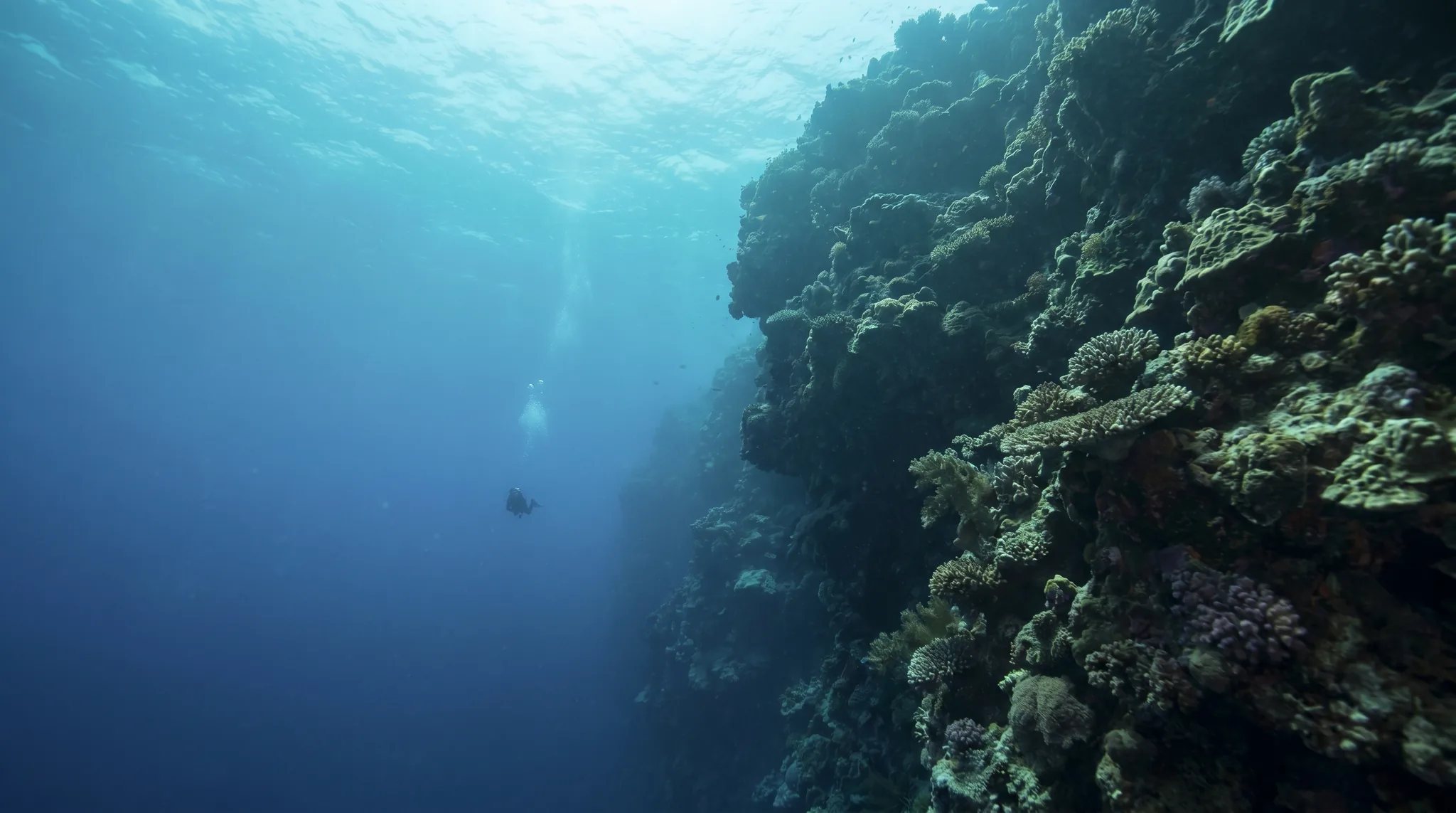
Reef is the dominant site type across Puerto Ayora, appearing at nearly every site. Barranco adds wall and cave sections for divers wanting more varied topography. Seagrass beds feature at Playa de la Estación, offering a quieter habitat that contrasts with the more exposed reef structures elsewhere.