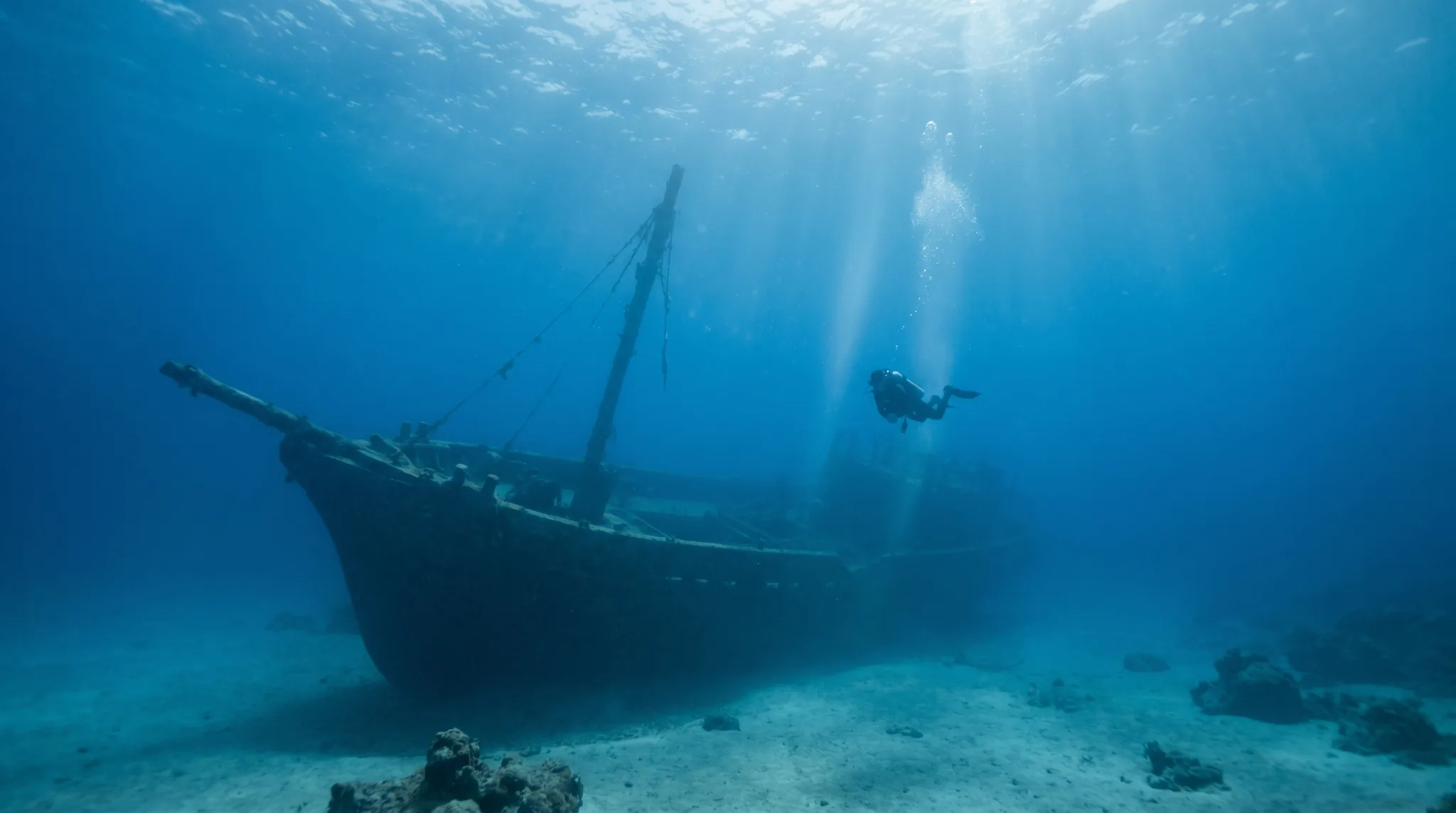
Scotts Head is defined by volcanic topography and strong currents that shape a varied dive landscape. Walls, pinnacles, canyons and drop-offs sit within the Soufriere-Scotts Head Marine Reserve, suiting everyone from beginners to advanced divers. The marine life leans heavily toward reef specialists: Spotted Scorpionfish, Goldentail Moray, Frogfish and Eagle Ray are all observed here. Most sites are reached by boat, though Sea Fan City and Lost Horizon offer shore access.
Monthly water temperature across Scotts Head's sites, from satellite sea-surface data corrected for depth. The band shows the site-to-site spread.
Water temperature stays warm throughout the year, peaking in late summer and early autumn and easing slightly in the cooler months without ever dropping uncomfortably low. The best-months data points to the drier period from late autumn through to early spring as the most favoured time, when conditions are generally more settled. Some sites, particularly Mountain Top, carry strong currents year-round and are best approached with advanced experience regardless of season.
1 more site to explore
Water temperature around Scotts Head ranges from about 27°C in January to 30°C in September, based on satellite sea-temperature data for its dive sites.
With water around 27–30°C, a rash guard or 3mm shorty works in Scotts Head year-round.
Fin maps 13 sites in Scotts Head (13 scuba diving sites and 1 snorkelling spots, with some suited to both).
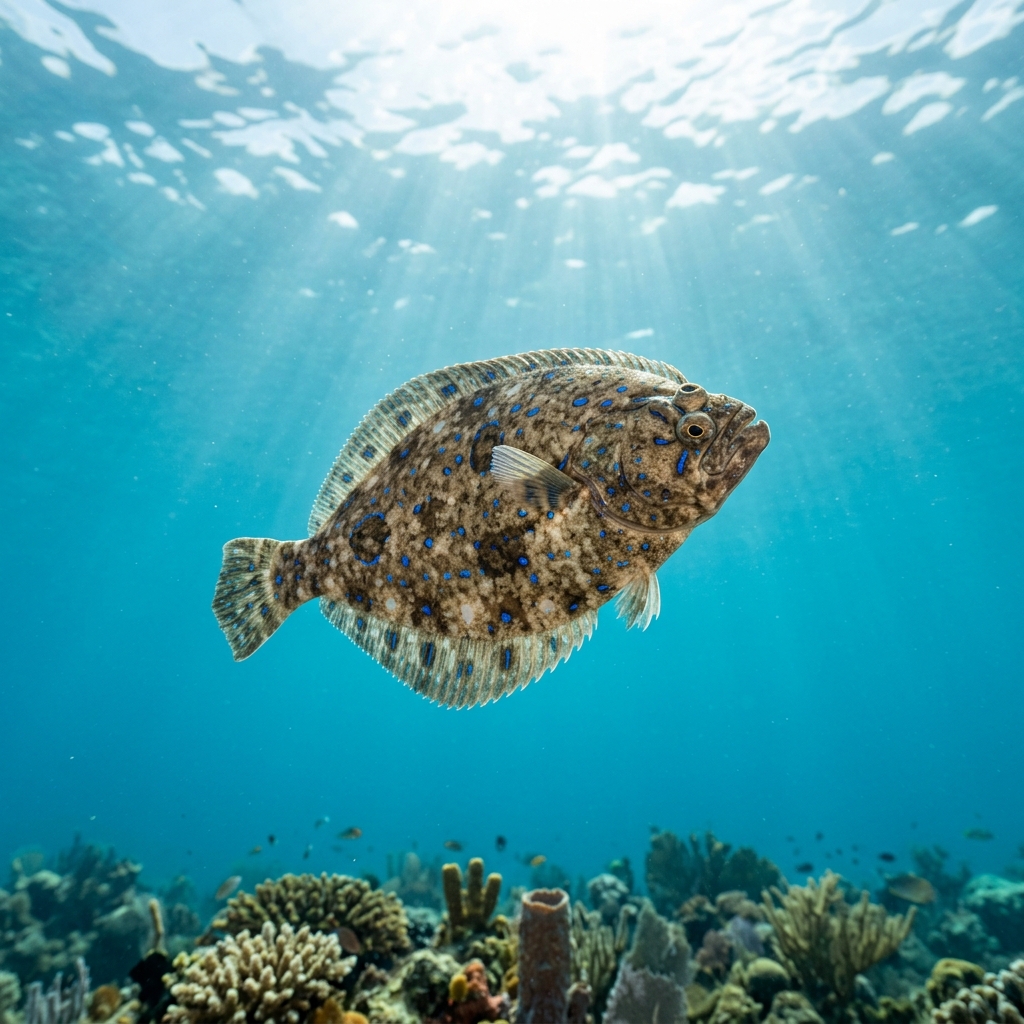
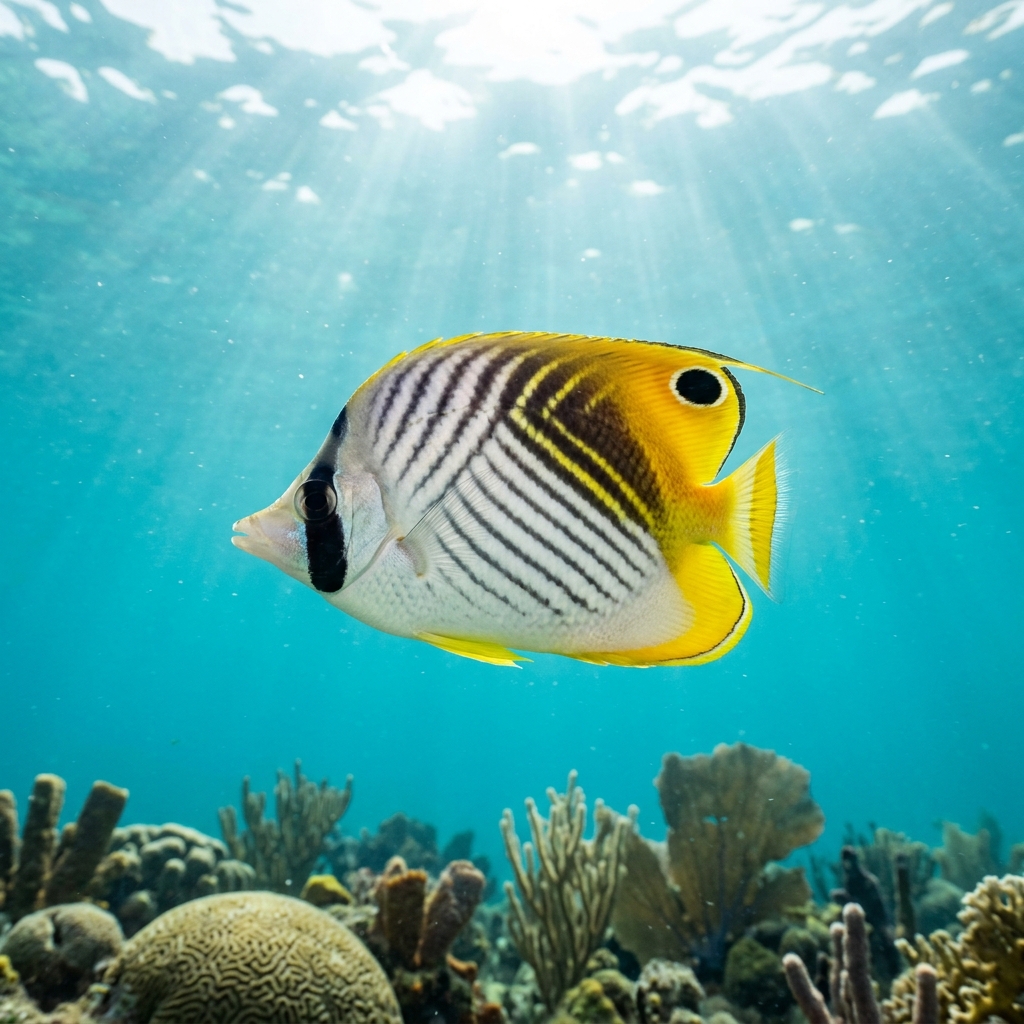
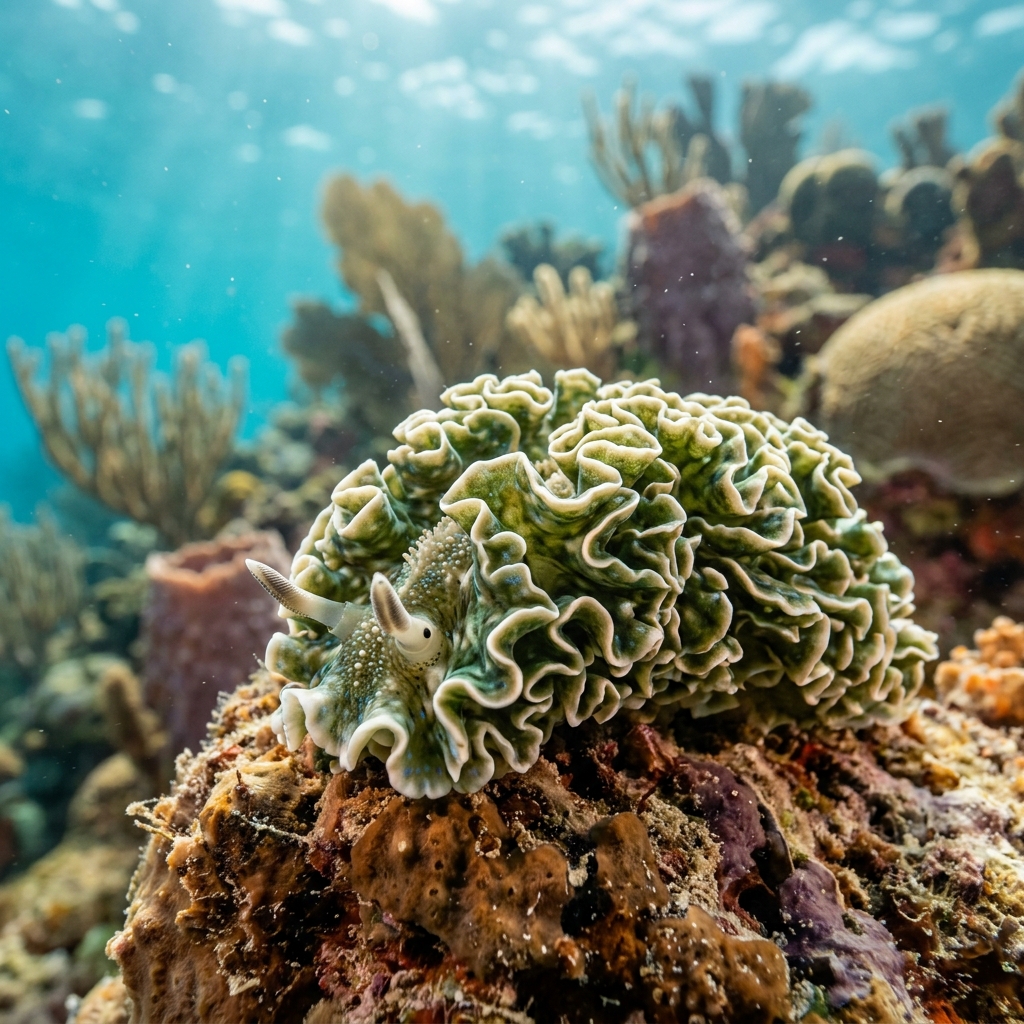
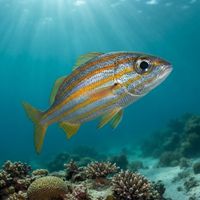
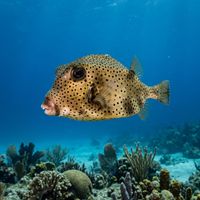
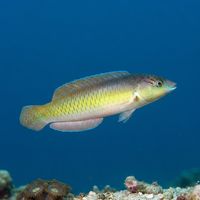
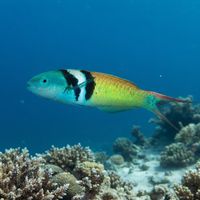
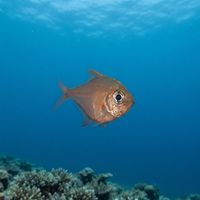
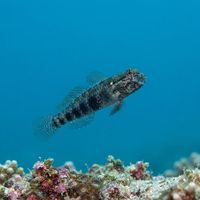
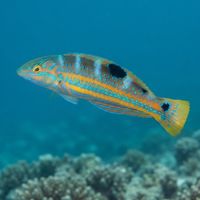
The reef here holds a broad range of species, with Spotted Scorpionfish, Foureye Butterfly Fish, Goldentail Moray and Lettuce Sea Slug observed consistently across sites. Signature species include Frogfish, Hawksbill Sea Turtle, Eagle Ray and Brazilian Reef Octopus, which appear at a good number of the sites. Bullseye, Grunt and Soldierfish are common in schools around the pinnacles and walls.
Several sites are rated for beginners, including West Bank, Tu Sab, Sea Fan City and Scott's Head Pinnacle, all of which offer relatively sheltered conditions and shallower starting depths. Intermediate divers are well catered for across sites such as Craters Edge, Village and Scott's Head Point. Mountain Top is the standout advanced site, requiring strong buoyancy control due to persistent current.
Most sites are boat-accessed, which is the norm for the area given the volcanic coastline. However, Sea Fan City and Lost Horizon are both accessible directly from the shore, making them convenient options for divers without a boat booking. Both are within the Soufriere-Scotts Head Marine Reserve.
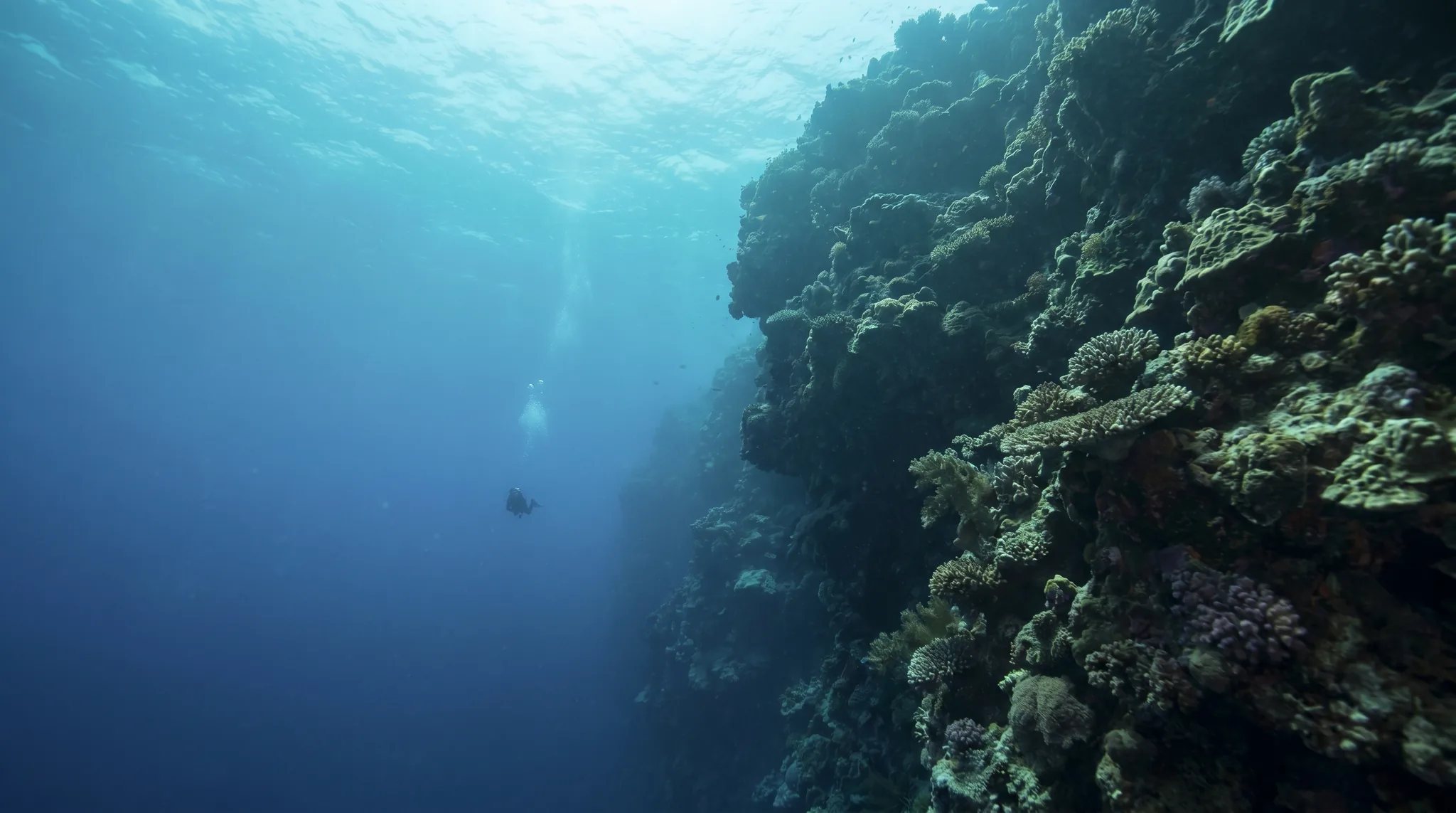
The site mix is notably varied, covering walls, pinnacles, reefs, drift dives, a canyon at Lost Horizon and cavern sections at Scott's Head Point. This range means different dives suit very different tastes, from the gentle wall at Tu Sab to the deep drop-off at Scott's Head Point. The volcanic origin of the area gives the topography an irregular, dramatic character that carries through most sites.