Halichoeres garnoti
A common but easily overlooked reef fish in the Yucatán, Bonaire and the Bay Islands, comfortable in 24-28C water year-round.
A small, slender wrasse that darts along the reef in two-tone livery: the front third of the body is bright yellow, sharply cut off from a deep blue-purple rear half, with a dark stripe running through the eye. At around 13 cm it's easy to overlook among bigger reef fish, and it swims with the quick, jerky pectoral-fin strokes typical of wrasses rather than a smooth tail-driven glide. Colour can shift with size and social status, so not every individual shows the same crisp yellow-blue split.
Expect to see it picking over sand patches, rubble, and low reef structure during the day, hunting small invertebrates rather than schooling in open water. It's generally unbothered by divers, continuing its search-and-peck routine at close range rather than fleeing, though it rarely stays still long enough for more than a quick look.
Like many wrasses, it can change sex: some individuals start life as one sex and later transition, with colour and pattern shifting alongside the change in social role.
Sightings show no detectable seasonal pattern, and with a comfortable range of about 24 to 28C it stays active on these reefs all year. Any month works for a dive trip targeting it.
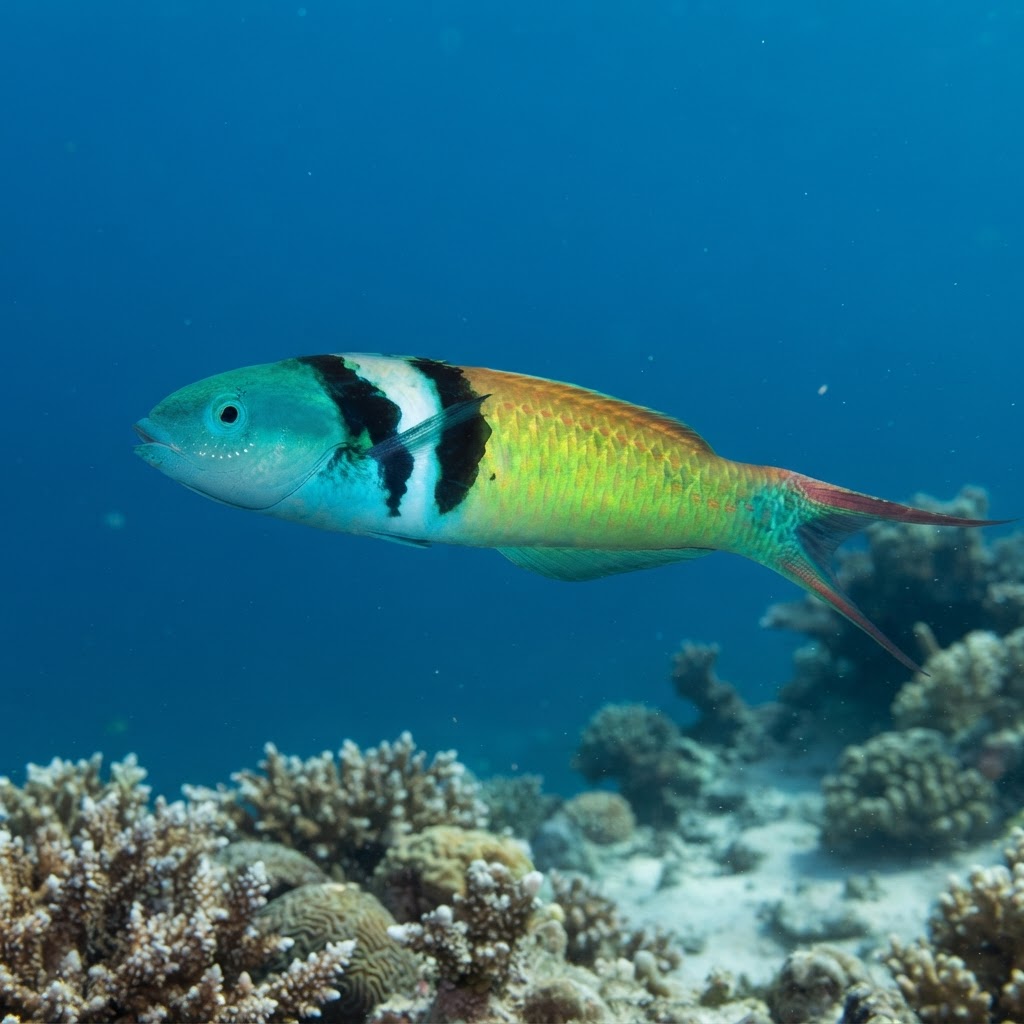
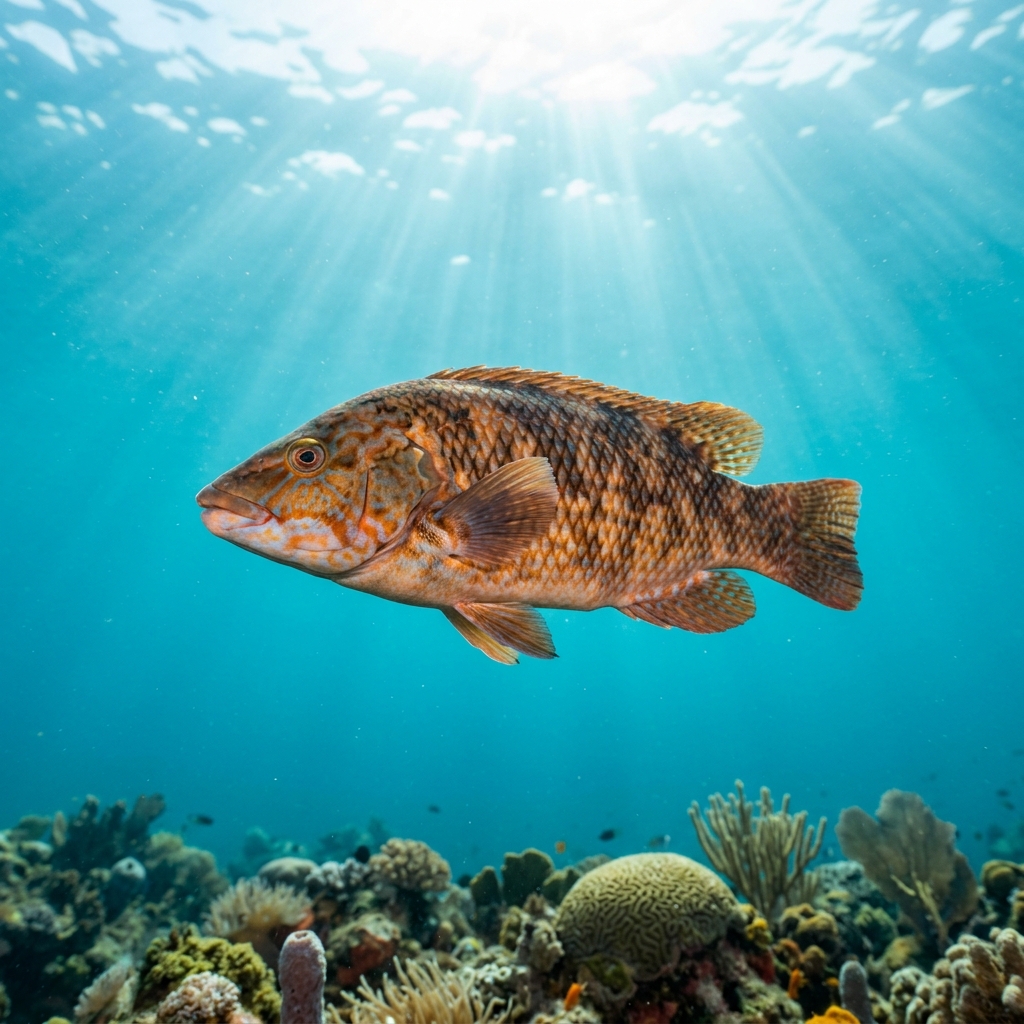
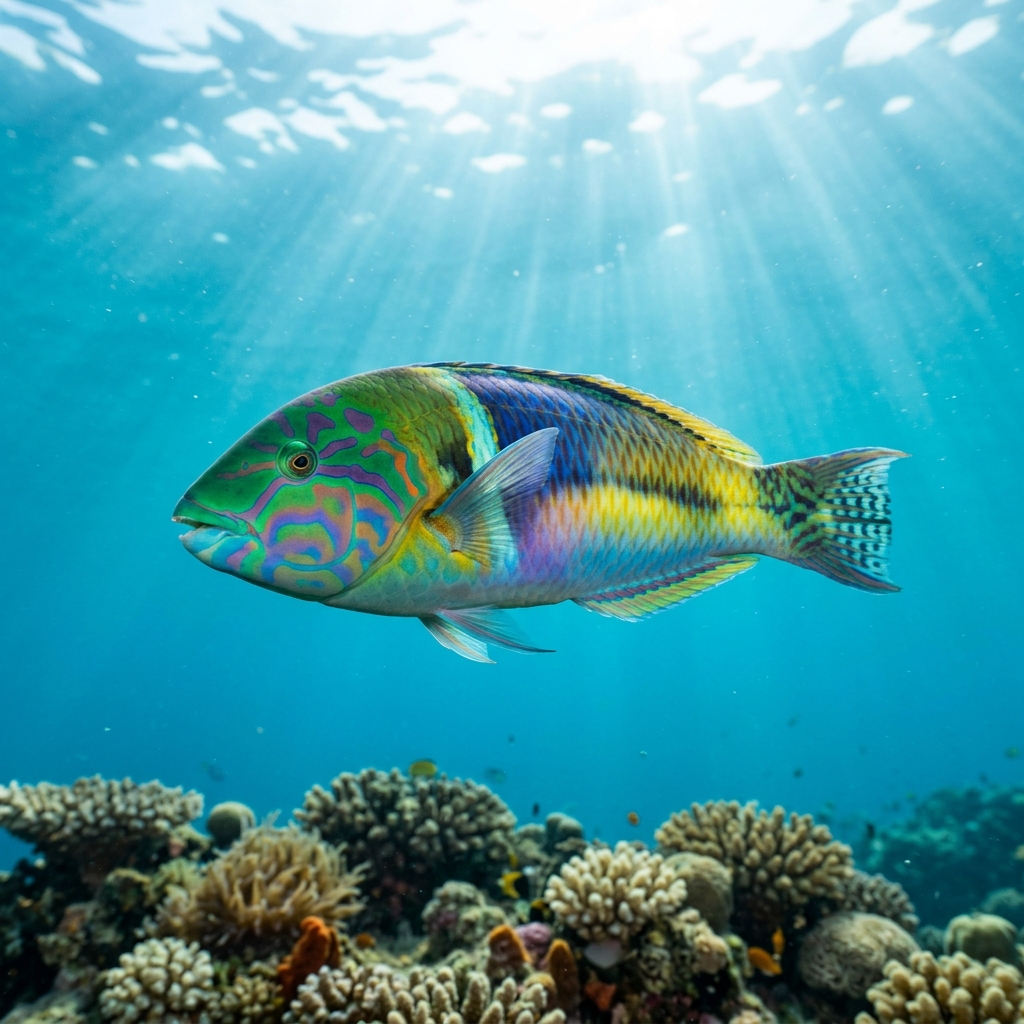
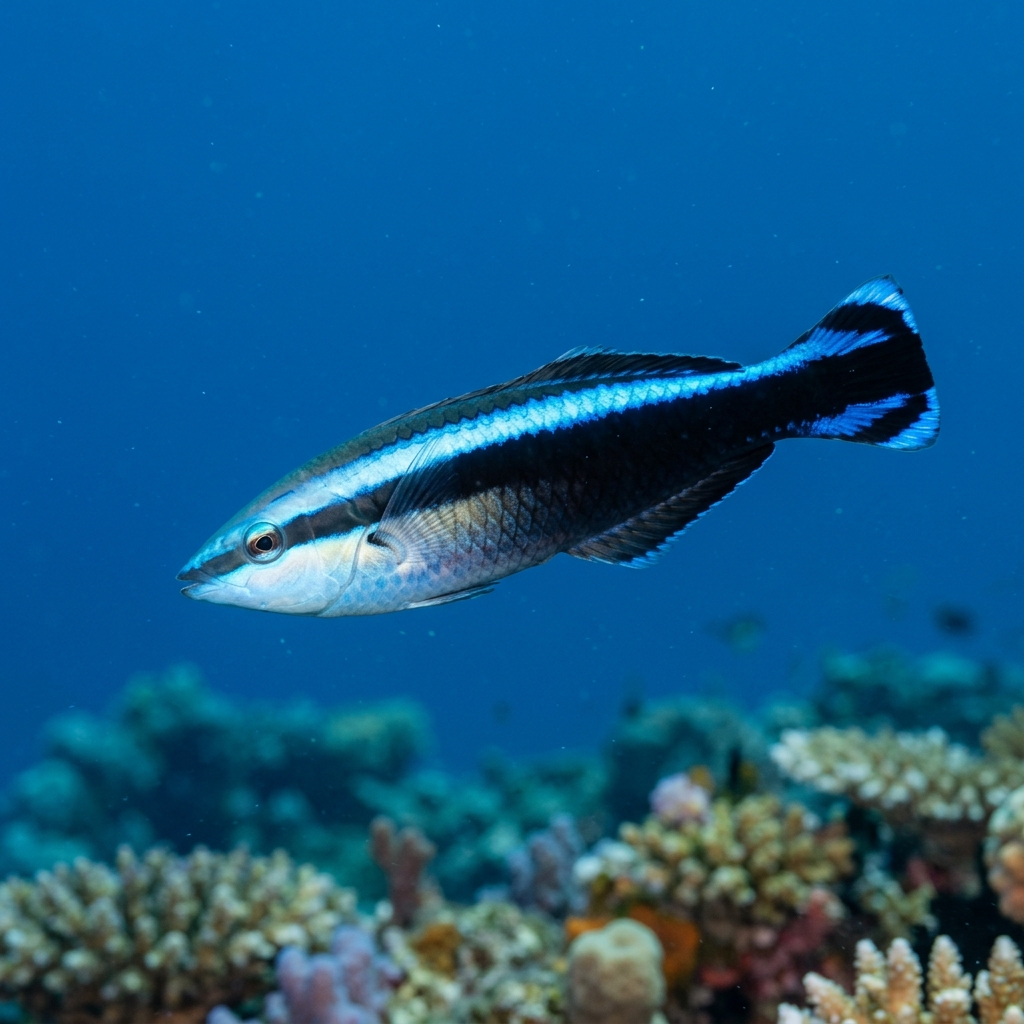
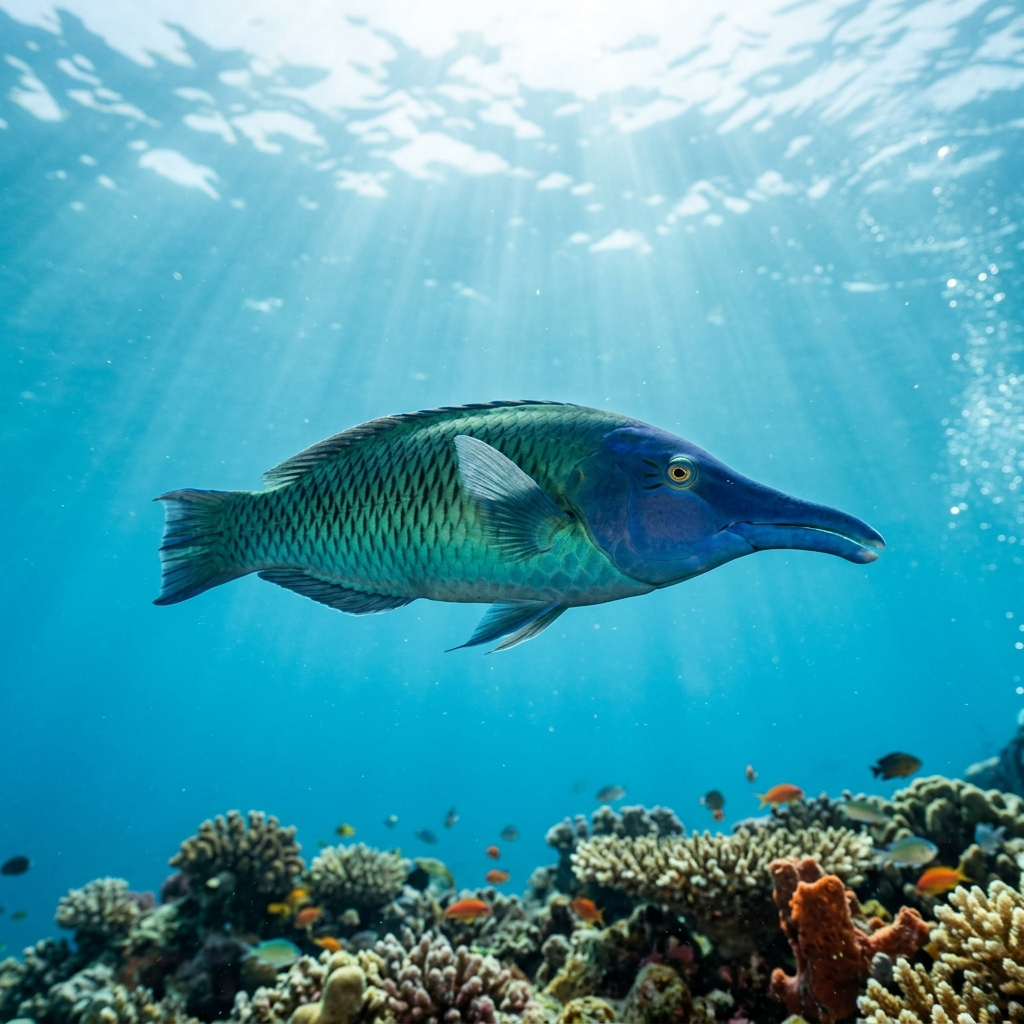
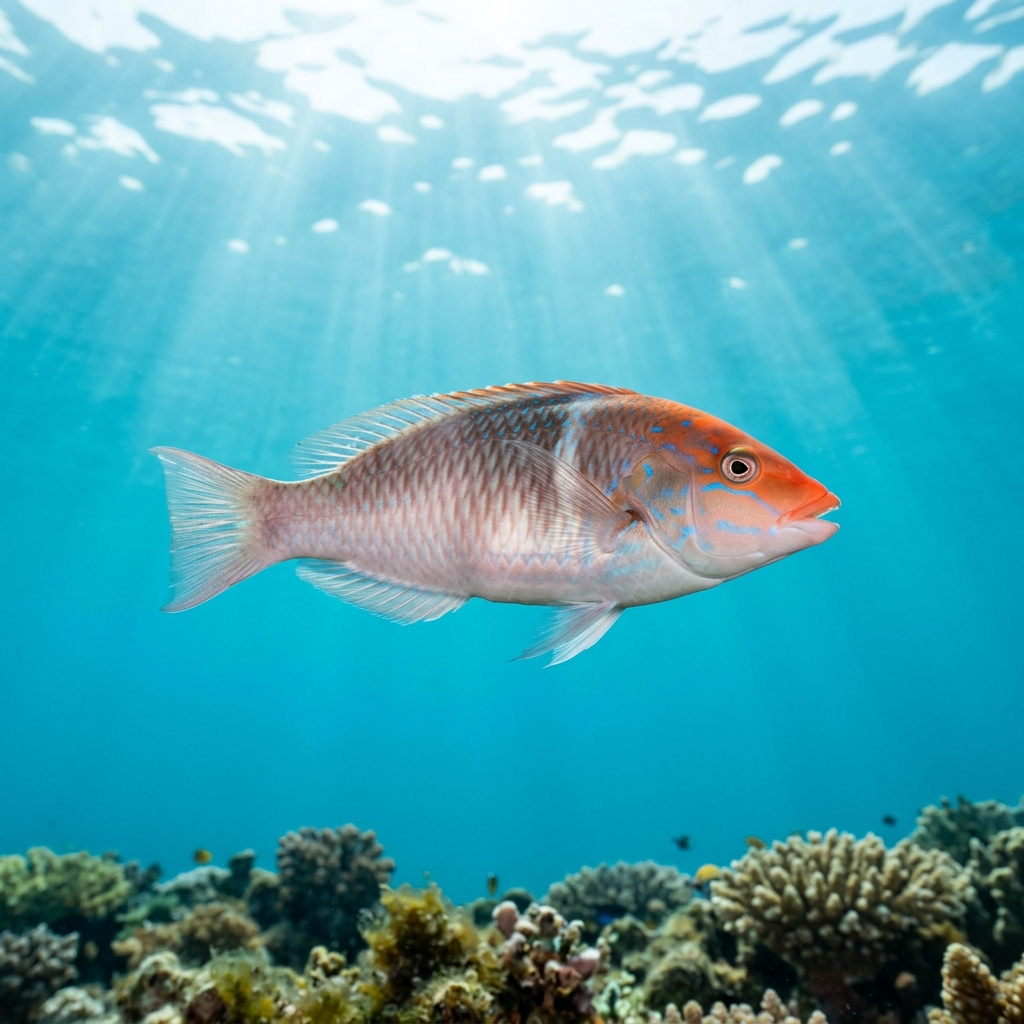
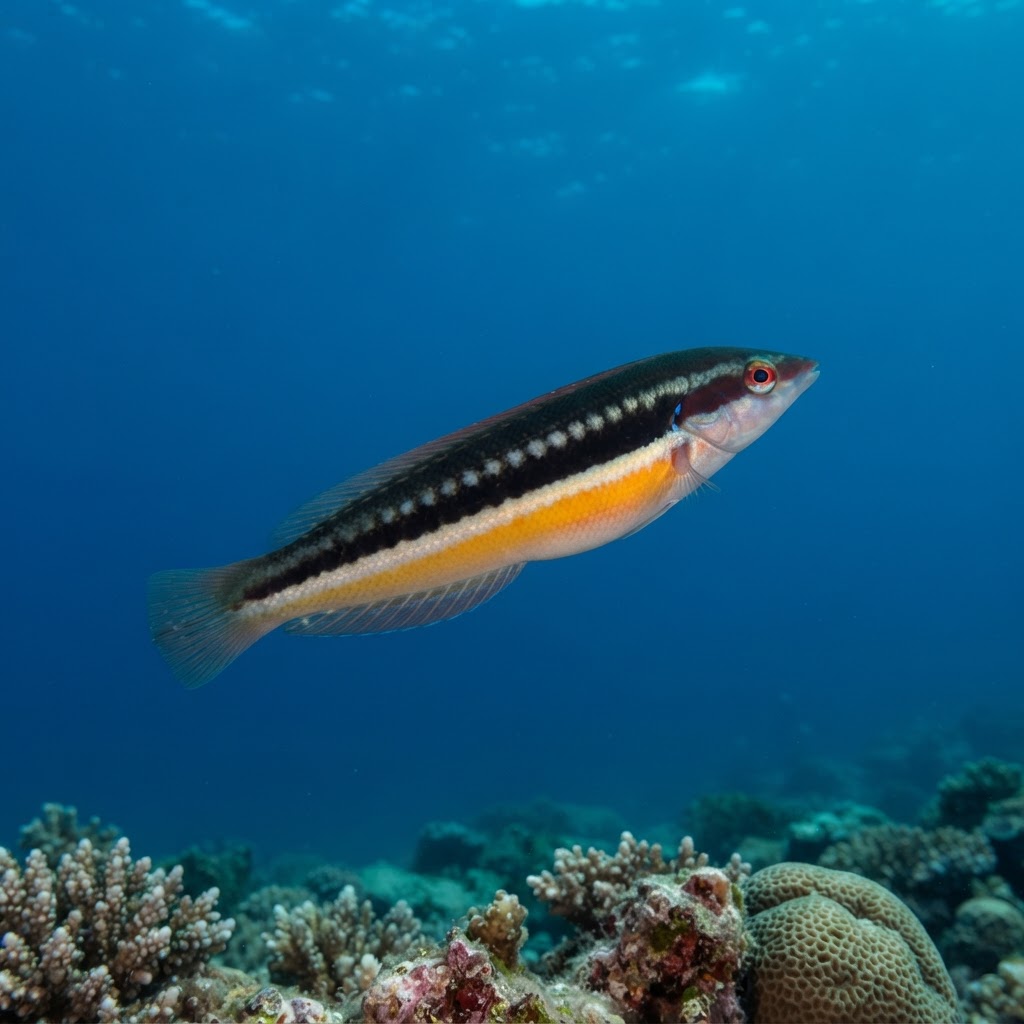
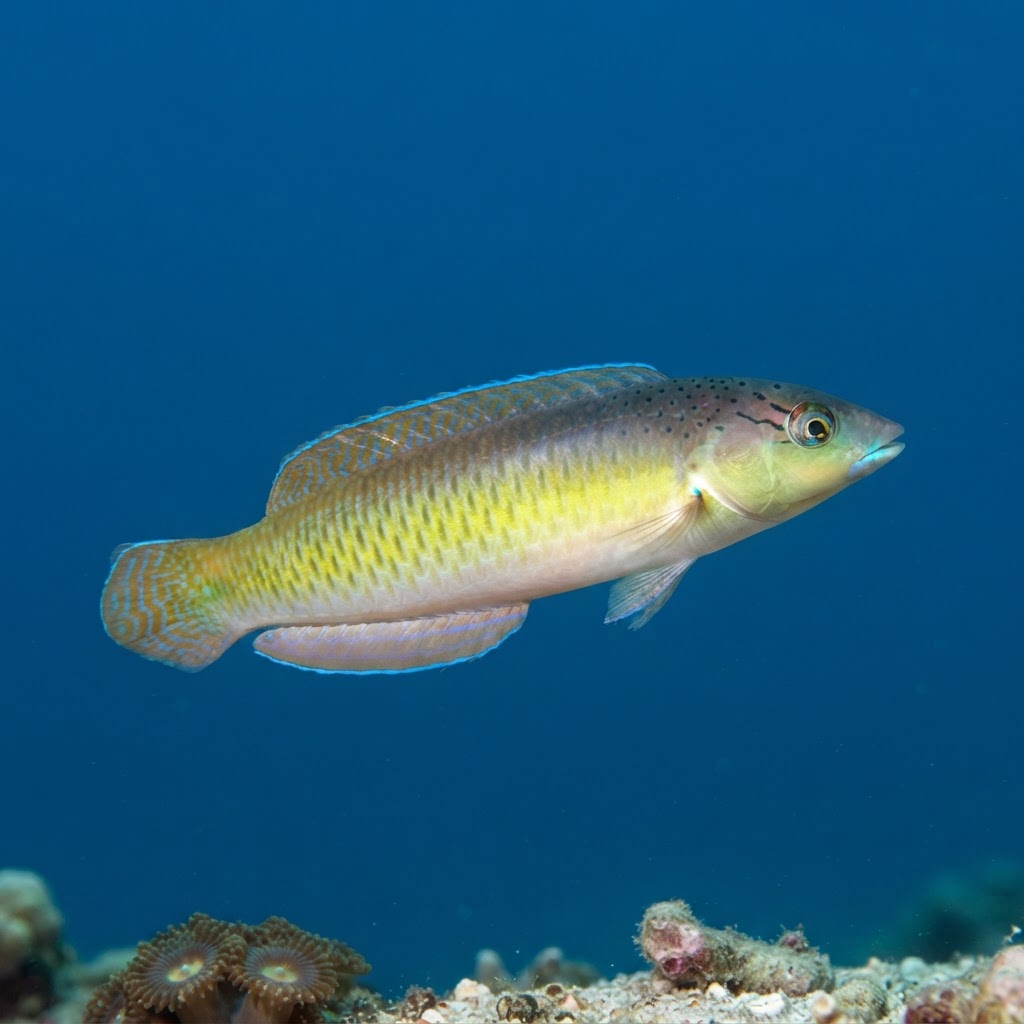
Reef neighbours a diver could mistake it for. Use the identification notes above to tell them apart.
This is a reliable sighting across Caribbean and western Atlantic reefs, most heavily logged in the Yucatán Peninsula in Mexico, throughout Florida, and across the Bay Islands of Honduras. It also turns up consistently along Bonaire's leeward coast, around Grand Cayman, Grenada, and the British and US Virgin Islands, making it one of the more widespread small wrasses in the region.
Mapping where Yellowhead Wrasse is logged…
It's most commonly logged in Mexico's Yucatán Peninsula, throughout Florida, and across Honduras's Bay Islands, with strong numbers also in Bonaire, Grand Cayman, Grenada, and the Virgin Islands.
There's no strong seasonal pattern in sightings, and it tolerates a wide temperature range on tropical reefs, so it's seen year-round wherever it occurs.
Look for a small, slim fish with a bright yellow front half and a blue-purple rear half, split by a sharp colour break, plus a dark stripe through the eye. It moves in quick bursts low over sand and rubble rather than swimming in open water.
They're small reef fish, typically reaching around 13 cm, so they're easy to miss among larger reef residents.
Yes, like many wrasses it can switch sex during its life, with colour pattern shifting as social and reproductive roles change.
Site and sighting data is aggregated from diver logs, iNaturalist and GBIF. For taxonomy and conservation status:
Bird Wrasses
3,632 sites