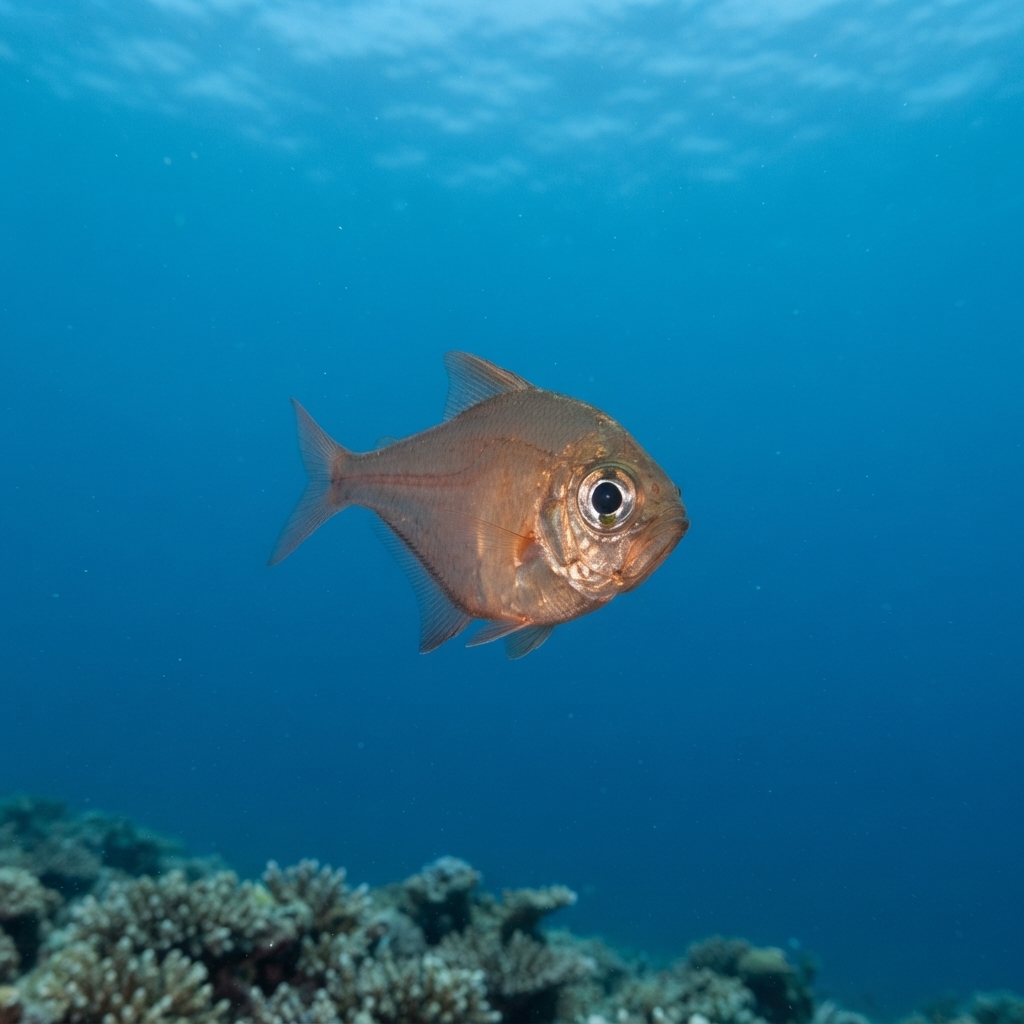
Pempheris schomburgkii
Glassy sweepers pack into reef crevices from Florida to the Yucatán, glinting copper-red in torchlight year-round in 25-28C water.
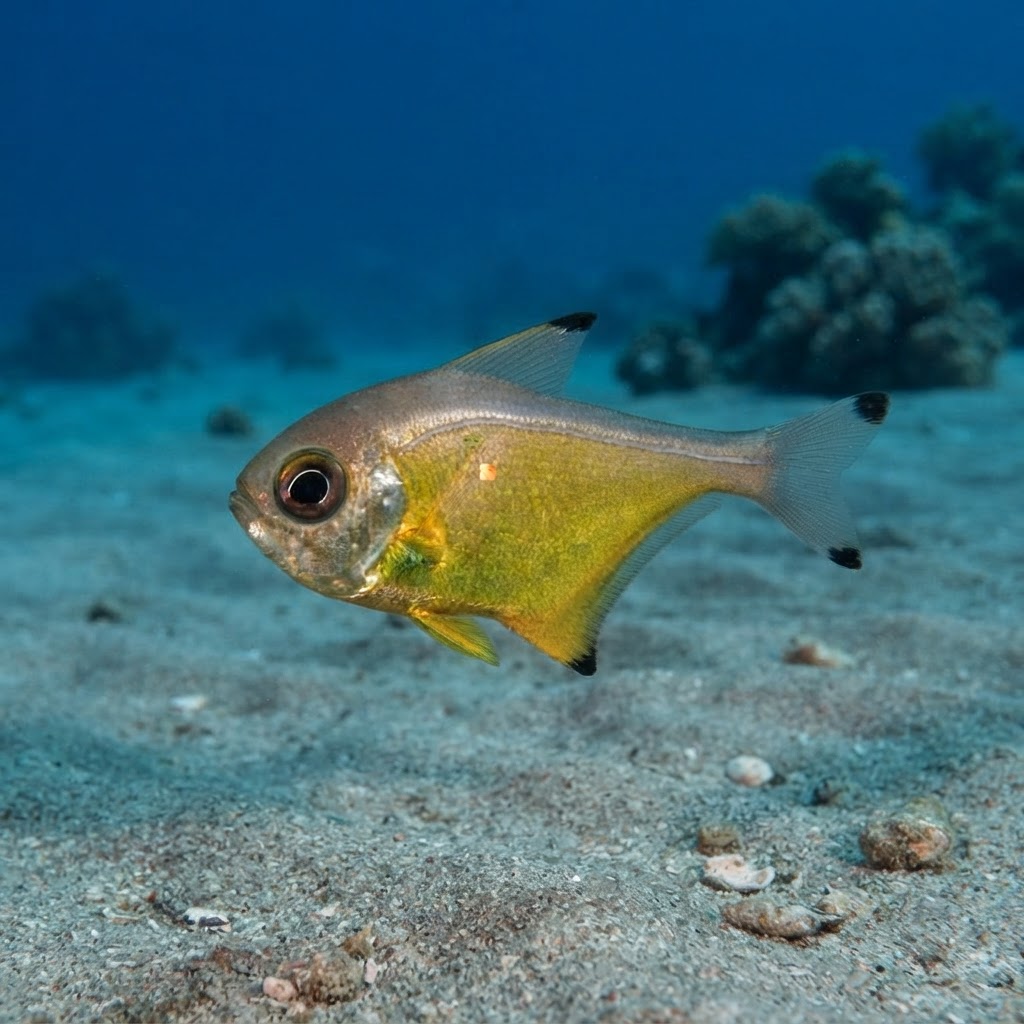
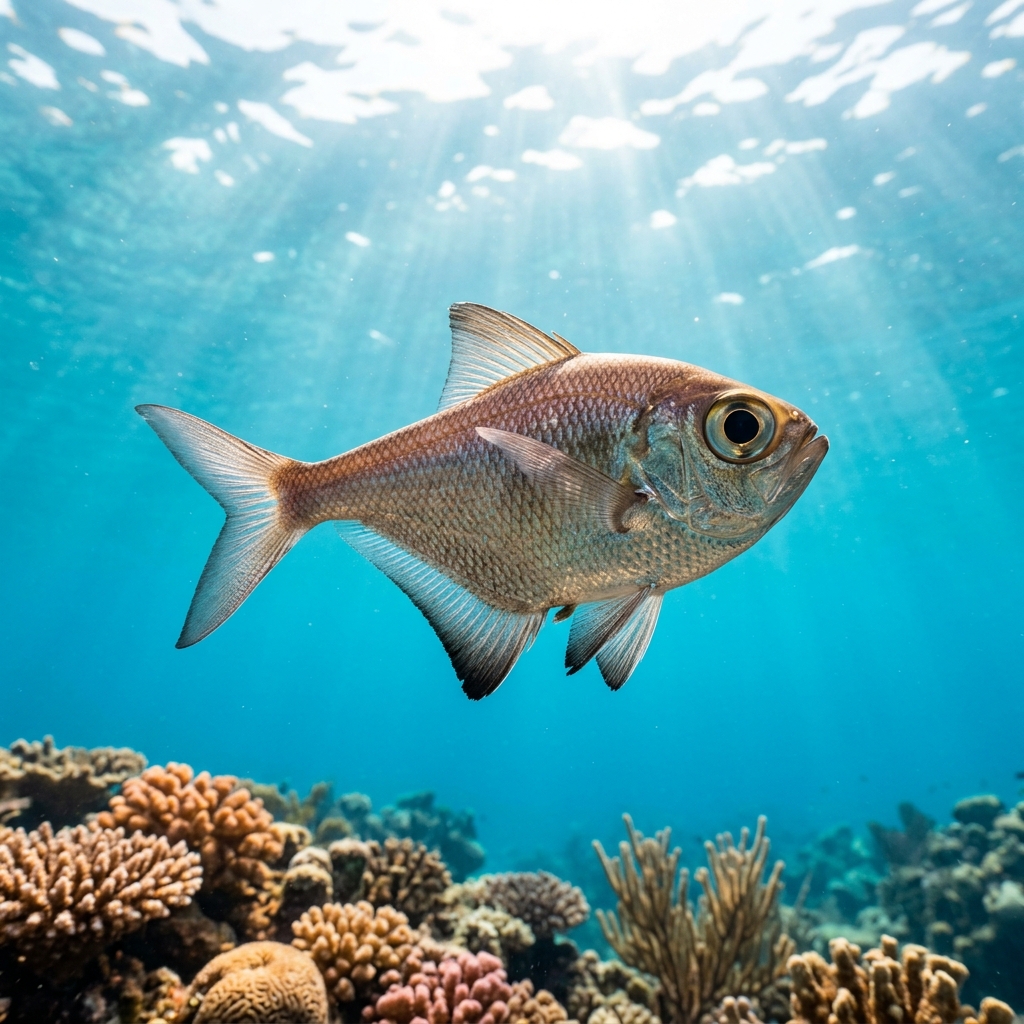
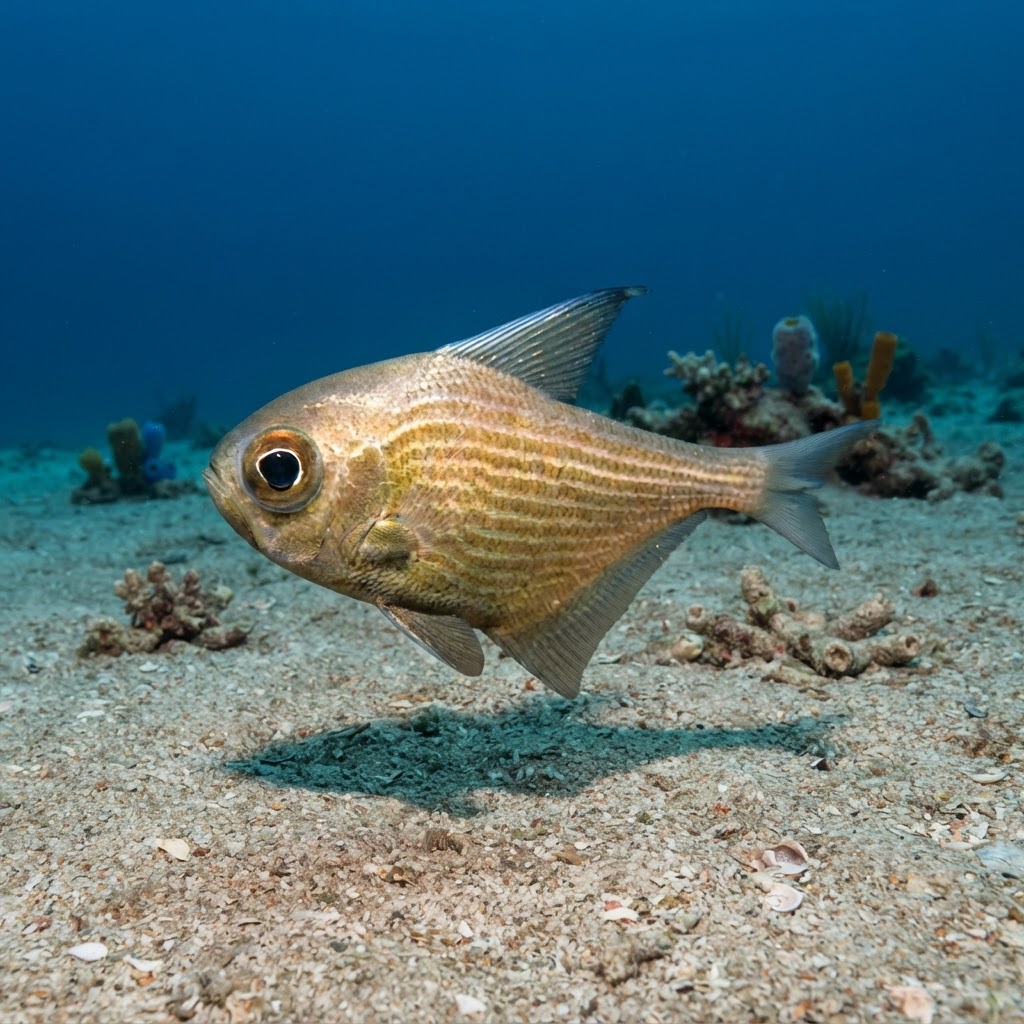
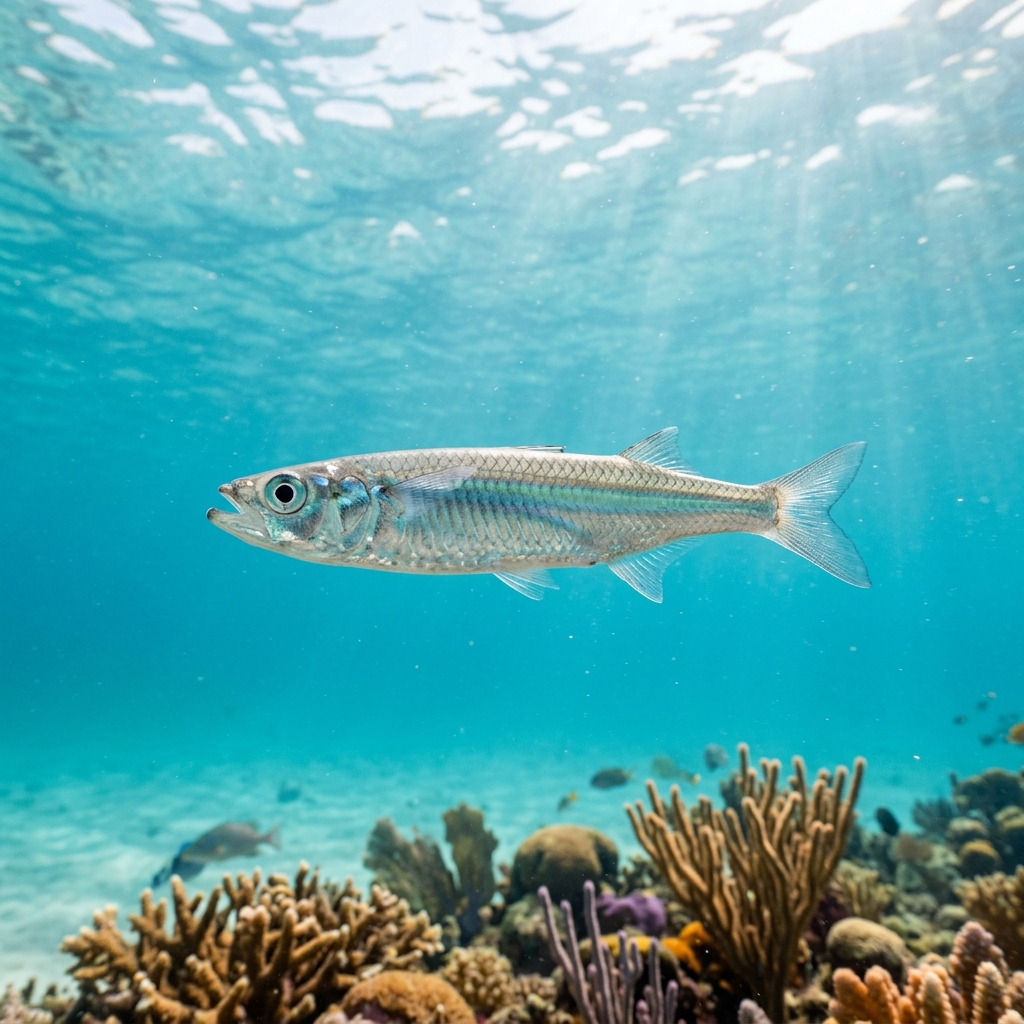
A small, deep-bodied fish around 10 cm long with a translucent, glassy copper-to-pink body that catches light in flashes as it moves. Look for a concave (curved-in) forehead profile, large dark eyes, and a slightly upturned mouth built for feeding on drifting plankton after dark. It rarely swims alone underwater; divers almost always find it packed tight in a stationary school inside a cave mouth, overhang, or wreck recess rather than out in the open.
Expect to find it hanging motionless in dense, shoulder-to-shoulder schools tucked under ledges, inside small caves, or beneath wreck overhangs during daylight hours, using the shade for cover. It holds position tightly even as divers approach, parting only slightly around a torch beam or fin kick before reforming. Sweepers become far more active after dark, spreading out over the reef to feed on plankton, which makes them a signature sighting on night dives near their daytime shelters.
Its glassy, near-transparent body scatters ambient light instead of reflecting it directly, which is why a torch beam through a school seems to make individual fish flicker in and out of visibility rather than simply shine.
No clear seasonal pattern shows up in sightings, and its comfort range of 25 to 28.1C matches Caribbean and tropical Atlantic reefs all year, so any month is workable.
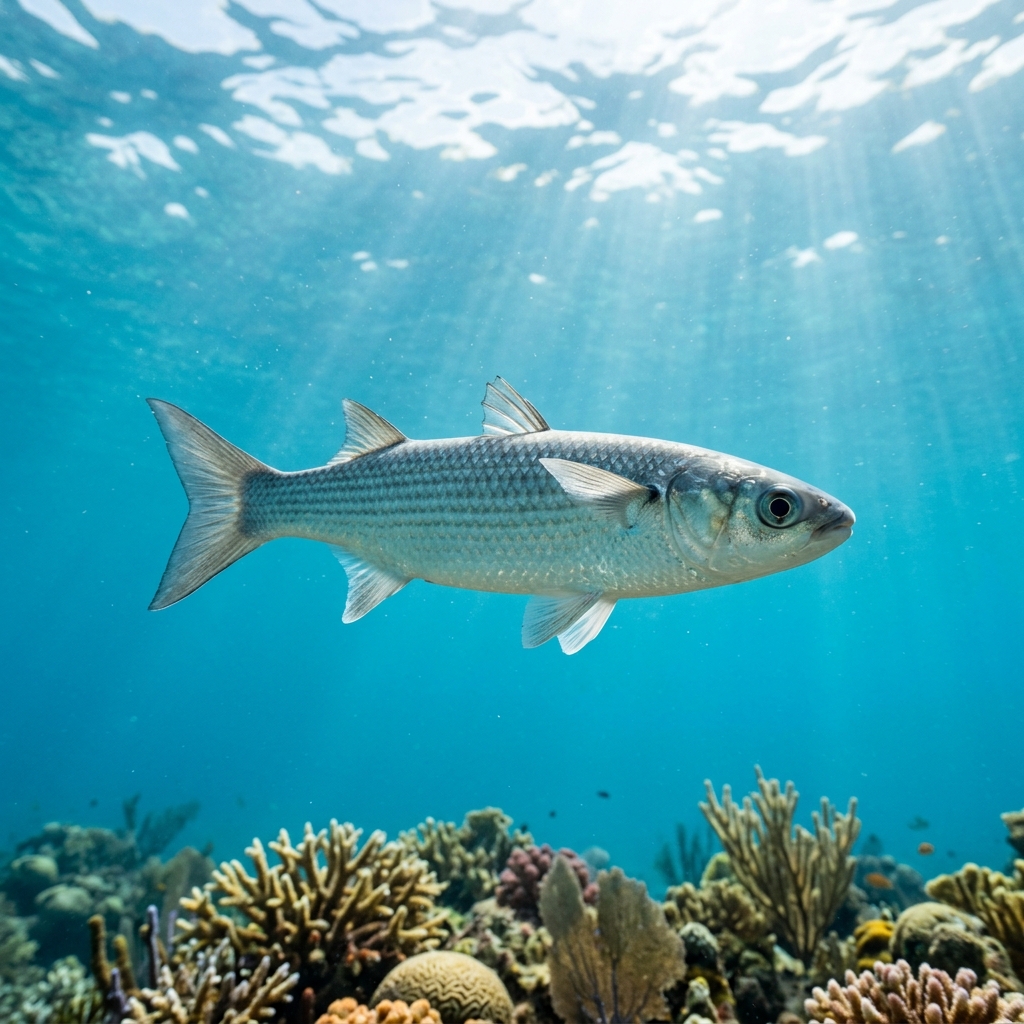
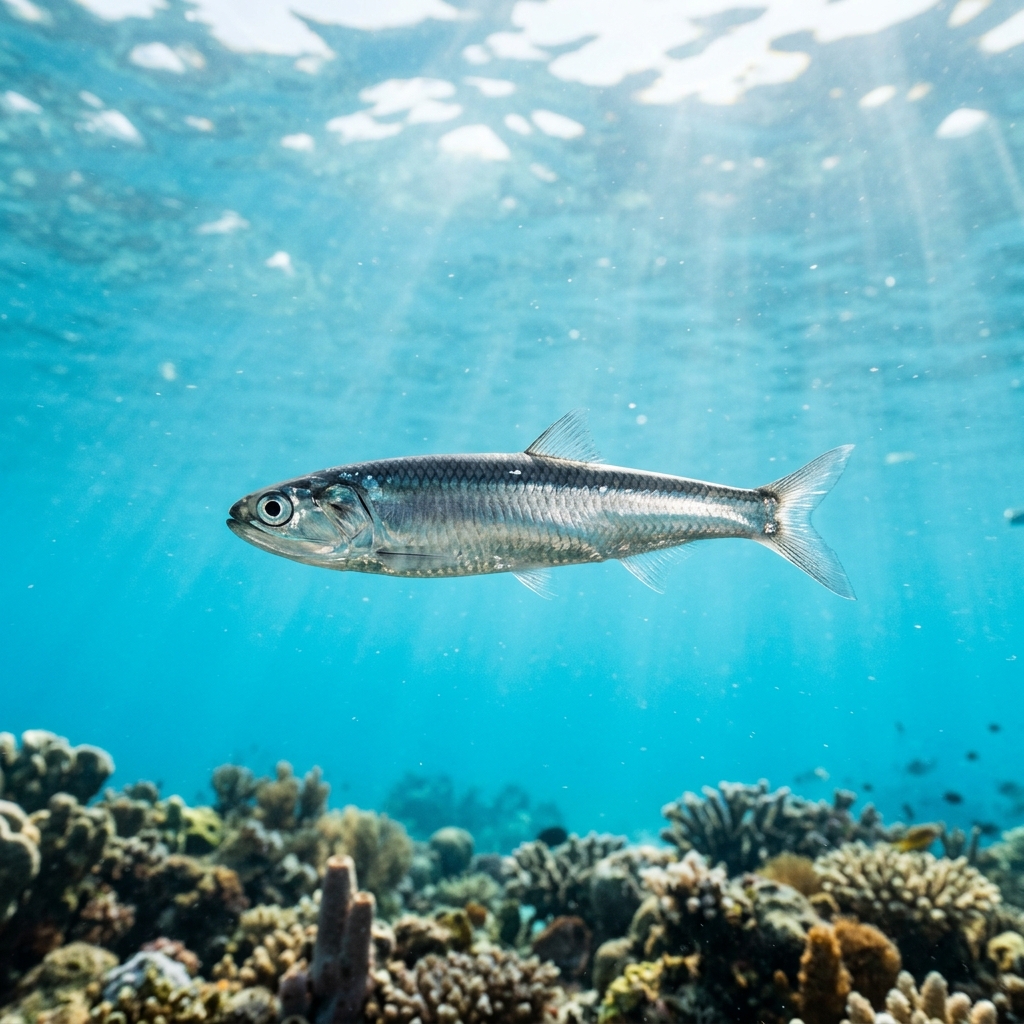
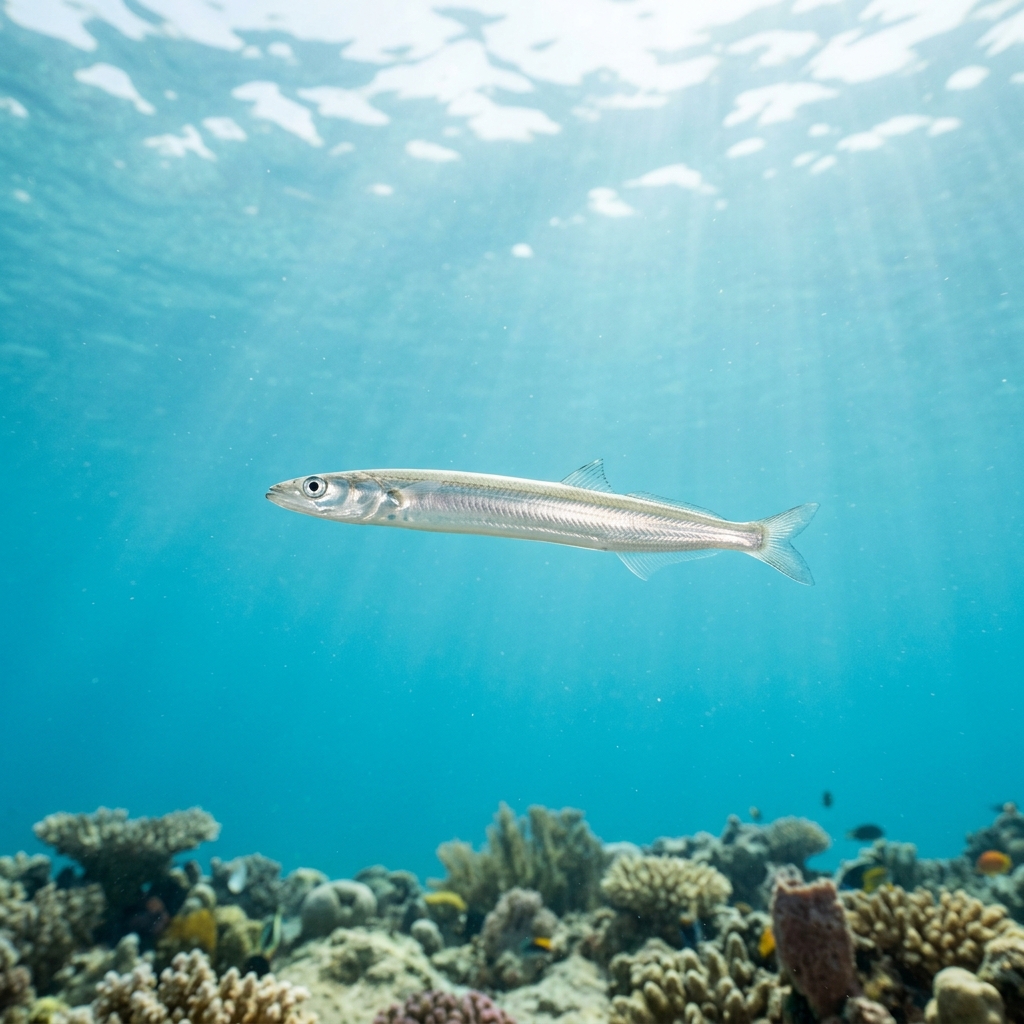
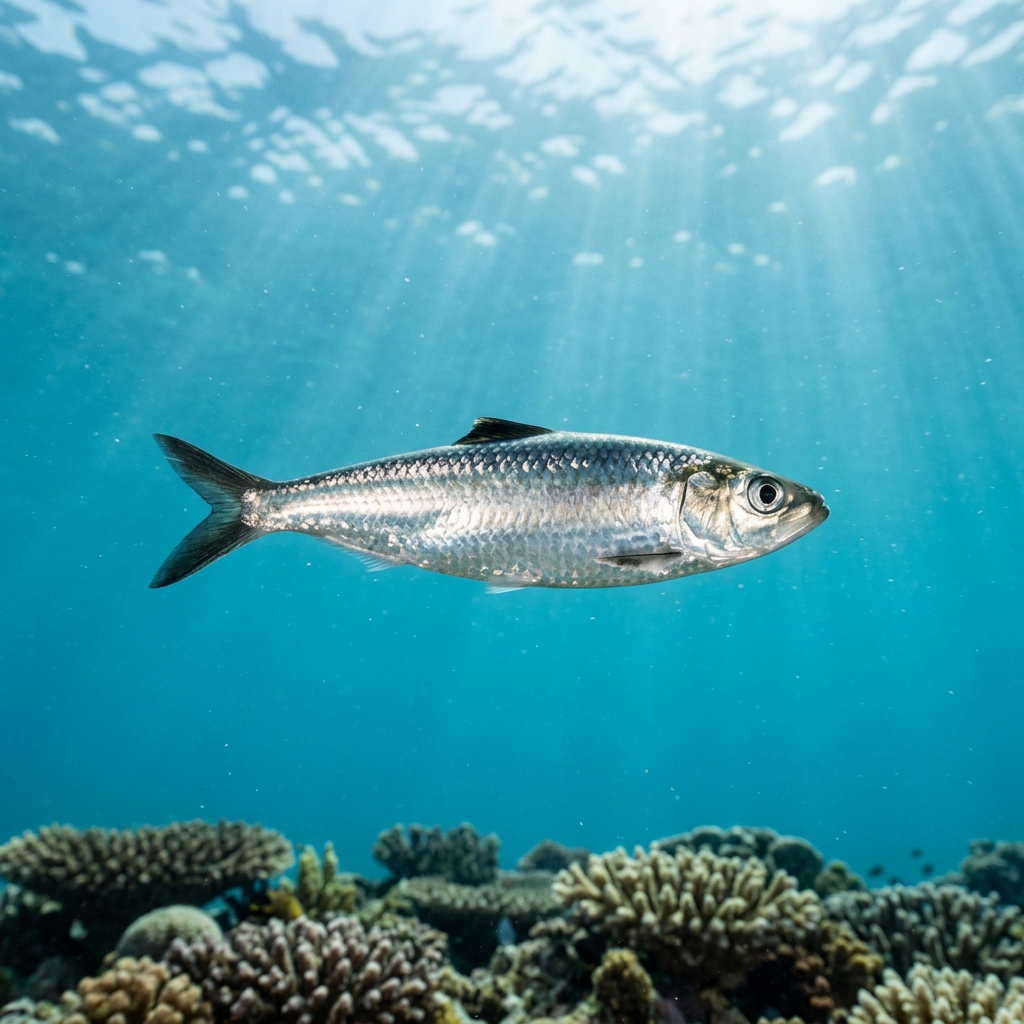
Reef neighbours a diver could mistake it for. Use the identification notes above to tell them apart.
Most reliably logged in Florida and the Yucatán Peninsula in Mexico, with strong showings in Fernando de Noronha in Brazil and across the Dutch Caribbean in Curacao and Aruba. Divers also log it consistently around Dominica, particularly the Soufriere-Scotts Head Marine Reserve, and through the British Virgin Islands and Puerto Rico.
Mapping where Glassy Sweeper is logged…
Florida and Mexico's Yucatán Peninsula have the most logged sightings, with Fernando de Noronha in Brazil and Curacao, Aruba, Dominica, the British Virgin Islands, and Puerto Rico all reliable spots to find schools under ledges and overhangs.
There is no strong seasonal pattern in sightings, and the species sits comfortably in 25 to 28.1C water year-round, so it is a fair bet on any month you dive its Caribbean and tropical Atlantic range.
Look for a small, roughly 10 cm fish with a translucent copper-pink body, a curved-in forehead, and large dark eyes, usually seen packed into a tight, stationary school under a ledge or cave mouth rather than swimming in open water.
They top out around 10 cm, small enough that a whole school can pack into a single narrow cave mouth or wreck recess with room to spare.
No, they pose no danger to divers and simply hold their schooling formation as you approach, parting gently around a torch or fin kick.
Its glassy body scatters torchlight rather than reflecting it, so a beam swept across a school makes individual fish seem to flicker in and out of view, a favourite effect on night dives.
Site and sighting data is aggregated from diver logs, iNaturalist and GBIF. For taxonomy and conservation status:
Anchovy
2,433 sites