Best for advanced divers, 14-25m, boat entry, variable current.
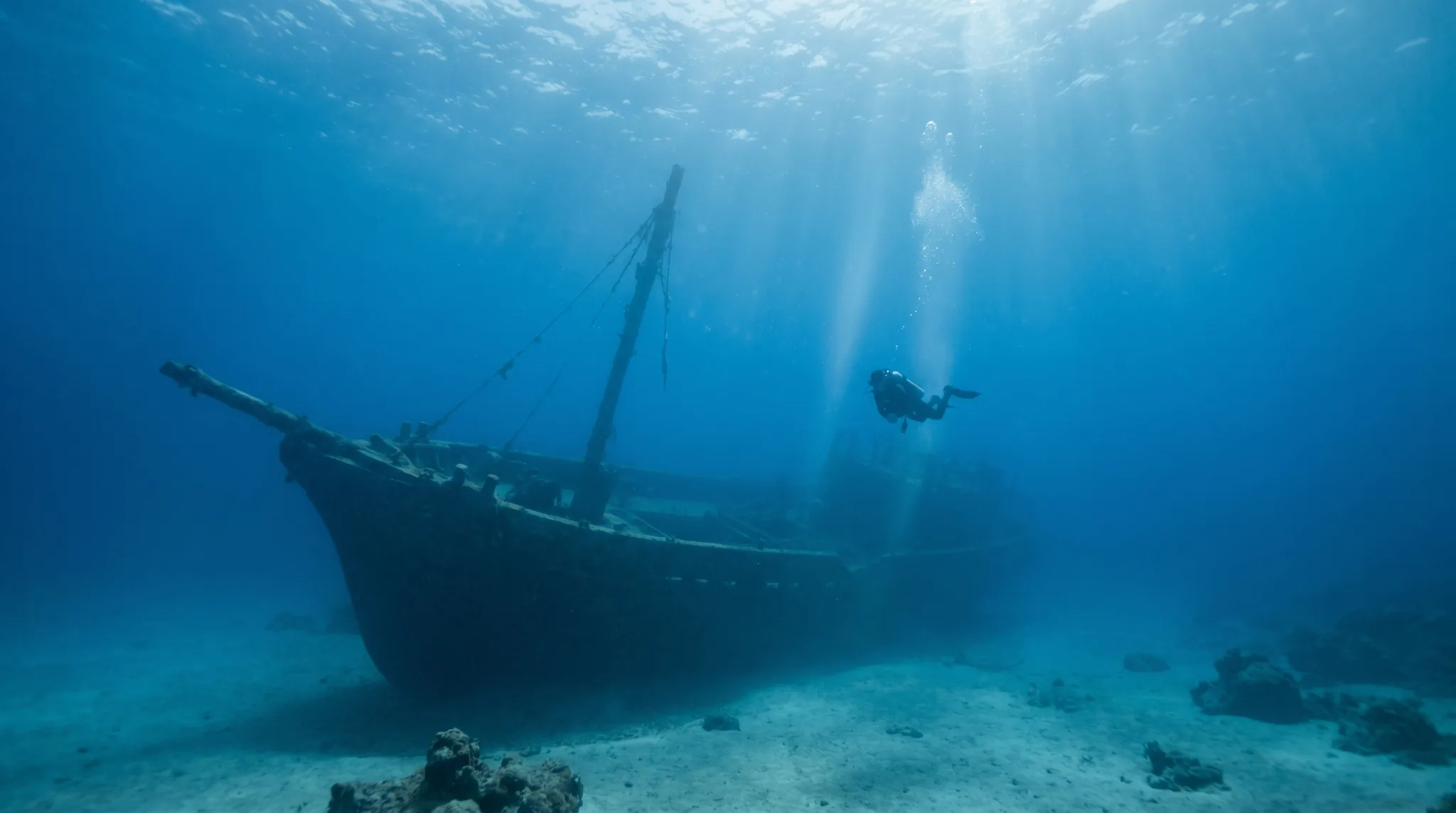
Limassol Wrecks consists of two vessels, the Lady Thetis and the Constandis, which form part of an artificial reef project. Located 1000 metres offshore, these wrecks are accessible only by boat. The site features depths ranging from 14 to 25 metres, with an average depth of 20 metres. Divers should be prepared for variable currents and visibility that fluctuates between 8 and 25 metres. Due to the nature of the wrecks and potential hazards including strong currents, this site is suitable for advanced divers. Typical dive times are approximately 40 minutes. Water temperatures range from 17C in the winter to 26C in October.
34.68540, 33.08037
Visibility often results in the wreck not being visible from the anchor chain, so check with the skipper.
Boat access from Limassol.
Recorded at this site
Depth
14-25m
Visibility
8-25m
Skill Level
Advanced
Entry
Boat
Boat required
Water Temp
17-26°C
Current
Variable
Typical Dive
40 min
Best Time
Apr, May, Jun, Jul, Aug, Sep, Oct
No, this site is intended for advanced divers due to the wreck environment and variable currents.
The site depth ranges from 14 to 25 metres, with an average depth of 20 metres.
No, the wrecks are located 1000 metres offshore and require boat access.
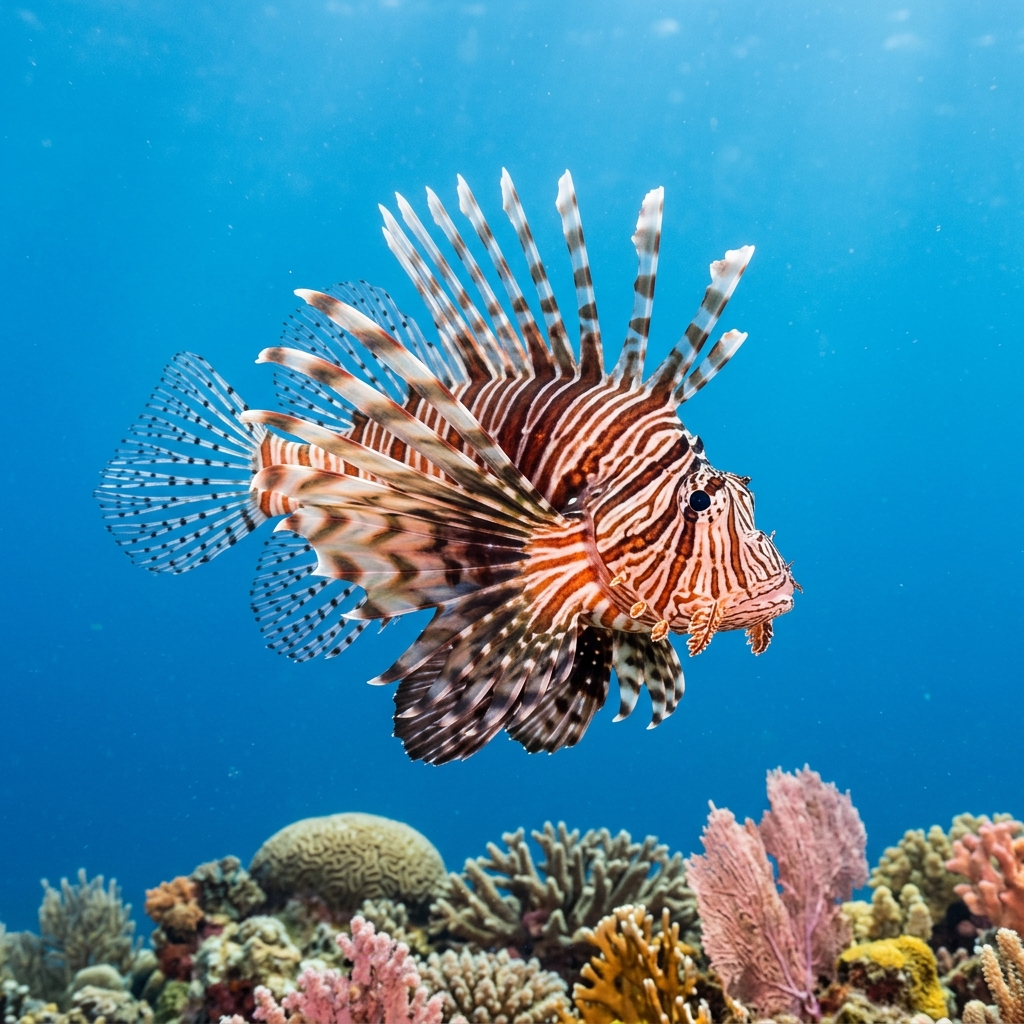
Divers should be aware of strong currents and the presence of lionfish.
Diving at Limassol Wrecks in Limassol requires the following certifications: Open Water, Advanced. Always dive within your training limits.
A 5mm wetsuit is recommended for diving at Limassol Wrecks in Limassol. Water temperatures range from 17°C to 26°C.
The best months to visit Limassol Wrecks in Limassol are April, May, June, July, August, September, and October. Conditions outside these months can still be good but are less predictable.
Currents at Limassol Wrecks in Limassol are variable and can change with tides and conditions. Always check current conditions before diving.
Visibility at Limassol Wrecks in Limassol typically ranges from 8 metres to 25 metres. Conditions vary with weather, tides, and seasons.