Ophidiaster ophidianus
Spot the vivid purple sea star across the Mediterranean and Atlantic islands. Most sightings concentrate May, Oct in Costa Blanca, Balearics and Malta.
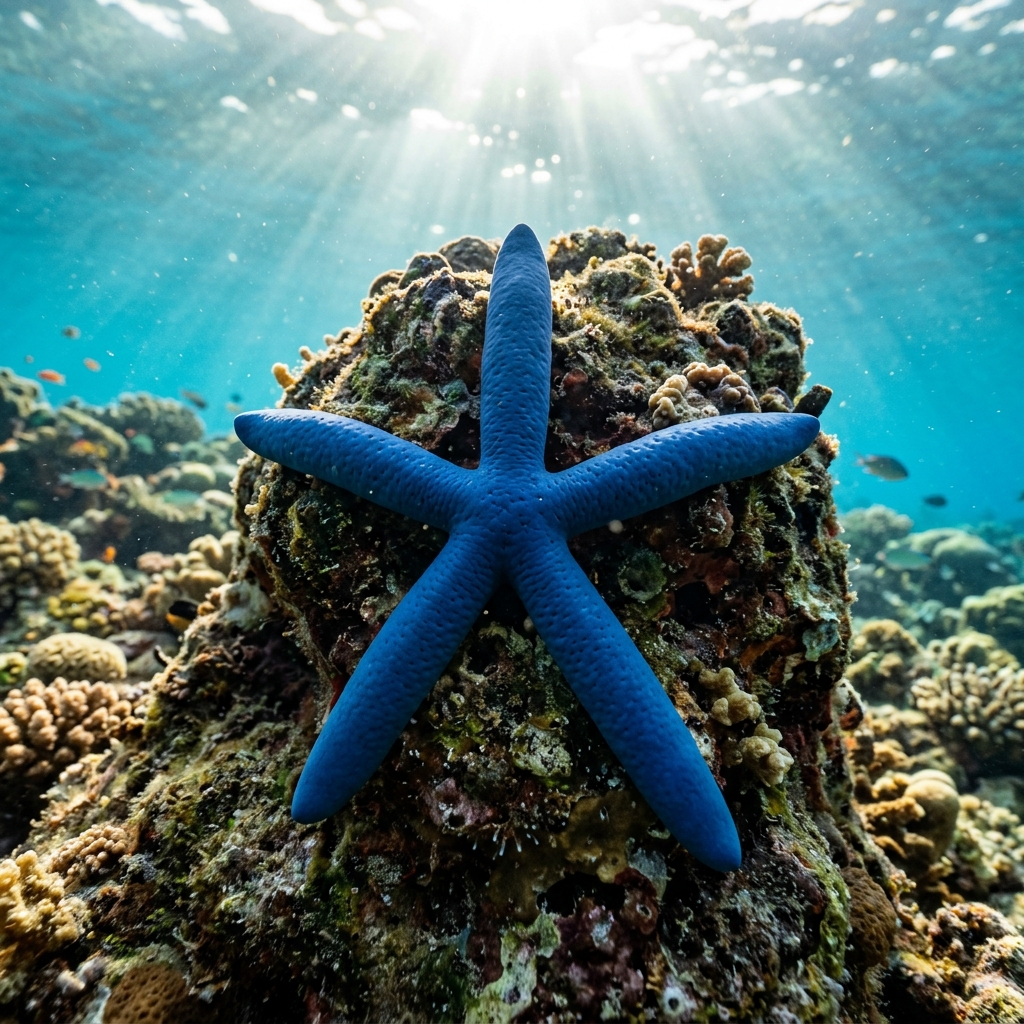
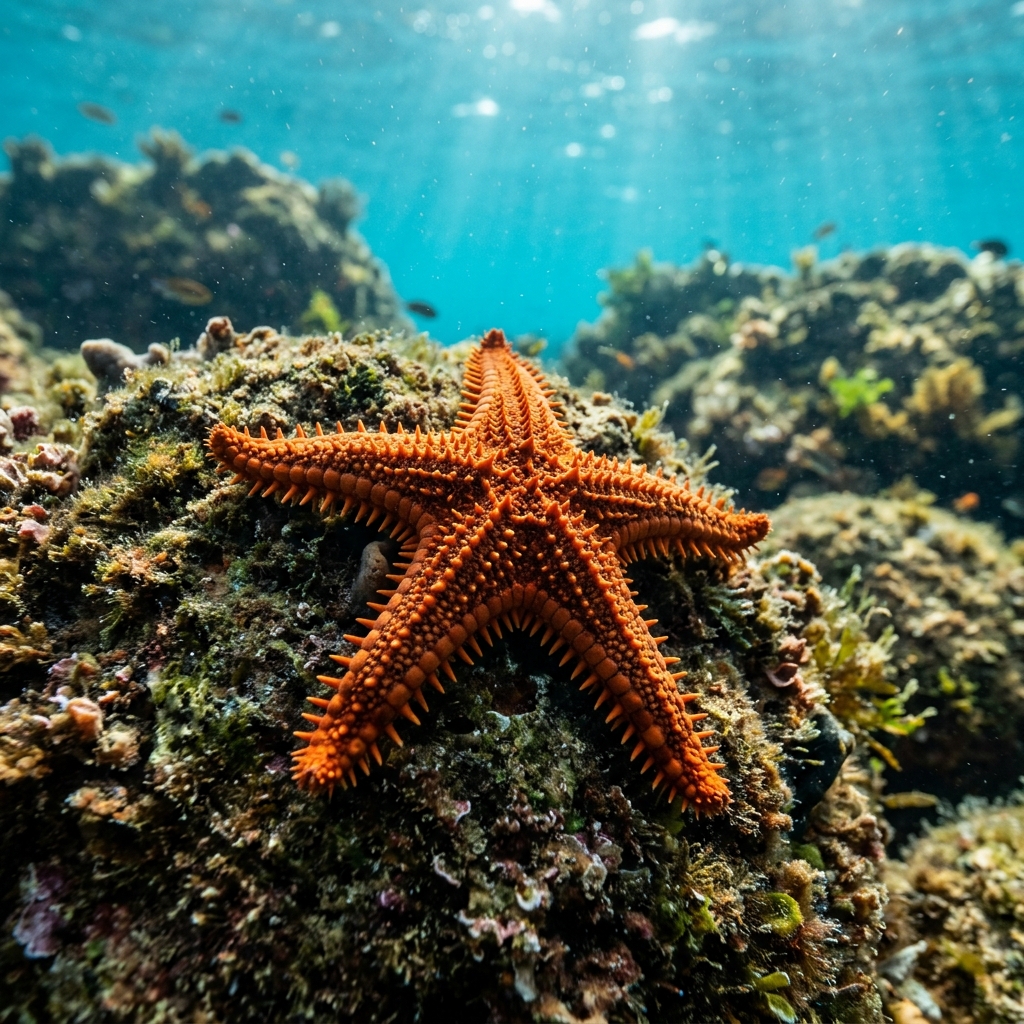
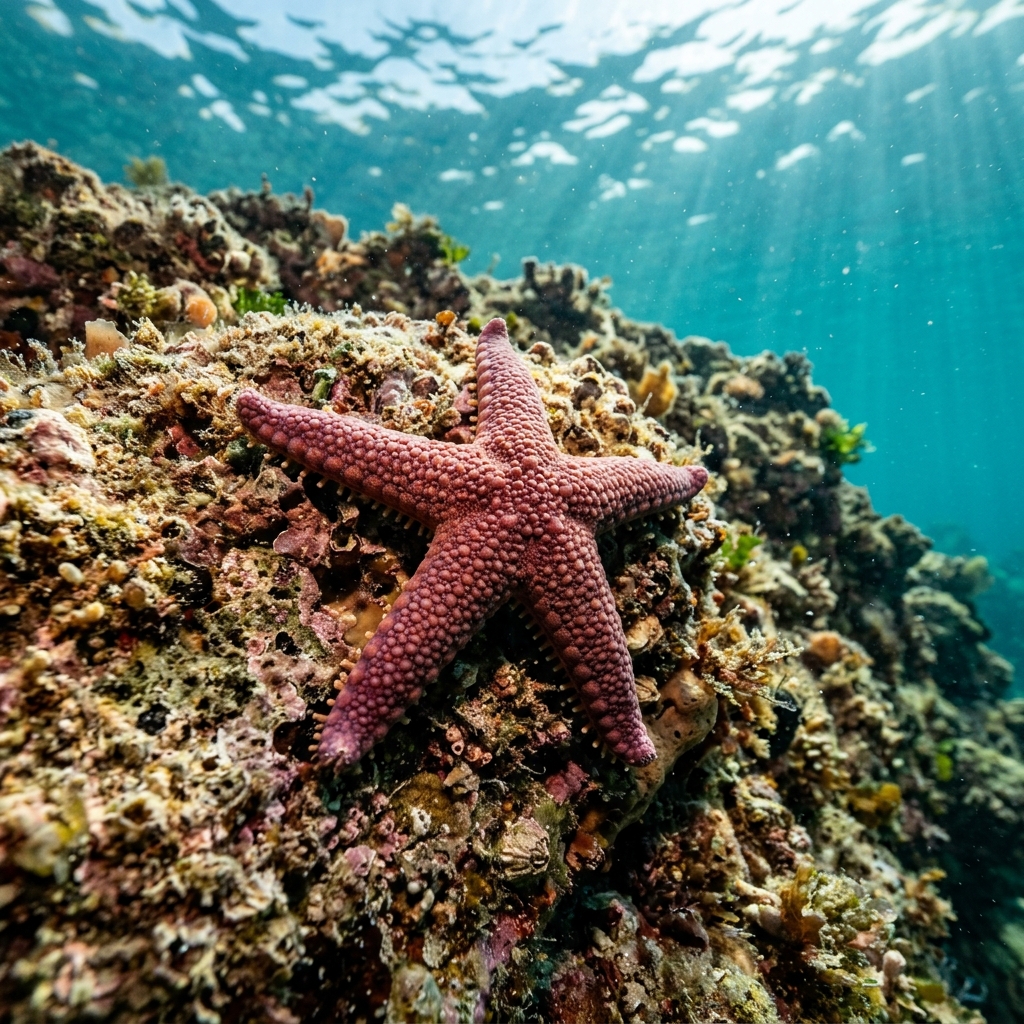
Five long, tubular arms radiating from a small central disc give this sea star a distinctly slender, snake-armed look compared to most Mediterranean species. The colour is a rich, consistent violet-purple across the entire body, with no banding or contrasting markings to complicate the ID. Underwater the arms appear almost circular in cross-section, smooth and rounded rather than flattened or spiny. That combination of deep purple tone and cylindrical arms is essentially unmistakable on a Mediterranean or Macaronesian reef.
You will almost always find it resting motionless on rocky or hard-substrate reef, often in fairly shallow water where algae and encrusting organisms are plentiful. It moves slowly and shows little reaction to approaching divers, making it an easy subject to observe closely. Most encounters are solitary individuals rather than groups.
Like other ophidiasterid sea stars, it can regenerate a lost arm entirely, and under some conditions a detached arm can regenerate a whole new body, a process known as fissiparity.
In the Northern Hemisphere, sightings concentrate firmly between May and October, aligning with the warmer end of its observed temperature range of roughly 15 to 25 °C across Mediterranean and Atlantic waters.
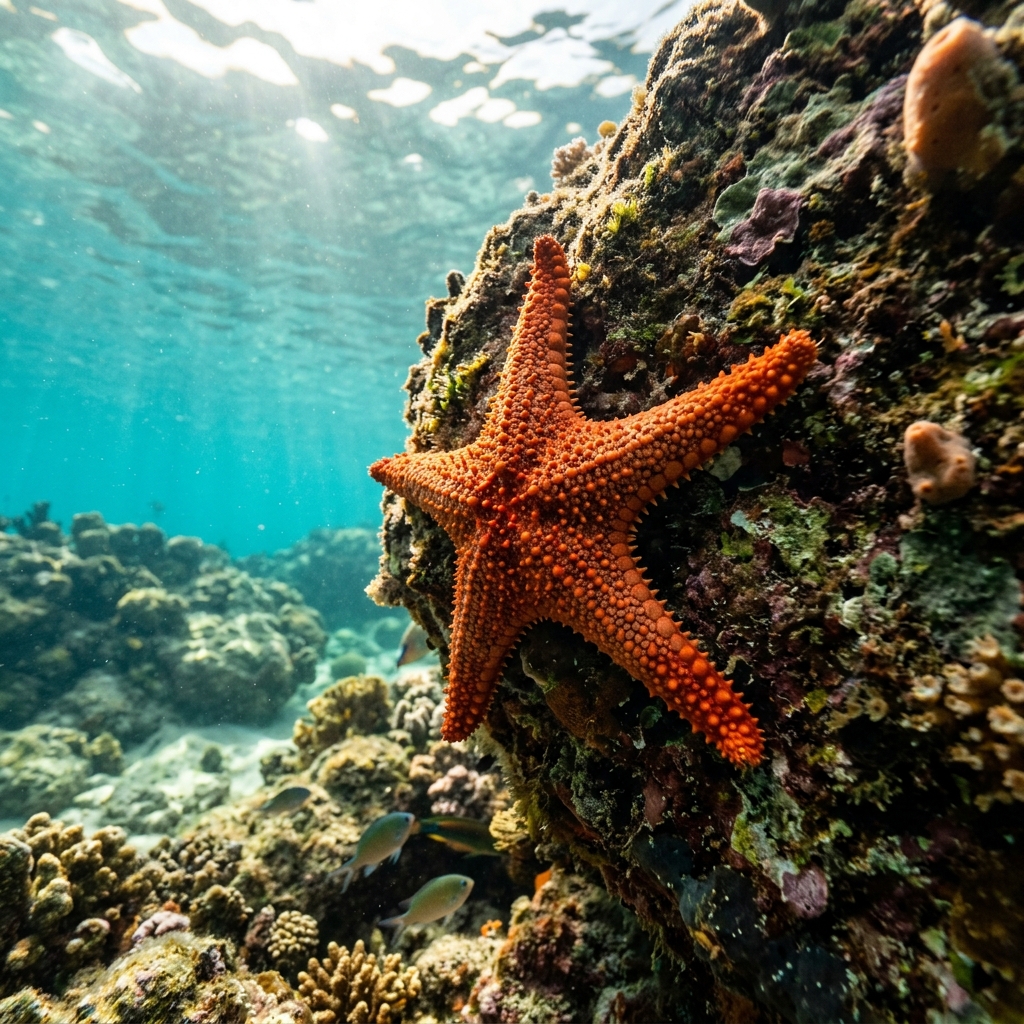
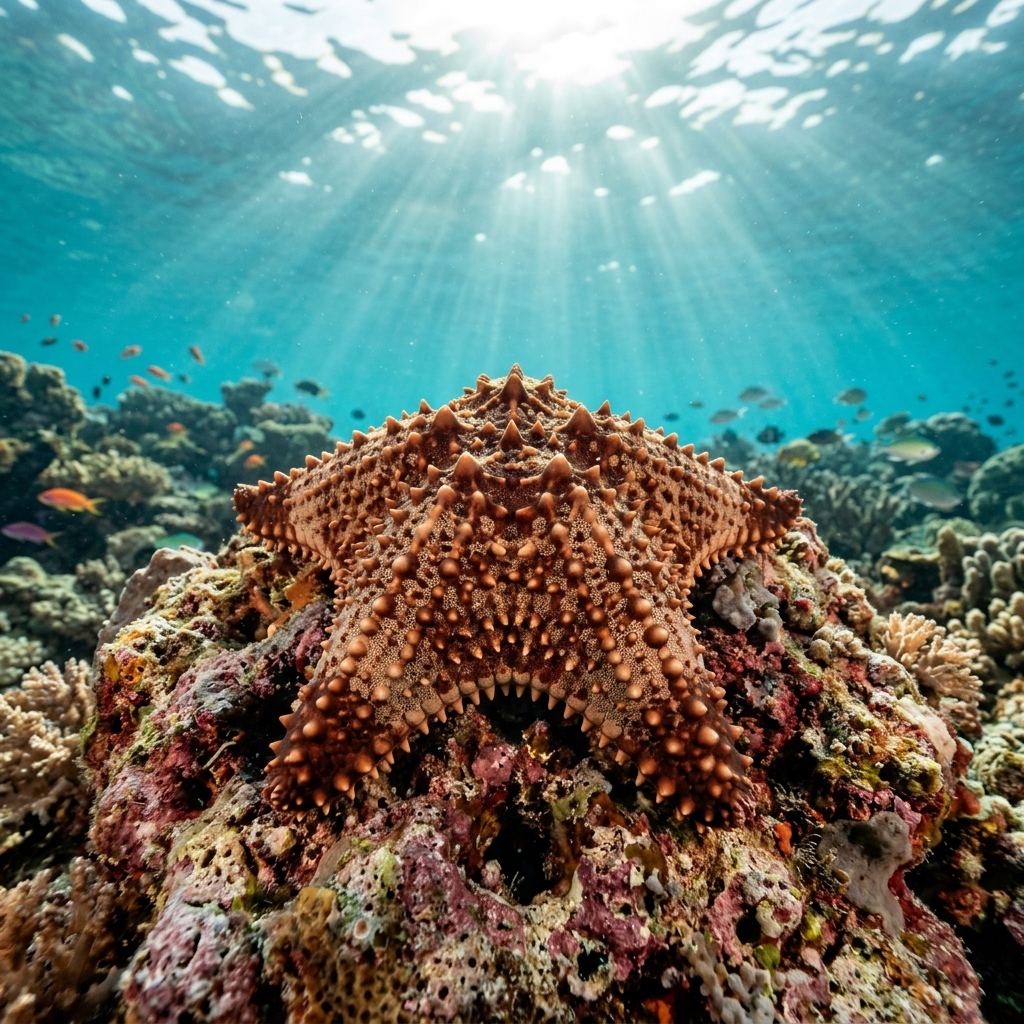
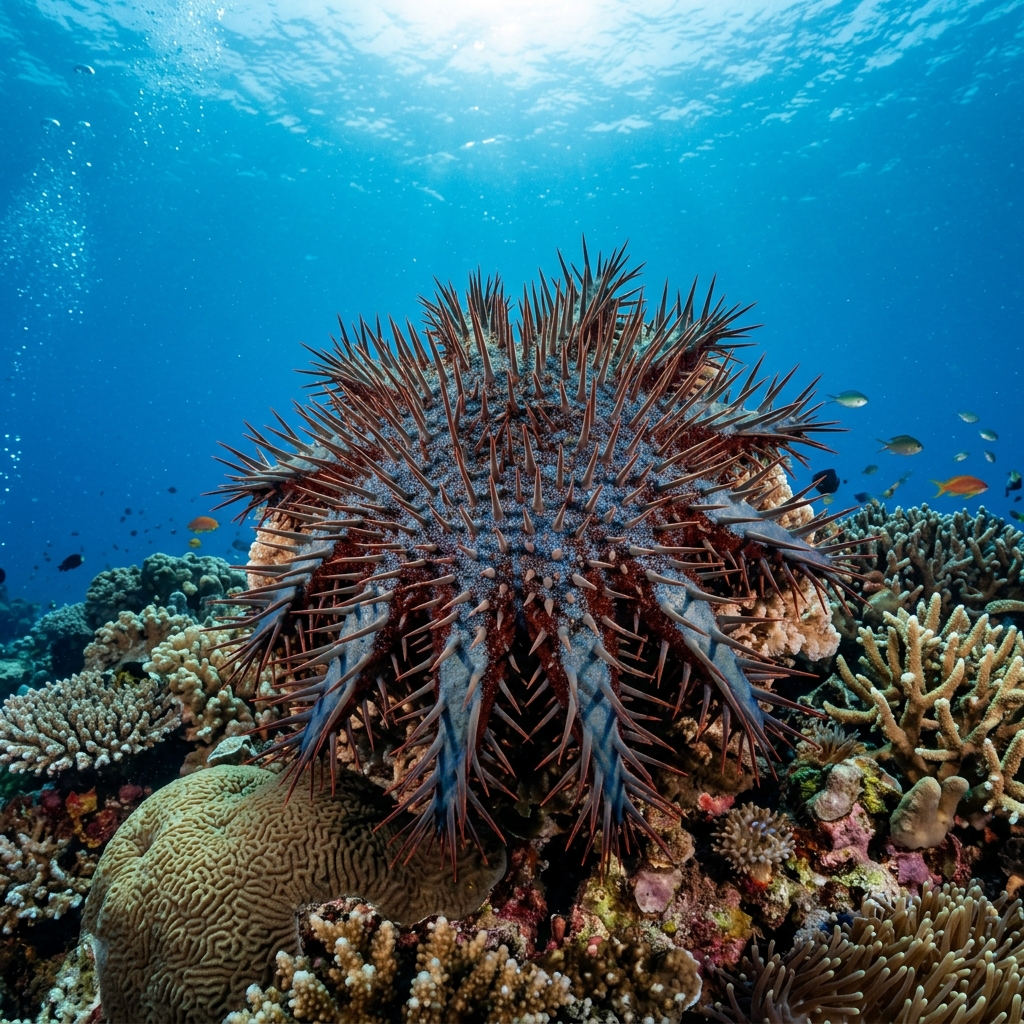
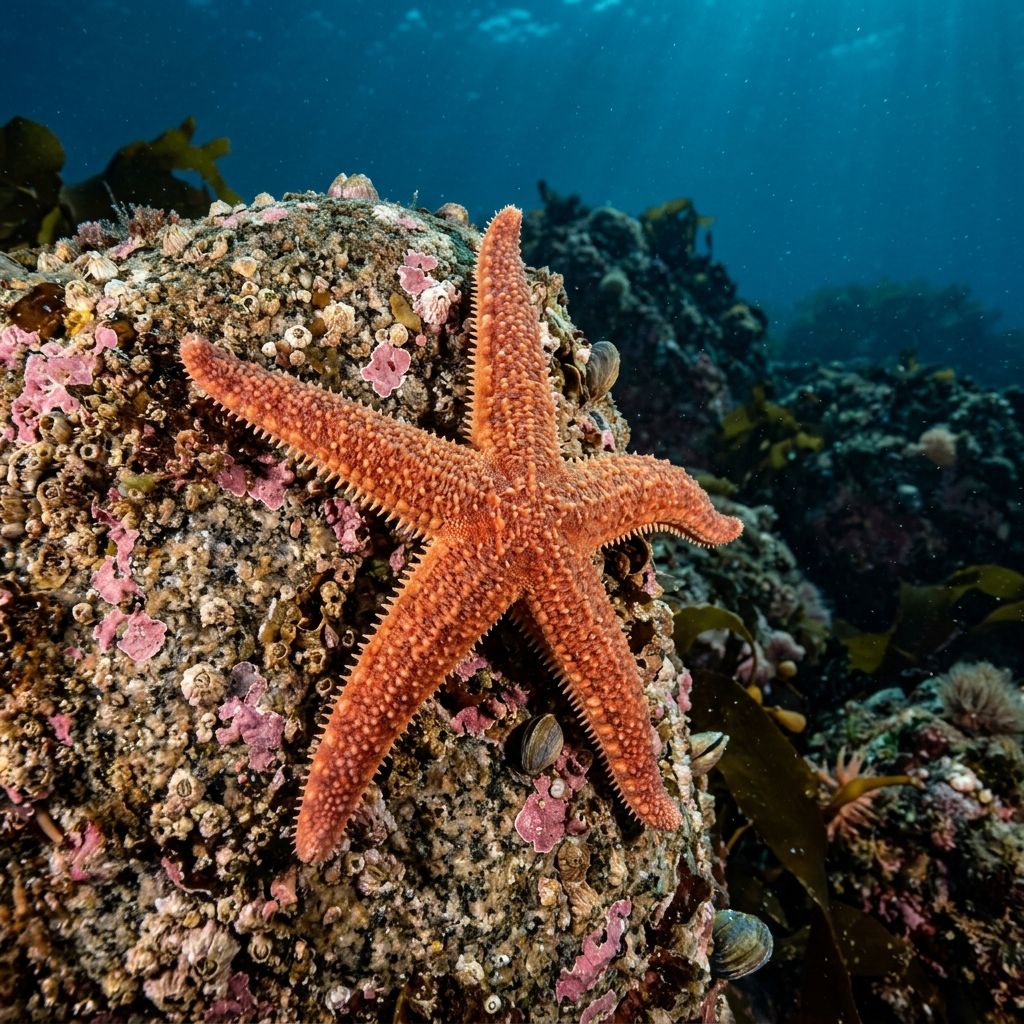
Reef neighbours a diver could mistake it for. Use the identification notes above to tell them apart.
Spain dominates the sighting record by a large margin, with Costa Blanca and the Balearic Islands together accounting for the bulk of European observations. Italy, Croatia, and Greece also turn up strong populations, particularly around Sicily, the Ionian Islands, and Central Dalmatia. Further afield, the Azores and Cape Verde in the Atlantic also host reliable sightings, and Gozo in Malta is one of the most consistently reported single locations.
Mapping where Purple Sea Star is logged…
The Mediterranean is the stronghold, with Costa Blanca and the Balearic Islands in Spain leading the sighting record, followed by Sicily, the Ionian Islands of Greece, Central Dalmatia in Croatia, and Gozo in Malta. The Azores and Cape Verde extend the range into the Atlantic.
Across the Mediterranean and Atlantic island sites where it is most commonly logged, sightings peak between May and October. This mirrors the warmer seasonal temperatures the species favours, typically above 15 °C and up to around 25 °C.
Look for five long, cylindrical arms and a uniform deep-violet to purple colour with no contrasting markings or spines. The rounded, almost tube-like arms are the key feature that separates it from flatter or more angular sea stars on the same reef.
At most sites where it is recorded it is classed as uncommon, meaning you may need a few dives before you spot one. A smaller number of sites, particularly in prime Mediterranean locations, rate it as common, so choosing well-known rocky reef sites in the Balearics or Gozo improves your chances.
Site and sighting data is aggregated from diver logs, iNaturalist and GBIF. For taxonomy and conservation status:
Common Sea Star
2,271 sites