Luisella babai
A Mediterranean nudibranch turning up from Catalonia to the French Riviera in cool 14.6-20.6C water, most reliably logged as an uncommon find.
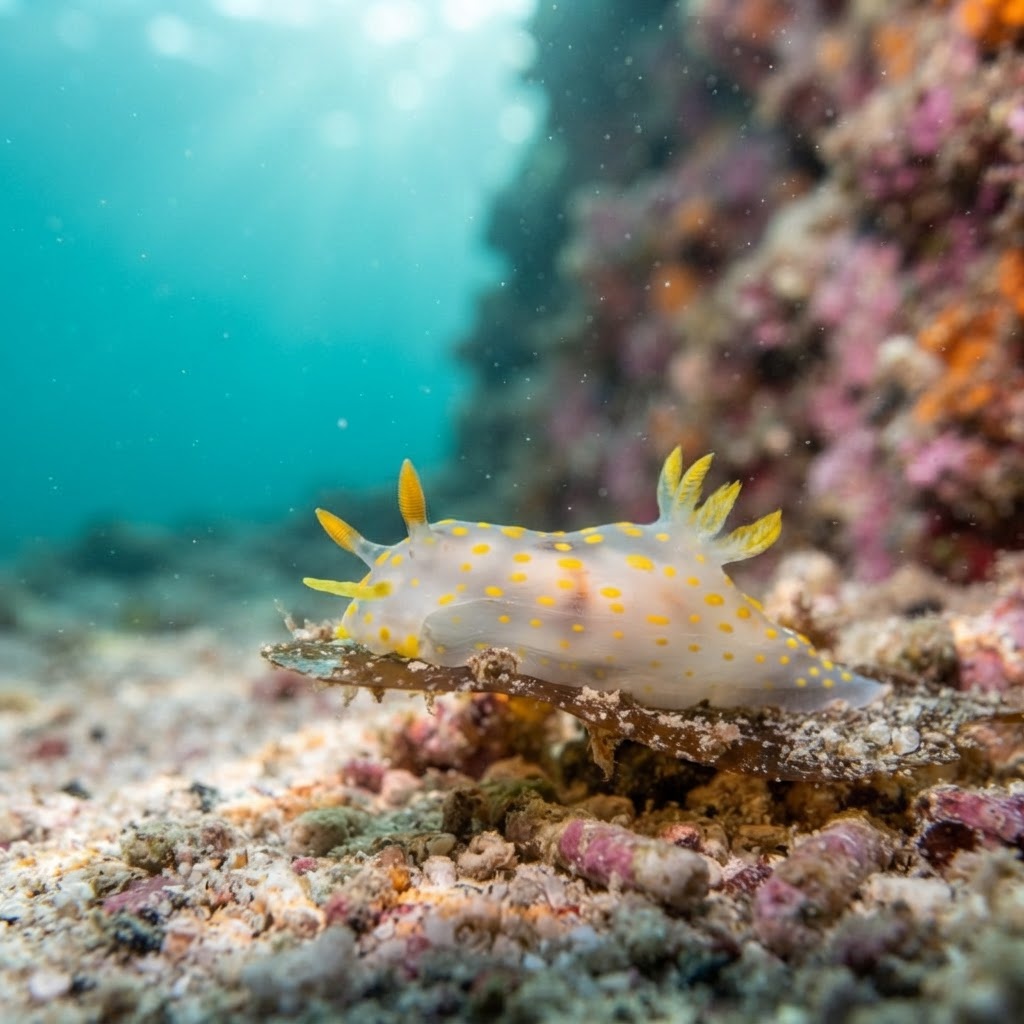
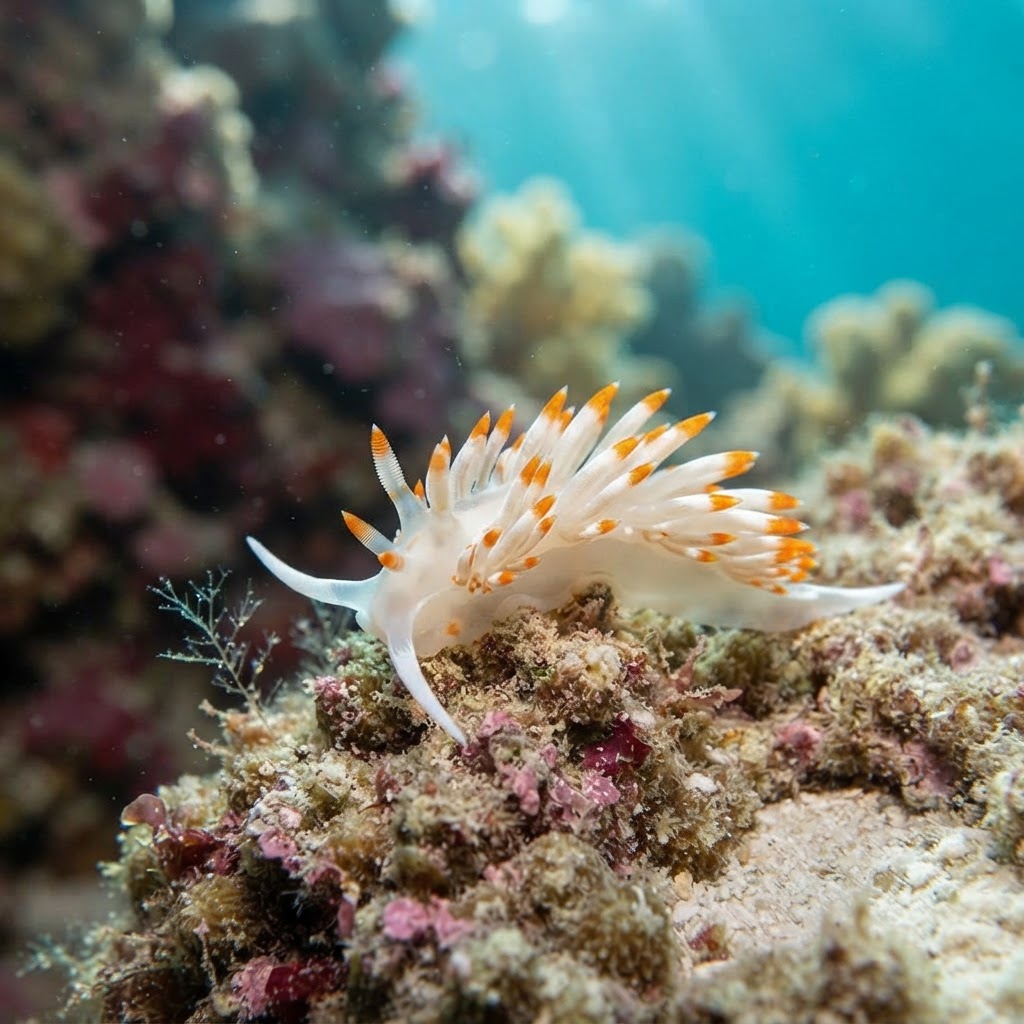
A small nudibranch (sea slug) best picked out by patient scanning rather than sudden colour flashes, since exact size and pattern details are not well documented for this species. Look for it moving slowly over rock and algae-covered substrate rather than sand, in the same cool, current-swept ledges where other Mediterranean dorids turn up. Because sighting reports are thin on fine detail, treat any small unfamiliar dorid in this depth range as a candidate and photograph it close for later ID.
Divers typically find it grazing quietly over rocky, algae-covered reef rather than swimming or reacting to a torch or approach, in keeping with most small dorid nudibranchs. It shows up as an uncommon-to-occasional find at most sites that have it, with a handful of locations reporting it as common or very common, so a slow, close look along rock crevices and weedy patches is the best way to turn one up.
Like other dorid nudibranchs, it almost certainly feeds on sponges and relies on distastefulness rather than speed or camouflage to avoid being eaten, though the specific diet has not been documented for this species.
Sightings show no detectable seasonal pattern, and with a recorded temperature niche of 14.6 to 20.6C it seems to tolerate the cooler end of Mediterranean and Atlantic conditions, so divers report it across the year rather than in one narrow window.
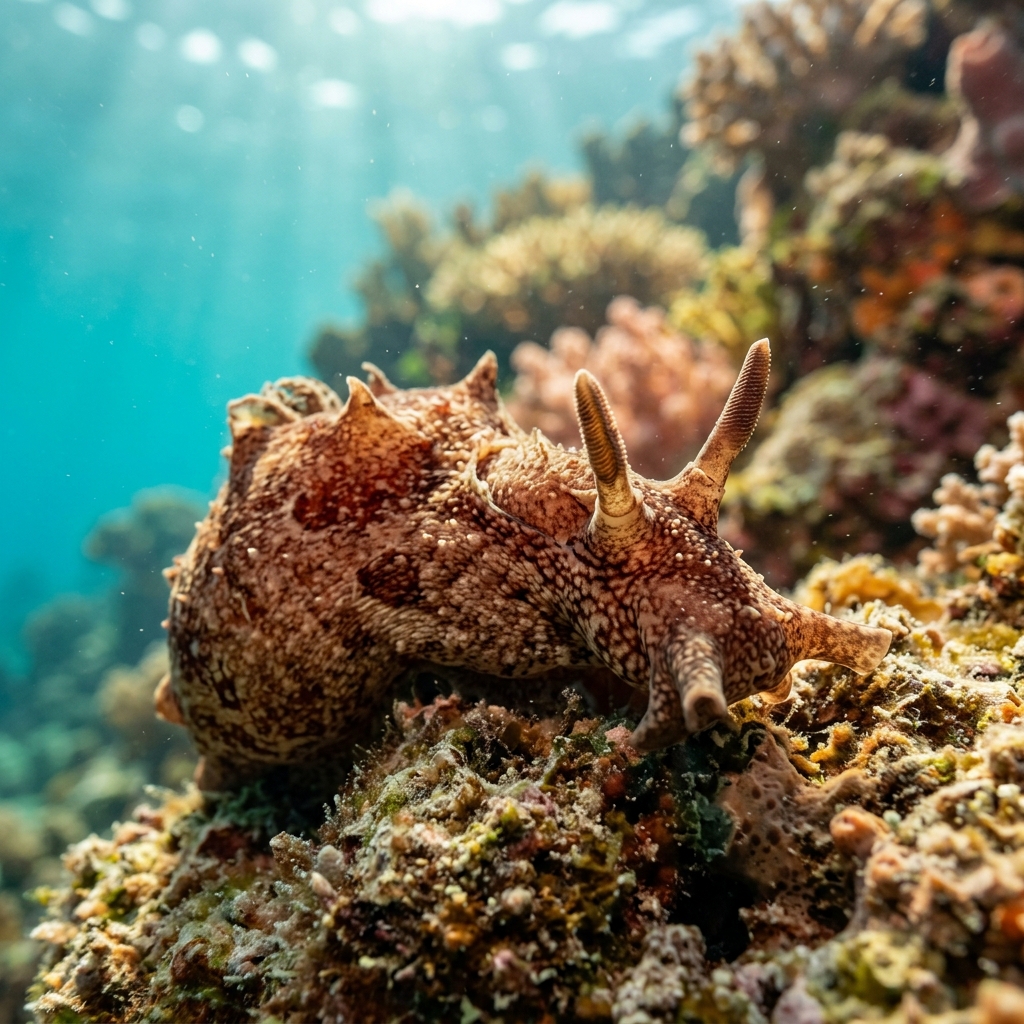
Reef neighbours a diver could mistake it for. Use the identification notes above to tell them apart.
This one is very much a Mediterranean and Atlantic Iberian species, with the strongest logs coming from Spain, France and Portugal, and smaller but real numbers from Croatia and Italy. Within those countries divers find it most often around the French Riviera & Provence, the Algarve, Catalonia, the Lisbon Coast, Valencia, Central Dalmatia, Andalusia and Liguria.
Mapping where White Flabellina is logged…
It is most reliably found along the coasts of Spain, France and Portugal, particularly the French Riviera & Provence, the Algarve, Catalonia and the Lisbon Coast, with smaller populations logged in Central Dalmatia, Croatia, and Liguria, Italy.
There is no strong seasonal signal in the sighting data, so it is logged across the year. Its recorded temperature range of 14.6 to 20.6C suggests it stays active through the cooler diving months as well as summer.
It is a small nudibranch found grazing on rocky, algae-covered reef in cool Mediterranean and Atlantic waters. Detailed colour and pattern data is limited, so close-up photos are the best way to confirm an ID against similar dorids on the same reef.
Exact size figures have not been documented for this species, but it falls in the small size range typical of nudibranchs in the samlidae family, generally a few centimetres or less.
No, it poses no danger to divers. Like most nudibranchs it has no means of harming anything larger than the small invertebrates it feeds on.
At most sites where it has been recorded, divers describe it as uncommon, meaning it takes a deliberate search rather than a chance sighting. A smaller number of sites, mostly in the top regions, report it as common or even very common.
Site and sighting data is aggregated from diver logs, iNaturalist and GBIF. For taxonomy and conservation status:
Light-spotted Aegires
3,168 sites