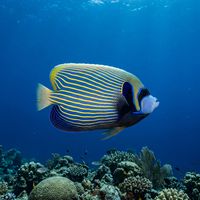
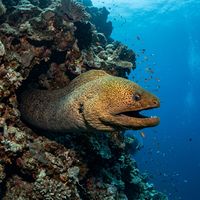
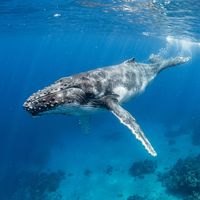
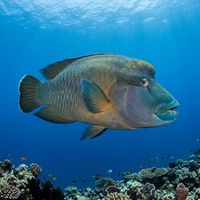
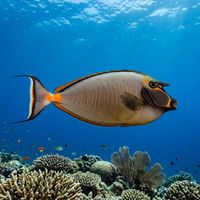
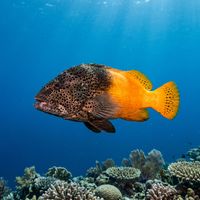
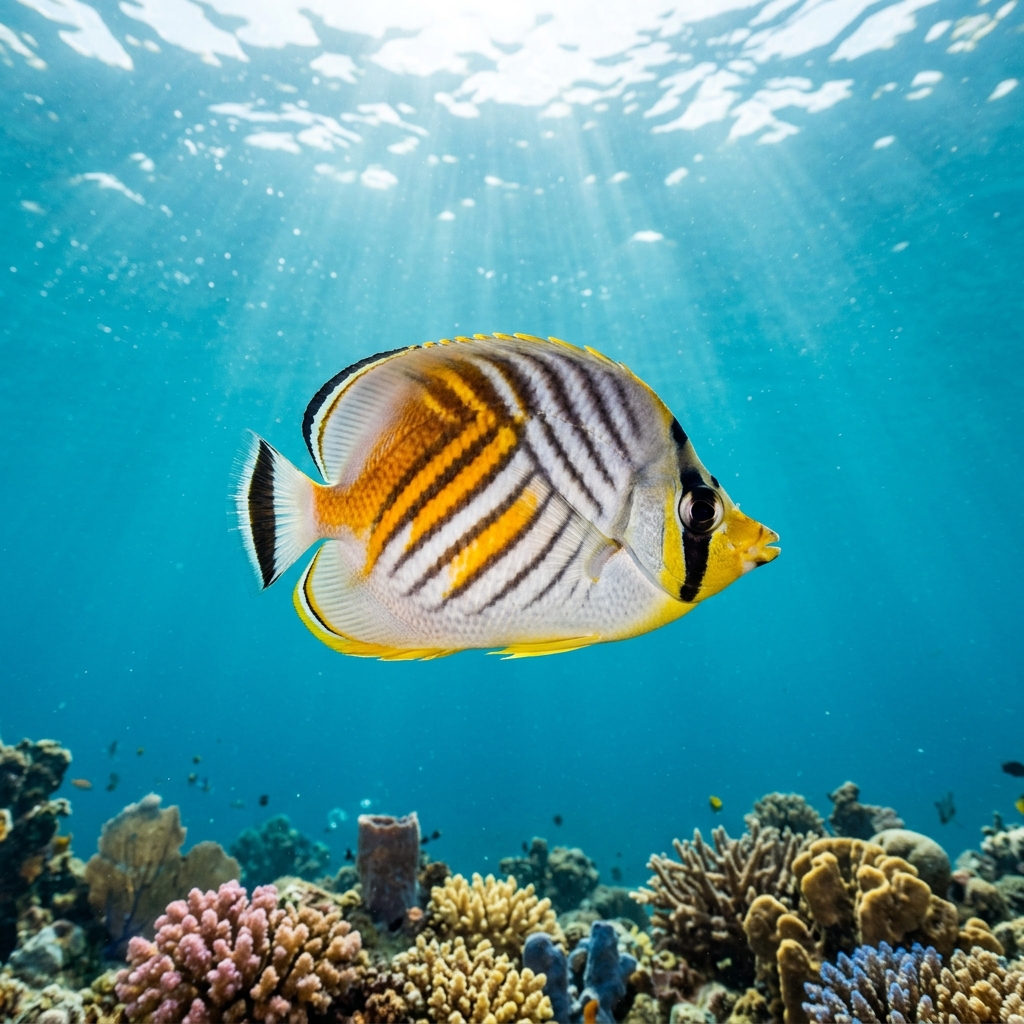
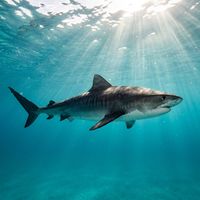
Rarotonga's diving centres on a circuit of reef sites ranging from very shallow lagoon entries to mid-water boat dives, with the Mataora Wreck adding an artificial reef dimension for those who want structure. The reef community is rich in wrasse, butterflyfish and angelfish, and Humpback Whale sightings are logged during their seasonal passage. Shore entries such as Alberto's suit newcomers, while deeper boat sites like Mushroom Forest offer more challenge. Grey Reef Shark and the occasional Tiger Shark are observed across the reefs, alongside Giant Moray and Napoleon Wrasse.

Monthly water temperature across Rarotonga's sites, from satellite sea-surface data corrected for depth. The band shows the site-to-site spread.
Water temperature follows a clear seasonal arc, peaking in the warmer months of January through April before easing to its coolest from July to October. The best-months data strongly favours the cooler mid-year period, when conditions and visibility are at their most reliable for diving. Divers visiting in the shoulder months of May and November can expect transitional conditions between the two extremes.
5 operators

Avarua, Cook Islands
29 more sites to explore
Water temperature around Rarotonga ranges from about 25°C in July to 28°C in February, based on satellite sea-temperature data for its dive sites.
In the warm season (about 28°C) a rash guard or 3mm shorty is comfortable in Rarotonga; in the coldest months (about 25°C) step up to a 3mm full suit.
Fin maps 34 sites in Rarotonga (34 scuba diving sites and 8 snorkelling spots, with some suited to both).
Across Rarotonga's dive sites, June, July, August, September and October are most often reported as the best months to visit.
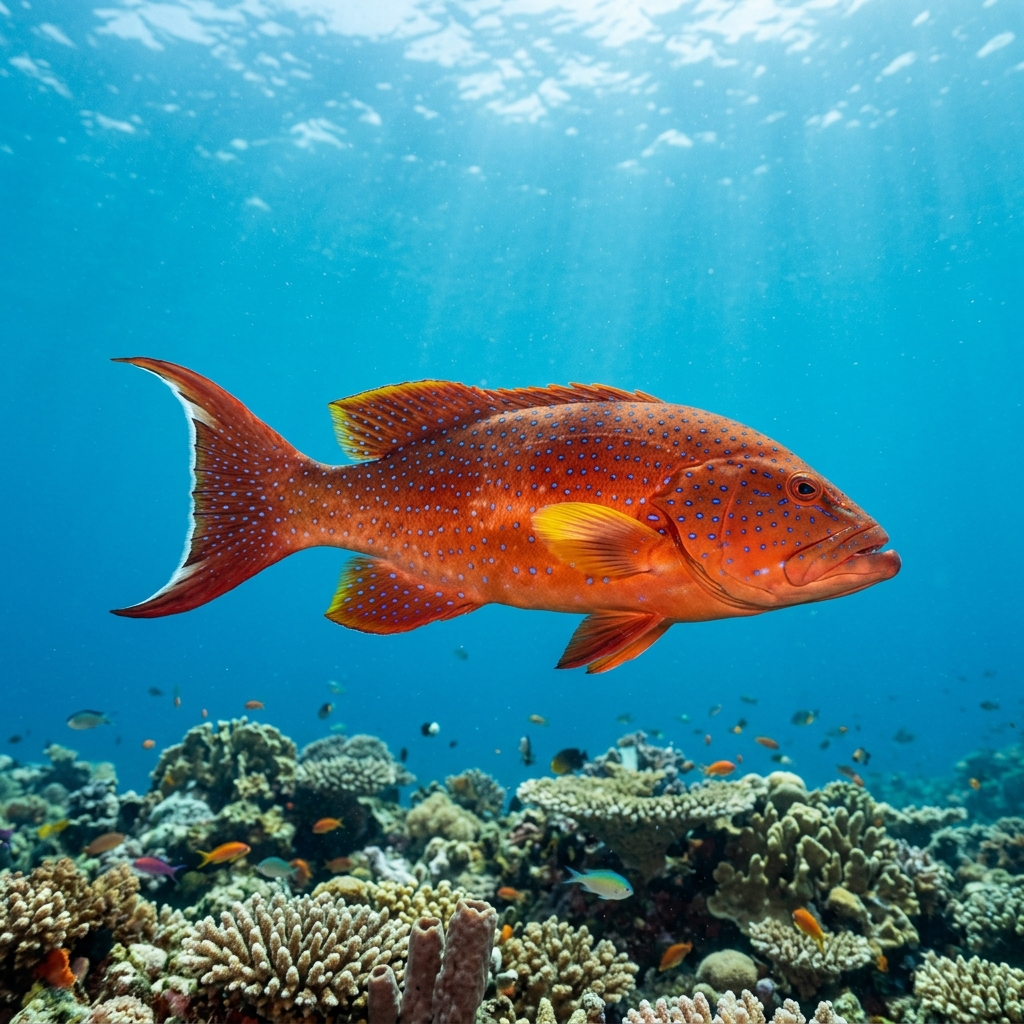
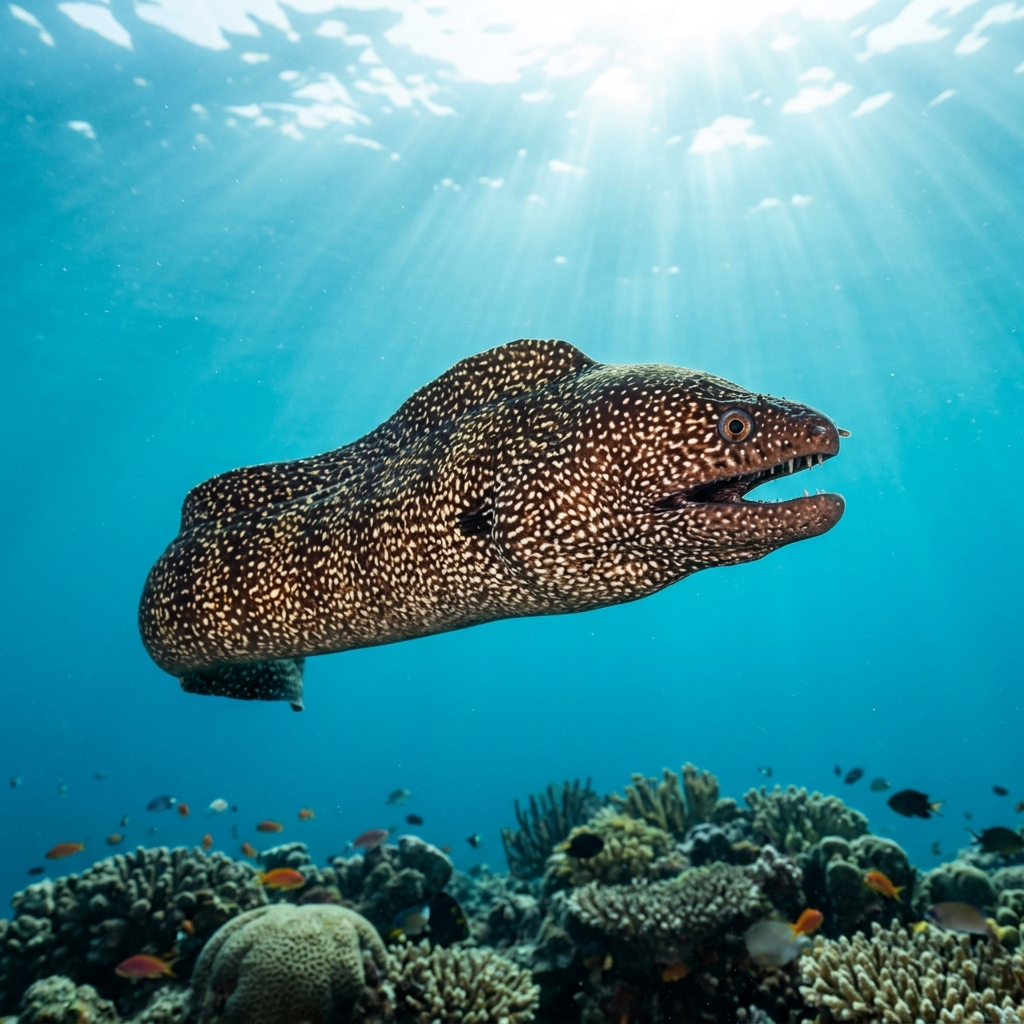
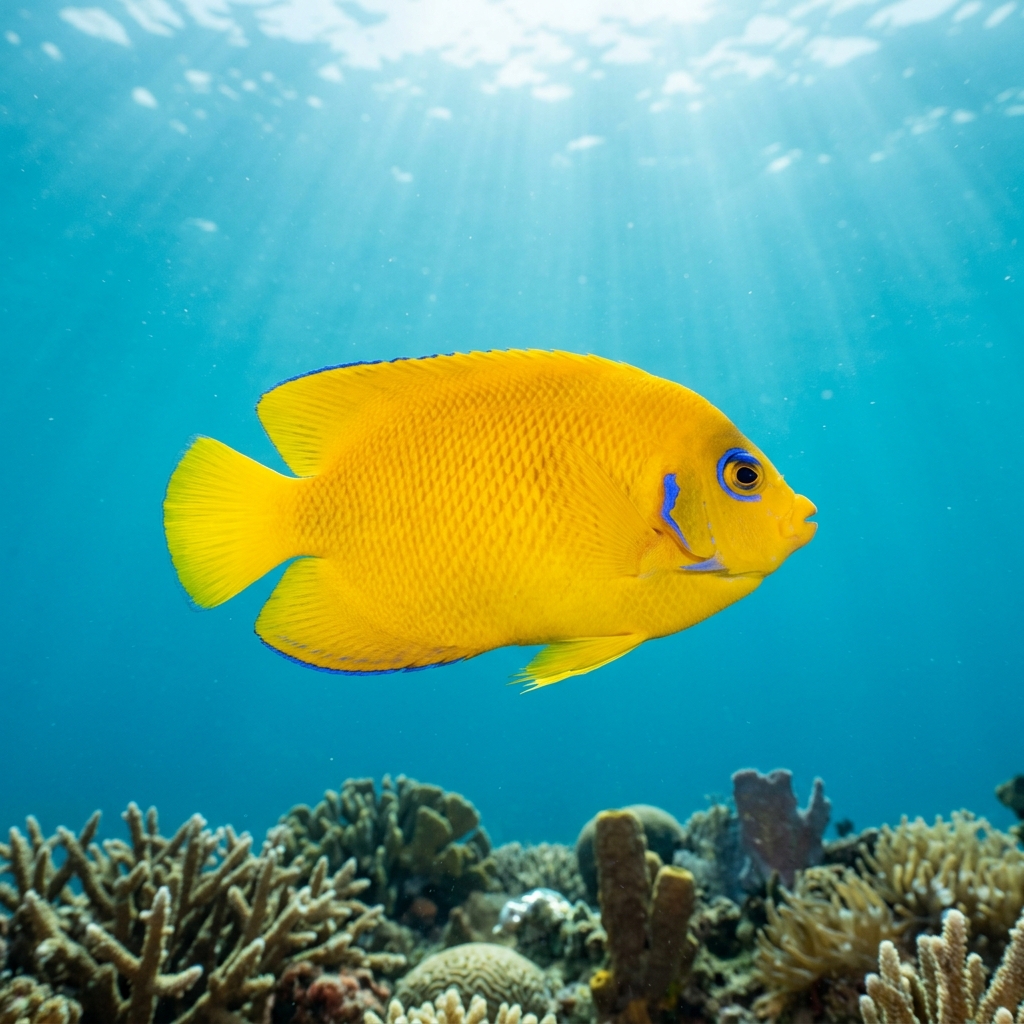
The reefs host a wide variety of species observed across many sites. Wrasse and Rock Cod are very commonly encountered, while Emperor Angelfish, Lemonpeel Angelfish, Giant Moray, and multiple butterflyfish species including the Ornate Butterflyfish and Threadfin Butterflyfish are frequently logged. Grey Reef Shark and Giant Trevally add larger pelagic interest, and Humpback Whale sightings occur occasionally during their seasonal passage.
A strong proportion of Rarotonga's sites are rated for beginner divers, including popular spots like Alberto's, Coral Gardens, and the Mataora Wreck. Alberto's is a gentle shore-entry reef dive with mild currents, making it a good starting point. Intermediate divers can step up to Mushroom Forest, which reaches deeper into the water column and features distinctive coral formations.
Shore entries include Alberto's and the very shallow Aroa Marine Reserve, both accessible without a boat. Sites such as Coral Gardens, Mushroom Forest, and the Mataora Wreck are boat-access only. Several operators including Pacific Divers, Dive Rarotonga, and Cook Island Divers run guided boat dives to the offshore sites.
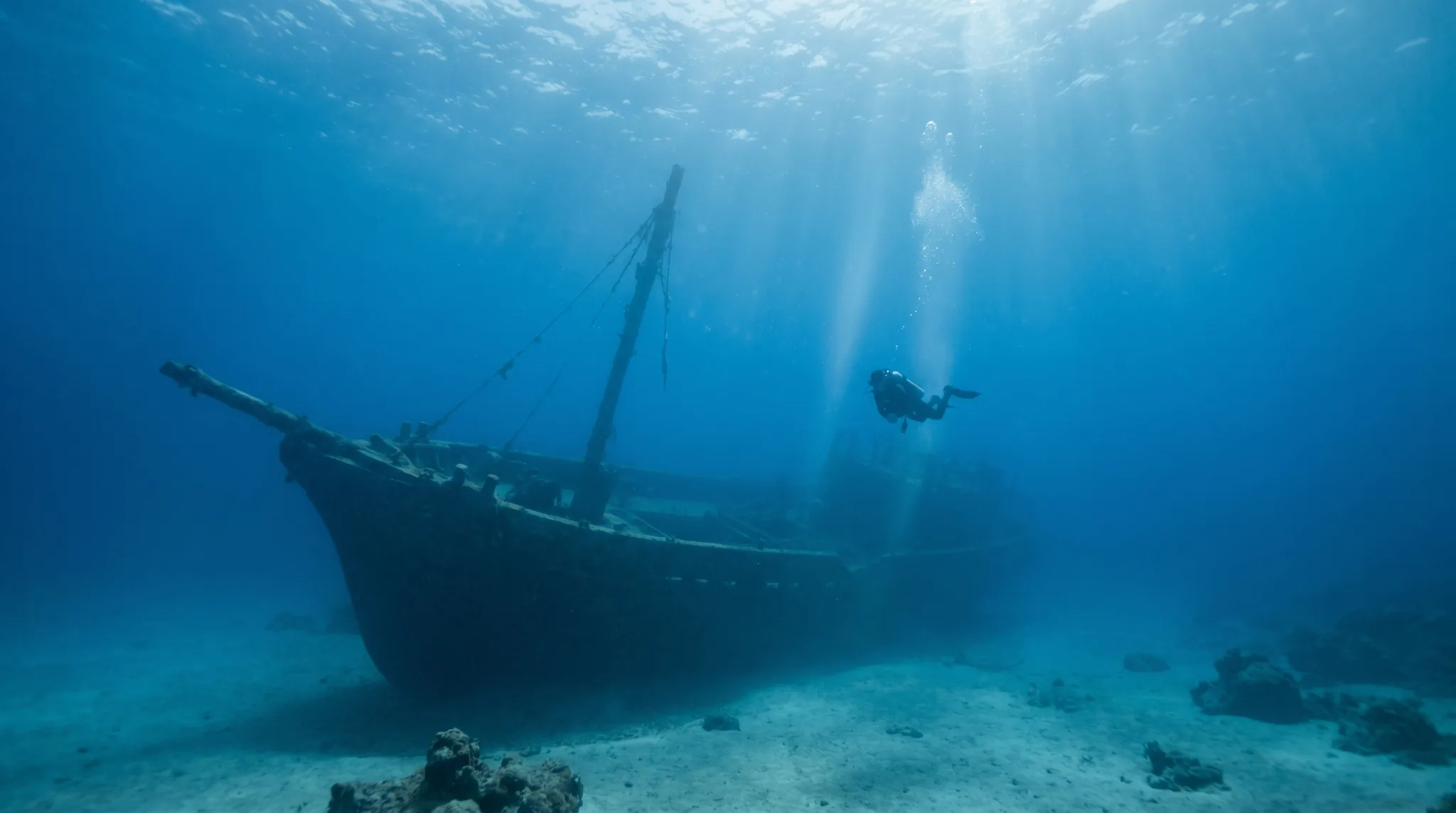
The Mataora Wreck is one of the few sites in Rarotonga that combines wreck, reef, and artificial reef elements in one location. It sits at a depth accessible to beginner divers, making it an approachable introduction to wreck diving. Like many Rarotonga reefs, it supports the broader community of reef fish and resident species found across the island's dive circuit.