Homalaspis plana
Dark purple, berry-textured crab logged along Valparaíso and Concepción in cool 11-17C water, spotted year-round but always uncommon.
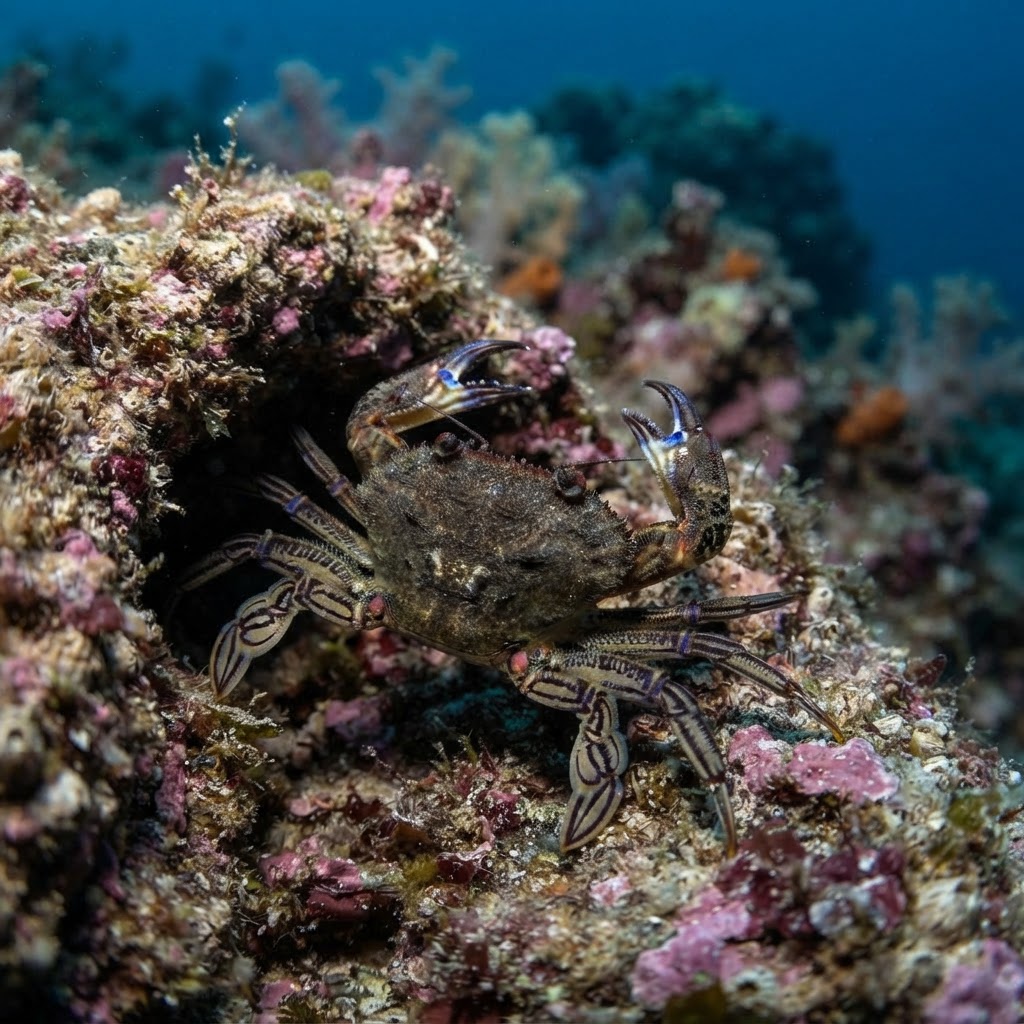
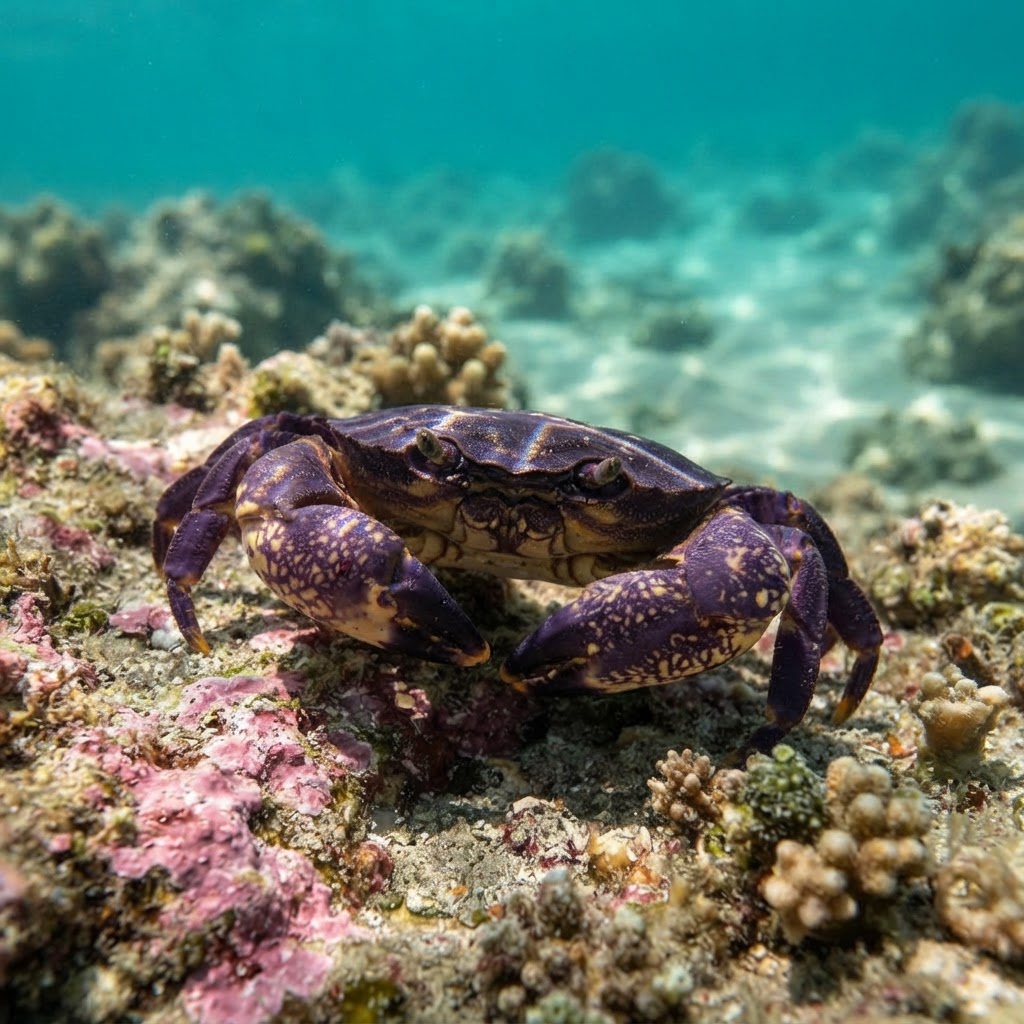
Broad, rounded shell around 10 cm across, coloured deep purple to near-black with a rough, pitted texture that looks like a giant blackberry stuck to the rock. Legs and claws are thick and proportionally short compared to swimming crabs, built for wedging into crevices rather than sprinting. Look for it tucked under ledges or in rock cracks on temperate reef, not out in the open on sand.
Divers typically find it wedged under rock ledges or jammed into cracks in the reef, sitting still rather than crawling around in the open. It's logged as uncommon at nearly every site it's known from, so expect to search crevices carefully rather than spot it at a glance. It doesn't react much to divers beyond retreating deeper into its hiding spot if disturbed.
Its knobbly, dark purple shell breaks up its outline so well against shadowed rock that most divers who log it report finding it by chance while peering into cracks rather than spotting it from a distance.
Sighting data doesn't show a clear season, and the observed 10.9 to 16.9 C range matches Chile's cool coastal water for most of the year, so it's a reasonable year-round find rather than a seasonal target.
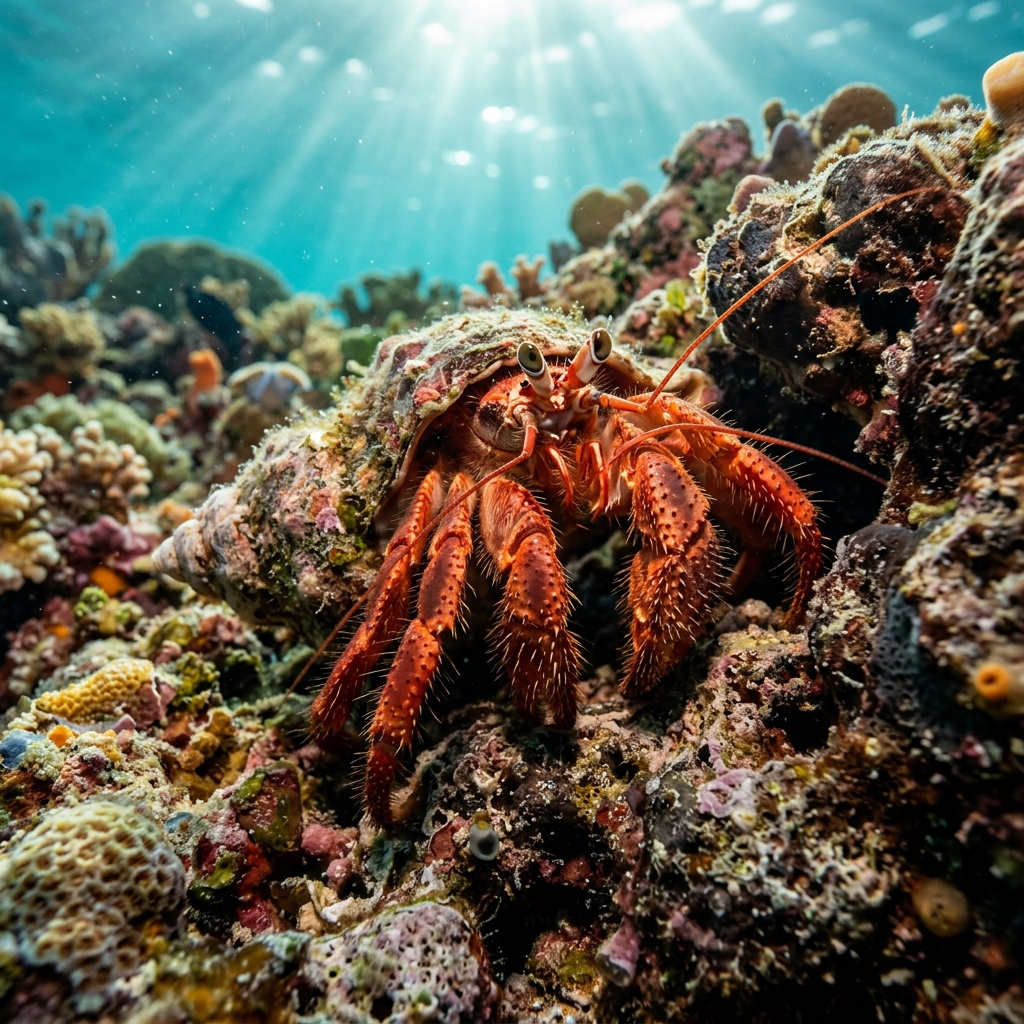
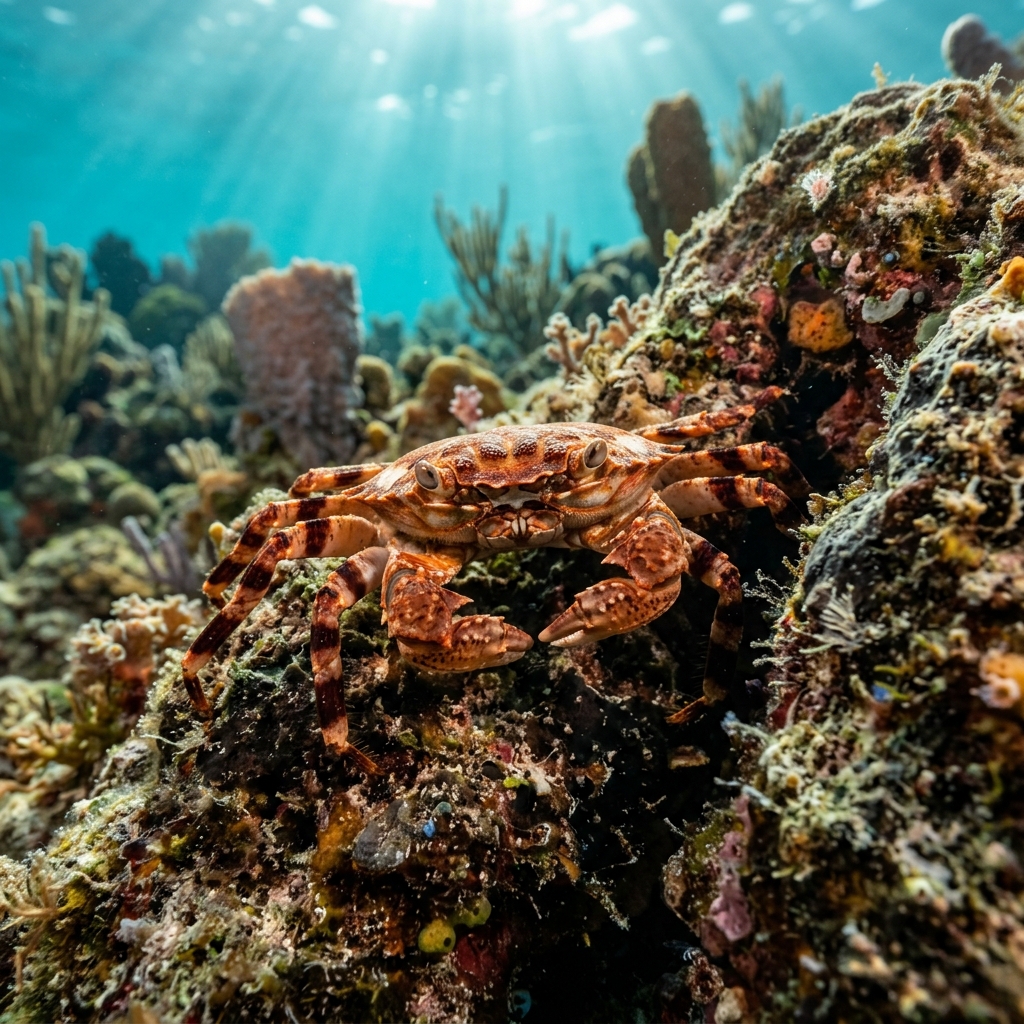
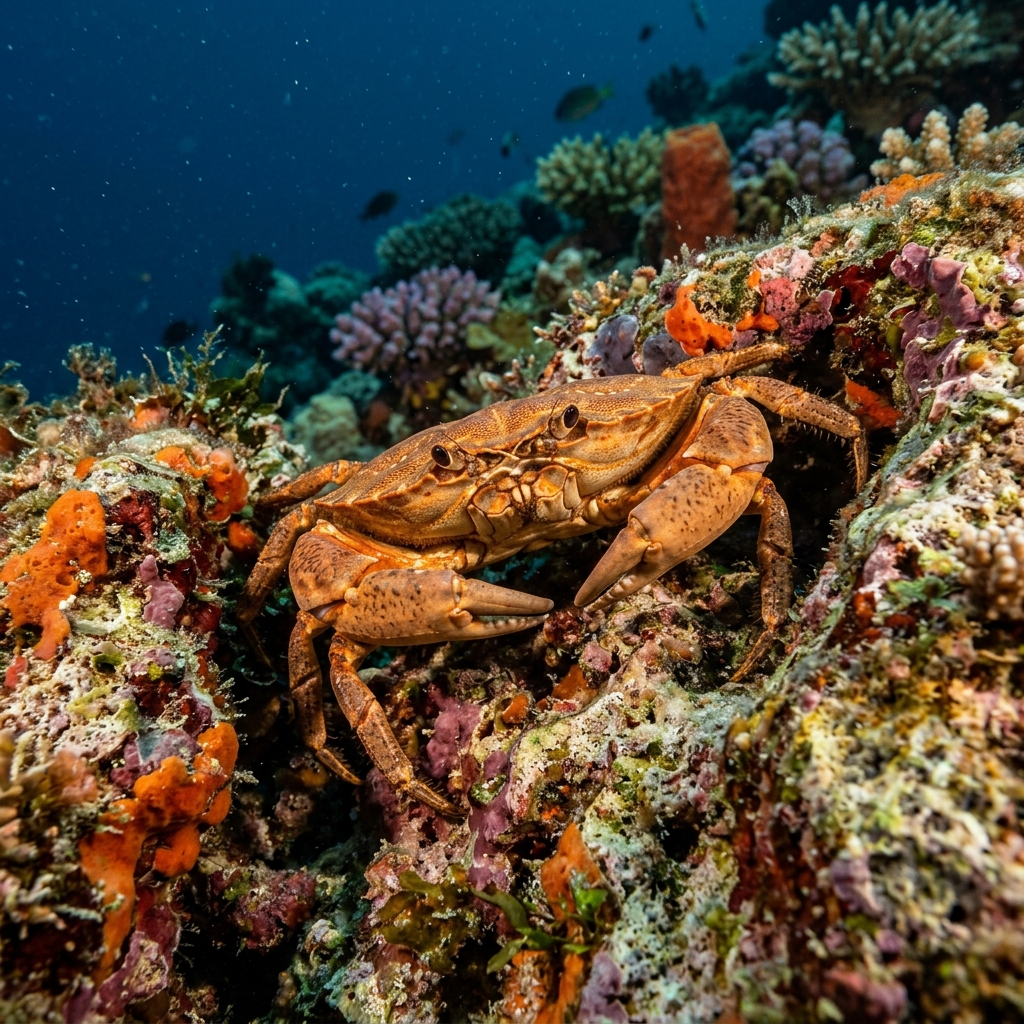
Reef neighbours a diver could mistake it for. Use the identification notes above to tell them apart.
This is a Chile speciality: divers log it most often around Valparaíso and Concepción, with a smaller number of sightings further north in Coquimbo. Outside these regions it hasn't turned up in diver records, so Chile's central and southern rocky coast is really the place to look.
Mapping where Blackberry Crab is logged…
It's most reliably logged in Chile, particularly around Valparaíso and Concepción, with a few sightings further north near Coquimbo. Records outside Chile are essentially absent, so it's a species tied to the country's temperate rocky coast.
There's no strong seasonal pattern in the sighting data, and it's found in water from about 11 to 17C, which covers much of the Chilean diving calendar. Treat it as a year-round possibility rather than a seasonal target.
Look for a rounded, dark purple to blackish shell about 10 cm across with a rough, pitted texture resembling a blackberry. It sits tucked into rock crevices or under ledges rather than out on open sand, with short, sturdy legs built for gripping rock.
They reach around 10 cm across the shell, a solid handful-sized crab but not a giant. Most sightings are of adults at or near this size.
No, they're not considered dangerous to divers. They're a shy, crevice-dwelling species that retreats rather than confronts anything approaching.
It shows up as uncommon at nearly all the sites where it's been recorded, meaning it's a real possibility but not a guaranteed sighting. Patient crevice-checking improves your odds more than luck.
Site and sighting data is aggregated from diver logs, iNaturalist and GBIF. For taxonomy and conservation status:
European Green Crab
2,469 sites