Brachygenys californiensis
Silvery schooling fish common along California, USA, spotted in shallow water from 1 to 11 metres year-round.
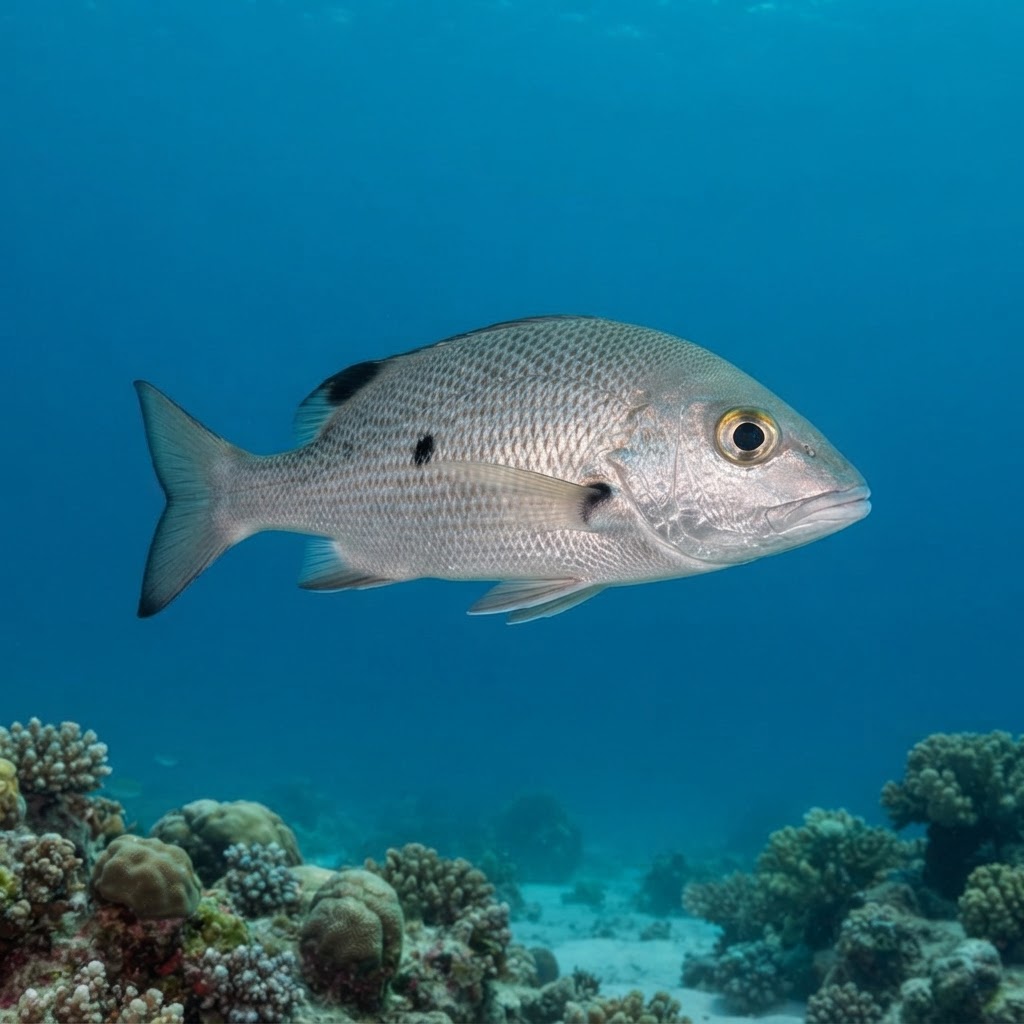
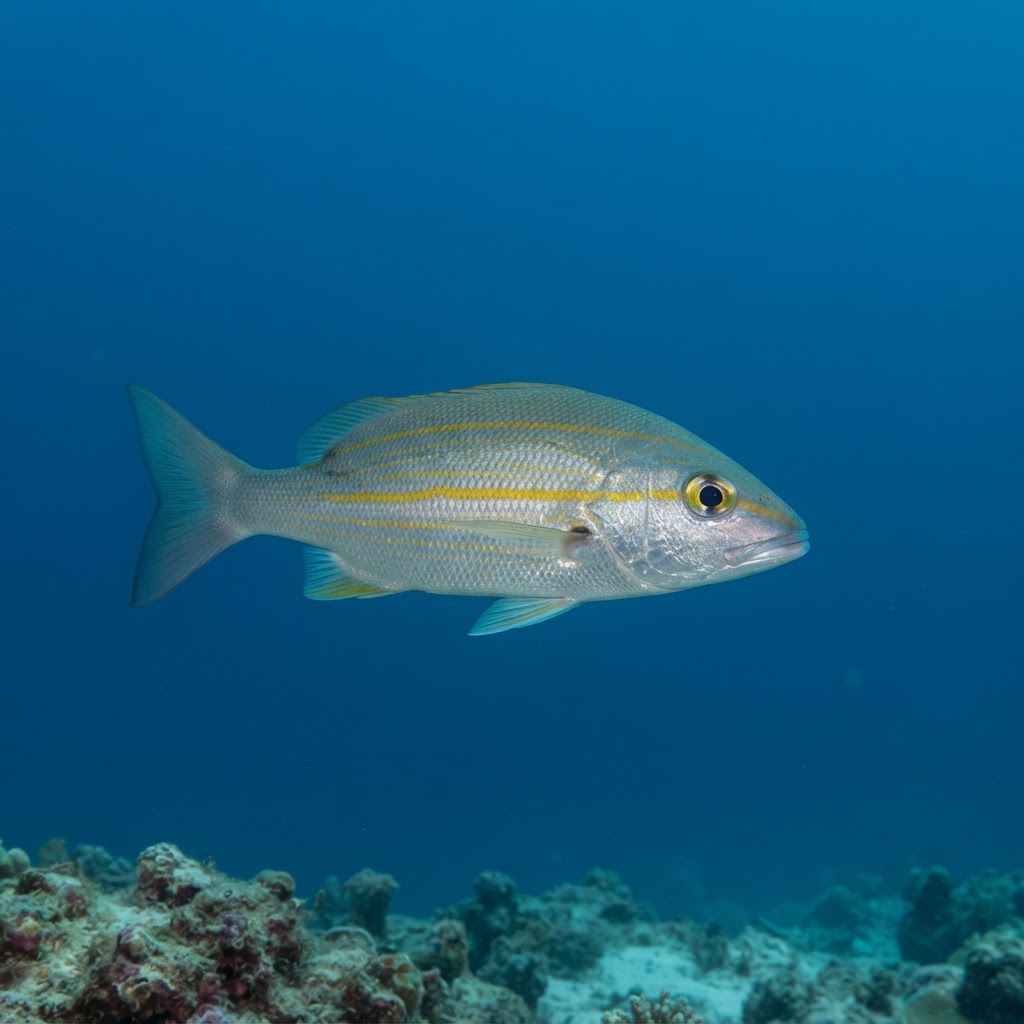
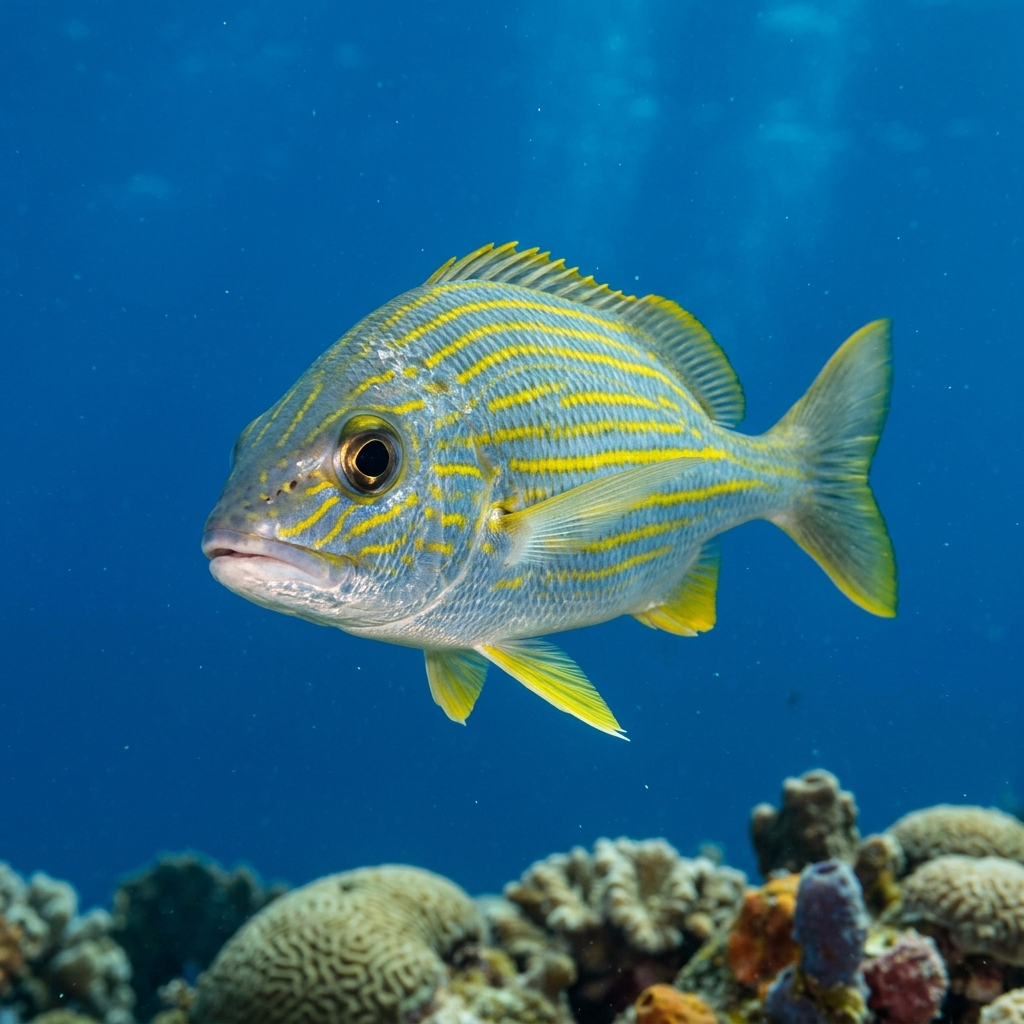
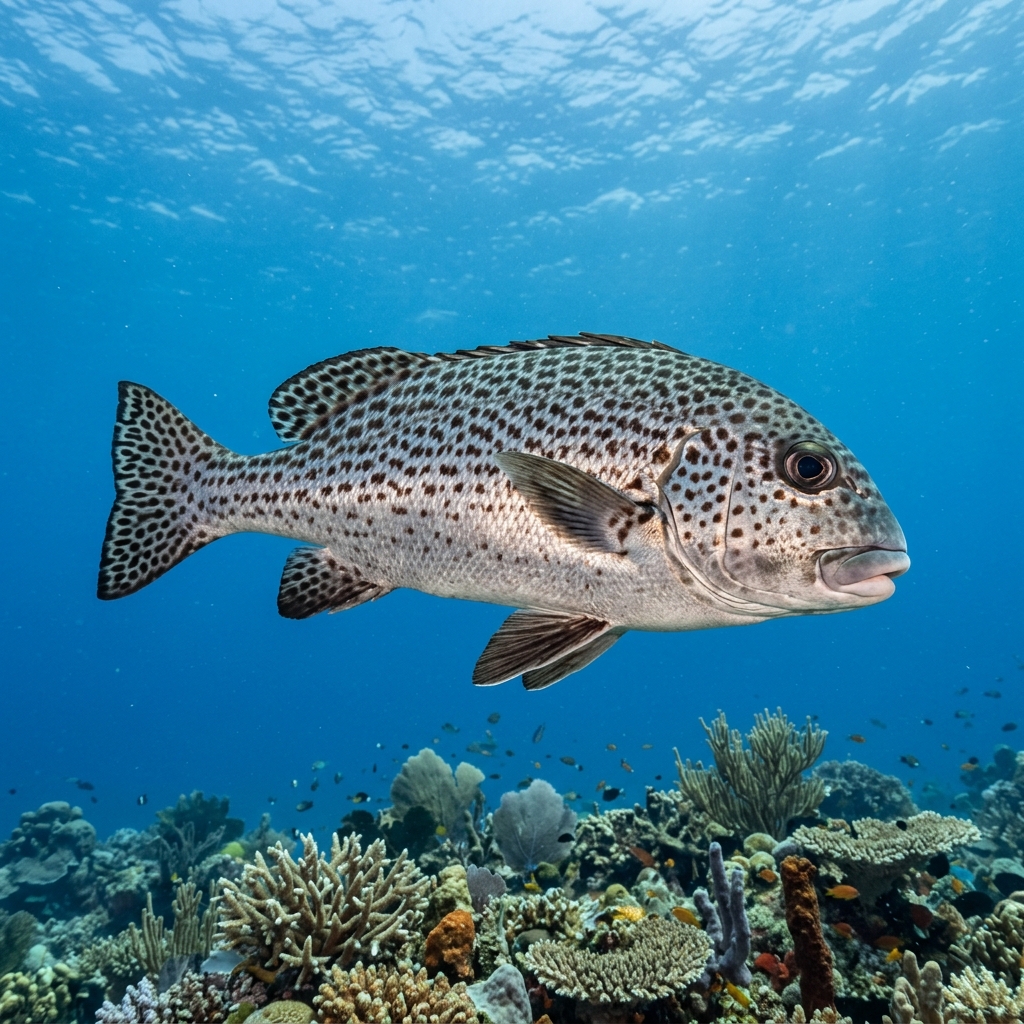
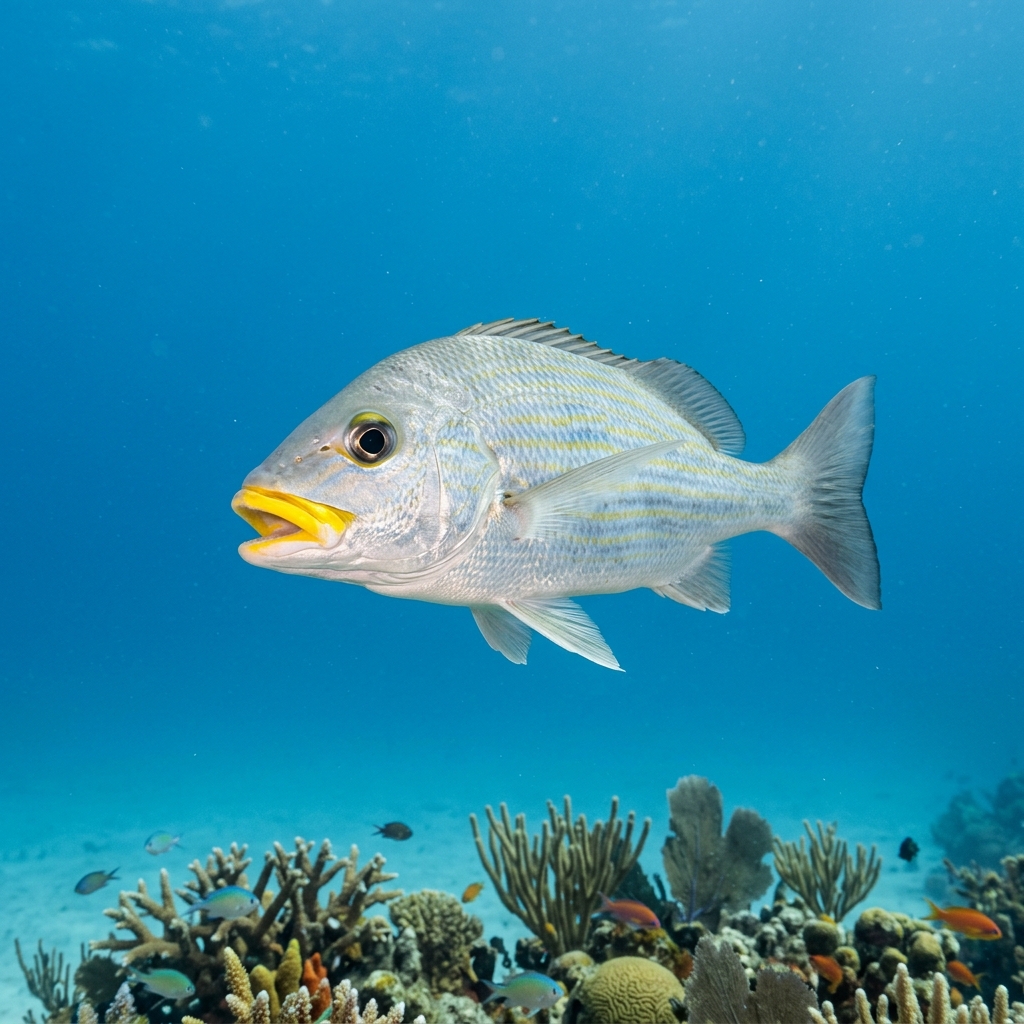
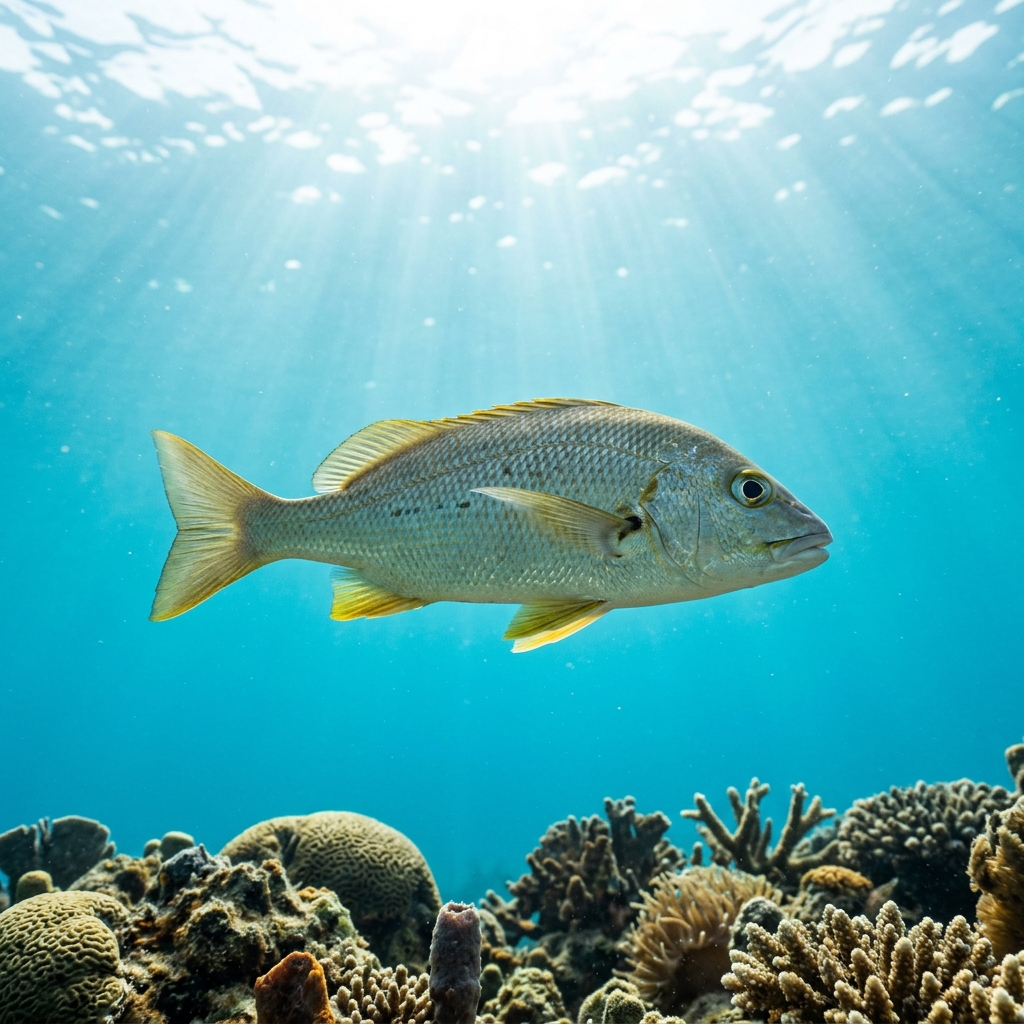
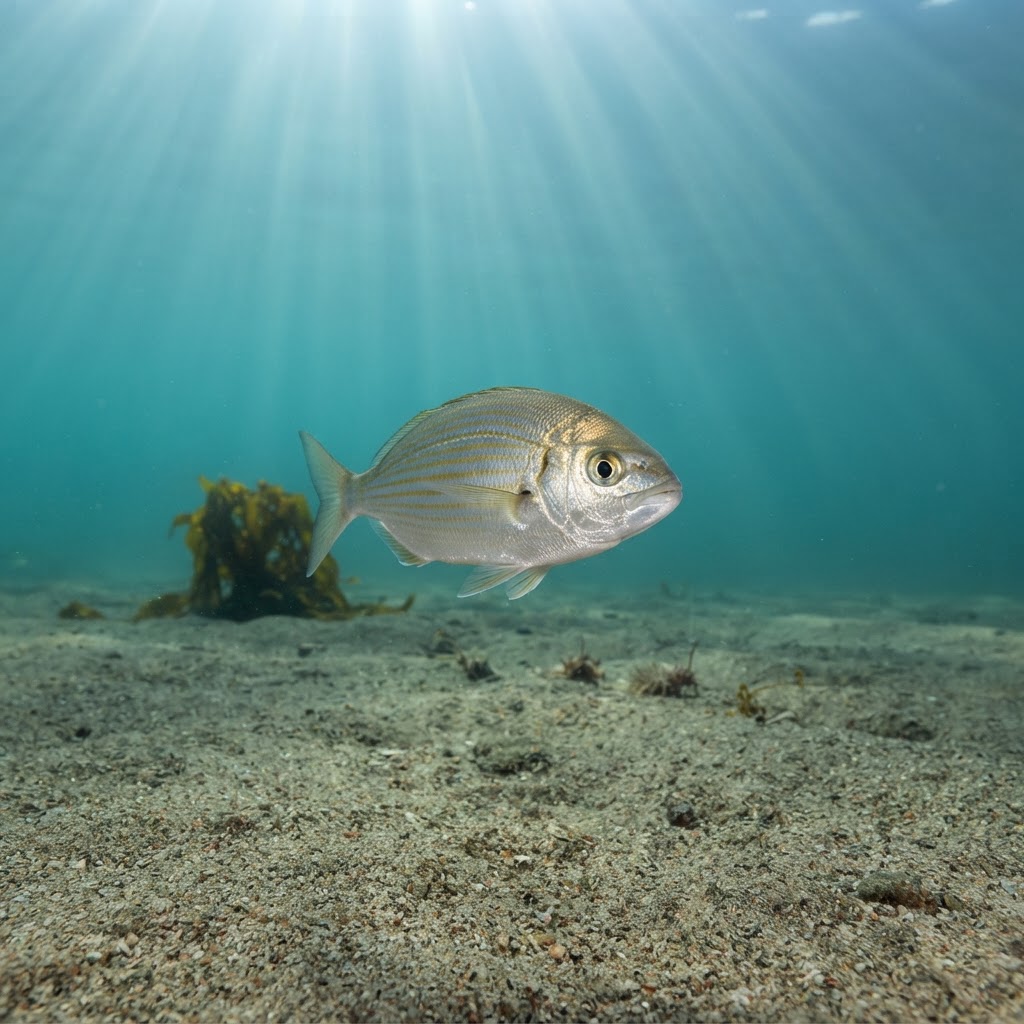
Look for a slim, silvery body around 21 cm long with a faint yellow horizontal stripe running from gill to tail. The back is olive to grey and fades to a pale, almost white belly, giving it a clean two-tone look in open water. Its body shape is typical grunt-family: moderately deep-bodied and compressed, with a small mouth suited to picking at the substrate rather than anything predatory.
Divers typically find these fish moving in loose schools over rocky reef and sand patches in shallow water, generally within the top 11 metres where light and temperature suit them best. They tend to hold a comfortable distance from divers rather than scattering outright, drifting along mid-water or hovering just off the bottom as they feed. Look for them mixing in with other schooling reef fish rather than holding a tight, single-species formation.
Despite belonging to a family known for feeding on invertebrates and small fish, this species leans more towards grazing on algae and plankton, which is unusual for a grunt.
Sightings show no clear seasonal pattern, and with a wide observed temperature range of 19.3 to 29.0 C, this fish appears to tolerate California's seasonal swings well enough to show up year-round.
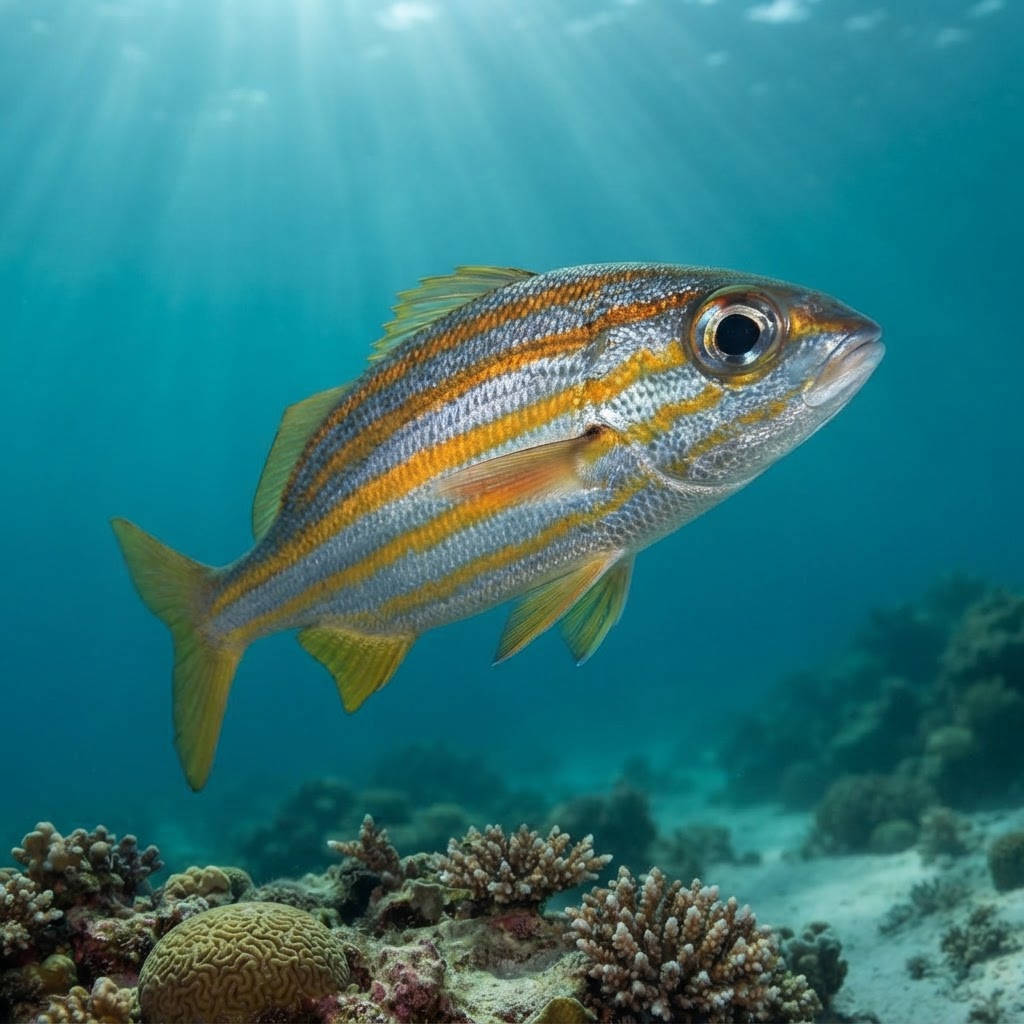
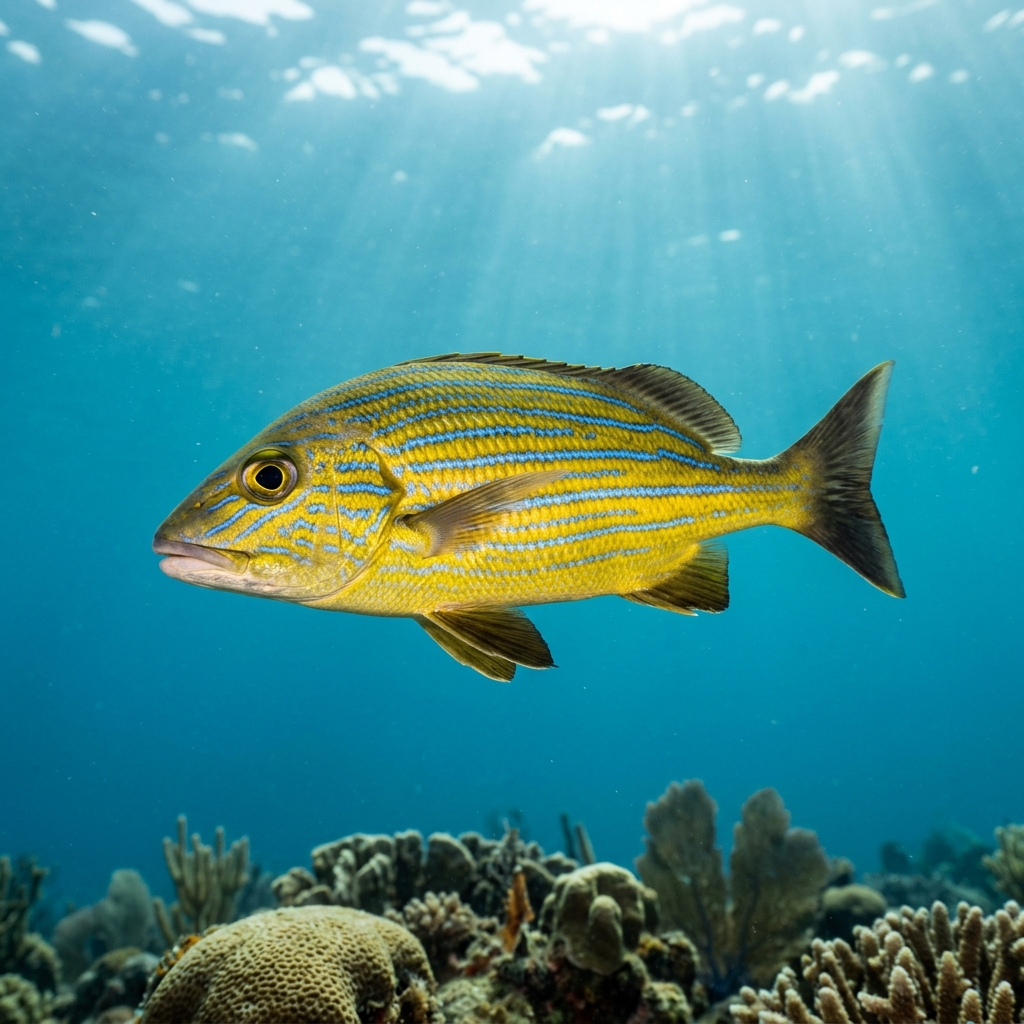
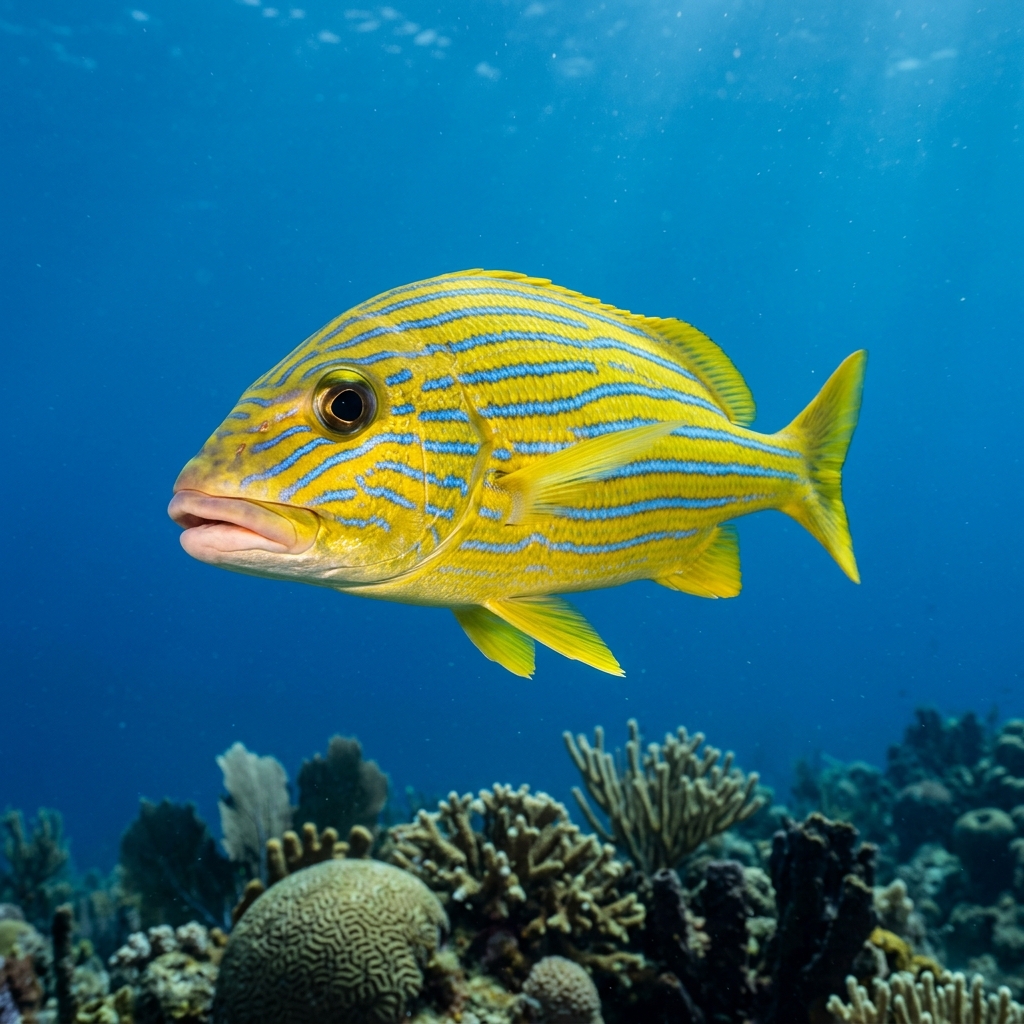
Reef neighbours a diver could mistake it for. Use the identification notes above to tell them apart.
This is a California species through and through, with sightings concentrated along the coast of California, United States, where it's logged across a wide spread of dive sites. Most of those encounters are uncommon to rare, with only a single site reporting it as a common find, so treat it as a nice bonus rather than a guaranteed sighting on a Southern California dive.
Mapping where Salema is logged…
California, USA is the standout region, with sightings spread across numerous dive sites along the coast. It's the only country with confirmed diver logs for this species, making Southern California your best bet.
There's no strong seasonal pattern in the sighting data, and the species tolerates a wide temperature range of 19.3 to 29.0 C, so it turns up year-round rather than during a specific window.
Look for a silvery, moderately deep-bodied fish around 21 cm long with a faint yellow stripe running along its side and an olive-grey back fading to a pale belly. It's usually seen in loose schools over rock or sand in shallow coastal water.
They typically reach about 21 cm in length, making them a small to mid-sized member of the grunt family you'll usually spot in schools rather than alone.
No, they pose no threat to divers. They're a calm, schooling reef fish that keeps its distance but isn't defensive or aggressive.
Unlike most grunts, which hunt small invertebrates, this species leans towards grazing on algae and plankton, an unusual diet choice within its family.
Site and sighting data is aggregated from diver logs, iNaturalist and GBIF. For taxonomy and conservation status:
Bluestriped Grunt
1,907 sites