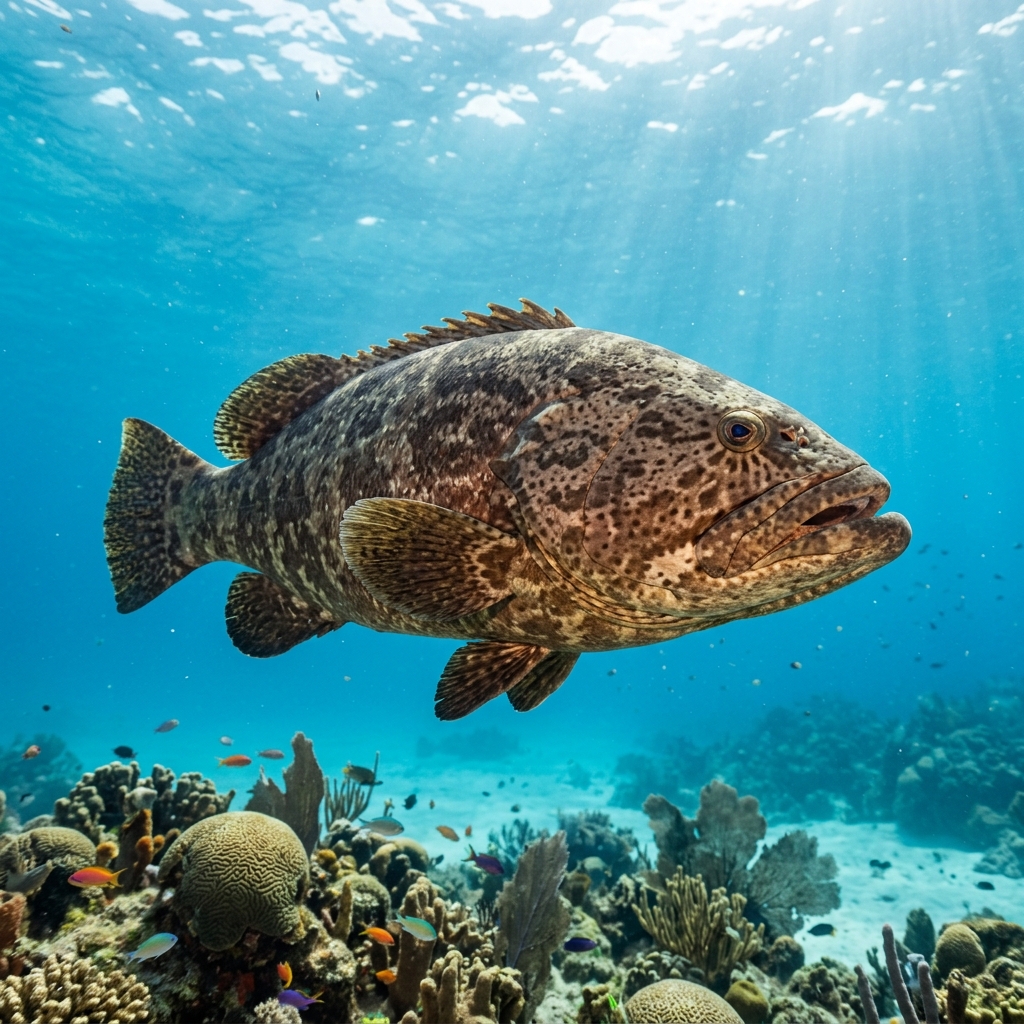
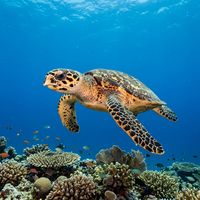
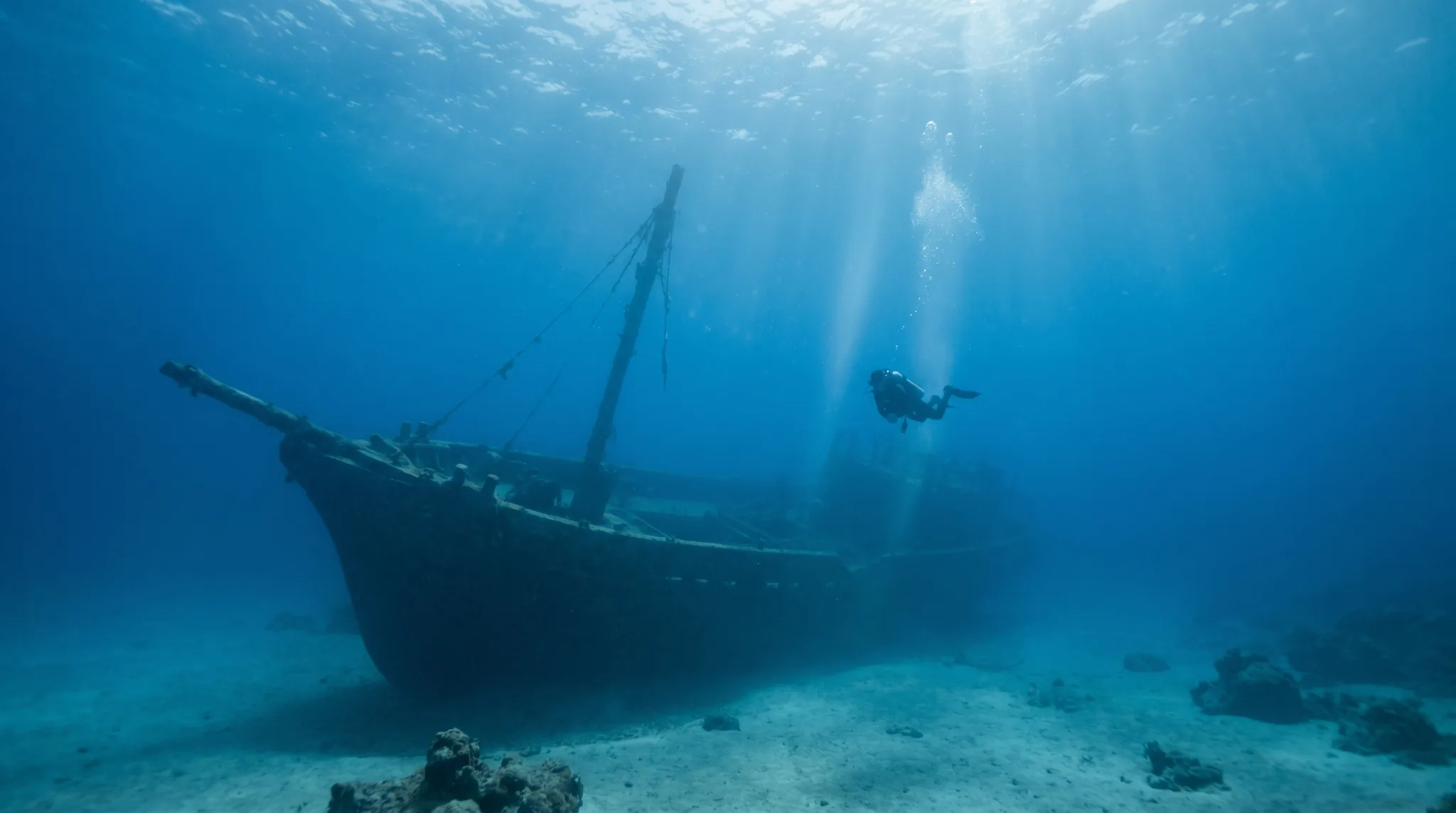
Recife is defined by its wrecks. Nearly every dive site is a sunken vessel, ranging from shallow, accessible hulls to deep technical targets like the Corveta Camaquã. Deliberately sunk artificial reefs such as Bellatrix, Saveiros, and Phoenix now host Atlantic Goliath Grouper, Green Sea Turtle, Great Barracuda, and Nurse Shark. All diving is boat-based. The best conditions cluster around late in the year and into early months, when water remains warm across the calendar.
Monthly water temperature across Recife's sites, from satellite sea-surface data corrected for depth. The band shows the site-to-site spread.
Water temperature stays warm year-round, dipping only slightly in the middle months of the year. The best-months data points toward late and early calendar months as the preferred window, with conditions generally calm enough to allow comfortable boat dives. Visibility can vary considerably across sites, so conditions are worth checking with local operators before heading out.
13 operators
Recife, Brazil
Recife, Brazil
Brazil
Brazil
15 more sites to explore
Water temperature around Recife ranges from about 26°C in August to 29°C in February, based on satellite sea-temperature data for its dive sites.
In the warm season (about 29°C) a rash guard or 3mm shorty is comfortable in Recife; in the coldest months (about 26°C) step up to a 3mm full suit.
Fin maps 27 sites in Recife (27 scuba diving sites).
Across Recife's dive sites, January, February and December are most often reported as the best months to visit.
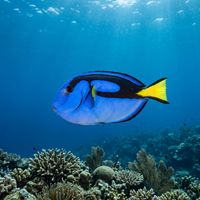
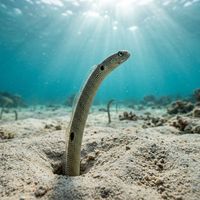
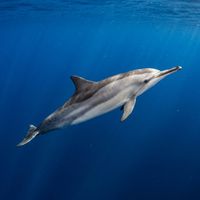
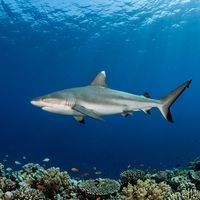
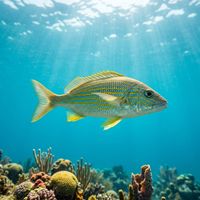
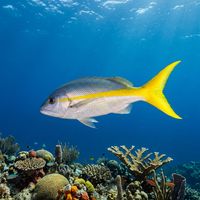
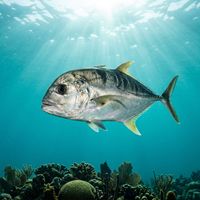
Atlantic Goliath Grouper and Green Sea Turtle are very commonly observed across the sites. Great Barracuda, Nurse Shark, Blue Tang, Garden Eel, Grunt, Yellowtail Snapper, and Horse Eye Jack are also regularly encountered. Grey Reef Shark and Spinner Dolphin appear occasionally, and Whiptail Stingray and Oceanic Manta Ray have been recorded at a smaller number of sites.
A handful of sites, including Veleiro Yemanja and Vapor de Baixo, are rated beginner-friendly, making them a reasonable starting point for less experienced divers. The majority of sites are pitched at intermediate level, while deeper wrecks such as Vapor dos 48, Walsa, and the Corveta Camaquã are strictly for advanced or technical divers. Checking with local operators AicáDiving or Aquáticos Diving Center is advisable before selecting a site.
Every dive site in Recife requires boat access. There are no shore-entry dive sites in the area. Local operators run scheduled and private boat departures to the various wreck sites, so booking in advance through a dive centre is the standard approach.
Shallower wrecks like Margueritte allow more relaxed, longer bottom times and are well suited to intermediate divers exploring wreck structure and marine life at a comfortable pace. Deeper sites such as Vapor dos 48 and the Corveta Camaquã demand advanced training and technical planning due to their considerable depth, but offer the reward of larger, more intact vessel structures resting on sandy seabeds.