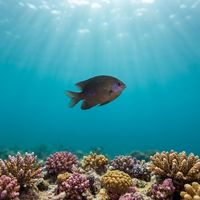
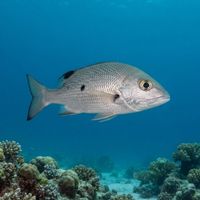
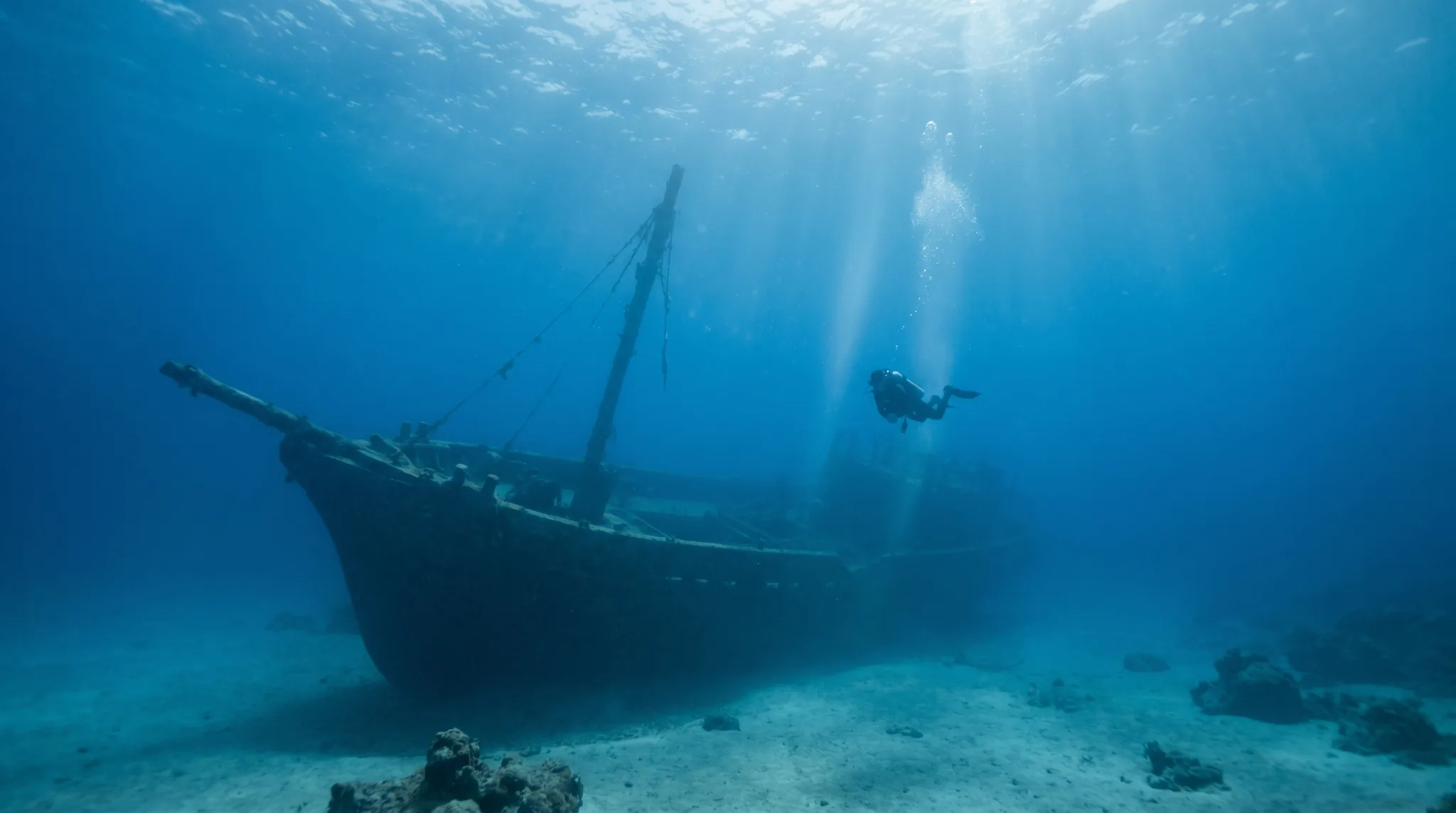
Porto de Galinhas combines shallow natural reef pools with a notable collection of sunken wrecks, giving divers a wide spread of site types within a short range of shore. Beginners can ease in at Piscinas Naturais and the Porto de Galinhas reef, while intermediate and advanced divers head offshore to wreck sites such as Galeao Sao Paulo, Naufragio Itapagé and Gonçalo Coelho. Green Sea Turtle and Blue Tang are consistently observed across sites, with Spotted Eagle Ray and Grey Reef Shark appearing less frequently. Water stays warm throughout the year, peaking in the early months.
Monthly water temperature across Porto de Galinhas's sites, from satellite sea-surface data corrected for depth. The band shows the site-to-site spread.
Water temperature remains warm year-round, dipping only slightly in the middle months around August before climbing again toward the end of the year. The best-months data points strongly to January through March and again from September to November, suggesting calmer, clearer conditions during those windows. Offshore wreck sites require boat access and are most rewarding when visibility is at its highest.
24 operators

3 more sites to explore
Water temperature around Porto de Galinhas ranges from about 26°C in August to 29°C in February, based on satellite sea-temperature data for its dive sites.
In the warm season (about 29°C) a rash guard or 3mm shorty is comfortable in Porto de Galinhas; in the coldest months (about 26°C) step up to a 3mm full suit.
Fin maps 10 sites in Porto de Galinhas (10 scuba diving sites and 3 snorkelling spots, with some suited to both).
Across Porto de Galinhas's dive sites, January, February, March, September and November are most often reported as the best months to visit.
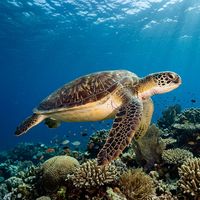
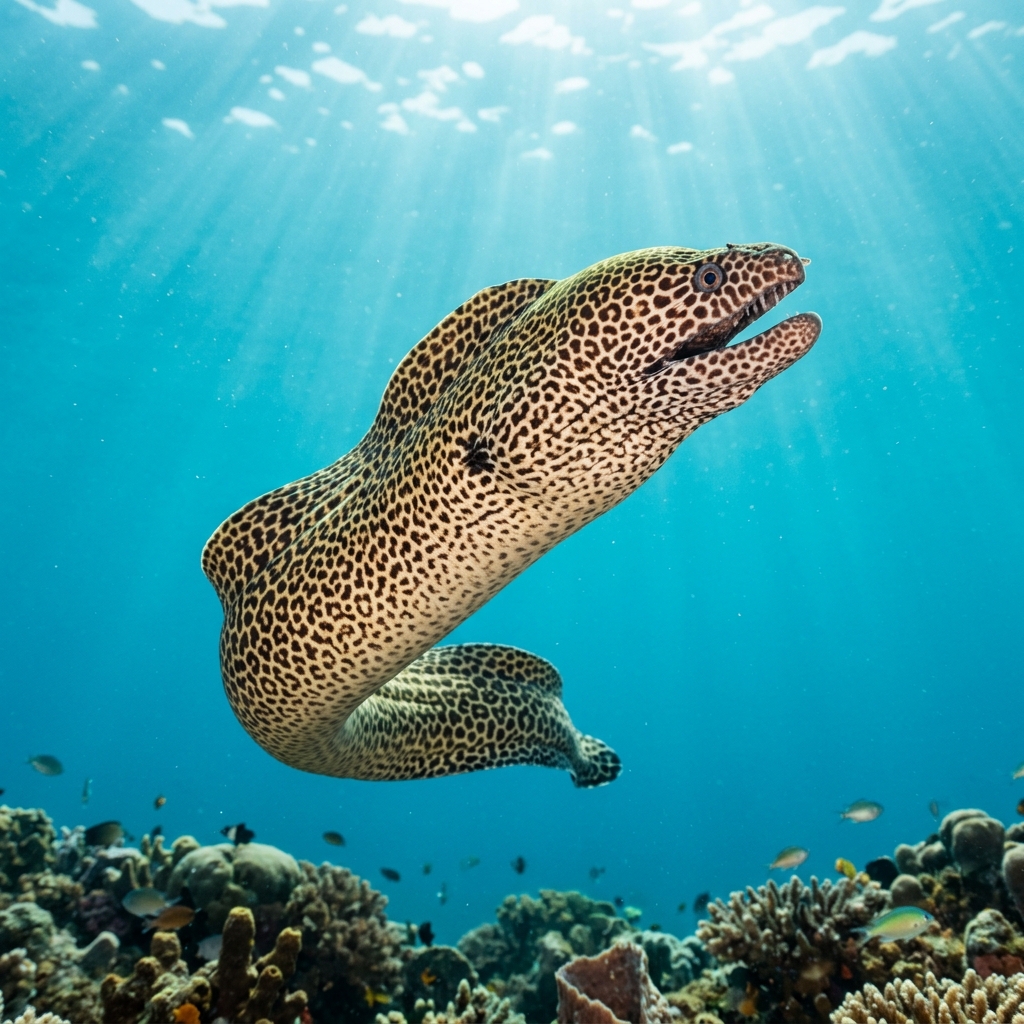
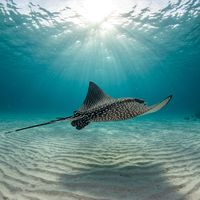
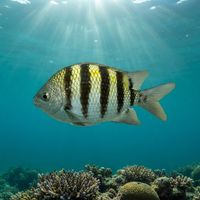
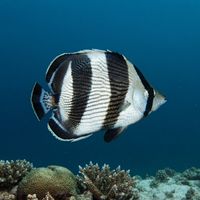
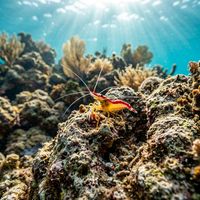
Green Sea Turtle is a signature species observed consistently across sites. Blue Tang, Sergeants and Soldierfish are very commonly recorded, while Snake Eel, Cleaner Shrimp and Hermit Crab turn up regularly. Spotted Eagle Ray and Grey Reef Shark appear occasionally, and Seahorse and Spinner Dolphin have been observed at a smaller number of sites.
Yes, several sites cater specifically to beginners. The Porto de Galinhas reef and Piscinas Naturais are both rated beginner level, sit at shallow depths and can be accessed from shore or by boat. Intermediate and advanced divers have plenty of offshore wreck options to progress to once they are ready.
Shallow sites such as Piscinas Naturais and the Porto de Galinhas reef offer both shore and boat entry, making them easy to reach independently or with an operator. The offshore wrecks, including Rebocador Marte, Gonçalo Coelho and Naufragio Itapagé, require boat access. A large number of local operators, including Aicá Diving, Recife Dive and Porto Adventure, run regular boat trips to these sites.
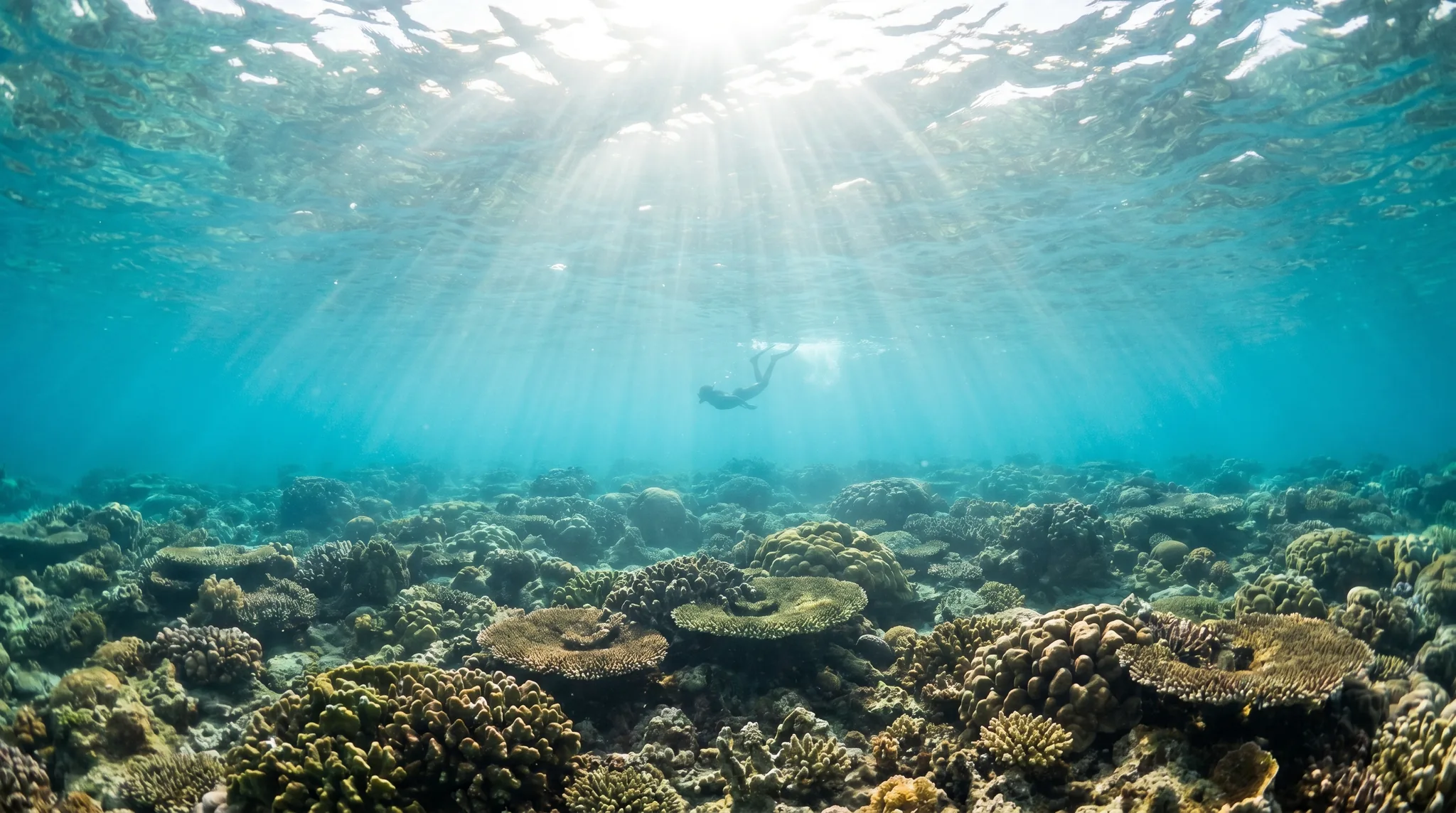
The region splits broadly into two categories: shallow natural and artificial reefs close to shore, and deeper wreck sites further offshore. The wrecks, several of which have been deliberately sunk as artificial reefs, provide structured habitats at intermediate to advanced depths. The reef sites offer colourful fish life and coral formations including Brain Coral at shallower, more accessible depths.