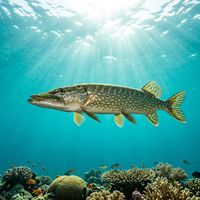
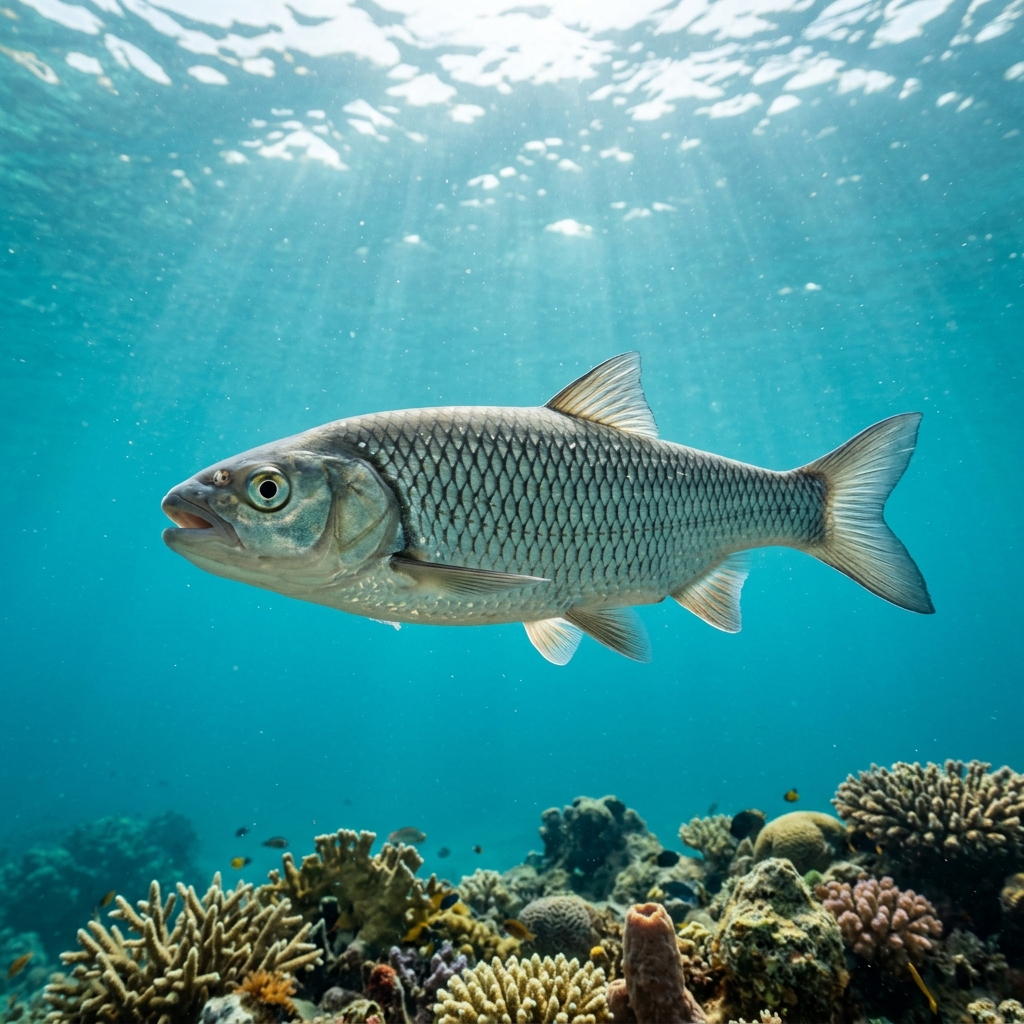
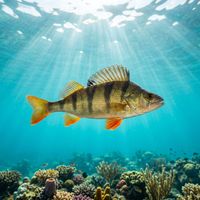
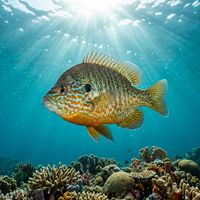
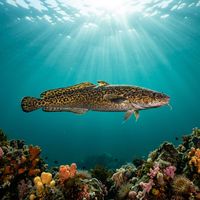
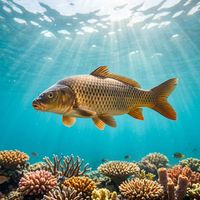
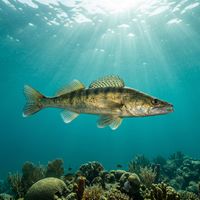
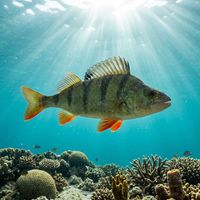
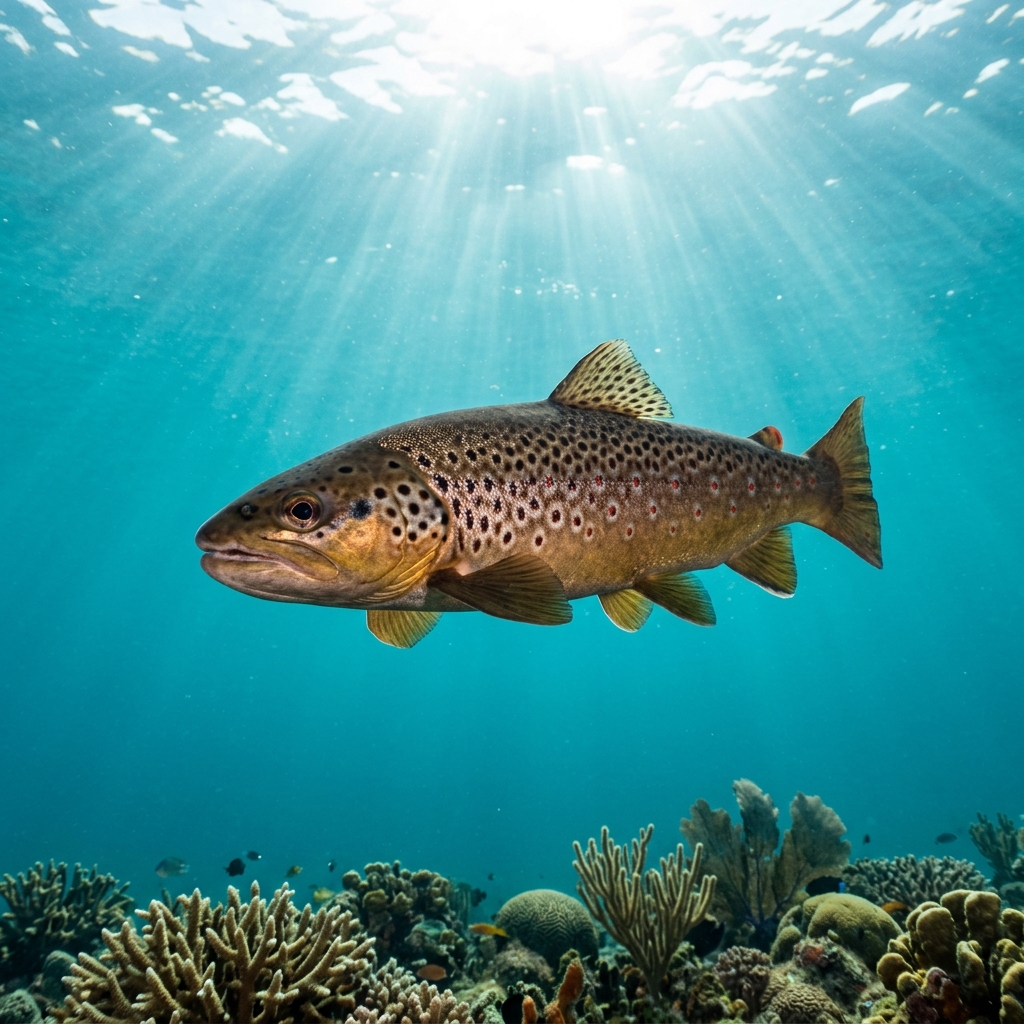
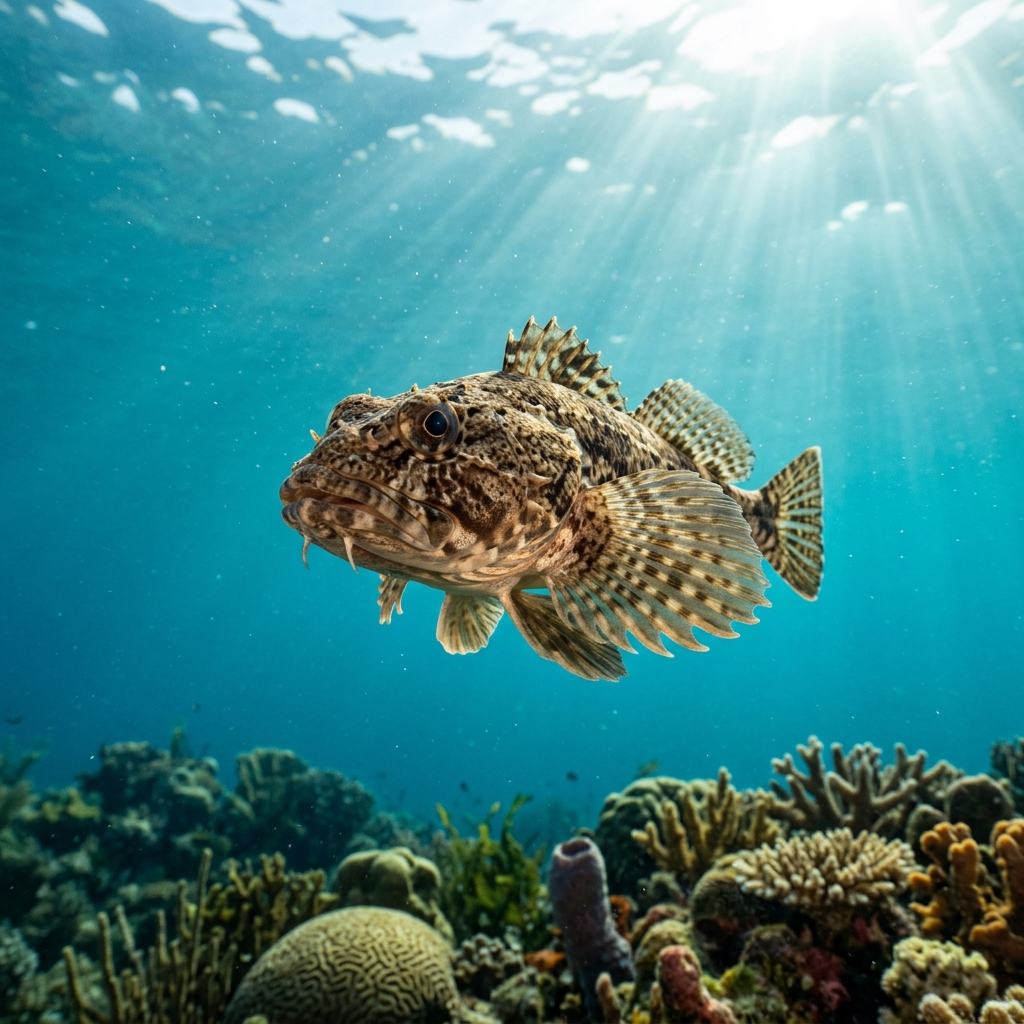
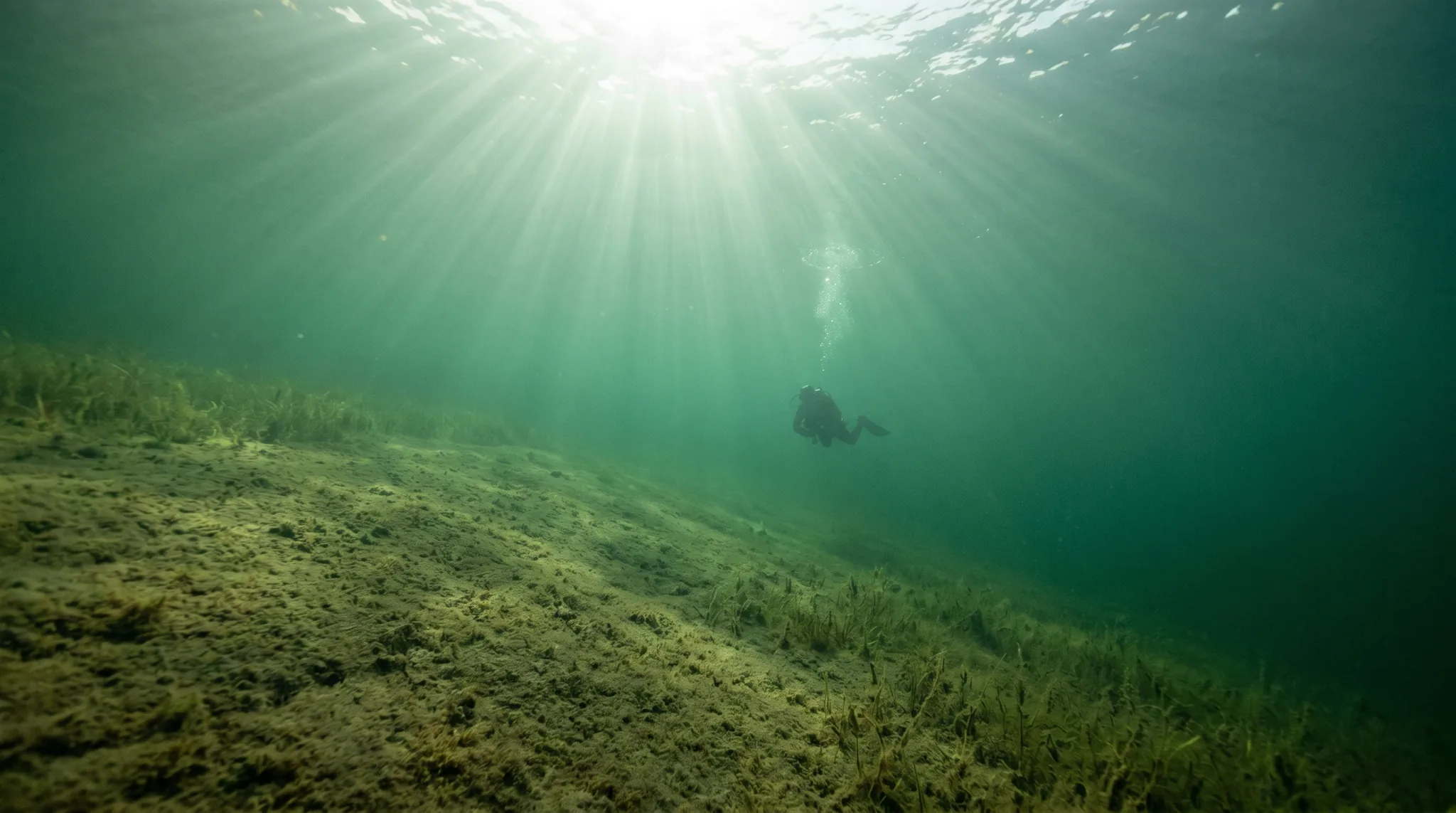
Attersee is a freshwater diving destination in Upper Austria with a site mix that ranges from shallow cave circuits and drift runs on the River Traun to deep wall dives and wrecks. Pike, Common Perch and Sun Perch are encountered across the majority of sites, with Burbot, Brown Trout and Signal Crayfish adding variety at depth. Visibility varies widely depending on conditions and season. Beginners have plenty of shore-entry reef and wreck sites; advanced divers are drawn to the deep wall at Sonnstein and the striking U-Boot wreck.
22 operators


Fin maps 67 sites in Attersee (66 scuba diving sites and 12 snorkelling spots, with some suited to both).
55 more sites to explore
Pike and Common Perch are the most frequently observed species, appearing across the vast majority of sites. Burbot, Carp and Pike Perch are also commonly recorded, while Brown Trout, Chub, Bullhead and Signal Crayfish turn up at a good number of sites. Rainbow Trout and Roach round out the freshwater community.
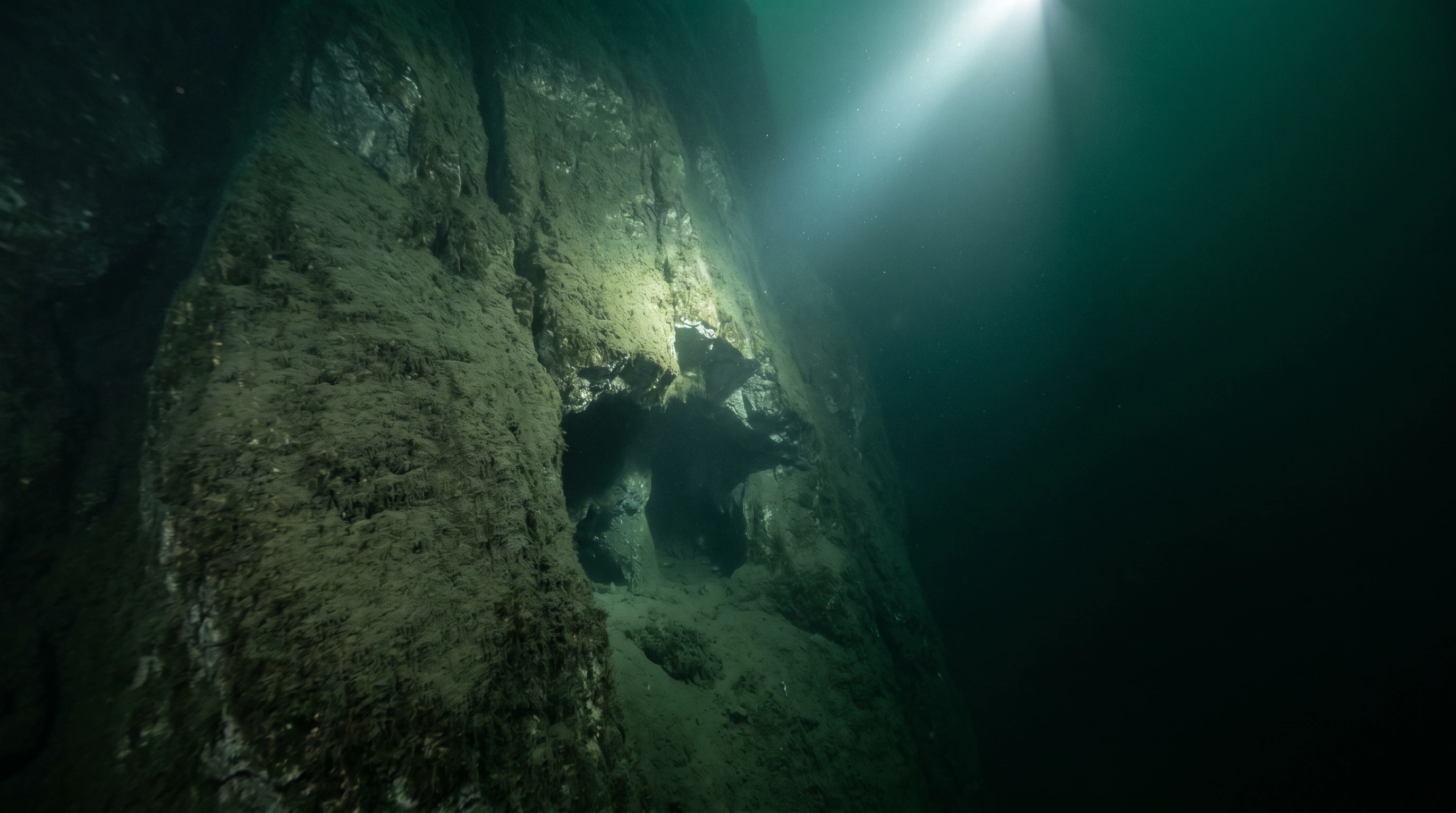
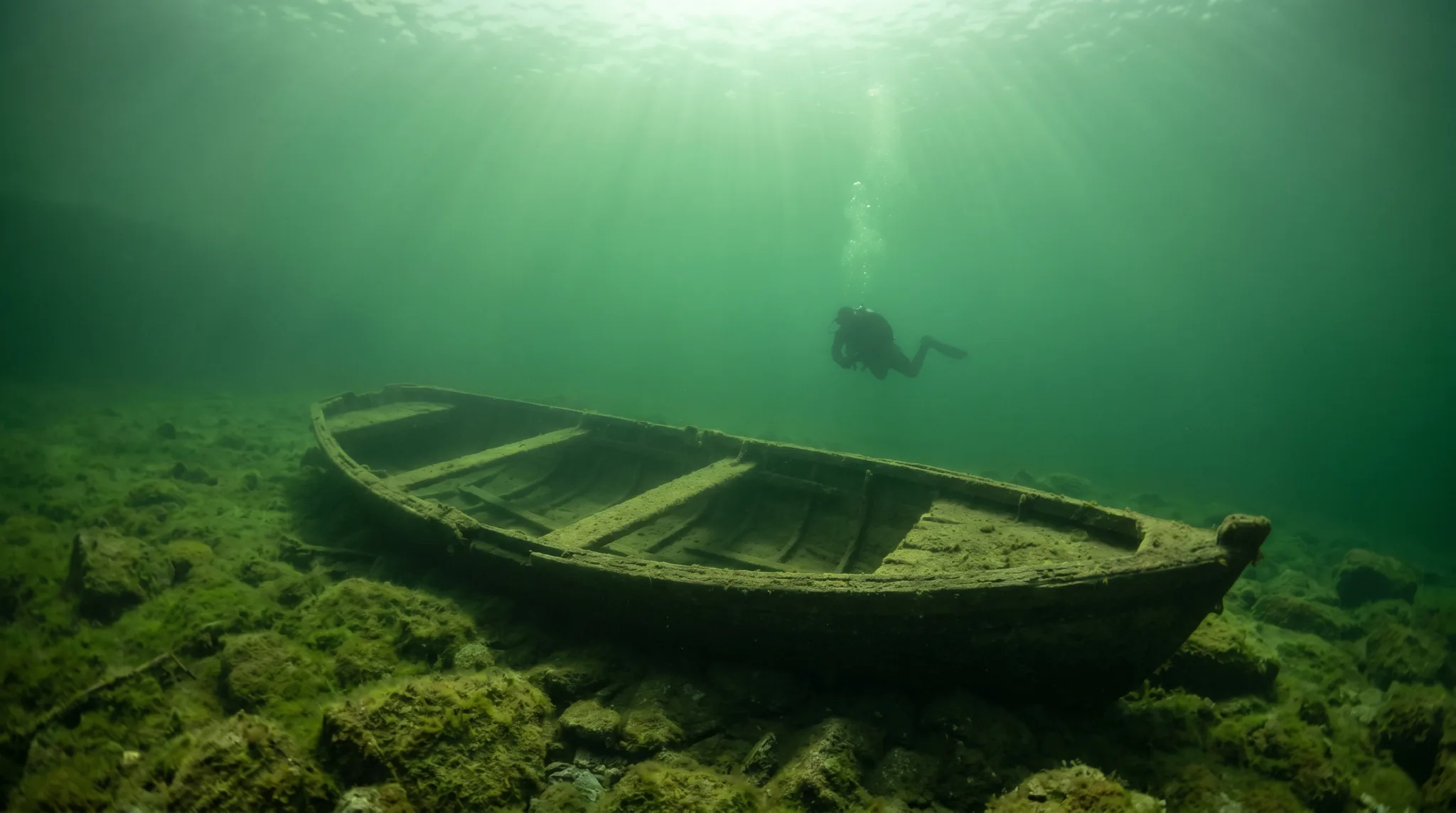
A good portion of Attersee's sites are rated for beginners, including shore-entry reef dives at Attersee Steinwand and wreck sites such as ÖBF Bad. Intermediate and advanced sites are also well represented, particularly the deep wall at Sonnstein and the current-driven canyon at Traun River Falls, which is strictly for experienced divers. New divers will find plenty to explore without venturing into technical territory.
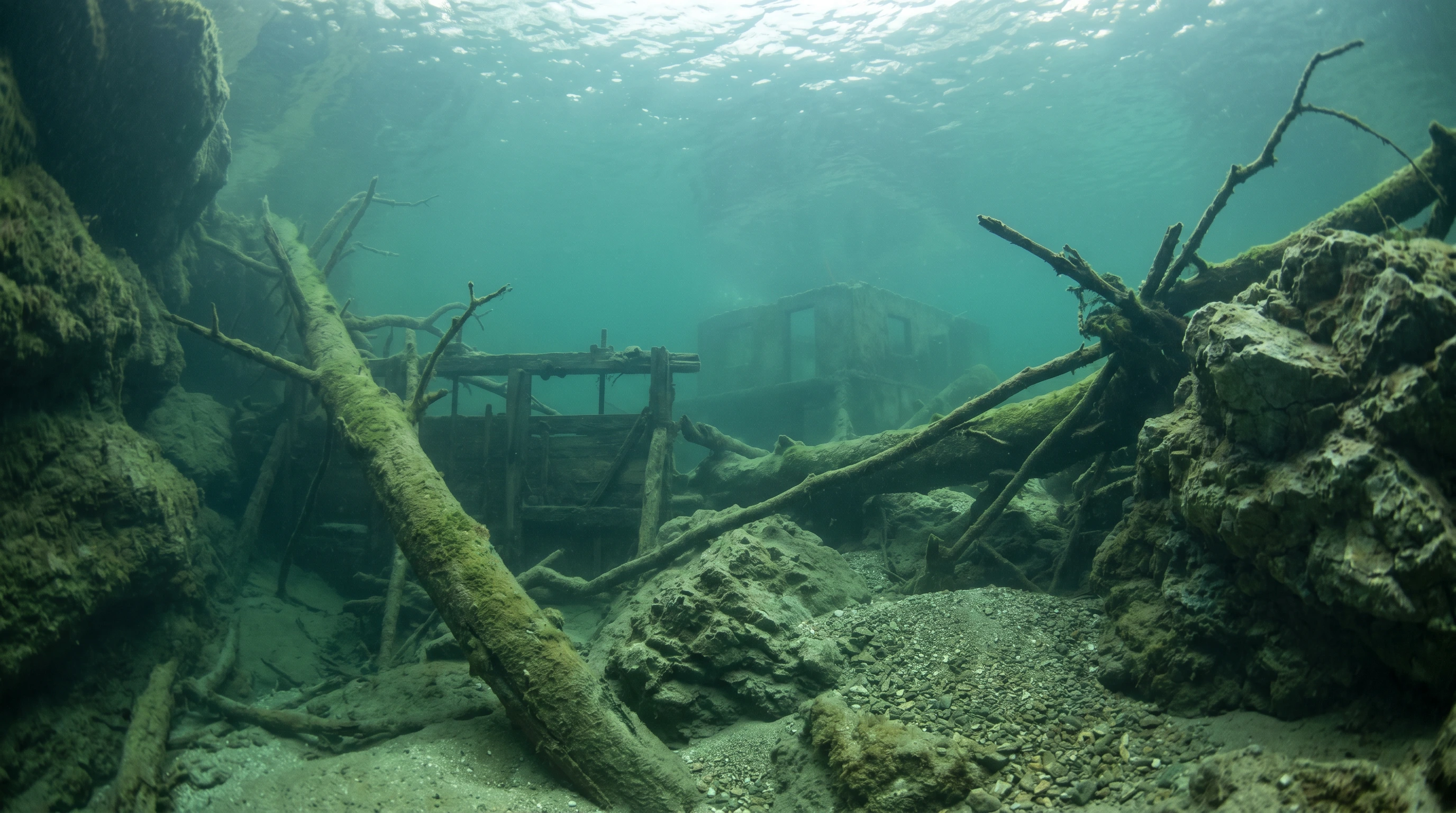
The region covers an unusually broad range for a freshwater destination: walls, wrecks, caves, canyons, artificial reefs and drift sites all feature in the listing. The River Traun contributes current-driven drift dives and a canyon, while the lake itself holds deep walls and submerged wrecks. Several sites combine more than one type in a single dive, such as Inselrunde's circuit of wreck, cave and artificial reef.
Several dive centres operate in the area, including Under Pressure Divecenter Attersee, TSC-FOXDIVERS, Atlantis Qualidive, Diverspassion and River Diving Center Magic Dive. Between them they cover guided dives, training and equipment support. Having a local operator is particularly useful for the deeper and more technical sites, where knowledge of current conditions and access points matters.