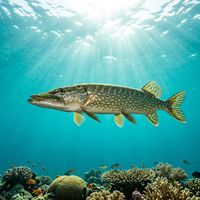
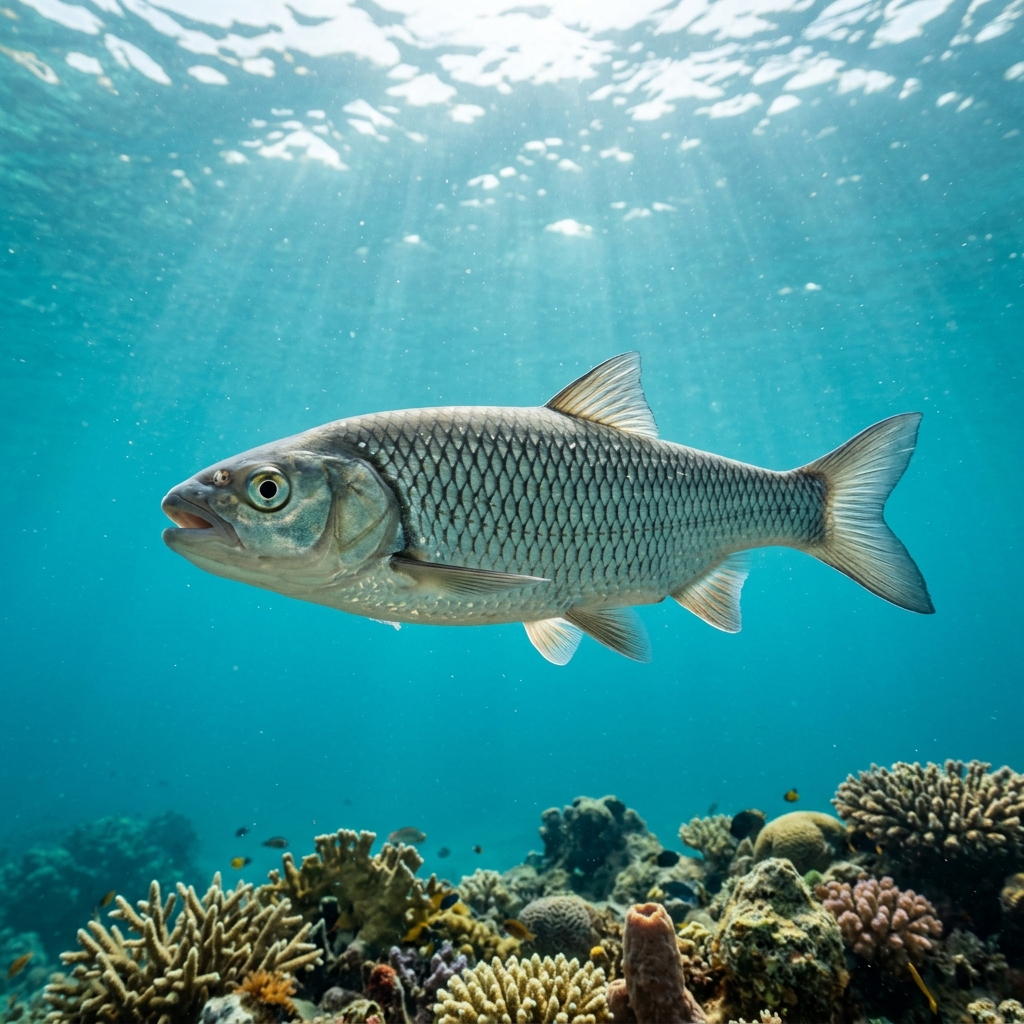
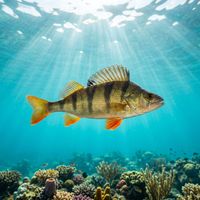
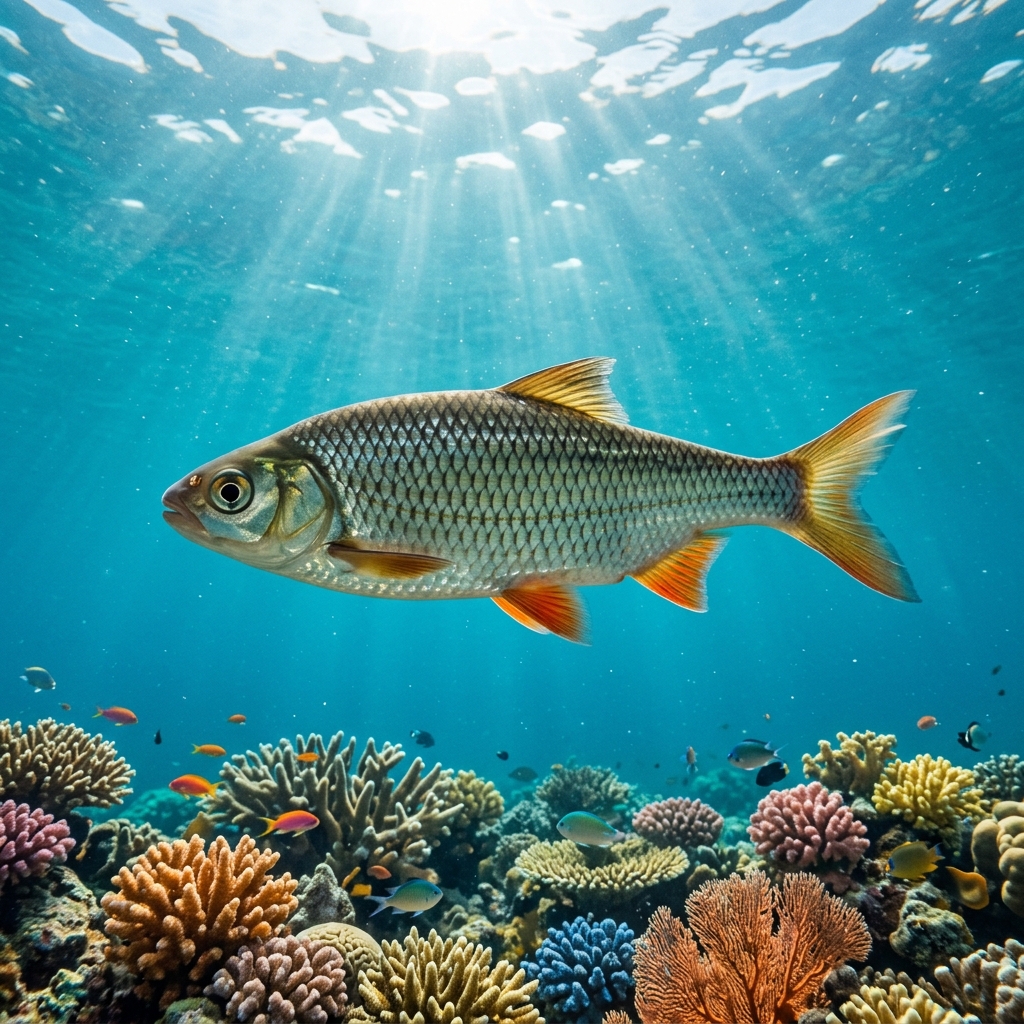
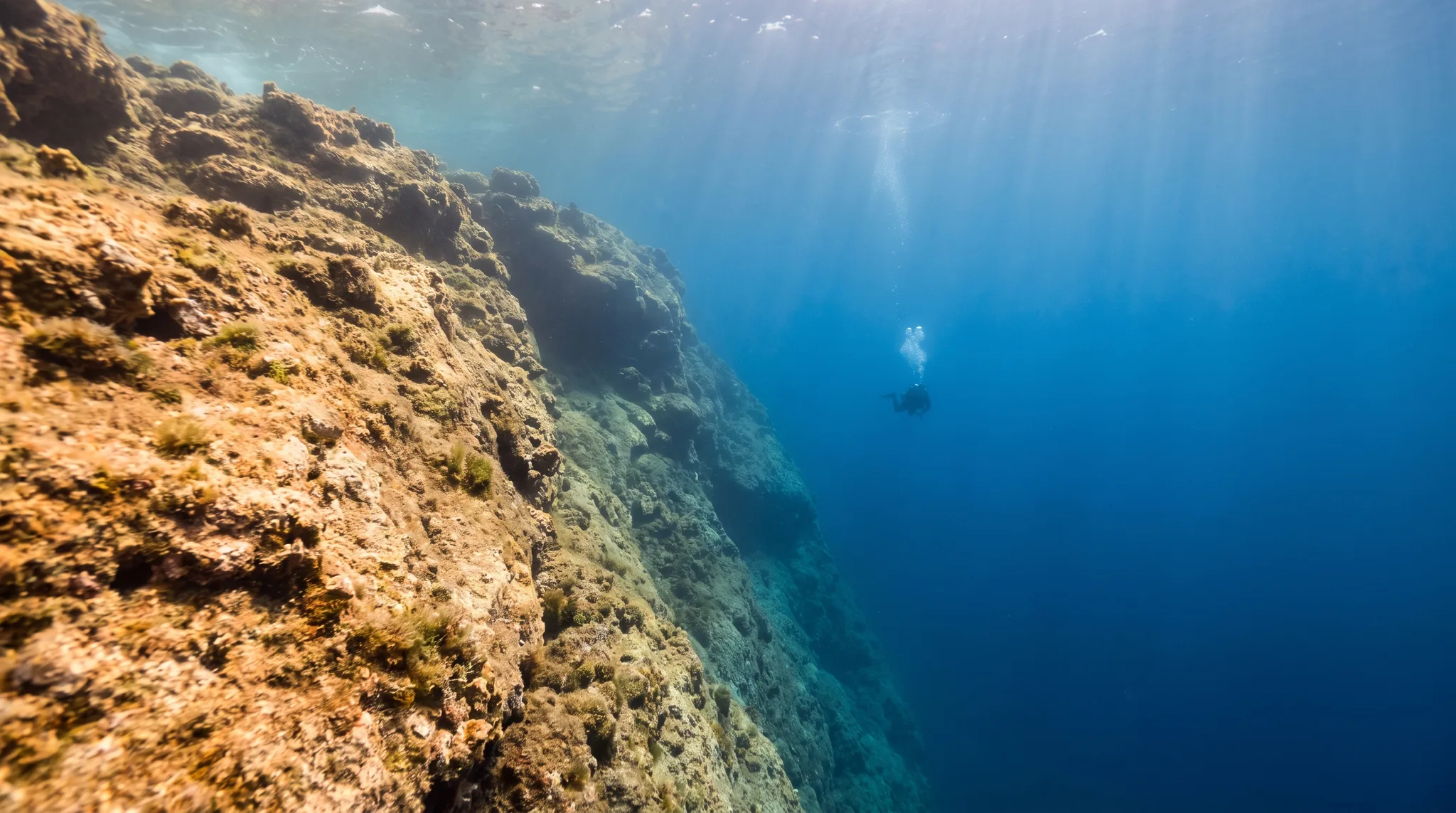
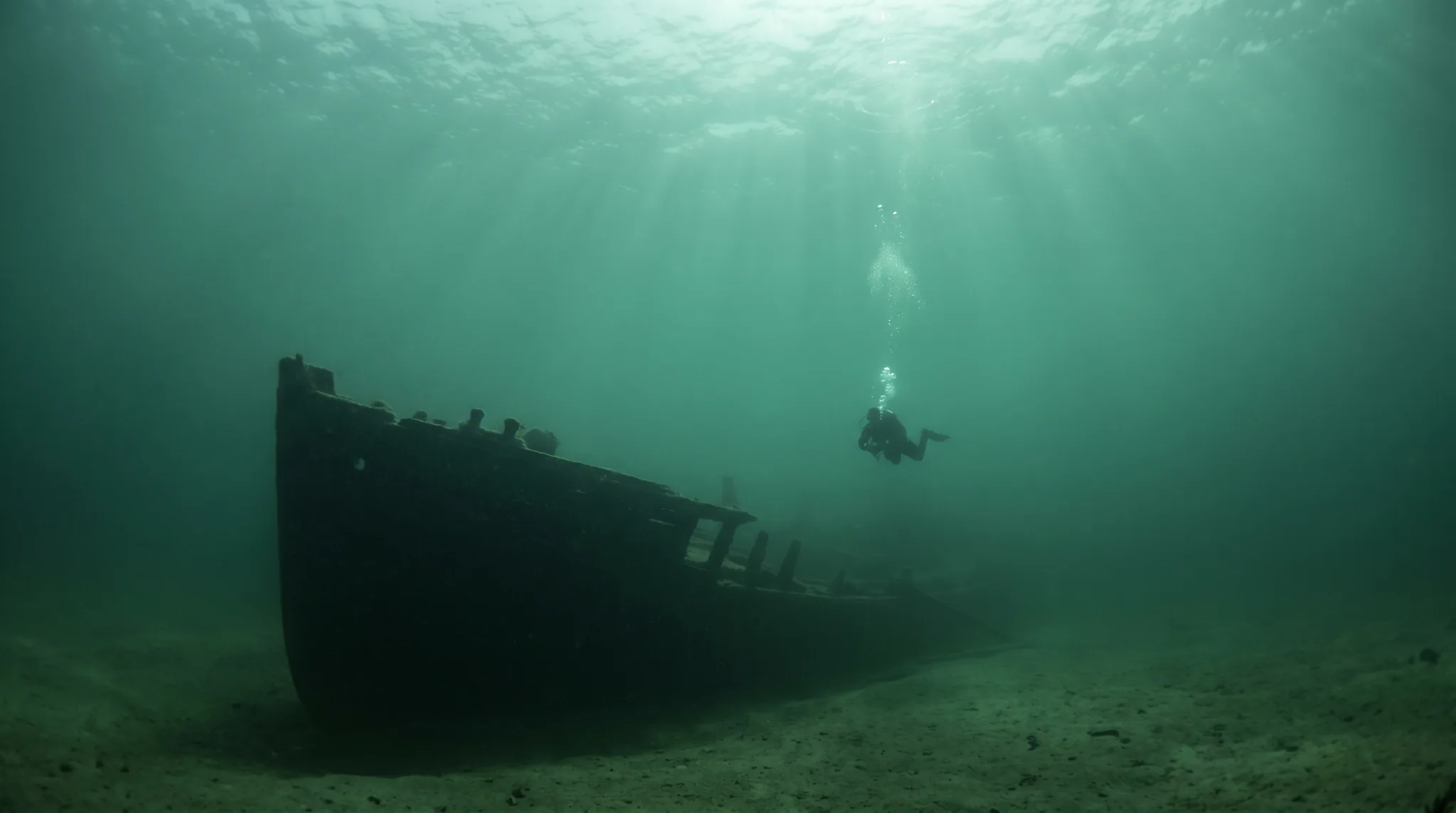
Weissensee is a freshwater lake in Carinthia offering a diverse mix of wall dives, reef structures, wrecks and artificial reefs across dozens of sites. The lake suits divers of most levels: shallow reef sites and small wrecks give beginners straightforward entries, while deeper walls and drop-offs challenge intermediate and advanced divers. Chub, Common Perch and Pike are commonly sighted, with Wels Catfish and Brown Trout appearing less frequently. Most sites are accessible from the shore, though several key spots require a boat.
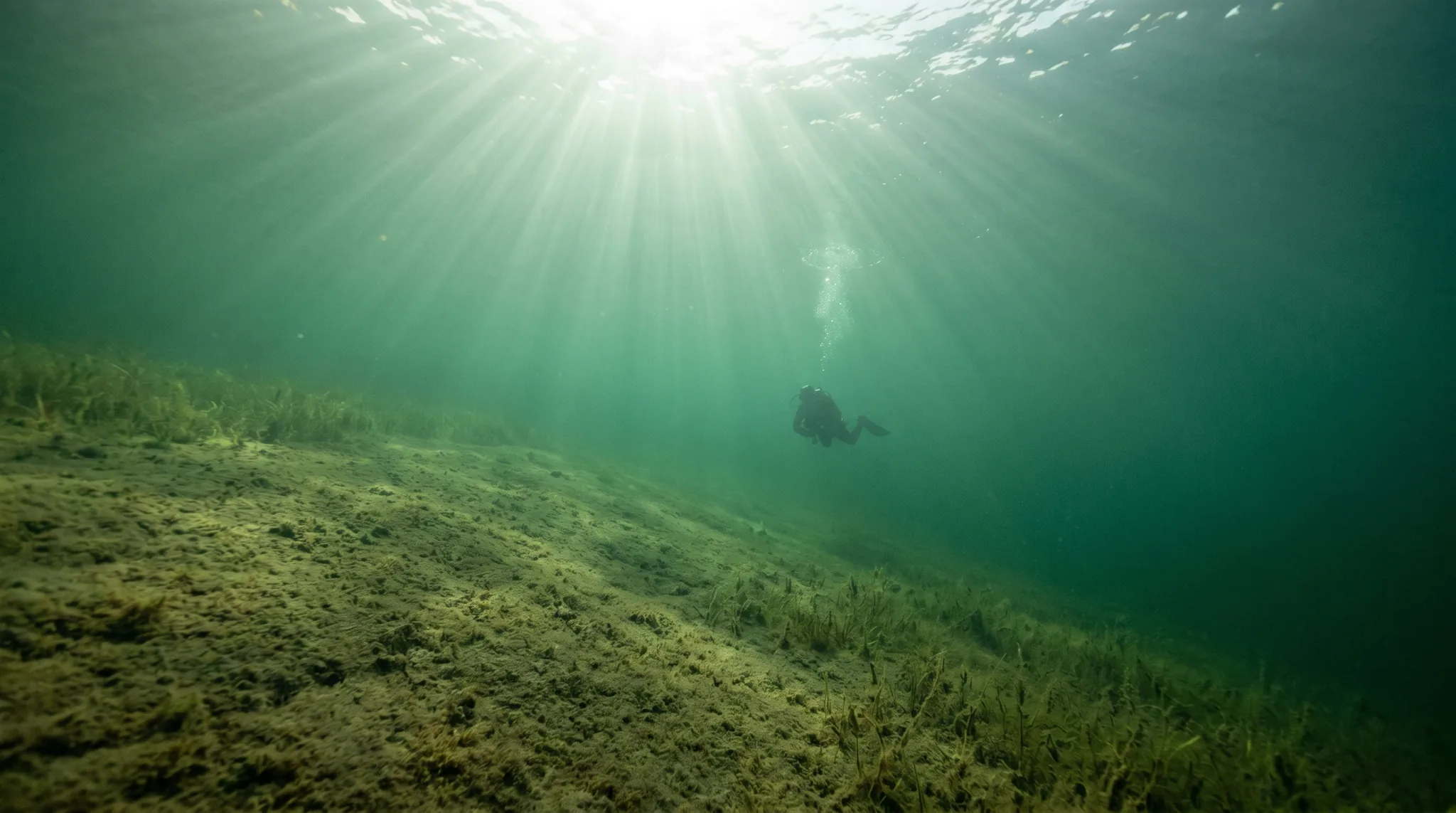
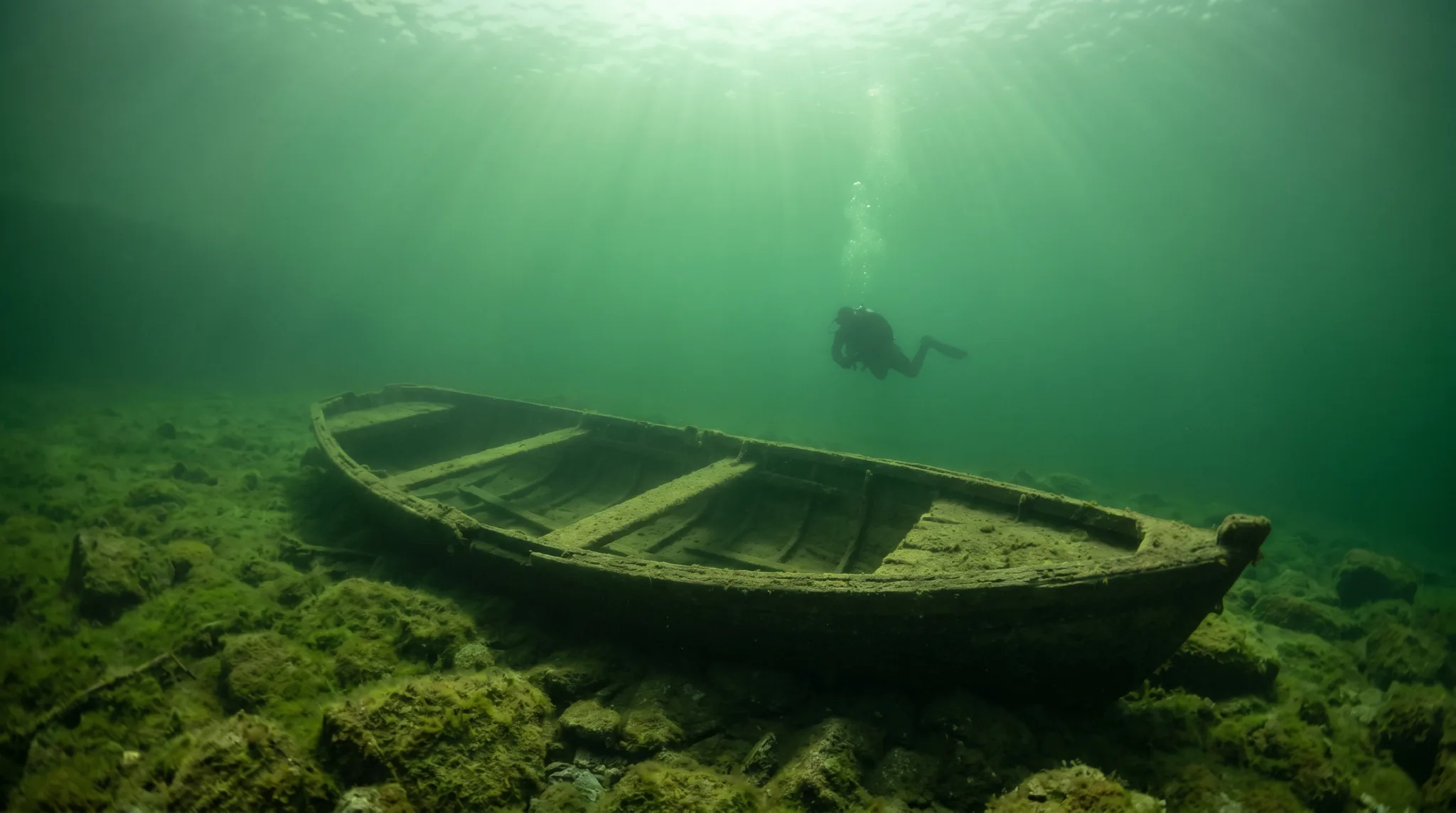
10 operators
Millstatt, Austria
Feistritz an der Gail, Austria
Fin maps 44 sites in Weissensee (44 scuba diving sites and 4 snorkelling spots, with some suited to both).
32 more sites to explore
Across Weissensee's dive sites, June and September are most often reported as the best months to visit.
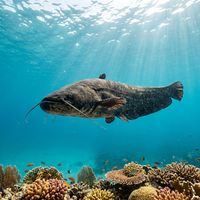
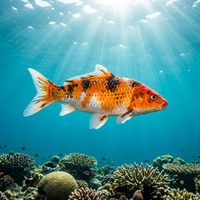
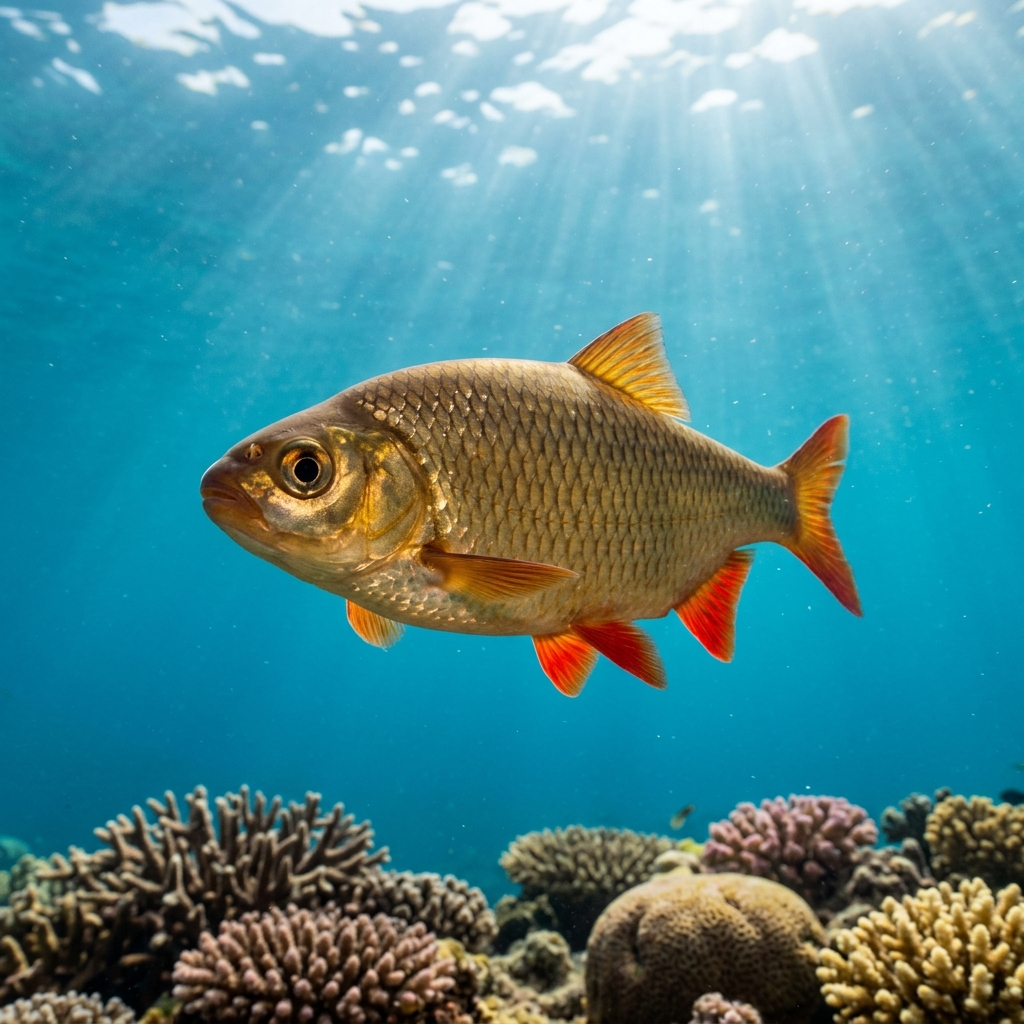
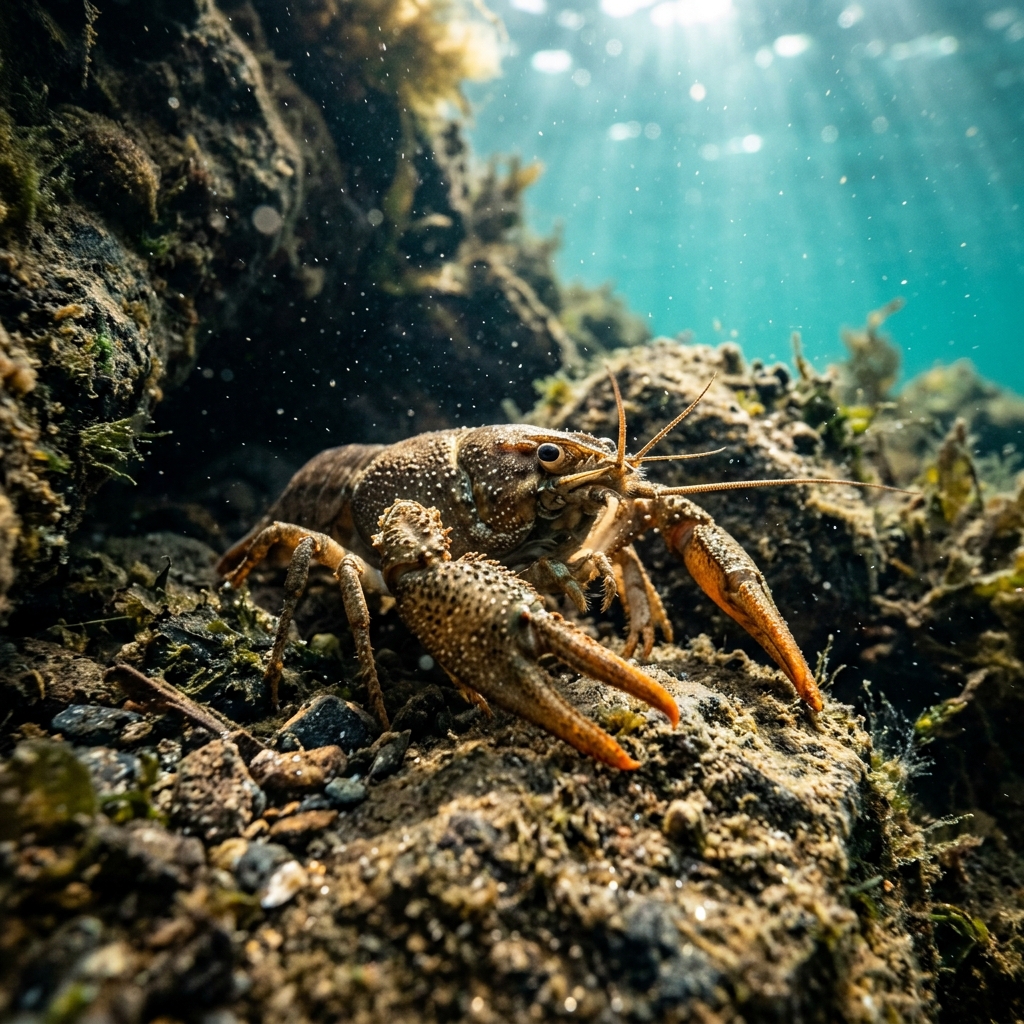
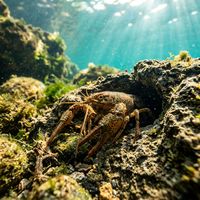
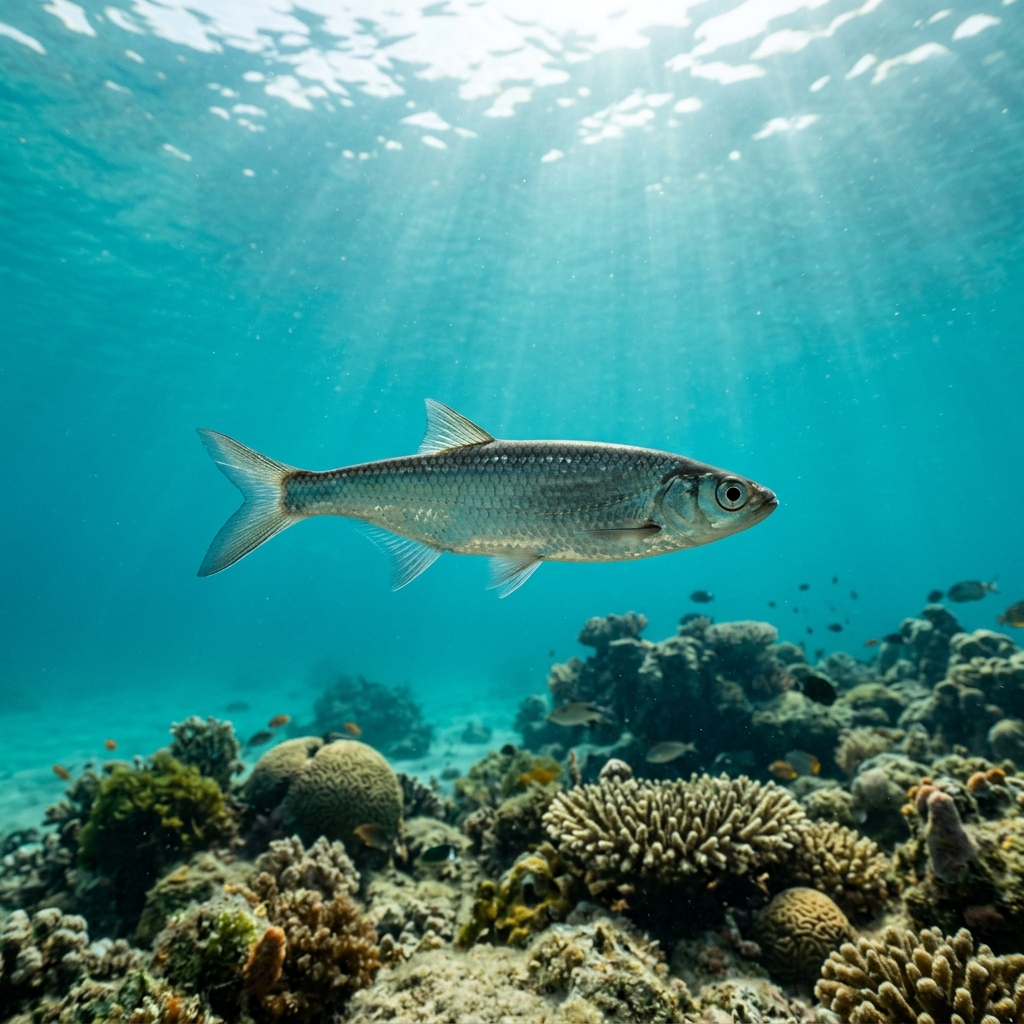
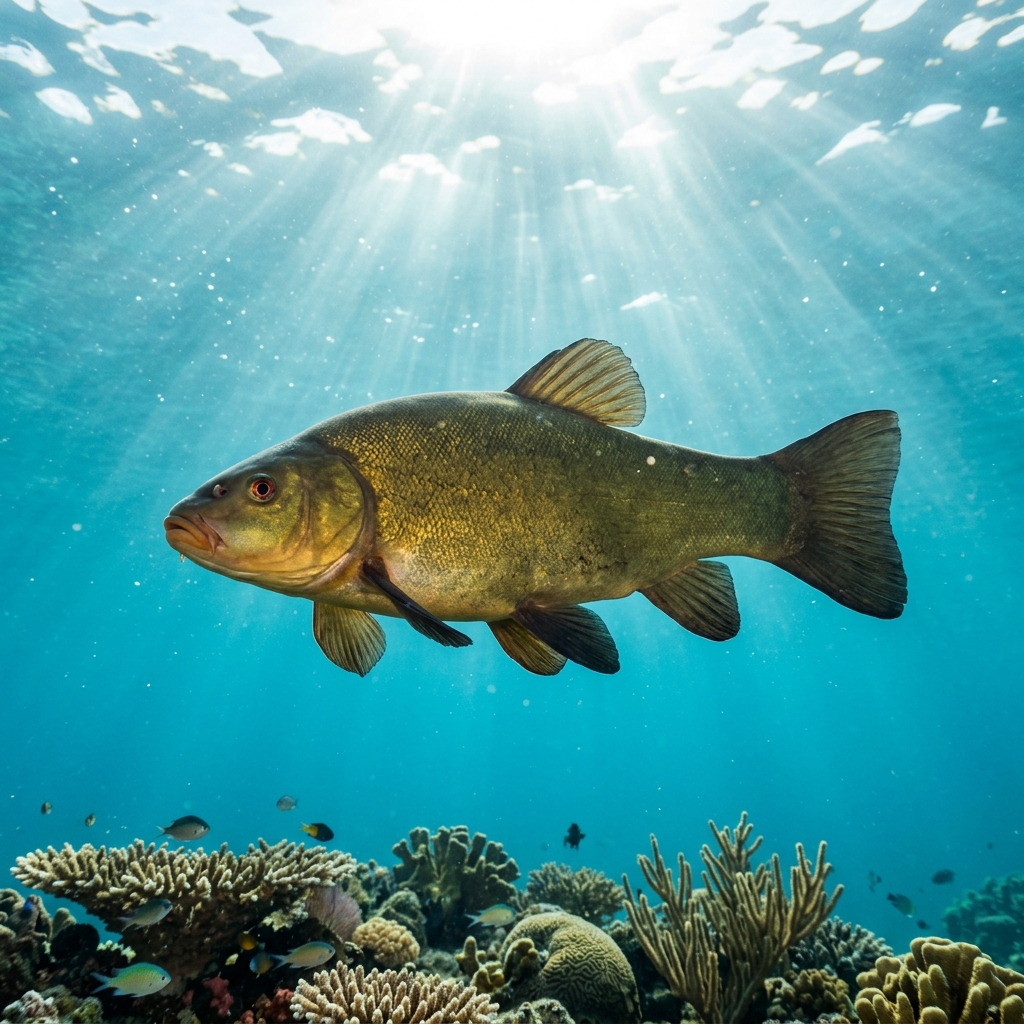
The most commonly observed species are Chub, Common Perch and Pike, all frequently reported across many sites. Roach, Carp and Sun Perch appear occasionally, while Wels Catfish, Pike Perch, Tench, Brown Trout and American Crayfish have also been observed. Weissensee offers a truly varied freshwater fish community compared to typical lake diving destinations.
The majority of sites in Weissensee are rated beginner level, including shallow reef sites such as Fischmühle and Bodenseen, the wreck at Eldas Wrack, and several shore-access wall dives like Megawand. Intermediate divers have options too, particularly Rock Ronacher with its horseshoe rock formation. Only Laka Wand is rated advanced, so the lake caters well to those still building experience.
Many sites are accessible directly from the shore, including Fischmühle, Hausbucht Mopla, Schloss Heroldeck and several eastern shore sites. Others, such as Tina, Grissini Bay, Sulzer Bay and Carinas Point, require a boat. Weissensee Ost Hausriff offers the flexibility of both entry types. Local operators including Tauchschule Weissensee Yachtdiver can assist with boat access and guiding.
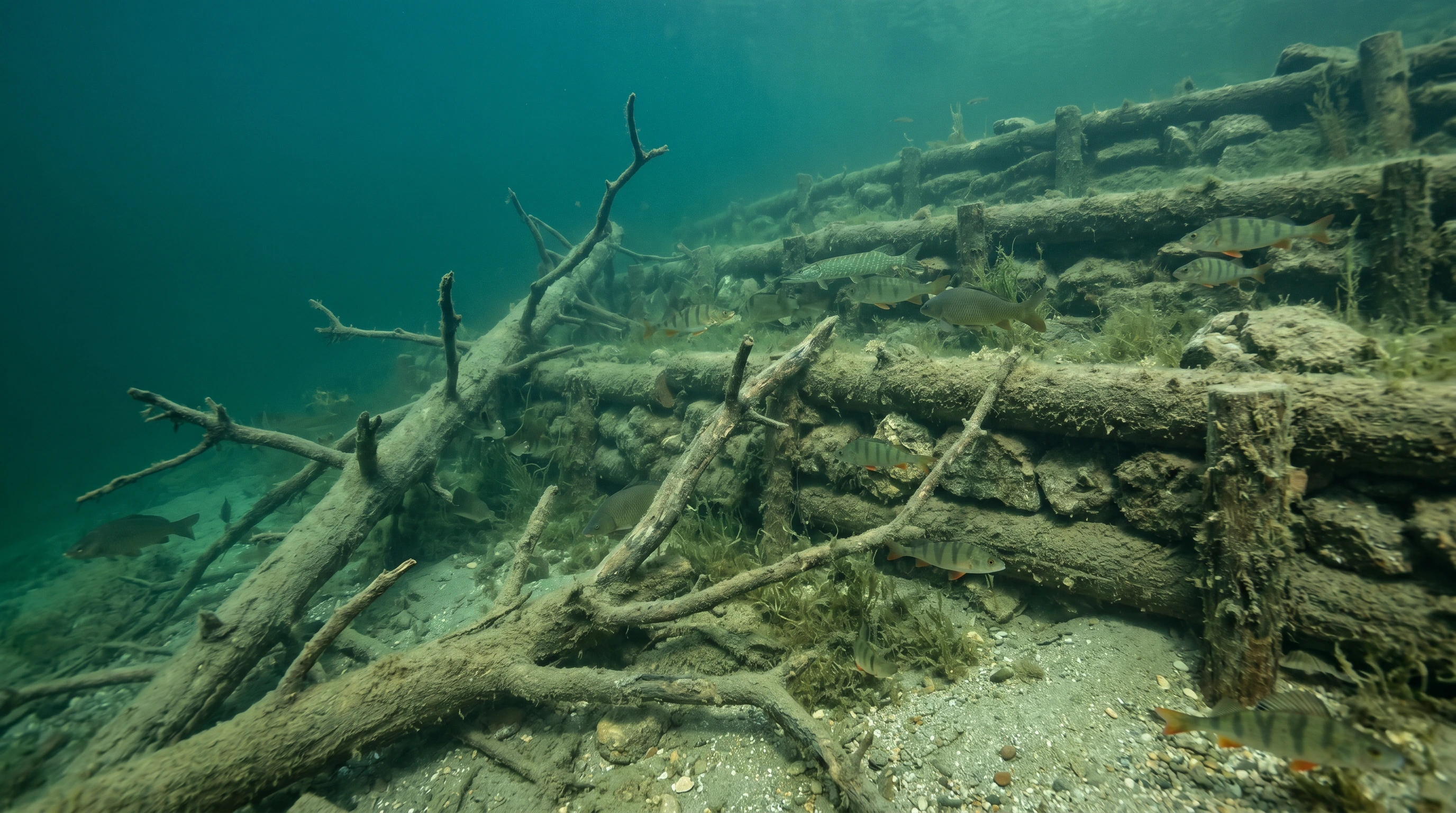
Weissensee stands out for the variety of its underwater topography in a freshwater setting. Divers can explore wrecks, submerged walls, natural reef ledges and artificial reefs formed by structures such as vertical tree trunks at Grissini Bay. Several sites combine multiple environments in a single dive, such as Hausbucht Mopla with its artificial reef, natural reef and drop-off wall.