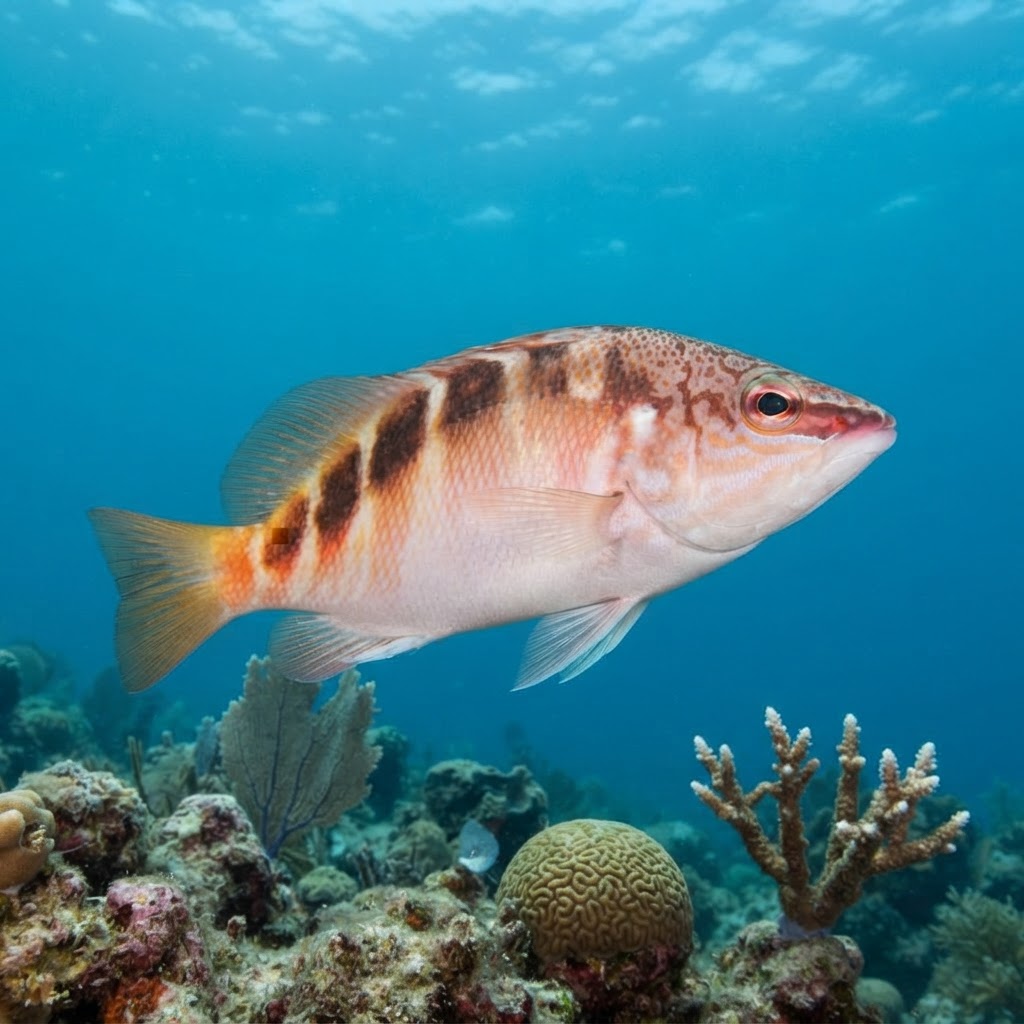
Hypoplectrodes maccullochi
A reef-hugging perch logged at reef sites across New South Wales, sitting in 17-25 C water year-round and easy to overlook if you don't check the ledges.
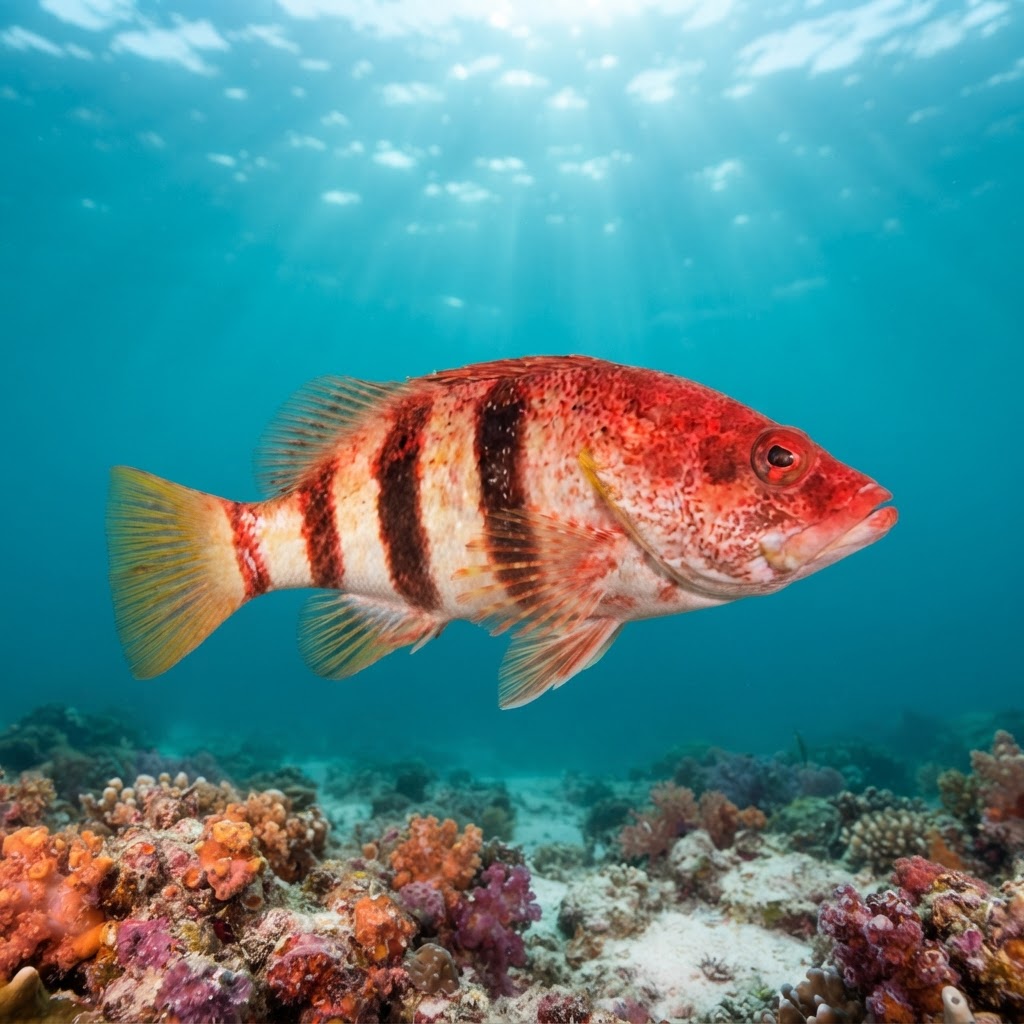
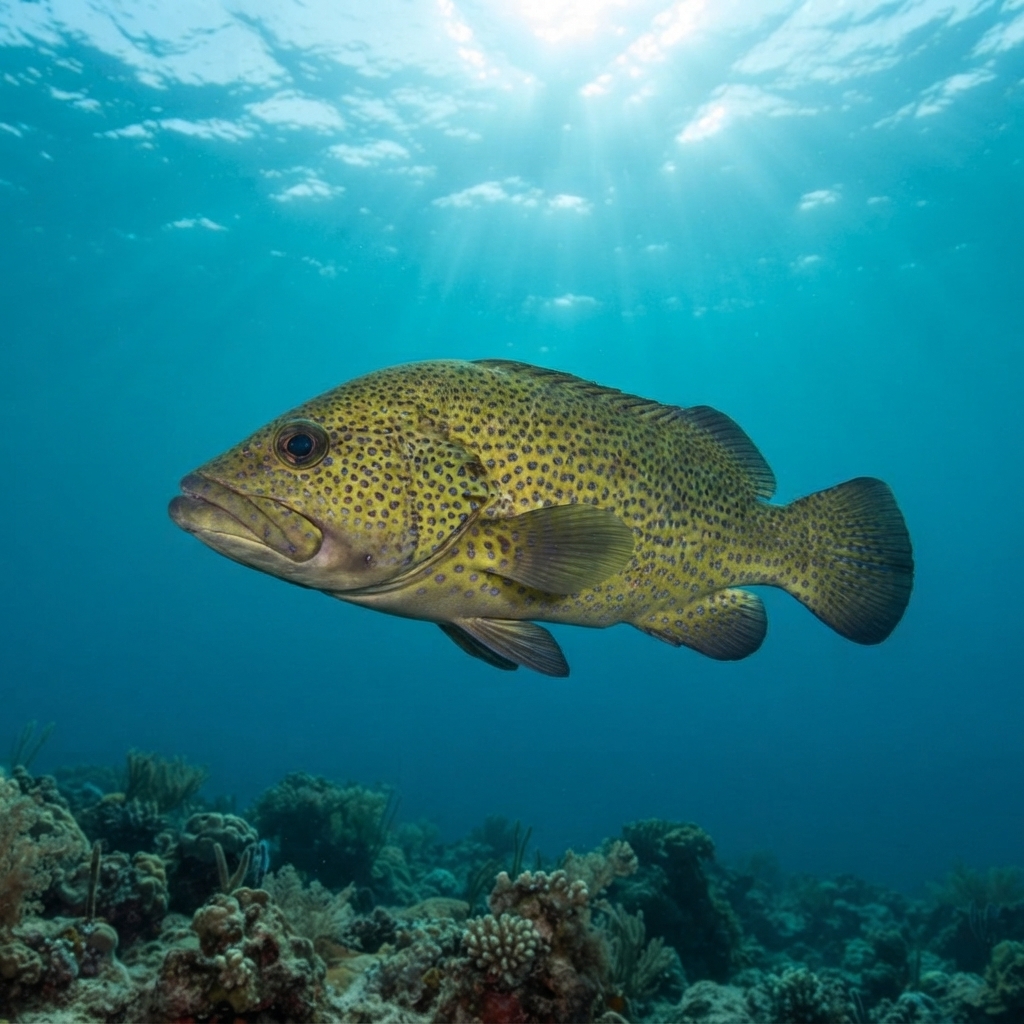
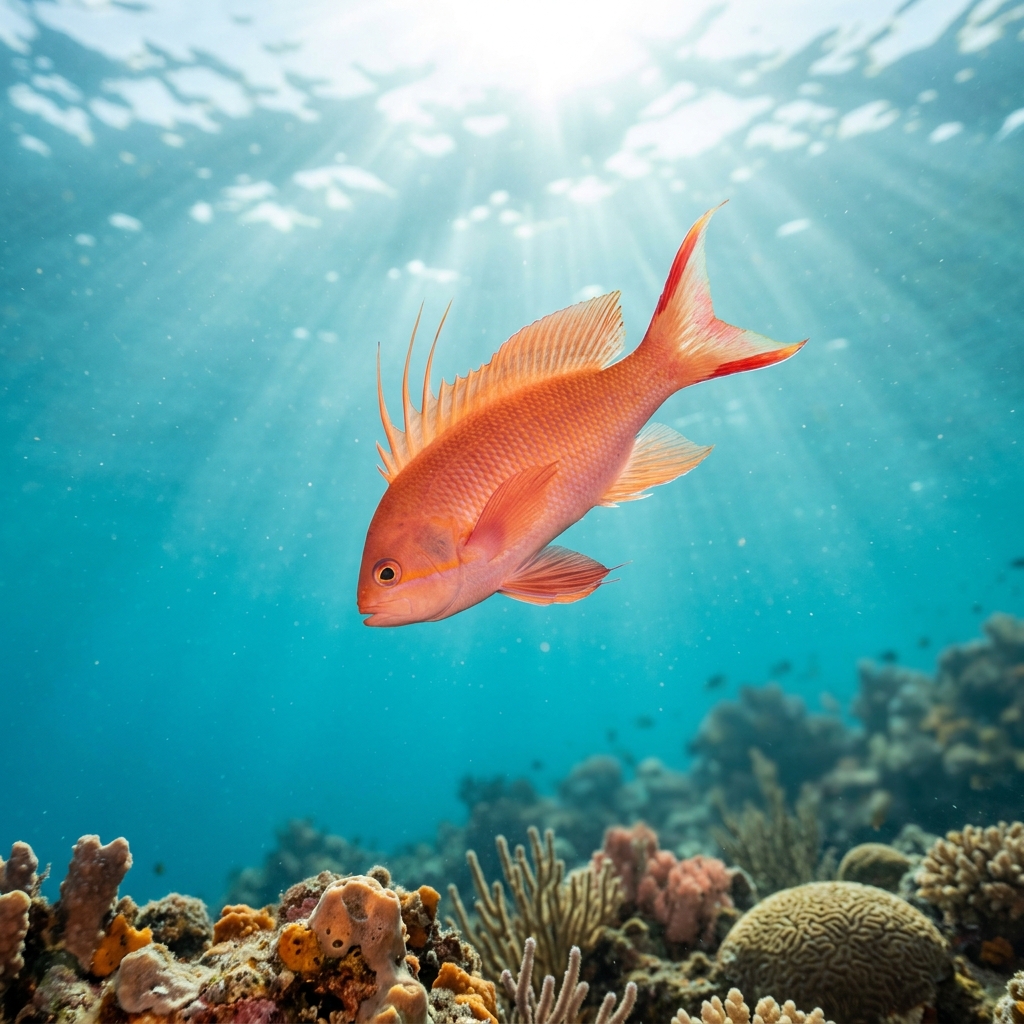
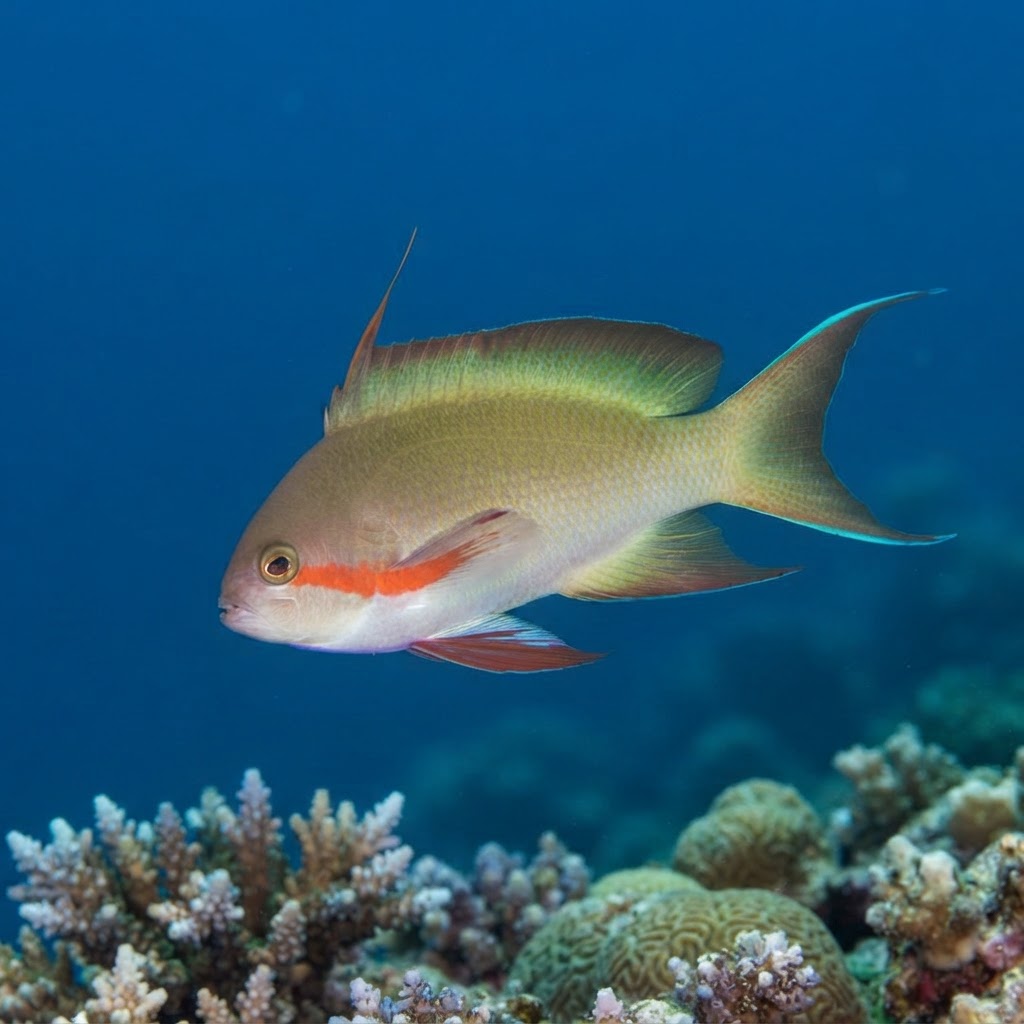
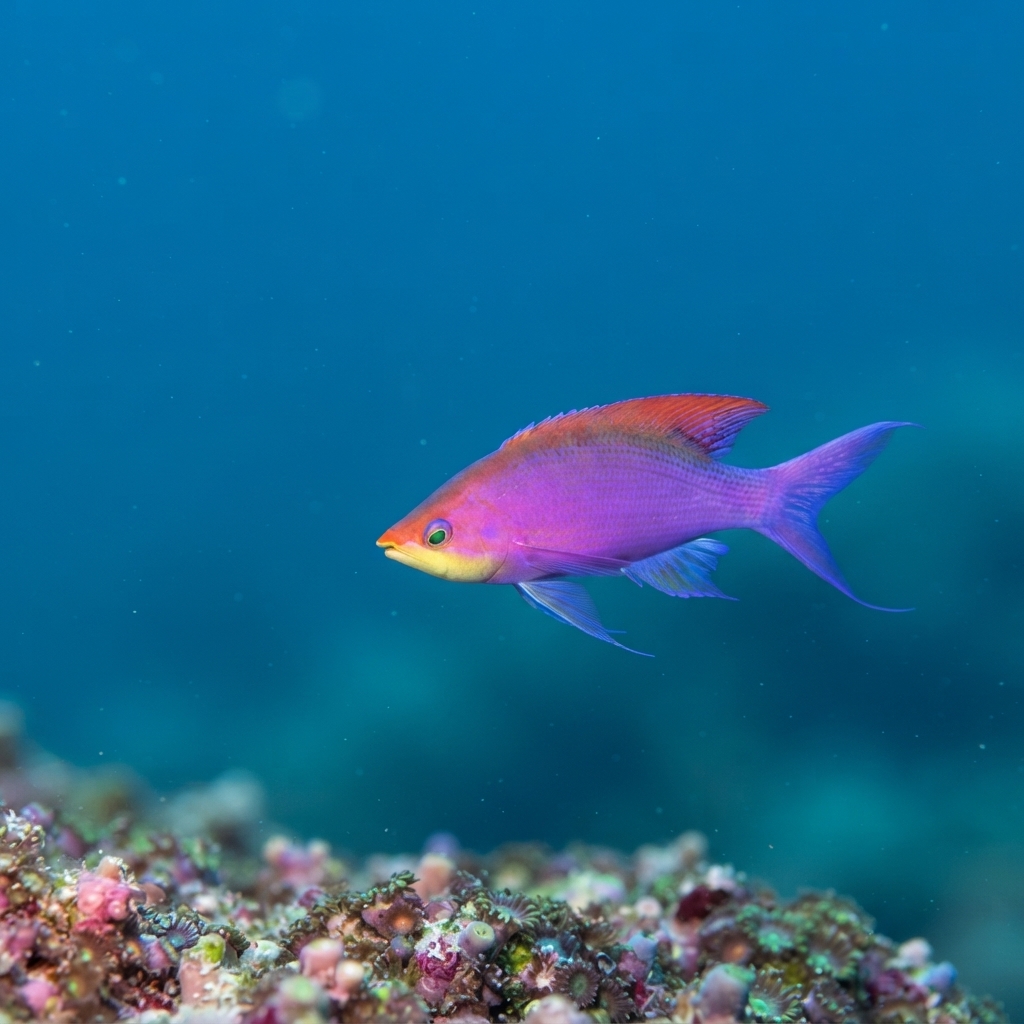
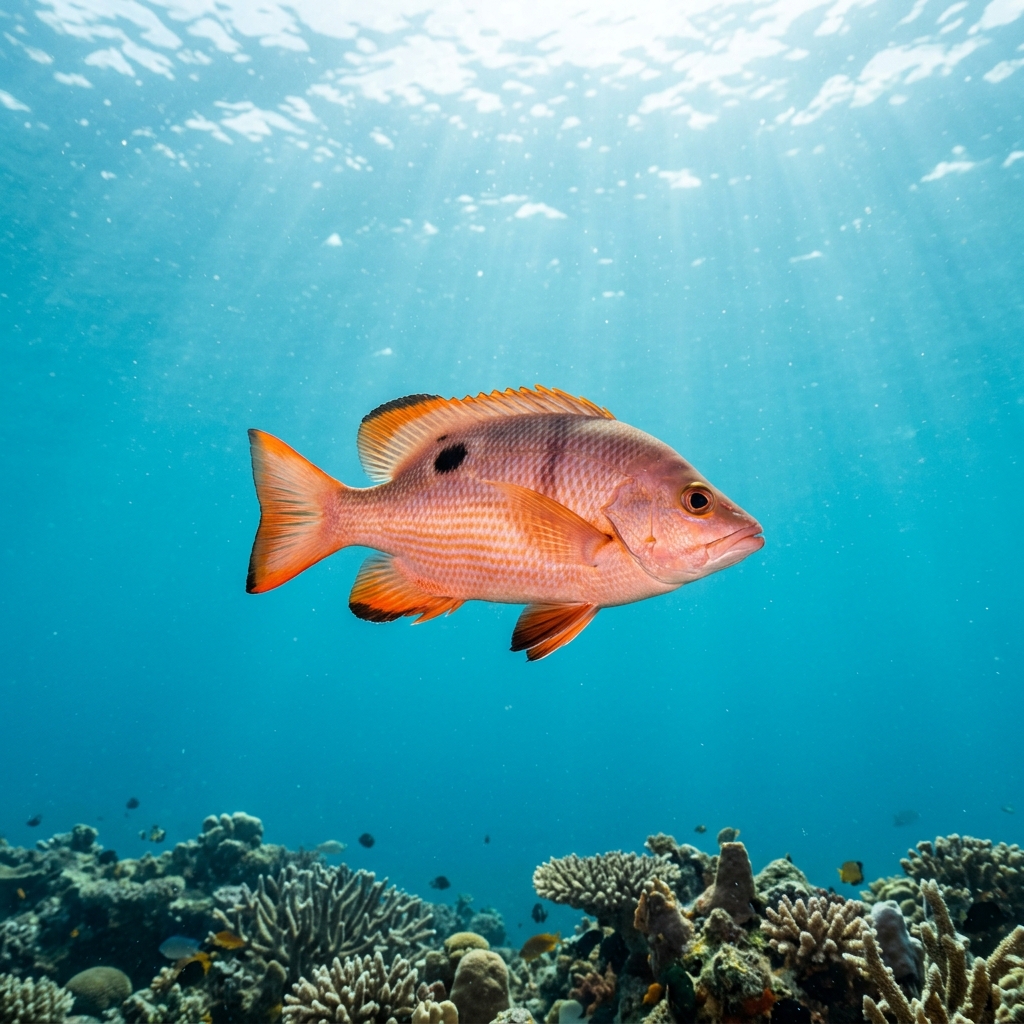
Grows to around 31 cm, with a stocky, elongated body typical of the seaperch group and mottled brown to reddish colouring that breaks up its outline against rock and reef. Look for the pale banding across the head and forebody that gives this fish its name, most visible when it sits still on a ledge rather than swimming in open water. It perches close to structure rather than schooling, which is often the first giveaway that you're looking at this species rather than a more free-swimming reef fish.
Divers most often find this one tucked against rock ledges, in crevices, or under overhangs rather than out cruising the reef. It tends to hold its position as divers pass rather than bolting for cover, making it a decent subject for a slow, patient look if you spot one wedged into a gap. Most logs describe it as uncommon to common rather than something you'll see on every dive, so a bit of searching along broken reef and rocky reef edges pays off.
It belongs to the same broad group as the anthias and basslets but lives a much more solitary, ledge-bound life than its showier tropical relatives, which is part of why it's easy to swim straight past.
Sightings don't show a clear seasonal pattern, and the recorded temperature range of 17.3 to 24.7 C spans both the cooler and warmer parts of the NSW dive calendar, so treat it as a year-round find rather than something tied to a particular month.
Reef neighbours a diver could mistake it for. Use the identification notes above to tell them apart.
Overwhelmingly a New South Wales fish in the logs, with Tasmania picking up a handful of sightings further south. Within NSW it turns up across a wide spread of temperate reef sites rather than clustering at one or two famous spots, so it's worth checking ledges and rocky overhangs at most southeastern Australian reef dives.
Mapping where Halfbanded Seaperch is logged…
New South Wales, Australia is by far the most reliable place to find it, with sightings spread across a large number of reef sites there. Tasmania has also produced a smaller number of records further south.
There's no strong seasonal pattern in the sightings, and it's recorded across a wide temperature range from 17.3 to 24.7 C, so it's considered a year-round sighting on NSW reefs rather than a seasonal visitor.
Look for a stocky, mottled brown-red fish around 31 cm long, sitting still against rock rather than swimming in open water, with pale banding across the head that gives it its name.
They typically reach around 31 cm in length, a solid mid-sized reef fish rather than a small basslet.
No. They pose no threat to divers and simply hold their position on the reef when approached.
Site and sighting data is aggregated from diver logs, iNaturalist and GBIF. For taxonomy and conservation status:
Red-cheeked Anthias
425 sites