Ophthalmolepis lineolata
Common on temperate reefs from New South Wales to Western Australia, this striped wrasse turns up year-round in 15 to 20C water.
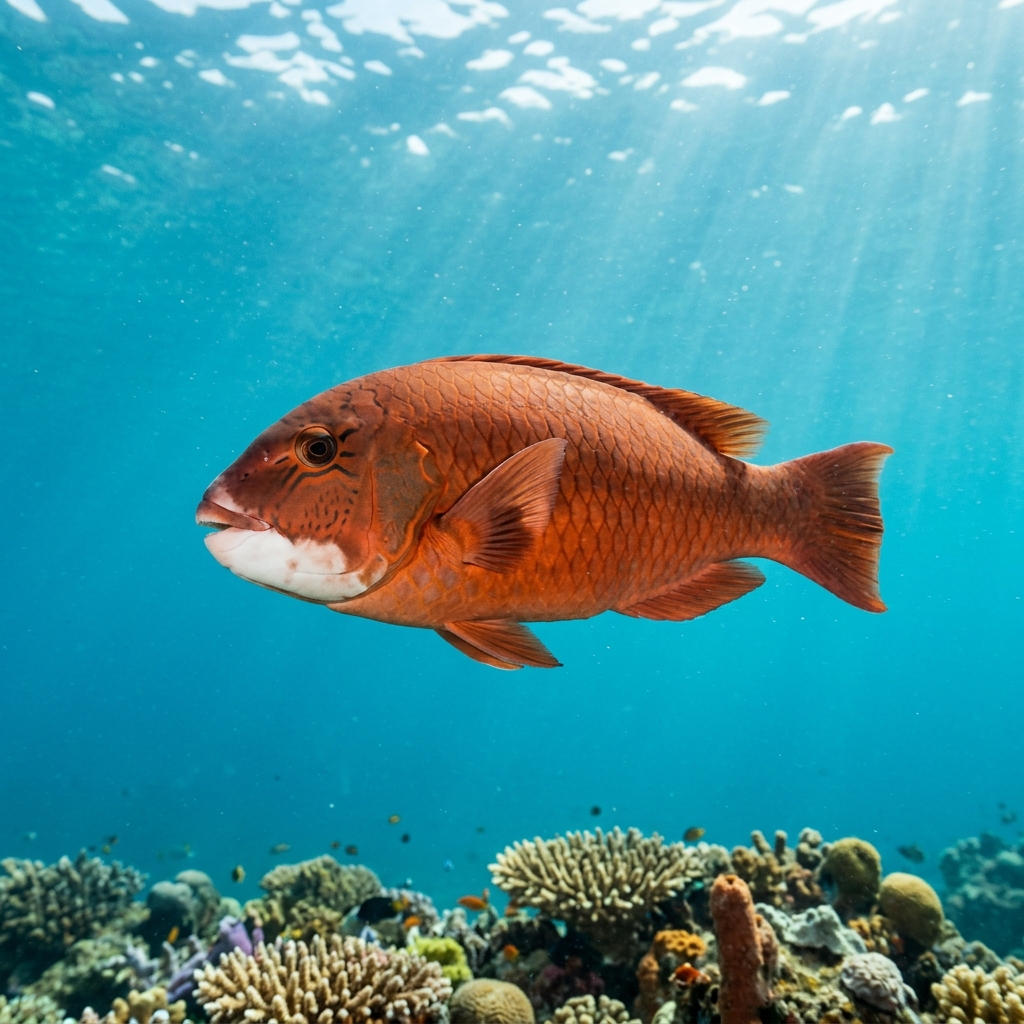
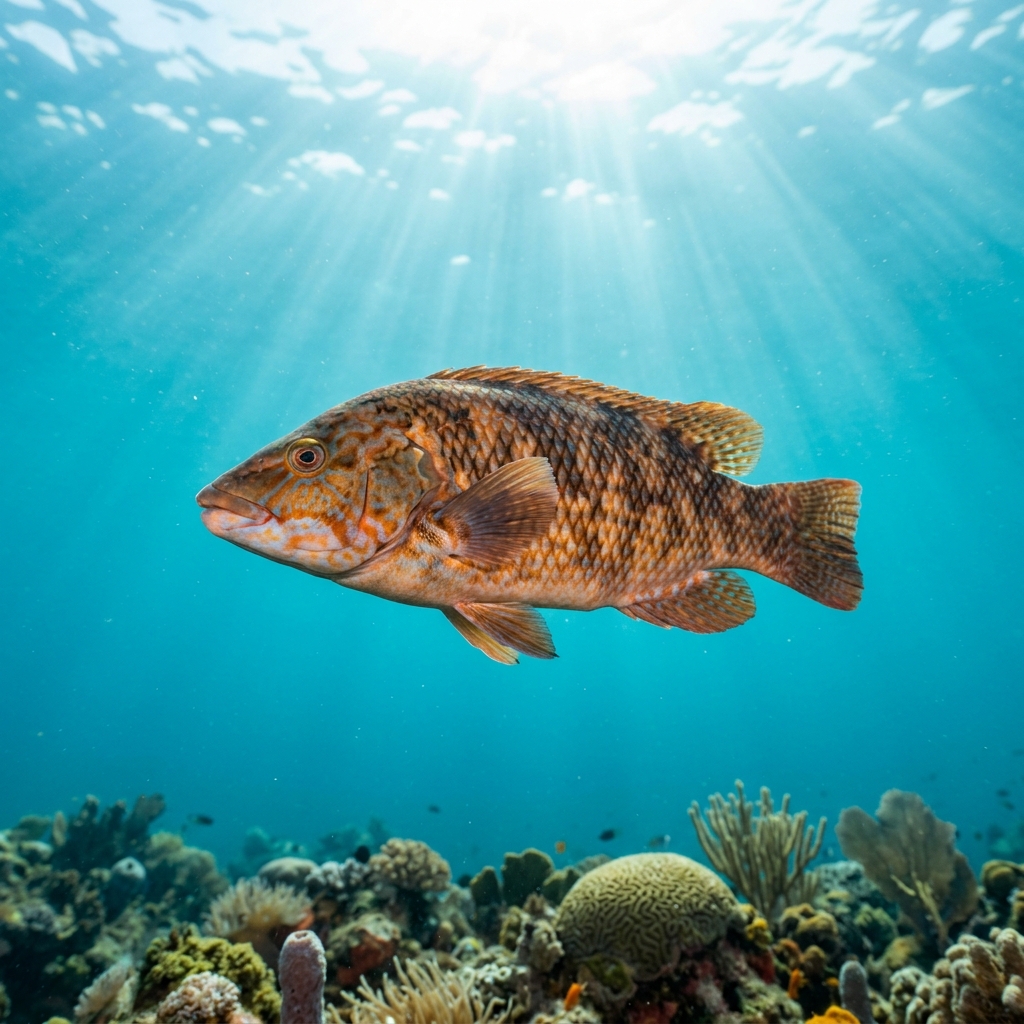
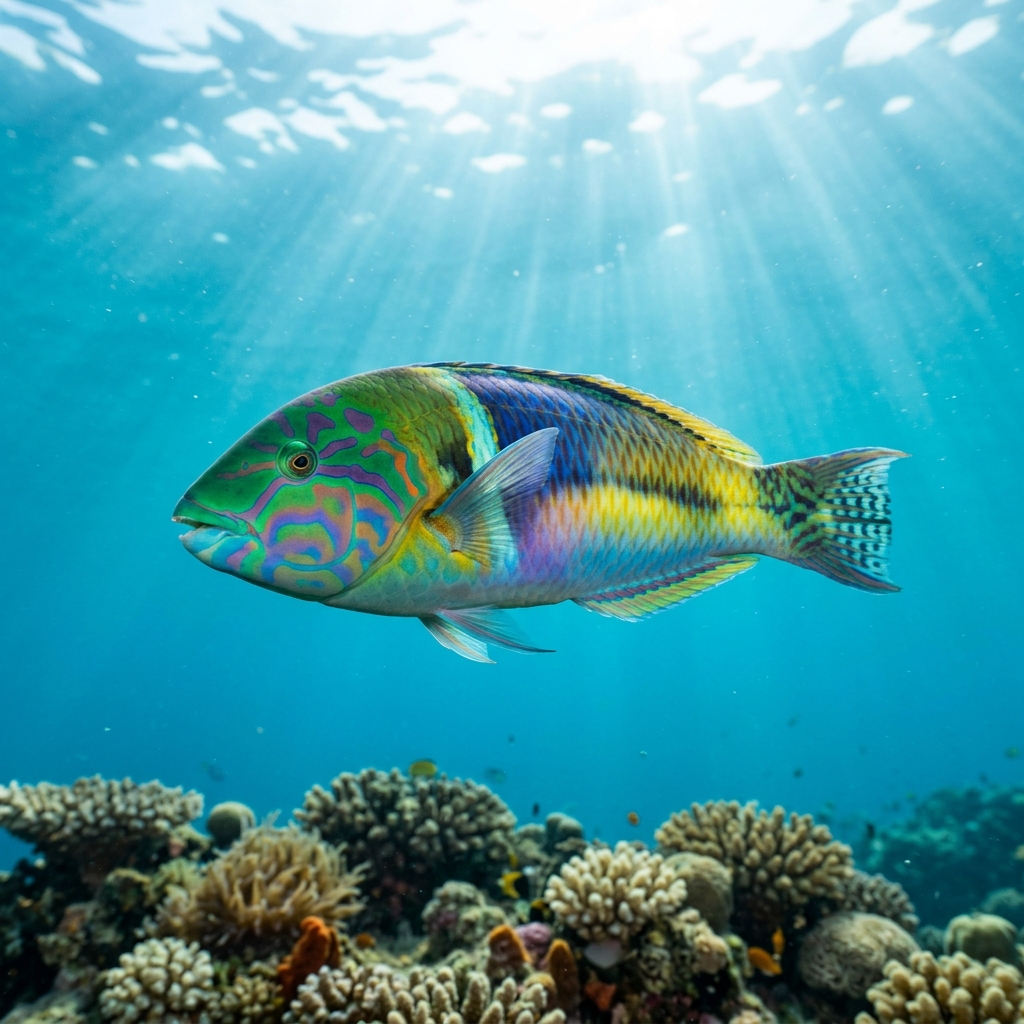
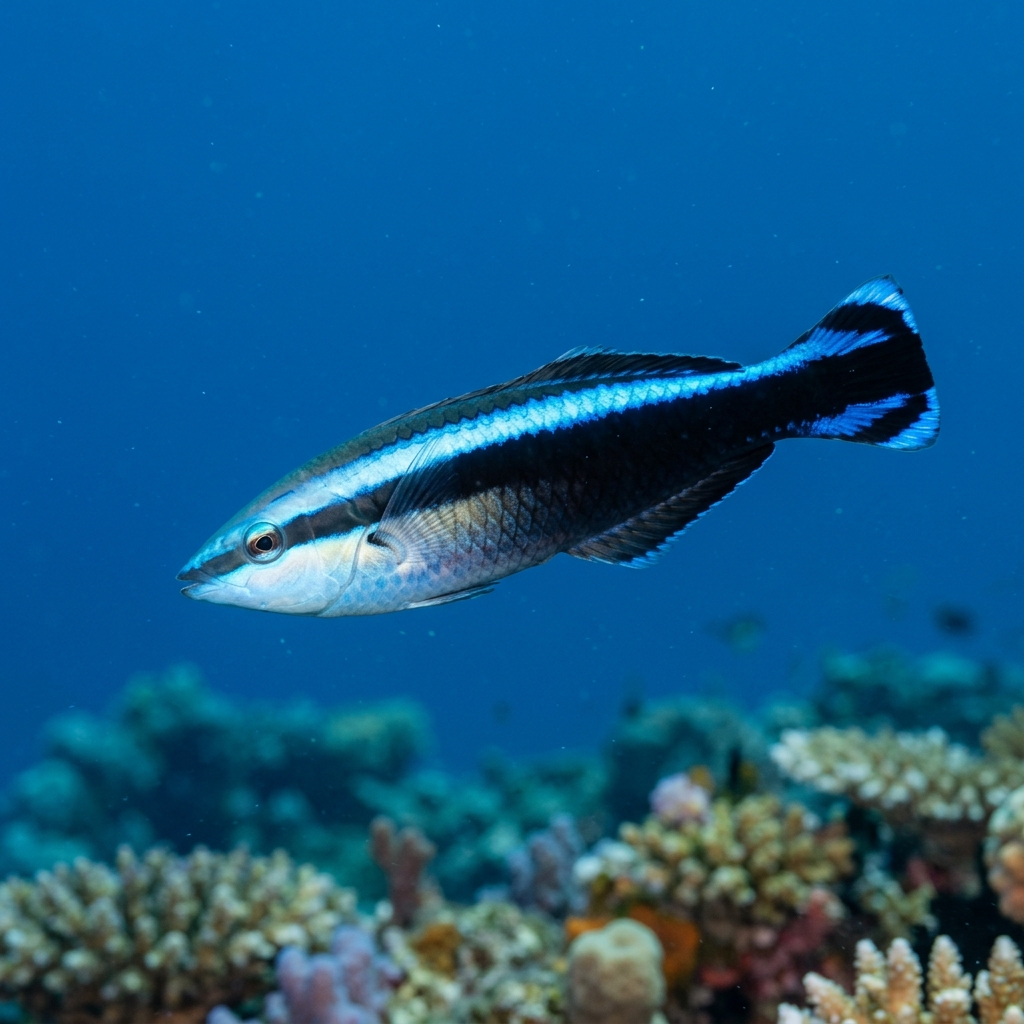
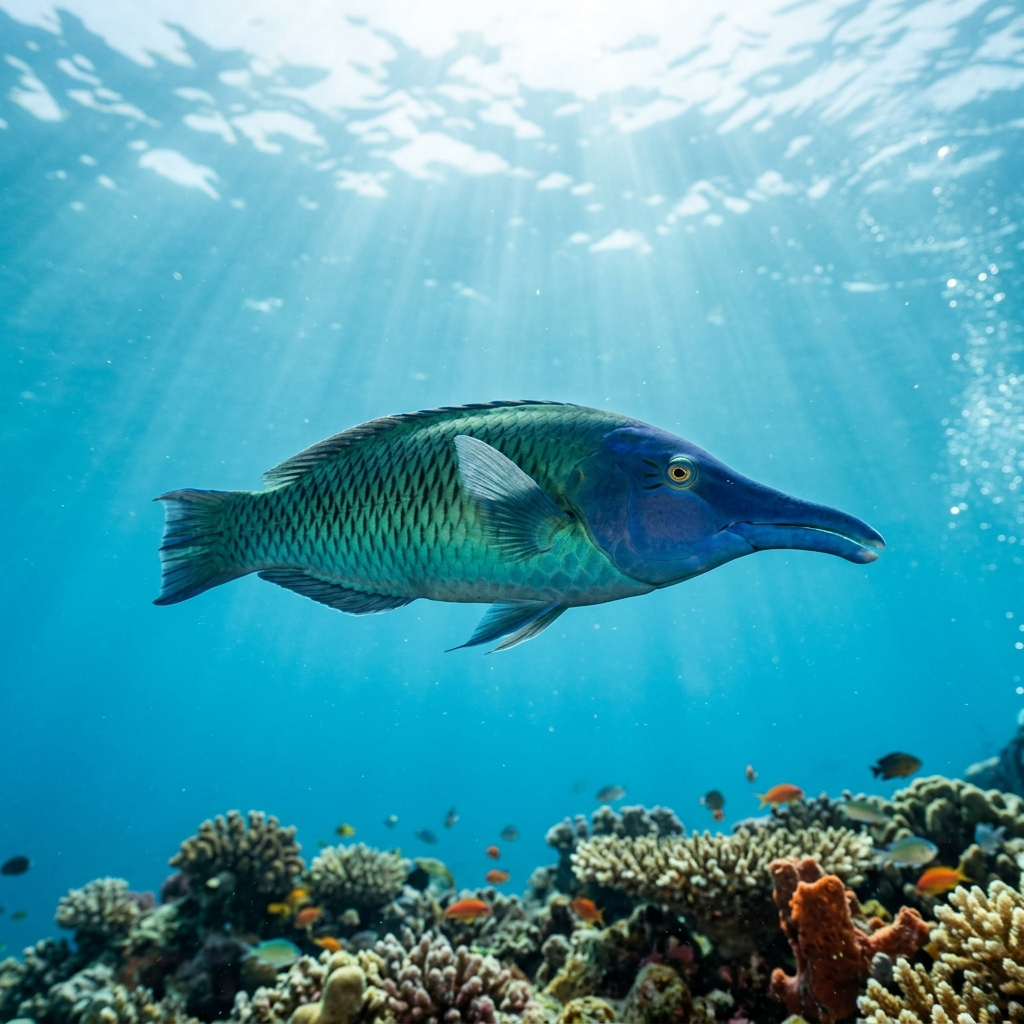
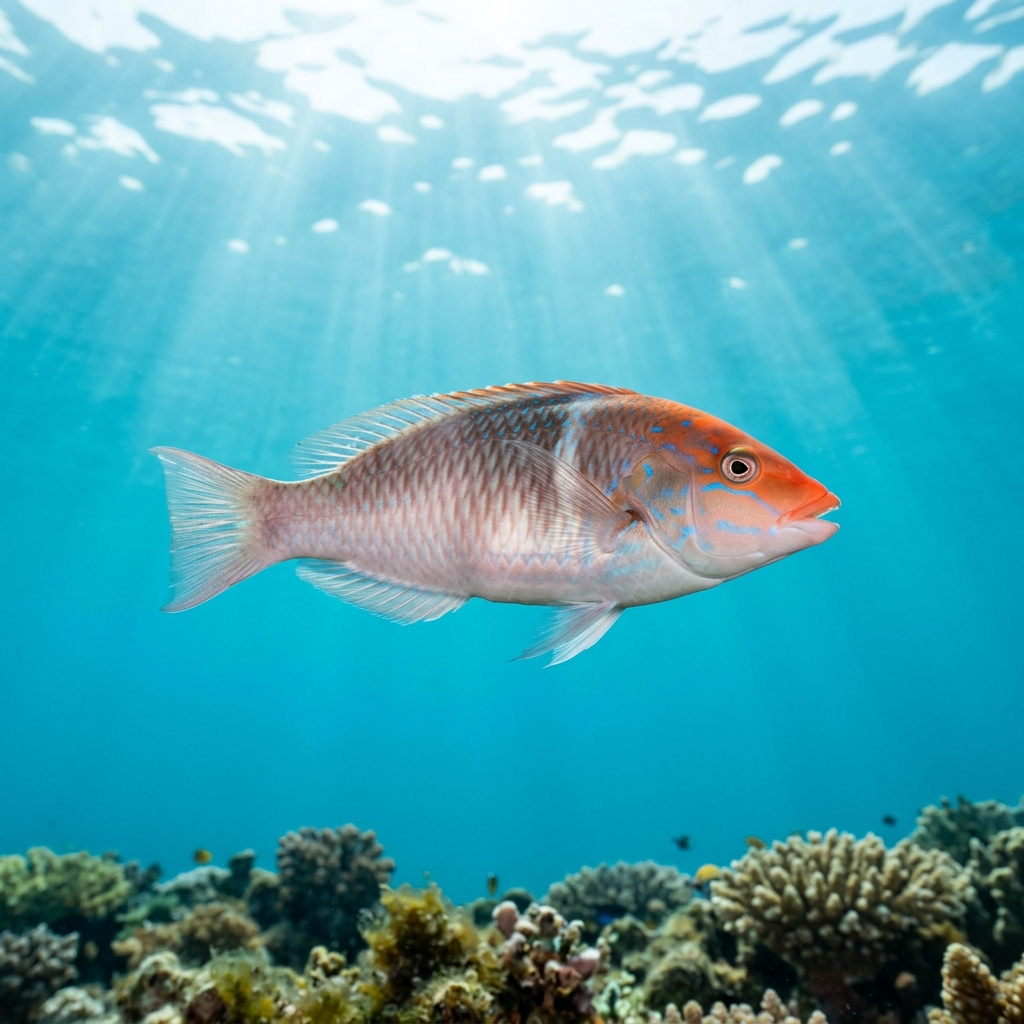
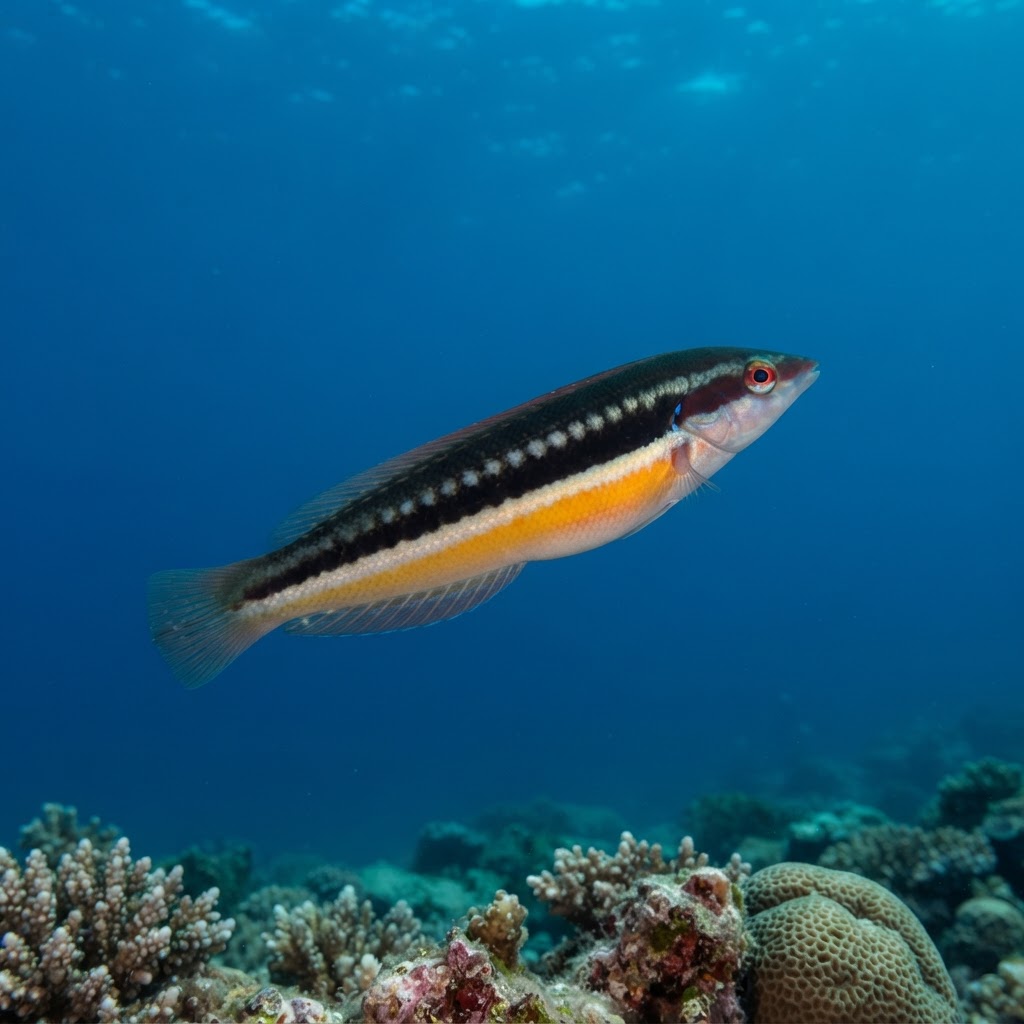
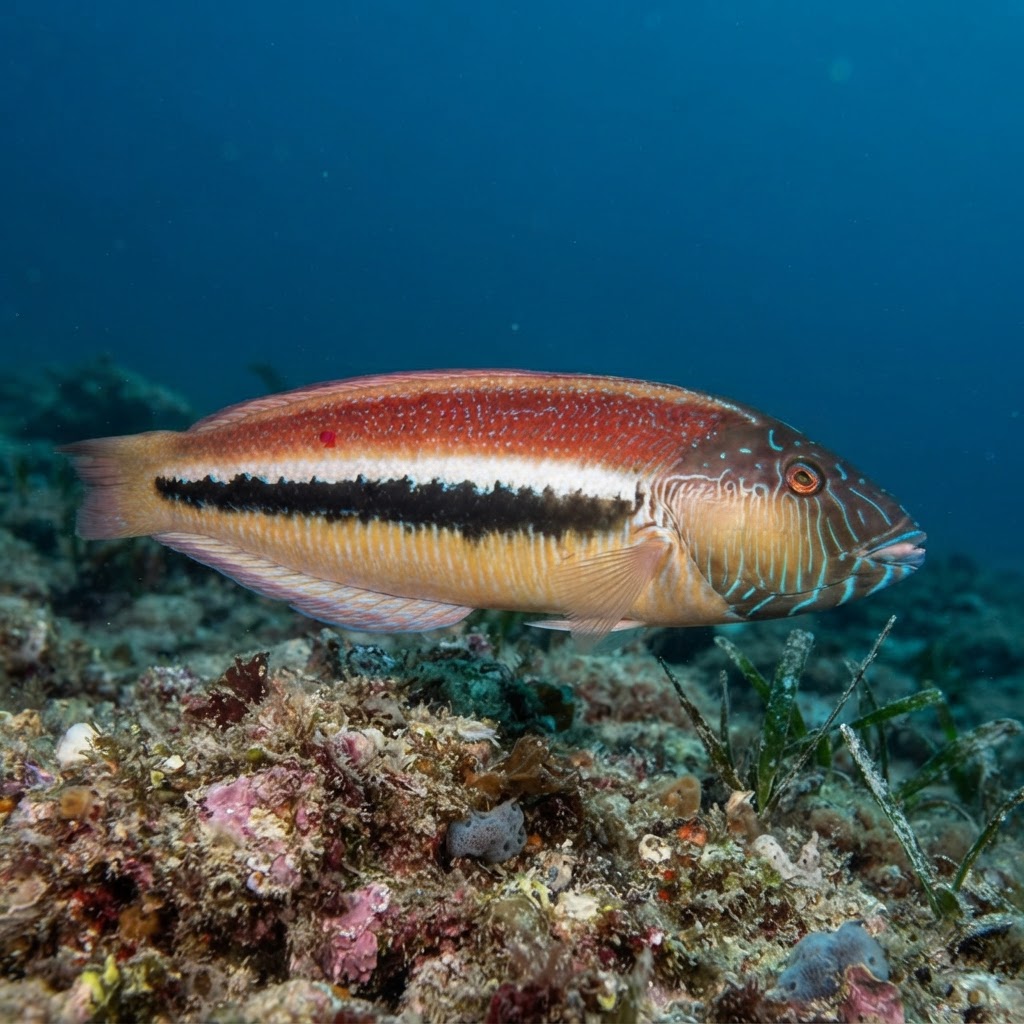
An elongated, torpedo-shaped body around 28 cm long, patterned with wavy orange-brown stripes running along a blue-green or olive background. The pointed snout and continuous dorsal fin give it a streamlined look distinct from the chunkier groper species it shares reefs with. It tends to hover just off the bottom rather than sitting on it, which helps separate it from rockier-dwelling wrasses at a glance.
Look for it cruising slowly over rocky reef and adjacent sand or rubble patches, often alone, picking at the substrate for small invertebrates. It is generally unbothered by divers and will continue foraging at a comfortable distance rather than bolting, making it an easy fish to watch and photograph for a few minutes at a time. Most sightings are during the day in open water just above the reef rather than tucked into crevices.
Like many wrasses, it is a protogynous hermaphrodite, meaning individuals can start life as females and later change sex to male as they mature.
Sighting logs show no strong seasonal pattern, and its 15 to 19.7C temperature niche matches southern Australia's temperate water year-round, so divers can reasonably expect it on any visit to these reefs.
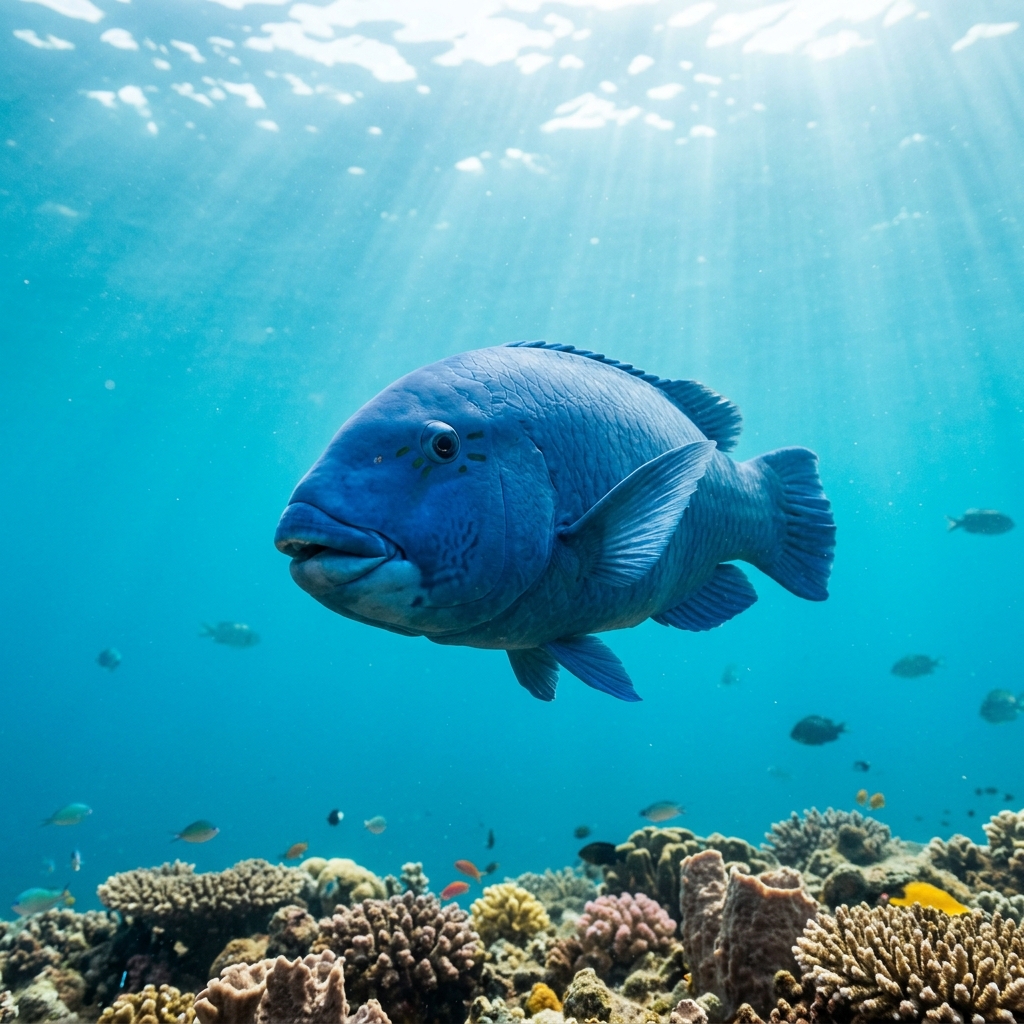
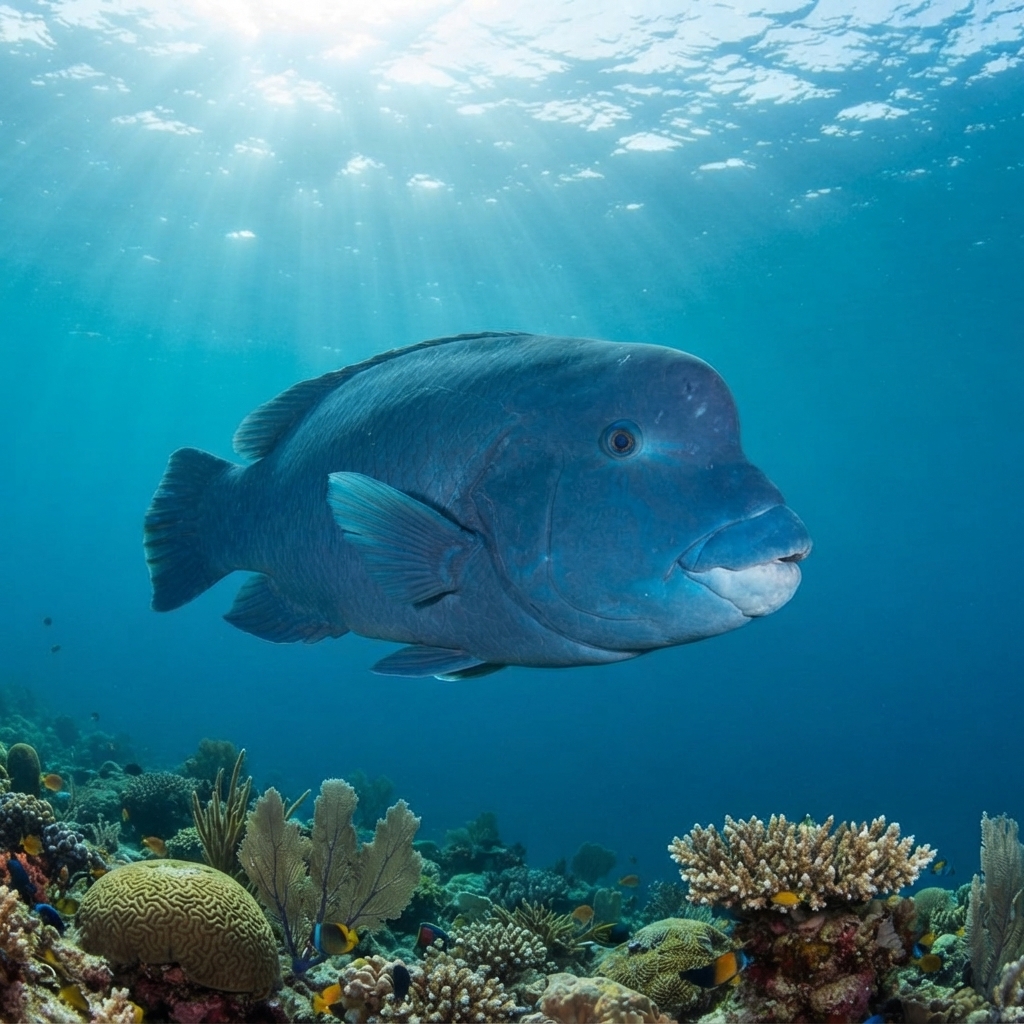
Reef neighbours a diver could mistake it for. Use the identification notes above to tell them apart.
This is a New South Wales speciality, with sites around Sydney and the NSW coast producing the bulk of logged sightings, and it also turns up reliably along Western Australia's temperate reefs. Victoria adds a smaller number of records, rounding out an east-to-west spread across southern Australian temperate reef systems.
Mapping where Maori Wrasse is logged…
New South Wales is the most reliable region, particularly reefs around Sydney, with Western Australia offering a second strong option. Victoria has occasional sightings too, so it is largely a southern Australian temperate-reef fish.
There is no clear seasonal peak in sighting data, and its comfort range of 15 to 19.7C matches southern Australian water year-round, so it can be seen on any dive trip to these regions.
Look for a slim, torpedo-shaped fish around 28 cm long with wavy orange stripes over a blue-green body, usually seen cruising just above rock or sand rather than resting on the bottom.
They typically reach about 28 cm in length, making them a mid-sized wrasse rather than one of the larger reef fish divers encounter on the same sites.
No, they pose no danger to divers. They are calm, curious foragers that will often let you watch them work a patch of reef at close range.
Yes. Like many wrasse species, individuals can begin life as female and later transition to male as part of their natural life cycle, a trait shared across much of the wrasse family.
Site and sighting data is aggregated from diver logs, iNaturalist and GBIF. For taxonomy and conservation status:
Bird Wrasses
3,632 sites