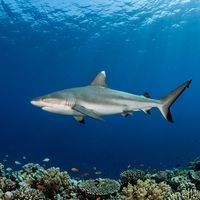
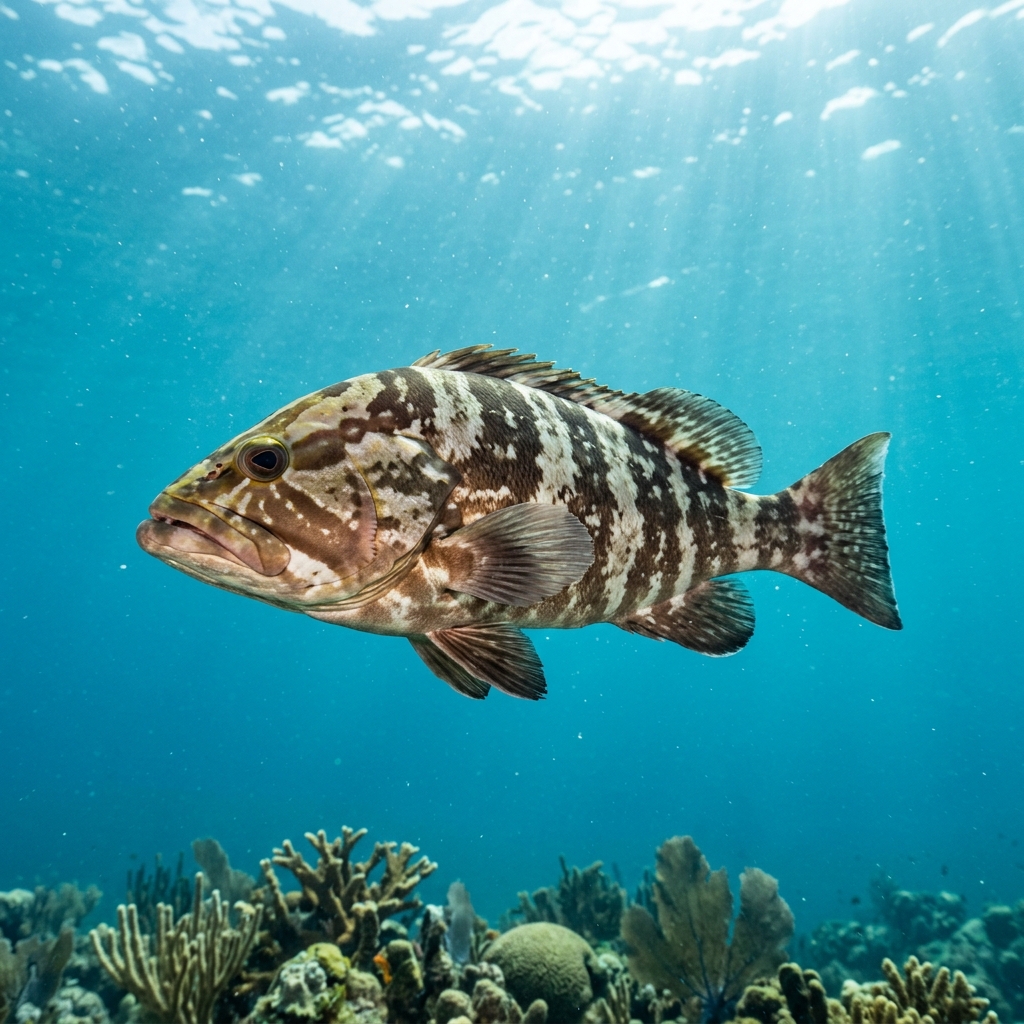
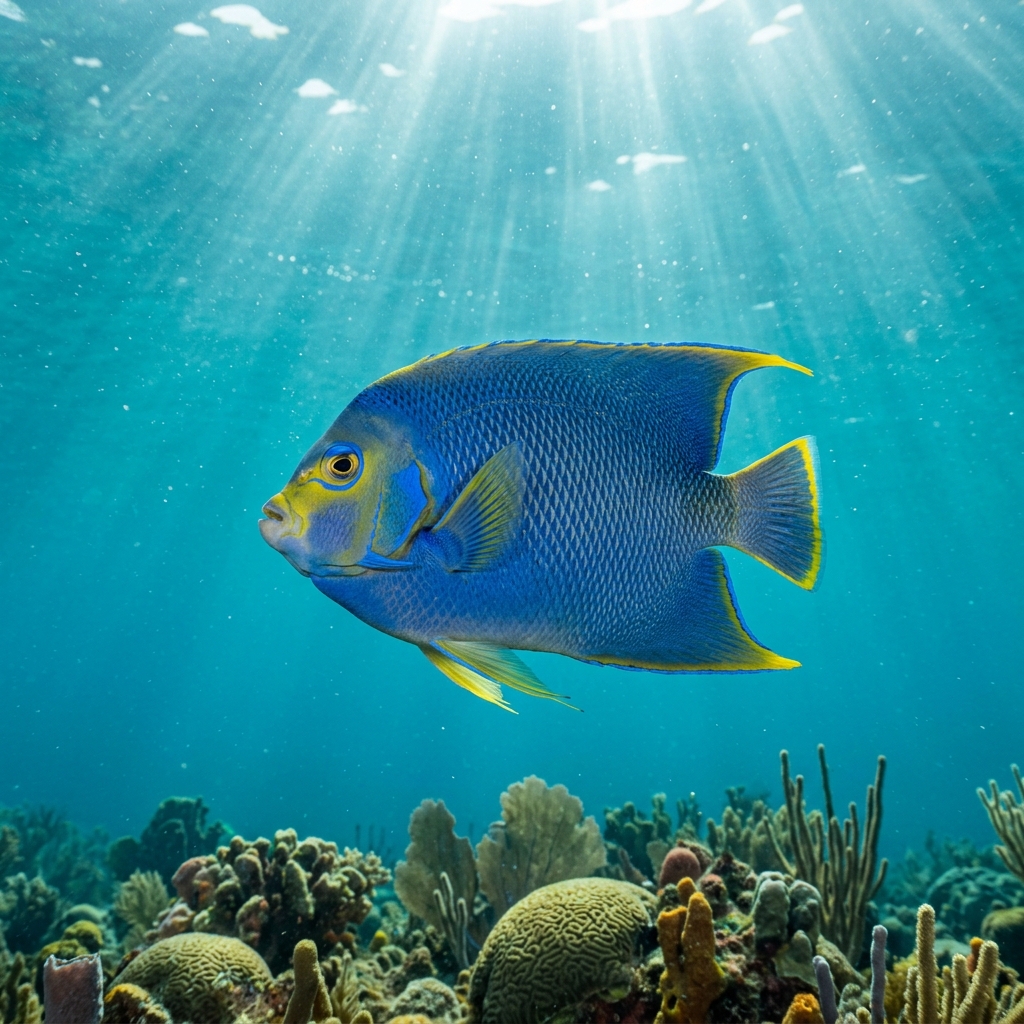
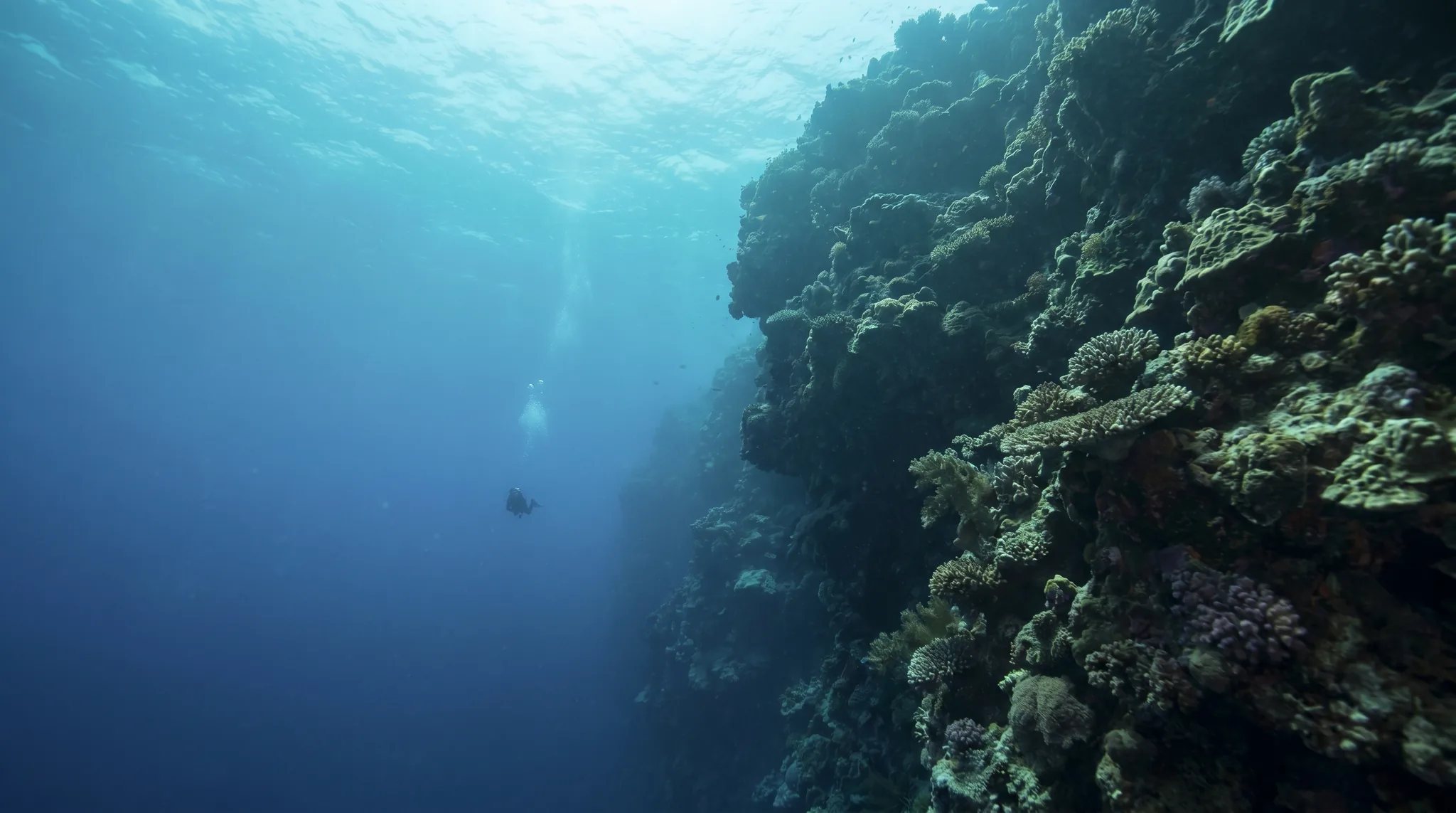
Grand Turk's diving character is defined by the Grand Turk Wall, a vertical reef edge that begins at shallow reef tops and plunges into open water. Nearly every site is a boat-access wall or reef-wall combination, with cave and cavern systems at sites such as The Maze and The Grotto adding structural variety. Drift diving is a factor at several sites, and currents shape conditions across the area. The marine life is consistently shark-rich: Nurse Shark and Grey Reef Shark are frequently observed, alongside Green Sea Turtle, Spotted Eagle Ray, and Caribbean Reef Octopus. Most sites suit intermediate divers, though several beginner-friendly options exist.

Monthly water temperature across Grand Turk's sites, from satellite sea-surface data corrected for depth. The band shows the site-to-site spread.
Water stays warm throughout the year, with the coolest months from January through March and the warmest period running from September into October. The best-months data points strongly toward the early part of the year, when calmer conditions make wall and drift diving more manageable. Currents are a feature of many Grand Turk sites and divers should be comfortable with drift conditions before descending the deeper wall sections.
6 more sites to explore
Water temperature around Grand Turk ranges from about 26°C in January to 30°C in September, based on satellite sea-temperature data for its dive sites.
In the warm season (about 30°C) a rash guard or 3mm shorty is comfortable in Grand Turk; in the coldest months (about 26°C) step up to a 3mm full suit.
Fin maps 14 sites in Grand Turk (14 scuba diving sites and 1 snorkelling spots, with some suited to both).
Across Grand Turk's dive sites, January, February and March are most often reported as the best months to visit.
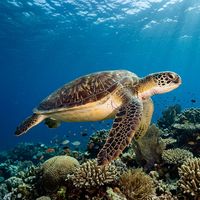
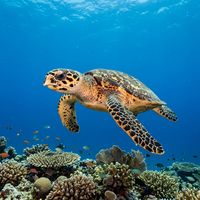
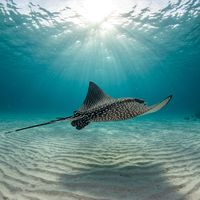
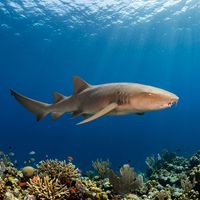
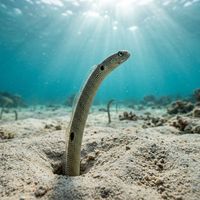
Grand Turk has a strong record of shark sightings, with Nurse Shark observed at nearly every site and Grey Reef Shark reliably common across the area. Green Sea Turtle and Hawksbill Sea Turtle are both frequently seen, and Spotted Eagle Ray are a regular presence on the wall. Caribbean Reef Octopus, Great Barracuda and Garden Eel round out encounters for divers who look carefully around the reef structure.
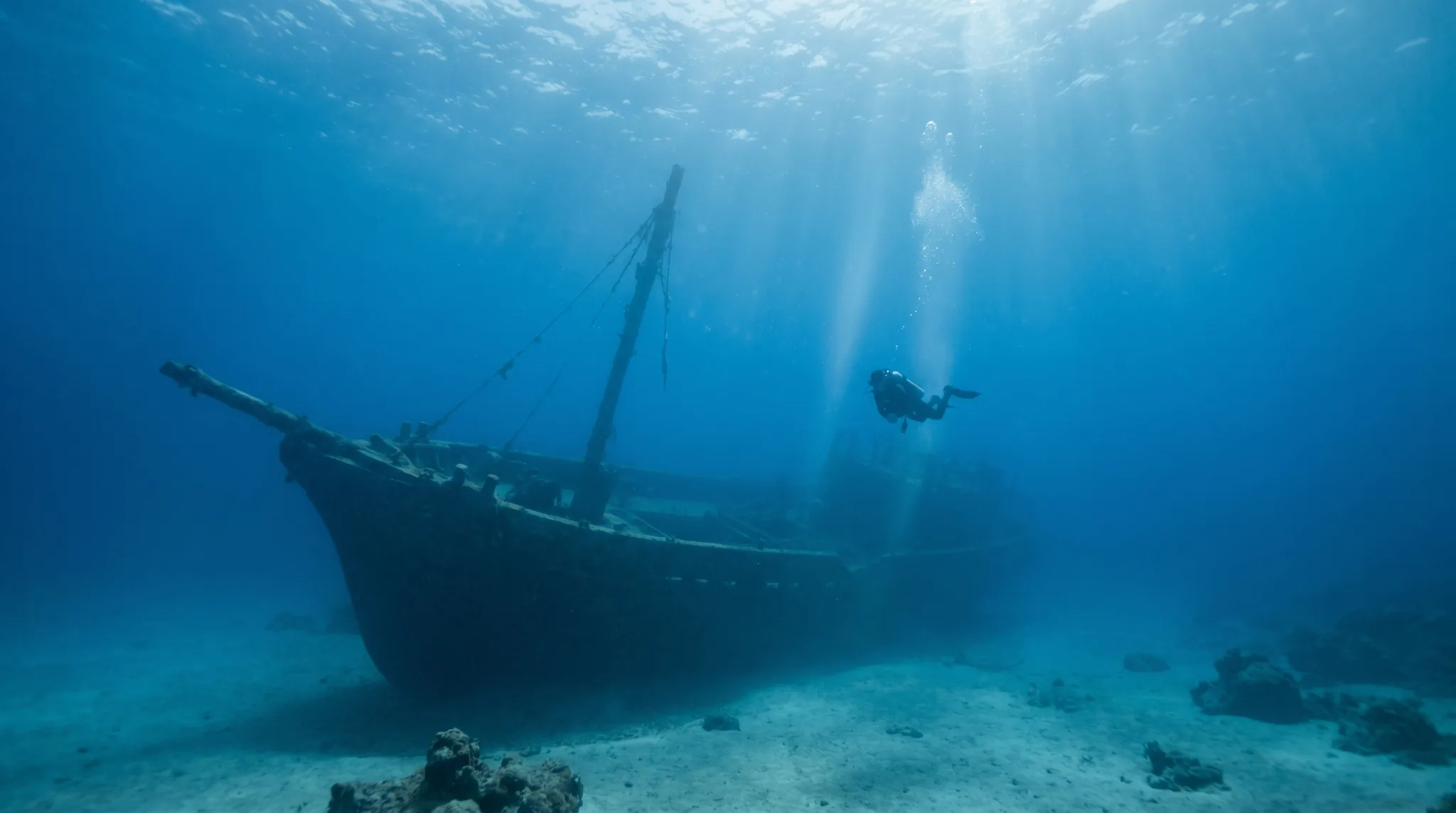
Several sites are rated beginner-friendly, including Fish Bowl, Spanish Chain and The Plane, which offers a wreck and reef combination at a shallow, accessible depth with mild currents. However, the majority of Grand Turk's wall and cave sites are rated intermediate, and some involve drift diving and deeper profiles. Beginners would benefit from building experience on the shallower reef-top sections before exploring the full wall drop.
All listed dive sites in Grand Turk are accessed by boat. Operators including Blue Water Divers, Grand Turk Diving Company and Salt Cay Divers run trips to the wall sites. Boat access means divers can be positioned precisely at the reef edge, which is particularly useful on drift sites where current direction determines the dive plan.
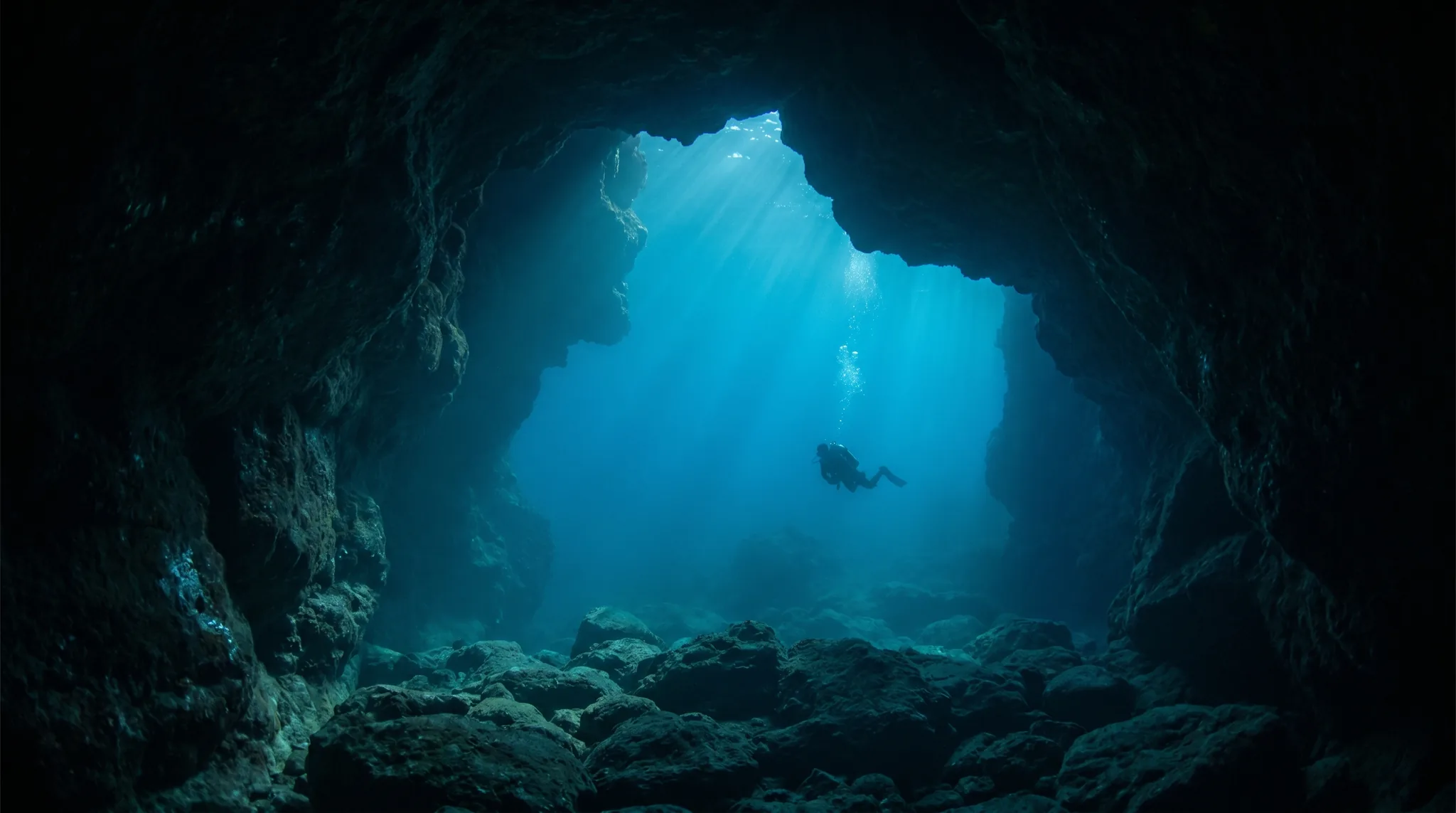
Sites such as The Maze and The Grotto combine cave passages or cavern sections with the main wall topography, giving them a more complex layout than straightforward drop-off dives. The Arch also features cave elements alongside its vertical wall profile. These sites reward divers who move slowly and explore the reef structure carefully, as the cavern sections shelter species like Caribbean Spiny Lobster and Spotted Moray that tend to avoid open water.