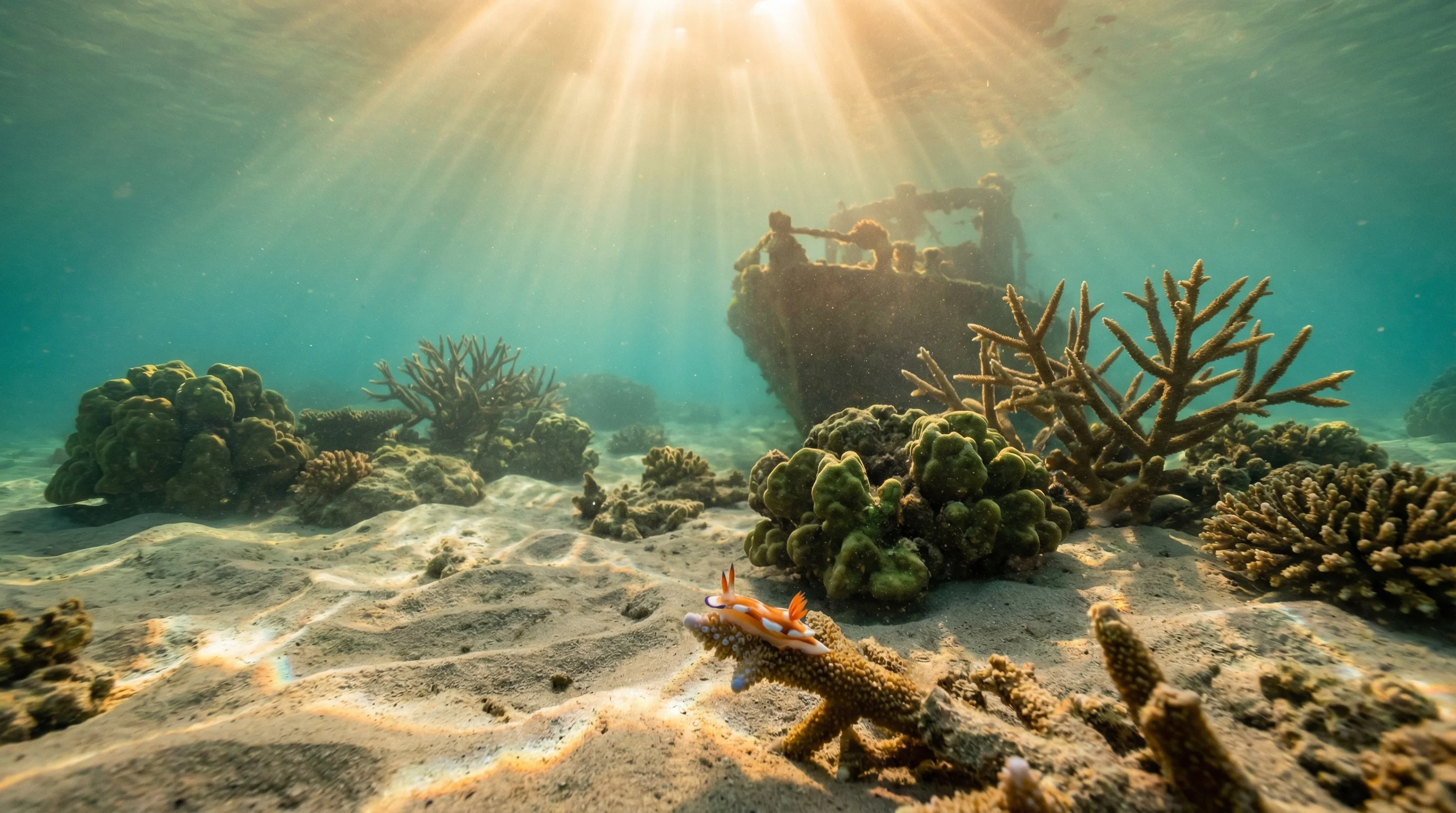
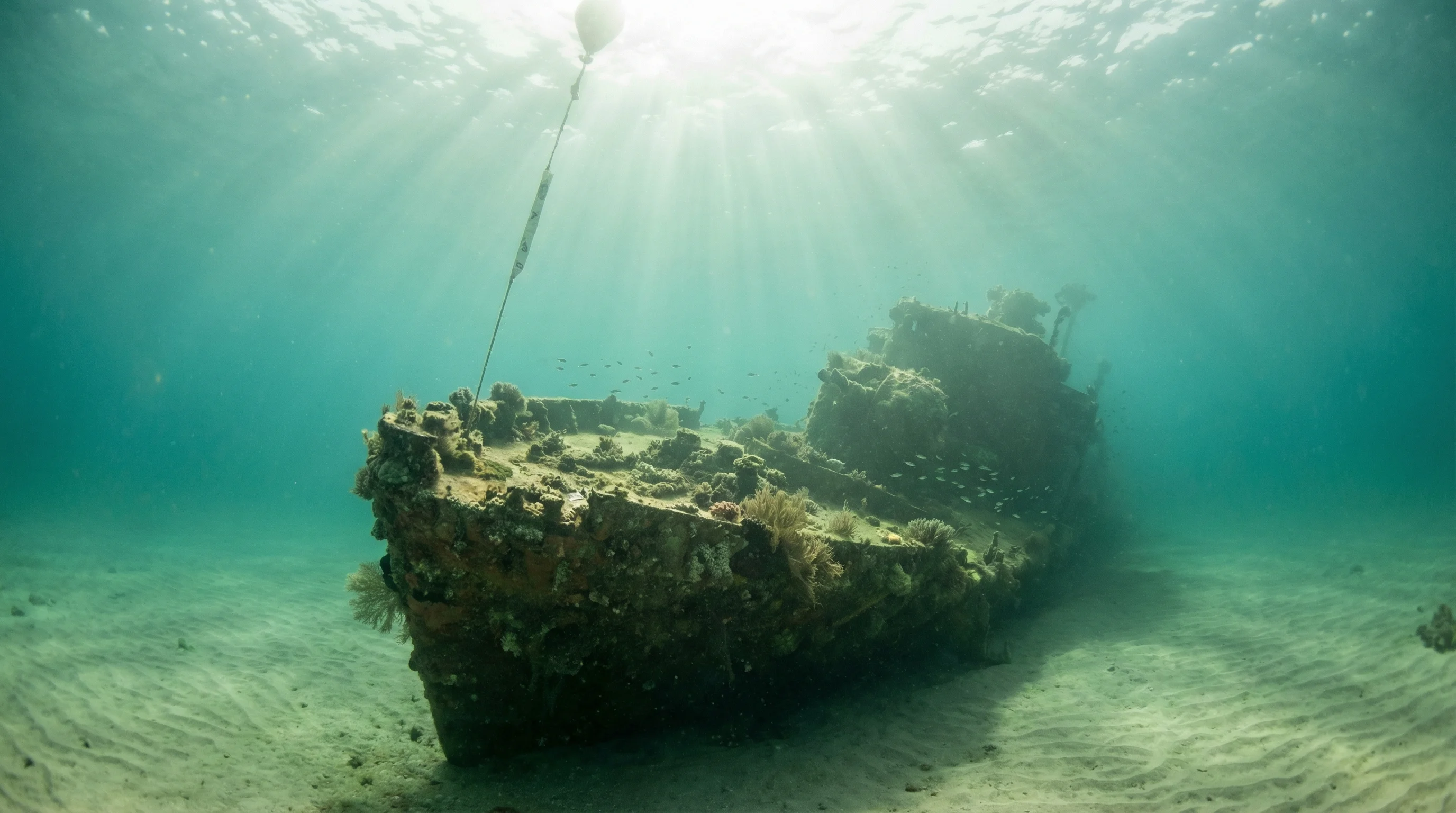
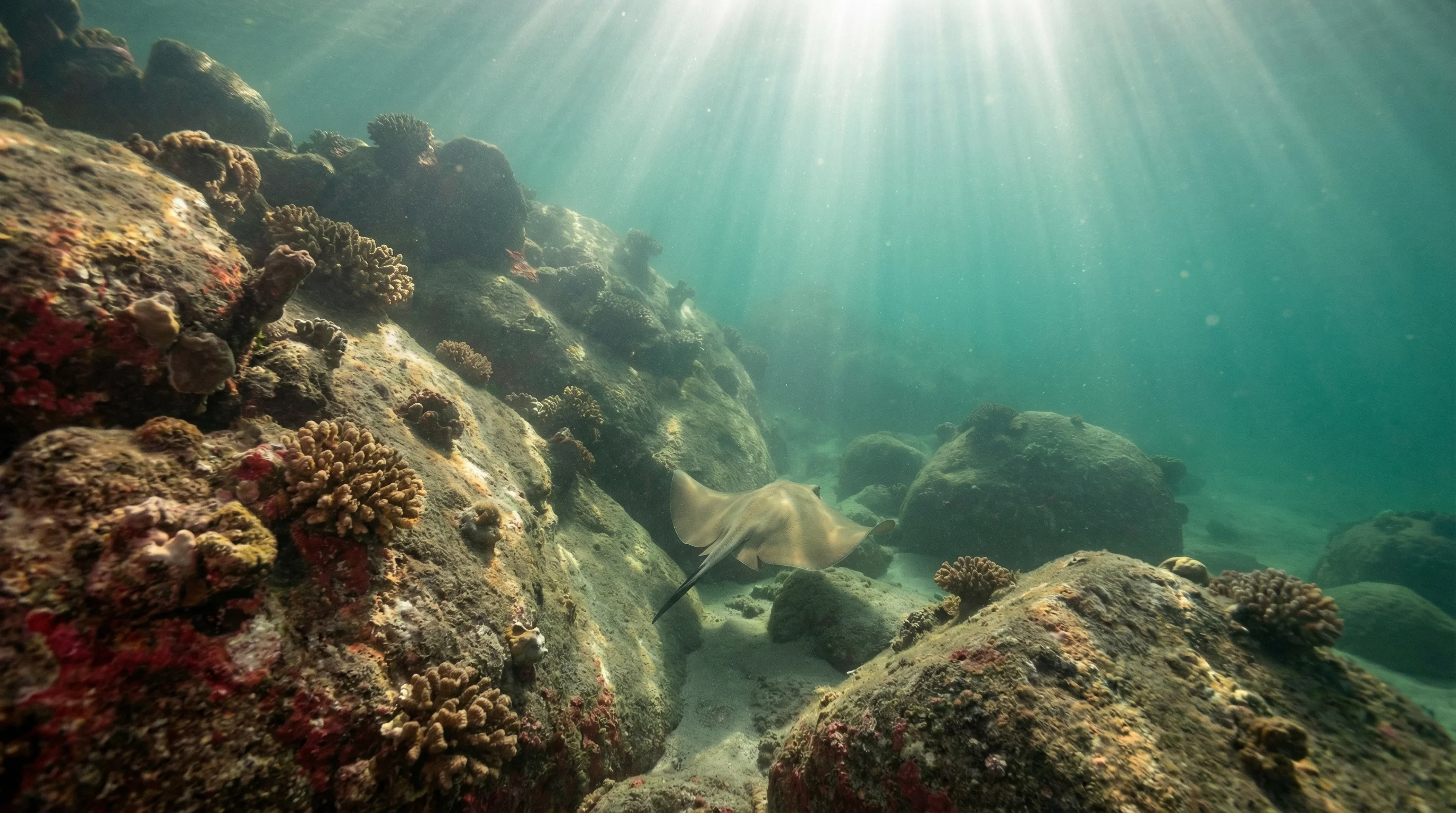
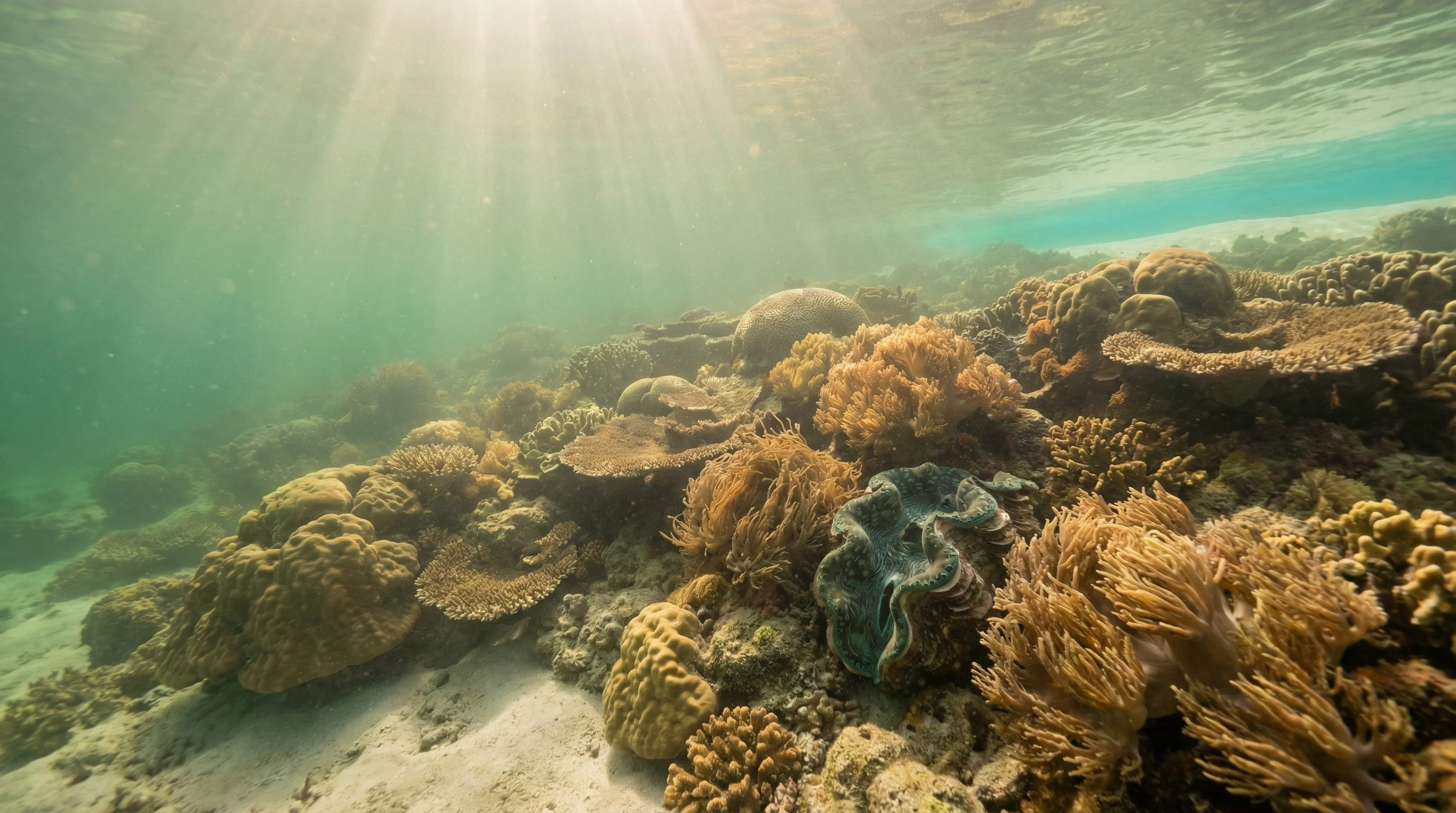
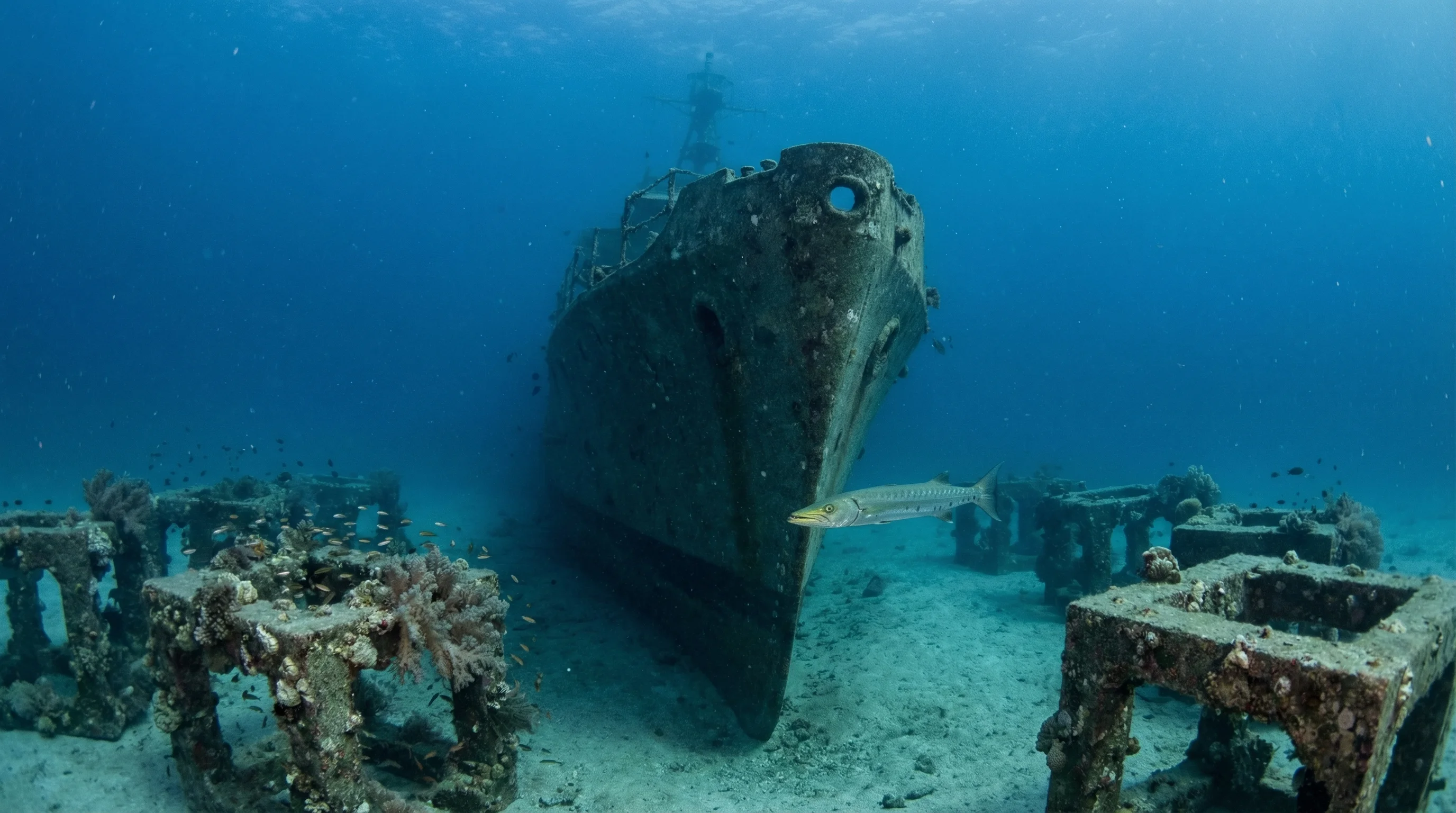
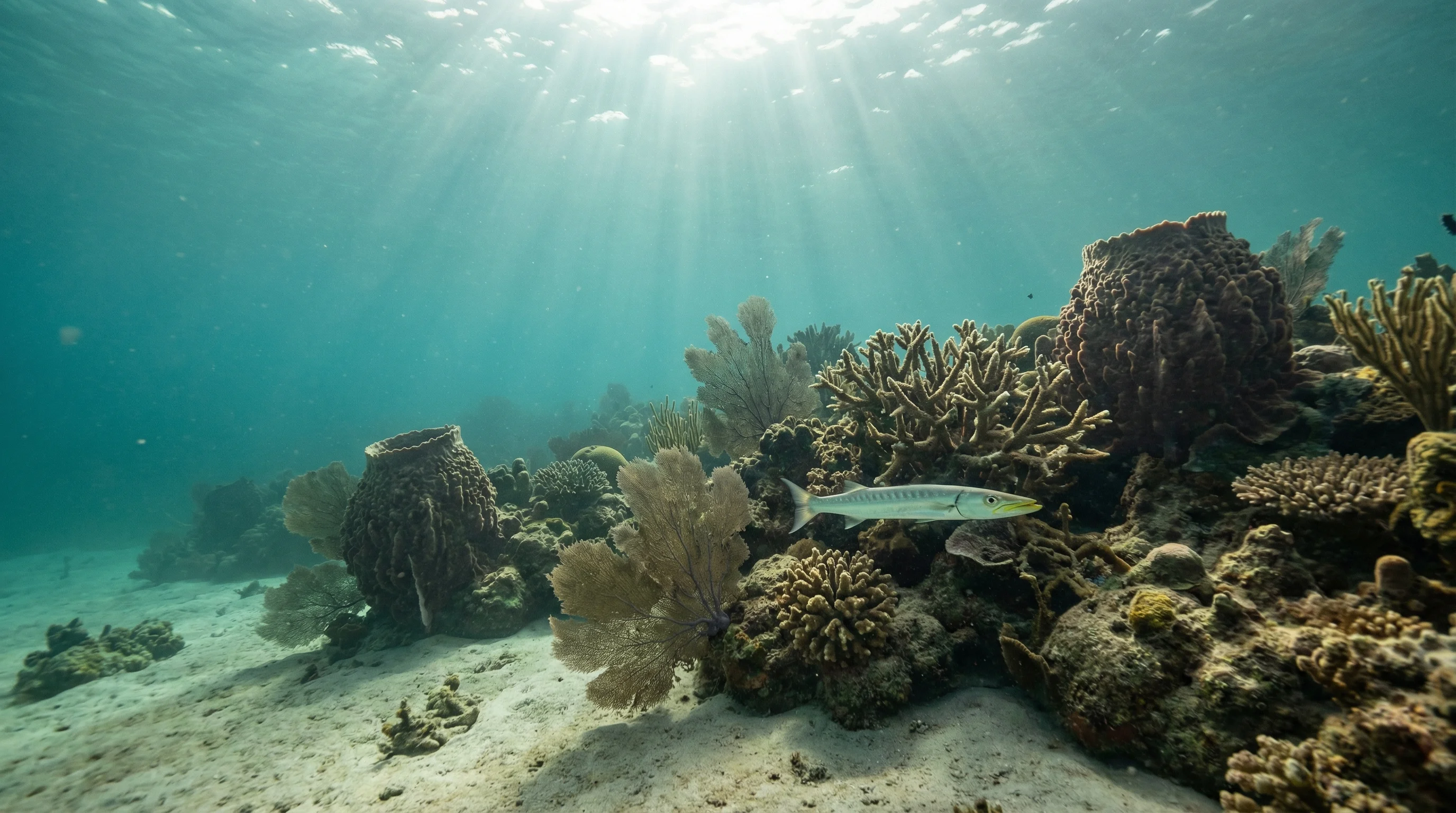
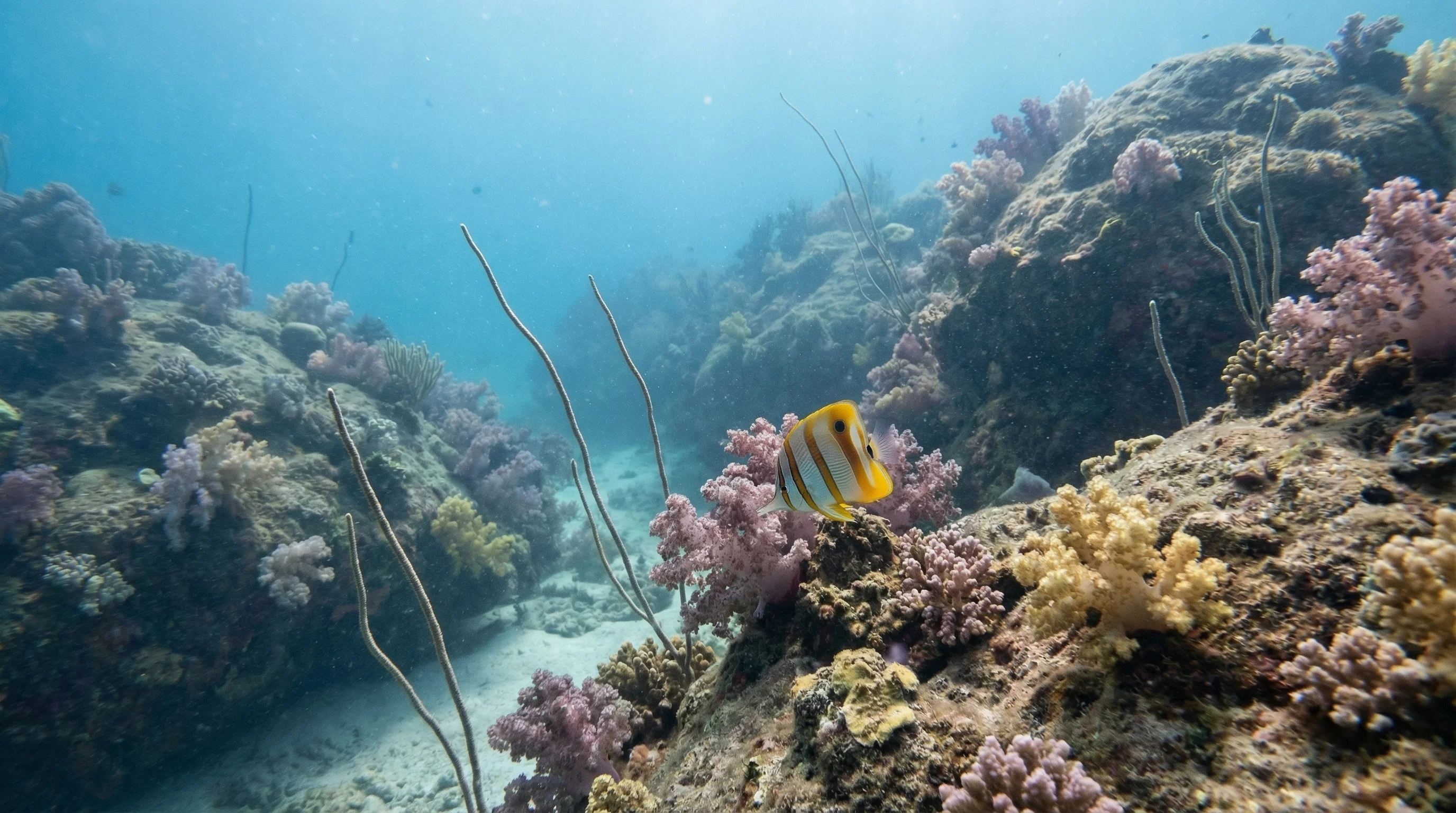
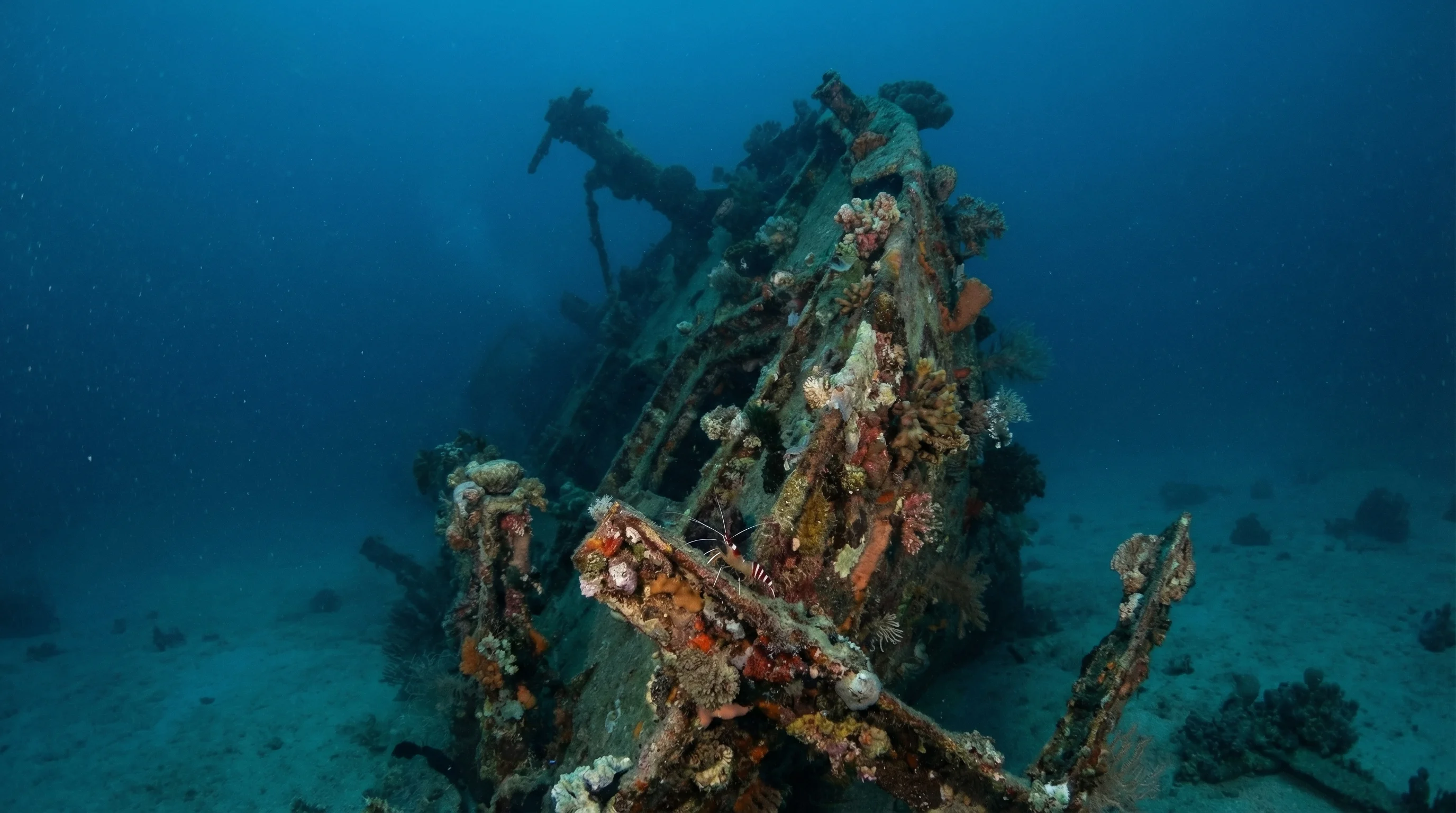
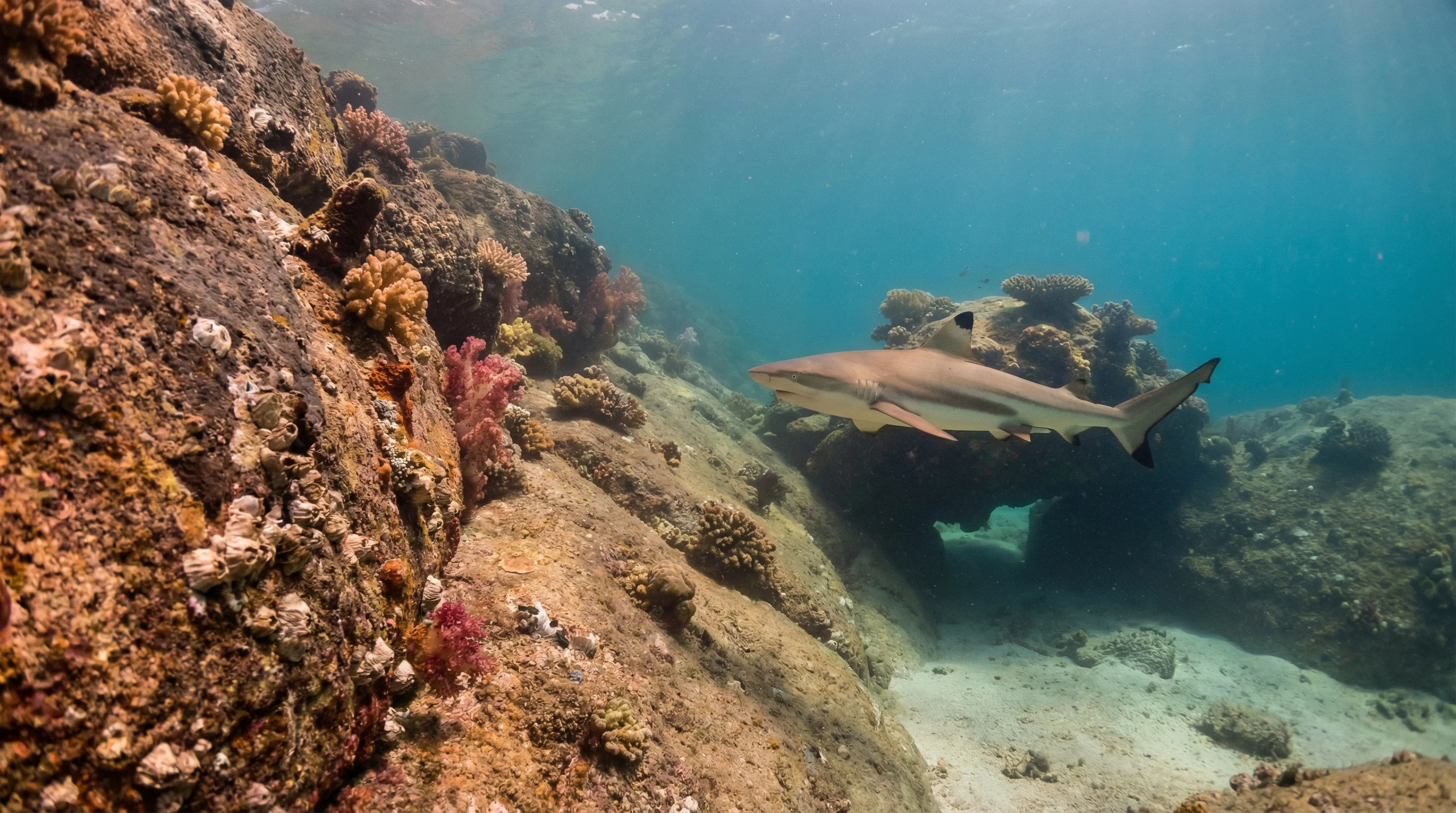
The Far Islands offer a varied mix of reef, pinnacle, wall, drop-off, wreck and muck sites, all reached by boat from Pattaya. Intentionally scuttled naval vessels such as HTMS Mataporn, HTMS Kut and HTMS Khram sit alongside natural reefs and submerged pinnacles like Hin Yai and Hin Lak Bat. Most sites suit beginners, though the deeper wrecks and drift sites call for more experience. Observed species range from Brownbanded Bamboo Shark and Bluespotted Fantail Ray to Hawksbill Sea Turtle and Seahorse.
Monthly water temperature across Far Islands's sites, from satellite sea-surface data corrected for depth. The band shows the site-to-site spread.
Water stays warm throughout the year, peaking in the warmer months from late spring through summer before easing slightly in winter. Visibility is most reliable from November through April, when the histogram shows the highest diver ratings and conditions are generally calmer. The summer period brings reduced visibility and more variable conditions, so those months suit divers who are flexible about what they find underwater.
15 operators
9 more sites to explore
Water temperature around Far Islands ranges from about 28°C in January to 31°C in May, based on satellite sea-temperature data for its dive sites.
With water around 28–31°C, a rash guard or 3mm shorty works in Far Islands year-round.
Fin maps 21 sites in Far Islands (21 scuba diving sites and 10 snorkelling spots, with some suited to both).
Across Far Islands's dive sites, January, February, March, April, November and December are most often reported as the best months to visit.
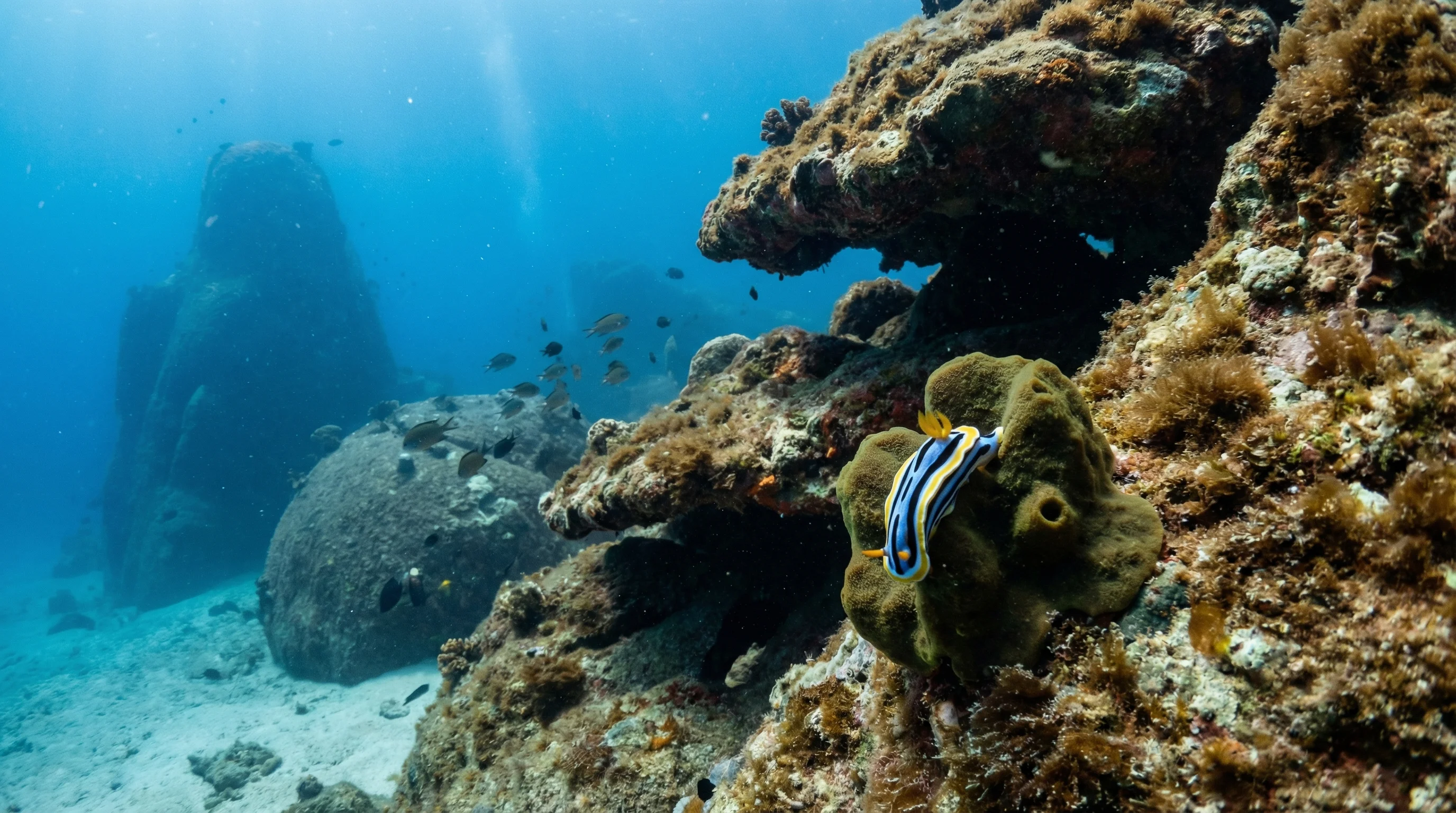
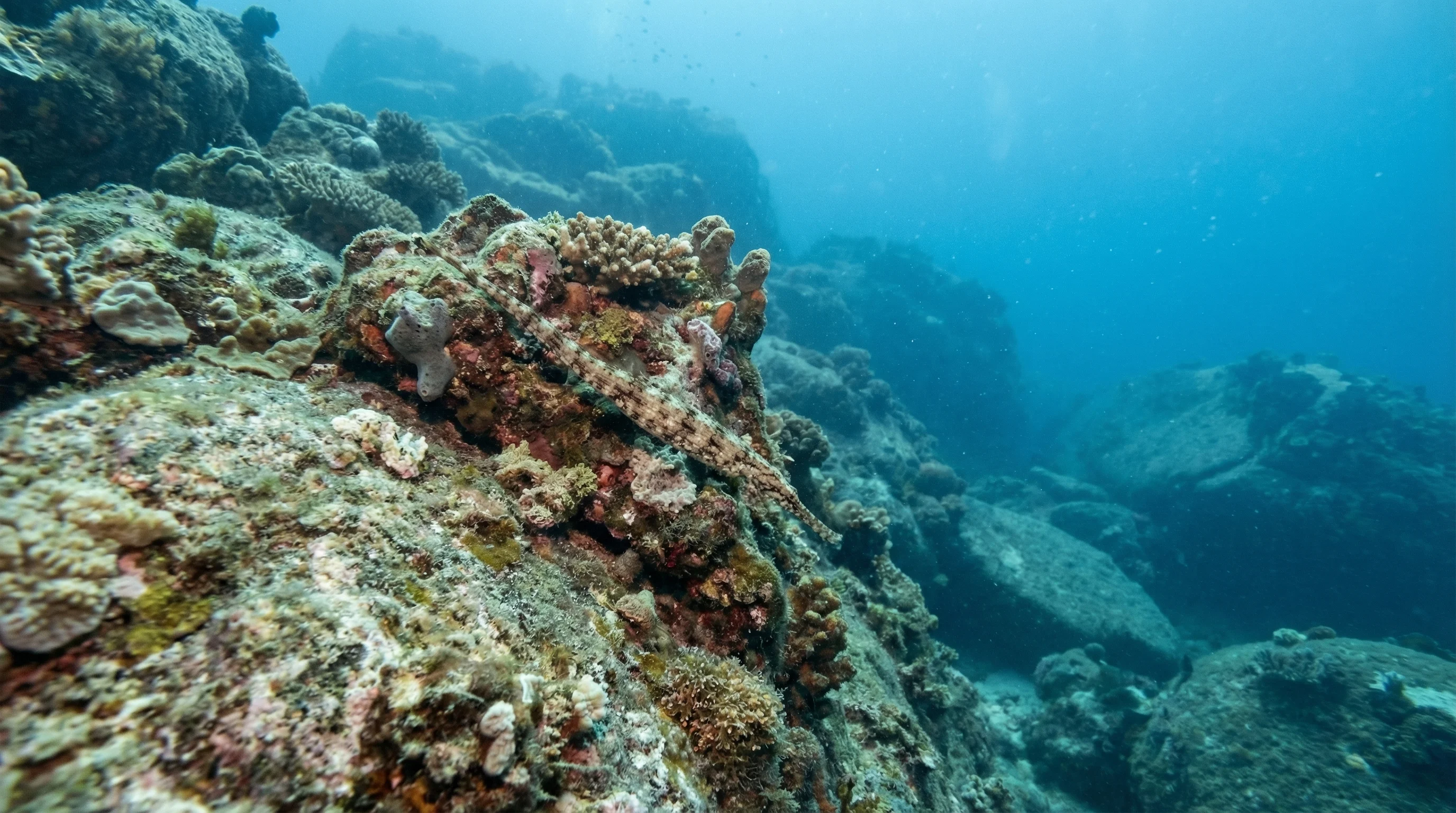
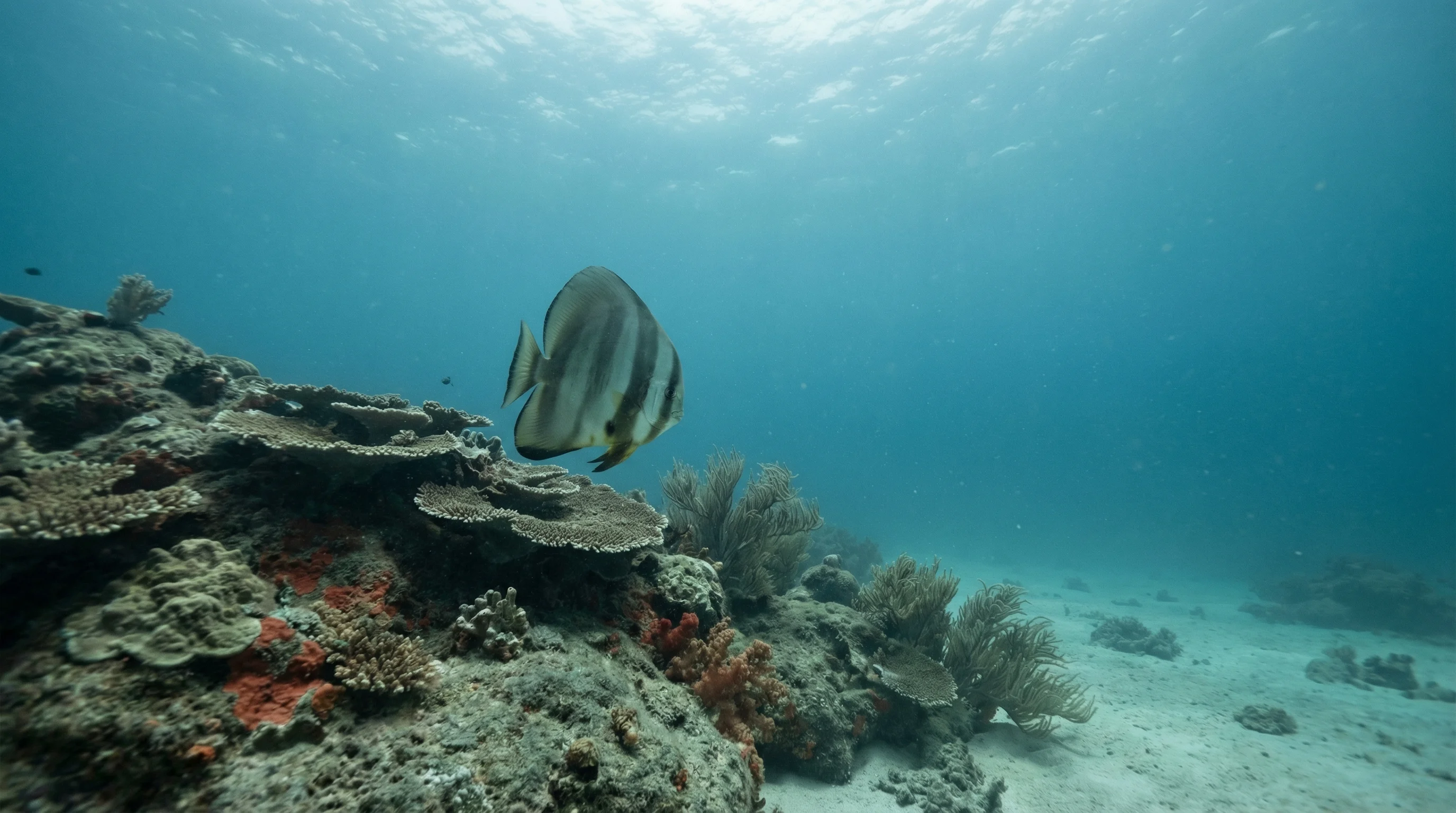
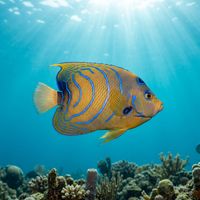
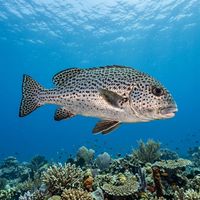
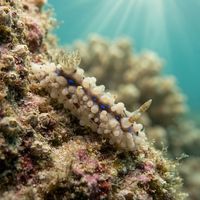
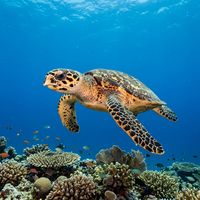
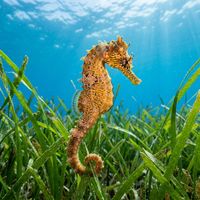
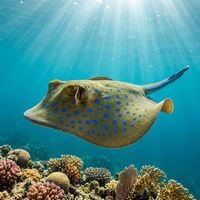
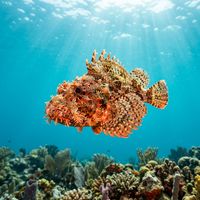
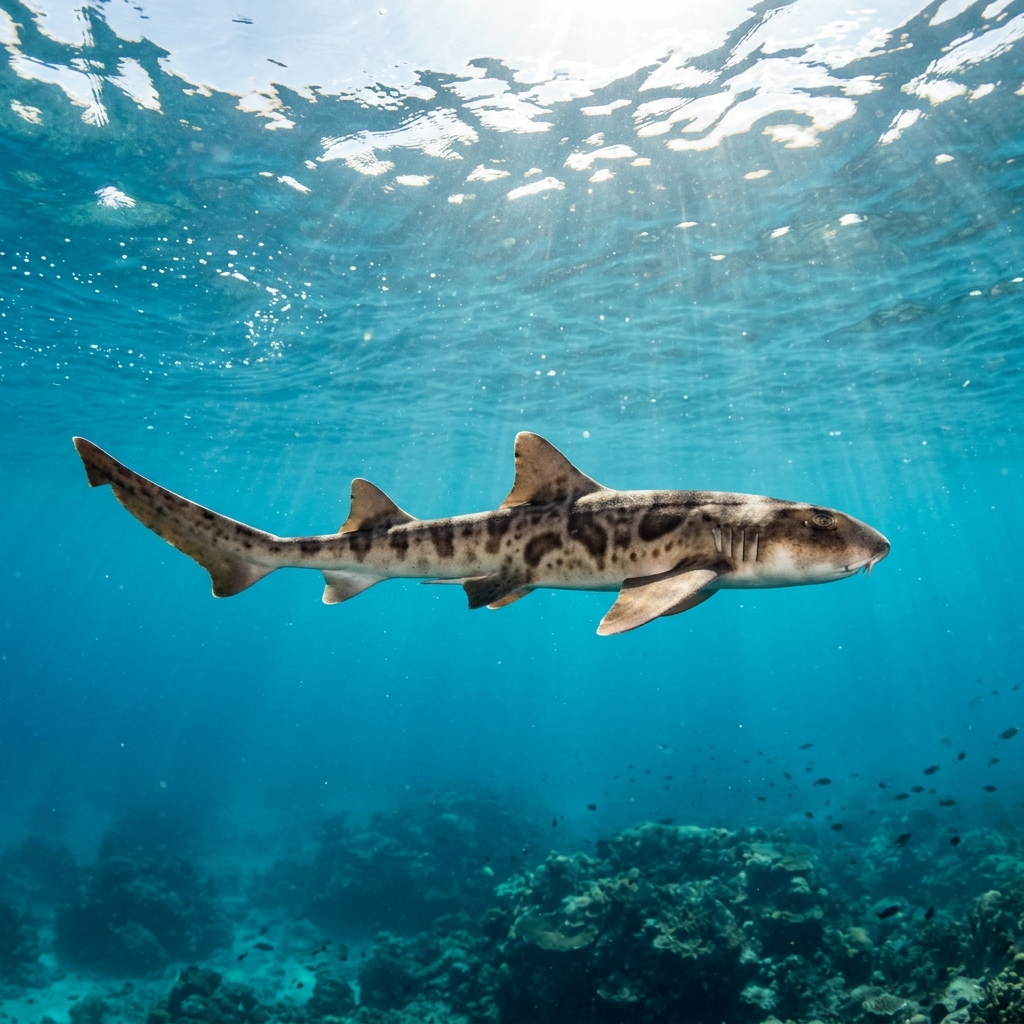
The Far Islands have a strong observation record across a wide range of species. Brownbanded Bamboo Shark, Bluespotted Fantail Ray and Great Barracuda are commonly seen, while Hawksbill Sea Turtle and Seahorse appear occasionally. Reef fish such as Harlequin Sweetlips, Batfish, Soldierfish and Blue Ringed Angelfish are recorded across nearly all sites. Ghost Pipefish and Lionfish have also been observed at a number of locations.
The majority of dive sites in the Far Islands are rated for beginners, including Koh Man Wichai, Koh Rin, Koh Kram Yai, Deep Reef and Koh Sak East, among others. These sites feature shallow starting depths and relatively straightforward conditions. A smaller number of sites, including the HTMS Kut wreck and the drift pinnacle Hin Lak Bat, are better suited to intermediate or advanced divers due to greater depth or current.
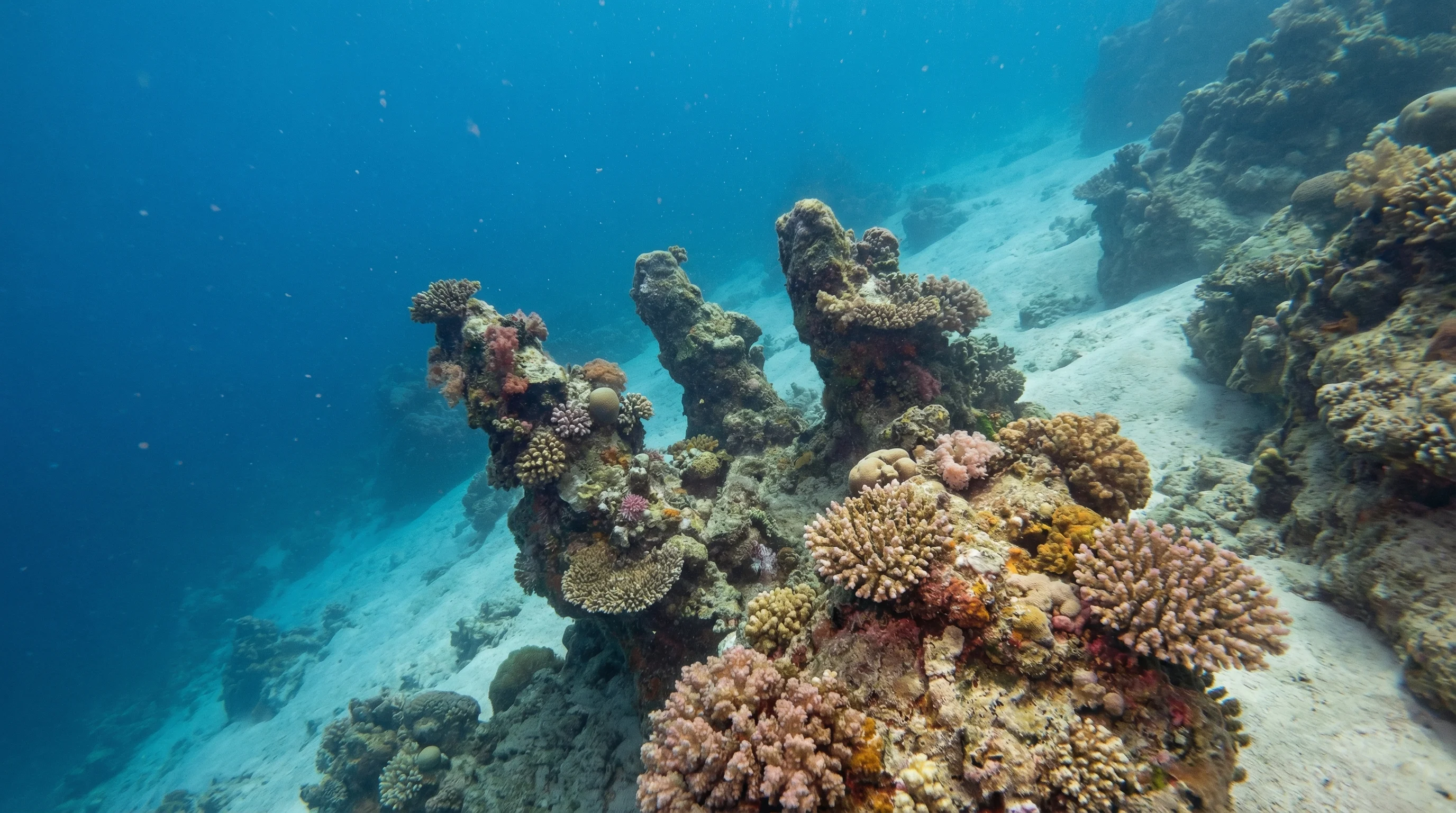
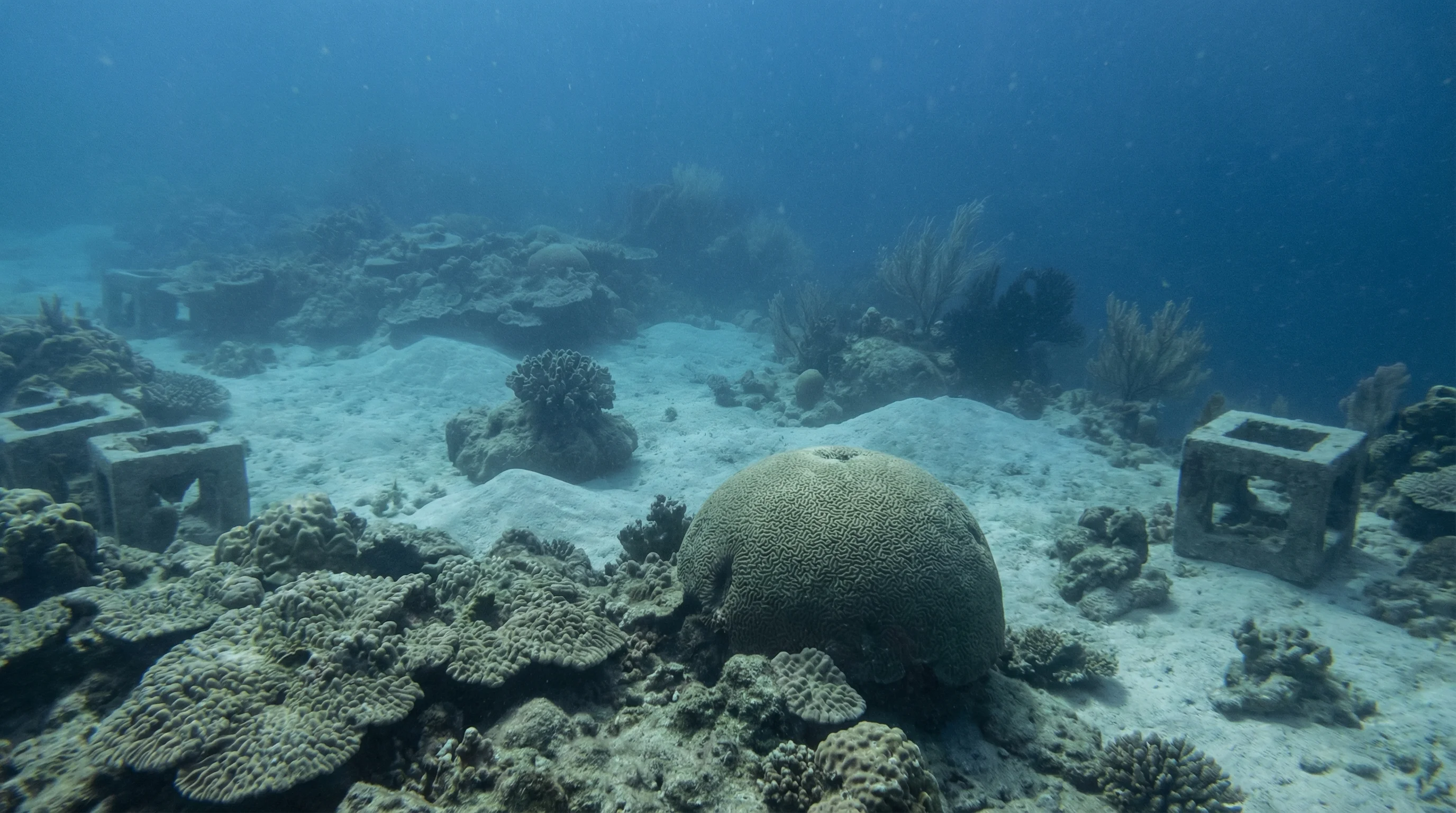
The Far Islands cover a broad range of site types. Natural reefs, walls, drop-offs and submerged pinnacles make up much of the diving, with Koh Rin and Koh Man Wichai offering varied topography in a single site. Three intentionally scuttled naval wrecks, HTMS Mataporn, HTMS Kut and HTMS Khram, provide artificial reef structures at mid-range to deeper depths. Some sites also include muck diving environments, notably Deep Reef, Koh Sak West and Koh Sak East.