Chaetodon auripes
Spot Golden Butterflyfish across Okinawa, the Gulf of Thailand, and Taiwan. Active Jan, Oct in warm 23-30 °C water. Here's what to look for.
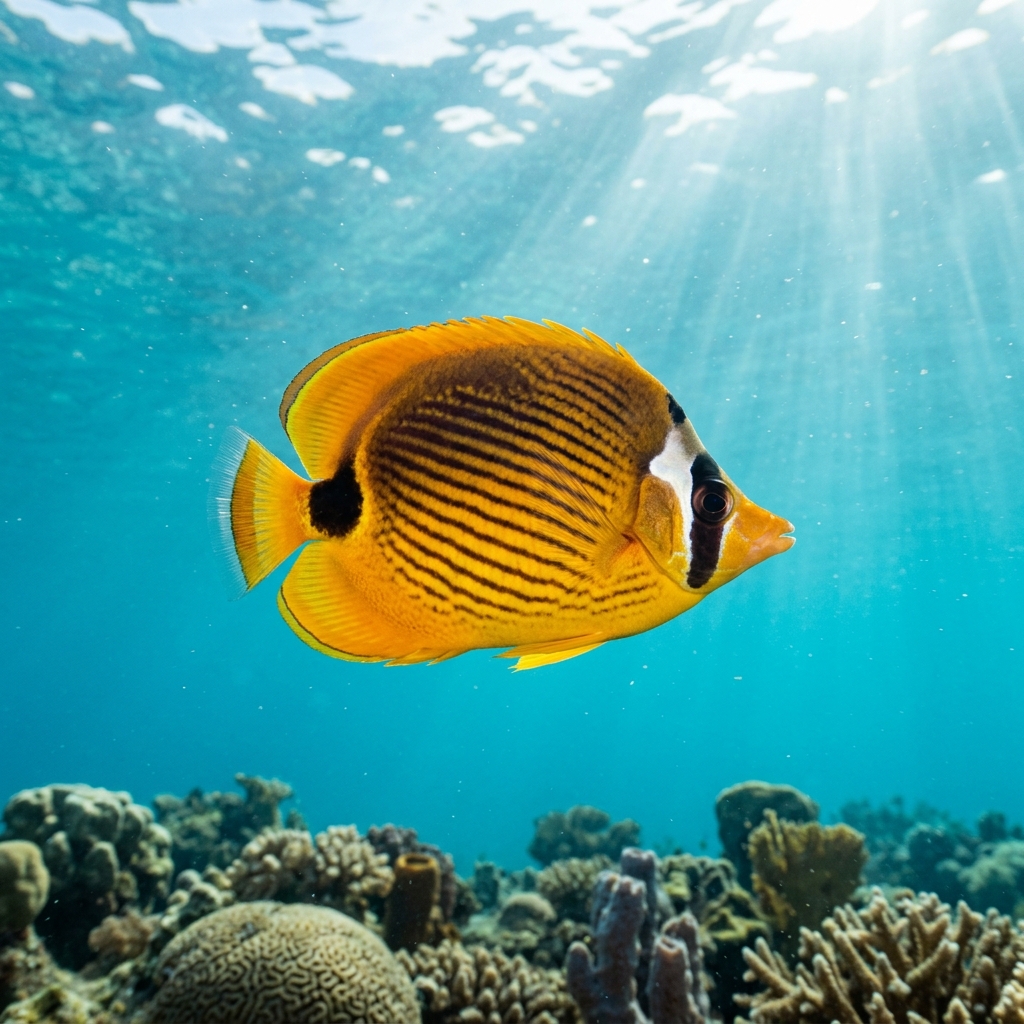
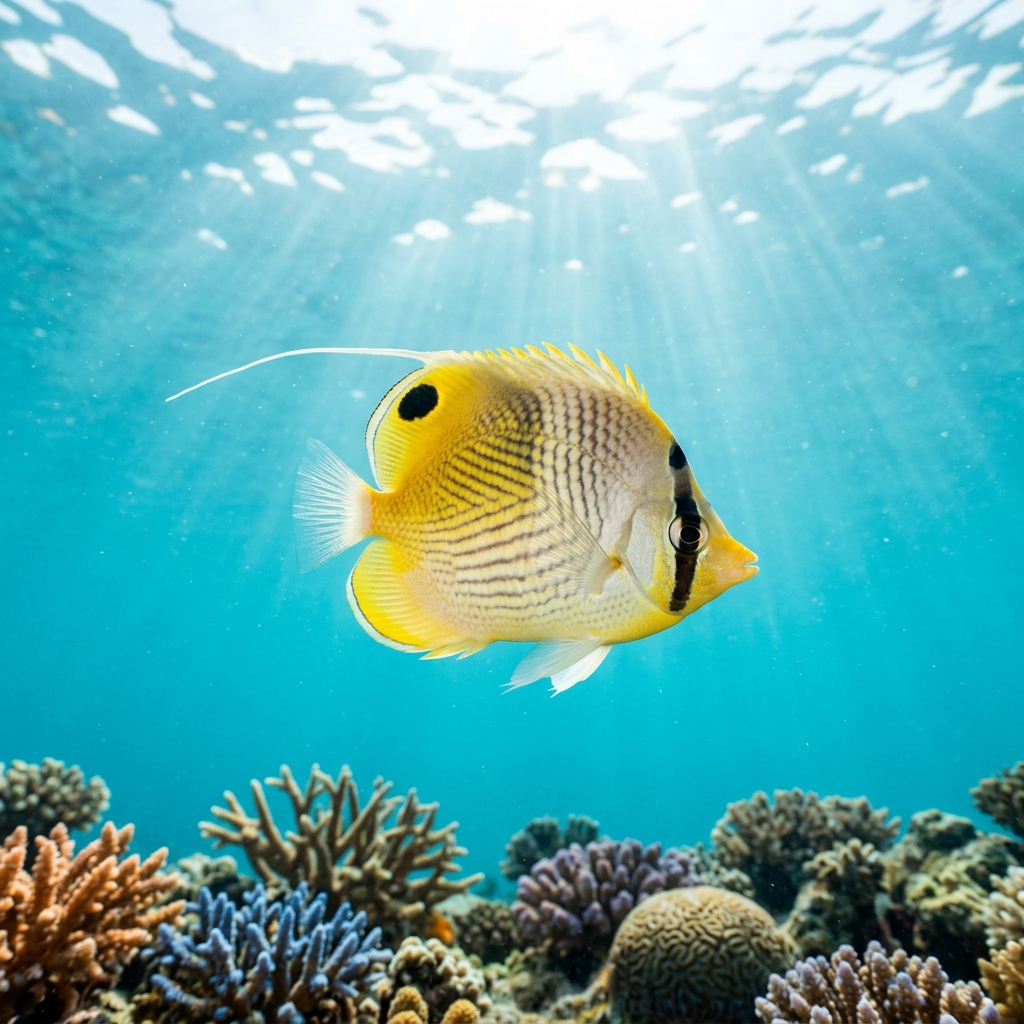
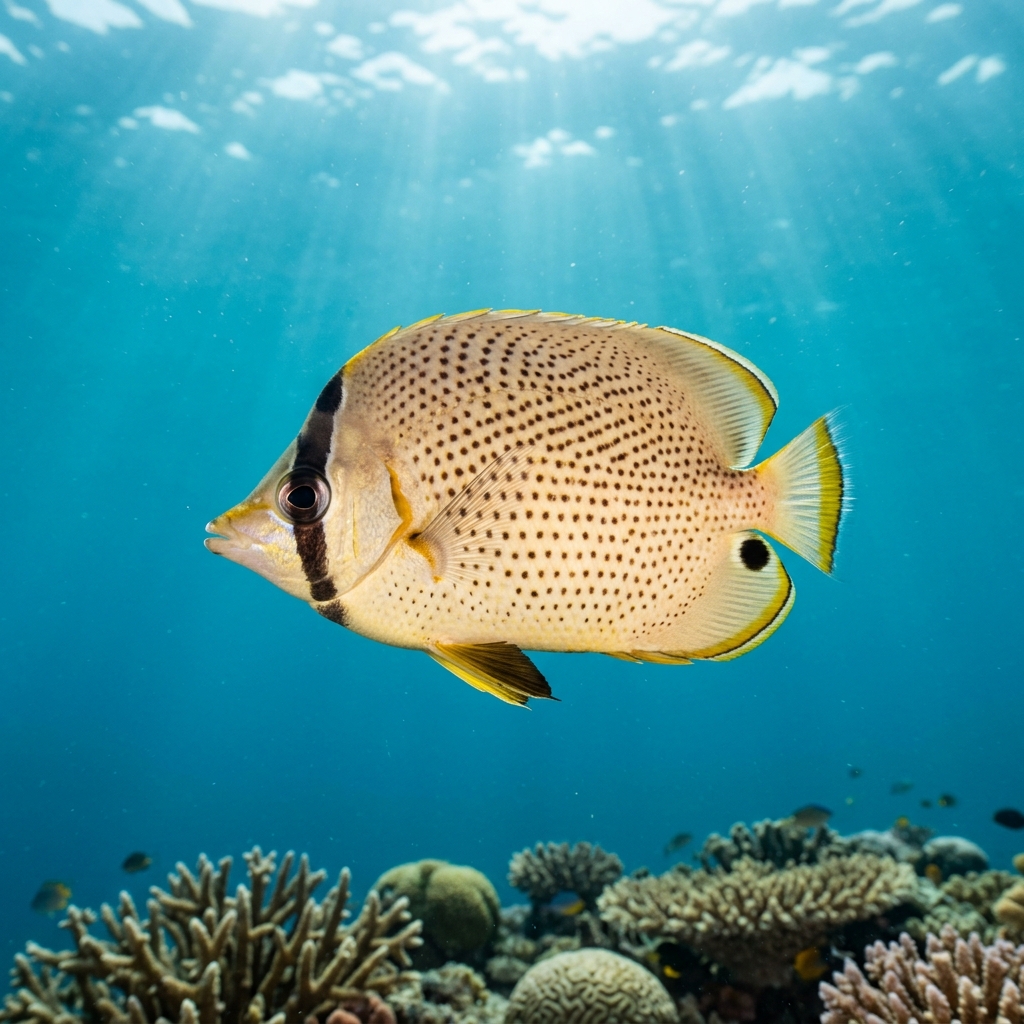
A classic disc-shaped butterflyfish dressed in warm yellow, with a bold dark bar running through the eye and a contrasting black-edged posterior that gives the rear of the body a slightly darker tone. Look for the subtle orange-yellow wash across the flanks and the neat, unbroken vertical barring on the body, cleaner and more regular than many of its relatives. Juveniles carry an additional dark spot near the tail, which fades as the fish matures.
You will typically find golden butterflyfish picking over hard coral surfaces and rubble, foraging for coral polyps, small invertebrates, and algae. They tend to move steadily rather than dart, making them easier to watch, though they do keep a buffer from divers and will ease away if approached too quickly. Pairs are often seen together, a trait common to many butterflyfish that form long-term bonds.
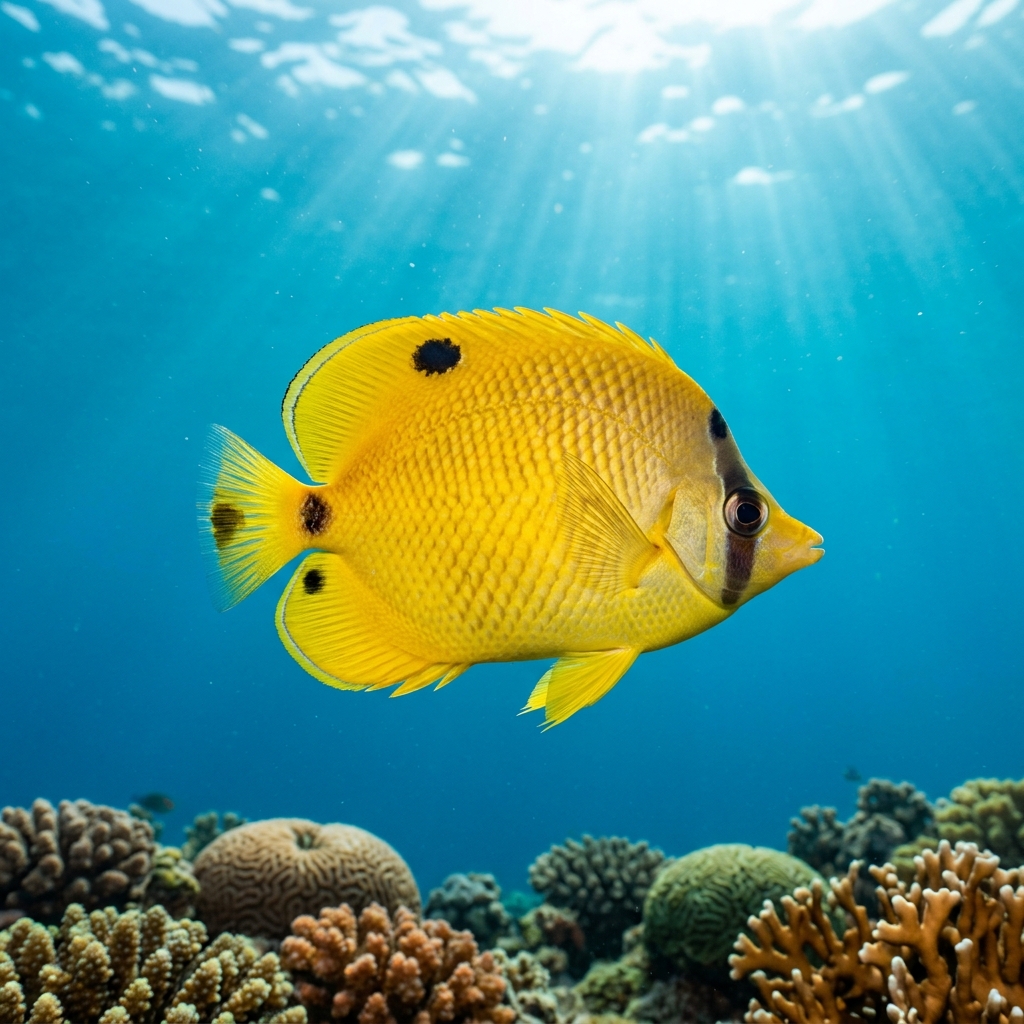
Juvenile golden butterflyfish look noticeably different from adults, carrying a dark ocellus (eye-like spot) near the tail that likely helps confuse predators about which end is the head, this spot fades completely in adults.
Sightings concentrate from January through October across the northern hemisphere sites where this fish is tracked, so plan dives in that window for the best odds. The species appears comfortable in water from 23 to 30 °C, which aligns with the productive reef season across Japan, Thailand, and Taiwan.
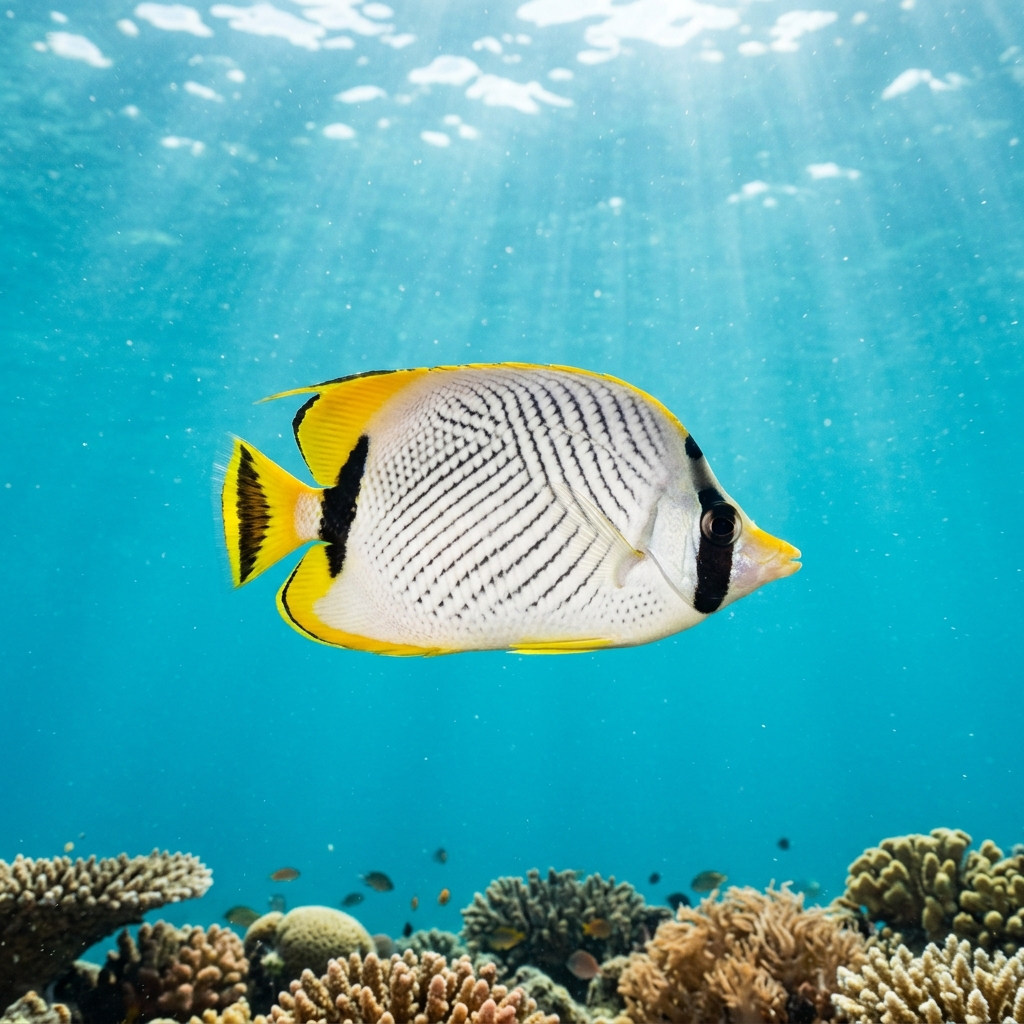
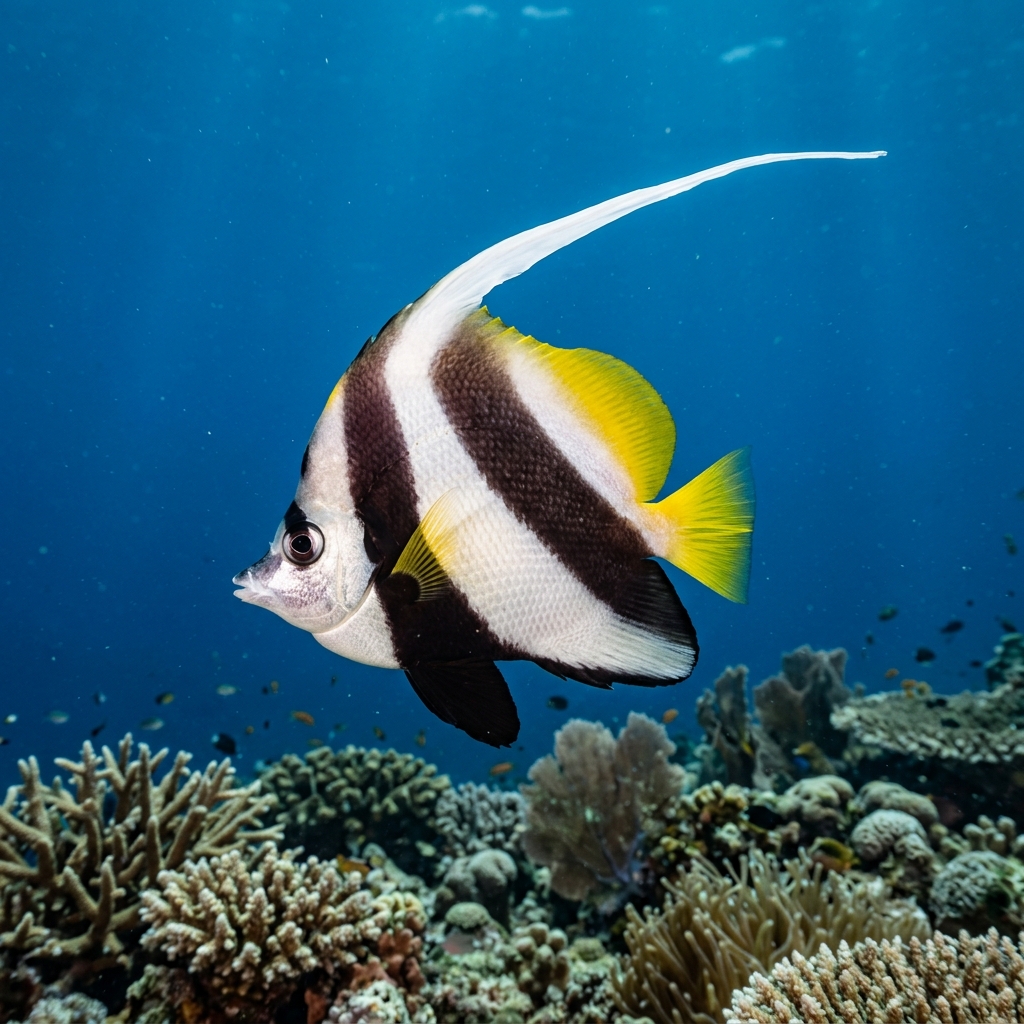
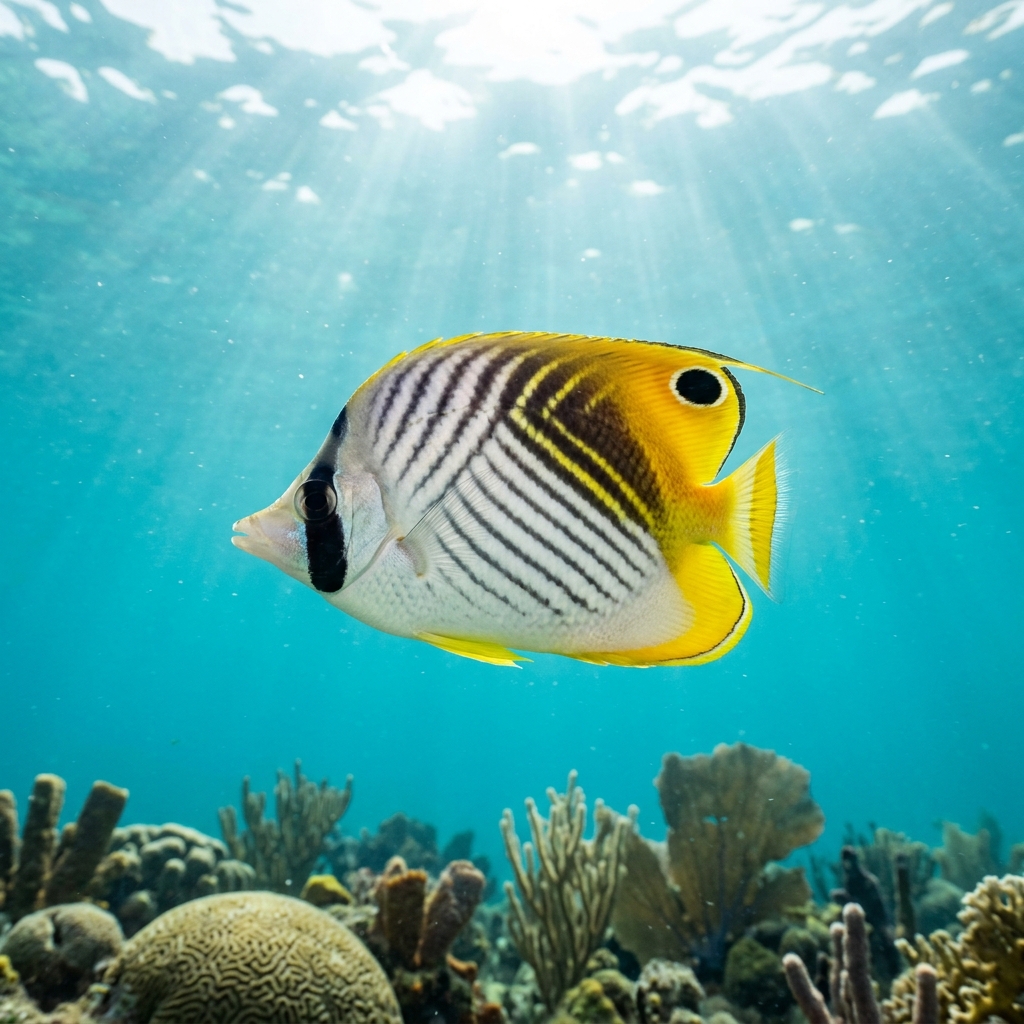
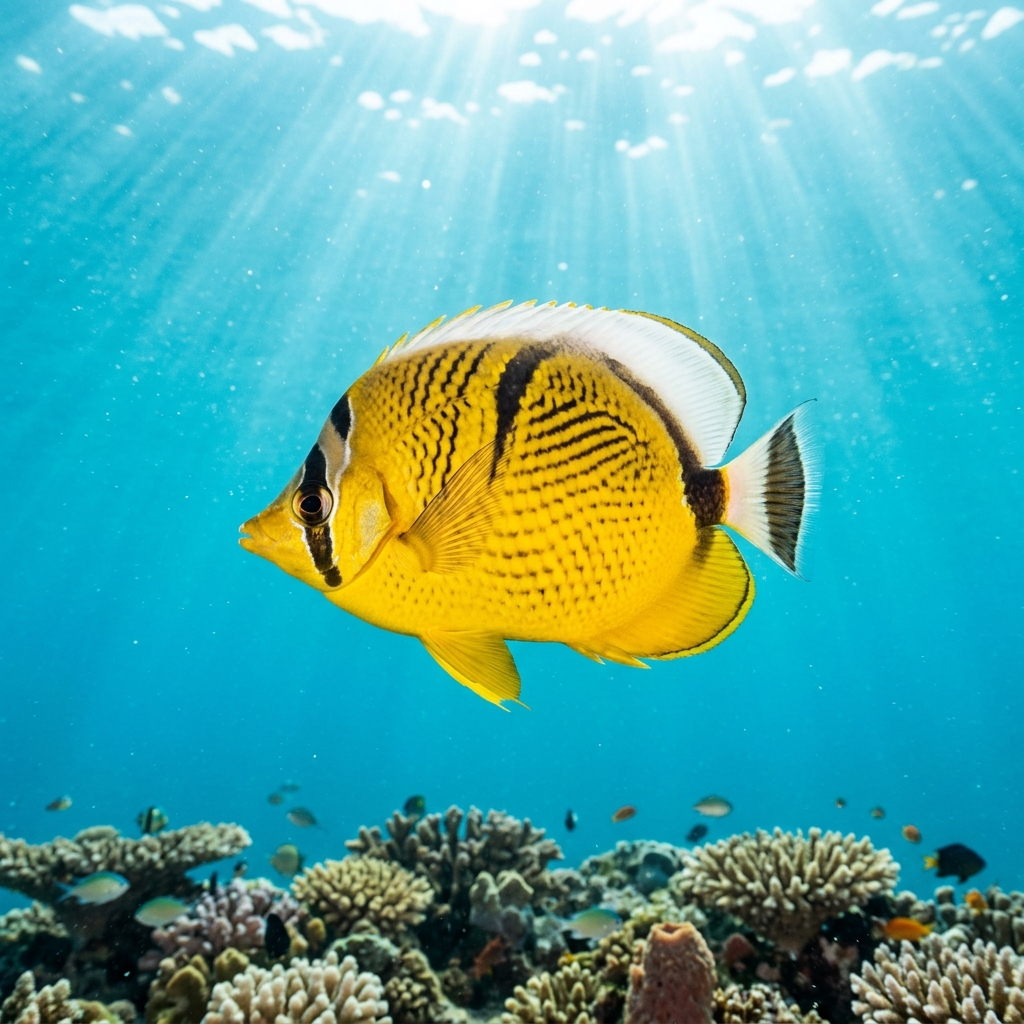
Reef neighbours a diver could mistake it for. Use the identification notes above to tell them apart.
Most consistently logged around Japan, particularly the Okinawa Islands and the Yaeyama and Miyako Islands groups, where sightings span a wide range of reef sites. Thailand's Gulf of Thailand South, including the Koh Tao and Koh Samui area reefs, is the second major hotspot, followed by Taiwan, especially Green Island and Lanyu. Malaysia's Layang Layang and Hong Kong's Sai Kung round out the confirmed range.
Mapping where Golden Butterflyfish is logged…
The strongest sighting records come from Japan's Okinawa Islands and the Yaeyama and Miyako Islands, southern Thailand's Gulf of Thailand reefs, and Taiwan's Green Island and Lanyu. Smaller but confirmed populations are also logged at Layang Layang in Malaysia and Sai Kung in Hong Kong.
Across the northern hemisphere sites where this species is most commonly logged, sightings are concentrated from January through October. Water temperatures in the 23-30 °C range, typical of that period in Okinawa, Thailand, and Taiwan, appear to suit it well.
Look for a rounded, disc-shaped fish in warm yellow with a distinct dark band through the eye and a darker, black-edged rear section. The regular vertical barring on the flanks is clean and even. Juveniles add a white-ringed dark spot near the tail that adults lack.
Across the many sites where it is recorded, golden butterflyfish is most often rated as uncommon, you may see one or two on a dive rather than schools. A smaller number of sites, particularly around Okinawa and the Gulf of Thailand, rate it as common.
No. The species is currently assessed as Least Concern by the IUCN, indicating no major population-level threat at present. Standard reef-care practices, avoiding contact with coral and not disturbing feeding fish, are good habits regardless.
Site and sighting data is aggregated from diver logs, iNaturalist and GBIF. For taxonomy and conservation status: