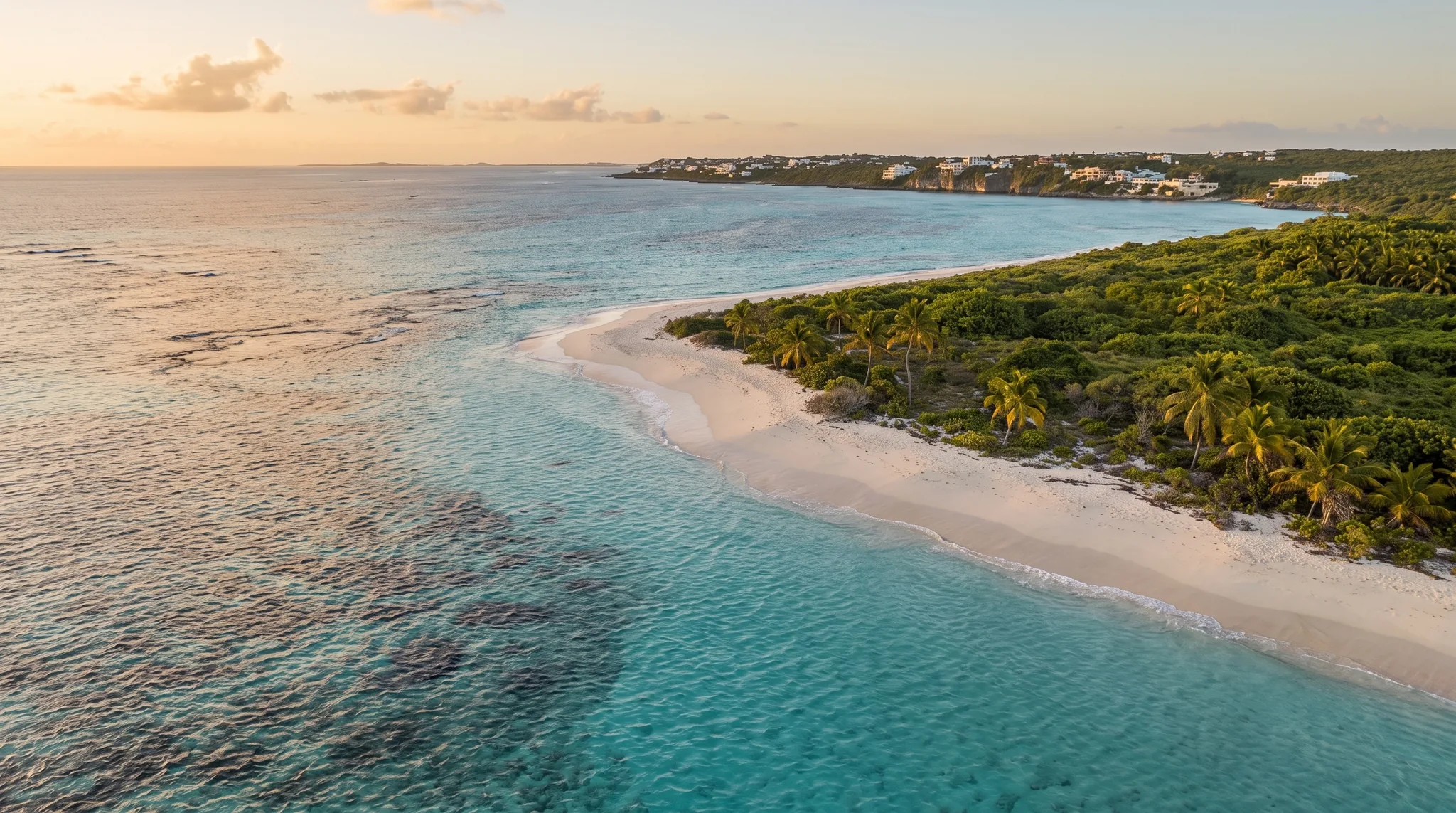
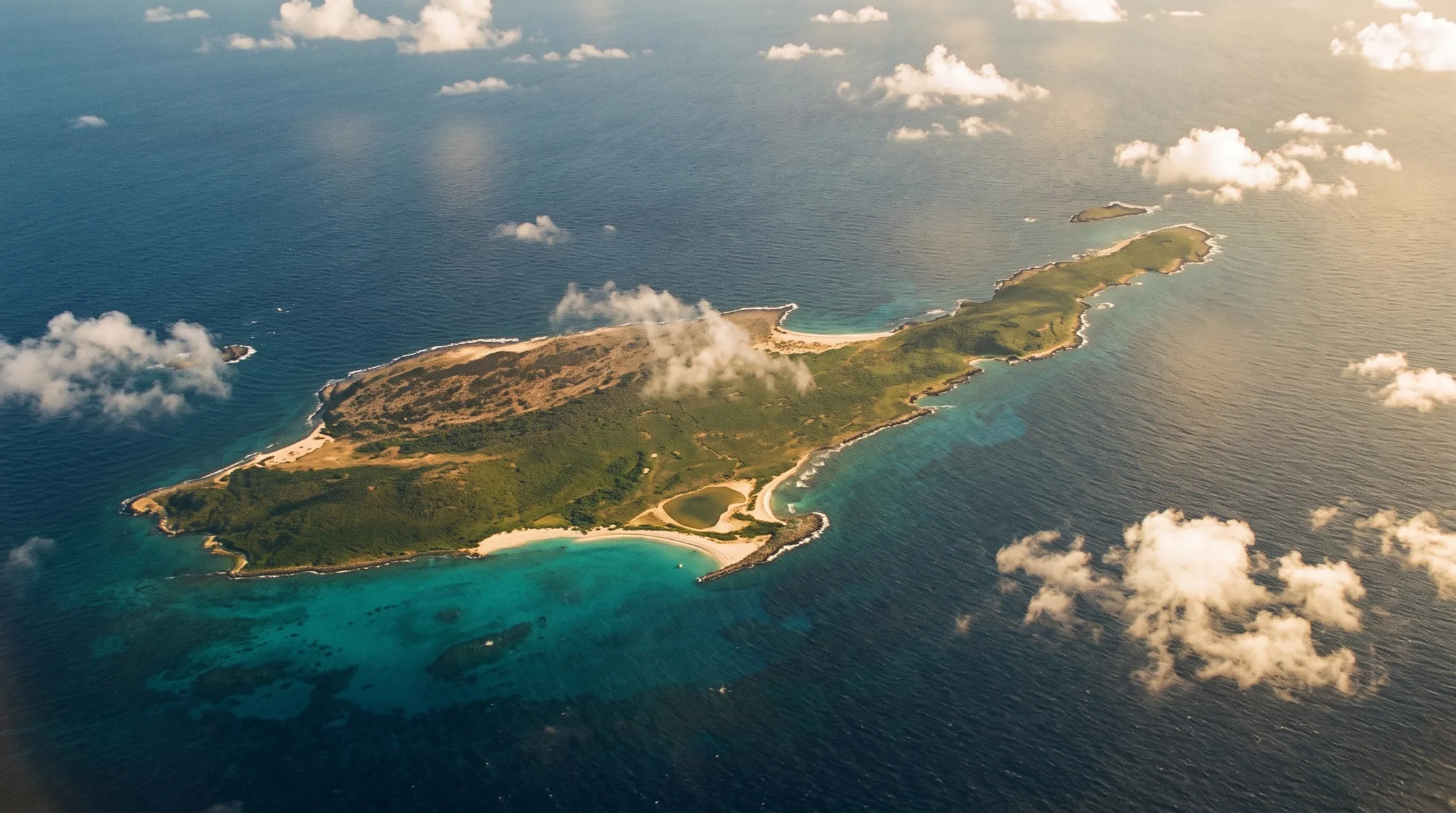
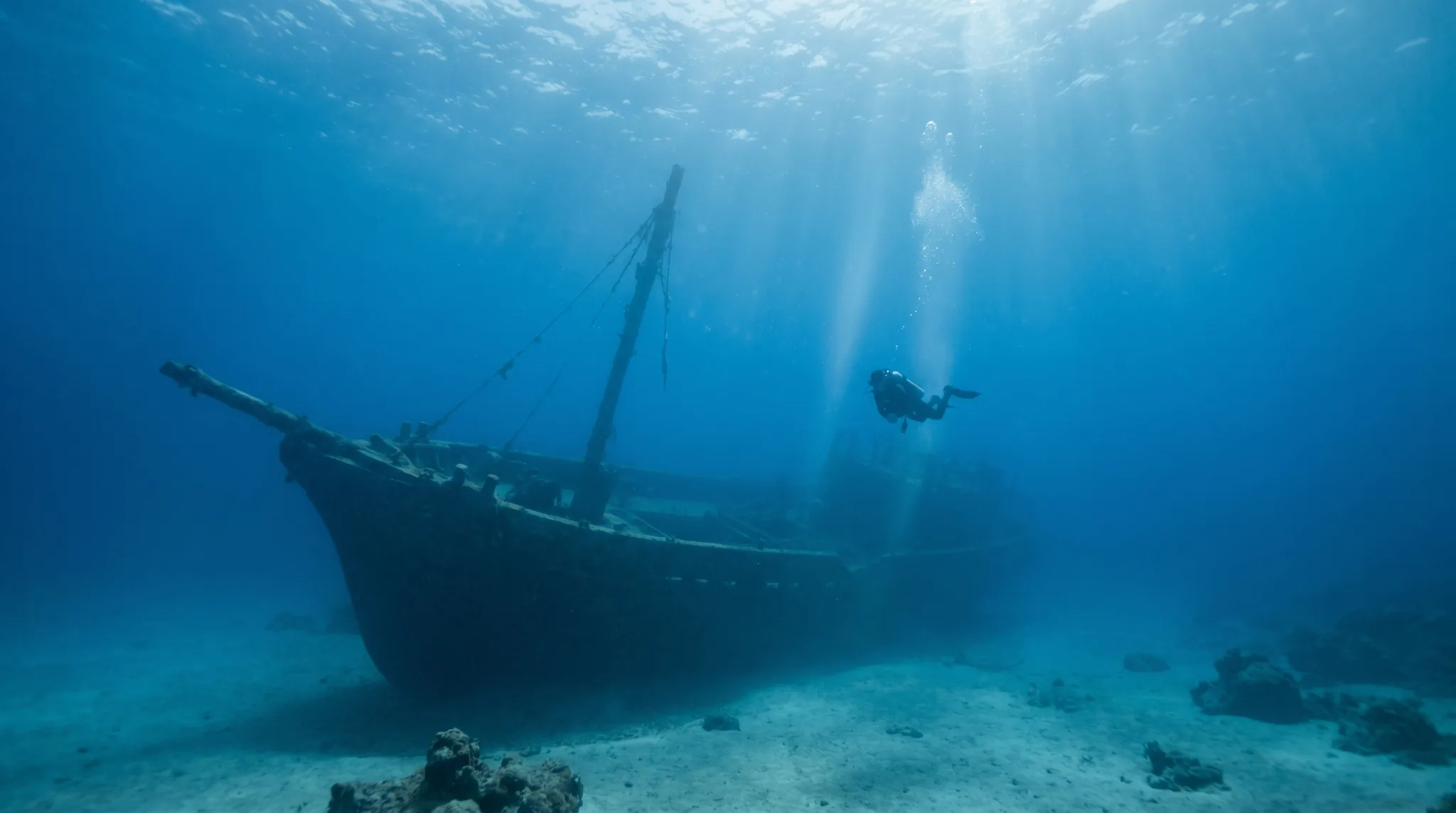
Colombier and Fourchue Islands offer a varied underwater landscape across reef, wall, seagrass, wreck and pinnacle sites, all reached by boat or shore entry depending on the location. Colombier Bay combines all three habitat types in one accessible spot, while Ile Fourchue adds drift diving to the mix. Conditions range from sheltered shallows ideal for beginners to current-swept pinnacles and a deep wreck that demand advanced skills. French Angelfish, Nurse Shark, Great Barracuda and an impressive spread of parrotfish are consistently observed across sites. Water stays warm year-round, with calmer, clearer conditions favouring the drier months from late winter through spring.

Monthly water temperature across Colombier and Fourchue Islands's sites, from satellite sea-surface data corrected for depth. The band shows the site-to-site spread.
Water temperature remains warm throughout the year, rising slightly from late spring into the autumn months. The best diving conditions cluster around late winter, spring and early December, when visibility and sea state tend to be most favourable. Summer and early autumn can bring choppier conditions, though the sites remain diveable for those comfortable with variable exposure.
8 operators
Water temperature around Colombier and Fourchue Islands ranges from about 27°C in January to 30°C in September, based on satellite sea-temperature data for its dive sites.
With water around 27–30°C, a rash guard or 3mm shorty works in Colombier and Fourchue Islands year-round.
Fin maps 10 sites in Colombier and Fourchue Islands (9 scuba diving sites and 4 snorkelling spots, with some suited to both).
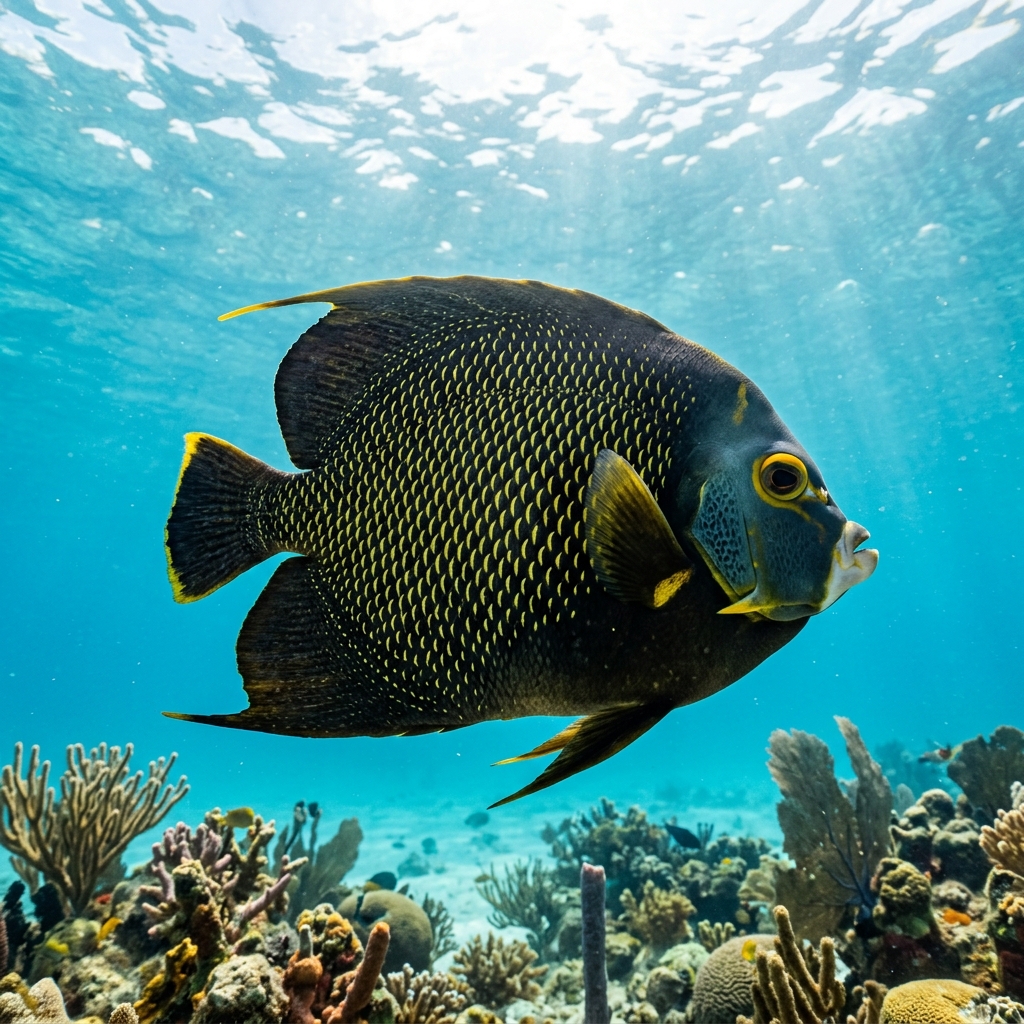
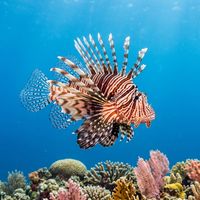
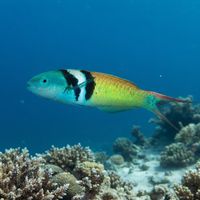
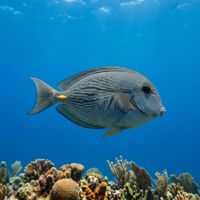
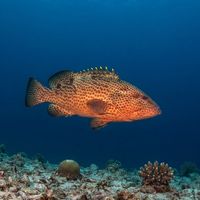
Sightings here are well-documented across a wide range of species. Nurse Shark and Great Barracuda are among the most notable, alongside French Angelfish, Rock Beauty and Indian Lionfish. Parrotfish are particularly well represented, with Queen Parrotfish, Stoplight Parrotfish, Redband Parrotfish and Striped Parrotfish all observed regularly. Whiptail Stingray, Smooth Trunkfish and Spanish Hogfish round out a diverse reef community.
The majority of sites require a boat, and several local operators serve the area, including Ouanalao Dive, Serial Divers St Barth, Lily Blue Caraïbes Dive Center, Island Diving and Scubalibre SBH. Grand Cul-de-Sac is the main exception, offering shore entry for snorkellers. Colombier Bay accommodates both shore and boat access depending on your preference.
Colombier Bay features a mix of reef, seagrass and wall formations in a single site, with beginner-friendly depths and the option of shore or boat entry. Ile Fourchue sits further offshore and combines natural reef with an artificial reef and drift diving, making it suitable for a slightly broader range of conditions. Both sites support snorkelling as well as diving.