Epinephelus merra
Small reef grouper covered in dark hexagons, logged year-round from the Maldives to Okinawa in 24.6-29C water.
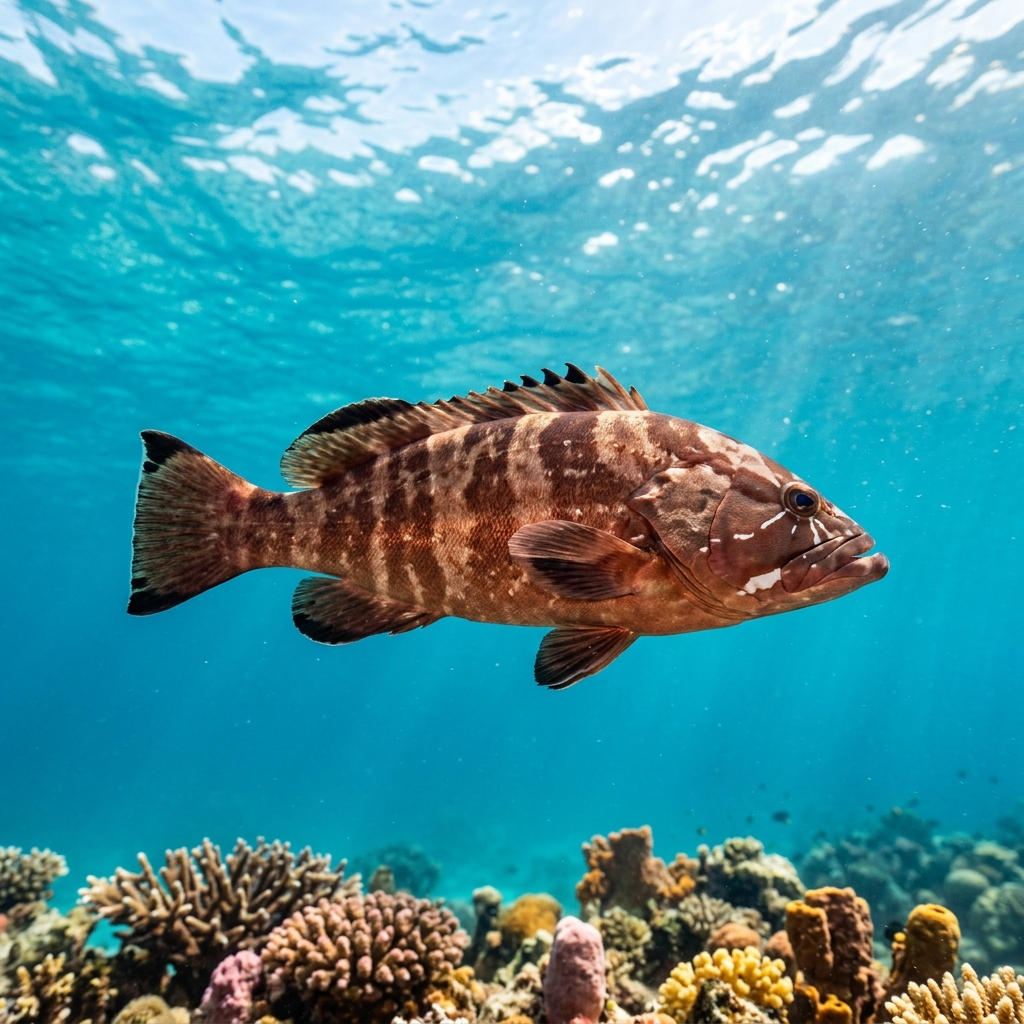
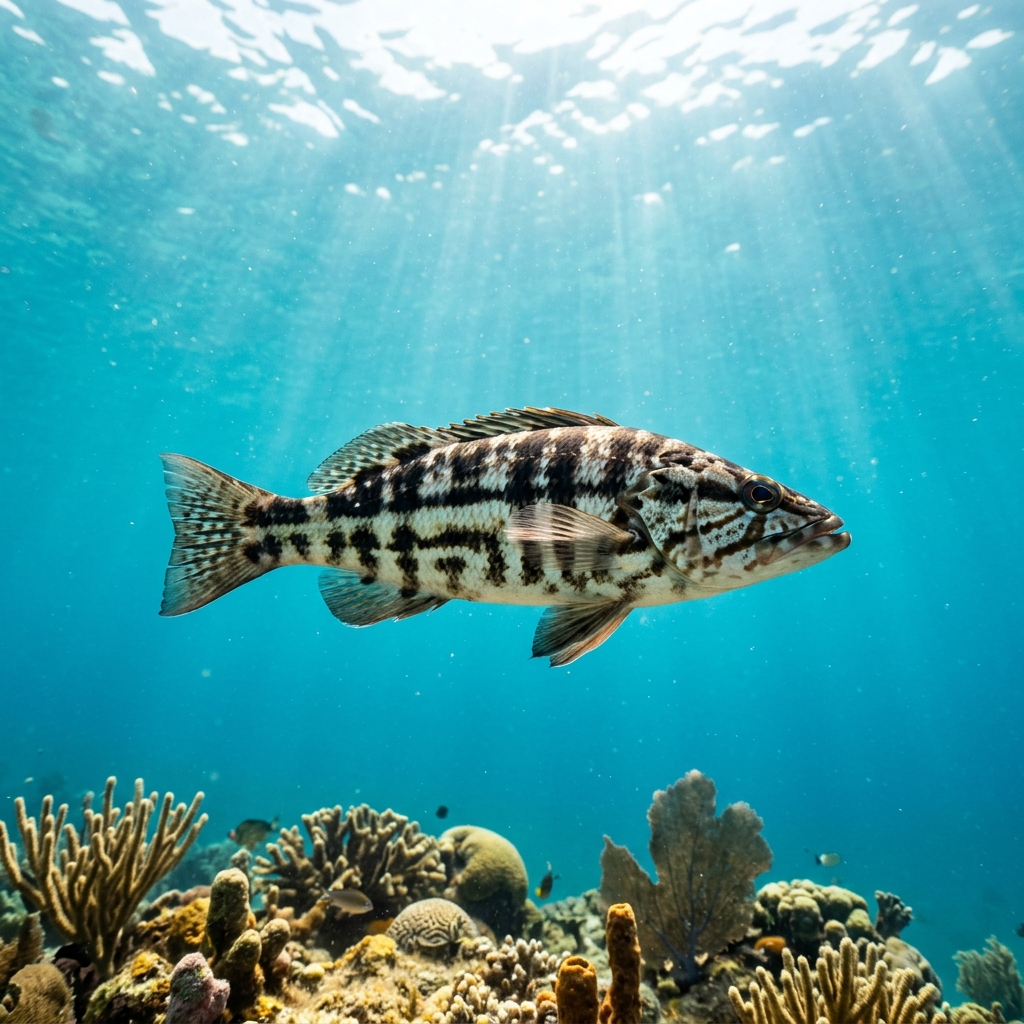
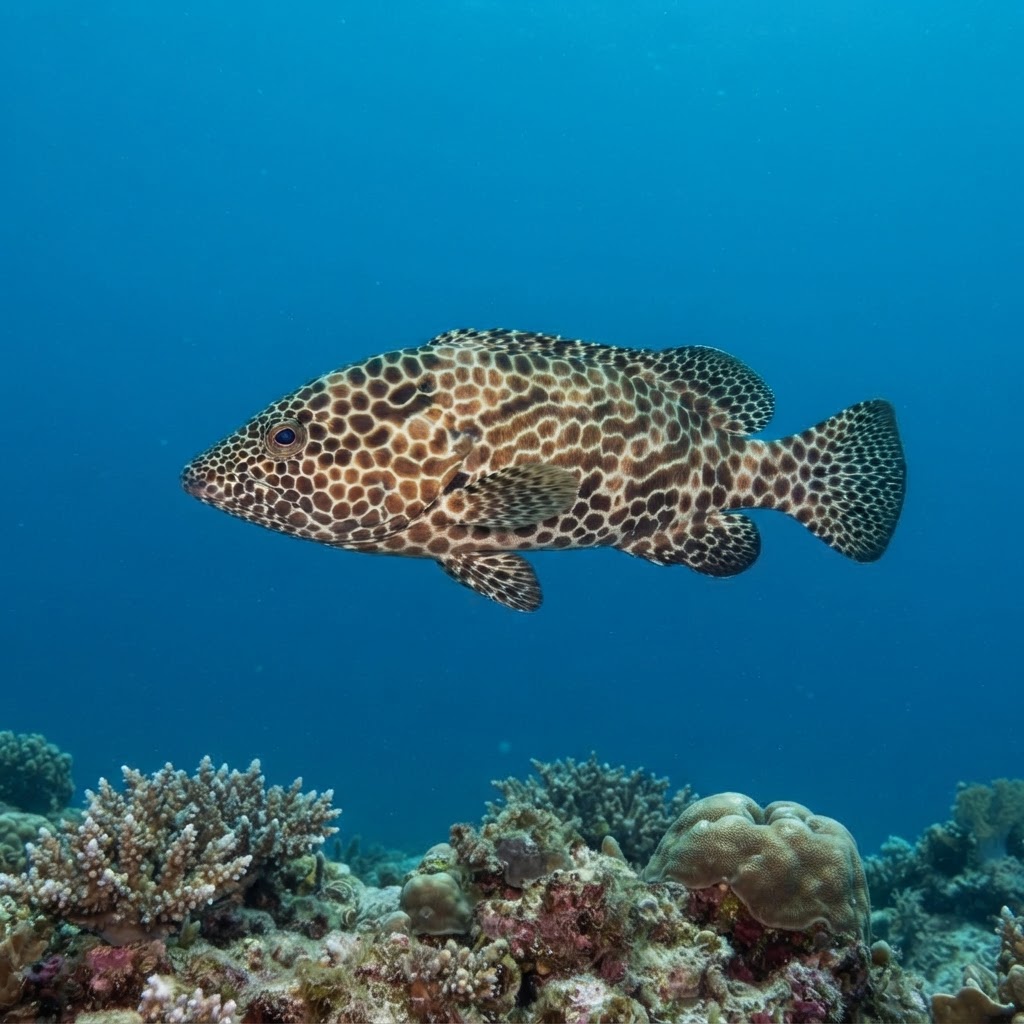
Small for a grouper, topping out around 25cm, with a stocky, compressed body covered head to tail in tight dark-brown hexagons over a pale cream background, giving it a honeycomb pattern that is hard to mistake once you spot it up close. It typically sits low on the reef, propped on its pectoral fins near a ledge or coral head rather than swimming in open water.
Look for it perched motionless on coral rubble or wedged into a reef crevice, using its camouflage to ambush small fish and crustaceans rather than chasing prey across open reef. It tends to hold still as divers approach, often letting you get close for a photo before it eases back into cover, and it is most often seen on shallow reef flats and lagoon patches in daylight hours.
It is a protogynous hermaphrodite, meaning individuals start life as females and some later change sex to males, a pattern common across grouper species that shapes how populations organise on the reef.
No clear seasonal pattern shows up in the sighting data, and with a comfortable range of 24.6 to 29C it stays active on tropical reefs year-round, so any month works at these dive destinations.
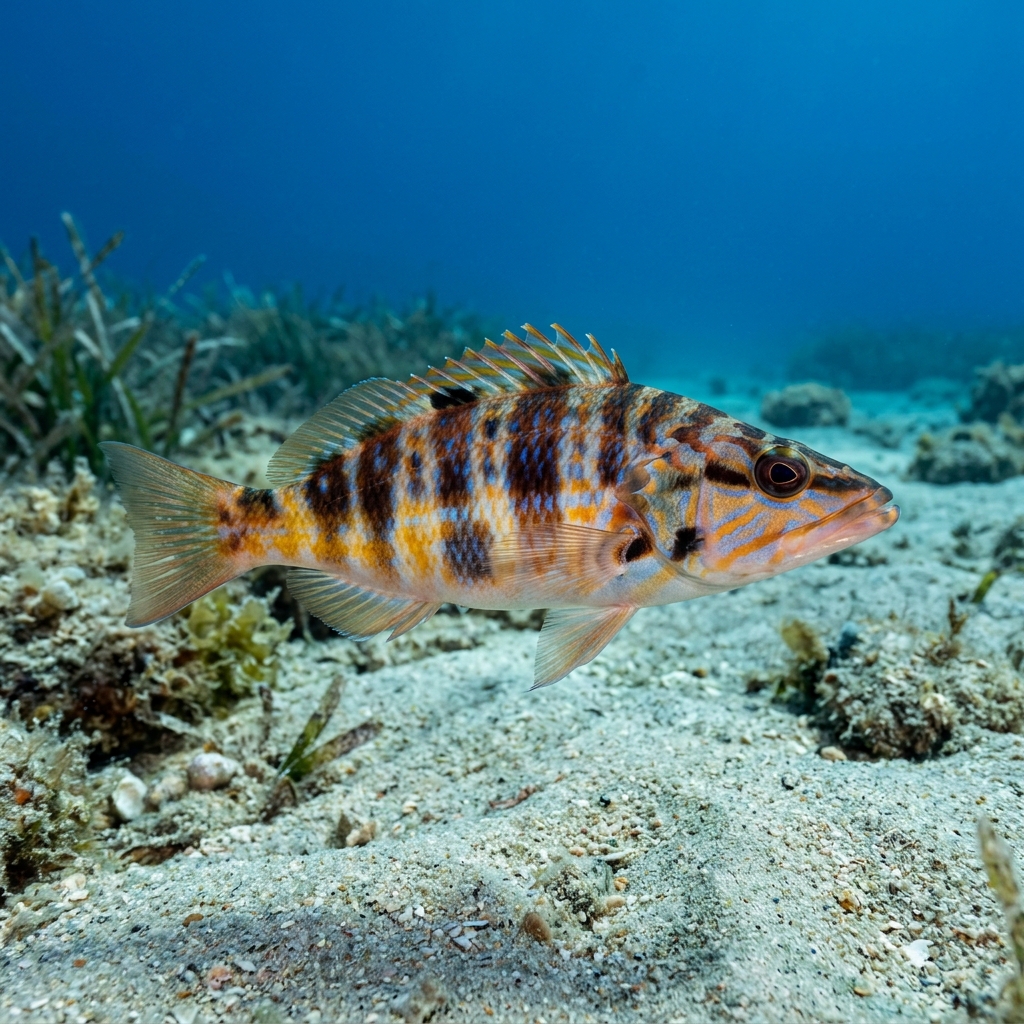
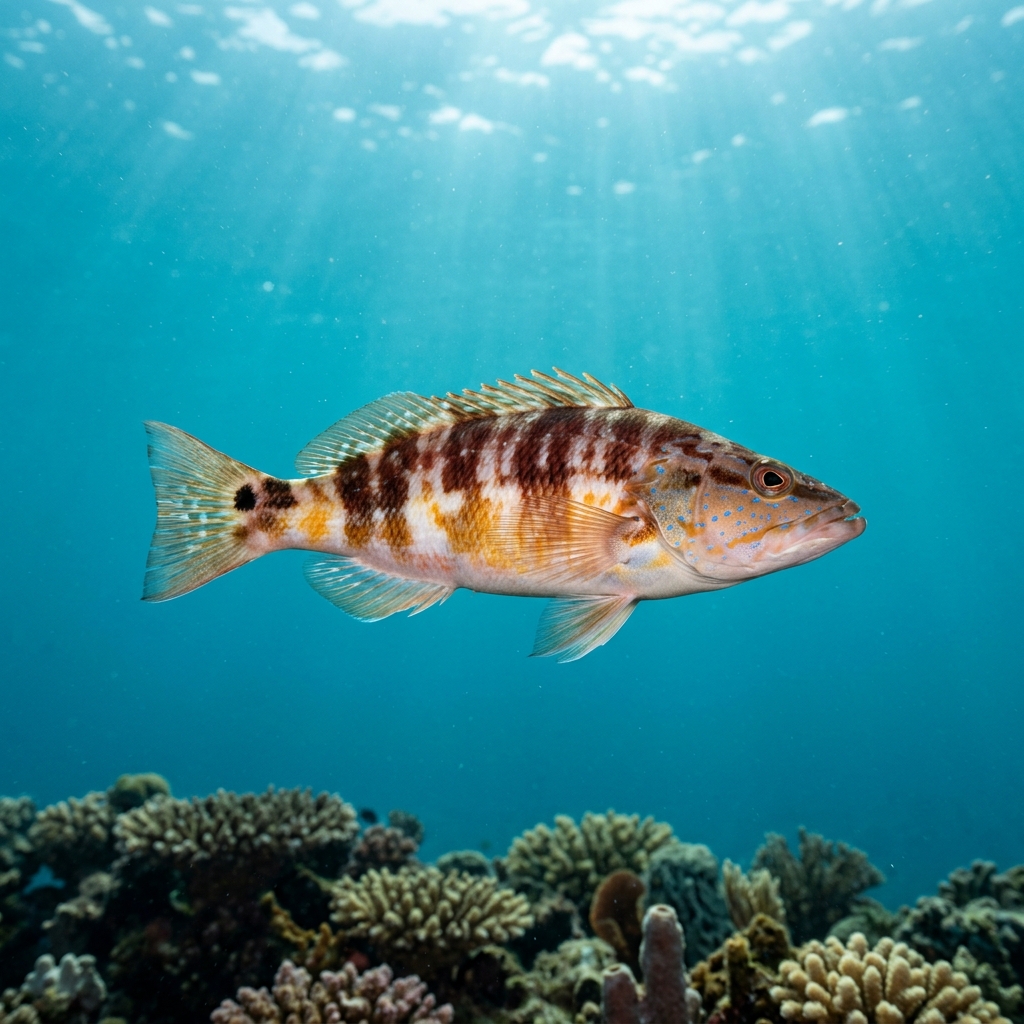
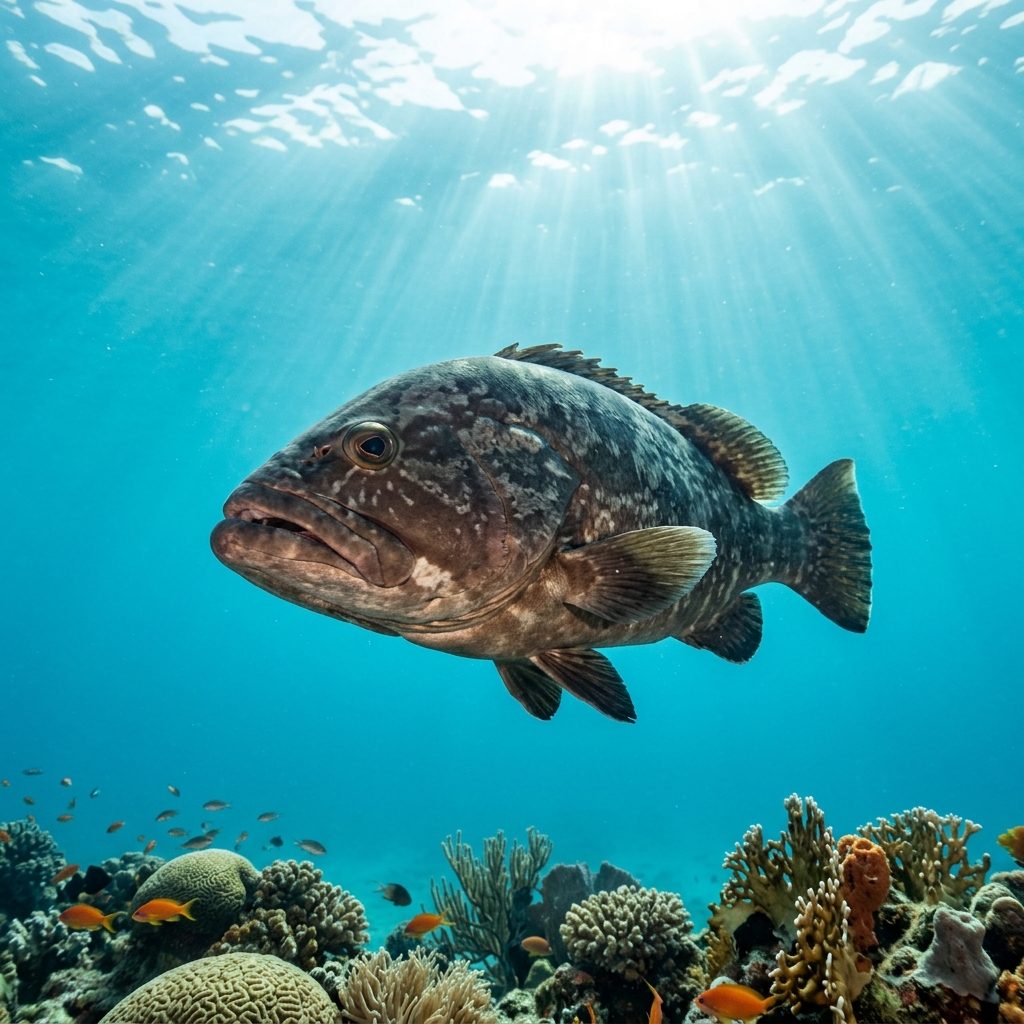
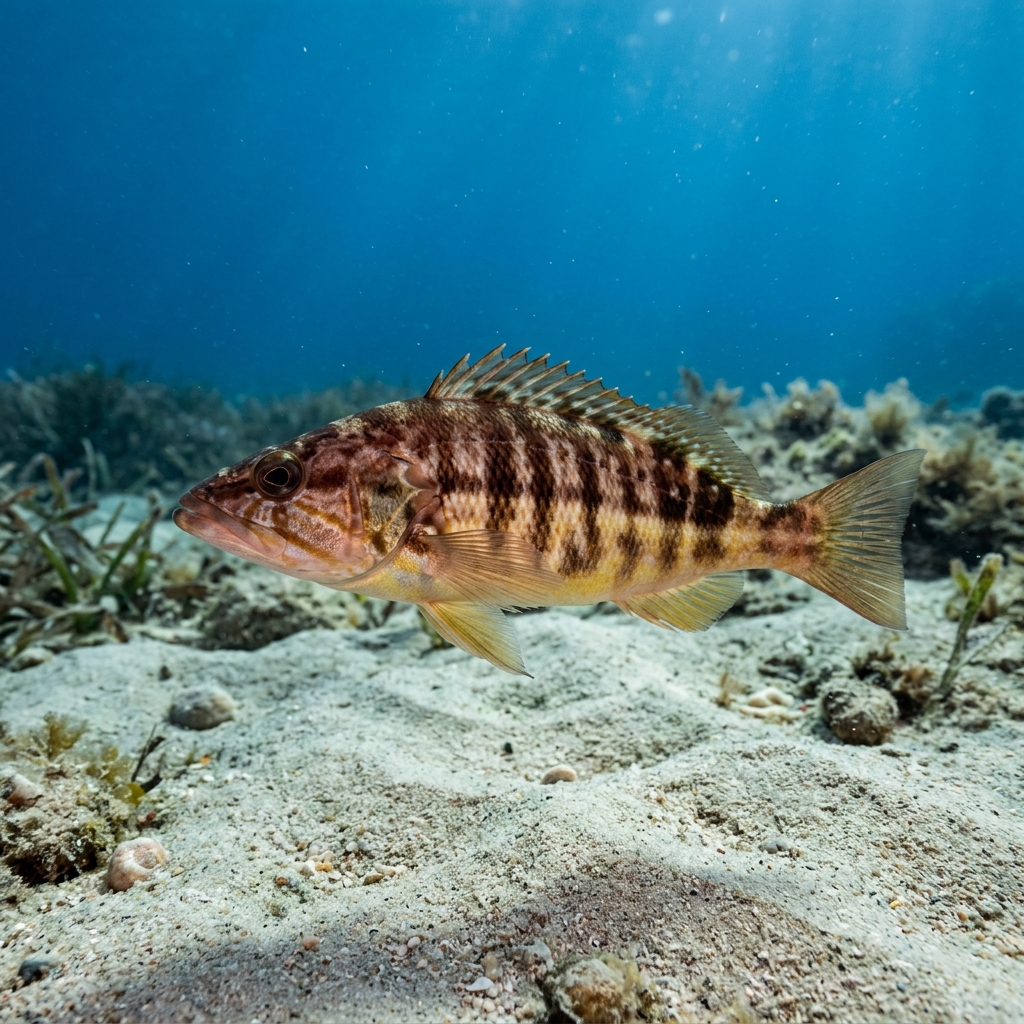
Reef neighbours a diver could mistake it for. Use the identification notes above to tell them apart.
This is one of the most widely logged small groupers in the Indo-Pacific, with the strongest numbers coming from the Central Atolls of the Maldives, Okinawa and the Ryukyu Islands in Japan, and the Society Islands of French Polynesia. It also turns up reliably across the Visayas in the Philippines, Queensland in Australia, Sulawesi and Nusa Tenggara in Indonesia, and the Inner Islands of Seychelles, generally as an uncommon-to-common sighting on shallow reef flats and lagoon reef.
Mapping where Honeycomb Grouper is logged…
It is widely logged across the Indo-Pacific, with strong numbers in the Maldives' Central Atolls, Okinawa in Japan, French Polynesia's Society Islands, the Philippine Visayas, and Queensland, Australia. It favours shallow reef flats and lagoon reef in all of these areas.
There is no strong seasonal signal in sightings, and it tolerates a broad 24.6-29C range, so it is present on tropical reefs throughout the year at its main dive destinations.
Check for a small, stocky grouper around 25cm covered in dense dark-brown hexagons over a pale body. It usually sits still on rubble or near a ledge rather than swimming actively.
They stay small for a grouper, typically reaching around 25cm in length, which is why they are often overlooked against busier reef backgrounds.
No, they are not considered dangerous to divers. They are small ambush predators focused on reef fish and crustaceans, not on anything diver-sized.
Site and sighting data is aggregated from diver logs, iNaturalist and GBIF. For taxonomy and conservation status:
Blacktip Grouper
2,726 sites