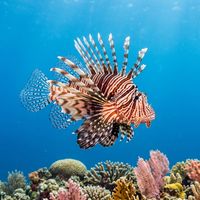
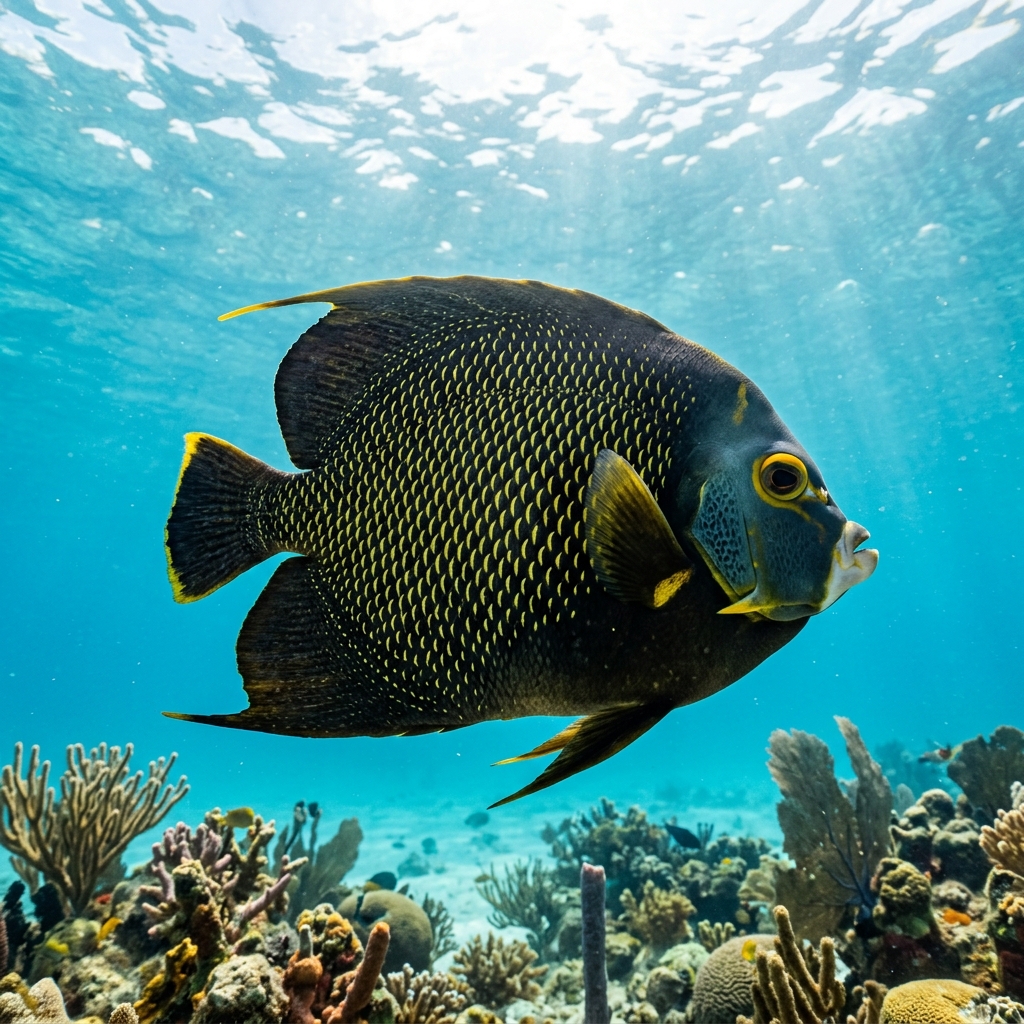
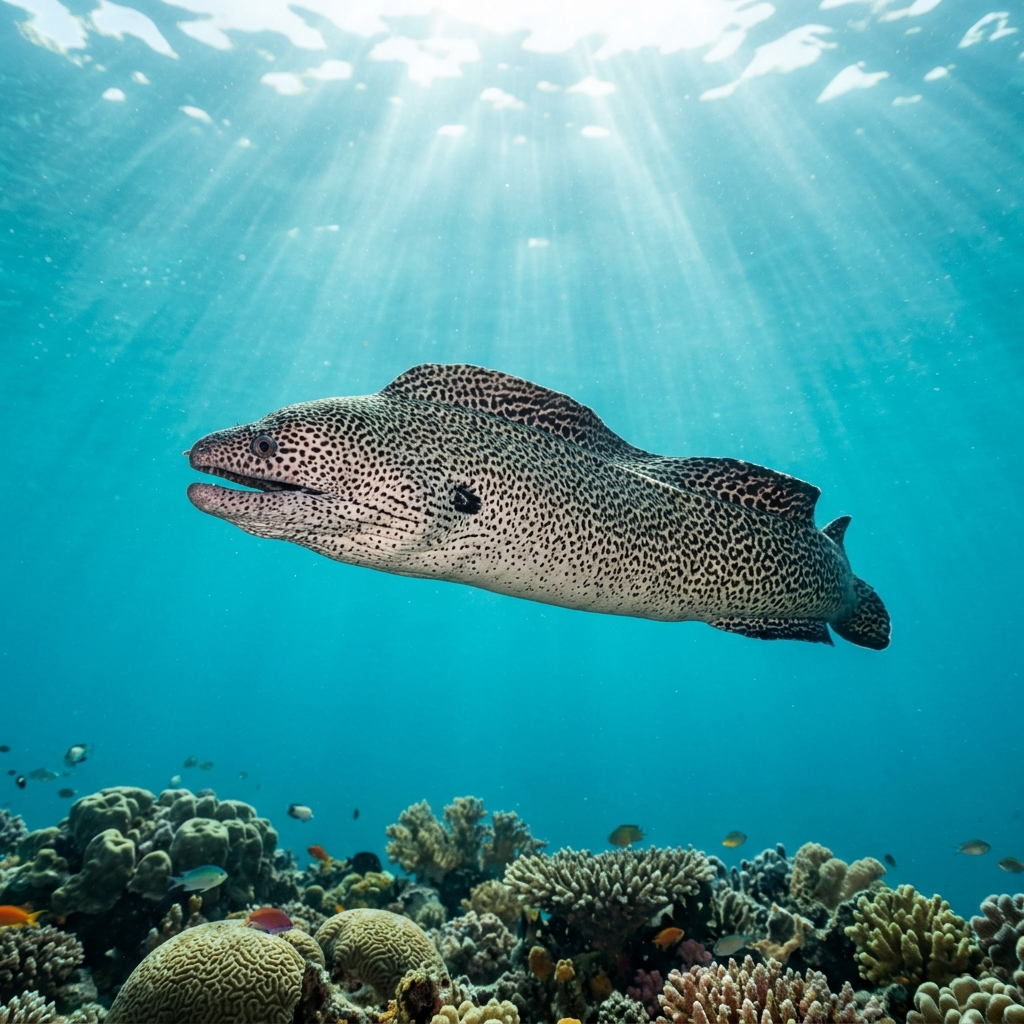
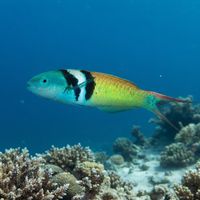
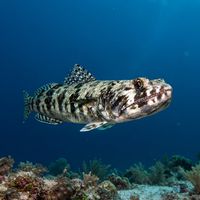
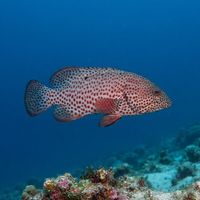
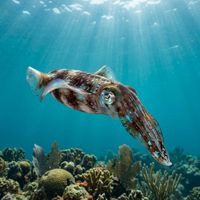
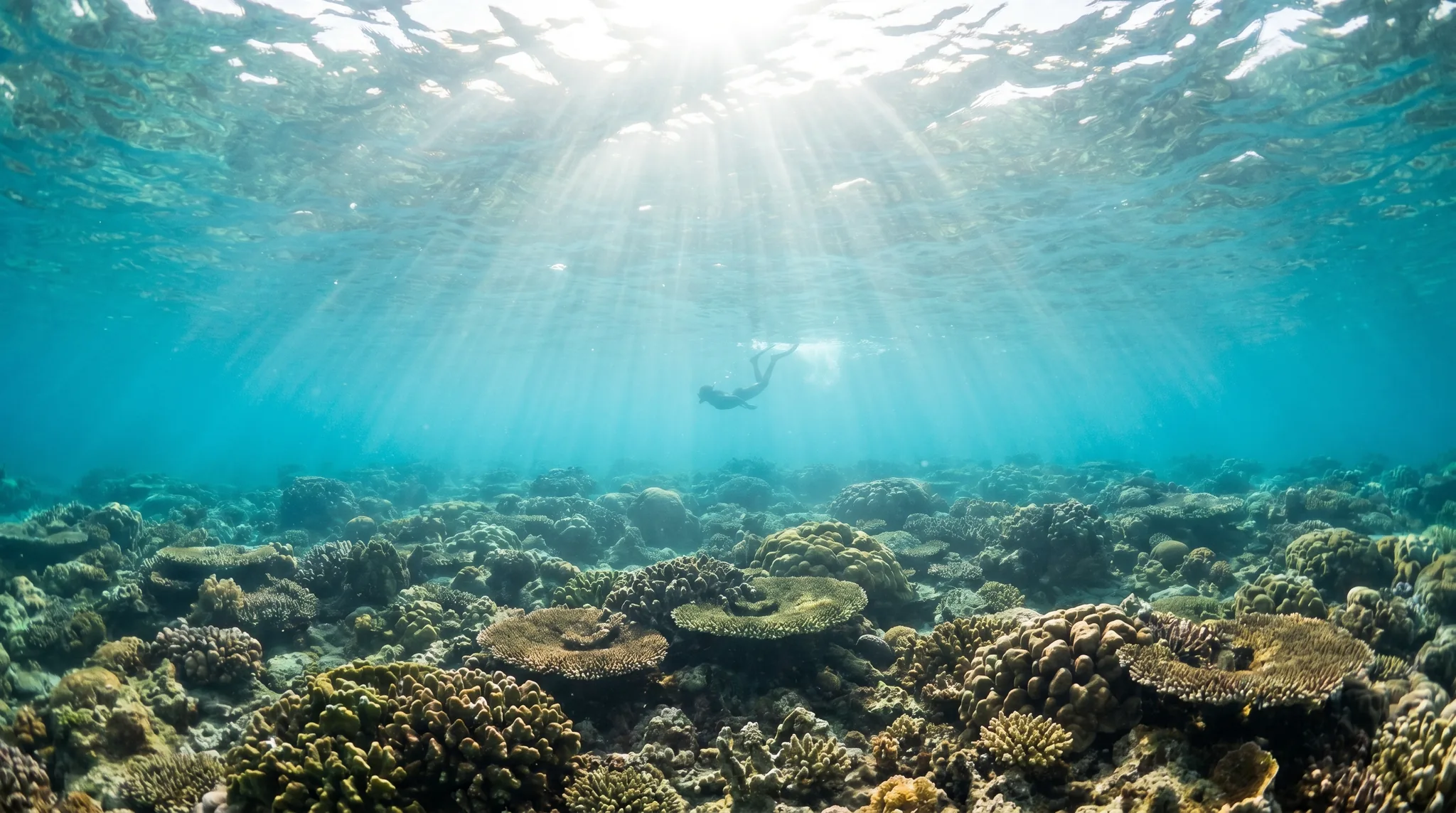
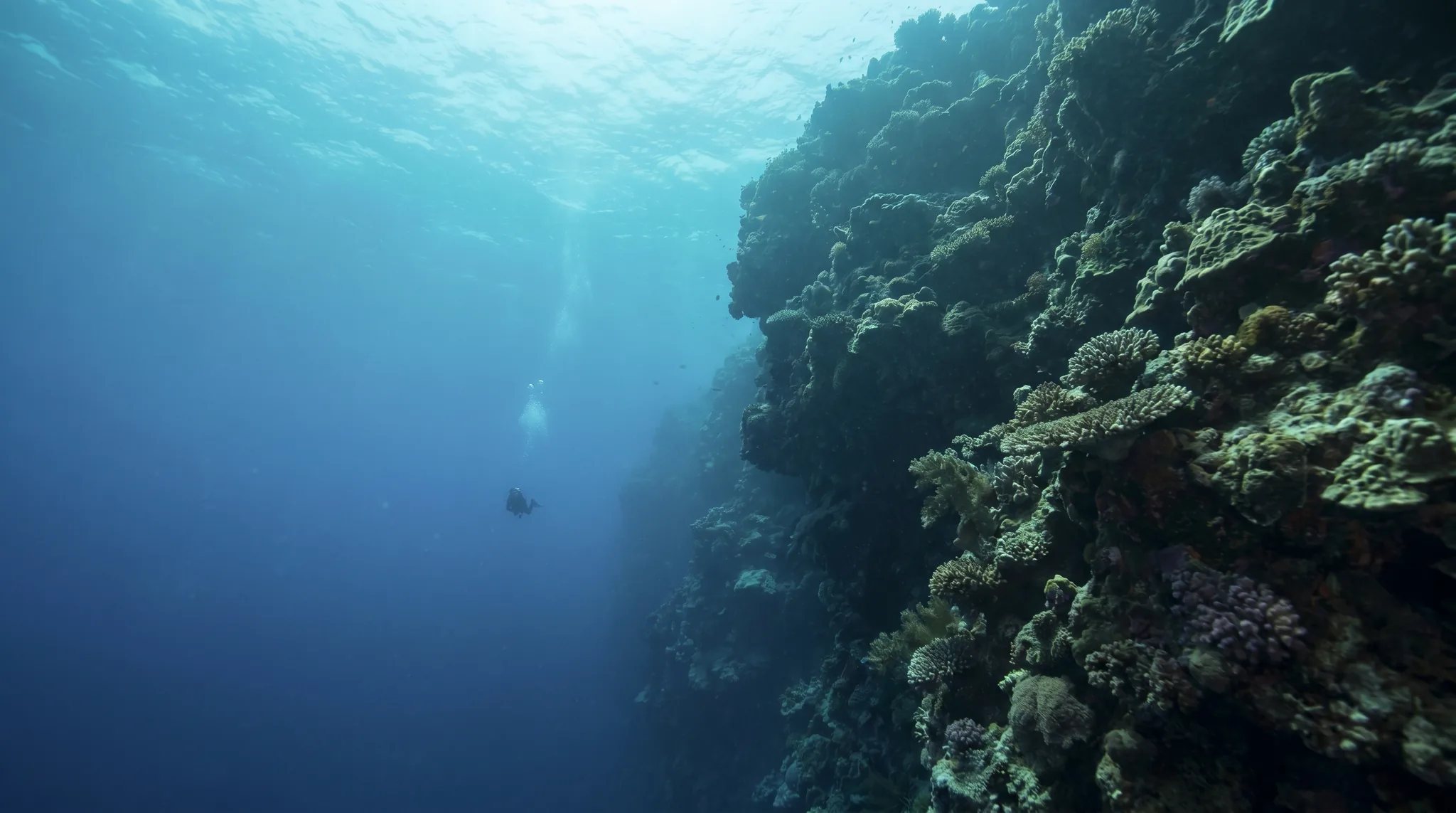
Les Anses-d'Arlet divides neatly between two sub-areas: Pointe de Burgos to the north and Cap Salomon to the south, together offering walls, drop-offs, shallow reefs, seagrass beds, caves and a wreck. Most sites suit beginners, with boat access the norm, though a handful allow shore entry. Wrasse and Grouper are ubiquitous across the region, while the Indian Lionfish, French Angelfish, Spotted Moray and Reef Squid are reliably encountered. Cap Salomon adds serious depth for advanced divers at sites like Grandes Jorasses, where drift conditions and deep walls demand more experience.
2 areas
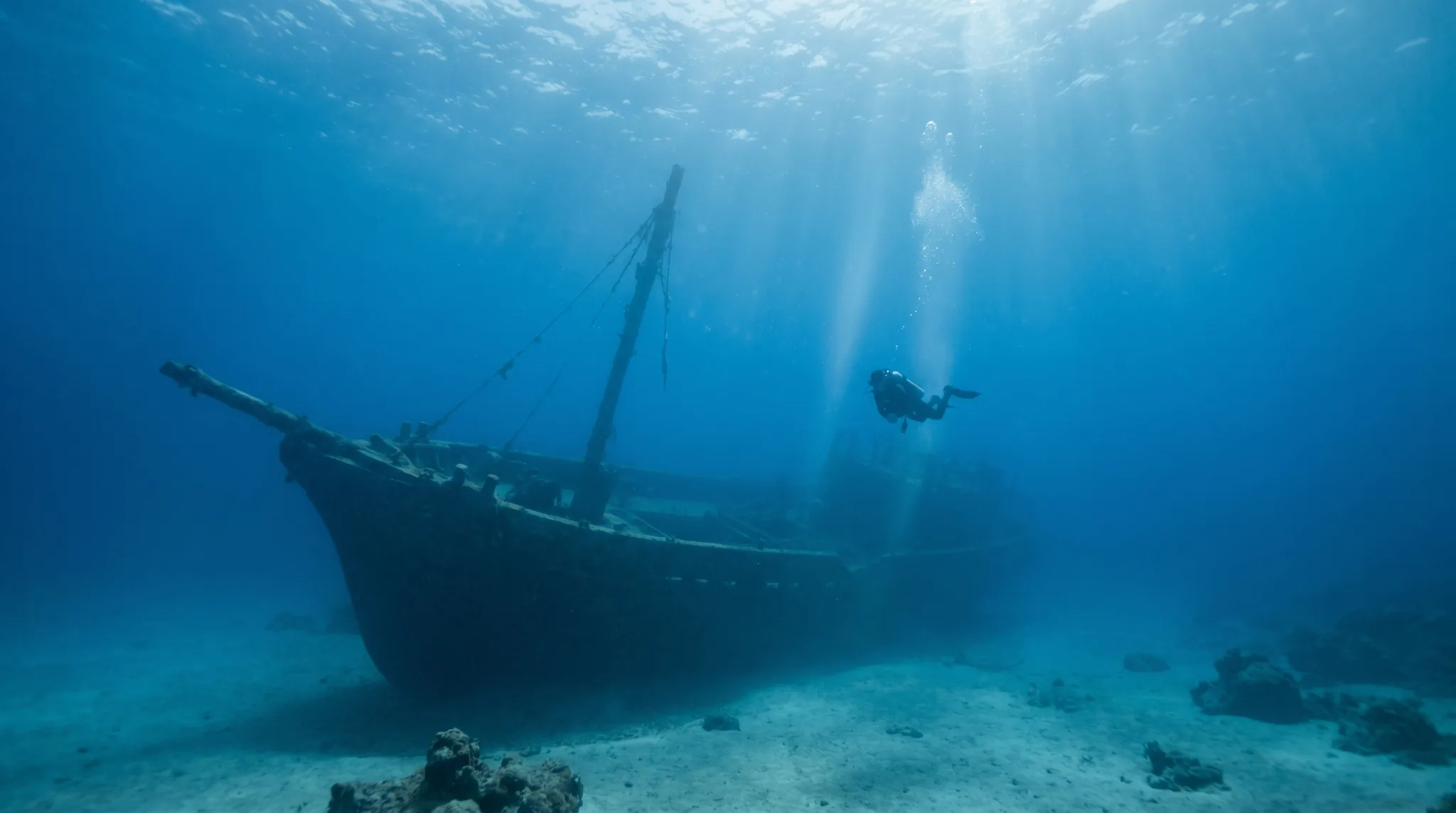 17
17Shallow reefs, a notable wreck, and rich reef fish life make Pointe de Burgos a rewarding dive destination within Les Anses-d'Arlet.
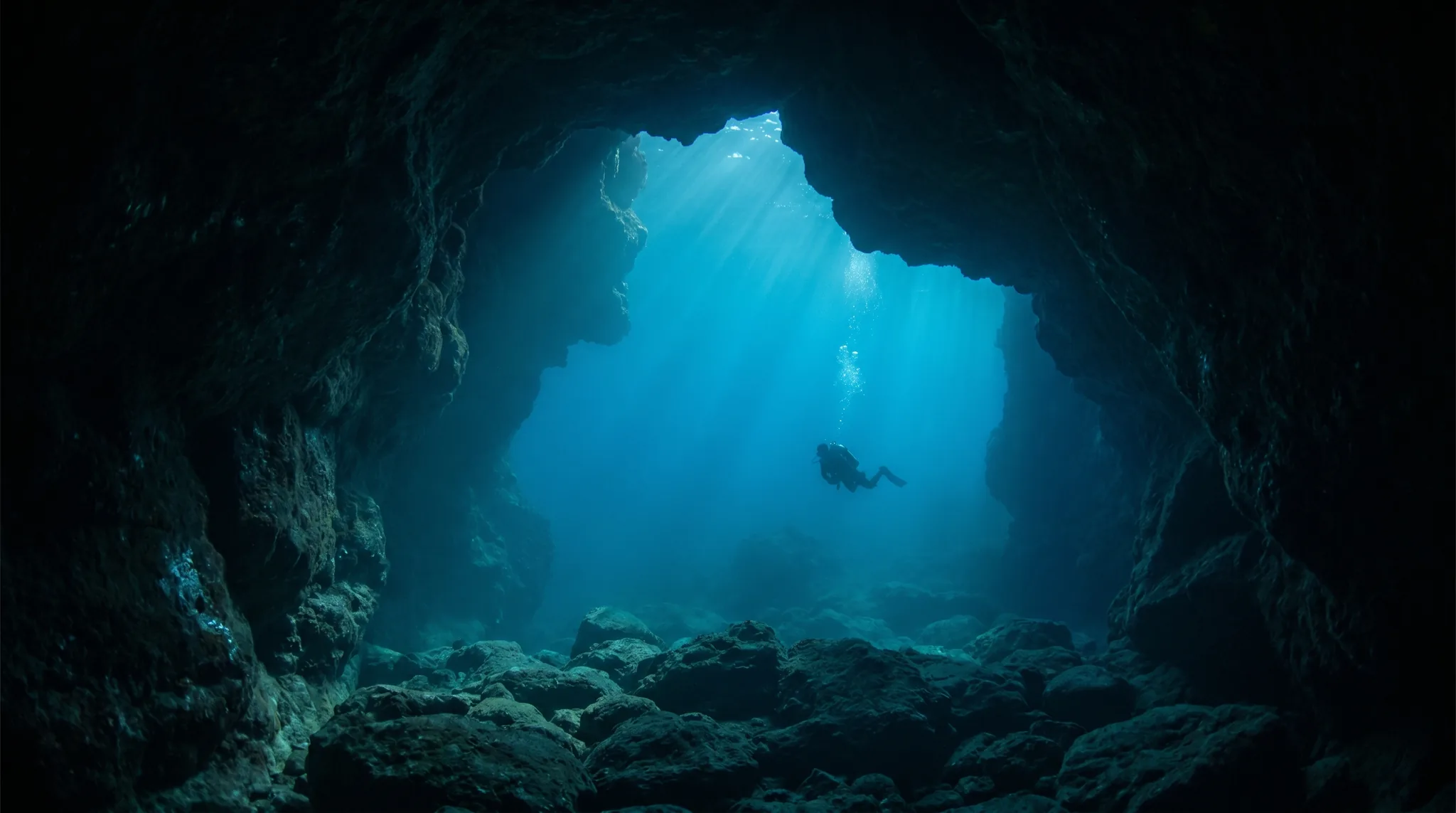 11
11Walls, caves and reef habitats off Martinique, with consistent sightings of angelfish, moray eels and sea turtles across sites suited mainly to beginners.
Monthly water temperature across Les Anses-d'Arlet's sites, from satellite sea-surface data corrected for depth. The band shows the site-to-site spread.
Water stays warm throughout the year, rising to its peak between September and November before easing back through the cooler early months. Conditions are most favoured by divers in December and again in spring, when visibility tends to be at its best. Cap Salomon's exposed walls can carry current, so drift conditions at advanced sites are worth factoring into your planning.
37 operators
Water temperature around Les Anses-d'Arlet ranges from about 27°C in January to 30°C in September, based on satellite sea-temperature data for its dive sites.
With water around 27–30°C, a rash guard or 3mm shorty works in Les Anses-d'Arlet year-round.
Fin maps 28 sites in Les Anses-d'Arlet (26 scuba diving sites and 8 snorkelling spots, with some suited to both), organised into 2 areas.
Across Les Anses-d'Arlet's dive sites, February, March, April, May and December are most often reported as the best months to visit.
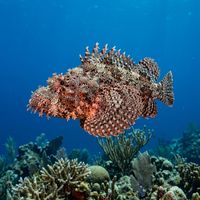
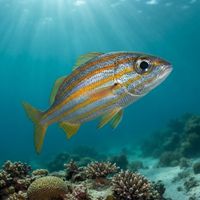
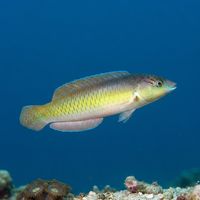
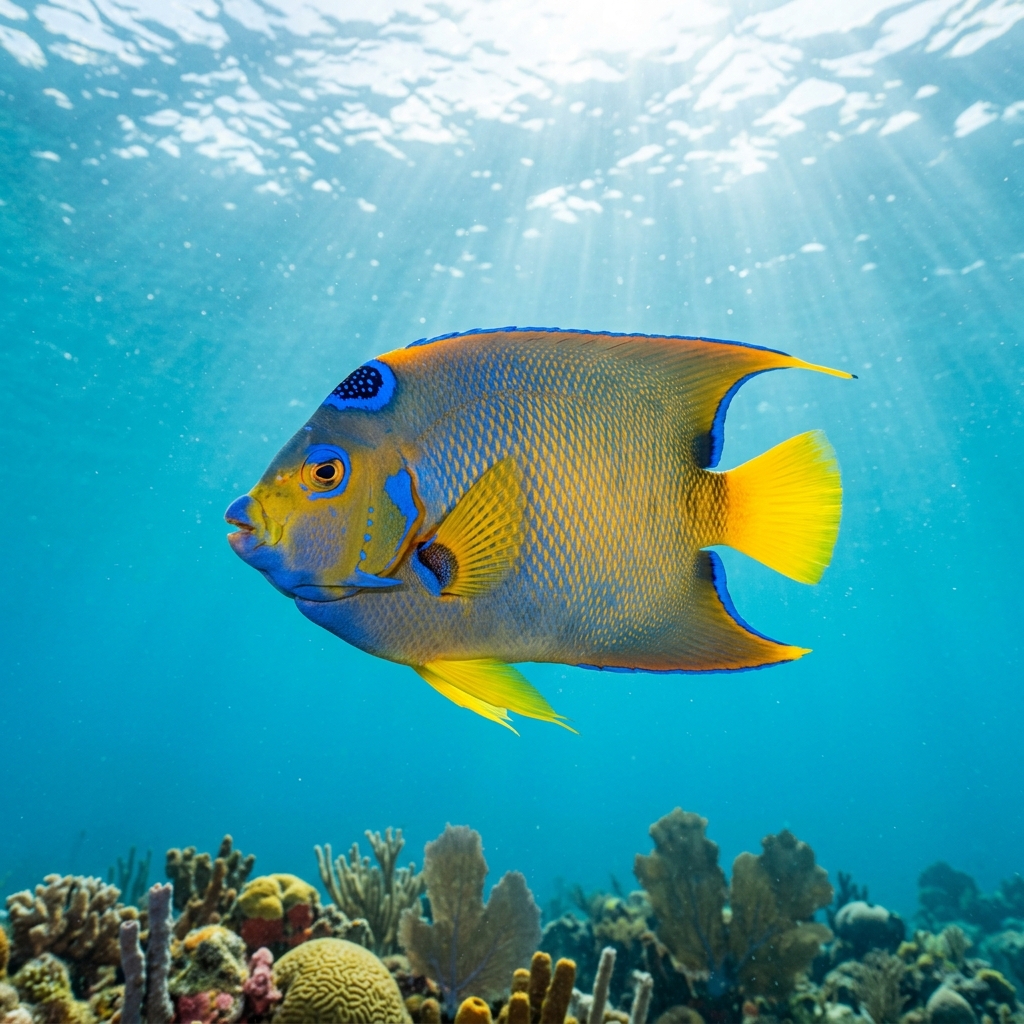
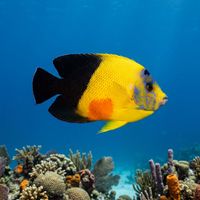
Wrasse and Grouper are present across virtually every site in the region. The Indian Lionfish is very commonly observed, as are Reef Squid, Snake Eel and Pacific Trumpetfish. Signature species include the French Angelfish, Queen Angelfish, Rock Beauty, Spotted Moray and Spotted Scorpionfish. Brazilian Reef Octopus and Caribbean Spiny Lobster also turn up with some regularity.
The majority of sites across both Pointe de Burgos and Cap Salomon are rated for beginners. Shallow reefs, seagrass beds and even the cave at Grotte aux Couleurs fall within beginner range. Advanced certification is required for deeper wall dives such as Grandes Jorasses and the wreck Le Nahoon, which sits in deeper water with stronger currents.
Pointe de Burgos holds the larger share of sites and includes the wreck at Le Nahoon, the artificial reef at Jardins de Salomon and more sheltered shallow spots like L'Anse Fortune. Cap Salomon tends toward deeper, more dramatic topography, with walls descending well beyond recreational limits at sites like L'Arche and Grandes Jorasses, plus the swim-through cave at Grotte aux Couleurs.