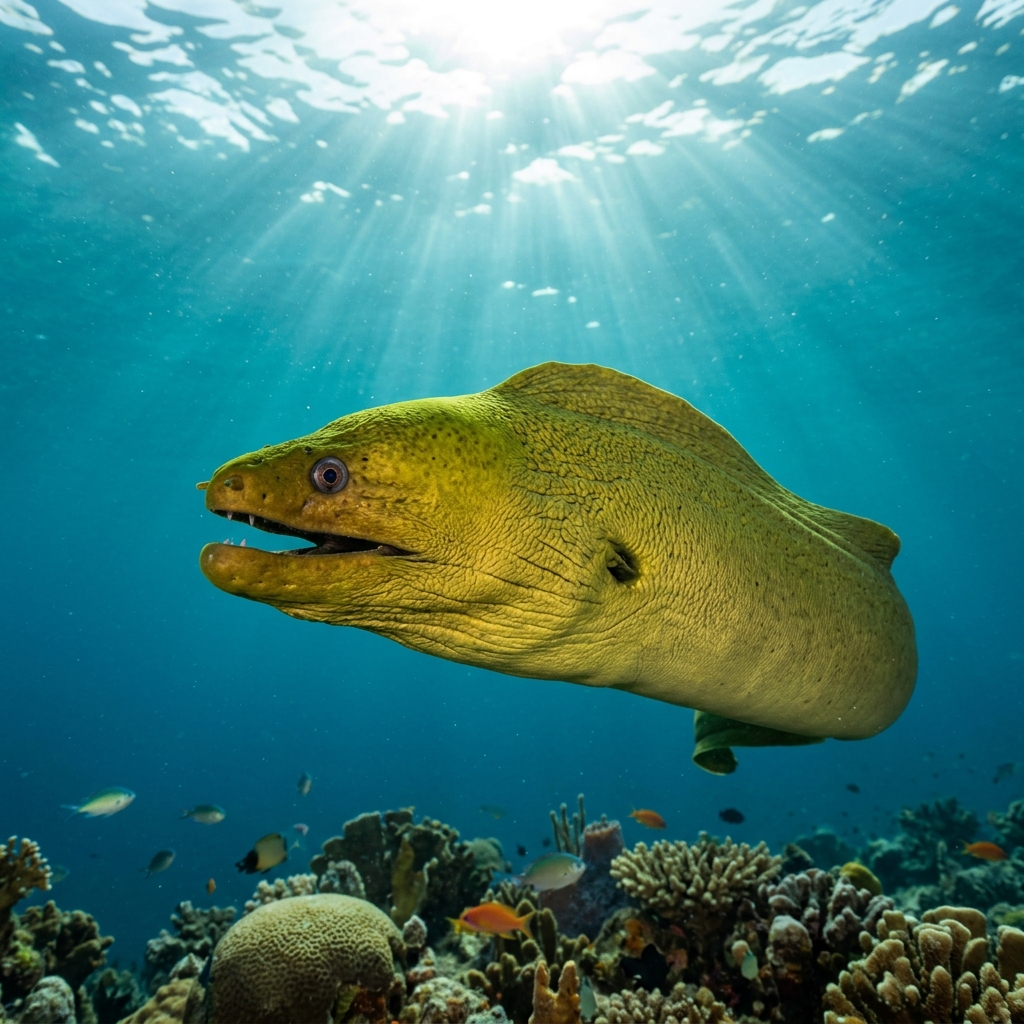
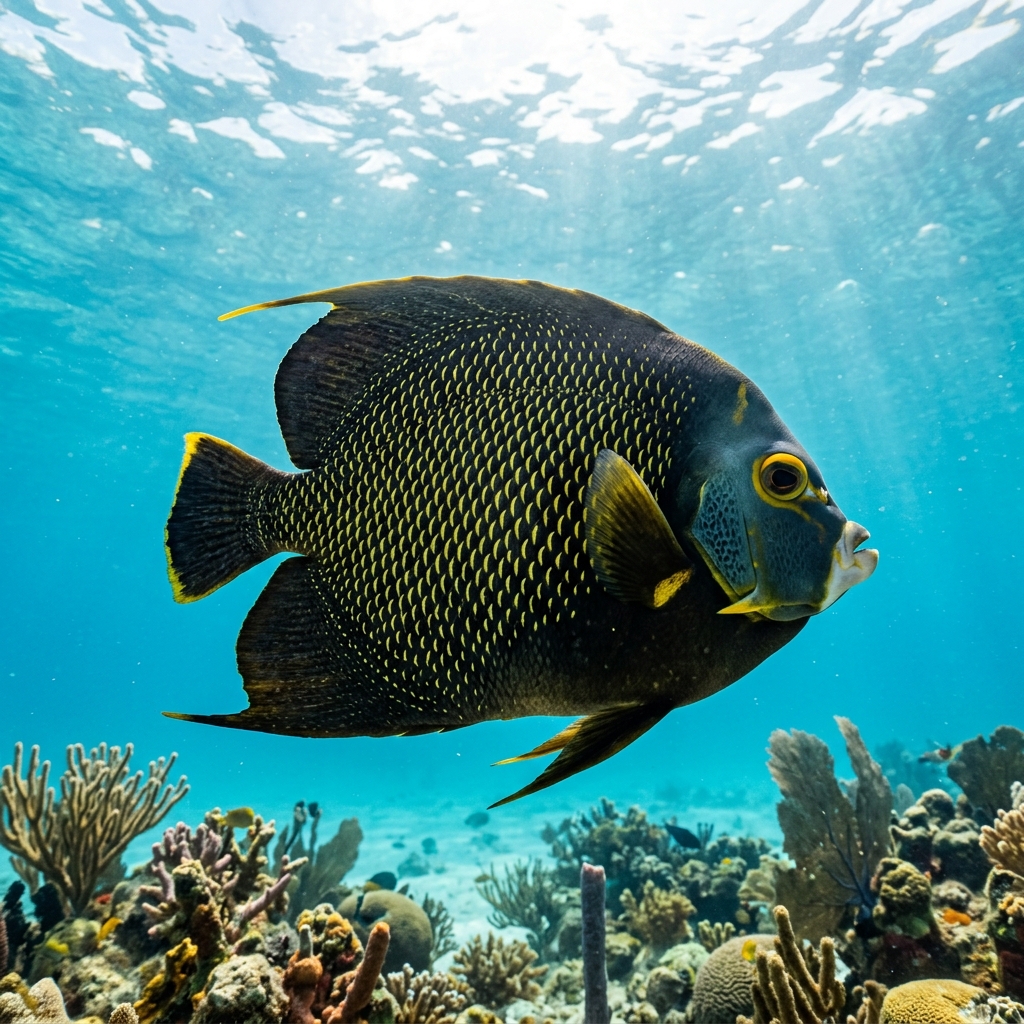
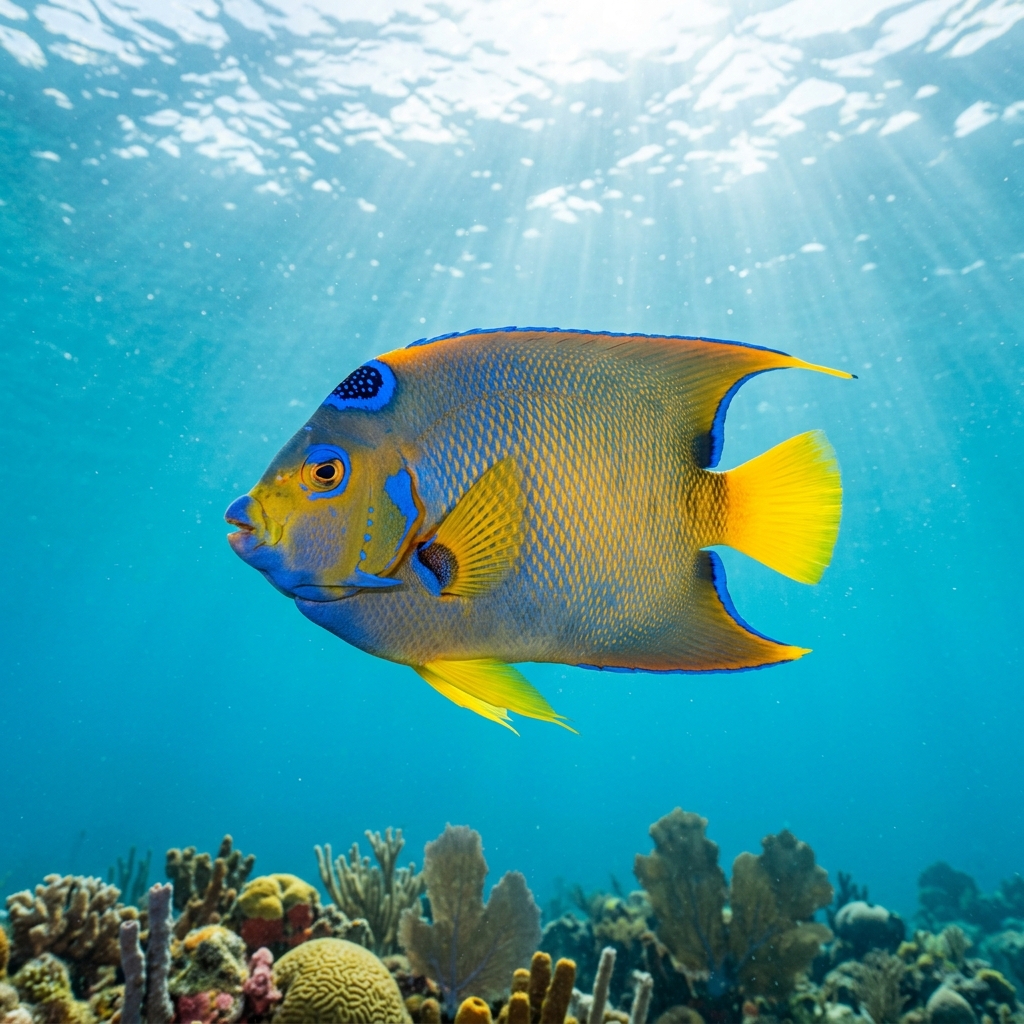
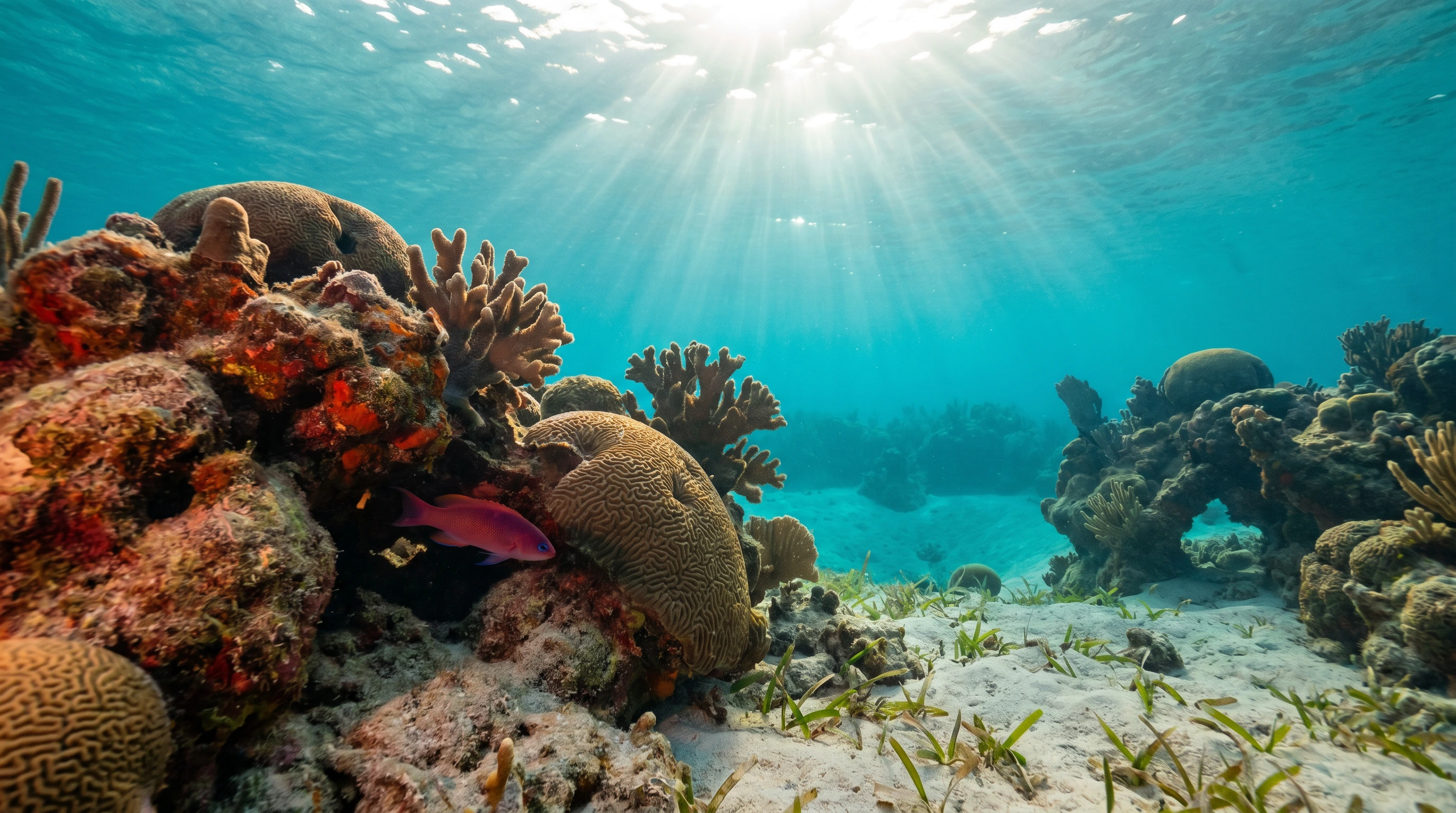
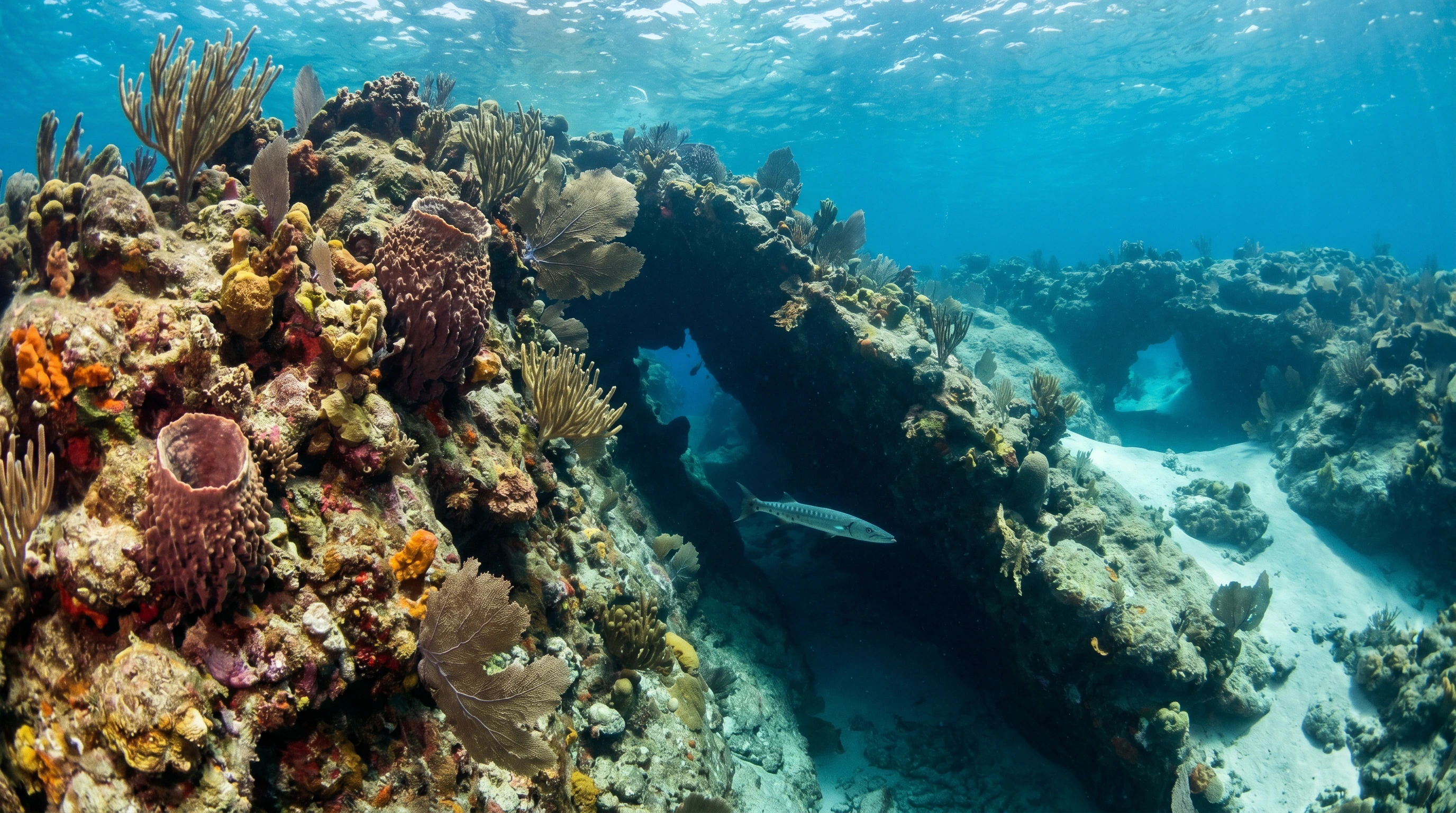
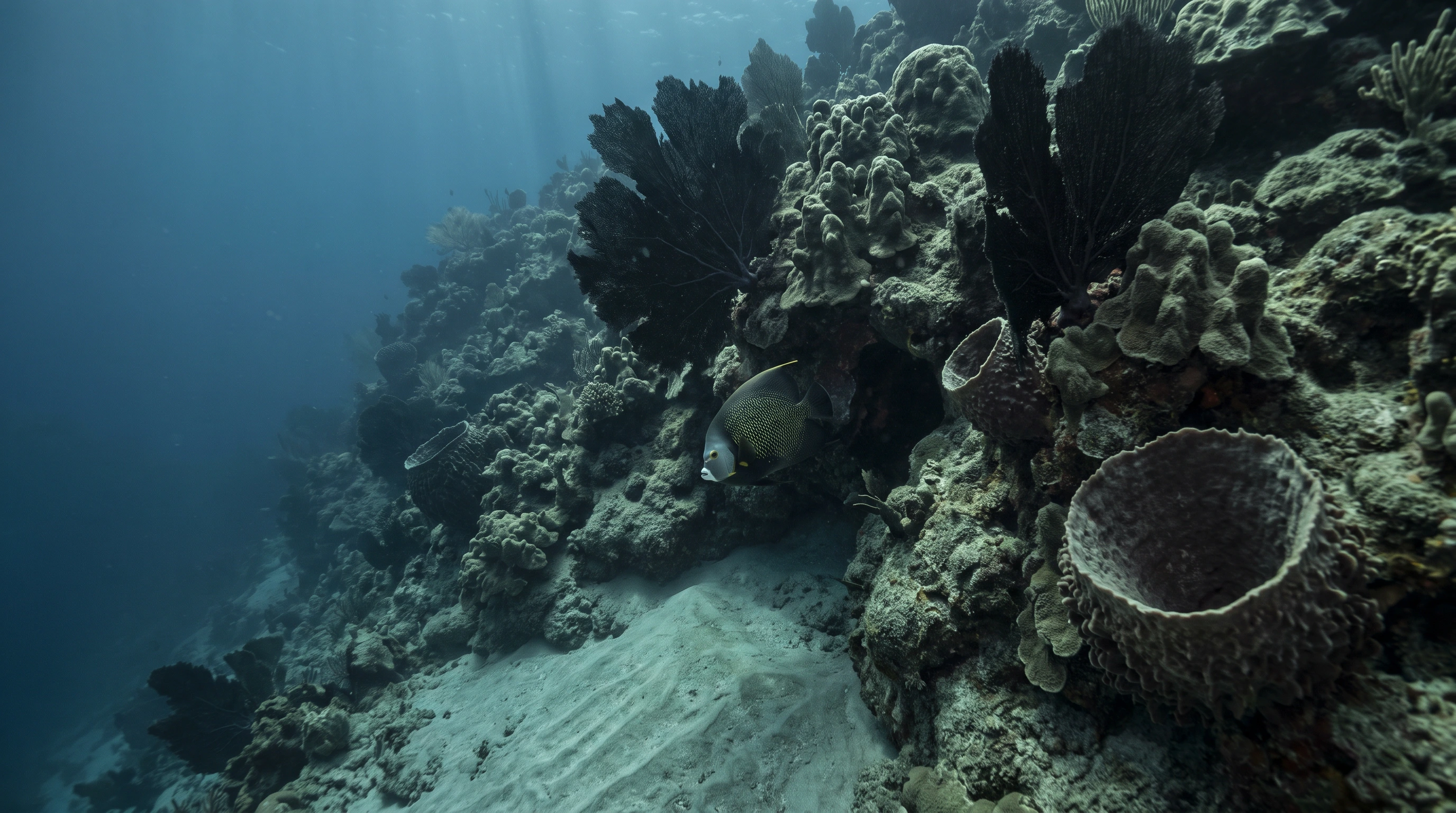
West End and West Bay pack a remarkable variety of terrain into a compact stretch of Roatán coastline. Reefs drop into walls, open into canyons, and lead through cavern systems, while seagrass beds and artificial structures add further texture. The majority of sites suit beginners, with boat access dominating and a handful of shore entries offering immediate immersion. A rich fish community anchors every dive, with Green Moray, French Angelfish, and Great Barracuda observed consistently across the area.

Monthly water temperature across West End & West Bay's sites, from satellite sea-surface data corrected for depth. The band shows the site-to-site spread.
Water stays warm year-round, rising to its peak through the later summer months and easing slightly in the cooler months from November through February. Conditions favour diving from late winter through late summer, with March and August seeing the strongest demand. Drift potential at several wall and canyon sites means current awareness is worthwhile, particularly for intermediate divers exploring sites like Gibson Bites or Pablo's Place.
68 operators


47 more sites to explore
Water temperature around West End & West Bay ranges from about 27°C in January to 30°C in August, based on satellite sea-temperature data for its dive sites.
With water around 27–30°C, a rash guard or 3mm shorty works in West End & West Bay year-round.
Fin maps 59 sites in West End & West Bay (57 scuba diving sites and 14 snorkelling spots, with some suited to both).
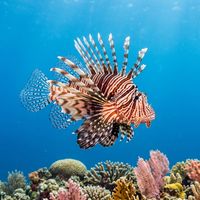
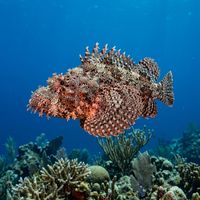
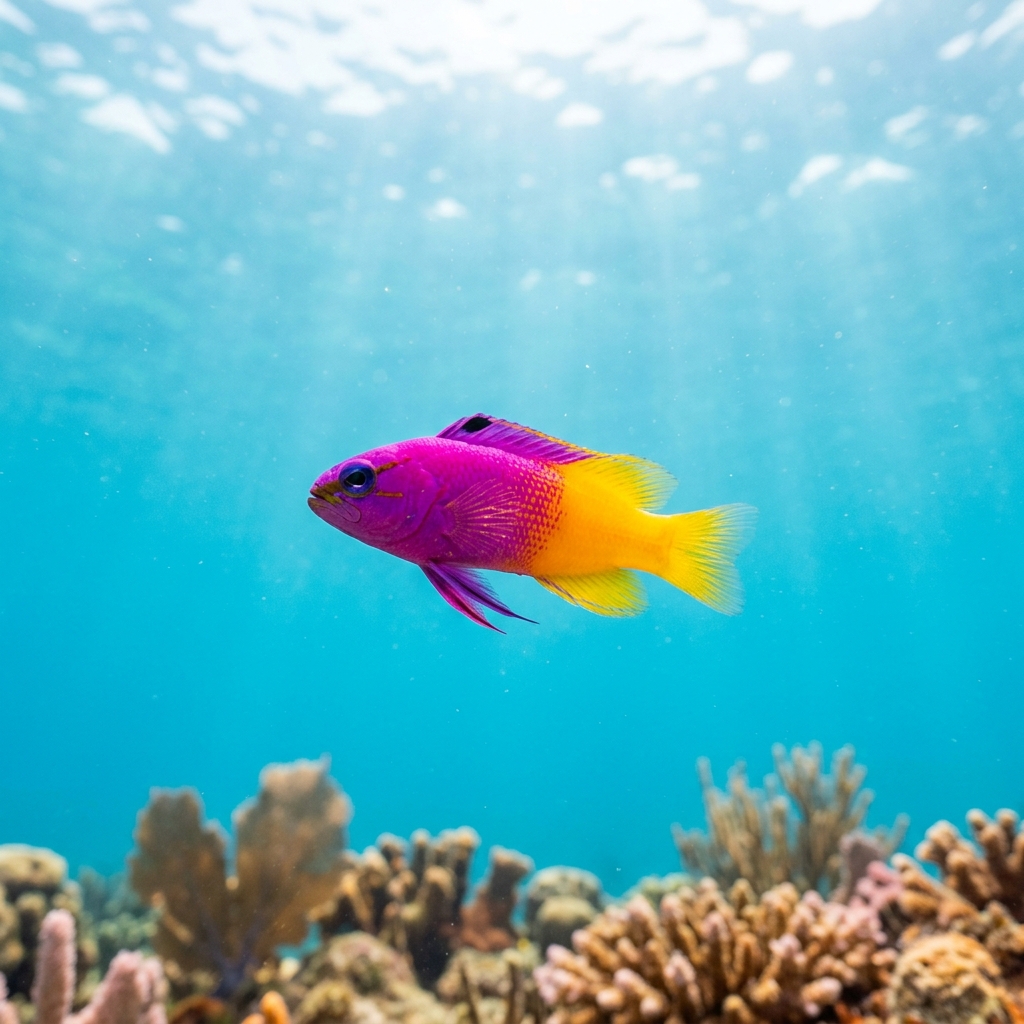
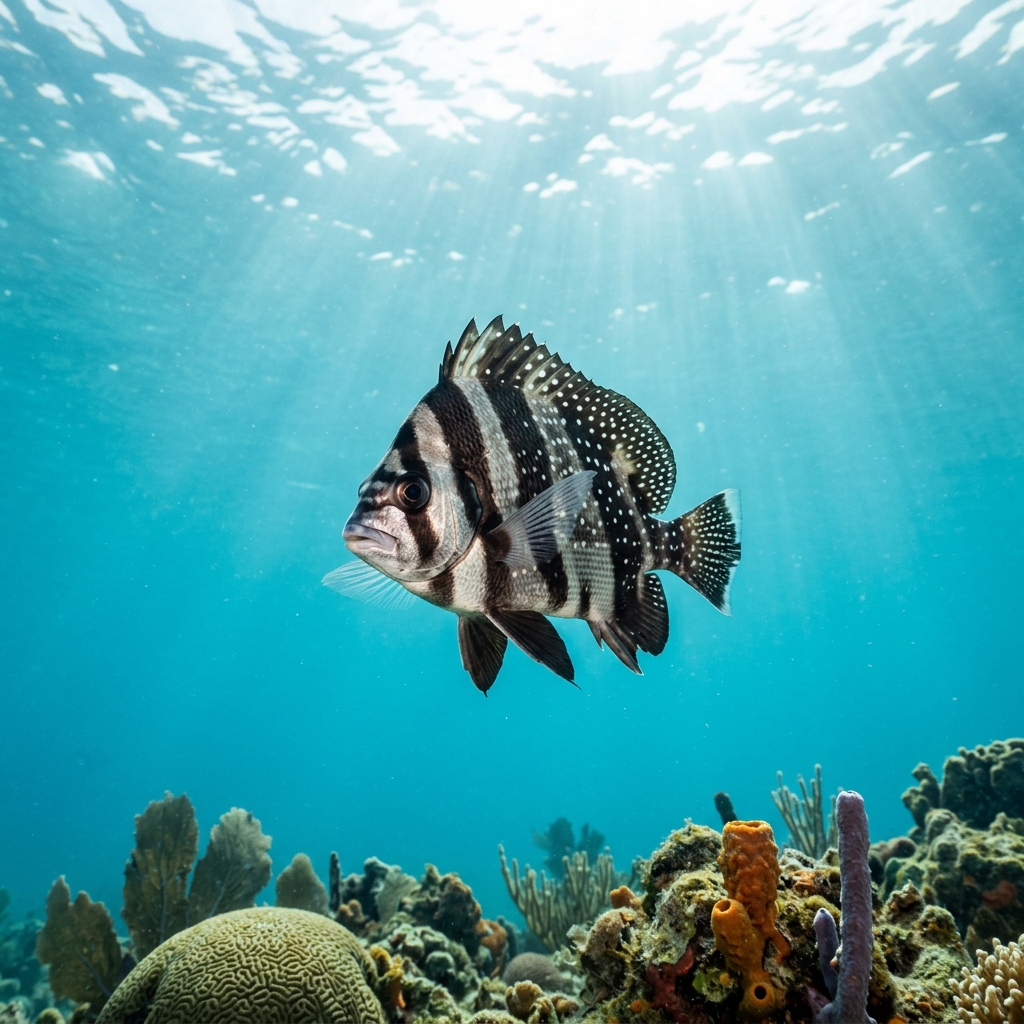
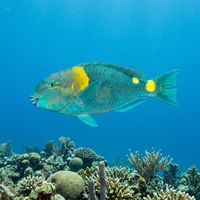
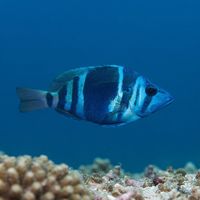
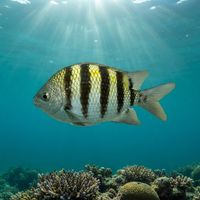
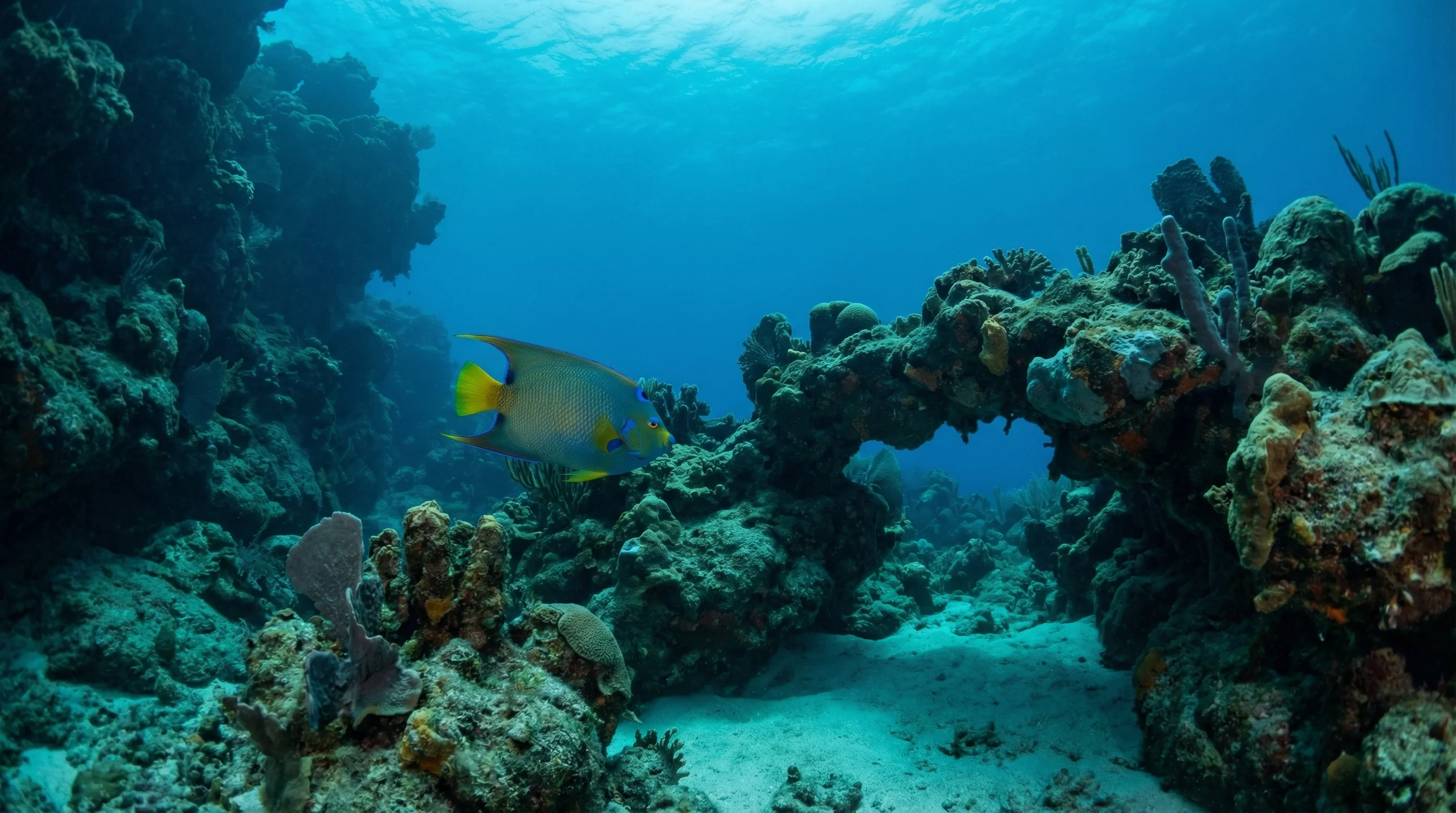
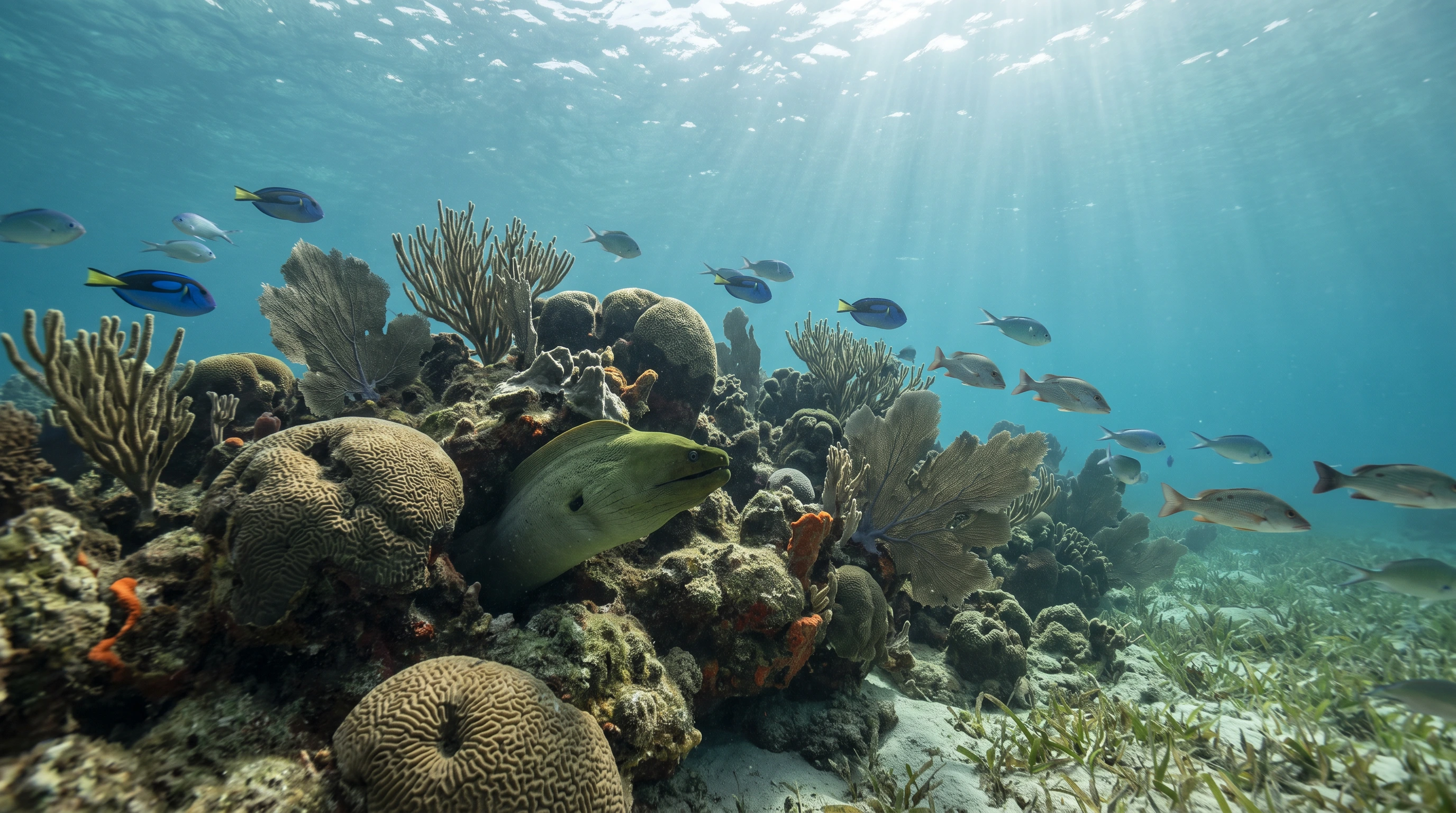
The area has a well-documented and diverse fish community. Green Moray, French Angelfish, Queen Angelfish, and Great Barracuda are among the most consistently observed species. Spotted Scorpionfish, Fairy Basslet, Spotted Drum, and Indian Lionfish reward attentive divers, while Stoplight Parrotfish and Blue Tang are present on virtually every reef. Caribbean Spiny Lobster and Arrow Crab are frequently found tucked into cavern systems.
The majority of sites here are rated for beginners, including the popular West Bay shore entry, Front Porch, and several shallow reef sites accessible by boat. Many reefs start at very shallow depths, giving new divers a comfortable environment to develop buoyancy. Intermediate sites such as Gibson Bites and Pablo's Place are available for those ready to handle drift conditions and greater depth.
Boat access is the most common way to reach sites in this area, and a large number of operators are based locally to facilitate this. Shore diving is also possible at select sites, with West Bay being the most notable shore-entry option and Front Porch offering another accessible starting point. Having both options means flexibility even without booking a full boat trip.
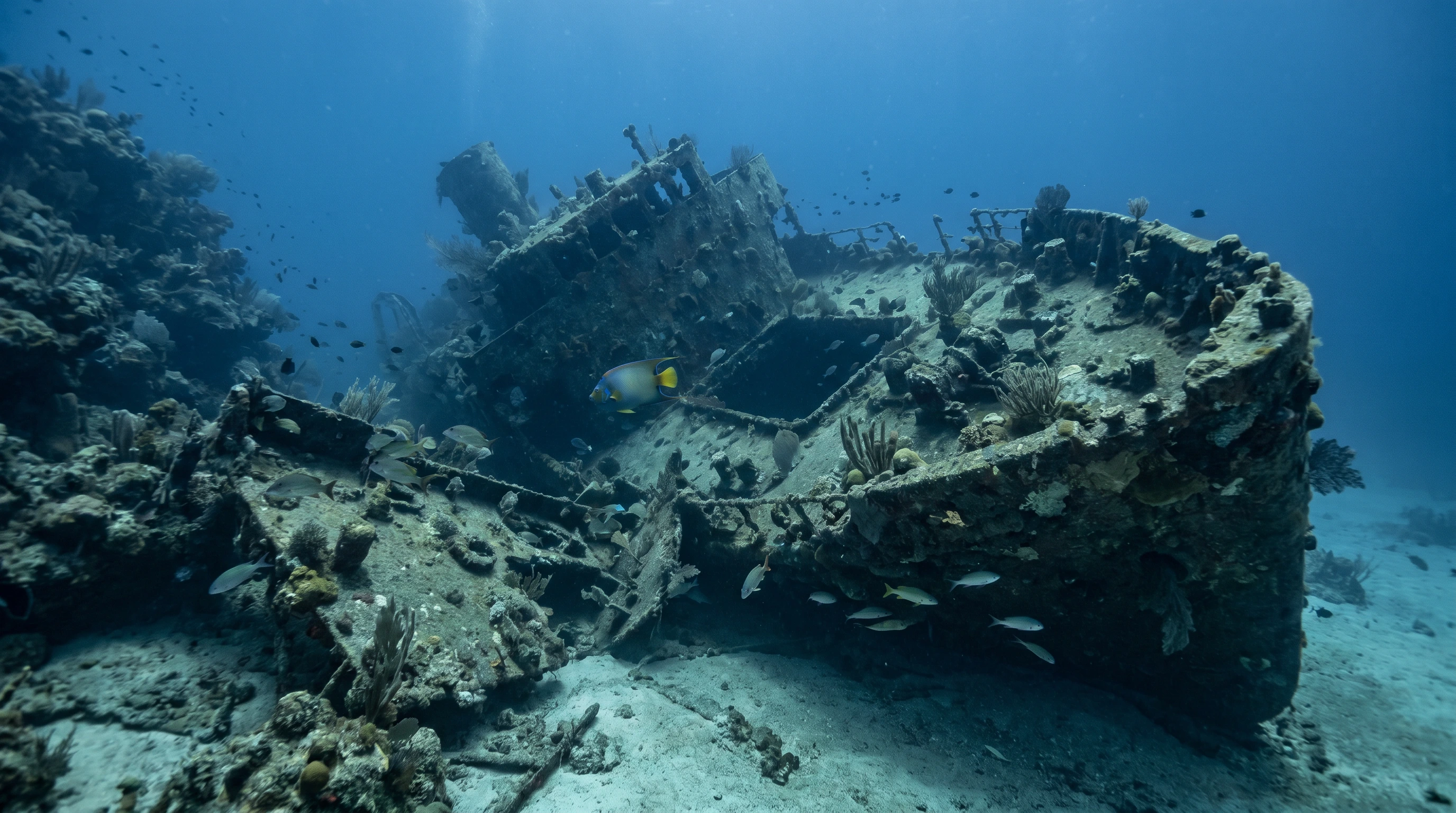
Yes. El Aguila is a cargo ship that was purposefully sunk and now rests as an artificial reef, making it a structured wreck dive suited to intermediate divers. For those with technical qualifications, the Josie J is a twin-engine shipwreck lying at considerable depth on a sand bed and represents one of the more demanding sites in the area. Both are reached by boat.