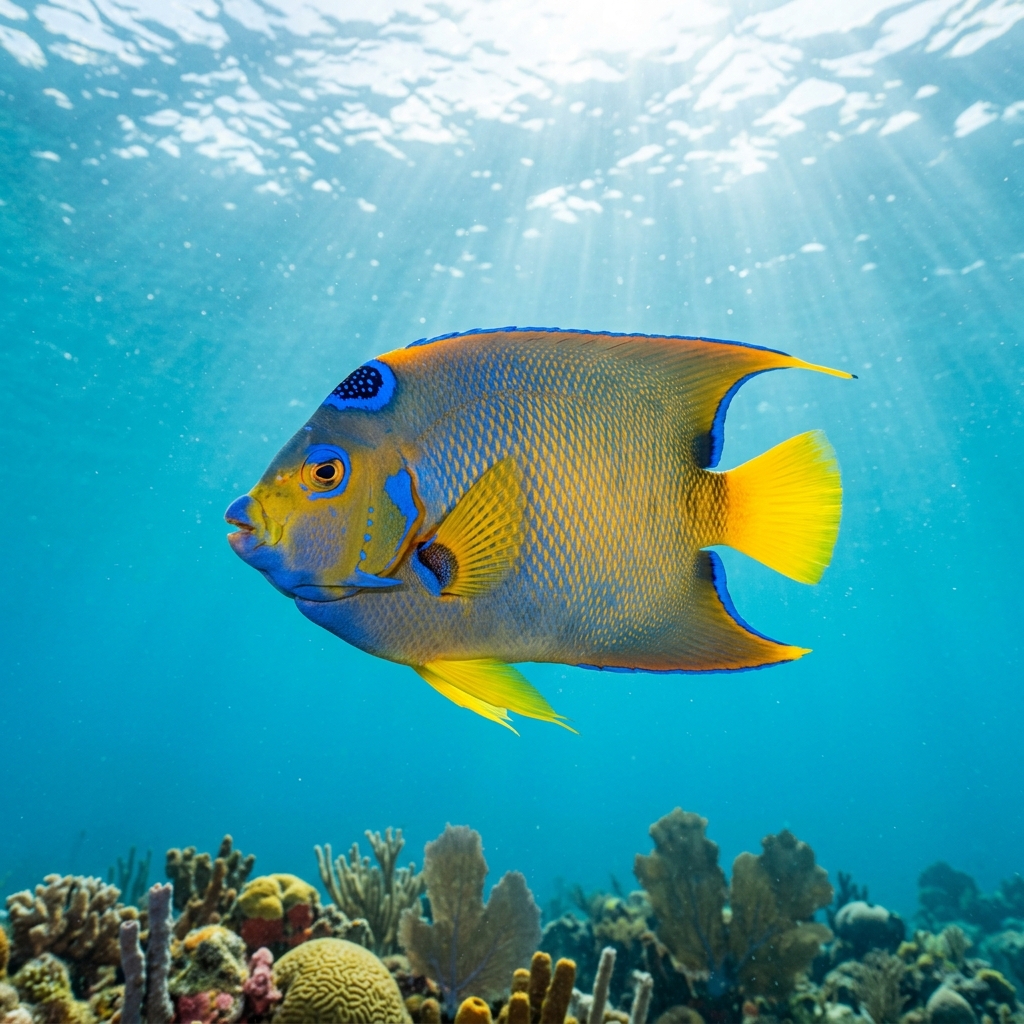
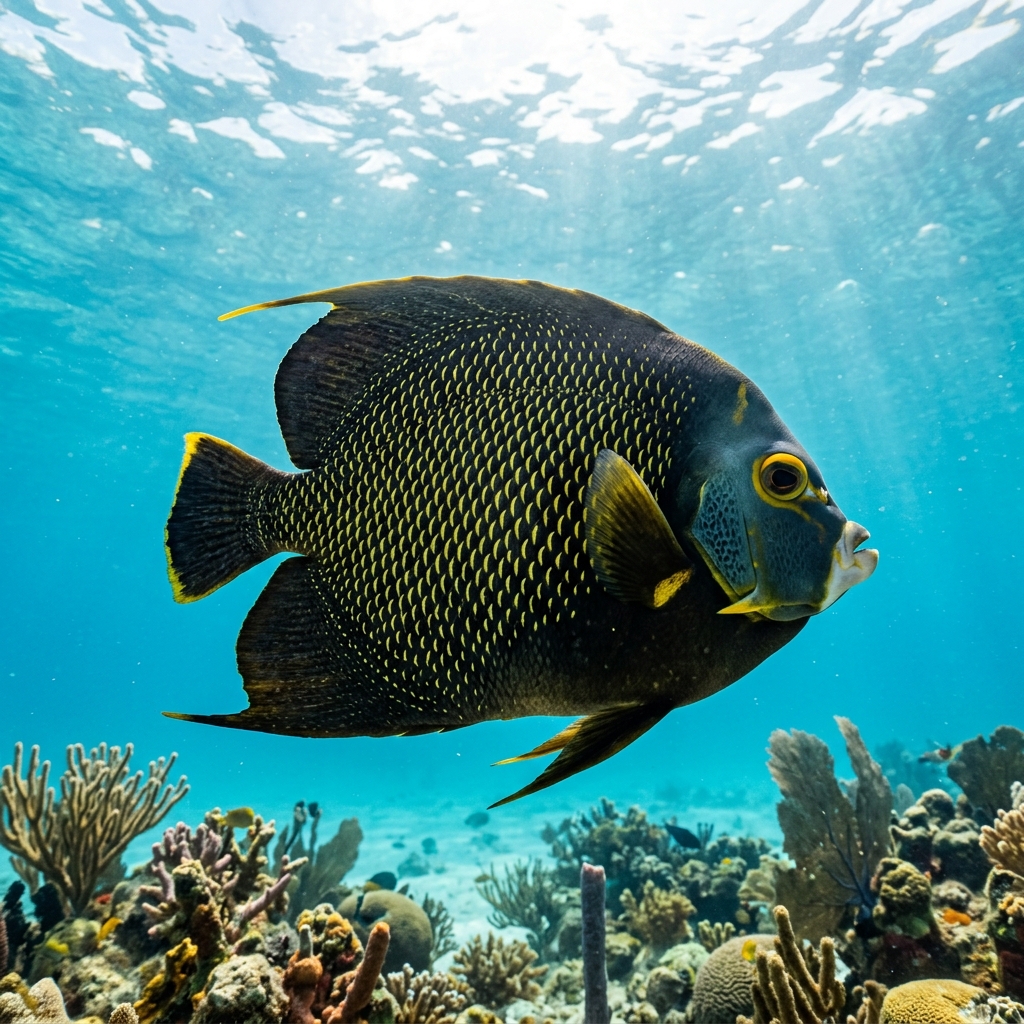
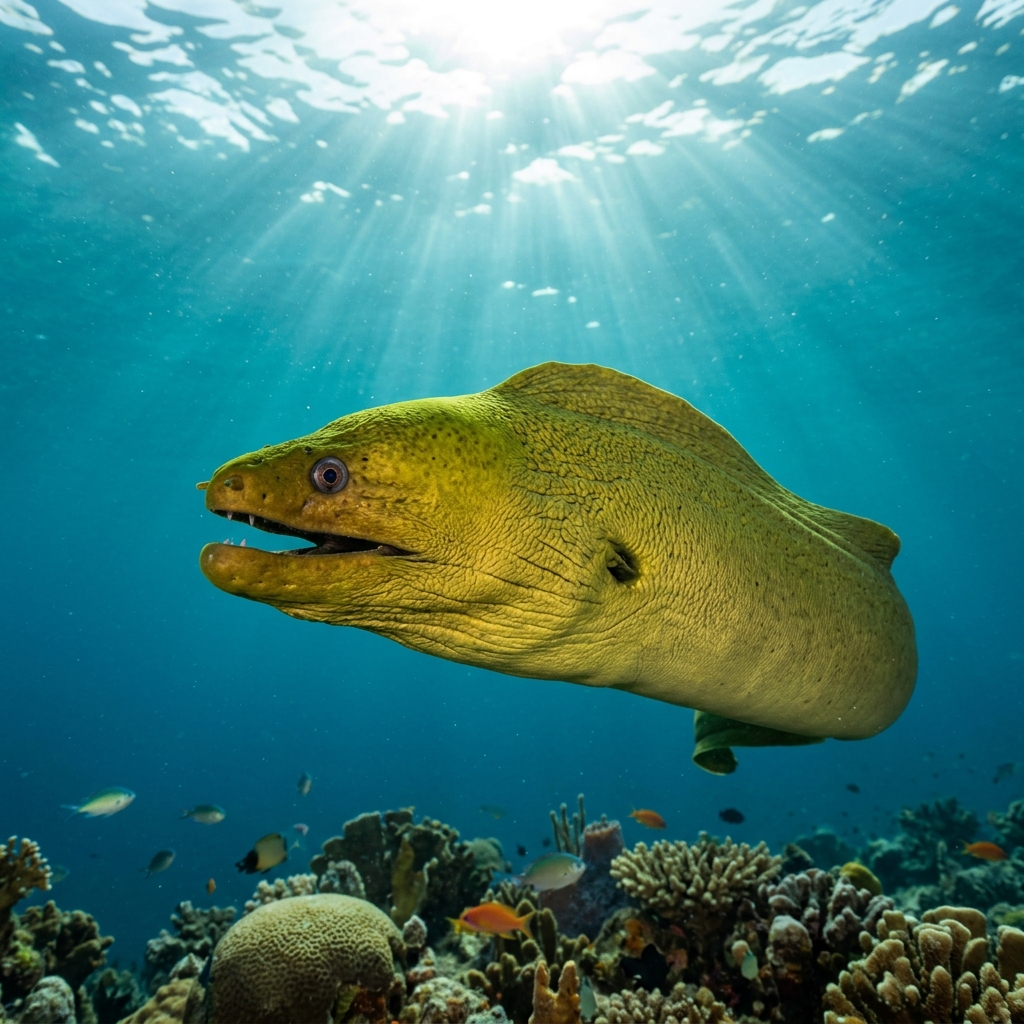
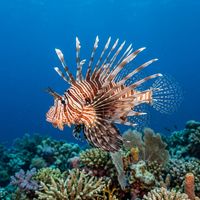
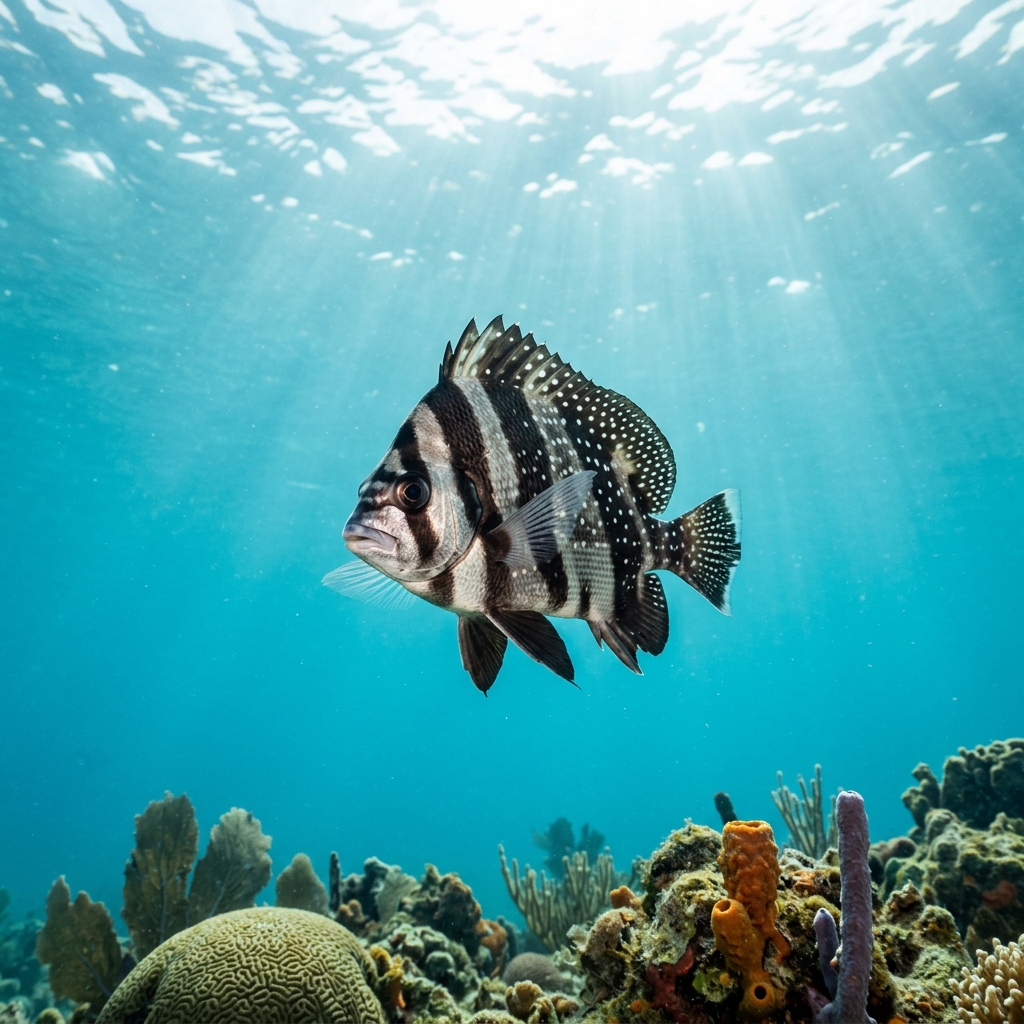
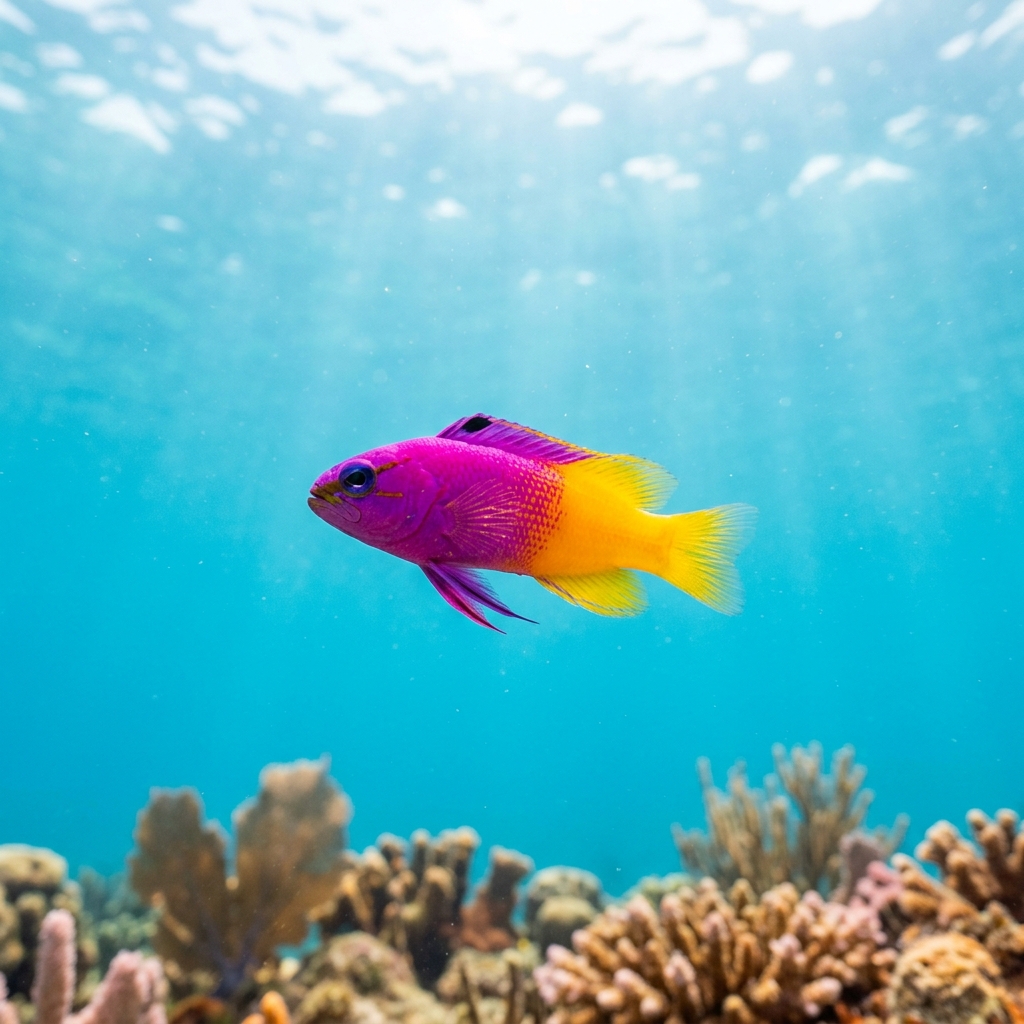
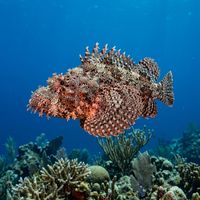
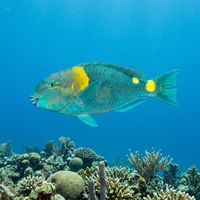
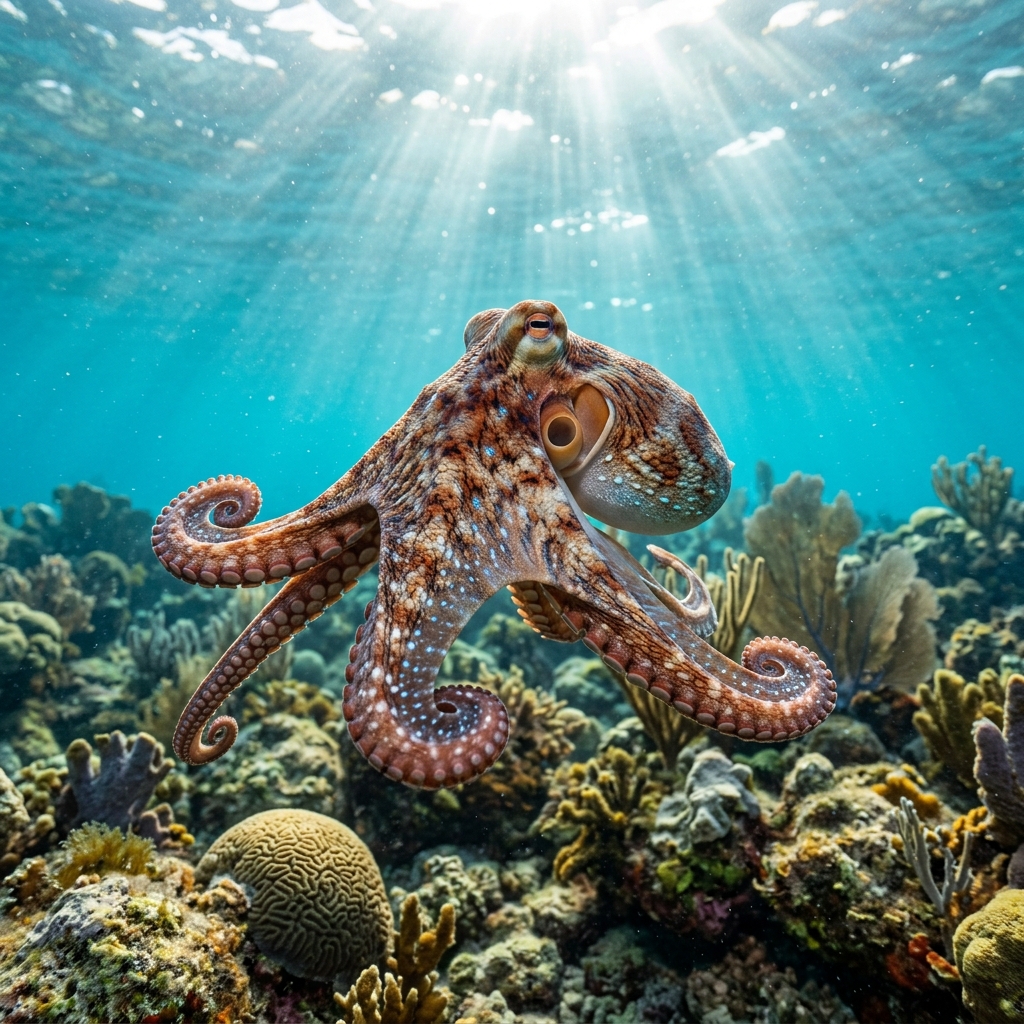
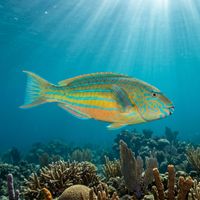
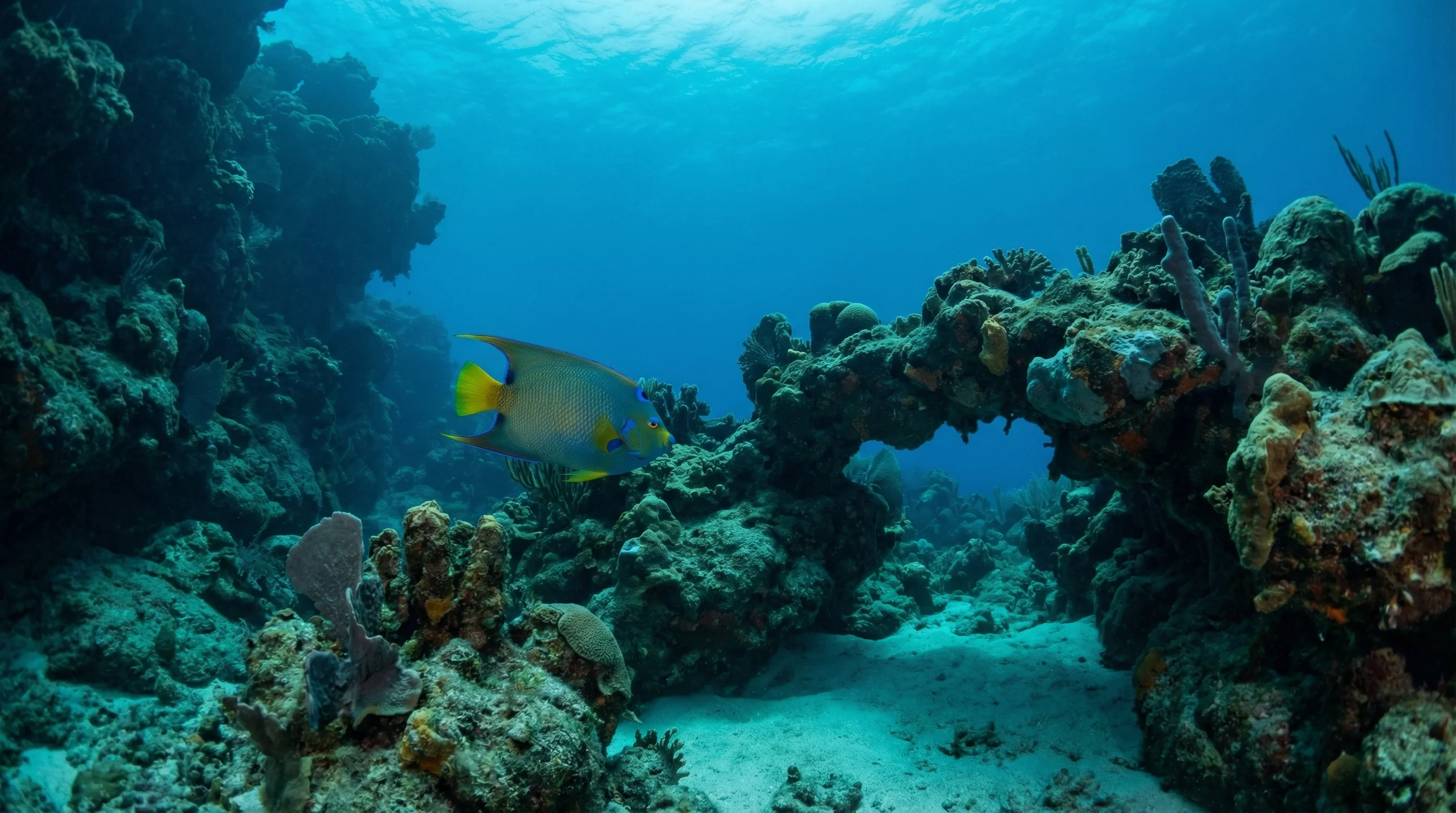
The Bay Islands of Honduras span four distinct sub-areas: Roatán, Utila, Guanaja, and Cayos Cochinos. Roatán holds the largest share of sites, ranging from shallow caverns and canyon systems at West Bay to wreck diving at El Aguila. Utila offers a substantial catalogue of its own, while Guanaja and Cayos Cochinos remain quieter destinations. Reef structures dominate across all areas, with walls and drop-offs adding depth variety. The species list is extensive: Queen Angelfish, French Angelfish, Great Barracuda, and Green Moray are consistently observed, alongside Caribbean Reef Octopus and Spotted Scorpionfish. Most sites suit beginners, with intermediate options available for those seeking caves and drift diving.
4 areas
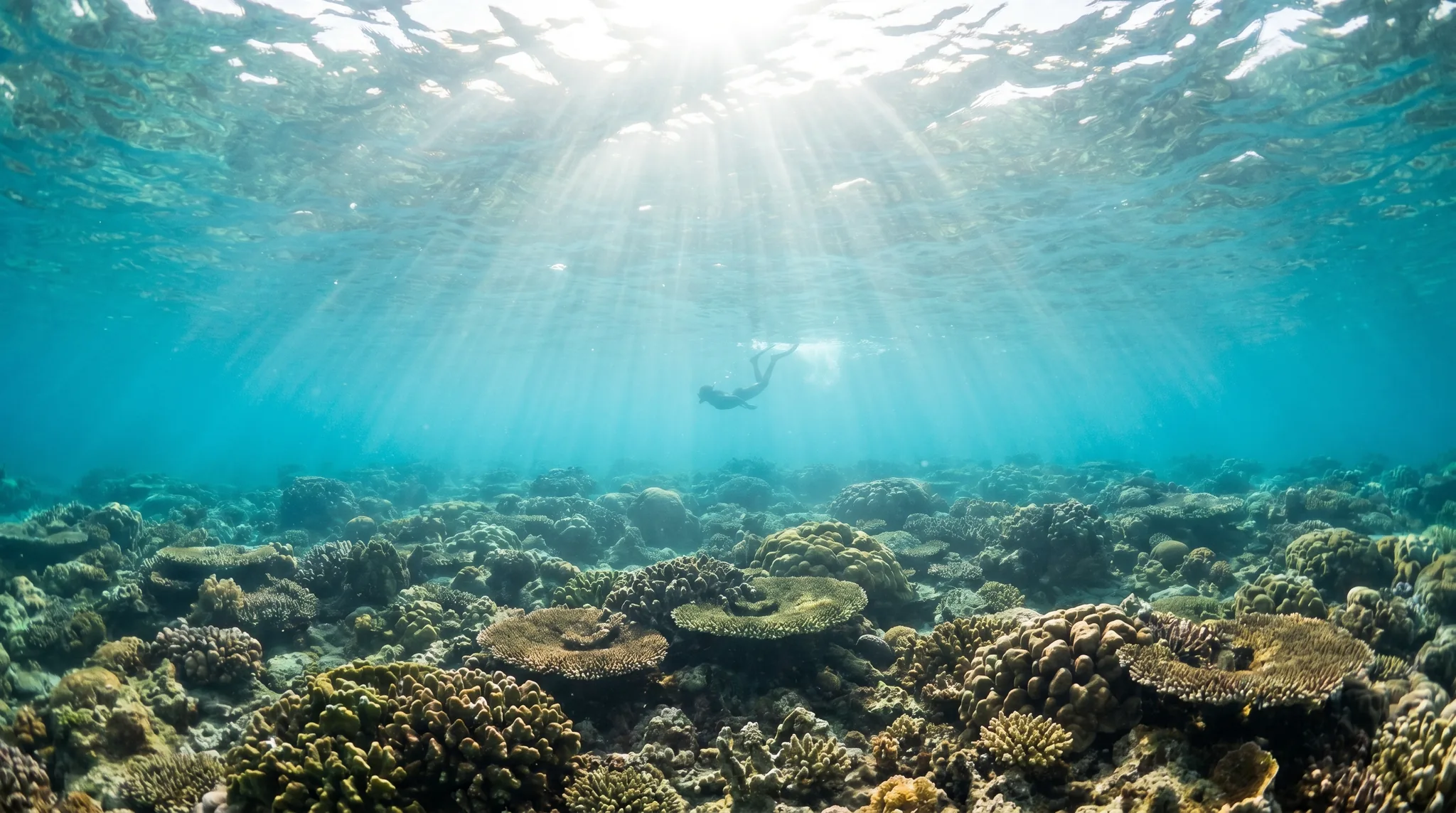
99Reef, wall and wreck diving with abundant angelfish, moray eels and barracuda, plus easy shore snorkelling at West Bay.
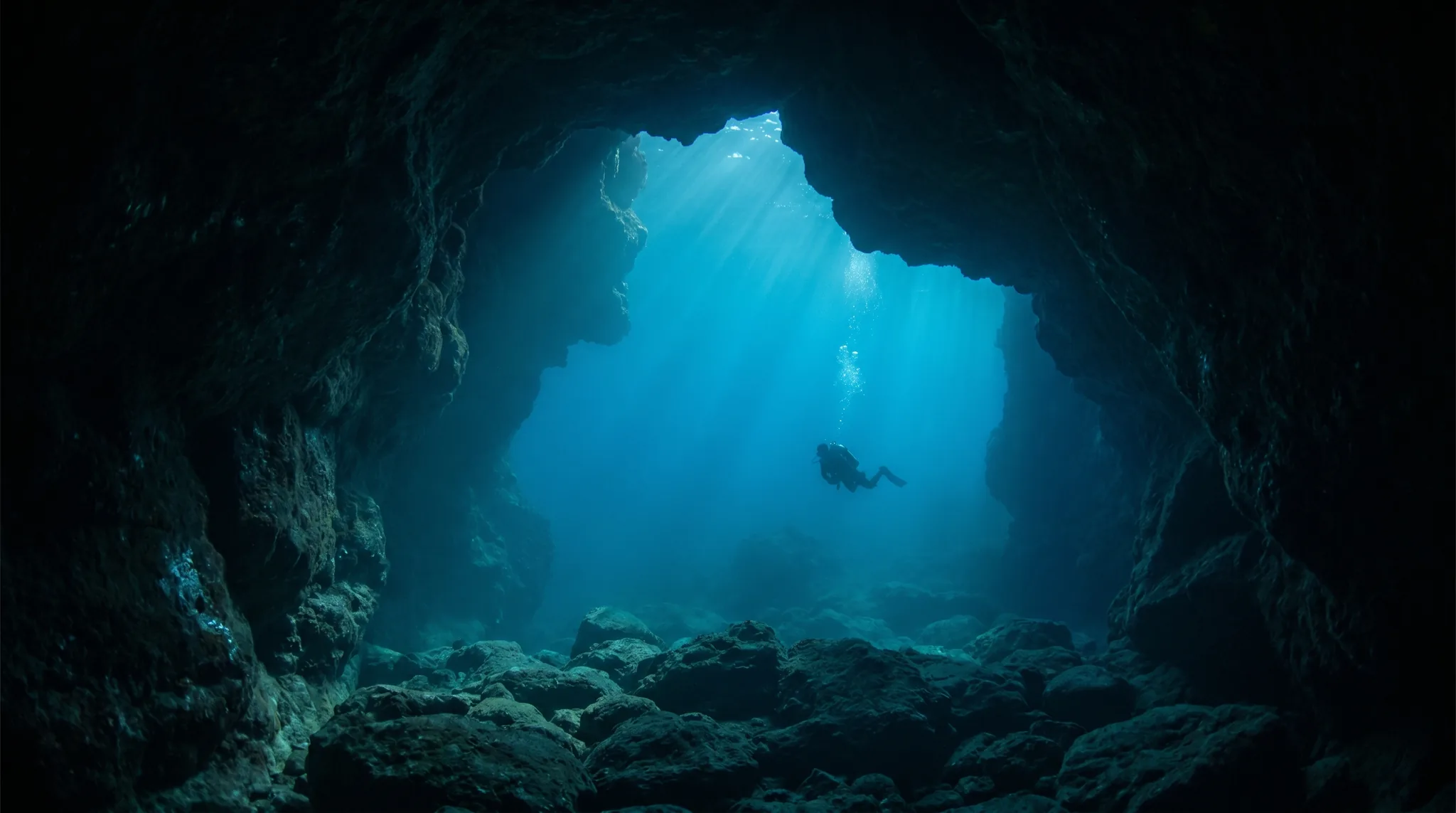
54Reef walls, caves and consistent Whale Shark encounters make Utila one of the Bay Islands' most compelling dive destinations.
 8
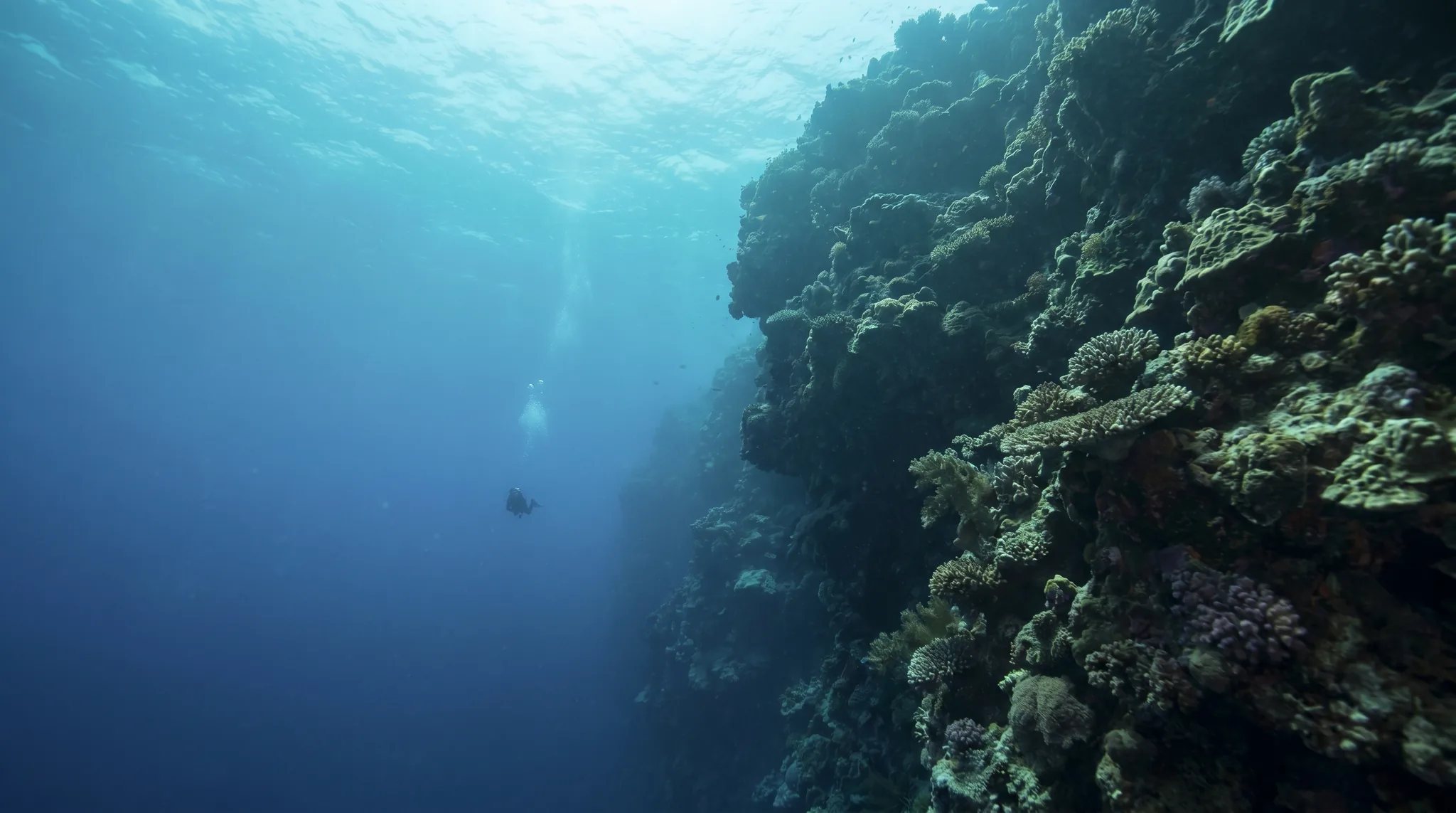
8Remote Bay Islands reef with pinnacles, walls, and caves inside a protected marine park, hosting sharks, turtles, and diverse Caribbean reef life.
7Monthly water temperature across Bay Islands's sites, from satellite sea-surface data corrected for depth. The band shows the site-to-site spread.
Water stays warm throughout the year, rising to its peak between August and October and holding comfortably even in the cooler months of January through March. The best-months data points to March and April as the prime window, likely reflecting calmer surface conditions and strong visibility. Exposed sites on Roatán can carry current, which suits intermediate divers seeking drift experiences at sites like Joshua Swash, while the majority of reef sites remain sheltered and accessible year-round.
105 operators




Water temperature around Bay Islands ranges from about 27°C in January to 30°C in August, based on satellite sea-temperature data for its dive sites.
With water around 27–30°C, a rash guard or 3mm shorty works in Bay Islands year-round.
Fin maps 168 sites in Bay Islands (152 scuba diving sites and 28 snorkelling spots, with some suited to both), organised into 4 areas.
Across Bay Islands's dive sites, March, April, May, June and September are most often reported as the best months to visit.
The Bay Islands have a well-documented species list built from consistent observations. Queen Angelfish and French Angelfish are seen at the vast majority of sites, while Great Barracuda, Green Moray, and Spotted Scorpionfish are also very frequently encountered. Caribbean Reef Octopus, Caribbean Spiny Lobster, and Indian Lionfish round out the signature species, and Groupers are present across nearly all reef sites.
The majority of dive sites in the Bay Islands are rated for beginners, including popular sites such as Don Quickset, West Bay, Emma's Plummet, and Land of the Giants. Many of these are shallow reef dives accessible by boat, offering a gentle introduction to Caribbean reef diving. Intermediate sites do exist, including cave systems like Honeycomb Caves and drift sites like Joshua Swash, giving developing divers room to progress.
Roatán is the largest sub-area by site count and offers the greatest variety of site types, from walls and wrecks to caverns and seagrass beds. Utila has a substantial number of sites and is well served by dive operators including Utila Dive Centre. Guanaja and Cayos Cochinos each have a smaller selection of sites, making them quieter alternatives for those seeking less-visited reefs.
Both access types are available, though the majority of sites in the Bay Islands require boat access. West Bay and Honeycomb Caves are notable shore-entry options, with West Bay offering particularly easy access to a reef that begins at very shallow depth. Operators across Roatán and Utila, including Roatan Divers, West Bay Divers, and Coconut Tree Divers, run regular boat trips to the wider site network.