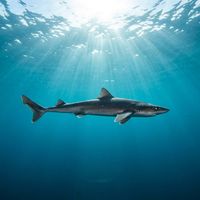
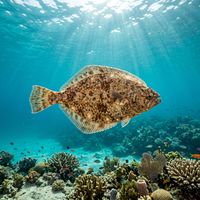
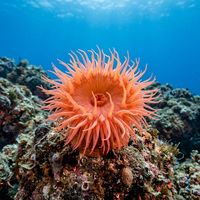
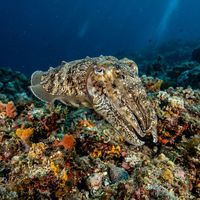
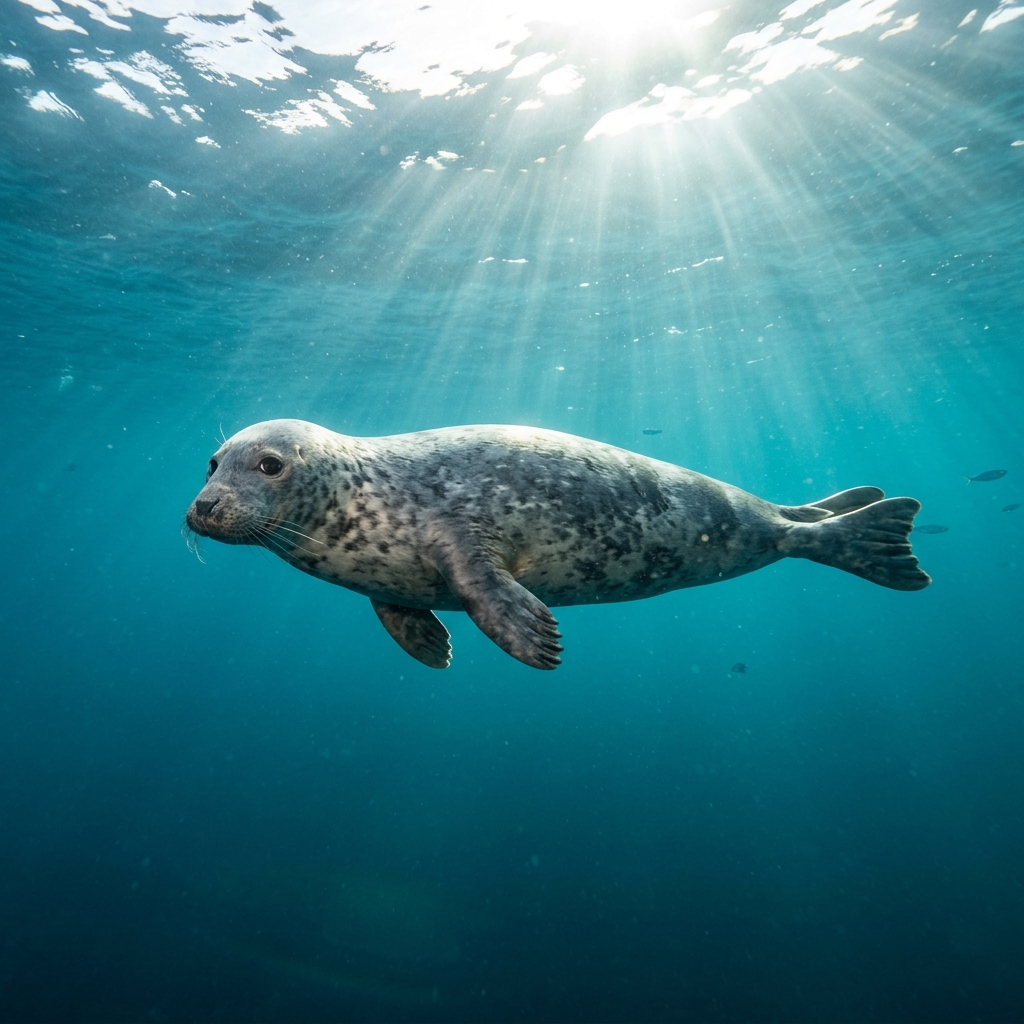
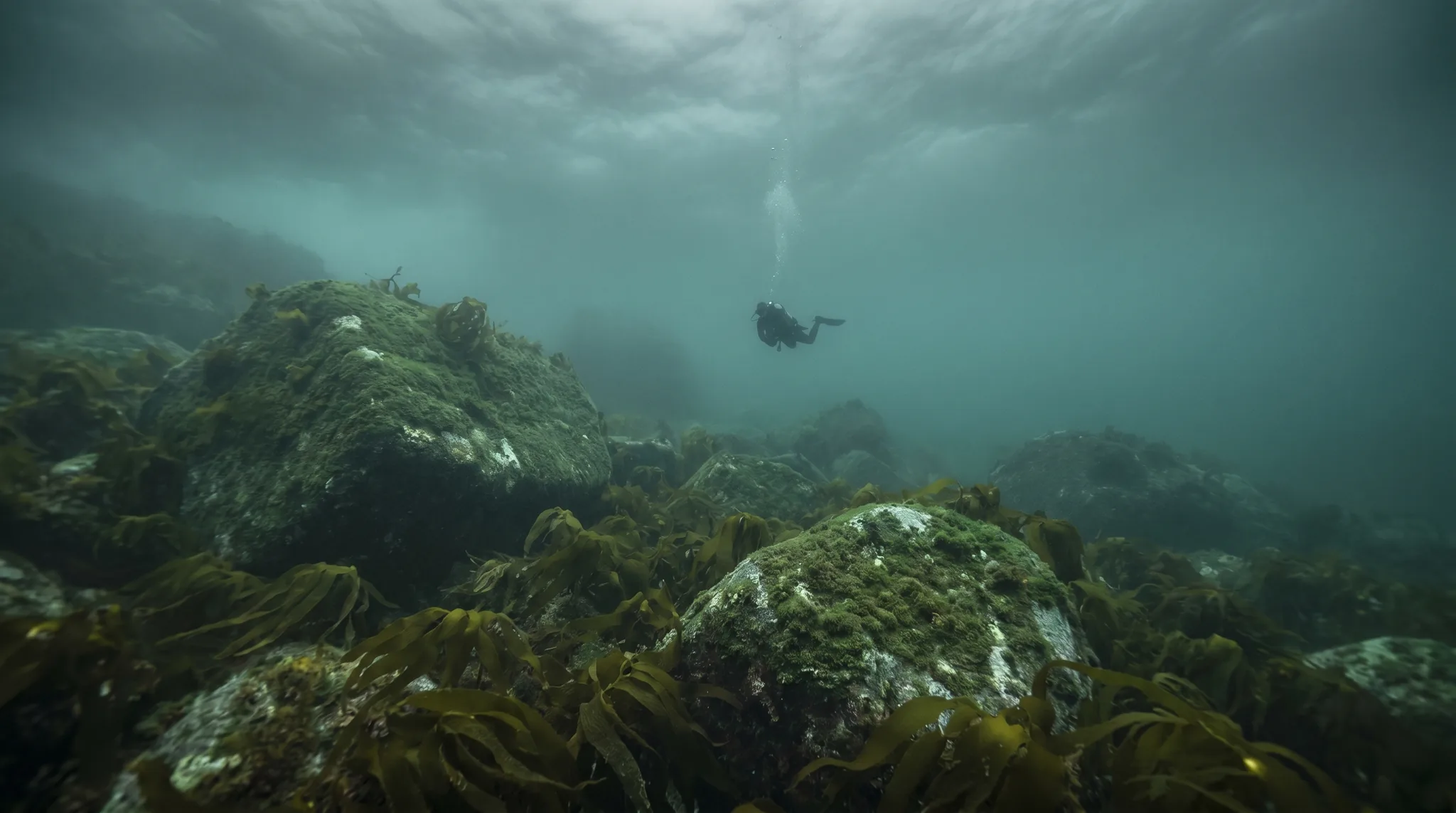
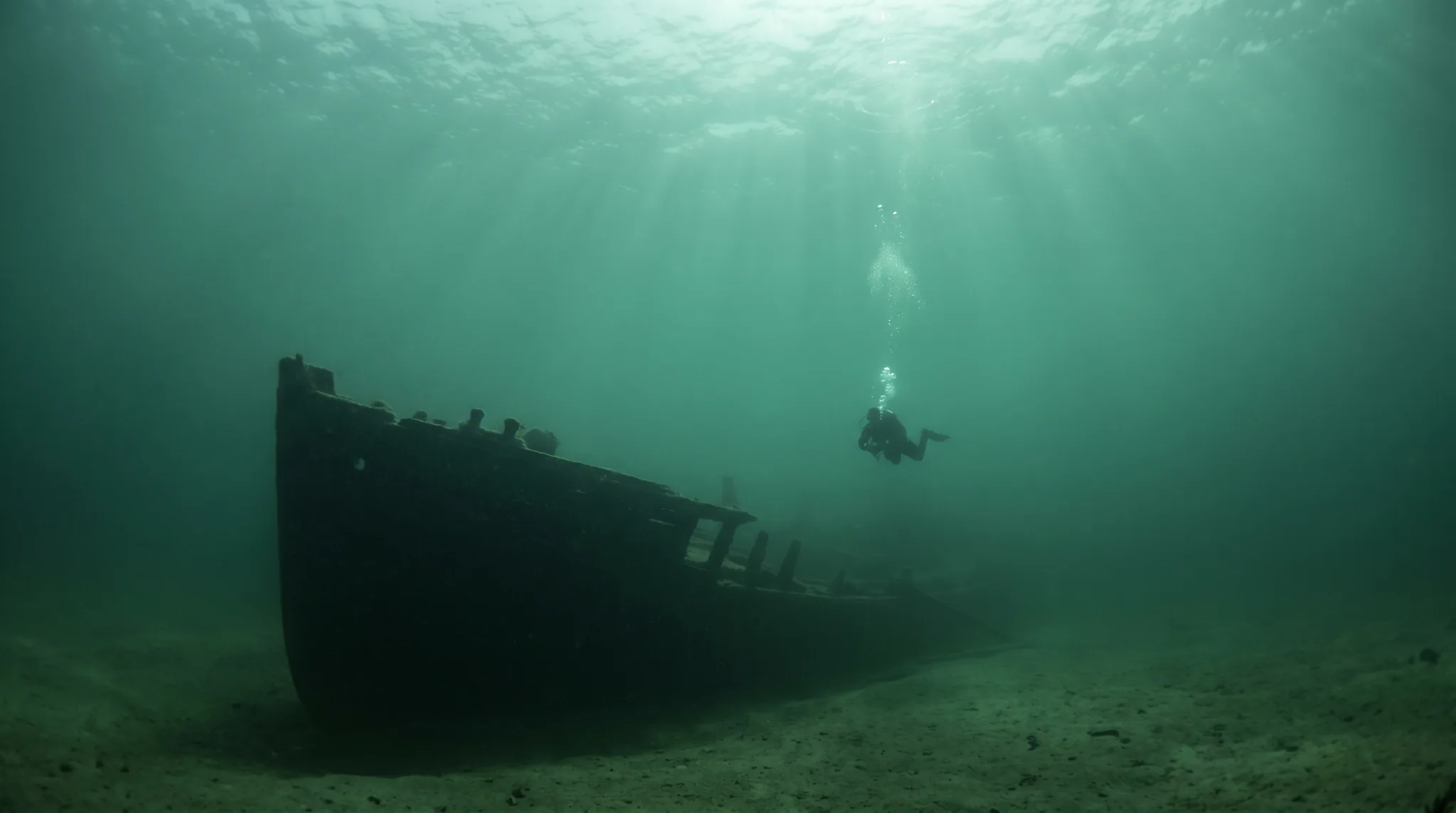
Helsinki's dive sites are defined by cold, dark water and a strong wreck culture. Wrecks such as the Hval Wreck, Raimo Ragnar and Kronprins Gustaf Adolf sit alongside reef sites like Soederskaer and Chrysanth, giving intermediate divers varied options. Most sites require boat access. Observed marine life leans heavily toward cold-water species: Dogfish, Righteye Flounder and Sea Anemone appear across nearly all sites, with occasional sightings of Gray Seal, Conger Eel and European Common Cuttlefish.
Monthly water temperature across Helsinki's sites, from satellite sea-surface data corrected for depth. The band shows the site-to-site spread.
Water temperatures stay very cold through winter and spring, warming gradually to their peak in late summer around August and September. The best diving months fall in summer, when conditions are at their most comfortable, though a drysuit is essential throughout the year. Visibility is consistently modest, which gives the sites an intimate, exploratory character.
21 operators

Hyvinge, Finland
6 more sites to explore
Water temperature around Helsinki ranges from about 1°C in February to 13°C in August, based on satellite sea-temperature data for its dive sites.
In the warm season (about 13°C) a 7mm or semi-dry suit is comfortable in Helsinki; in the coldest months (about 1°C) step up to a drysuit.
Fin maps 11 sites in Helsinki (11 scuba diving sites).
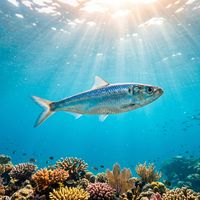
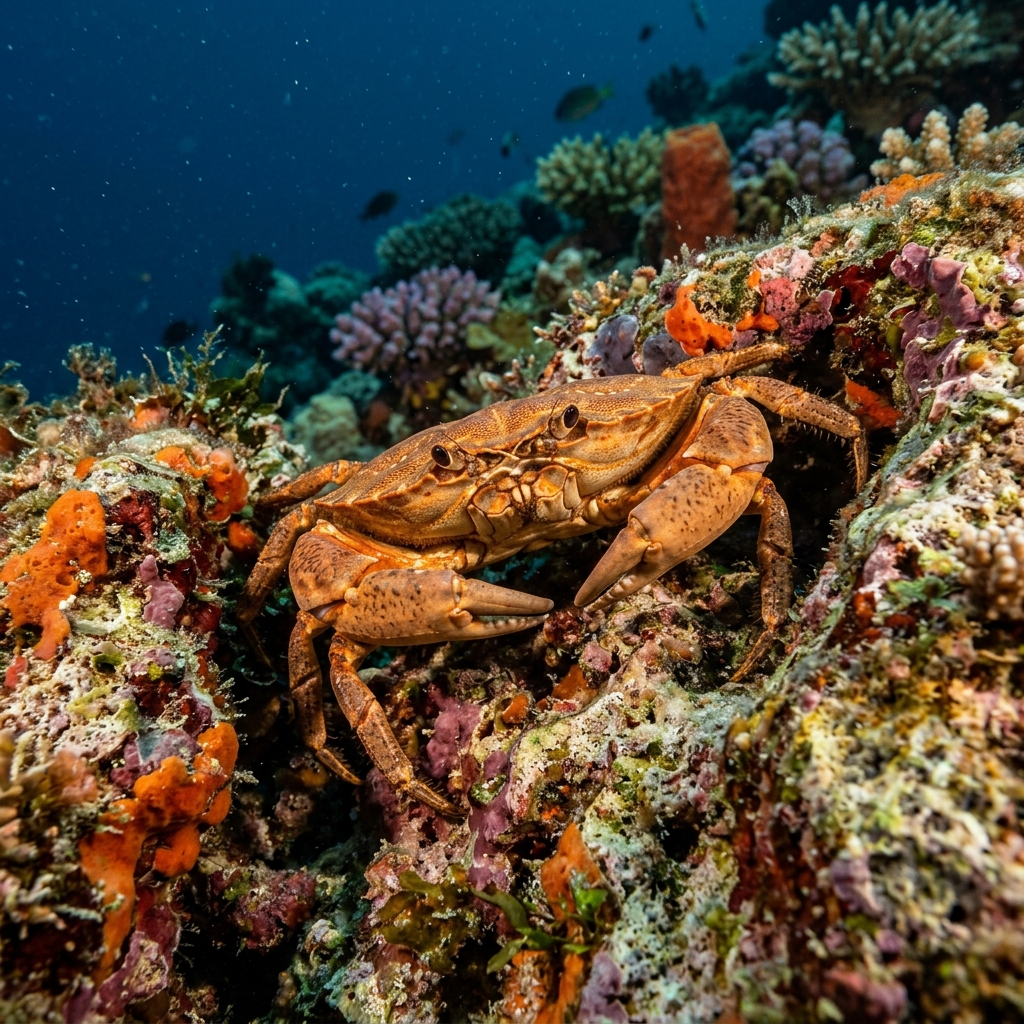
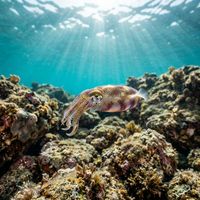
Observation-backed sightings across Helsinki's sites include Dogfish, Righteye Flounder and Sea Anemone, which appear at the great majority of sites. Herring turns up occasionally, and rarer but recorded encounters include Gray Seal, Conger Eel, European Common Cuttlefish and Wrasses. The marine community is distinctly cold-water in character.
Most sites in Helsinki are pitched at intermediate level, reflecting the cold water, limited visibility and moderate depths involved. The Kronprins Gustaf Adolf wreck is listed as suitable for beginners, making it a good starting point for less experienced divers visiting the region. A drysuit and cold-water experience are strongly advisable before diving here.
The majority of Helsinki's sites require boat access, including the Hval Wreck, Soederskaer, Chrysanth and Kronprins Gustaf Adolf. Raimo Ragnar is a notable exception, offering shore entry alongside its wreck and reef structure. Several local operators provide boat charters and guided dives across the region.
Wrecks are the dominant site type, with several historic vessels resting at moderate depths across the region. Some wrecks, such as the Kronprins Gustaf Adolf, have developed into artificial reef structures over time. Dedicated reef sites like Soederskaer and Chrysanth add variety, offering rocky terrain and cold-water marine life for those who want something beyond wreck exploration.