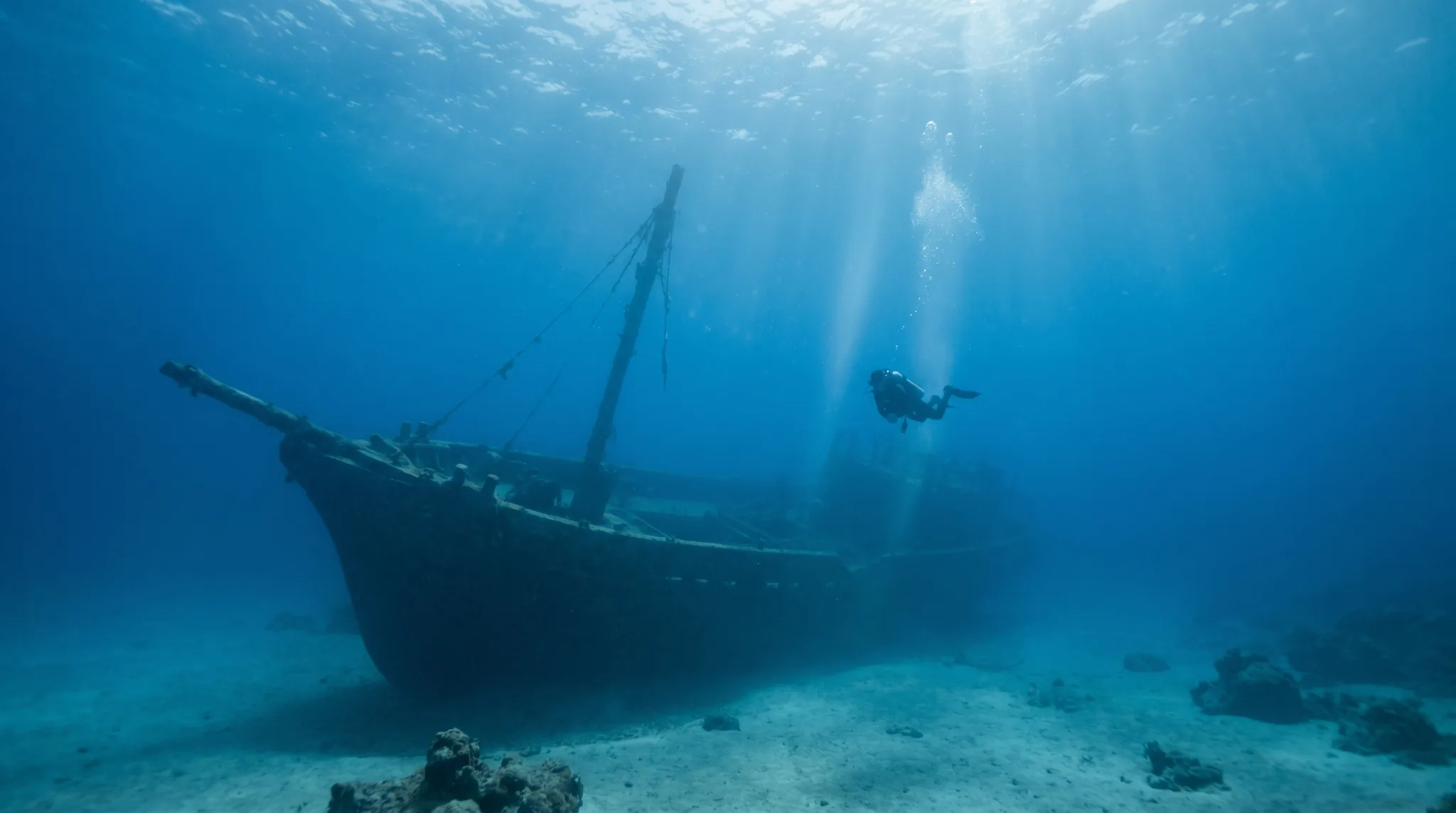
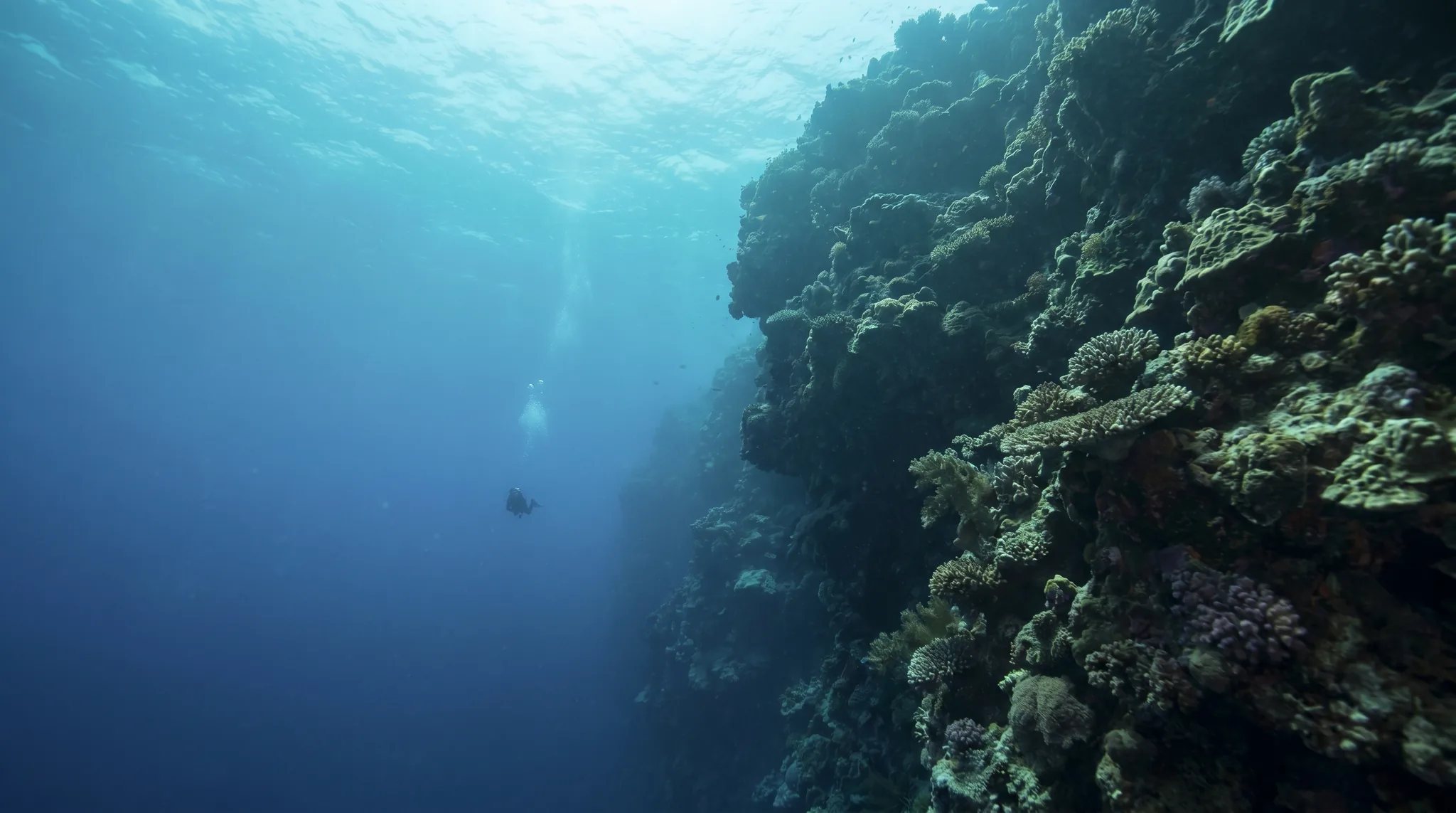
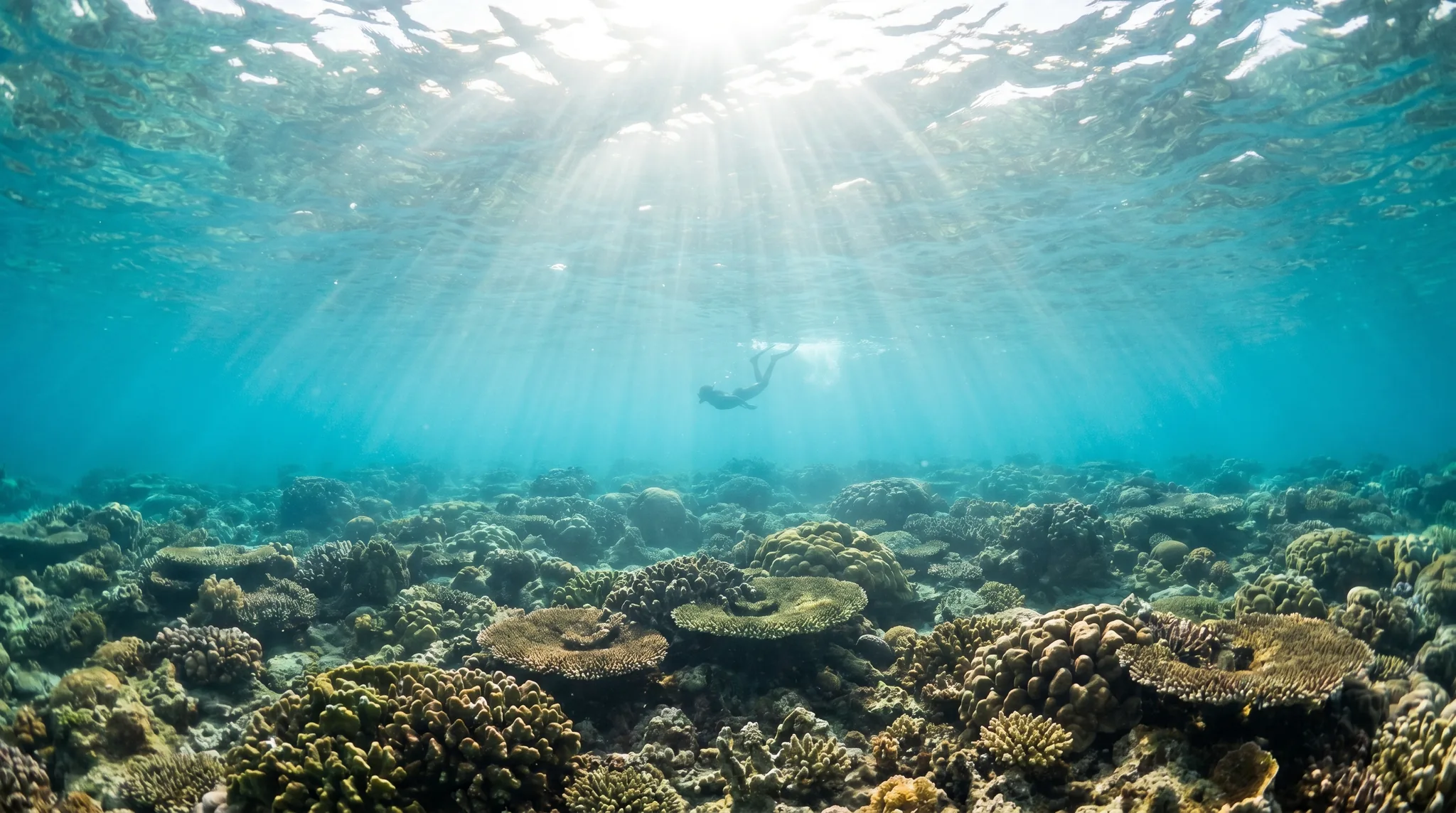
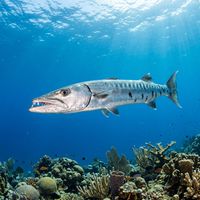
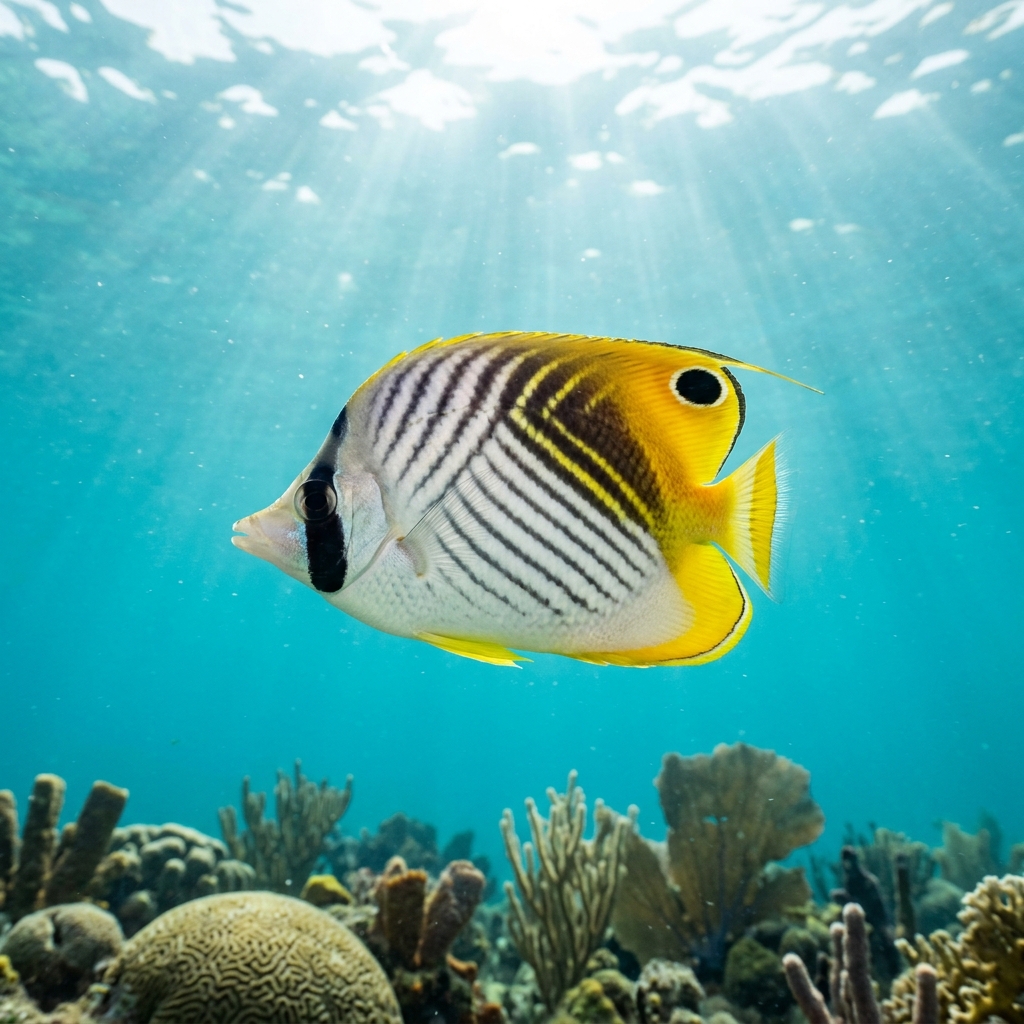
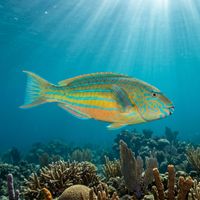
Boca Chica offers a broad spread of dive sites concentrated around Catalina Island, ranging from shallow beginner reefs to deep walls and dramatic canyon formations. Artificial reef structures sit alongside natural coral at several sites, adding variety to the topography. Wrecks and caves at Parque Nacional Submarino La Caleta give less experienced divers a compact introduction to multiple site types in one location, while advanced divers can push deeper at Gorgonia Boca Chica, Salinas, and the reef wall at Nitrox Garden. Brain Coral, French Grunt, and Striped Parrotfish appear across almost every site, with Great Barracuda, French Angelfish, and Indian Lionfish rounding out the signature encounters.
Monthly water temperature across Boca Chica's sites, from satellite sea-surface data corrected for depth. The band shows the site-to-site spread.
Water stays warm throughout the year, sitting at its coolest in the early months and climbing to its peak in September and October. The histogram of favoured diving months tilts towards January through March and the quieter shoulder of late December, suggesting calmer surface and visibility conditions in the cooler period. Boat access to most sites means conditions offshore around Catalina Island will vary with wind and swell, so checking local forecasts before heading out to deeper sites is worthwhile.
6 operators
Boca Chica, Dominican Republic
Boca Chica, Dominican Republic
San Pedro de Macoris, Dominican Republic
18 more sites to explore
Water temperature around Boca Chica ranges from about 27°C in January to 30°C in September, based on satellite sea-temperature data for its dive sites.
With water around 27–30°C, a rash guard or 3mm shorty works in Boca Chica year-round.
Fin maps 30 sites in Boca Chica (29 scuba diving sites and 3 snorkelling spots, with some suited to both).
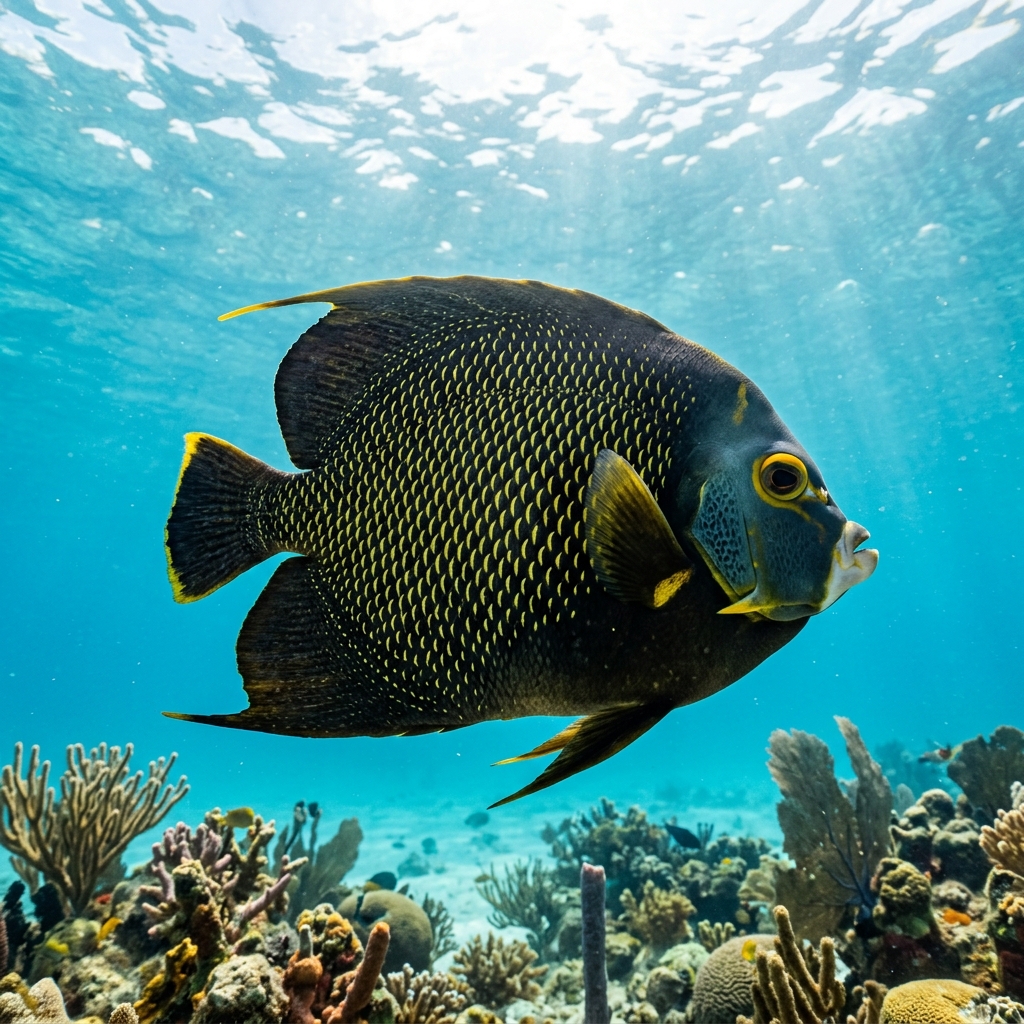
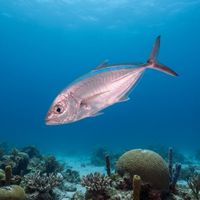
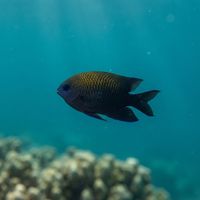
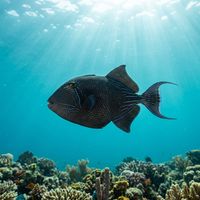
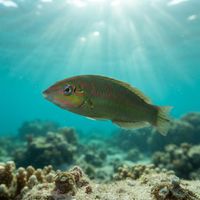
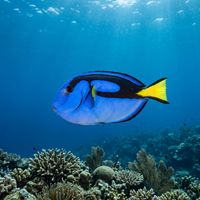
Observation-backed sightings span a wide range of species. Brain Coral forms the structural backdrop across nearly every site, while French Grunt, Striped Parrotfish, Blue Tang (Dory), and Schoolmaster Snapper are encountered very regularly. Boca Chica's signature species are Great Barracuda, French Angelfish, and Indian Lionfish, and Round Stingray is also a fairly common find on sandy areas around sites like Stingray Point.
A good number of sites are rated for beginners. Parque Nacional Submarino La Caleta offers a mix of reef, wreck, and cave diving at accessible depths, while Boya Blanca and Aquarium Boca Chica stay shallow and manageable. El Cañón provides an introduction to canyon topography without pushing divers too deep. More advanced profiles at Salinas, Nitrox Garden, and Gorgonia Boca Chica give experienced divers plenty to progress towards.
Almost all sites require boat access, with the majority located off Catalina Island. Parque Nacional Submarino La Caleta is an exception, offering both boat and shore entry. Several operators are based in the area, including Caribbean Divers, Tropical Sea Divers, OCEAN Diving, Juan Dolio Divers, and Ocean Diving, making it straightforward to arrange guided boat trips.
The range is unusually diverse for a single region. Natural reefs form the backbone of most dives, but several sites incorporate artificial reef structures, and wrecks and caves are available at Parque Nacional Submarino La Caleta. Canyon formations appear at El Cañón and Canyones, Boca Chica, while Nitrox Garden and Nitrox Garden 2 transition from reef into wall diving. This variety means divers can move between quite different underwater environments without travelling far.