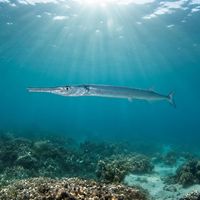
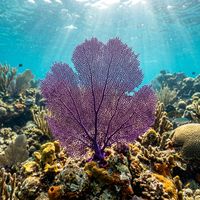
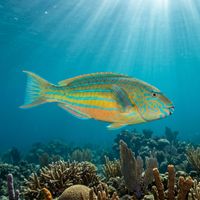
Bayahibe's underwater character is shaped by an unusually varied mix of wrecks, natural reefs, walls, caverns, and a shore-entry cave dive at Padre Nuestro Cave. Boat access dominates, with sites ranging from shallow artificial reefs suited to beginners through to the deep wreck of the St George, which draws advanced divers. The reef life is diverse and observation-backed: Blue Tang, Caribbean Ocean Surgeonfish, Striped Parrotfish, and Purple Sea Fan are very common across sites, while Green Sea Turtle, Seahorse, and Brazilian Reef Octopus give Bayahibe its signature character. Water stays warm throughout the year, with conditions at their most settled from December through February.
Monthly water temperature across Bayahibe's sites, from satellite sea-surface data corrected for depth. The band shows the site-to-site spread.
Water temperature remains warm all year, nudging its highest point from September through October and cooling only slightly towards January and February. The best-months data points firmly to December through February as the most favoured window, likely reflecting calmer surface conditions and good visibility. Divers can visit year-round, but those seeking the most comfortable sea conditions and clearest water tend to time trips to the cooler, drier months.
15 operators
11 more sites to explore
Water temperature around Bayahibe ranges from about 27°C in January to 30°C in September, based on satellite sea-temperature data for its dive sites.
With water around 27–30°C, a rash guard or 3mm shorty works in Bayahibe year-round.
Fin maps 23 sites in Bayahibe (22 scuba diving sites and 8 snorkelling spots, with some suited to both).
Across Bayahibe's dive sites, January, February, March, April and December are most often reported as the best months to visit.
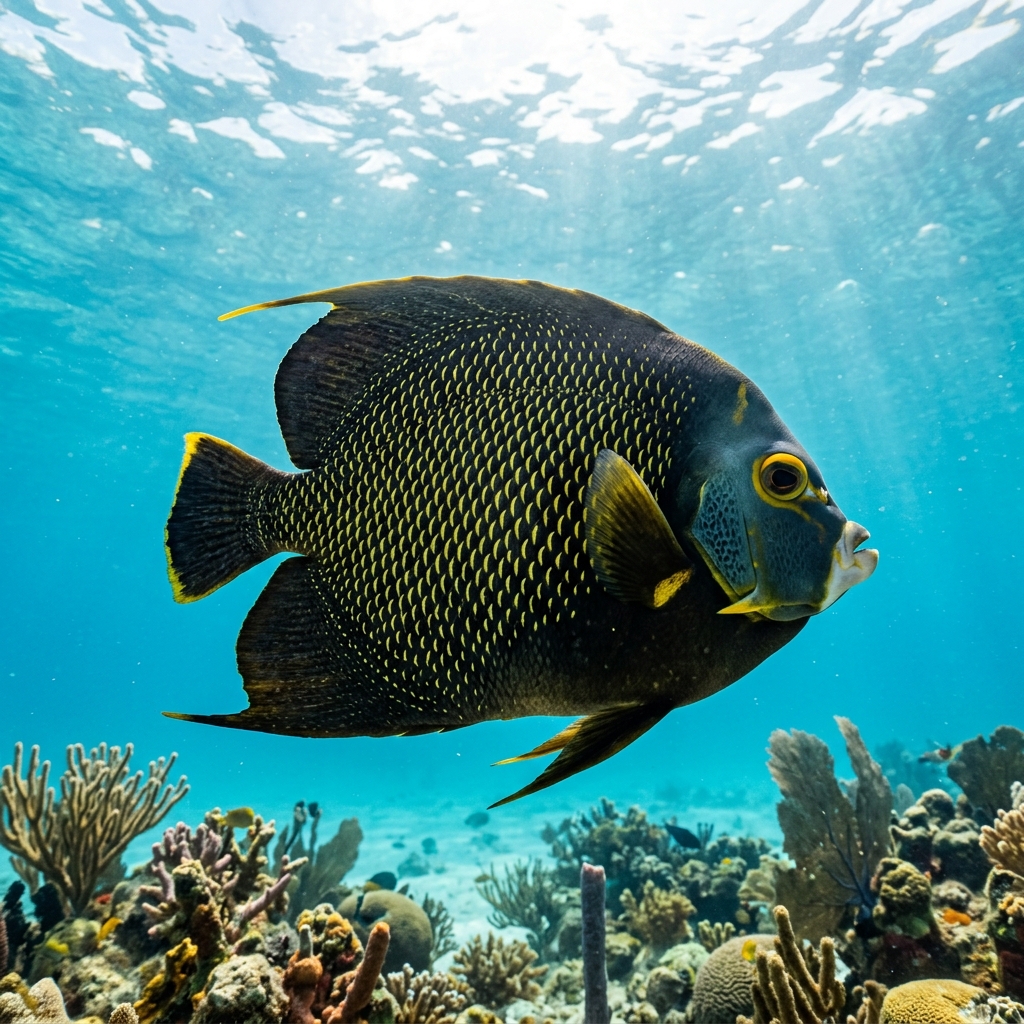
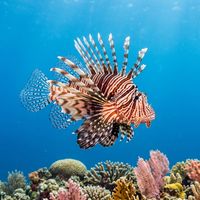
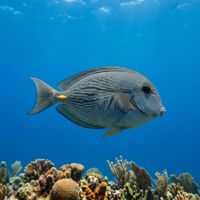
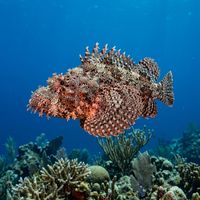
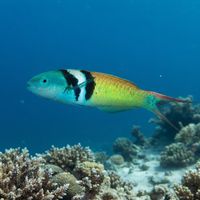
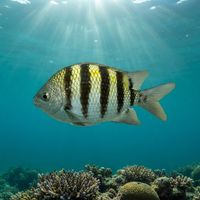
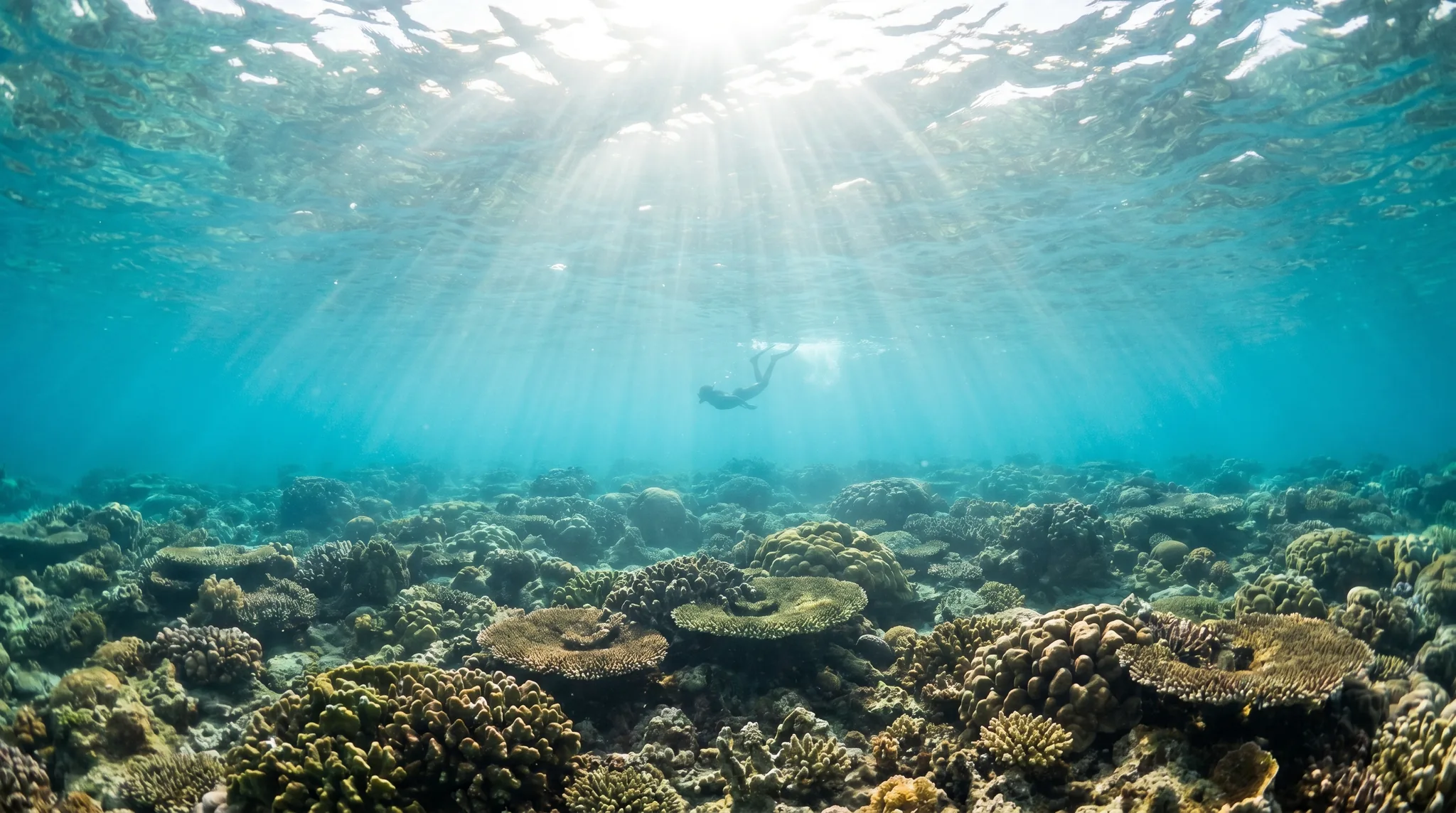
Bayahibe's reefs are home to a wide range of observation-backed species. Blue Tang, Caribbean Ocean Surgeonfish, Striped Parrotfish, and Wrasses are very common across sites, and Purple Sea Fan is a consistent feature of the reef structure. Signature species include Green Sea Turtle, Seahorse, Brazilian Reef Octopus, Spotted Moray, and French Angelfish, while those who look carefully may also find Spotted Scorpionfish and Indian Lionfish tucked into the reef.
A good proportion of Bayahibe's sites are rated for beginner divers, including shallow reef and wreck combinations such as Coco Reef, Guaraguao, and the Atlantic Princess. Most beginner sites are accessed by boat and sit at relatively shallow depths, making them comfortable for those newly certified. The St George wreck and La Parguera, which involve greater depth, are better suited to intermediate and advanced divers.
The majority of dive sites in Bayahibe are boat access only, and most operators run regular day-boat departures. Shore diving is available at a small number of sites, notably Padre Nuestro Cave and Domenicus Reef, which can be reached directly from land. Operators including Scuba Caribe, Slow Dive, and Isla Catalina Diving are based in the area and can arrange both boat and shore dives.
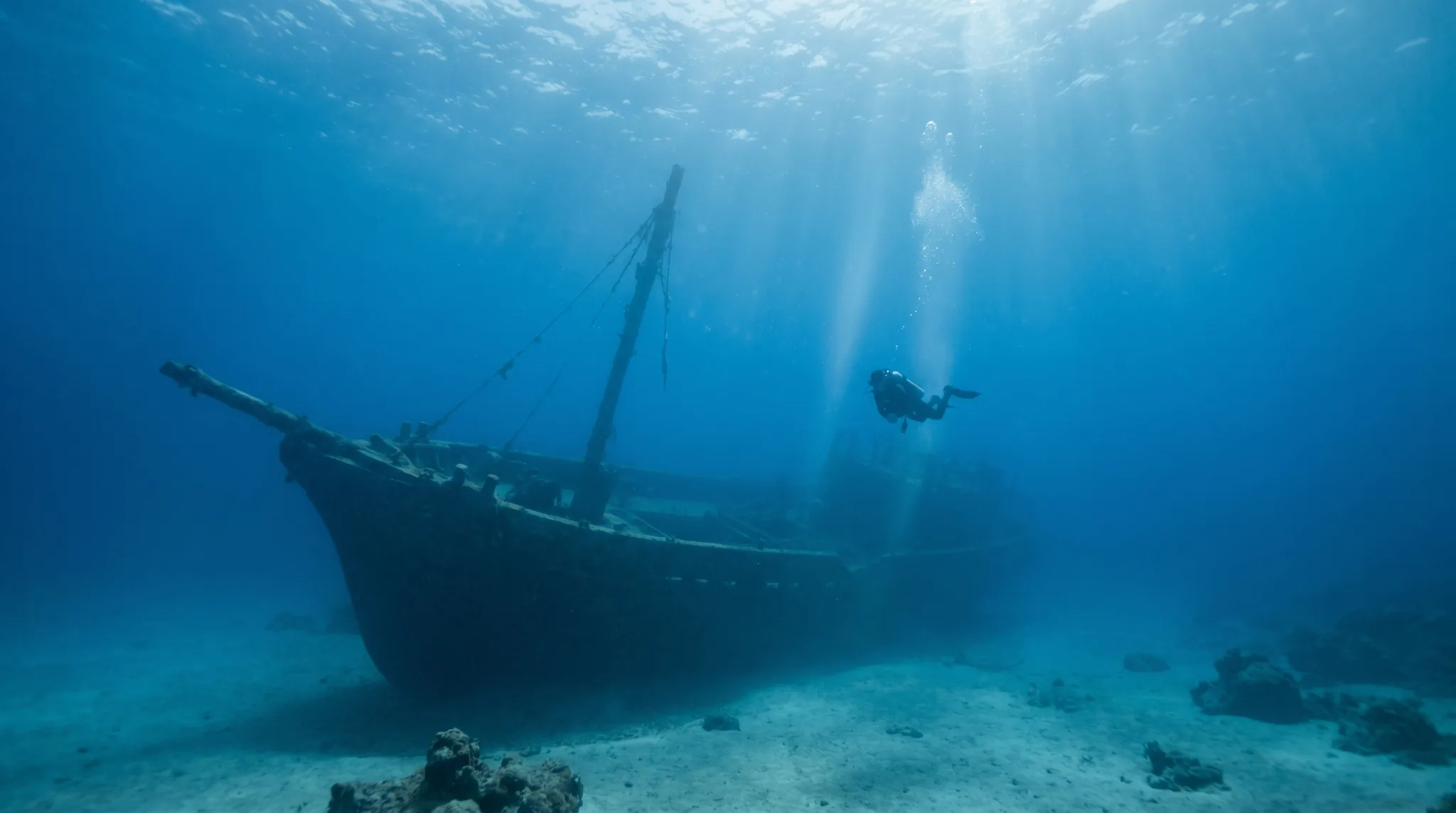
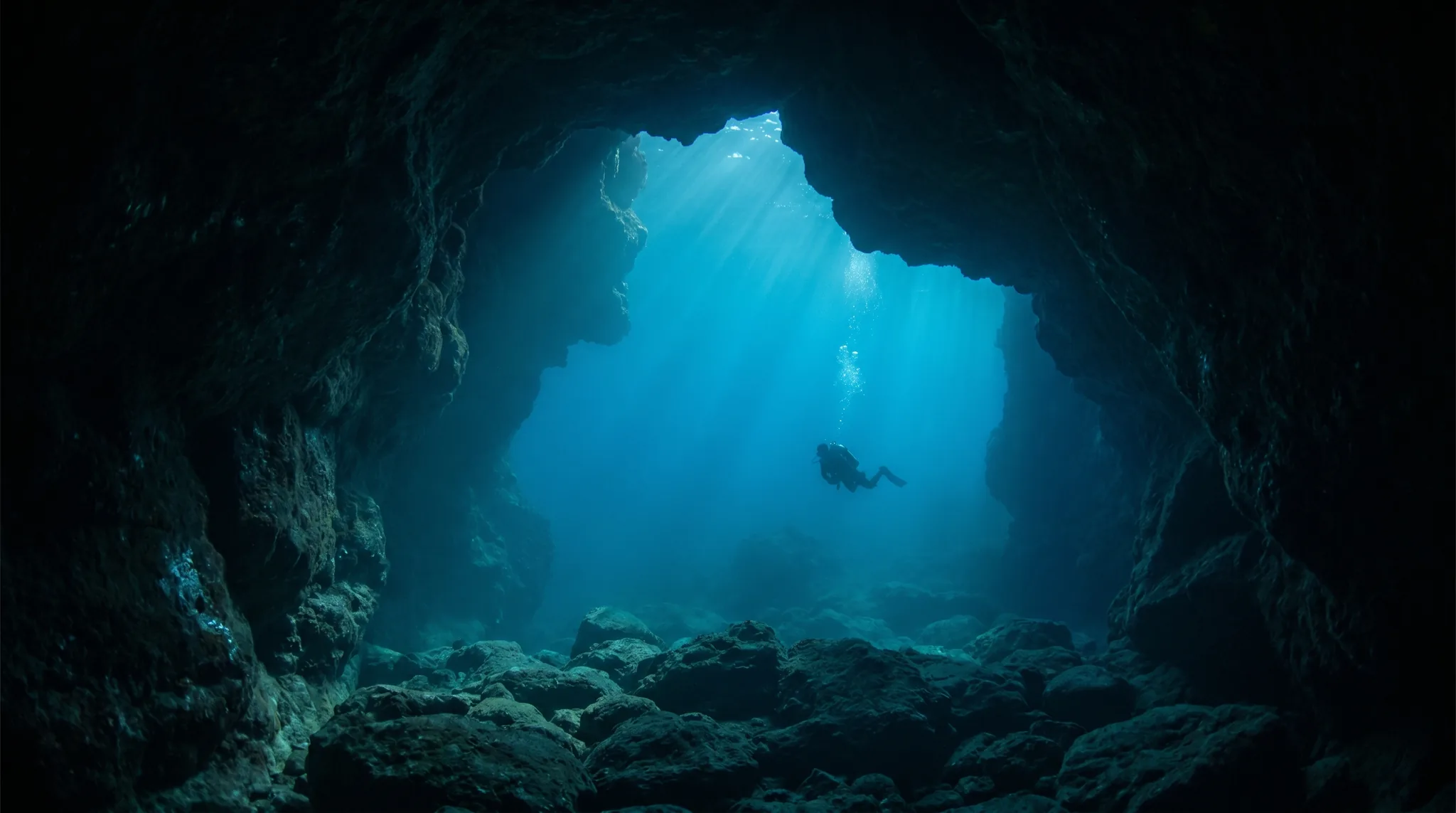
Bayahibe offers real variety within a compact area. The wreck sites range from the shallow, beginner-friendly Atlantic Princess to the deep St George, which suits experienced divers comfortable at depth. Reef and wall diving features at sites such as Catalinita Island and La Parguera, while Padre Nuestro Cave provides a different experience with its shore-entry cave system. This spread of site types means divers of different levels and interests can find something appropriate without travelling far.