Melichthys niger
Spot Black Durgeon on reefs from Hawaii to Roatán year-round. Learn the key marks that set this dark triggerfish apart from look-alikes.
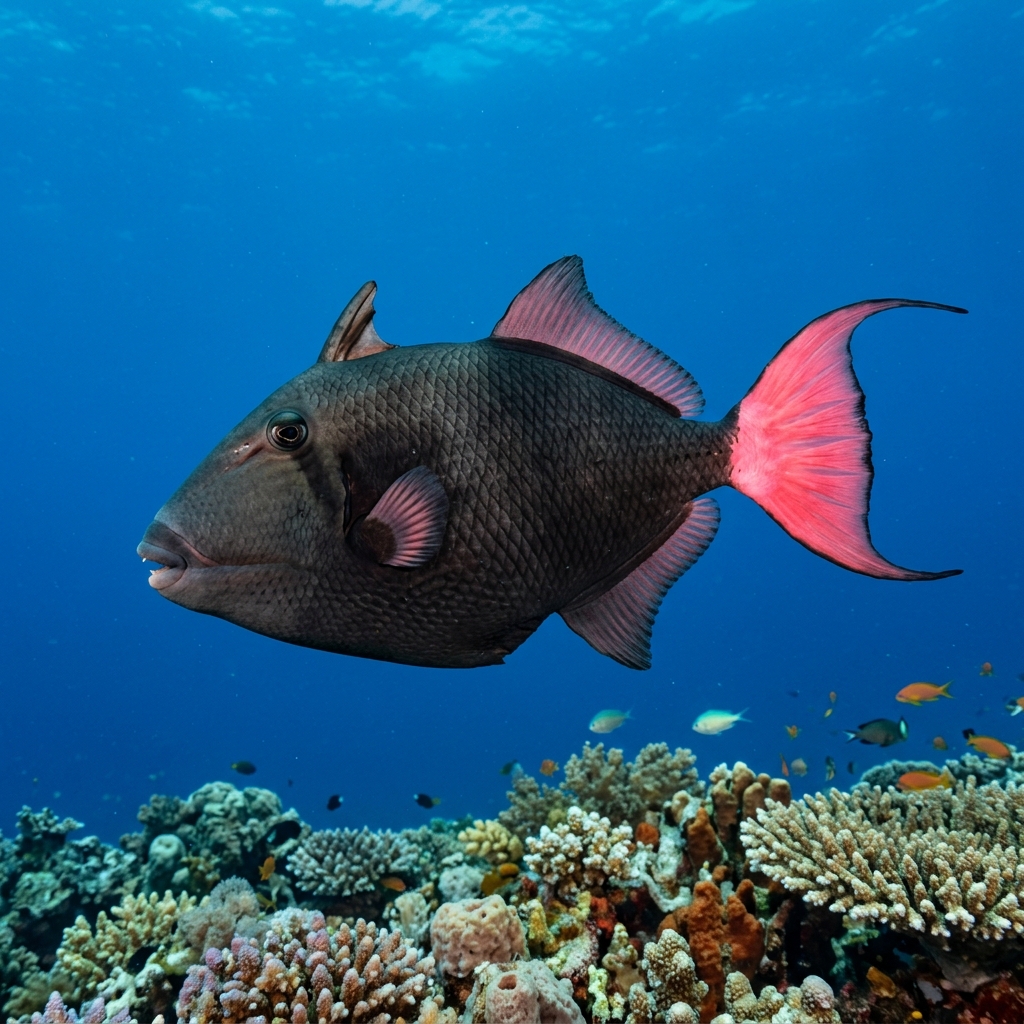
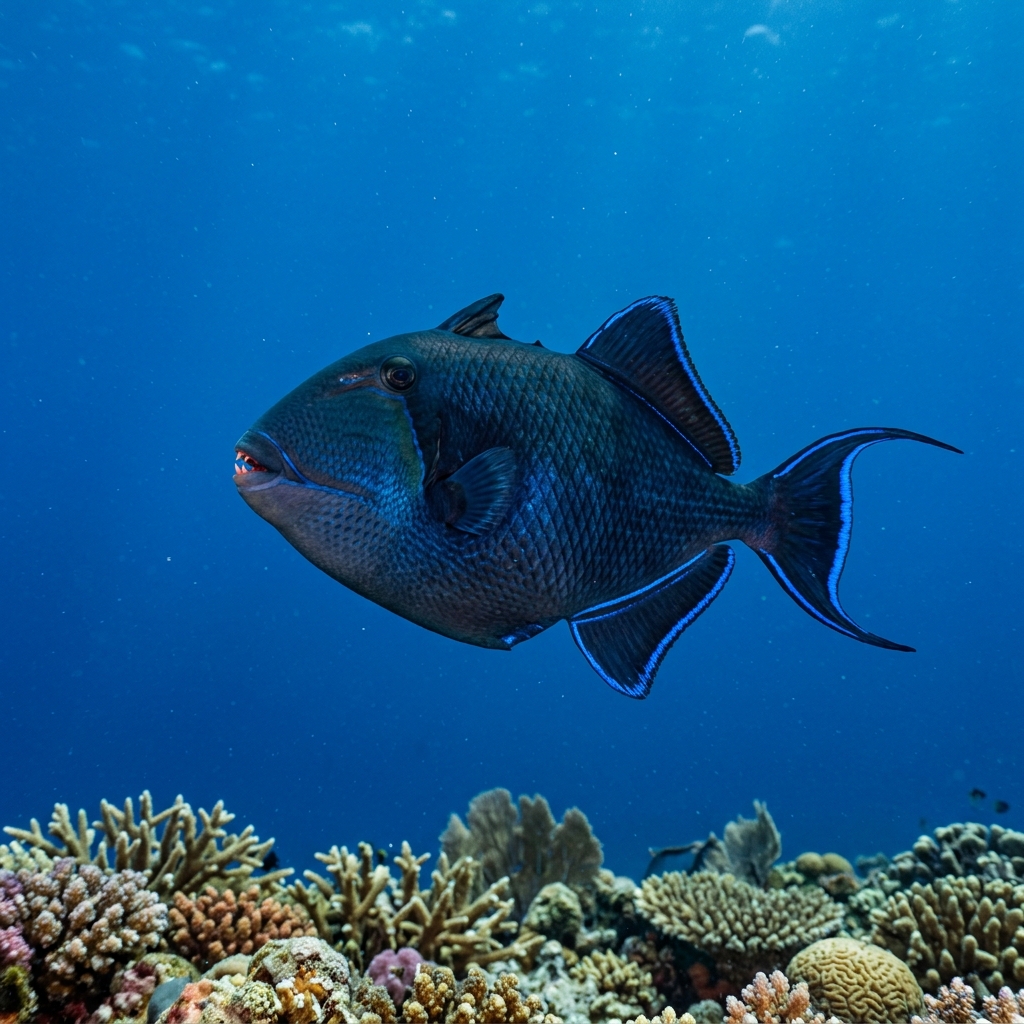
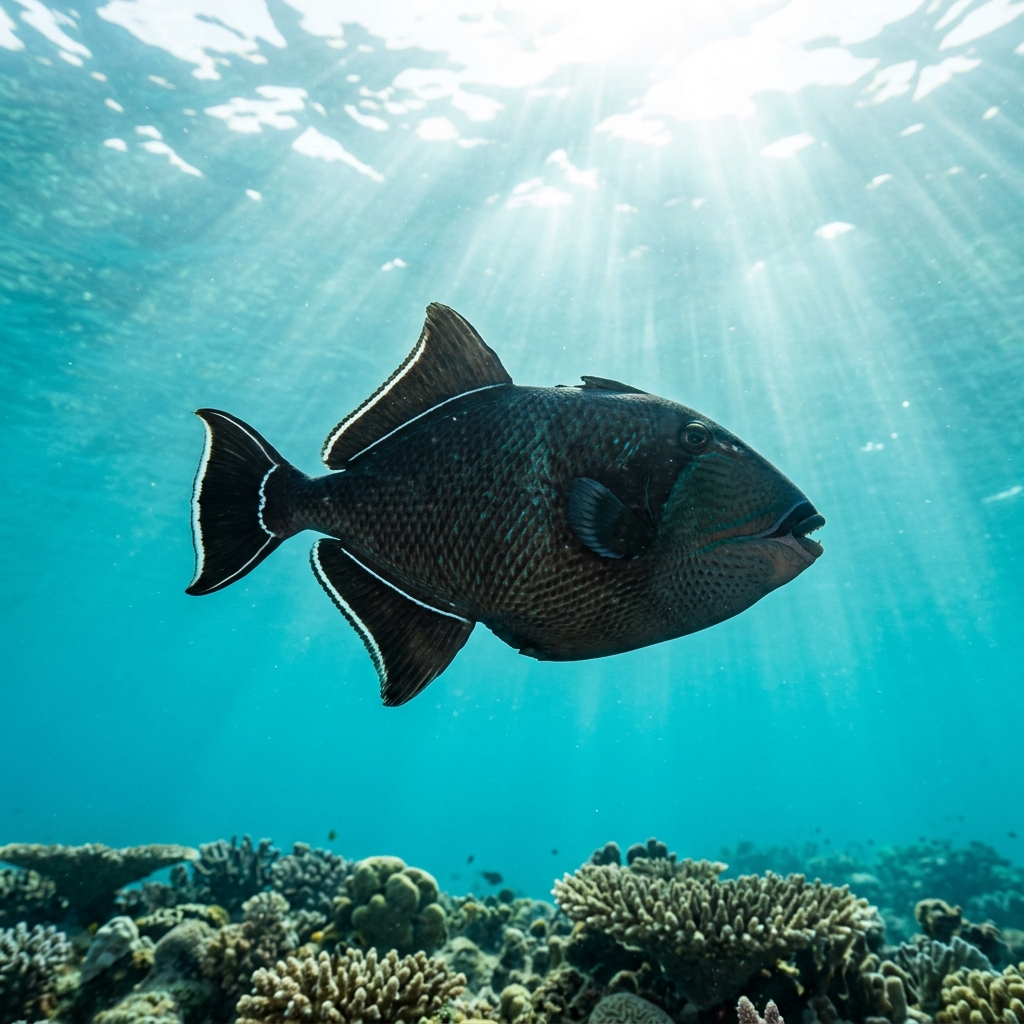
At around 35 cm, this is a solidly built triggerfish with an almost entirely deep blue-black body, in good light you may catch a subtle blue or greenish sheen on the flanks. The single most useful field mark is the pair of pale blue-white lines that trace the bases of the dorsal and anal fins, visible even at a distance. Body shape follows the classic triggerfish blueprint: oval, laterally compressed, with that trademark trigger spine (the locking first dorsal spine used for wedging into crevices). Juveniles show a similar dark colouration, so size is your best clue to age.
You will most often see black durgeon patrolling open water just above the reef crest or along drop-offs, sometimes in loose aggregations rather than the solitary style of many triggerfish. They tend to be wary rather than aggressive, they will often keep a body-length or two of distance and circle slowly as a diver approaches. Feeding activity typically involves picking at zooplankton, algae, and small invertebrates, so watch for them hovering head-down over rubble or coral structure.
Unlike many triggerfish that defend territories ferociously, black durgeon are one of the more pelagic-leaning members of the family, they are known to spawn in open water and their eggs are released in bubble nests near the surface, an unusual strategy for a reef-associated fish.
In the Northern Hemisphere it is present year-round with no concentrated season, comfortable in the 24 to 29 °C water that typifies tropical reefs. In the Southern Hemisphere, sightings concentrate between August and February, broadly corresponding to the austral spring and summer.
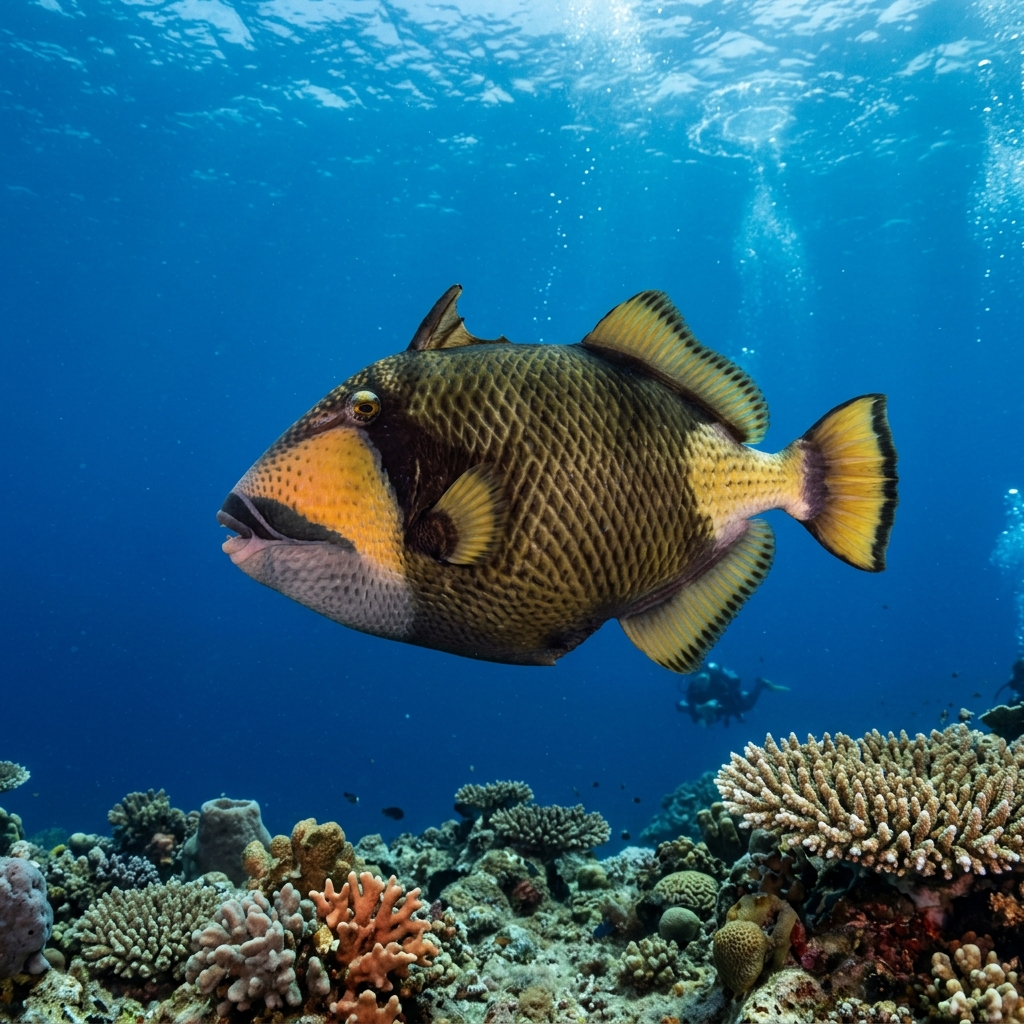
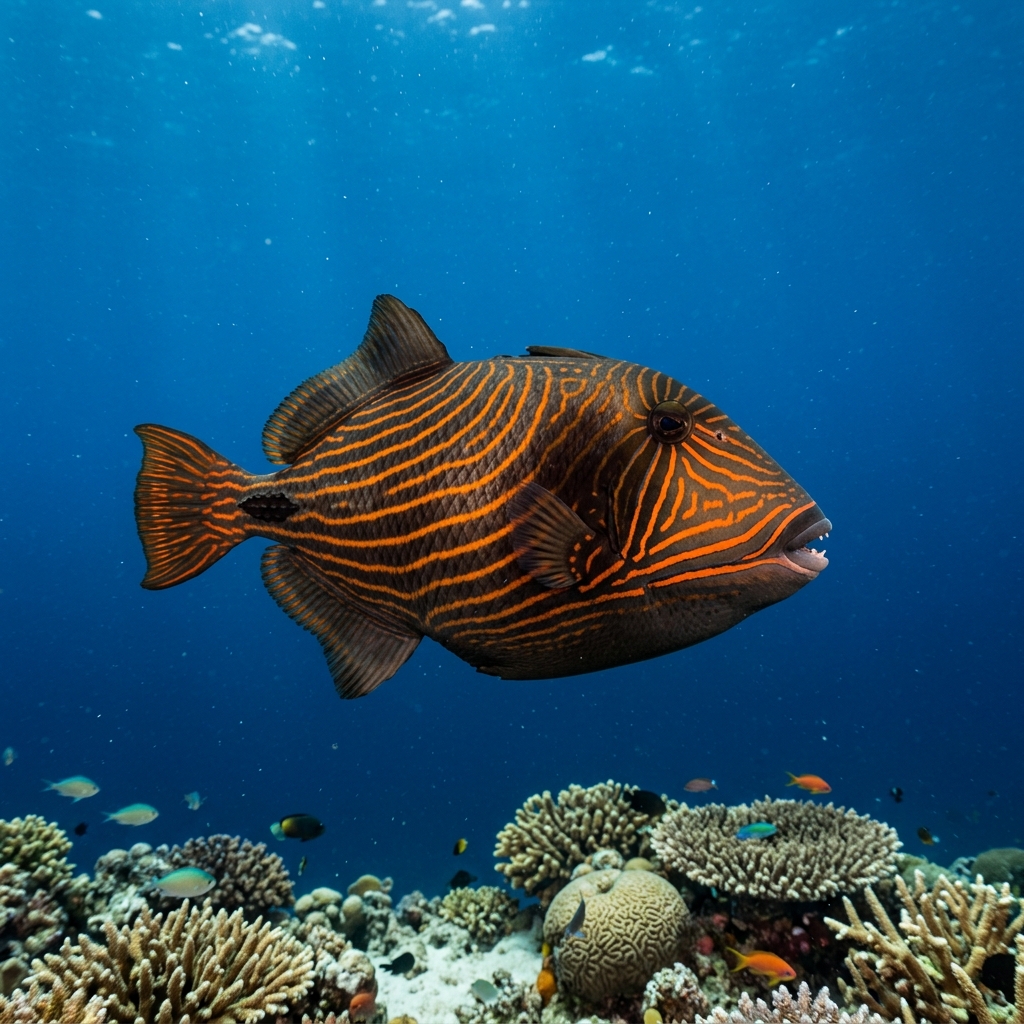
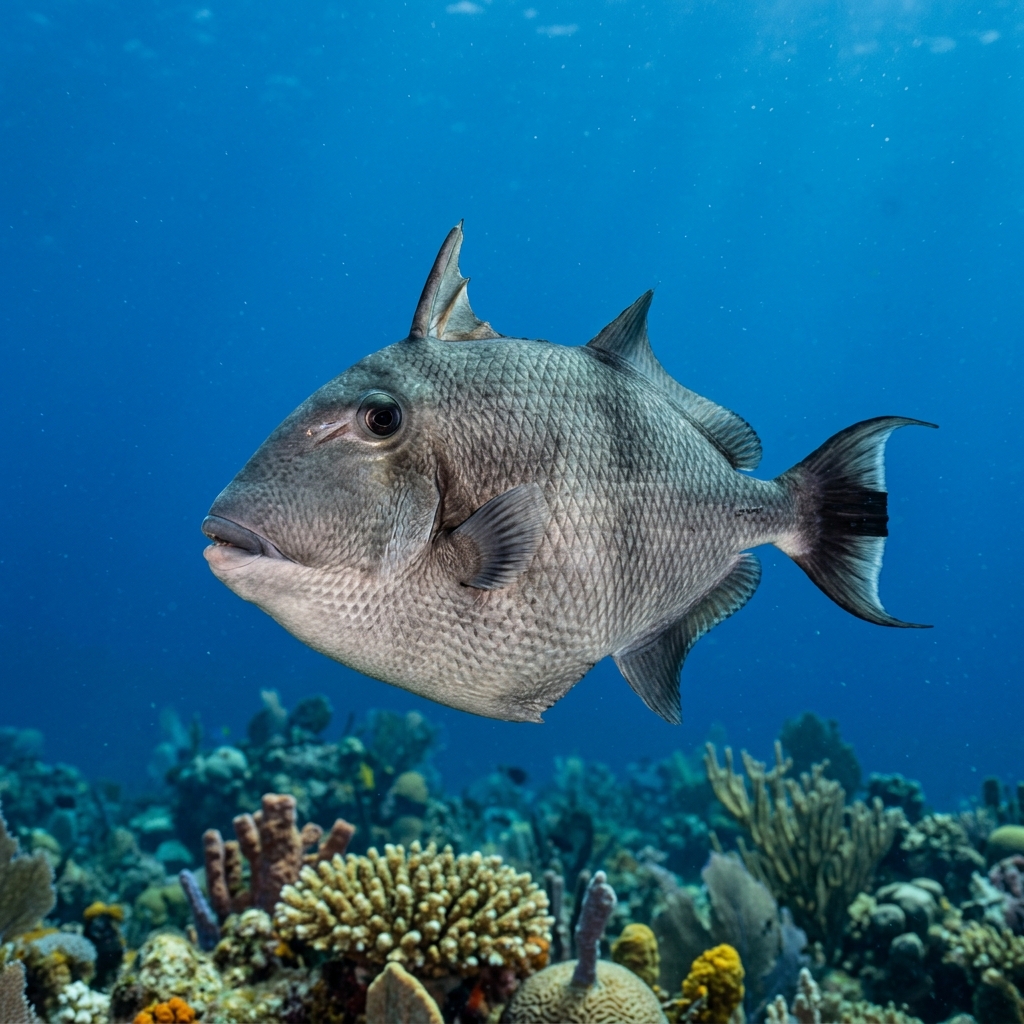
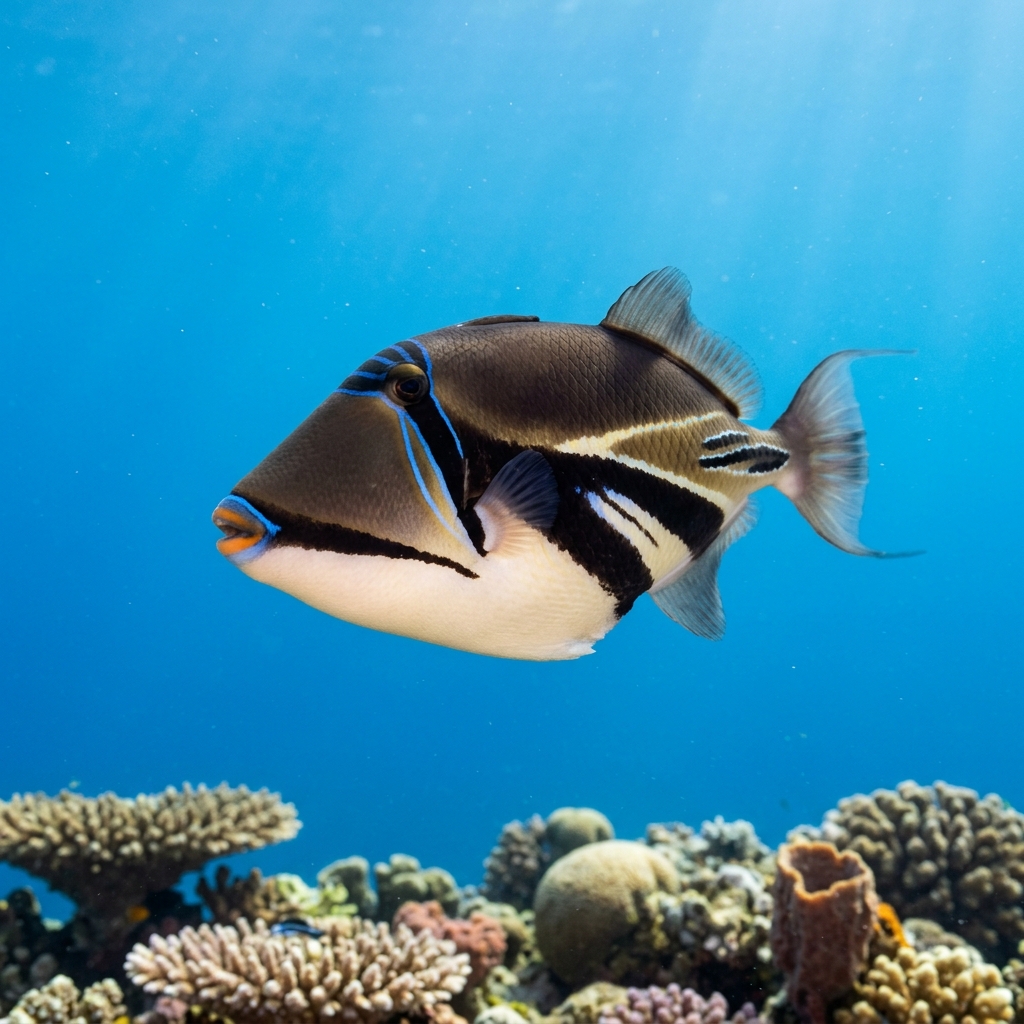
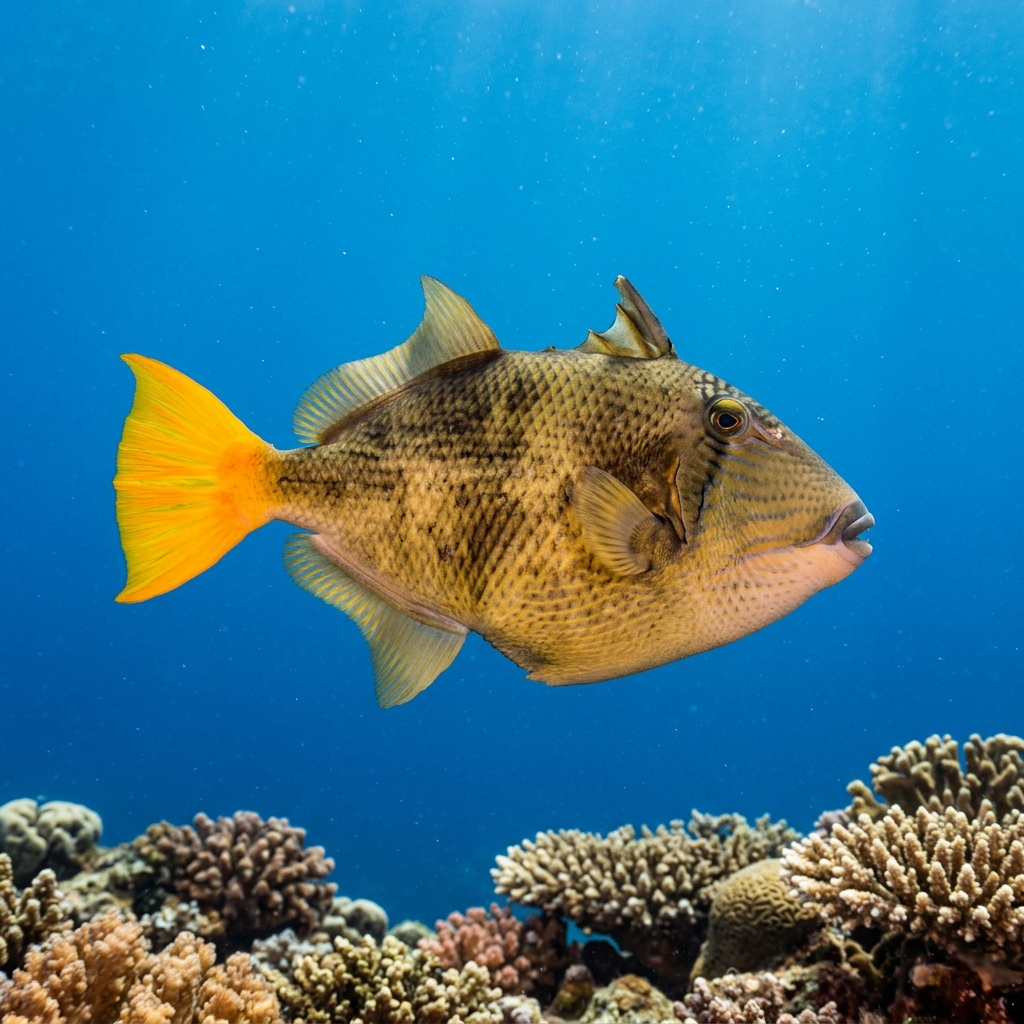
Reef neighbours a diver could mistake it for. Use the identification notes above to tell them apart.
Most commonly logged in the Maldives, Hawaii, Grand Cayman, and the Yucatán Peninsula, with strong representation across the Philippines, Indonesia, and Roatán in Honduras. Bonaire and the British Virgin Islands are also reliable spots in the Caribbean. The species turns up across a wide swathe of the Indo-Pacific and Atlantic tropics, so dedicated sightings are realistic at most warm-reef destinations in those regions.
Mapping where Black Durgeon is logged…
Black durgeon are most reliably logged in Hawaii, the Maldives, Grand Cayman, the Yucatán Peninsula, and Roatán. They are also well-represented in Bonaire, the Philippines, and Indonesia. The species ranges across much of the Indo-Pacific and tropical Atlantic, making it possible to encounter at most well-established warm-reef dive destinations in those areas.
In the Northern Hemisphere they are present year-round, their preferred water temperature of 24 to 29 °C matches stable tropical reef conditions throughout the year. In the Southern Hemisphere, sightings peak between August and February, so plan trips to southern-latitude sites accordingly.
Look for a stocky, deep blue-black triggerfish around 35 cm long. The clinching mark is a pair of pale blue-white lines running along the bases of the dorsal and anal fins, no other common triggerfish shares this combination of uniform dark body and those specific fin-base lines. In bright light the body may show a faint blue or greenish sheen.
They typically reach around 35 cm in length. In the water they appear medium-sized for a triggerfish, noticeably larger than a lagoon triggerfish but smaller than a titan triggerfish.
No. Unlike some triggerfish that guard nests and will chase divers, black durgeon are not considered dangerous. They are generally wary and will keep their distance. No special precautions are needed beyond the standard courtesy of not cornering or harassing any reef fish.
Site and sighting data is aggregated from diver logs, iNaturalist and GBIF. For taxonomy and conservation status:
Lagoon Triggerfish
2,435 sites