Thunnus albacares
Spot Allison Tuna at Malpelo, the Galapagos, or the Maldives. Tips on ID, look-alikes, and where divers log sightings across six countries.
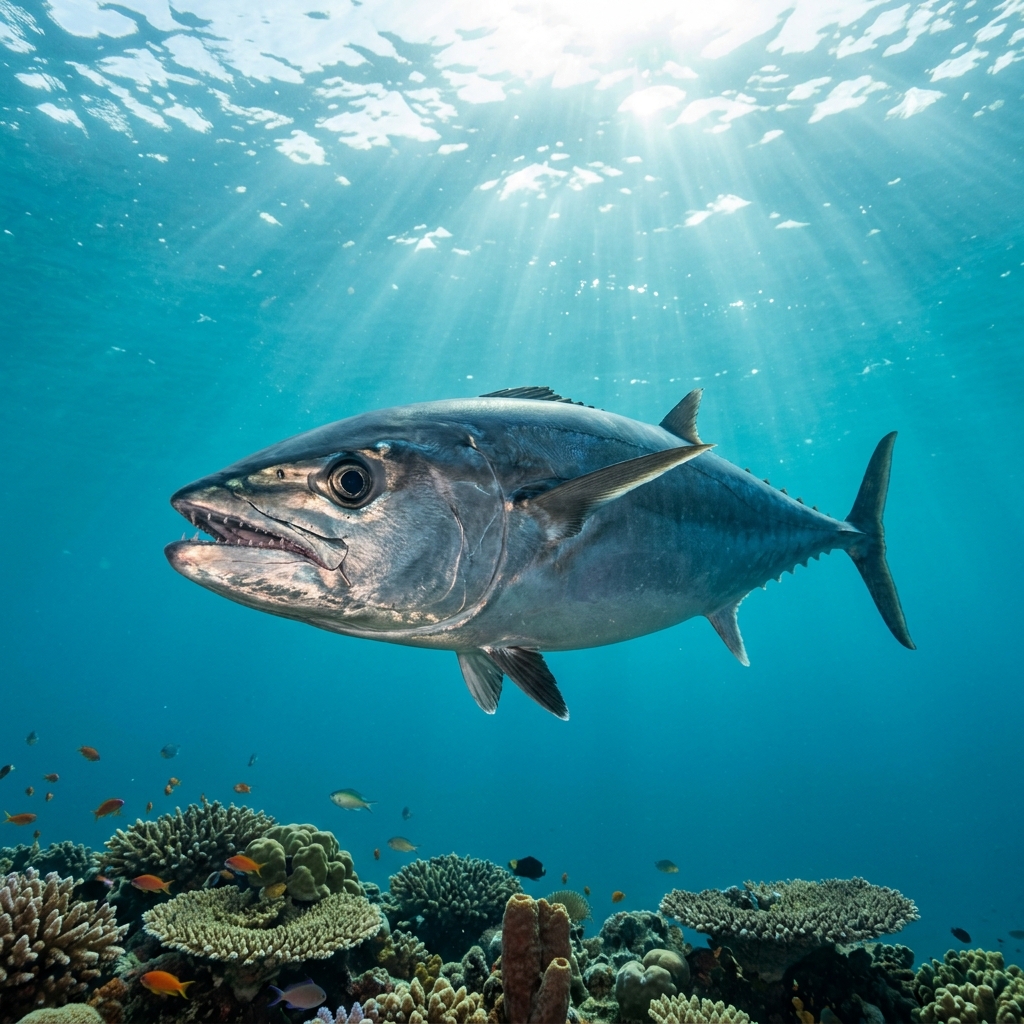
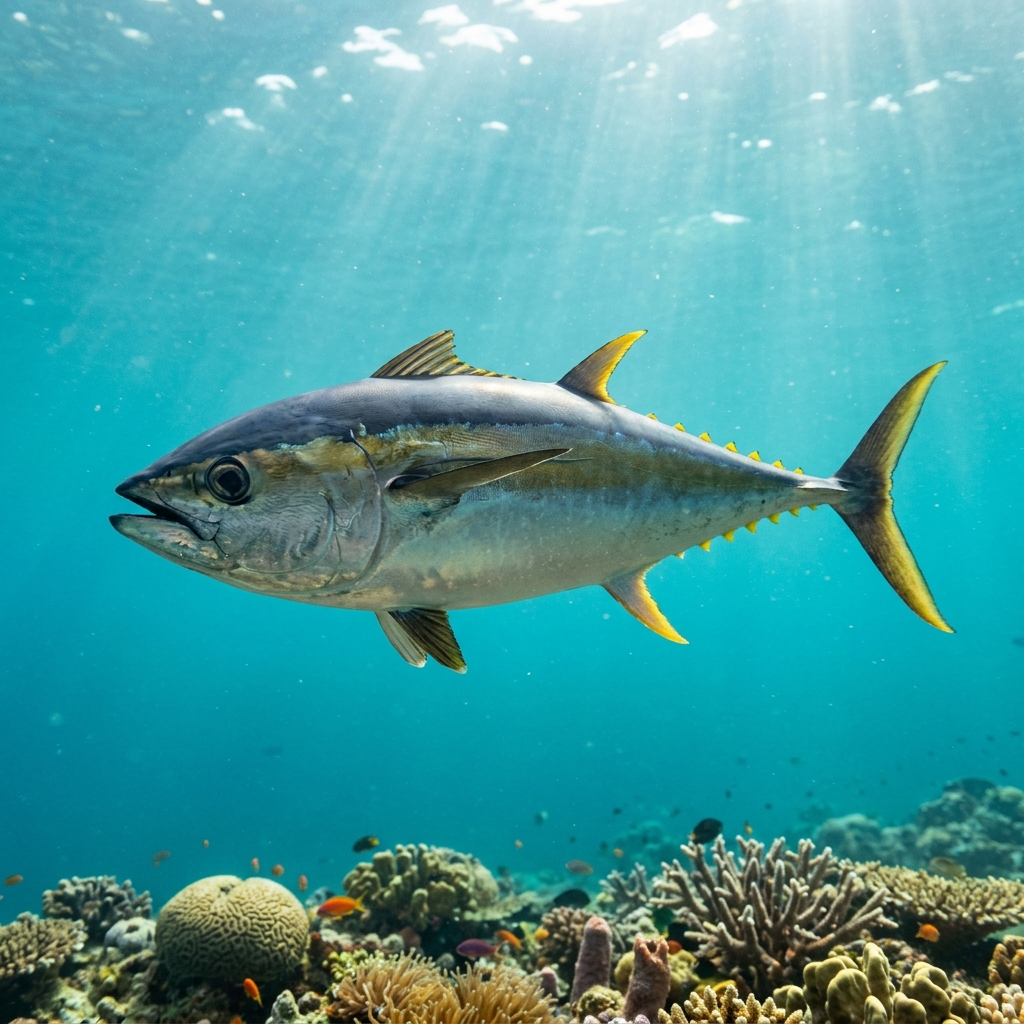
A large, torpedo-shaped tuna with a vivid metallic blue-green back that fades to silver-white on the belly. The giveaway feature is the bright yellow second dorsal and anal fins, which in adults grow into long, scythe-like streamers that no other common tuna shares. Flanks often show a faint iridescent blue stripe when caught in the light. In the water it typically moves fast in loose schools or small groups, rarely pausing long enough for a close look.
Typically encountered in open water or over seamounts and offshore pinnacles, moving in fast-cruising schools that sweep through the water column and rarely linger. They are not reef-bound fish; most sightings happen when a school passes through during a blue-water hang or a current-exposed site. Allison Tuna tend to be wary of divers, so slow movements and neutral positioning give you the best chance of a prolonged encounter before the school accelerates away.
Those elongated yellow fin streamers are not just for identification: in fully grown adults they can extend well past a third of the fish's body length, making them one of the most visually distinctive fin shapes of any open-water fish you are likely to meet on a dive.
Available data does not show a concentrated season, so treat sightings as possible year-round at the top sites. Observed water temperatures range from around 16 to 29 °C, suggesting the species tolerates a wide thermal range and is not confined to a single tropical season.
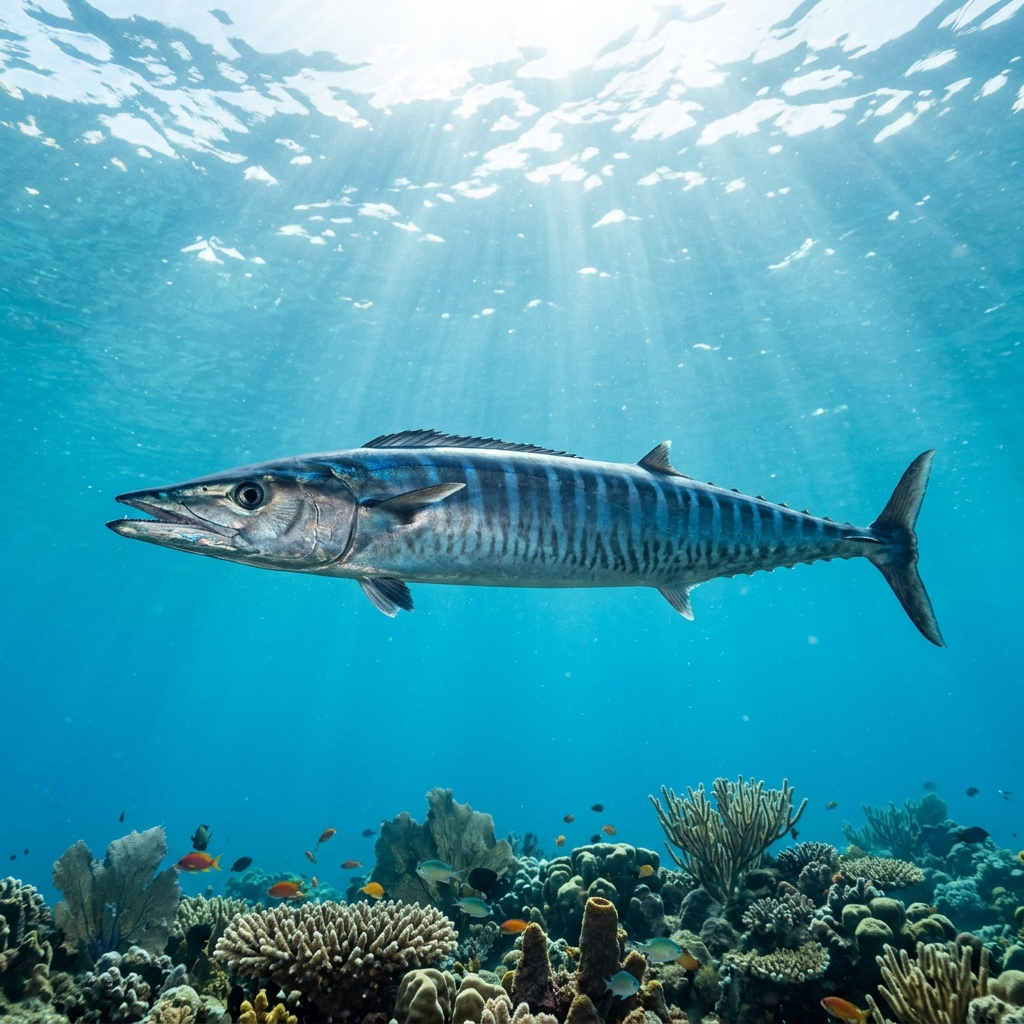
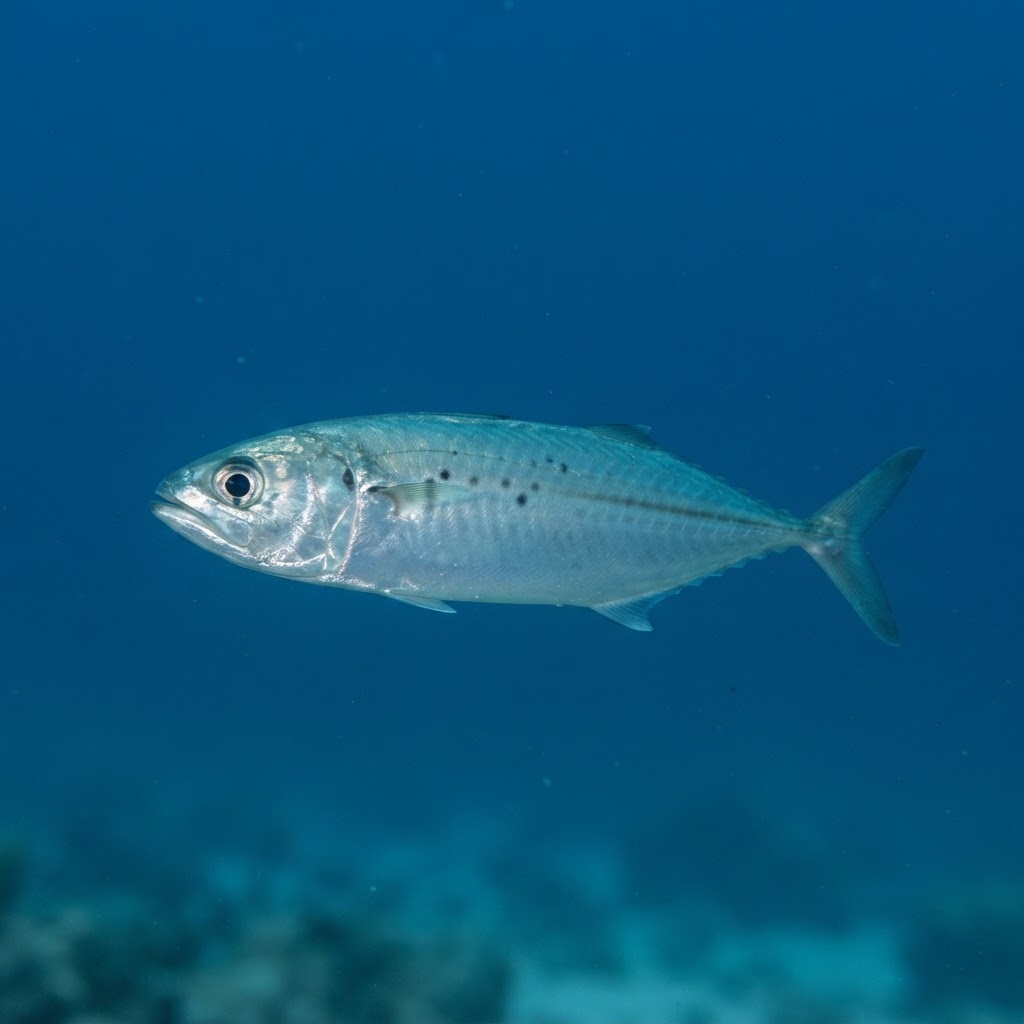
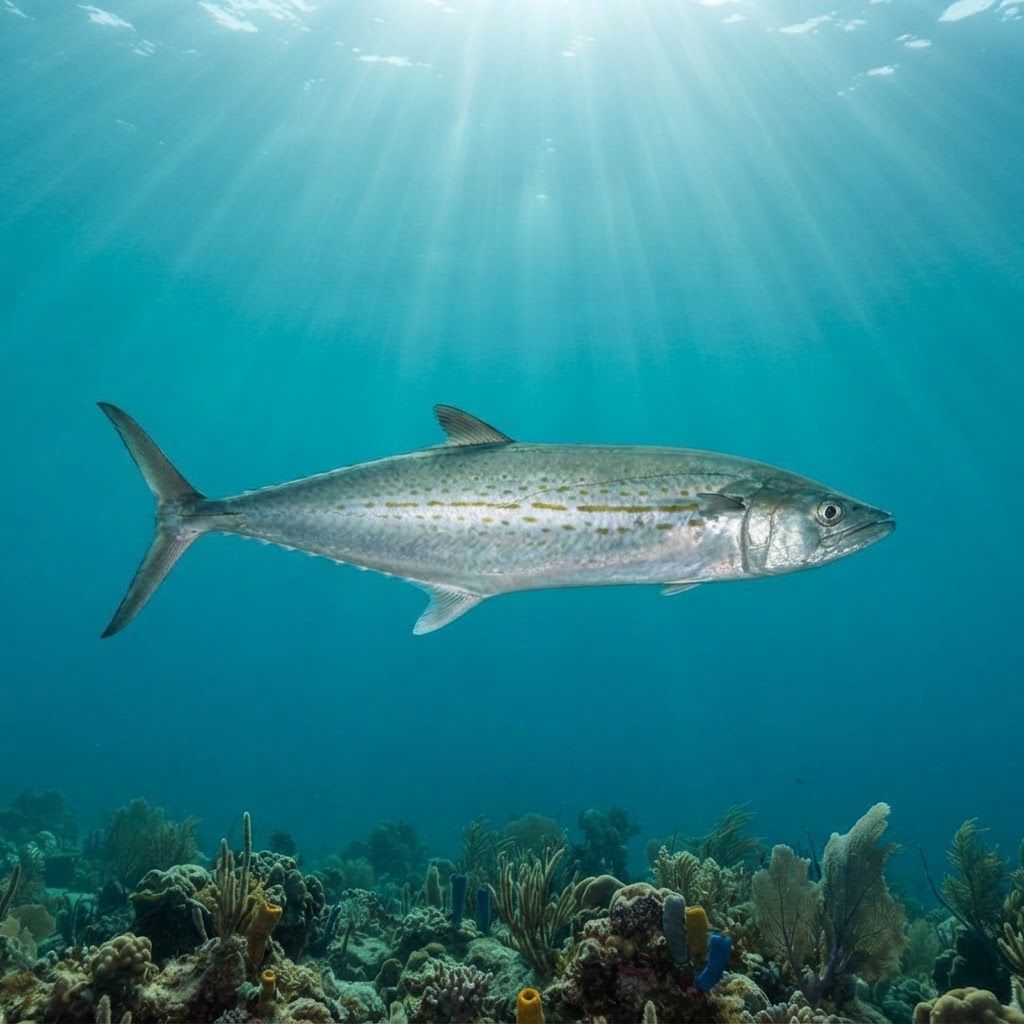
Reef neighbours a diver could mistake it for. Use the identification notes above to tell them apart.
Most consistently logged in the Maldives and at Malpelo, Colombia, both of which account for the bulk of recorded sightings. Strong populations are also reported across the Galapagos Islands in Ecuador, the Sal and Santiago regions of Cape Verde, and Easter Island in Chile. If you want the best odds, these open-water and seamount dive sites are where divers encounter them most reliably.
Mapping where Allison Tuna is logged…
Divers log Allison Tuna most often in the Maldives, at Malpelo in Colombia, and in the Galapagos Islands in Ecuador. Cape Verde (particularly around Sal) and Easter Island in Chile also produce regular sightings. All of these are known for strong currents and open-water conditions that suit this fast, pelagic species.
There is no clear seasonal peak in the recorded data, so sightings appear possible year-round at the top sites. Water temperatures at logged sites range from around 16 to 29 °C, indicating the species is comfortable across a broad range of conditions rather than tied to one season.
Look for the bright yellow second dorsal and anal fins, which in adults grow into long, distinctive streamers. The back is metallic blue-green, the belly silver-white, and there is often a faint iridescent stripe on the flanks. No other tuna you are likely to encounter in the same locations has those elongated yellow fins.
Allison Tuna are one of the larger tuna species, with adults commonly reaching around 1.5 to 2 metres in length and weights exceeding 100 kg in large individuals. In the water they appear impressively bulky across the shoulders, tapering sharply to a forked tail.
No. Allison Tuna pose no threat to divers. They are fast-moving and generally wary, so a typical encounter is brief as the school passes by. There is no need for any special precaution beyond not chasing them, which would only end the encounter sooner.
Site and sighting data is aggregated from diver logs, iNaturalist and GBIF. For taxonomy and conservation status:
Dogtooth Tuna
629 sites