Mugilidae spp.
Spot mullet from Florida to the French Riviera, silver schooling fish logged year-round in northern waters at temperatures from 11 to 29 °C.
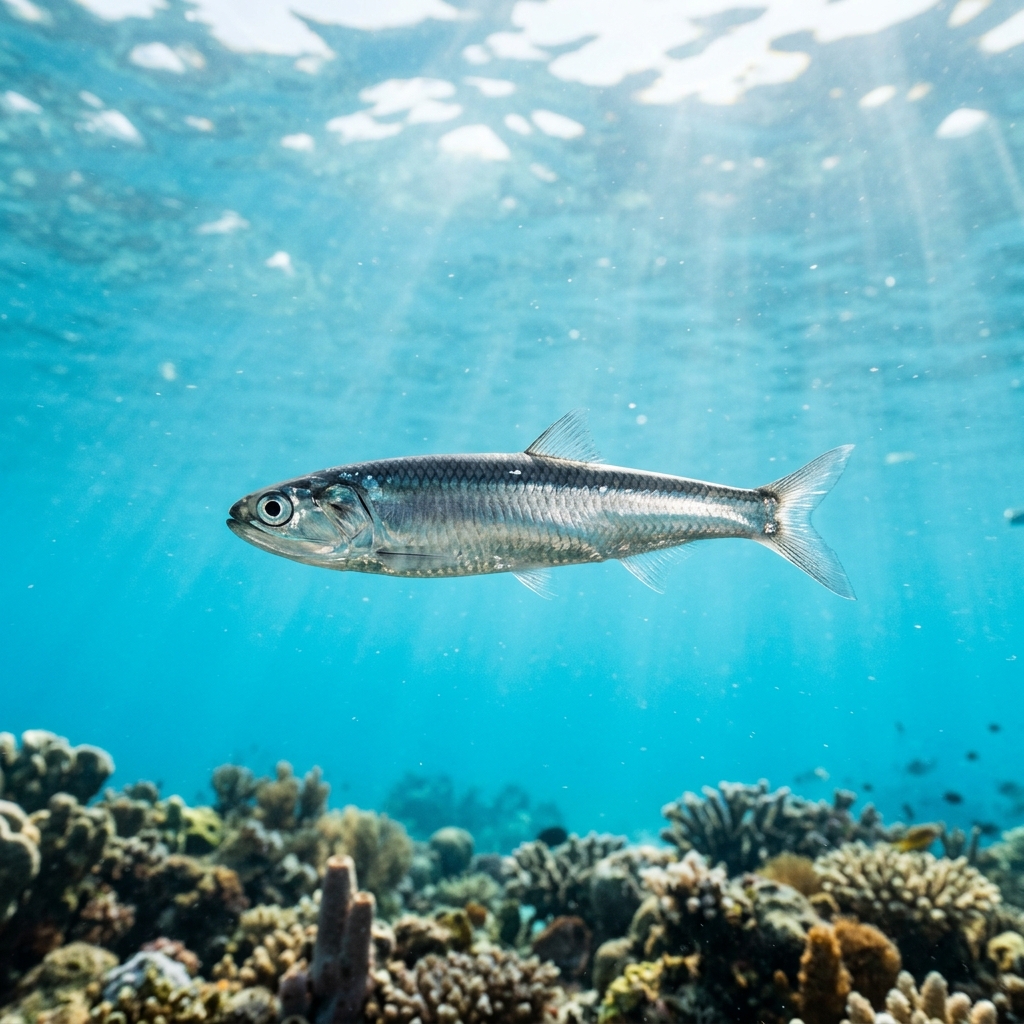
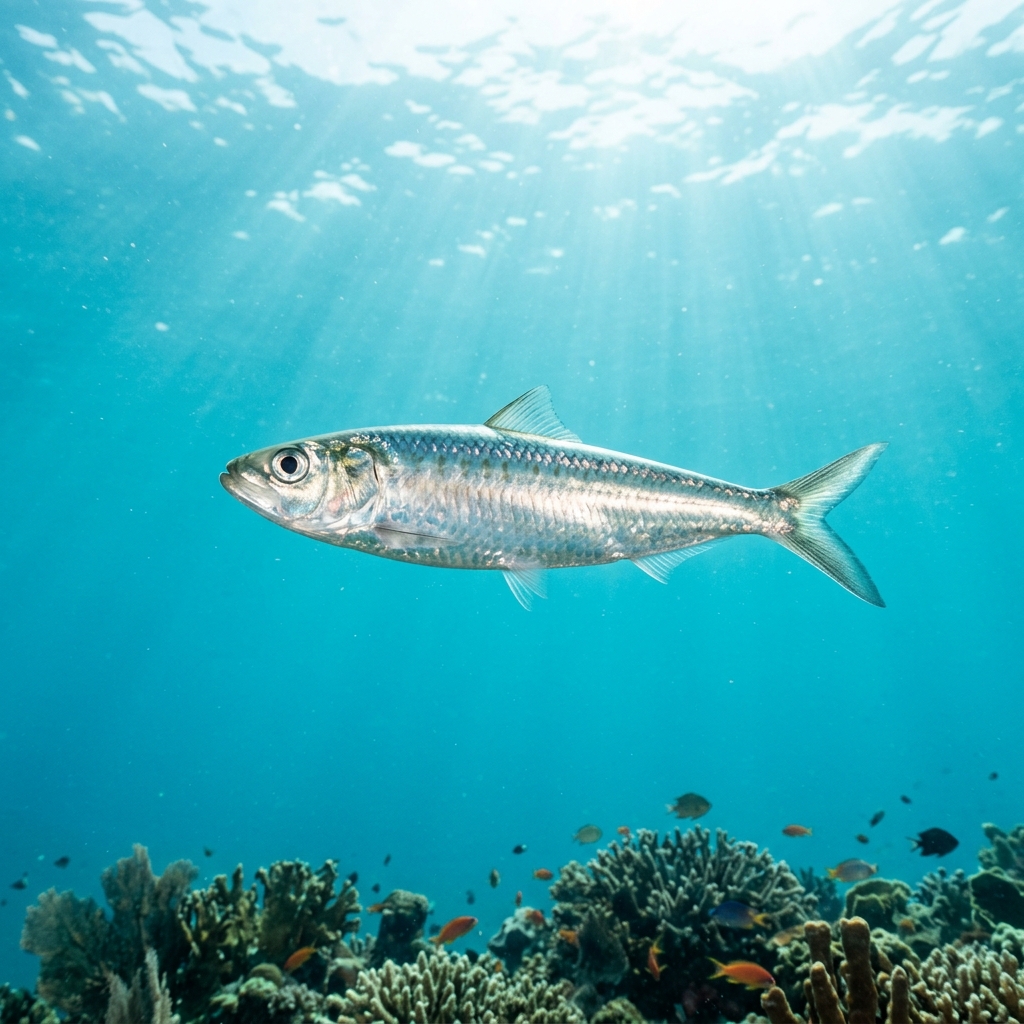
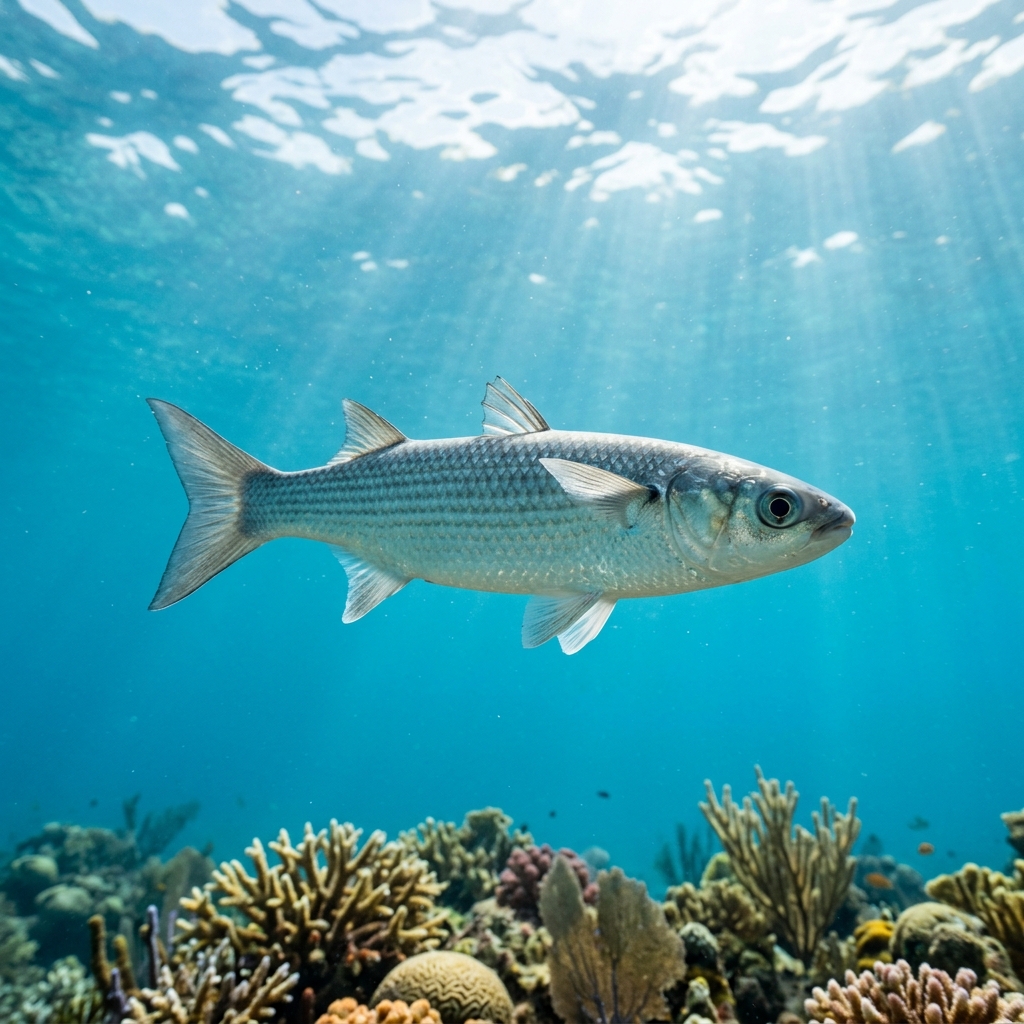
Mullet are torpedo-shaped, silvery fish with a blunt, rounded snout and a notably thick-set body compared to other schooling species. They typically show faint horizontal dark stripes running along their flanks, and their two widely spaced dorsal fins (the fins along the back) are a useful field mark. In the water they appear uniformly metallic silver, often catching the light as they wheel and turn in tight schools. Size varies across the family, but most species divers encounter range from about 20 to 60 cm in length.
You will almost always see mullet in schools, often milling in mid-water or moving purposefully along the surface or just above the reef. They are not particularly wary of divers but tend to part and reform around you rather than holding still. Mullet frequently forage near the bottom or at the water's surface, picking at algae, detritus, and fine organic matter, and are just as likely to appear in harbour walls and estuaries as on open reef.
Mullet are one of the few fish families that can tolerate enormous salinity swings (euryhaline), moving freely between fully marine, brackish, and freshwater environments. This is why divers log them everywhere from tropical lagoons to chilly temperate harbours.
In the Northern Hemisphere mullet are present year-round with no concentrated peak season, which fits their broad temperature tolerance from around 11 to 29 °C. In the Southern Hemisphere sightings concentrate between May and January, so plan Australian and South Pacific dives accordingly.
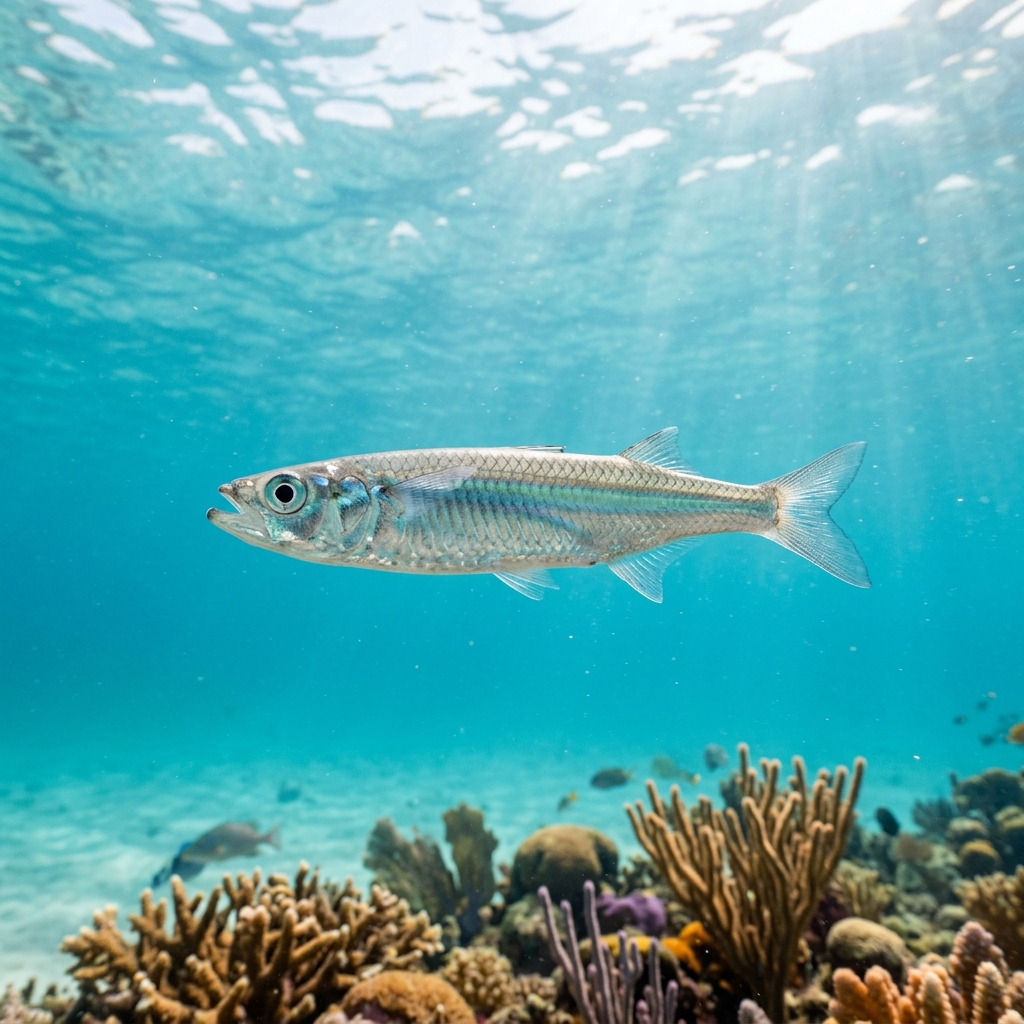
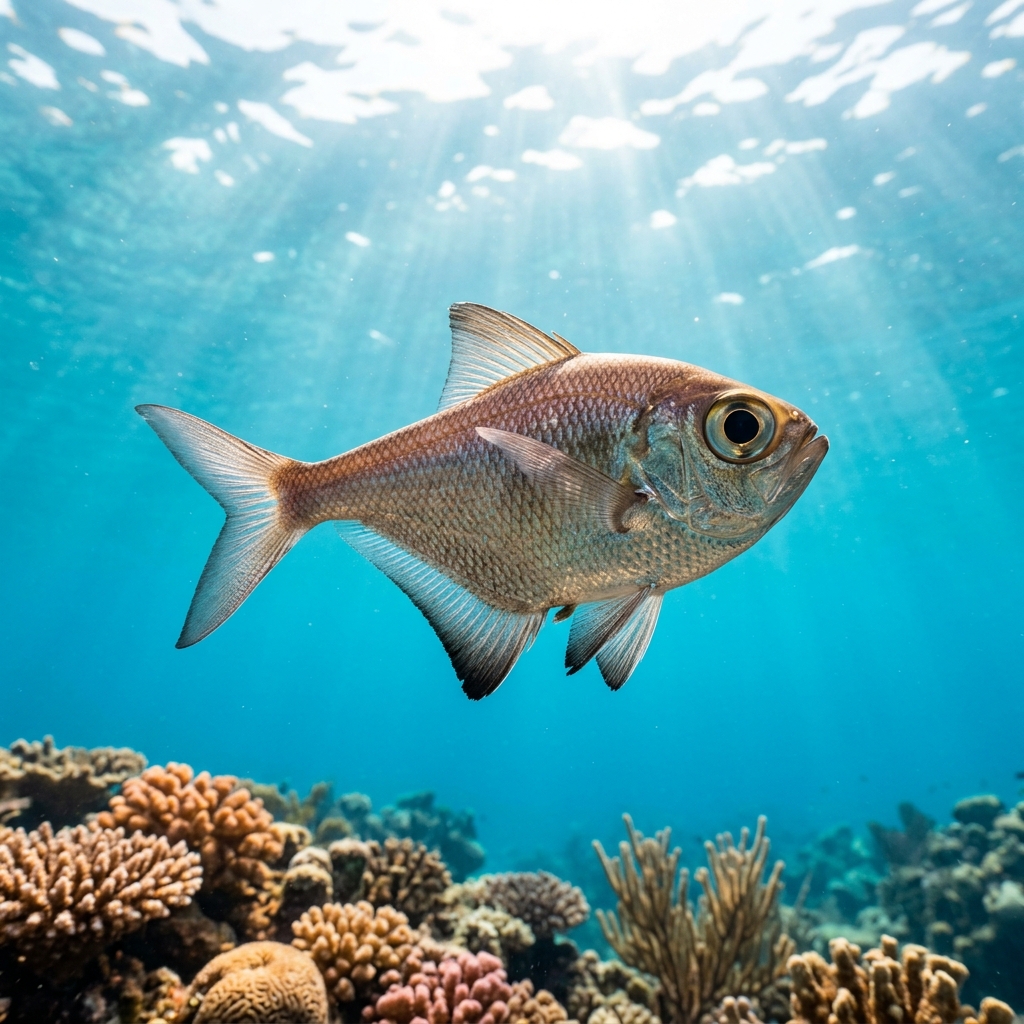
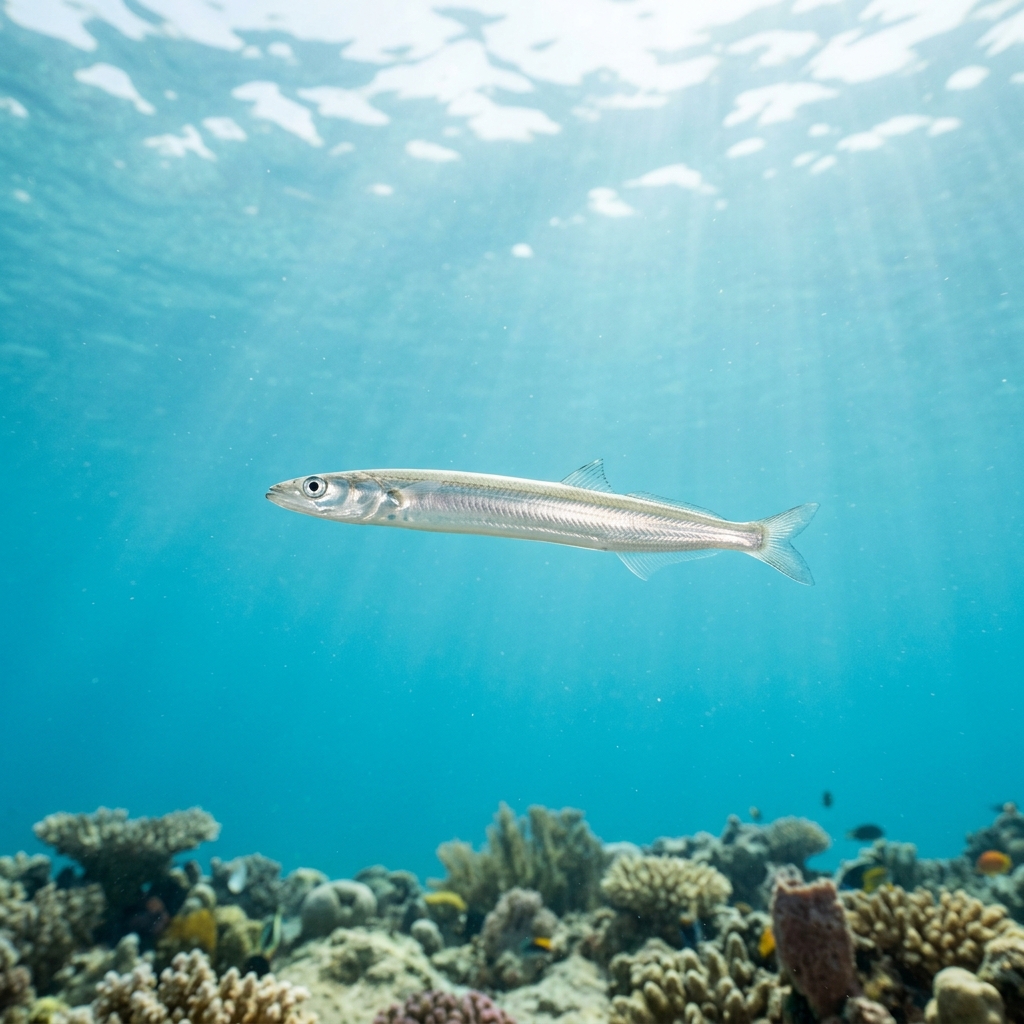
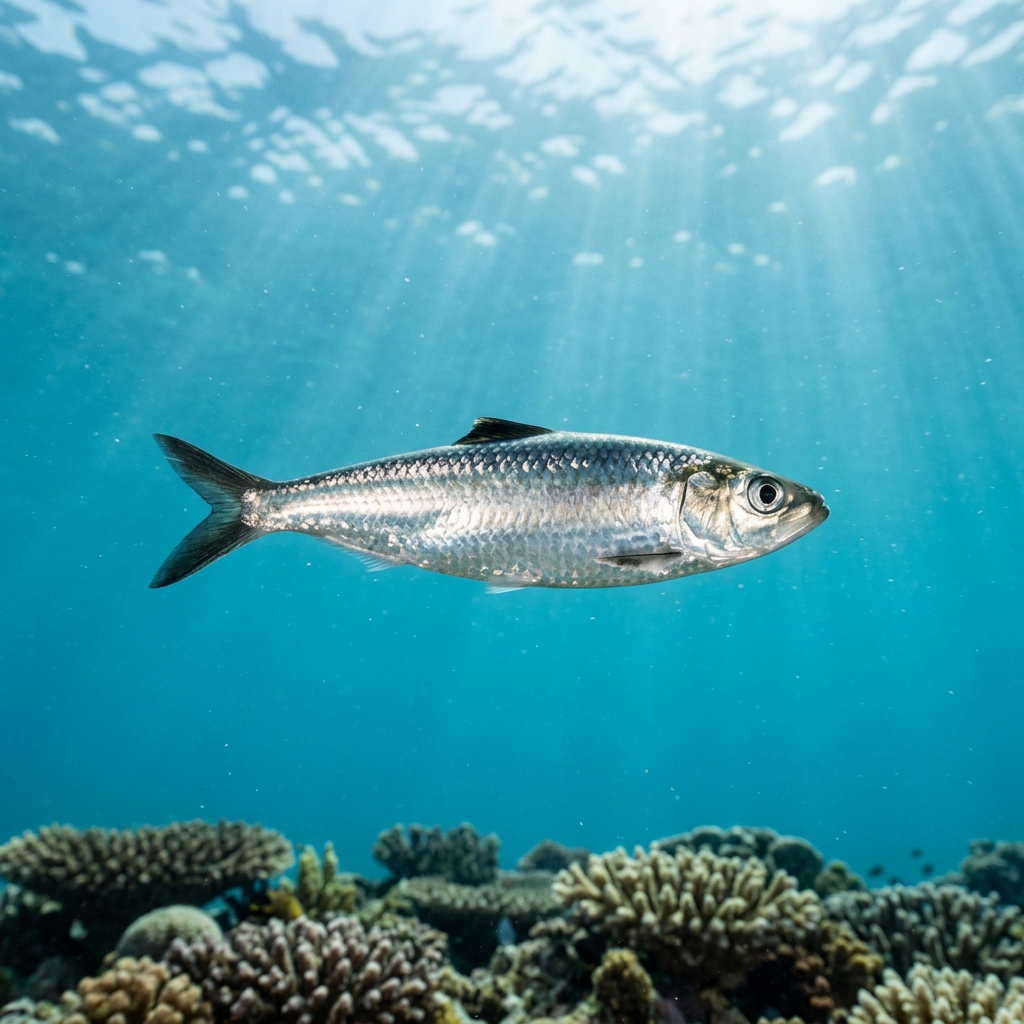
Reef neighbours a diver could mistake it for. Use the identification notes above to tell them apart.
Mullet are most commonly logged across the Mediterranean, with strong representation in France, Spain, Italy, and Croatia, particularly in the French Riviera and Provence, Costa Blanca, and Sicilian waters. Outside Europe they are a reliable sighting along the eastern United States, especially in Florida and the Southeast, as well as in Australian and Philippine waters. The sheer spread of records across more than 150 countries makes them one of the most globally distributed schooling fish divers encounter.
Mapping where Mullet is logged…
Mullet are logged at dive sites across more than 150 countries. The strongest concentrations are in the Mediterranean, particularly the French Riviera, Costa Blanca, and waters around Sicily and Sardinia, and along the Florida and Southeast US coastline. They also appear regularly in Australian, Croatian, Greek, and Philippine waters.
In the Northern Hemisphere mullet can be seen year-round, with no particular peak season. In the Southern Hemisphere sightings are most frequent between May and January. Their tolerance for water temperatures from about 11 to 29 °C means they persist across temperate and tropical sites alike.
Look for a blunt, rounded snout and a noticeably thick, torpedo-shaped body, mullet are stockier than most look-alike species. Two widely spaced dorsal fins and faint horizontal stripes on silver flanks help confirm the ID. They almost always travel in schools and tend to hug the surface or mid-water rather than hugging the reef bottom.
The Mugilidae family spans a range of sizes. Most species divers encounter are between roughly 20 and 60 cm in length. Some larger species can exceed 80 cm, though these are less commonly observed on recreational dives.
No. Mullet pose no threat to divers. They are peaceful schooling fish that will typically swim around or away from you. There are no venomous spines, no aggressive behaviours, and no known incidents involving mullet and divers.
Site and sighting data is aggregated from diver logs, iNaturalist and GBIF. For taxonomy and conservation status:
Sand Eel
1,925 sites