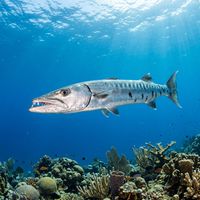
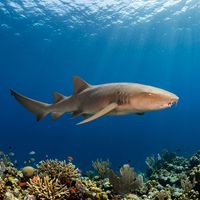
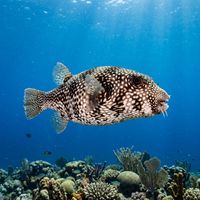
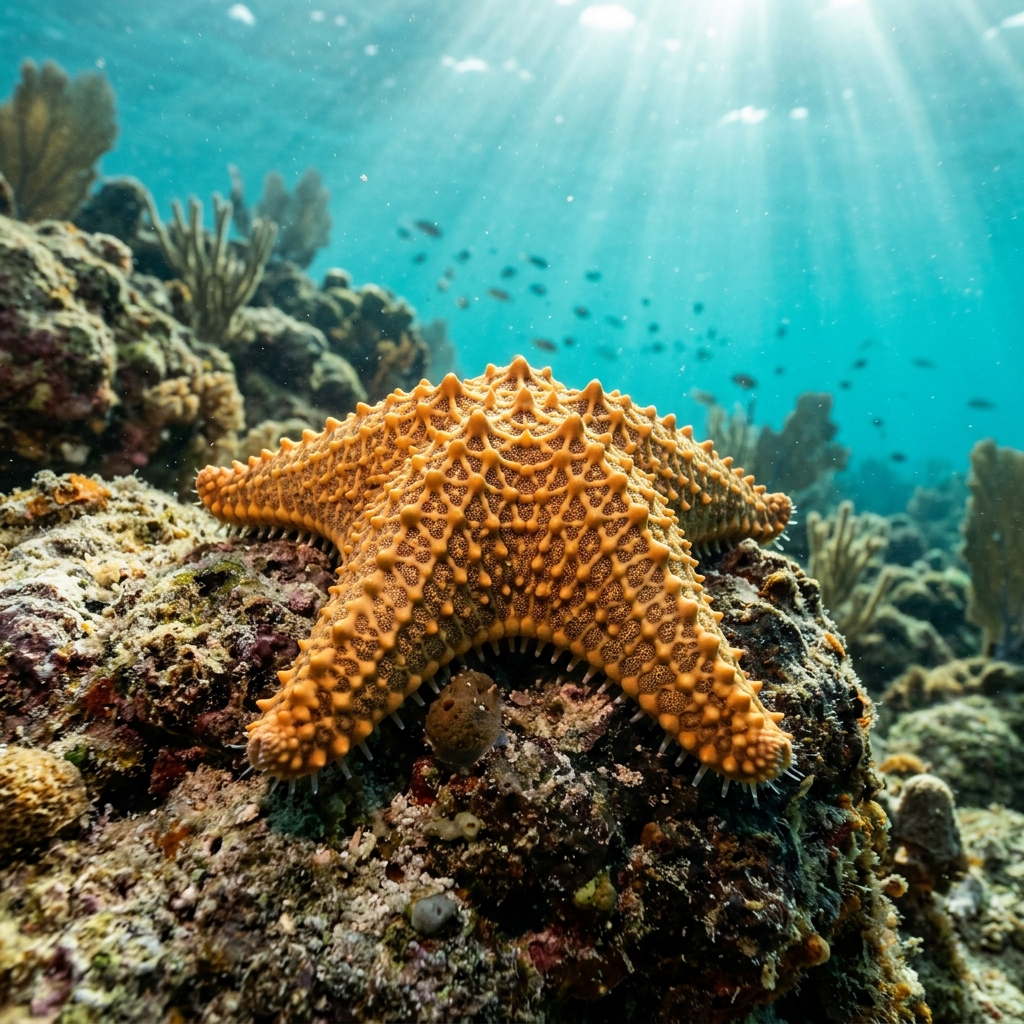
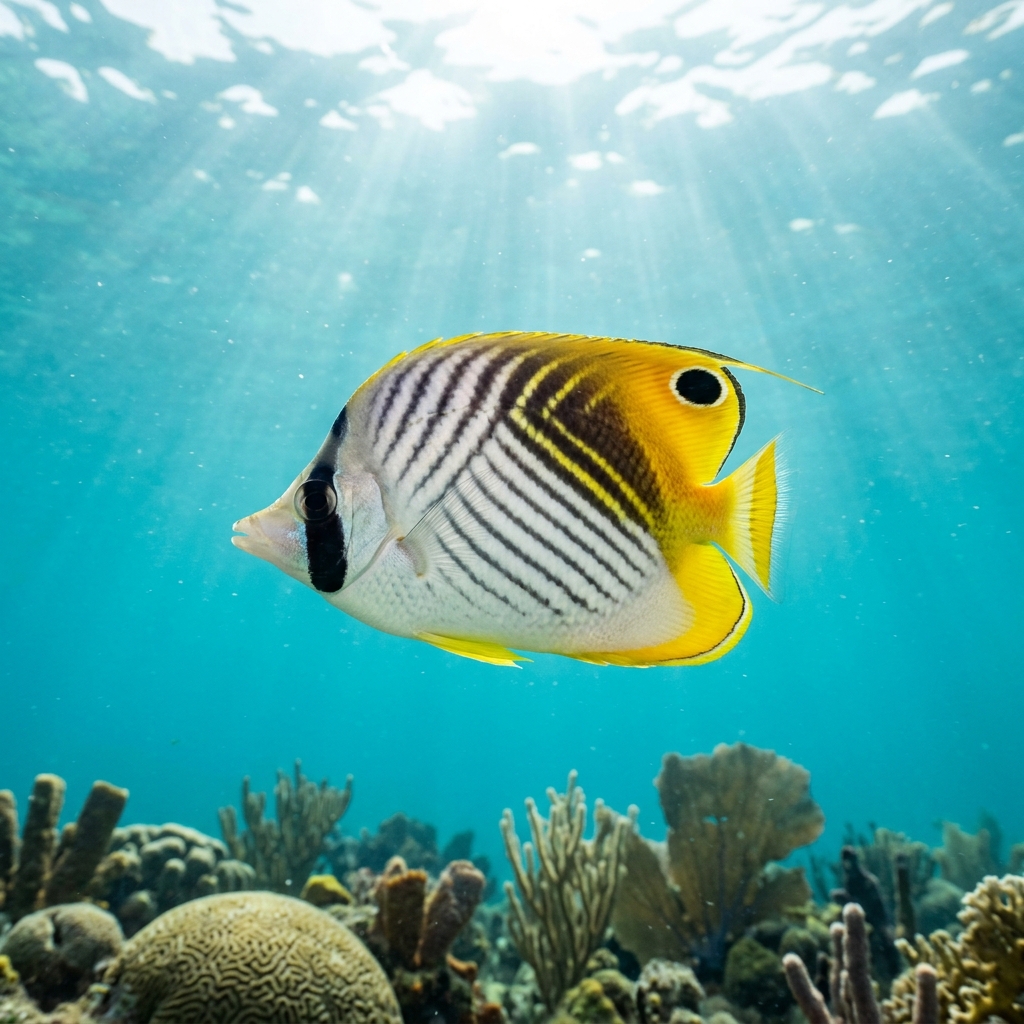
Caye Caulker's underwater character is shaped by a barrier reef system that ranges from coral mazes barely below the surface to deeper drop-offs and canyons suited to intermediate divers. The majority of sites are reef-based and reached by boat, though The Split offers rare shore access across seagrass beds and artificial reef structures. Nurse Shark and Great Barracuda are observed across nearly every site, while Whale Shark and West Indian Manatee appear occasionally. Shallow gardens like Coral Gardens suit first-time divers and snorkellers, while Rendez-vous Point and Crawl Cay reward those with more experience.

Monthly water temperature across Caye Caulker's sites, from satellite sea-surface data corrected for depth. The band shows the site-to-site spread.
Water stays warm throughout the year, reaching its peak warmth from mid-summer through autumn, making exposure protection a matter of personal comfort rather than necessity. The best-months data points strongly to spring, particularly March through June, as the prime window for diving, likely reflecting calmer seas and stronger visibility. July and August see a dip in popularity, which may correspond to increased weather activity, while conditions settle again towards the end of the year.
6 more sites to explore
Water temperature around Caye Caulker ranges from about 27°C in January to 30°C in July, based on satellite sea-temperature data for its dive sites.
With water around 27–30°C, a rash guard or 3mm shorty works in Caye Caulker year-round.
Fin maps 15 sites in Caye Caulker (15 scuba diving sites and 5 snorkelling spots, with some suited to both).
Across Caye Caulker's dive sites, March, April, May and June are most often reported as the best months to visit.
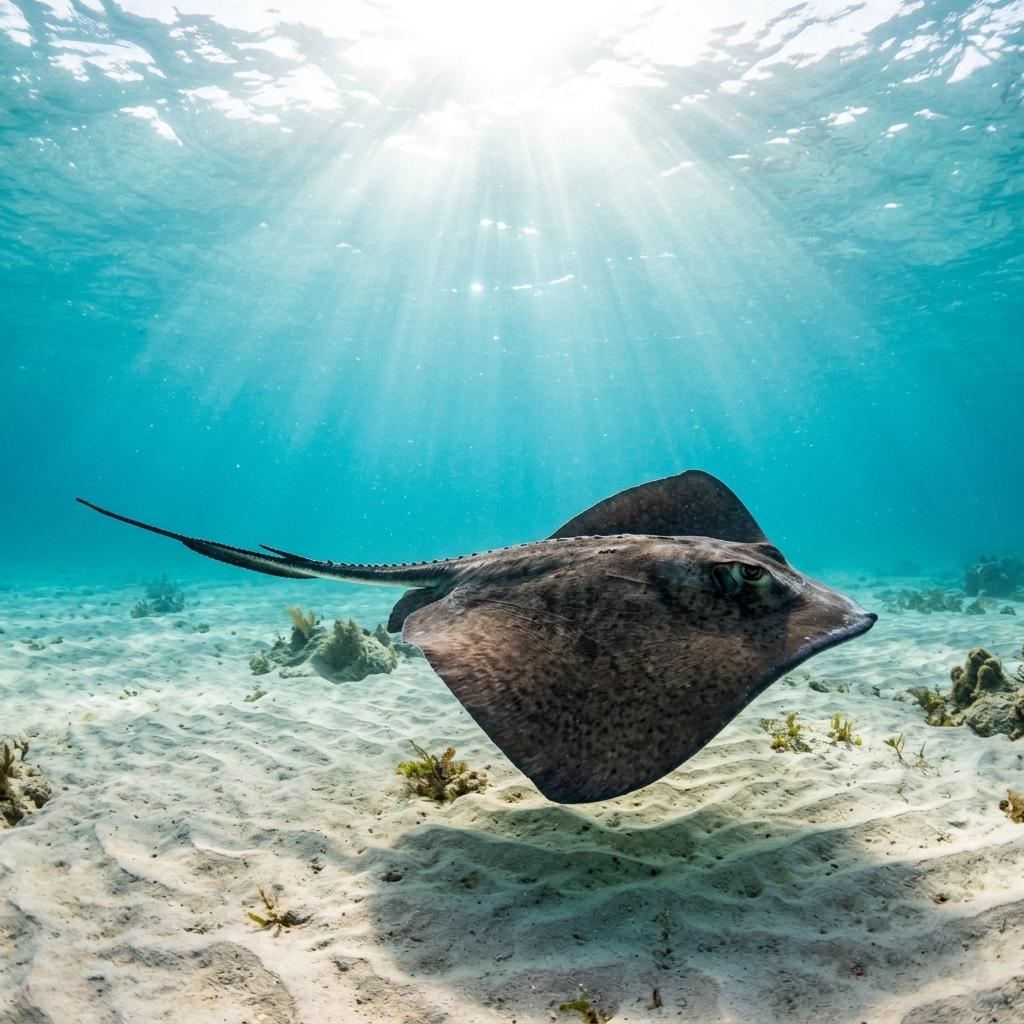
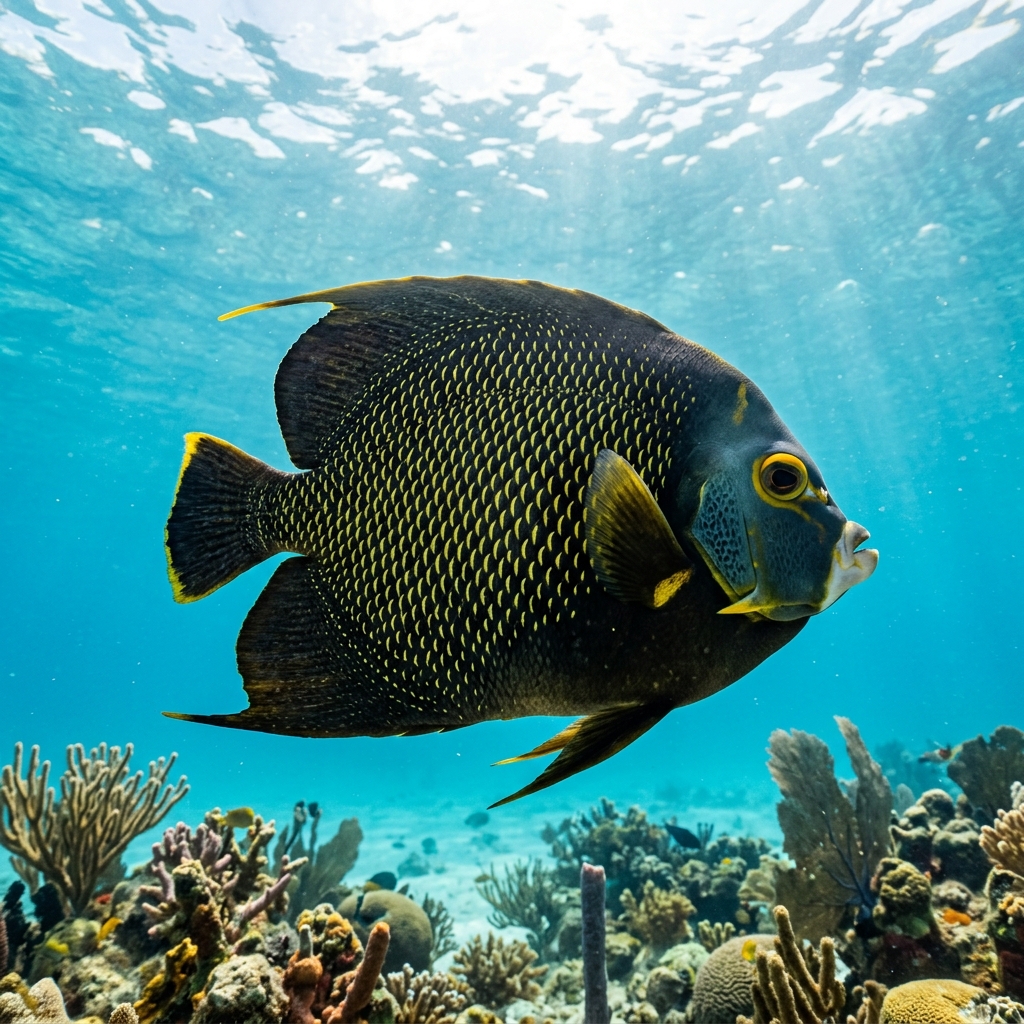
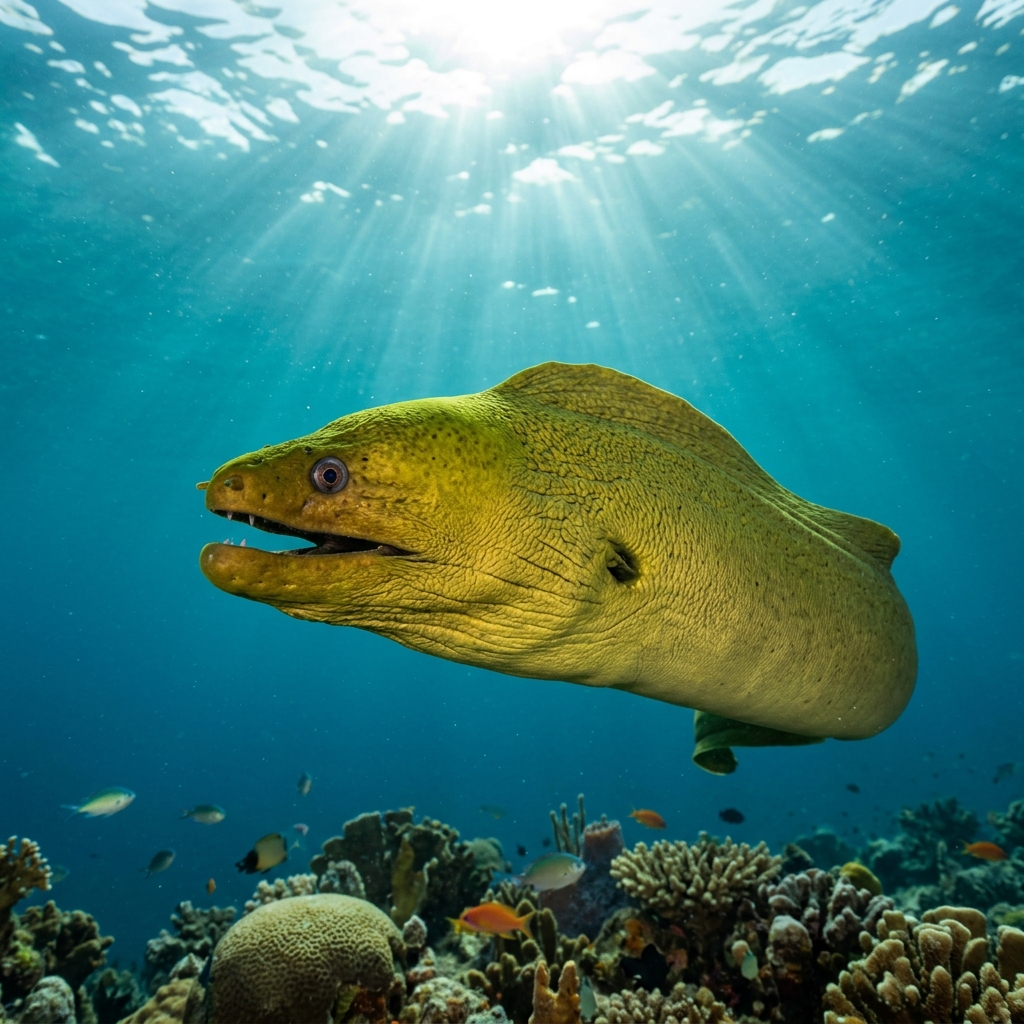
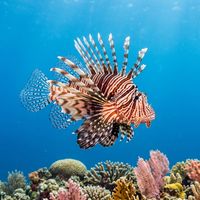
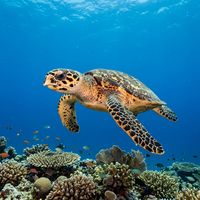
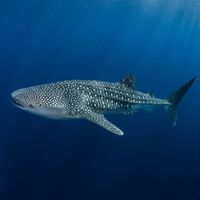
Nurse Shark and Great Barracuda are observed across nearly all sites and should be considered reliable encounters. Whale Shark and Hawksbill Sea Turtle appear occasionally, while West Indian Manatee has been recorded, particularly around seagrass habitats such as The Split. French Angelfish, Chupare Stingray, and Atlantic Tarpon round out a diverse cast of reef dwellers.
A good proportion of sites at Caye Caulker are rated beginner level, including Coral Gardens, Shark Ray Alley, Saint George's Caye, and South Channel. These sites feature mild currents and shallow to moderate depths, making them accessible to newly certified divers. Intermediate-level sites such as Crawl Cay and Rendez-vous Point offer deeper drop-offs and canyons for those seeking more challenge.
The vast majority of sites require boat access, and operators such as Frenchie's Diving, Sunrise Scuba, Belize Diving Services, and Caveman Snorkeling Tours run regular trips from the island. The Split is the notable exception, offering shore entry to a mix of seagrass beds and artificial reef. Boat trips bring divers within reach of more distant sites like Rendez-vous Point.
Reef sites dominate the area, ranging from shallow coral gardens a metre or two deep to walls and drop-offs pushing well beyond twenty metres. Rendez-vous Point adds a canyon formation to the mix, while The Split features seagrass beds and artificial reef structure. This variety means a single trip can combine gentle snorkel-depth reefs with more technical drift dives at depth.